
Best 40–60L Backpacks for Multi-Day Hiking
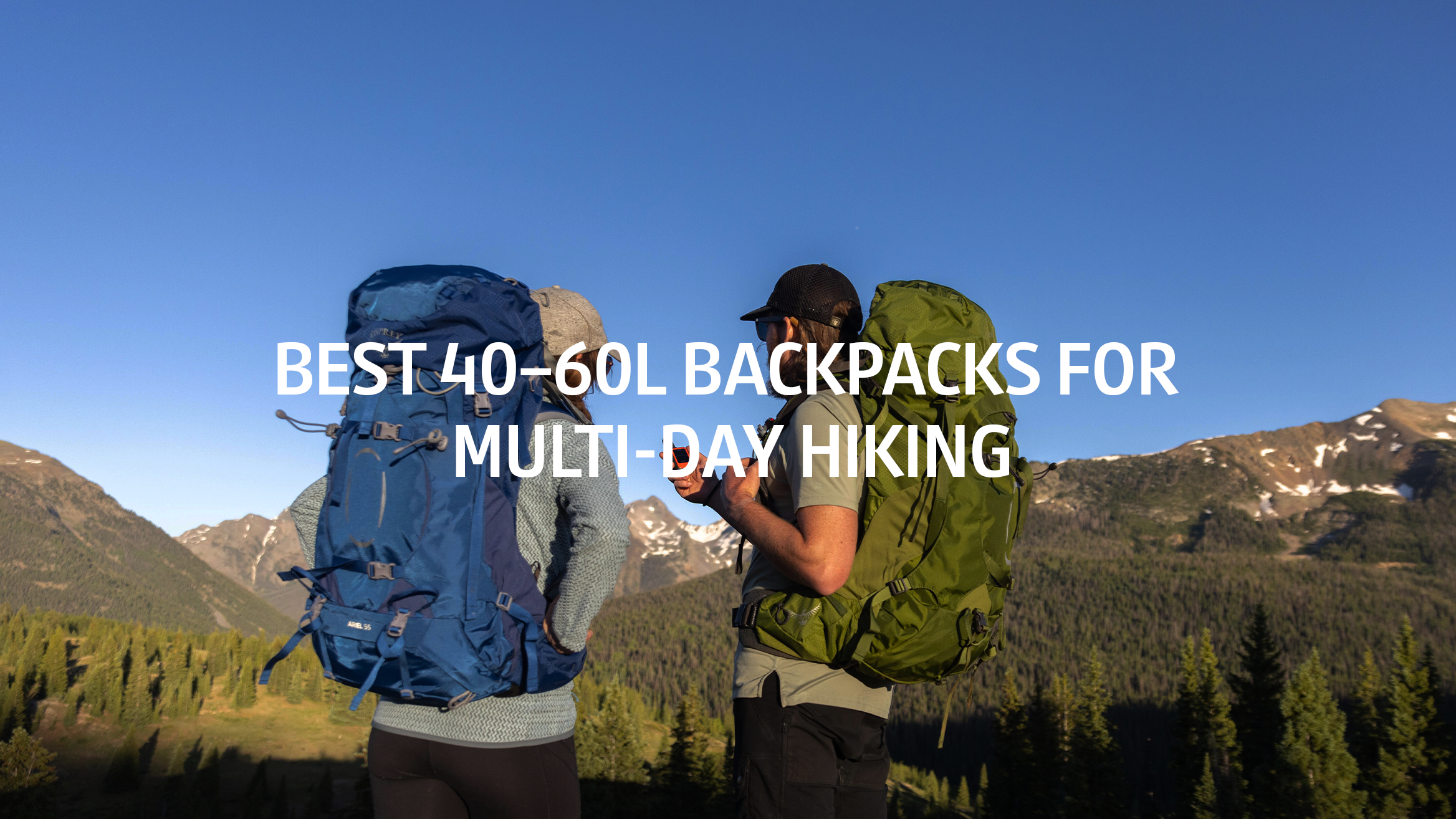
A good multi-day backpack should disappear into the background once you start walking.
That sounds obvious, but it is surprisingly difficult to get right. A pack can look great on paper, tick every feature box imaginable and still feel uncomfortable after a few hours on the trail. When you are carrying camping kit, extra layers, food and water over several days, comfort and load stability matter far more than gimmicks.
The sweet spot for most backpacking trips sits somewhere between 40 and 60 litres. Big enough for overnight and multi-day adventures, but still manageable for UK trails, mountain routes and wild camping setups.
In this guide, we have picked five standout backpacks that cover a wide range of hiking styles, from stripped-back lightweight trekking to more traditional load-hauling backpacking packs.
IN SHORT…
-
Compare lightweight vs traditional trekking packs: Understand the difference between modern lightweight designs and more supportive load-carrying packs.
-
See which backpacks suit different hiking styles: From fast-moving overnight hikes to extended wild camping trips.
-
Learn what actually matters in a backpacking pack: Fit, support, ventilation and load transfer all make a bigger difference than endless features.
-
Find the right size for your trips: Get practical guidance on when 40L is enough and when you may want extra capacity.
This article is part of our 👉 Hiking Knowledge Centre, where you’ll find expert advice on hiking footwear, clothing, backpacks and outdoor skills.
Quick Comparison Table
| Pack | Best For | Capacity | Why We Recommend It |
| Rab Muon 40 | Lightweight backpacking | 40L | Streamlined, lightweight and impressively capable in the mountains |
| Osprey Talon / Tempest 44 | Agile trekking | 44L | Close-fitting and versatile for lighter overnight adventures |
| Deuter Aircontact Ultra 40+5 | Lightweight comfort | 40+5L | Excellent support-to-weight balance for longer trips |
| Osprey Exos / Eja 48 | Long-distance hiking | 48L | Breathable, supportive and very comfortable over longer distances |
| Fjällräven Kajka 55 | Heavy-load backpacking | 55L | Exceptionally supportive and built for demanding multi-day use |
Best Lightweight Multi-Day Pack – Rab Muon 40
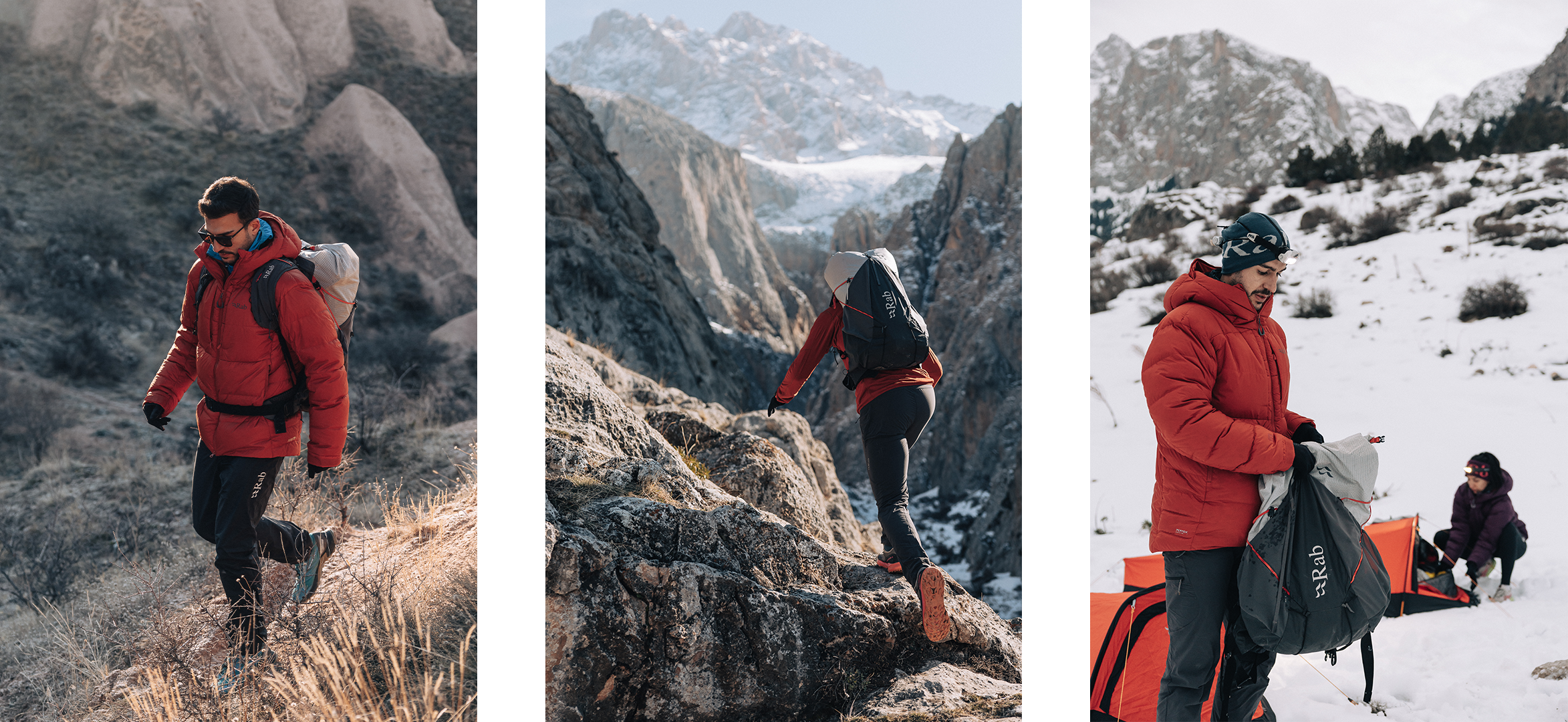
The Rab Muon 40 feels very much like a modern mountain pack first and a backpacking pack second, and that is exactly what makes it so appealing.
It is slim, clean and impressively stable on the move, particularly on rougher terrain where larger traditional trekking packs can sometimes feel bulky or overbuilt. The close-fitting carry helps the load feel controlled and balanced, which makes a noticeable difference on steeper climbs or faster-paced days in the hills.
What we like most is that it manages to keep the weight low without feeling stripped back or compromised. There is still enough support here for proper overnight trips and lightweight multi-day routes, especially if your camping setup is reasonably compact.
For hikers who prioritise efficiency and freedom of movement, this is one of the most well-rounded lightweight trekking packs currently available.
Why we rate it:
- Lightweight without sacrificing stability
- Excellent mountain-focused design
- Streamlined and efficient to hike with
Best for: Lightweight backpacking, overnight mountain routes and fast-moving multi-day hikes
Best Agile Trekking Pack – Osprey Talon / Tempest 44
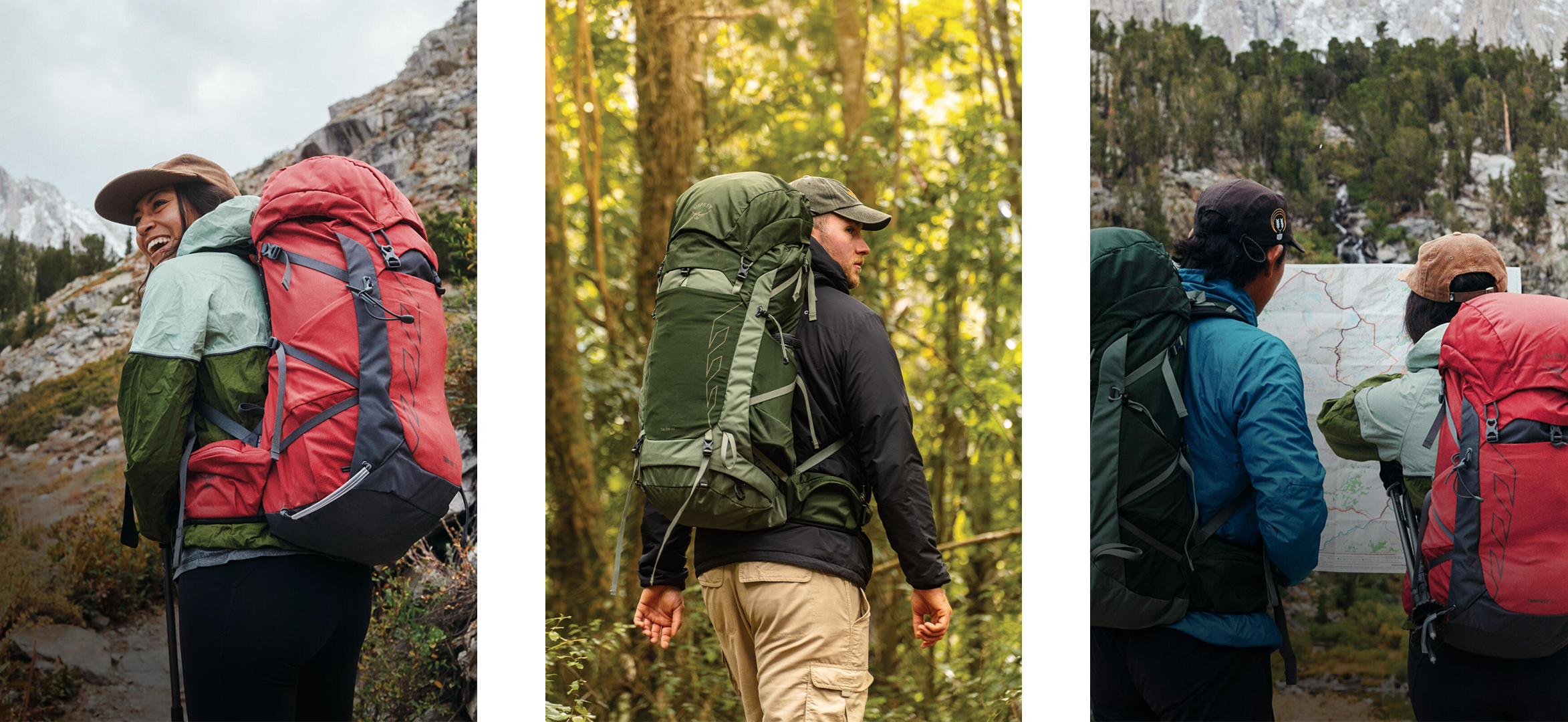
The Talon / Tempest 44 occupies a really interesting middle ground between technical daypack and lightweight trekking pack.
Compared to more traditional backpacking designs, it feels noticeably more agile and body-hugging, which makes it particularly good for hikers who move quickly or spend time on more technical terrain. It stays close to the body, moves naturally while walking and never feels overly cumbersome.
That flexibility does come with some compromise in outright load-hauling ability, but for lighter overnight setups that is rarely an issue. In fact, many hikers will prefer the more dynamic feel compared to larger framed packs.
It is a brilliant option for shorter backpacking trips where comfort and mobility matter more than maximum carrying capacity.
Why we rate it:
- Excellent freedom of movement
- Comfortable close-fitting carry
- Versatile for lighter overnight setups
Best for: Hut-to-hut trekking, overnight hikes and minimalist backpacking trips
Best Lightweight Comfort Pack – Deuter Aircontact Ultra 40+5
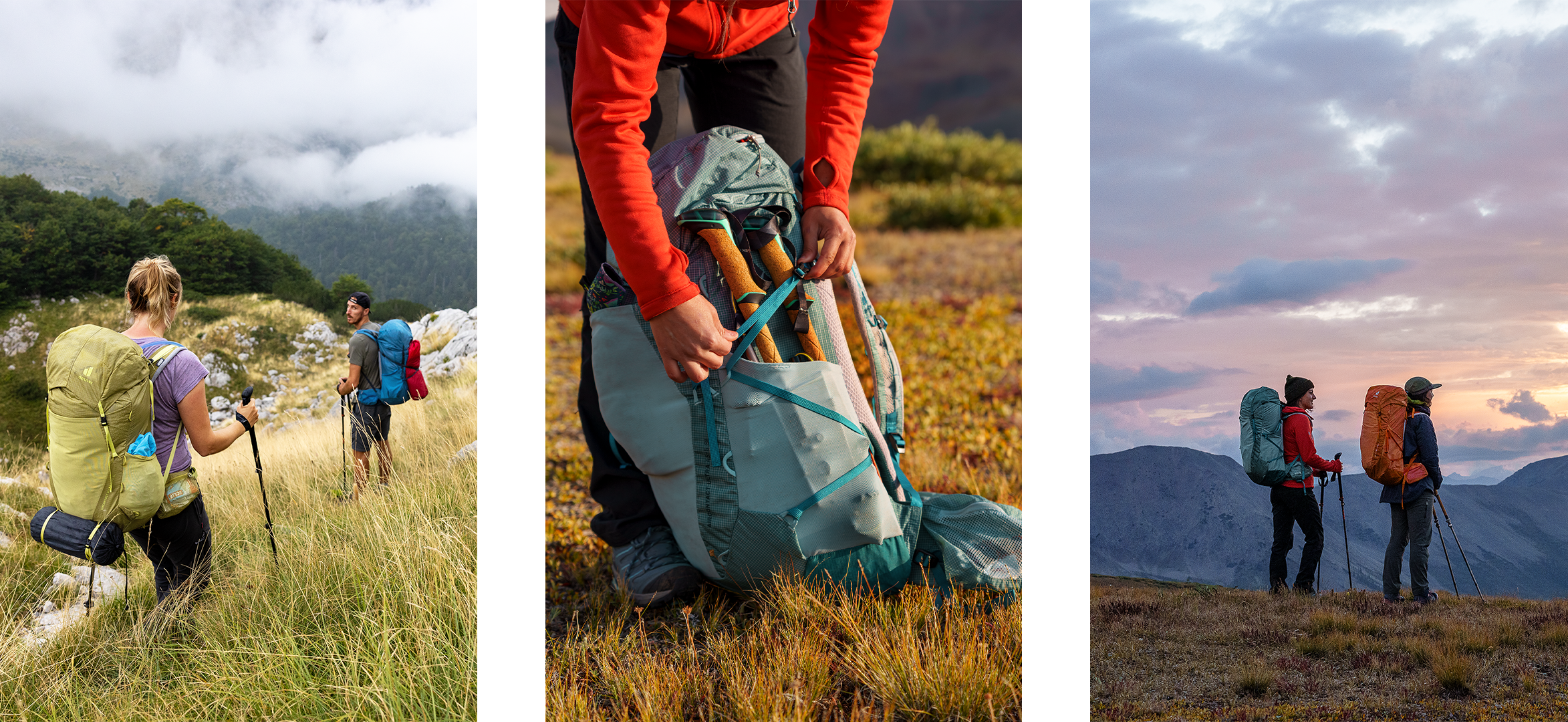
The Aircontact Ultra 40+5 feels like Deuter modernising their traditional trekking pack expertise for hikers who want to cut weight without losing comfort.
Compared to some ultralight packs, it still feels reassuringly supportive under load, particularly through the hipbelt and back system. That added structure makes it noticeably more comfortable once pack weights start creeping upwards, while still remaining impressively light overall for a pack in this category.
The expandable capacity is also surprisingly useful. It gives you extra flexibility for bulkier kit or longer food carries without making the pack feel oversized for shorter trips.
There is a very refined feel to the overall design too. Everything feels clean, efficient and properly thought out for longer-distance use.
Why we rate it:
- Excellent comfort-to-weight balance
- Stable under moderate loads
- Expandable capacity adds versatility
Best for: Lightweight backpacking, long-distance hiking and multi-day mountain routes
Best for Long-Distance Hiking – Osprey Exos / Eja 48
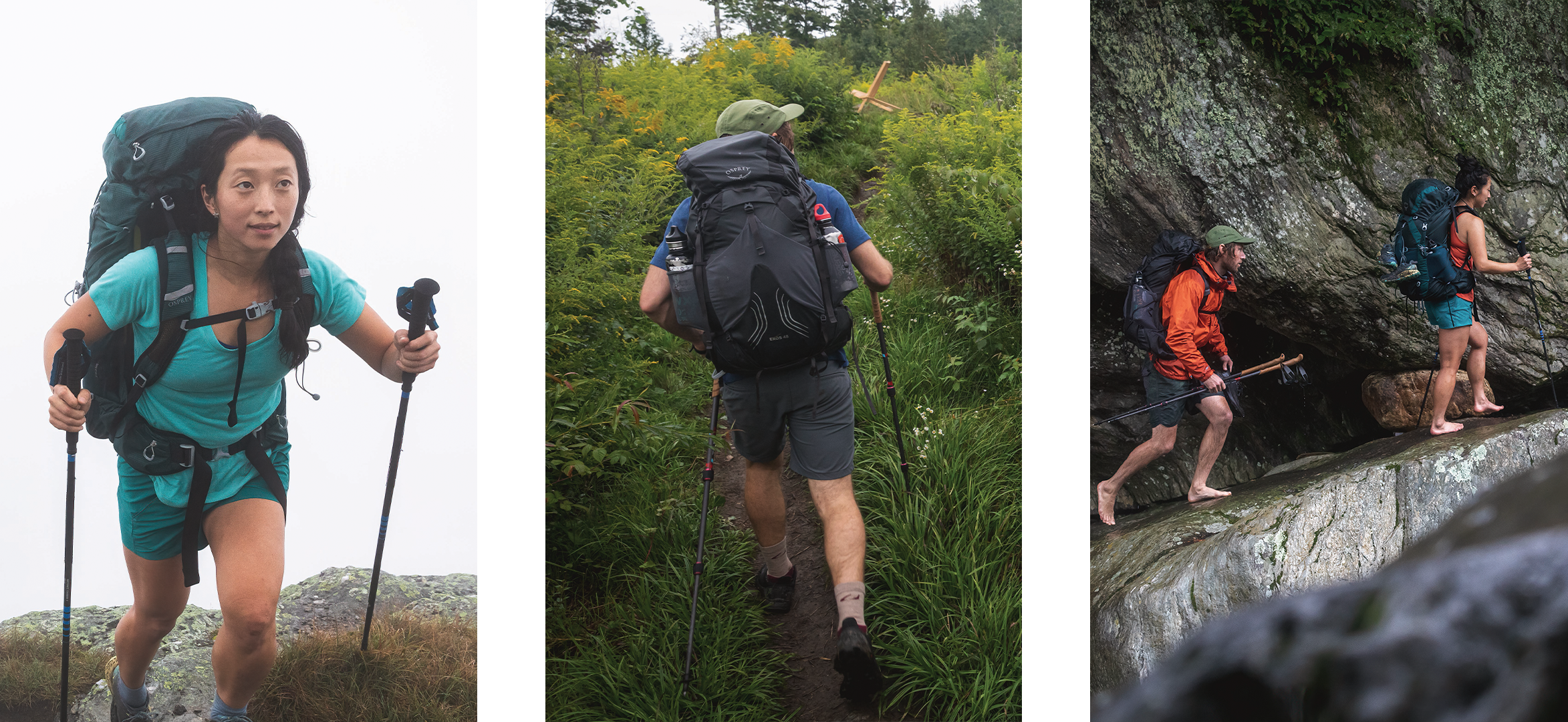
The Exos / Eja 48 has developed a loyal following over the years because it gets a difficult balance remarkably right.
It feels noticeably lighter and less bulky than many traditional trekking packs, yet still offers enough structure and support for proper multi-day use. That combination becomes particularly valuable on longer trails where comfort over repeated days matters just as much as outright pack weight.
The suspended back system is another huge part of the appeal. It creates excellent airflow across the back and helps the pack feel noticeably cooler during warmer weather or sustained climbs.
Importantly though, the Exos never feels fragile or overly minimalist. It still carries a sensible backpacking load very comfortably, which is exactly why so many long-distance hikers continue to use it.
Why we rate it:
- Excellent ventilation and airflow
- Very good support for the weight
- Comfortable over long distances
Best for: Long-distance trails, summer backpacking and lightweight trekking
Best for Heavy Loads and Long Treks – Fjällräven Kajka 55
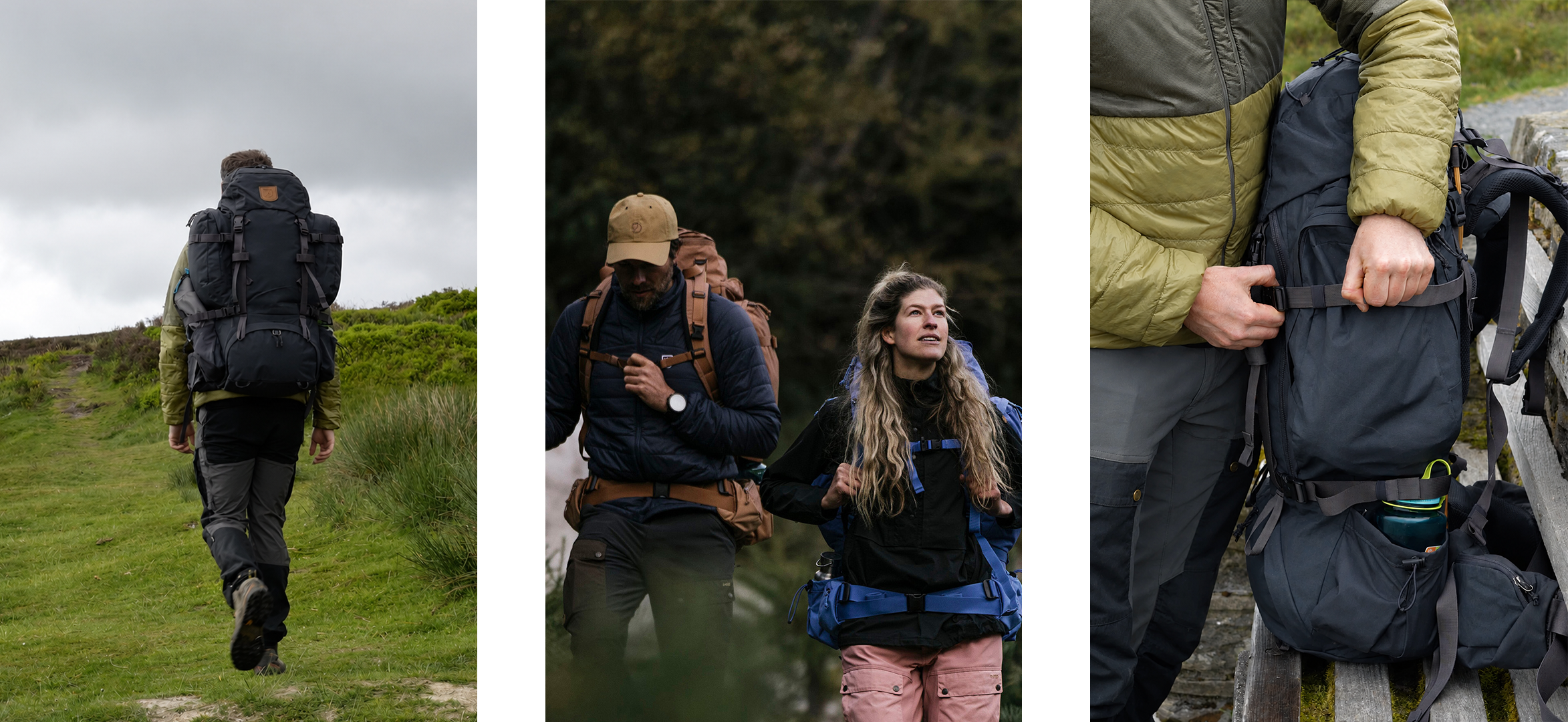
The Kajka 55 takes a very different approach to backpacking compared to some of the lighter packs in this guide.
Rather than focusing purely on reducing weight, Fjällräven has prioritised support, durability and carrying comfort under heavier loads. For many hikers, particularly those carrying larger camping setups or heading out for longer trips, that is often the smarter trade-off.
The support through the back system and hipbelt is excellent, especially once loads become heavier or terrain becomes more demanding. It feels planted, secure and confidence-inspiring in a way that some lightweight packs simply do not.
Yes, it is heavier than the more minimalist options here, but it earns that extra weight through genuinely excellent comfort and long-term durability.
Why we rate it:
- Outstanding carrying support
- Extremely durable construction
- Comfortable with heavier gear loads
Best for: Extended backpacking trips, winter trekking and carrying bulkier camping gear
How to Choose the Right Multi-Day Backpack
How much capacity do you need?
It is easy to assume bigger is always better, but that is rarely true with backpacking packs.
For most UK overnight and multi-day hiking trips, somewhere between 40 and 55 litres is ideal. That gives enough space for camping equipment, layers and food without encouraging unnecessary overpacking.
As a rough guide:
- 40L – Lightweight overnight trips and compact gear setups
- 45–50L – General backpacking and most multi-day hikes
- 55L+ – Winter camping, longer unsupported routes or bulkier gear
Modern camping equipment has become significantly lighter and more compact in recent years, which means many hikers can comfortably use smaller packs than they might have done previously.
Fit matters more than features
No amount of clever features can compensate for a poor fit.
A well-fitting backpack should transfer most of the load through the hips while keeping the pack stable and balanced as you move. If the fit is wrong, even relatively light loads can quickly become uncomfortable.
The main areas worth paying attention to are:
- Back length
- Shoulder strap fit
- Hipbelt comfort
- Load stability
A pack that fits properly will always carry better than one with more features but a poor fit. It will feel more stable on uneven ground, distribute weight more efficiently and stay comfortable for longer.
If you are not sure what a good fit actually feels like, it is worth watching our guide on How to Fit Your Rucksack Correctly. It covers the basics of back length, strap adjustment and load positioning, and can make a huge difference to comfort on the hill.
Ventilation vs close-fitting carry
This is one of the biggest trade-offs in pack design.
Ventilated back systems
- Better airflow
- Cooler in warmer conditions
- Often feel more comfortable on steady trails
Close-fitting back systems
- Better stability on technical terrain
- More precise movement while hiking
- Often carry weight more securely
Neither approach is automatically better. It depends entirely on how and where you hike most often.
Final Thoughts
There is no universally perfect backpack for multi-day hiking. The right choice depends on how much kit you carry, the type of terrain you hike on and whether you prioritise lightweight efficiency or maximum carrying comfort.
For lightweight mountain backpacking, the Rab Muon 40 is seriously impressive. The Talon 44 offers a more agile and flexible feel for lighter overnight trips, while the Deuter Aircontact Ultra 40+5 blends low weight with excellent support. If long-distance comfort and airflow are priorities, the Exos 48 remains one of the strongest options available, while the Kajka 55 is exceptionally good for heavier loads and bigger adventures.
The most important thing is choosing a pack that suits your hiking style rather than simply chasing the lightest specification or the biggest feature list.
If you are unsure which pack is right for you, we are always happy to help. You can give us a call on 01432 263335, email [email protected], or visit our Hereford Service Centre to try different packs on properly before committing.
FAQs
For most UK backpacking trips, 40 to 55 litres is the sweet spot. It gives enough space for camping gear and extra layers without becoming excessively bulky.
Yes, if your gear is relatively lightweight and compact. A 40L pack works very well for overnight and minimalist multi-day trips.
Modern lightweight trekking packs can be extremely comfortable, provided your load stays within the intended carrying range.
Yes. They improve airflow and help reduce heat build-up, particularly during warmer weather and long climbs.
Absolutely. A properly fitted hipbelt should carry the majority of the load rather than your shoulders.
Backpacking packs are generally larger, more supportive and designed to carry heavier loads over multiple days.
With proper care, a quality trekking backpack should comfortably last for many years of regular use.
Leave a Reply