
Best Daypacks for Hiking (20–30L)
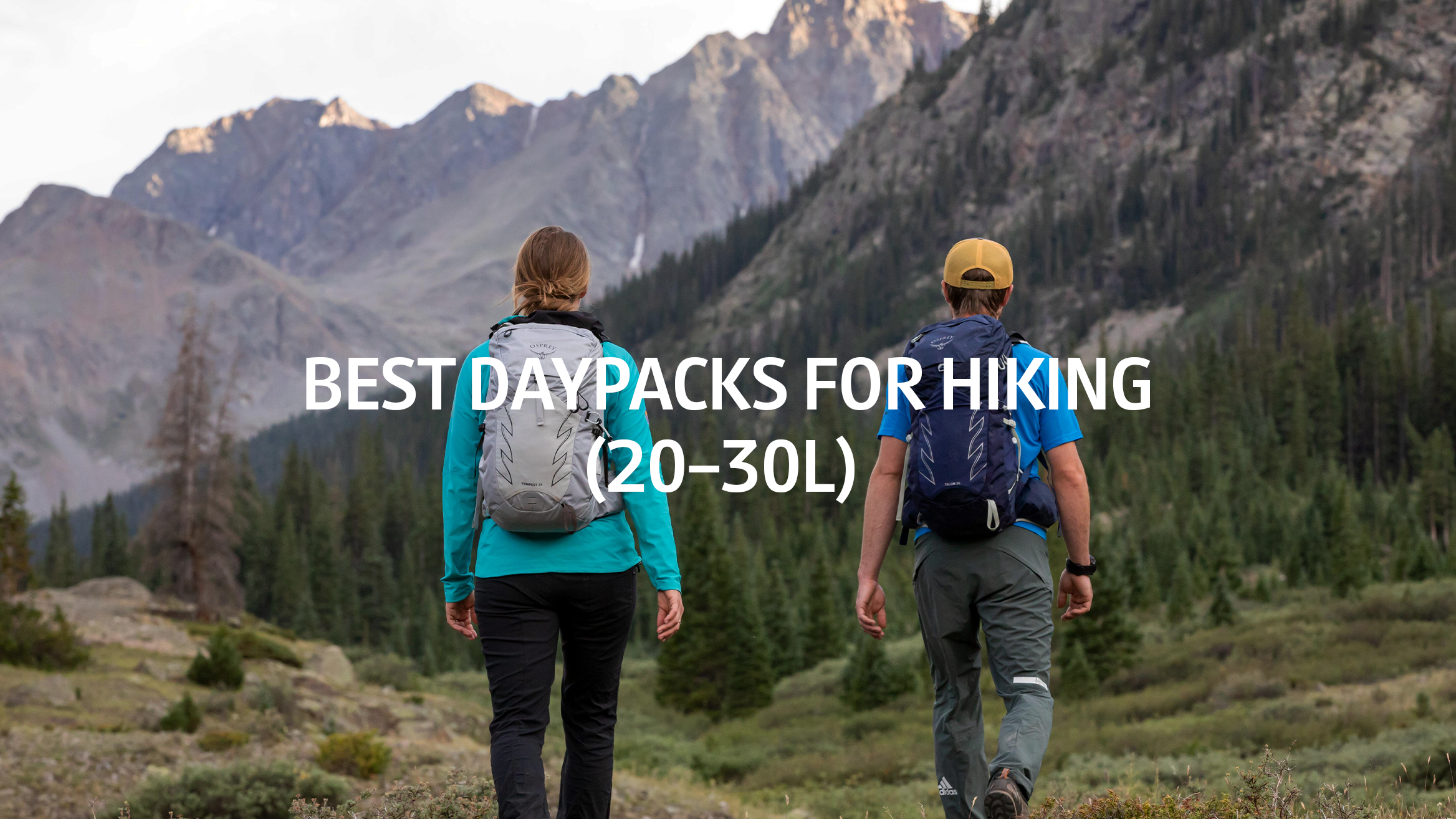
Choosing the best daypack for hiking is always a balancing act.
Capacity matters, but so does comfort, stability and how a pack carries over a full day on the hill. In the UK especially, where conditions can change quickly and waterproofs, spare layers and extra food are often essential, getting that balance right matters.
In this guide, we have pulled together some of the best hiking daypacks in the 20 to 30 litre range available right now. These are tried and trusted options that cover everything from lightweight fast hiking to technical mountain days and everyday outdoor use.
IN SHORT…
-
Use the quick comparison table: Get a clear overview of how each pack compares for fit, strengths and ideal use.
-
Compare the best daypacks for hiking: See our top picks across different categories, from all-rounders to lightweight and technical options.
-
Understand what matters in a hiking daypack: Learn what actually makes a good hiking pack for UK hillwalking, including fit, carry comfort and practical features.
-
Choose the right pack for your adventures: Get practical advice on pack size, back systems and key features.
This article is part of our 👉 Hiking Knowledge Centre, where you’ll find expert advice on hiking footwear, clothing, backpacks and outdoor skills.
Quick Comparison Table
| Pack | Best For | Capacity | Why We Recommend It |
| Rab Airox 24 | All-round hiking | 24L | Excellent balance of weight, comfort and mountain-ready performance |
| Osprey Talon / Tempest Velocity 20 | Fast and light hiking | 20L | Lightweight, stripped-back design for efficient movement |
| Osprey Talon / Tempest Pro | Technical mountain use | 30L | Premium materials and stronger support for bigger days |
| Lowe Alpine AirZone Ultra 26 | Warm-weather hiking | 26L | Excellent ventilation and trail comfort |
| Fjällräven Abisko Hike Foldsack | Short walks and travel | 25L | Simple, durable and versatile for everyday outdoor use |
Best Overall – Rab Airox 24 / 22ND
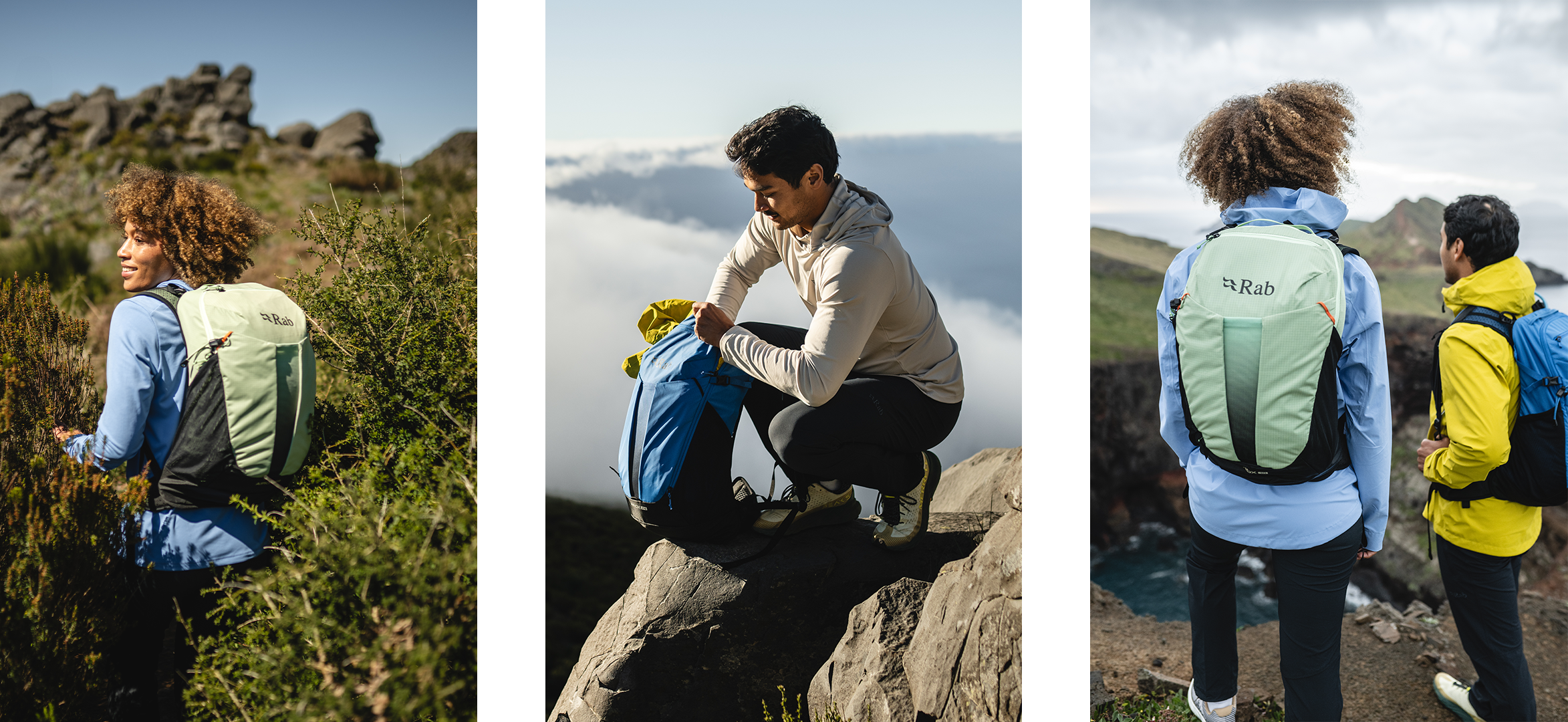
The Rab Airox is one of those packs that just works for most people, most of the time.
The Rab Airox 24 strikes an excellent balance between low weight, comfort and practical mountain performance, which makes it one of the easiest packs to recommend for UK day hiking. A modern, streamlined design keeps things clean and efficient, while still offering enough support and structure for waterproofs, food, spare layers and the usual hill essentials.
While lighter or more feature-rich options do exist, that balance is exactly what makes the Airox such a strong all-rounder for most hikers.
Why we rate it:
- Excellent weight-to-comfort balance
- Stable carry on mountain terrain
- Clean, versatile design
Best for: General hillwalking, mountain days and mixed-terrain day hikes
Best Lightweight Option – Osprey Talon / Tempest Velocity 20
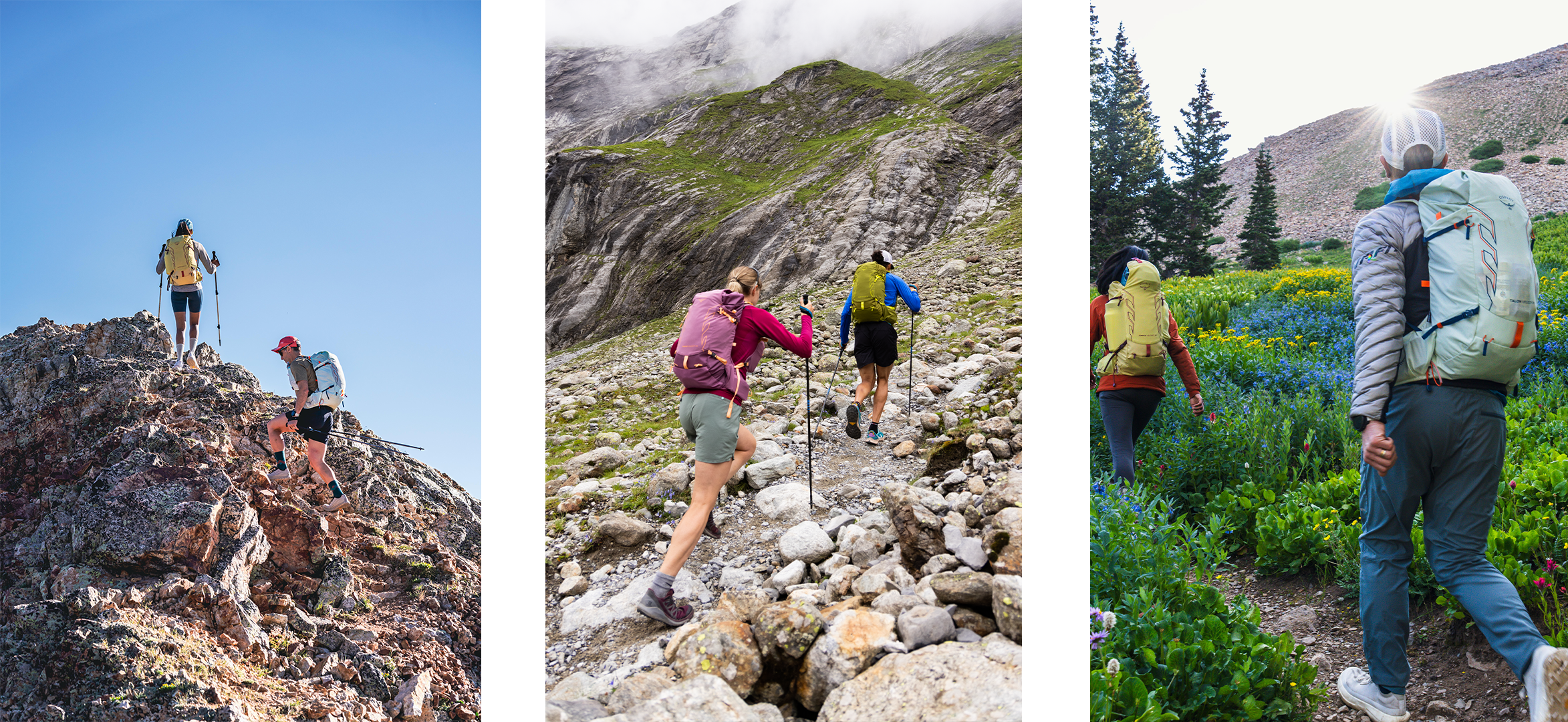
If your focus is moving fast and keeping your kit as minimal as possible, the Velocity series makes a lot of sense.
These packs strip things back to the essentials and keep the carry close and stable, which makes them ideal for quicker hikes where efficiency matters. They feel agile and low-profile, and the lighter build helps when covering ground quickly.
The trade-off is that they are less forgiving with bulkier loads, but that is exactly the point.
Why we rate it:
- Lightweight and efficient
- Close-fitting and stable
- Ideal for faster-paced hiking
Best for: Fast hiking, summer hillwalking and minimalist day trips
Best Premium Technical Pack – Osprey Talon / Tempest Pro 30
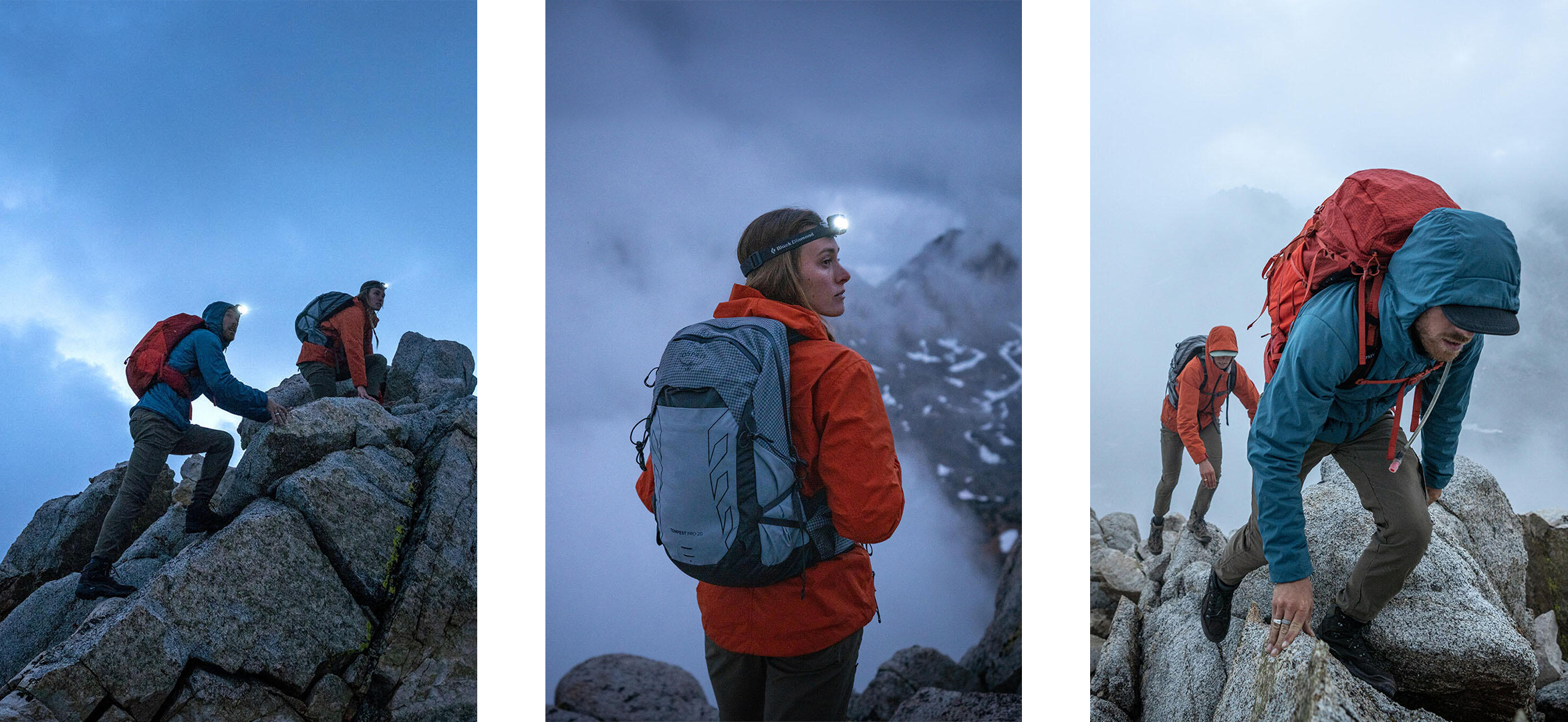
The Talon and Tempest Pro take the proven formula of Osprey packs and sharpen it for bigger, more demanding mountain days.
With tougher fabrics, more support and a slightly more technical feature set, these are packs for people who want to carry more kit and move through rougher terrain with confidence. They feel more robust and more capable when the weather turns or the route becomes more serious.
For winter hillwalking or long mountain days, that extra support is noticeable.
Why we rate it:
- Premium build quality
- Better load support
- Excellent for technical terrain
Best for: Scrambling, winter hiking and full mountain days
Best Ventilated Option: Lowe Alpine AirZone Active 22
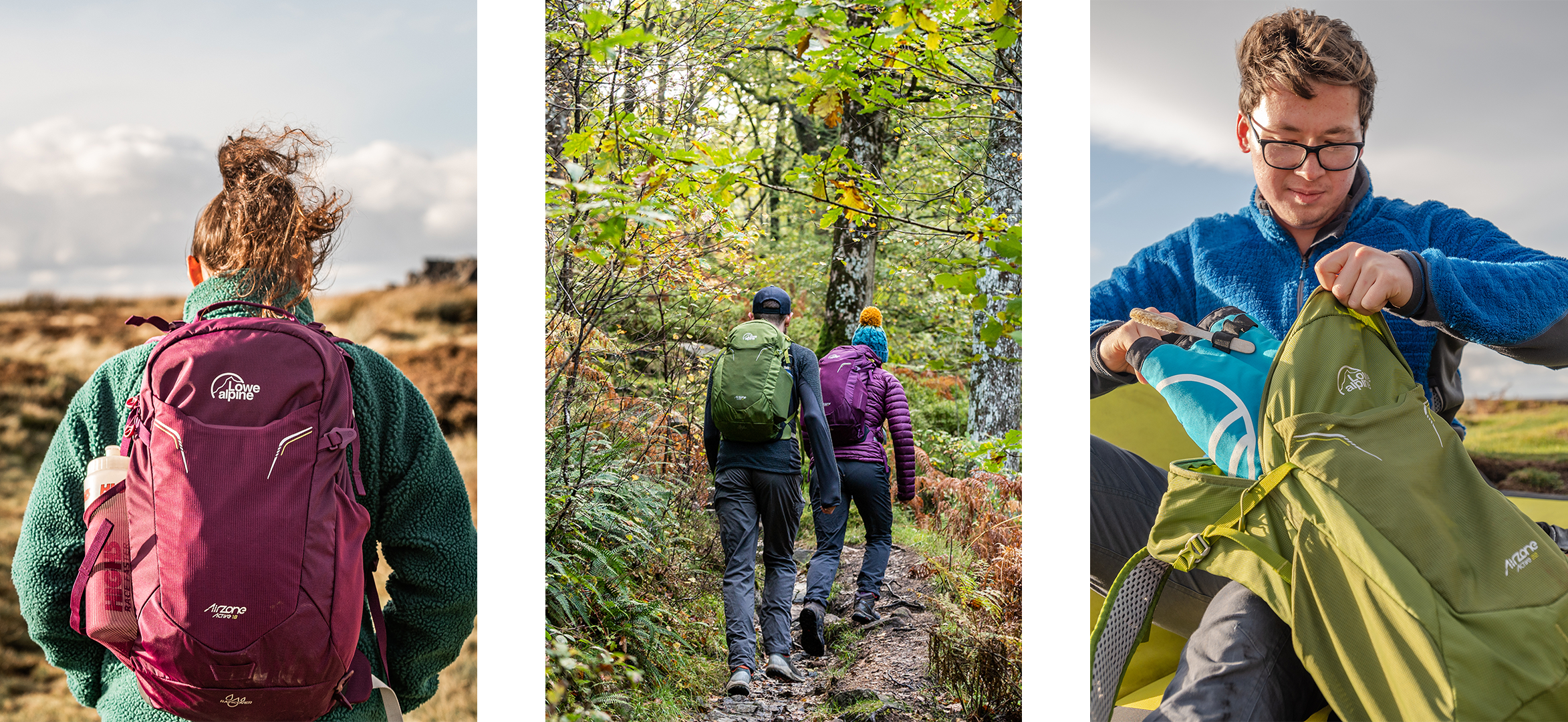
If you tend to run warm or spend most of your hiking through spring and summer, ventilation can make a real difference to comfort over the course of the day.
The AirZone Active 22 uses Lowe Alpine’s ventilated back system to improve airflow and reduce heat build-up, which helps keep things more comfortable on warmer walks and longer climbs. It is lighter and simpler than some of the more technical packs here, but that simplicity is part of its appeal.
It feels comfortable, practical and easy to live with, making it a great option for straightforward day hiking where comfort matters more than technical features.
Why we rate it:
- Excellent airflow and ventilation
- Lightweight and easy to carry
- Comfortable for all-day use
Best for: Summer hiking, lower-level walks and comfort-focused day hikes
Best for Short Walks and Travel – Fjällräven Abisko Hike Foldsack
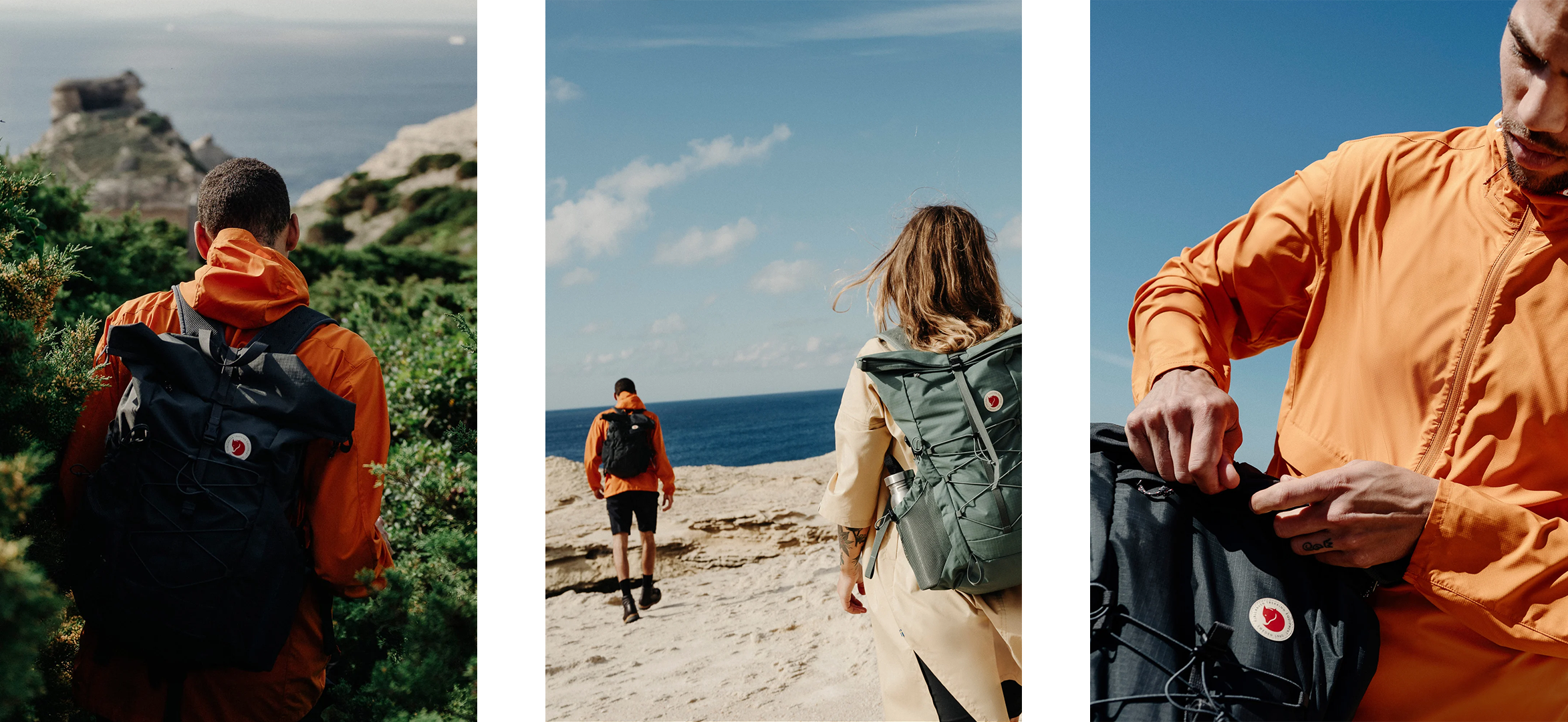
Not every daypack needs to be built for summit days and technical terrain.
The Abisko Hike Foldsack is a simpler, more lifestyle-friendly pack that still carries enough outdoor credibility for short hikes and everyday use. The foldsack closure keeps things clean and straightforward, while the durable construction makes it a dependable grab-and-go option.
It feels equally at home on local walks, travel days and everyday adventures.
Why we rate it:
- Durable and practical
- Simple, easy-to-use design
- Versatile for hiking and travel
Best for: Short walks, travel and everyday outdoor use
How to Choose the Right Hiking Daypack
How much capacity do you need?
For most day hikes, 20 to 30 litres is the sweet spot.
That gives you enough room for:
- Waterproofs
- Insulating layers
- Food and snacks
- Water
- Emergency kit
As a rough guide:
- 20L works well for summer hikes and lighter kits
- 24 to 26L is ideal for most general day hiking
- 30L makes more sense for winter walking or longer days
Fit matters more than features
A good pack should feel stable and move with you, not against you.
It is easy to get distracted by extra pockets, attachment points and technical features, but none of that matters if the pack does not fit properly. Even the best-designed rucksack will feel uncomfortable if the fit is wrong.
These are the key areas to focus on:
- Back length
- Shoulder strap fit
- Hipbelt comfort
- Load stability
A pack that fits properly will always carry better than one with more features but a poor fit. It will feel more stable on uneven ground, distribute weight more efficiently and stay comfortable for longer.
If you are not sure what a good fit actually feels like, it is worth watching our guide on How to Fit Your Rucksack Correctly. It covers the basics of back length, strap adjustment and load positioning, and can make a huge difference to comfort on the hill.
Ventilation vs stability
This is one of the biggest trade-offs in pack design.
Ventilated back systems
- Better airflow
- Cooler in warmer weather
- More comfortable for lower-level walking
Close-fitting back systems
- Better stability
- Better for technical terrain
- Better for moving quickly
Neither is better overall. It depends entirely on how and where you hike.
Final Thoughts
There is no single best hiking daypack. The right choice depends on how, where and when you hike.
For most people, the Rab Airox 24 is the standout all-rounder. For most people, the Rab Airox 24 is the standout all-rounder. The Velocity series is a brilliant choice for those prioritising speed and a lighter kit setup, while the Talon Pro and Tempest Pro are hard to beat for bigger and more demanding mountain days. For warmer-weather hiking, the AirZone Active offers excellent comfort and ventilation, while the Abisko Hike Foldsack brings a simpler, more versatile option for shorter walks and travel.
The key is choosing a pack that suits your style of hiking, rather than chasing weight or features on a spec sheet.
If you are unsure, this is exactly the sort of thing we are always happy to help with. You can give us a call on 01432 263335, drop us an email to [email protected], or pop into our Hereford Service Centre for some hands-on advice. Trying packs on properly can make all the difference.
FAQs
For most UK day hikes, 20 to 30 litres is ideal. It gives you enough room for layers, food and waterproofs without becoming excessive.
Usually, yes. For summer hikes or minimalist kits, 20 litres is often plenty.
Not at all. It can be ideal for winter walking, longer mountain days or carrying extra kit.
For hiking, yes. A hipbelt helps transfer weight and improves comfort over longer distances.
Usually fit and shaping. Women’s packs often have different shoulder strap angles, shorter back lengths and adjusted hipbelt geometry.
They can be, especially in warmer weather. They improve airflow and reduce sweat build-up.
With proper care, a quality hiking pack should last many years.
Leave a Reply