
Best Merino Wool Baselayers for Hiking and Outdoor Use
Author: Trekitt Gear Team
With years of experience hiking, hillwalking and exploring the UK’s mountains and trails, our team knows what makes a great merino wool base layer. From lightweight summer hikes to freezing winter mountain days, we’ve worn merino in a wide range of conditions and understand which fabrics, weights and designs perform best. In this guide, we share our favourite merino wool base layers for hiking, explain what to look for when choosing one and help you find the right option for your next outdoor adventure.elp you prepare for your next UK camping adventure.
Here’s something many people don’t know: merino wool can absorb around 30% of its own weight in moisture before it even feels damp. That’s one of the reasons it stays comfortable through changing weather and long days on the trail, helping you feel drier while naturally regulating your body temperature.
It’s no surprise merino has become the go-to baselayer for hikers, hillwalkers and outdoor enthusiasts. The only challenge is choosing the right one. Different merino weights suit different conditions; every brand has its own approach, and some baselayers blend merino with synthetic fibres for extra durability and faster drying. In this guide, we’ll explain the differences, compare the leading brands at Trekitt and help you find the best merino wool baselayer for your adventures.
Key Takeaways
- Learn how merino wool weights (gsm) affect warmth, breathability and comfort.
- Discover which baselayers are best for hiking, hillwalking, winter adventures and everyday wear.
- Compare Rab, Devold, Icebreaker and Artilect to see which brand best suits your needs.
- Understand the differences between merino wool and synthetic baselayers.
Our Top Merino Wool Baselayer Picks
Short on time? Here’s a quick overview of our favourite merino wool baselayers. If you just want the recommendations without reading the full guide, start here.
| Best For | Product | Why We Recommend It |
|---|---|---|
| Best Overall & Hiking | Devold Lauparen Merino 190 LS | If someone asked us to recommend just one merino baselayer, this would be it. We’ve worn it on everything from cool morning walks to full days in the mountains, and it never feels out of place. |
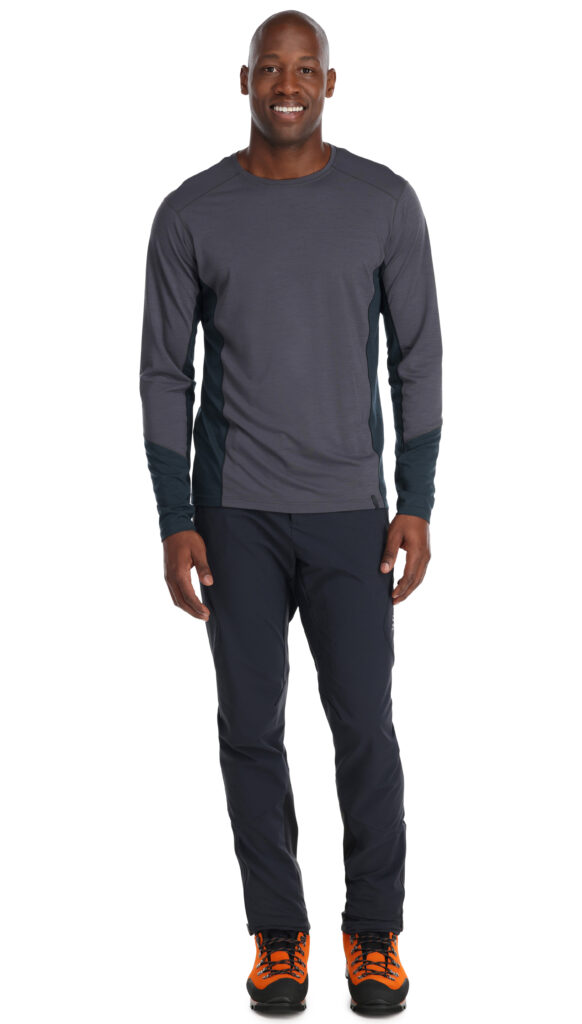
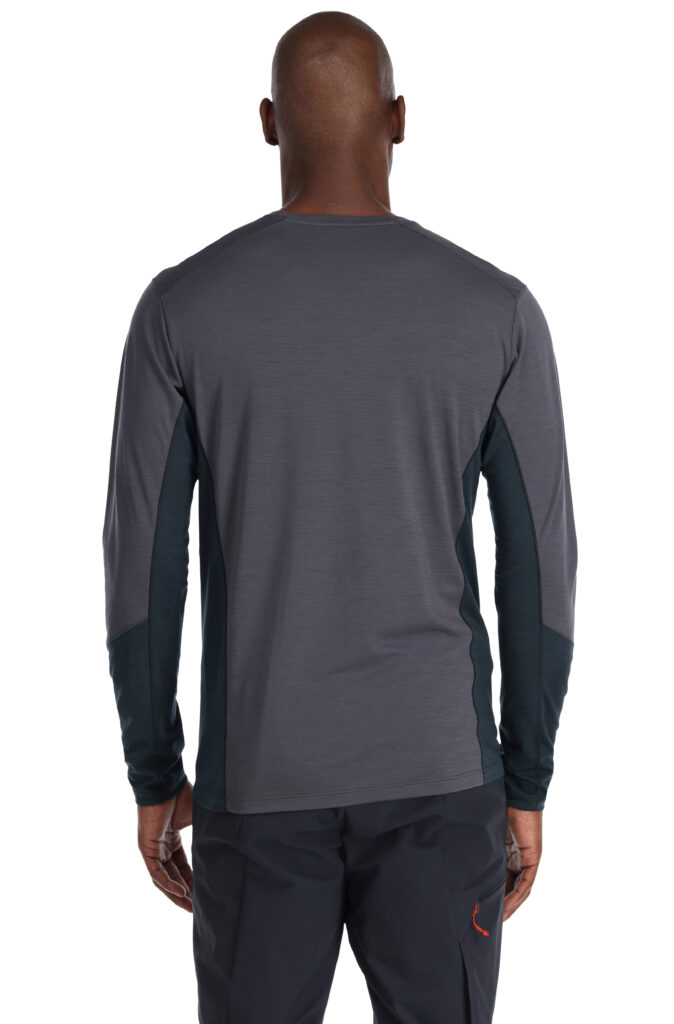
| Best for Hillwalking | Rab Syncrino Base LS Tee | Some days you know you’ll be working hard, and this is the layer we’d reach for. The merino and polyester blend copes brilliantly with sweat, dries quickly and keeps you comfortable from the first climb to the final descent. |
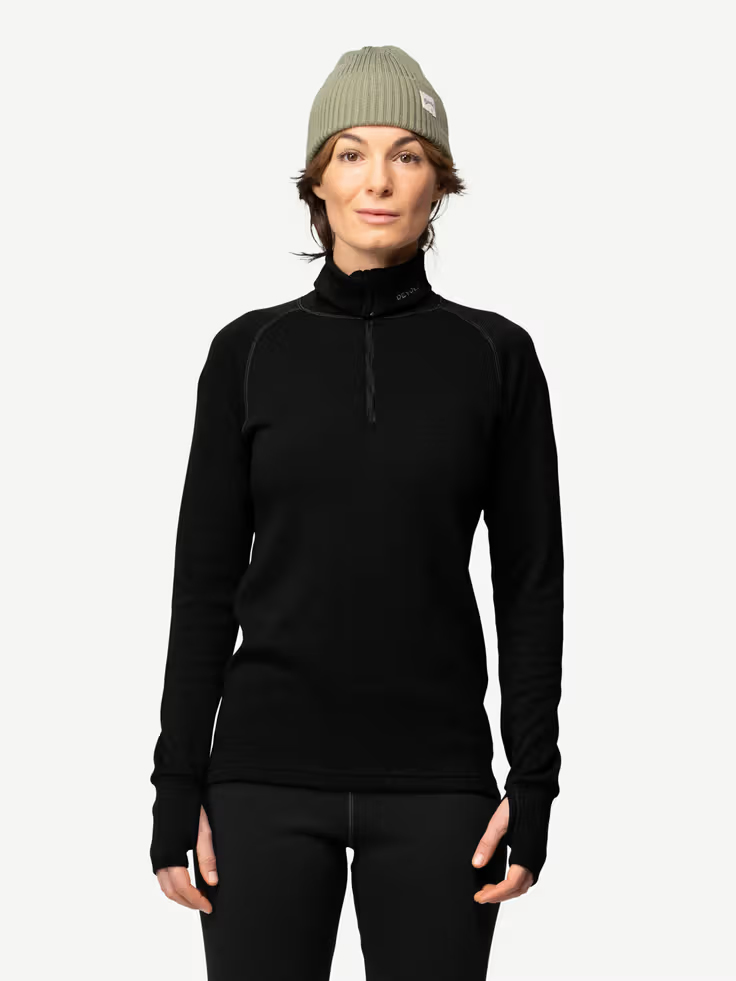
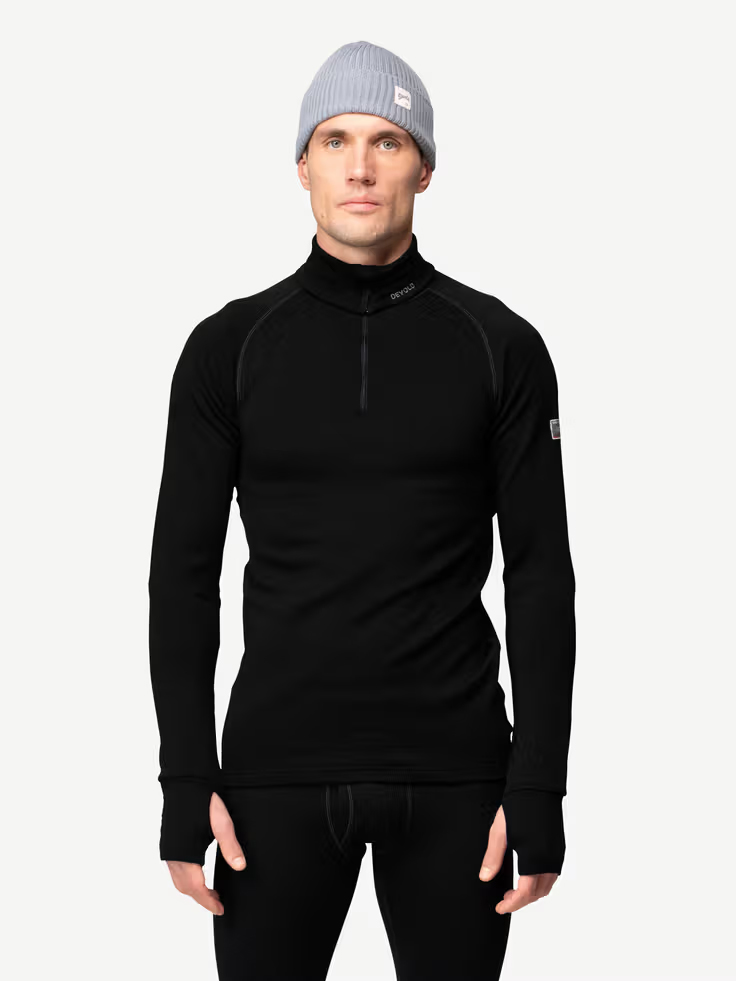
| Best for Winter | Devold Expedition Merino 235 LS Zip | When frost covers the ground, this is the baselayer we trust. It’s seriously warm, yet never feels heavy, and the zip makes it easy to adapt as the day changes. |
| Best Everyday | Icebreaker 200 Oasis LS Crewe | This is the kind of baselayer that ends up getting worn far beyond the trail. It’s soft enough to forget you’re wearing it and comfortable enough that you’ll find yourself reaching for it day after day. |
| Best Lightweight | Devold Endurance Merino 130 LS | On warm summer hikes and fast-moving adventures, this is the one we’d throw into our pack without a second thought. It’s so light you’ll barely notice it’s there, but it still delivers all the benefits you’d expect from quality merino. |
The Journey of Merino Wool: From Mountain Sheep to Your Baselayer
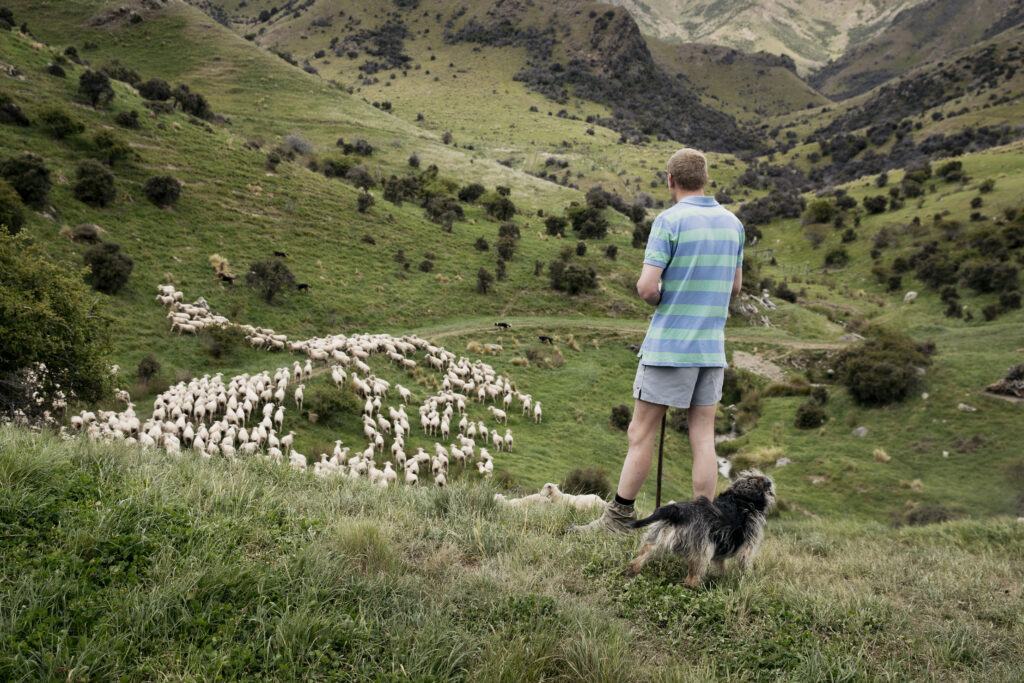
There’s something rather special about wearing a merino wool baselayer. Long before it becomes the first layer you pull on before heading into the hills, it begins life on a sheep grazing quietly across vast landscapes, where the weather can change from scorching sunshine to freezing winds in a single day.
Nature’s High-Performance Fibre
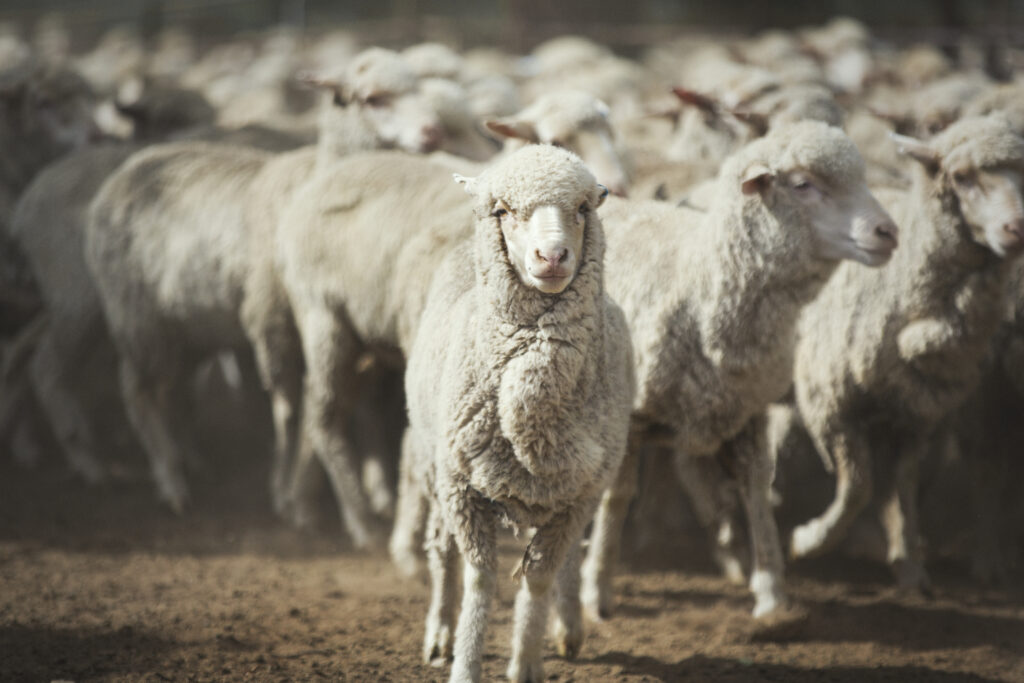
Merino sheep are unlike ordinary sheep. Over hundreds of years, they have been selectively bred to produce some of the finest wool in the world. Today, most premium merino comes from Australia and New Zealand, where millions of sheep roam across huge open farms.
These animals don’t produce soft wool by accident. Their fleece is their survival system.
During winter, it traps warm air close to the body, protecting them from freezing temperatures. In summer, it allows excess heat and moisture to escape, helping them stay cool even under the hot Australian sun. That remarkable ability to regulate temperature is exactly why merino performs so well as a baselayer for hiking, hillwalking, climbing, and everyday outdoor adventures.
Not All Wool Is Equal
Here’s something many people don’t realise.
A sheep’s fleece isn’t the same all over its body. Just like your hair varies in texture across your body, different parts of the fleece have different qualities.
The highest-quality merino wool comes from:
- Shoulders – exceptionally fine, soft and uniform.
- Sides (flanks) – long, consistent fibres with excellent strength.
- Back – fine wool that’s ideal for premium baselayers.
Lower-quality wool is usually found on:
- Belly
- Legs
- Neck
- Rear end
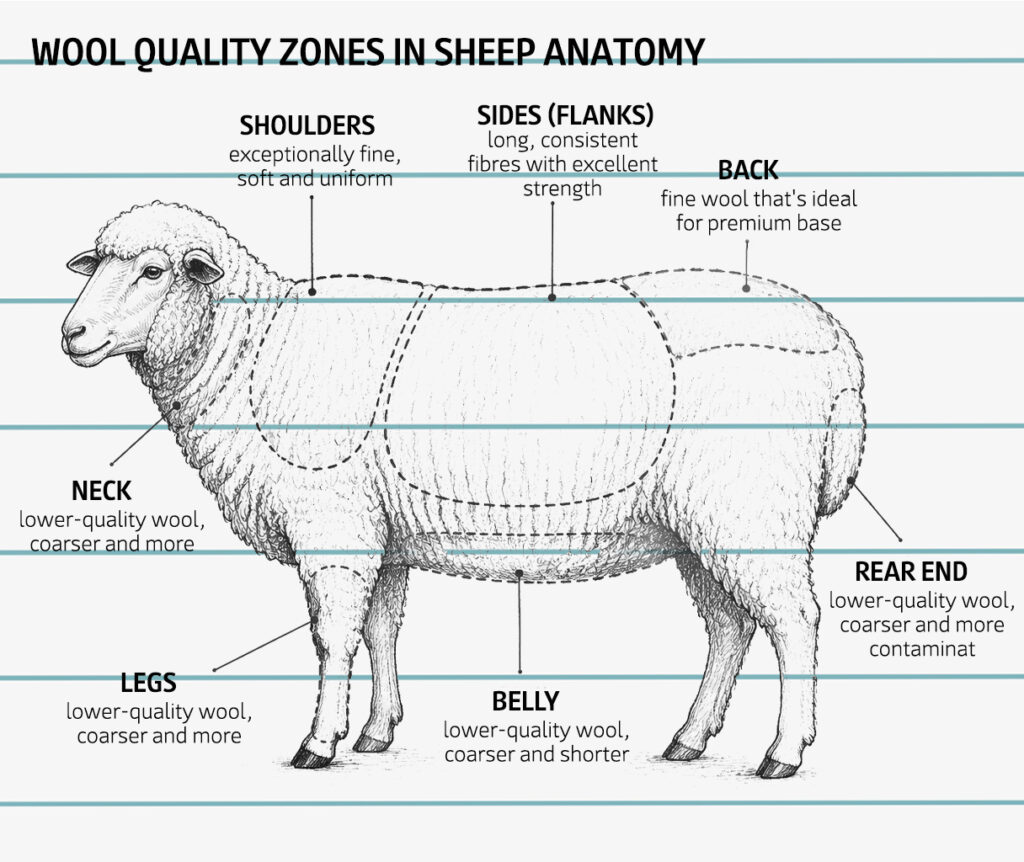
These areas contain fibres that are generally coarser, shorter or more contaminated with dirt and organic debris. They are often used in carpets, insulation, blankets or lower-grade textiles rather than premium clothing.
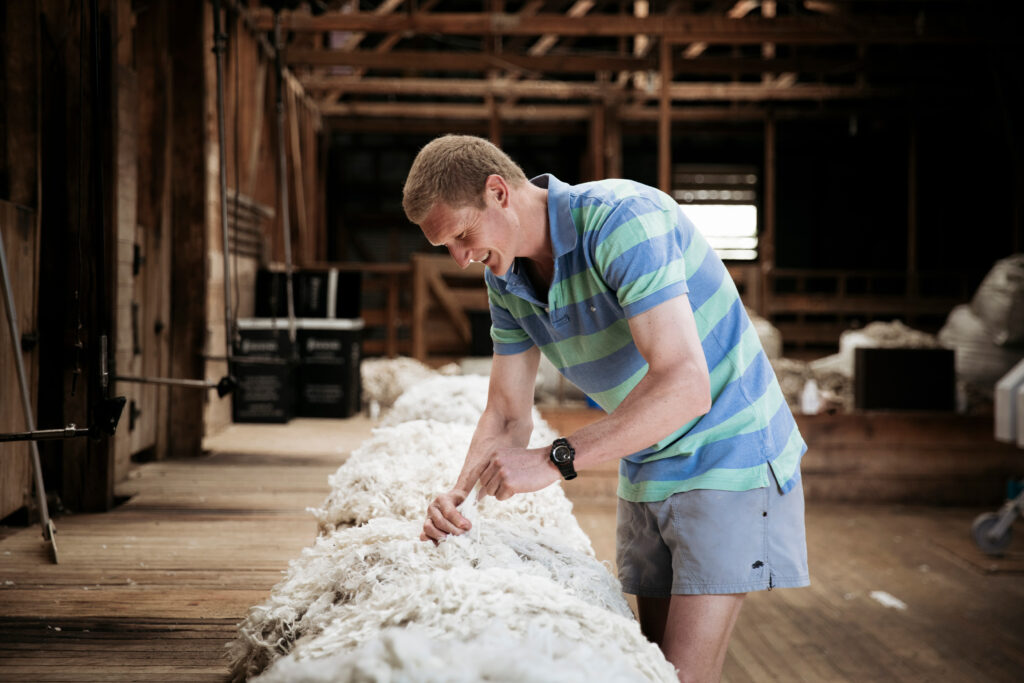
That’s why manufacturers carefully sort every fleece after shearing. The finest sections are reserved for high-quality merino baselayers, while the rest is put to other uses. Very little goes to waste.
Once a Year, Never Harmful
Merino sheep are normally shorn once each year.
Although it may look dramatic, shearing doesn’t hurt the sheep. In fact, it’s essential for their welfare. Left unshorn, a merino’s fleece would continue growing indefinitely, becoming heavy, dirty and potentially dangerous in hot weather.
An experienced shearer can remove an entire fleece in just two or three minutes.
One sheep produces around 3 to 6 kilograms of raw fleece each year, although only part of it becomes premium clothing after washing, sorting and processing.
From Fleece to Fibre
Freshly shorn wool is a long way from becoming the soft baselayer you wear.
It goes through several carefully controlled stages:
- Skirting – lower-quality sections around the belly and legs are removed.
- Grading – fibres are sorted by fineness, length and colour.
- Scouring – the wool is washed to remove natural lanolin, dirt and dust.
- Carding – fibres are brushed until they all run in the same direction.
- Combing – the shortest fibres are removed for a smoother yarn.
- Spinning – fibres are twisted into incredibly fine threads.
- Knitting – the yarn is transformed into soft, breathable fabric.
- Finishing – the fabric is washed, softened and quality checked before baselayers are made.
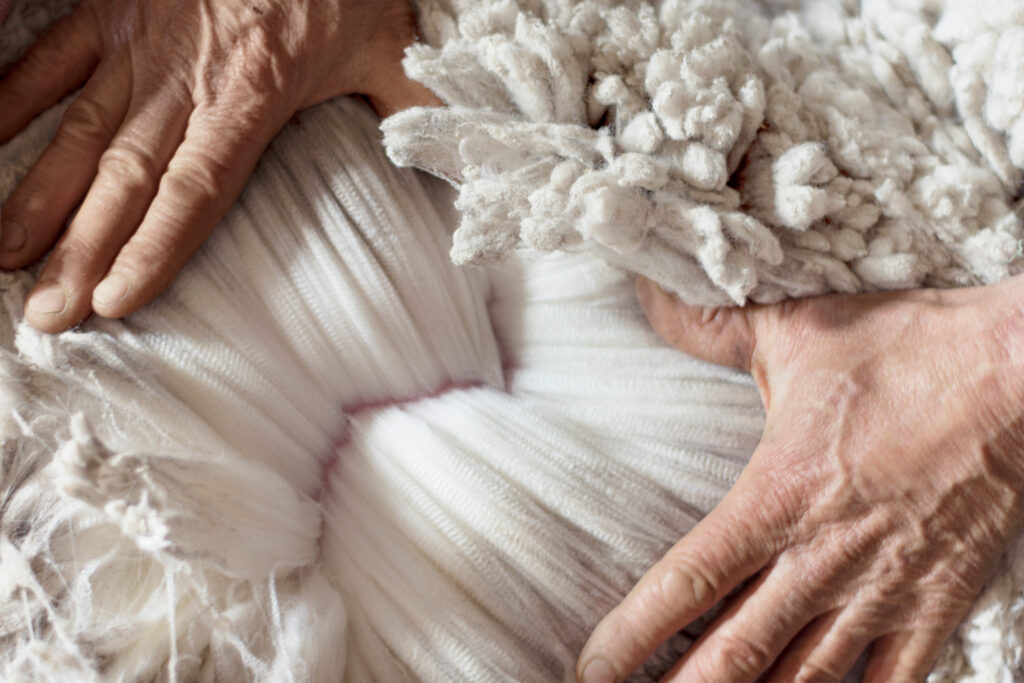
Finer Than a Human Hair
One of the biggest reasons merino feels so different from traditional wool is the thickness of each fibre.
A typical human hair measures around 70 microns across.
Premium merino fibres are usually just 17 to 21 microns, making them around three to four times finer than a human hair.
Because they’re so fine, they easily bend when in contact with your skin, preventing them from poking in and causing irritation.
A Fibre That Never Stops Working
Even after it’s made into clothing, merino wool continues doing the job it evolved to do on the sheep.
Each fibre has a complex natural structure that can absorb moisture vapour while remaining dry to the touch. It traps tiny pockets of insulating air when it’s cold and releases excess heat as your body warms up.
Unlike synthetic fibres, merino also naturally resists odours. The fibre doesn’t provide an ideal environment for the bacteria to grow that cause unpleasant smells, meaning you can often wear a merino baselayer for several days before it needs washing.
Every Fleece Is Unique
No two fleeces are exactly alike.
The softness, fibre length and colour depend on:
- The sheep’s genetics.
- Its age.
- The climate it lives in.
- The quality of the pasture it grazes on.
- The season.
Many of the world’s finest merino flocks are managed with decades of selective breeding, producing exceptionally fine fibres that are sought after by premium outdoor clothing brands.
From Hillside to Hiking Trail
Perhaps the most fascinating thing about merino wool is that very little of its performance was engineered by humans.
Nature spent thousands of years perfecting it first.
The same fleece that keeps a merino sheep comfortable through icy mornings, heavy rain and blazing sunshine becomes the baselayer that helps keep you warm on a windswept summit, cool on a summer climb and fresh after days on the trail.
It’s one of the few outdoor materials whose greatest innovation isn’t found in a laboratory, but growing naturally on the back of a remarkably resilient sheep.
Why Choose a Merino Wool Baselayer?
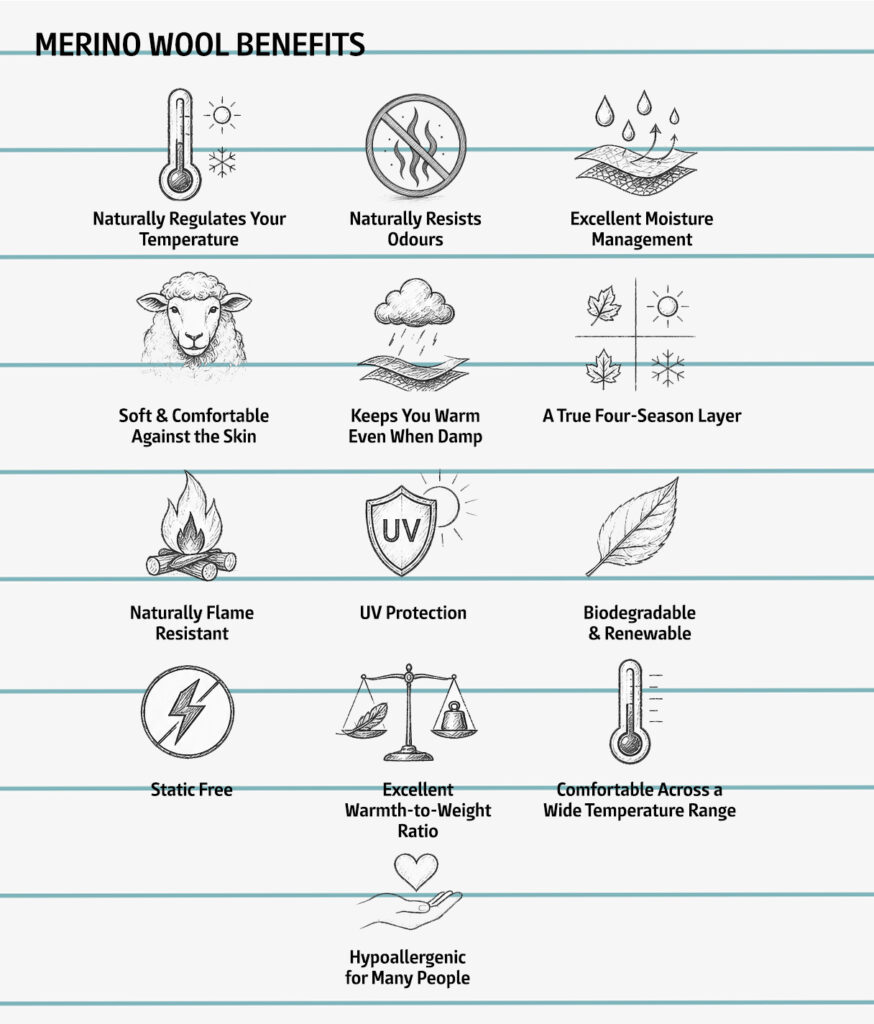
If you’ve only ever worn cotton or synthetic layers, the first time you try a merino wool baselayer can be a bit of a revelation. Merino is naturally packed with performance benefits, making it one of the best choices for hiking, hillwalking and everyday outdoor adventures.
Naturally Regulates Your Temperature
One of merino wool’s biggest strengths is its ability to regulate body temperature. It helps keep you warm on chilly mornings while remaining breathable enough to prevent overheating as your pace picks up. That’s why the same hiking baselayer can work across a wide range of conditions.
Naturally Resists Odours
Unlike many synthetic fabrics, merino wool naturally resists odour-causing bacteria. That means you can wear it for several days on multi-day hikes, camping trips or when travelling without it becoming unpleasant, making it a favourite among backpackers and long-distance walkers.
Excellent Moisture Management
Merino fibres absorb moisture vapour and move it away from your skin, helping you stay dry and comfortable during climbs or high-effort sections of a walk. Even if you work up a sweat, your merino wool baselayer stays comfortable rather than clammy.
Soft and Comfortable Against the Skin
Forget the itchy woolly jumpers your grandparents used to wear. Fine merino fibres are incredibly soft, making modern merino thermals comfortable enough to wear directly against your skin all day.
Keeps You Warm Even When Damp
British weather isn’t exactly known for staying dry. One of merino’s biggest advantages is that it continues to provide insulation even when it becomes damp from rain, mist or perspiration, helping you stay comfortable in changeable conditions.
A True Four-Season Layer
From cool summer mornings to freezing winter hillwalks, a merino wool baselayer works throughout the year. Simply choose the right fabric weight for the conditions, then add extra layers when temperatures drop. It’s one of the most versatile pieces of clothing you can own for hiking, camping, travel and everyday outdoor use.
Naturally Flame Resistant
Unlike many synthetic fabrics, merino wool doesn’t melt onto your skin when exposed to heat. Instead, it naturally resists ignition and tends to self-extinguish once the heat source is removed. This makes it a popular choice for camping, bushcraft and expedition clothing.
UV Protection
Merino wool naturally provides a degree of protection from the sun’s UV rays, helping reduce exposure during long days outdoors.
Biodegradable and Renewable
Merino wool is a natural, renewable fibre that is biodegradable at the end of its life, making it a more environmentally friendly choice than petroleum-based synthetic fabrics.
Static Free
Merino generates far less static electricity than synthetic fabrics, which many people find more comfortable, particularly in cold, dry weather.
Excellent Warmth-to-Weight Ratio
Merino provides impressive insulation without feeling bulky, especially in lightweight and midweight fabrics.
Comfortable Across a Wide Temperature Range
One of Merino’s biggest strengths is its versatility. A 190-200 gsm merino baselayer can be comfortable on a cool autumn morning, a crisp winter day under extra layers, or a fresh summer evening.
Hypoallergenic for Many People
Fine merino fibres are much softer than traditional wool and are less likely to irritate the skin, although people with a true wool allergy should still avoid them.
Merino sounds pretty good, doesn’t it? That’s because it is. Few pieces of outdoor clothing work as hard or get worn as often. Buy the right one, and it’ll quietly become the layer you reach for before almost every adventure.
Still Think Wool Is Itchy? Think Again.
Many people still picture wool as scratchy, heavy and old-fashioned, but modern merino wool couldn’t be more different. If you’ve ever wondered whether wool is too warm for summer, difficult to care for or only suitable for winter, our 5 Common Misconceptions About Wool guide separates fact from fiction. It’s a quick read that might completely change the way you think about one of nature’s best performance fabrics.
How to Choose the Right Merino Wool Baselayer
One of the first things you’ll notice when shopping for a merino wool baselayer is the gsm (grams per square metre). This number refers to the fabric’s weight and gives you a good indication of how warm the garment will be. Lower gsm fabrics are lighter and more breathable, while higher gsm fabrics provide greater insulation for colder conditions.
100-125 gsm: Lightweight Performance
A 100-125 gsm merino baselayer is the lightest option in our range, designed for maximum breathability and moisture management. It’s perfect when you’re working hard in milder temperatures or need a layer that packs down small for travel.
Best for:
- Summer hiking
- Trail running
- Fast hiking
- Travel
- High-output activities
130-150 gsm: Midweight Versatility
A 130-150 gsm merino baselayer offers a little more warmth while remaining highly breathable. It’s an excellent choice for cool mornings, changing conditions and active three-season use.
Best for:
- Hiking
- Hillwalking
- Spring and autumn walks
- Backpacking
- Everyday outdoor use
155-220 gsm: Heavyweight All-Rounder
For most UK hikers, 155-220 gsm merino baselayer range provides the best balance of warmth, comfort and breathability. It performs brilliantly through autumn, winter and cooler spring days, making it the most versatile choice if you’re buying just one merino baselayer.
Best for:
- Hiking
- Hillwalking
- Camping
- Three-season adventures
- Everyday wear
Over 220 gsm: Ultra Heavyweight Warmth
When temperatures fall well below freezing, or you’re spending long periods outdoors, over 220 gsm merino wool baselayer provides maximum insulation while remaining breathable. It’s the warmest option in the range and is ideal for layering beneath a fleece or insulated jacket during the coldest hikes and winter adventures.
Best for:
- Winter hiking
- Snowshoeing
- Mountaineering
- Cold-weather camping
- Low-temperature expeditions
Merino Wool vs Merino Blends: Which Should You Choose?
Not all merino baselayers are made in the same way. Some use 100% merino wool, while others combine merino with synthetic fibres to improve durability and drying speed. Neither one is better than the other; it simply depends on how and where you’ll use it.
100% Merino Wool
If comfort is your priority, it’s hard to beat pure merino baselayers. It’s exceptionally soft against the skin, naturally regulates your temperature and offers excellent odour resistance, making it ideal for multi-day trips, travel and everyday wear. It’s also the best choice if you love the natural feel of wool and want a baselayer you can wear all day in complete comfort.
Best for:
- Hiking
- Camping
- Travel
- Everyday wear
- Multi-day adventures
Merino Blends
Merino blends baselayers combine the natural benefits of wool with synthetic fibres to create a baselayer that dries faster, is more durable and copes better with high-output activities. If you regularly work up a sweat on steep climbs or fast-paced hillwalks, a blend can be a great choice.
Best for:
- Fast hiking
- Hillwalking
- Trail running
- High-output activities
- Year-round outdoor use
Which Is Right for You?
Choose 100% merino if you want maximum comfort, natural odour resistance and a baselayer for hiking, travel and everyday use. Choose a merino blend if your adventures are faster-paced and you want improved durability and quicker drying without giving up the comfort of merino wool.
Best Merino Baselayers by Activity
The best merino wool baselayer depends on how and where you spend your time outdoors. Some are designed for all-round versatility, while others are better suited to fast-paced hillwalking or freezing winter conditions. Here are our top picks for different adventures.
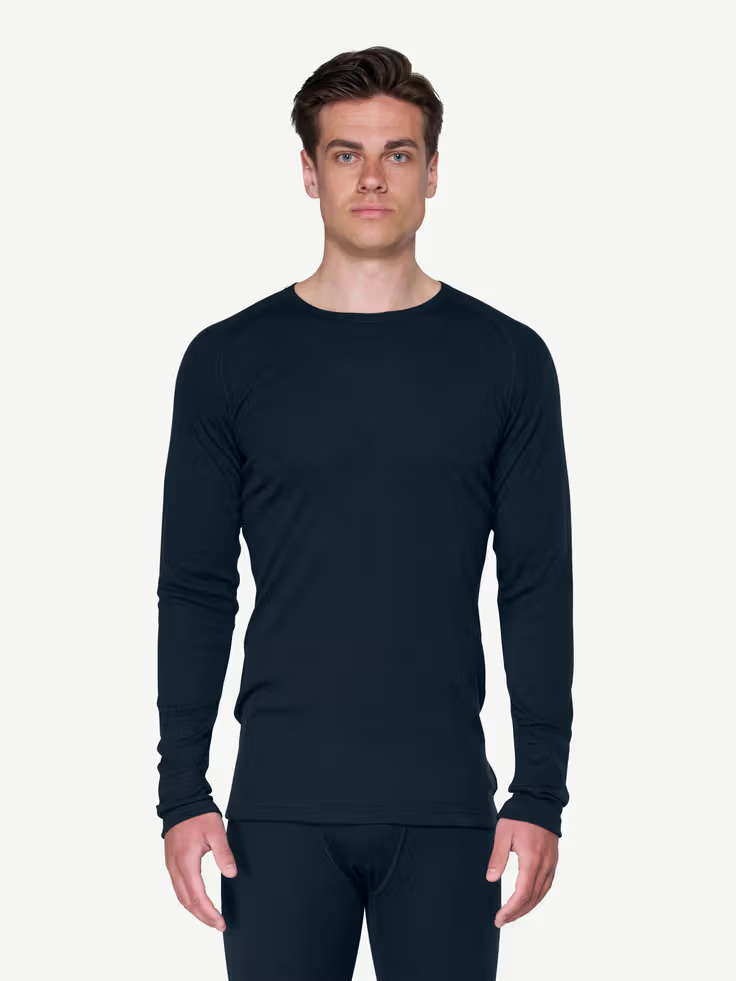
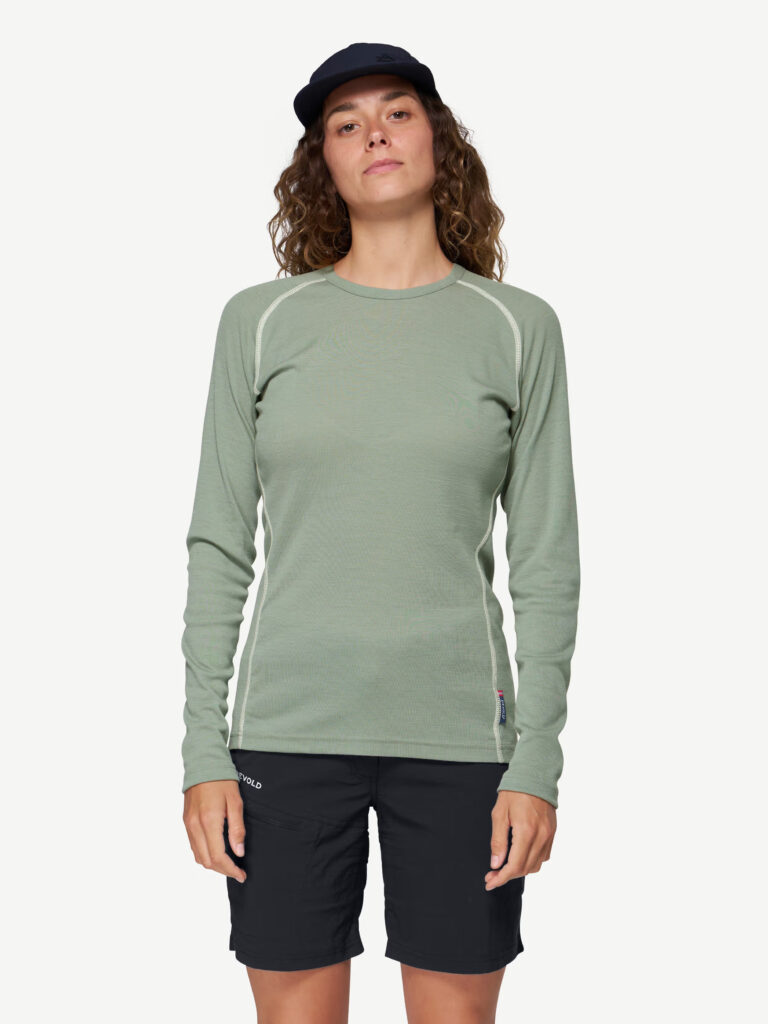
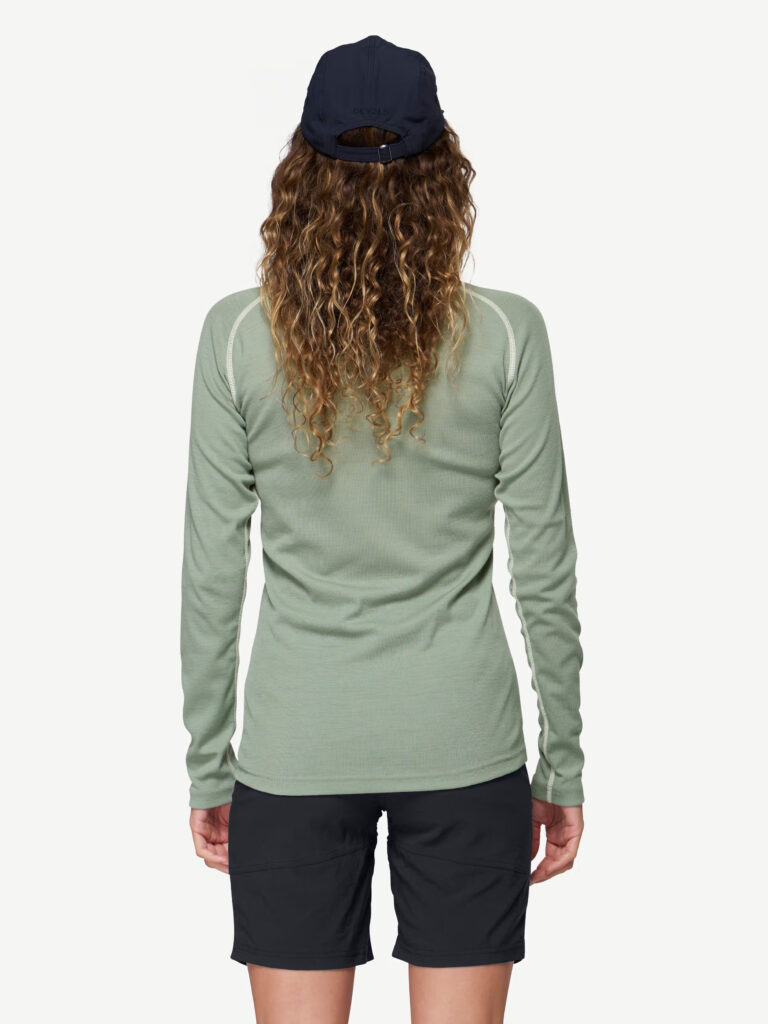
Best for Hiking: Devold Lauparen Merino 190 LS
Devold has spent more than 170 years making wool clothing for people who genuinely rely on it, from Norwegian fishermen to mountain adventurers. That heritage gives the Lauparen Merino 190 LS a different feel from many modern baselayers. It isn’t designed to impress with flashy technologies or bold marketing claims. Instead, it’s built around exceptionally high-quality merino, a great fit and a fabric weight that works brilliantly across the UK’s ever-changing seasons. This baselayer is comfy enough to wear all day, versatile enough for most hikes and reliable enough that it quickly becomes the one you reach for before every trip.
Best for Hillwalking: Rab Syncrino Base LS Tee
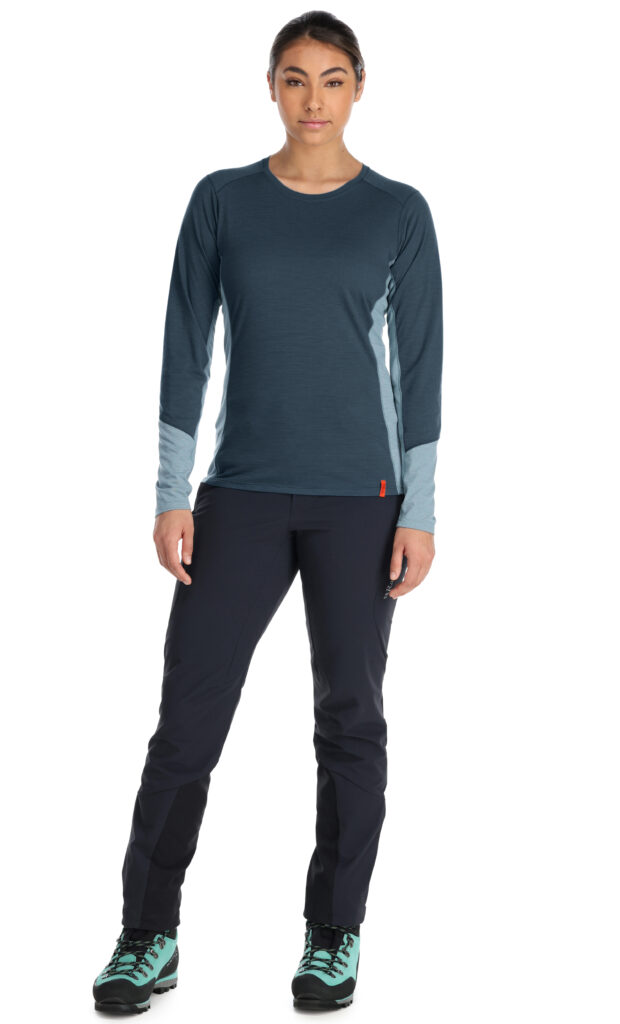
Not everyone gets on with pure merino. If you regularly reach the top of a steep climb, damp with sweat, a merino blend can actually be the smarter choice. Rab developed the Syncrino range to combine the natural comfort and odour resistance of merino with the faster-drying performance and durability of synthetic fibres, creating a baselayer built for movement rather than standing still.
Interestingly, staying comfortable outdoors isn’t just about staying warm. It’s about avoiding dramatic swings between overheating and getting cold. A baselayer that can cope with changing effort levels often feels more comfortable than one that’s simply warmer, which is exactly why merino blends have become increasingly popular with hikers and hillwalkers.
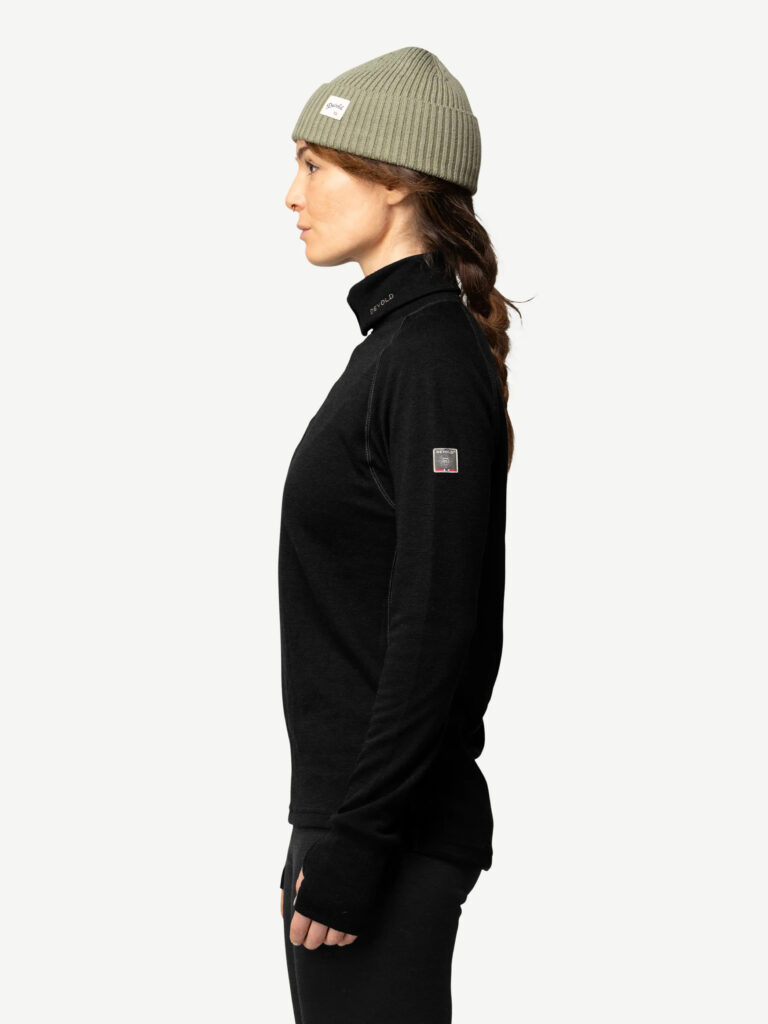
Best for Winter: Devold Expedition Merino 235 LS Zip
Winter has a funny way of exposing every weak link in your layering system. You might feel perfectly warm in the car park, but half an hour later, you’re standing on a windswept ridge, wondering where it all went wrong. That’s exactly the sort of day the Devold Expedition was made for. Originally developed for people working and travelling in Arctic conditions, its dual-layer merino construction delivers noticeably more warmth than a standard baselayer without feeling clammy once you start moving. The long zip is worth its weight in gold too, letting you dump heat on a lung-busting climb before sealing everything back up when the weather inevitably reminds you who’s in charge.
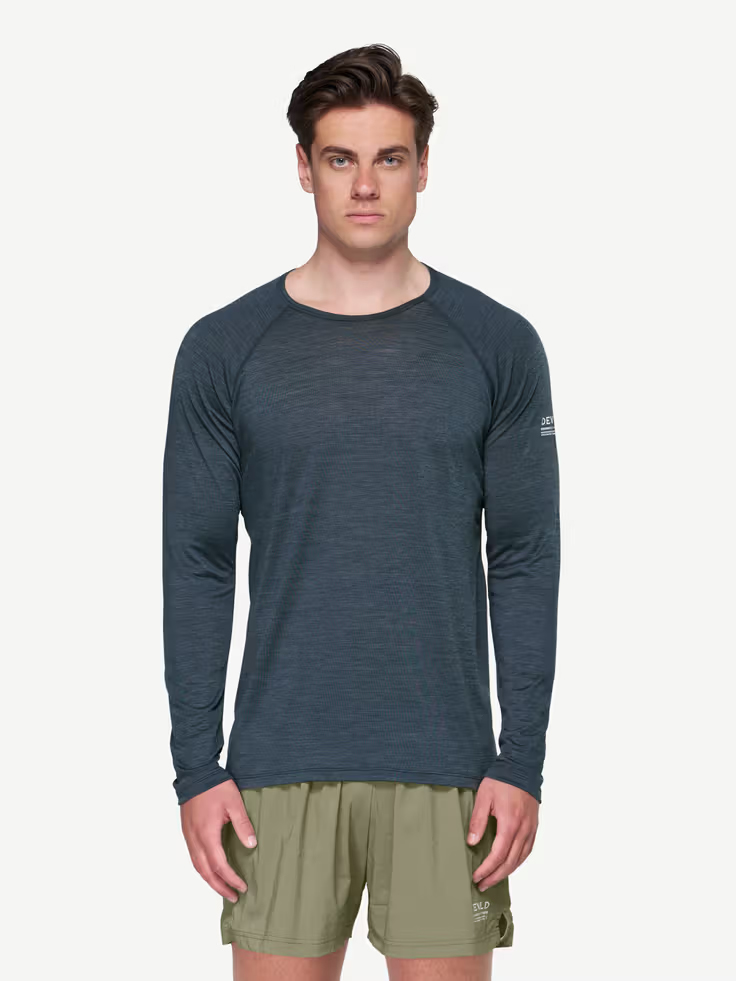
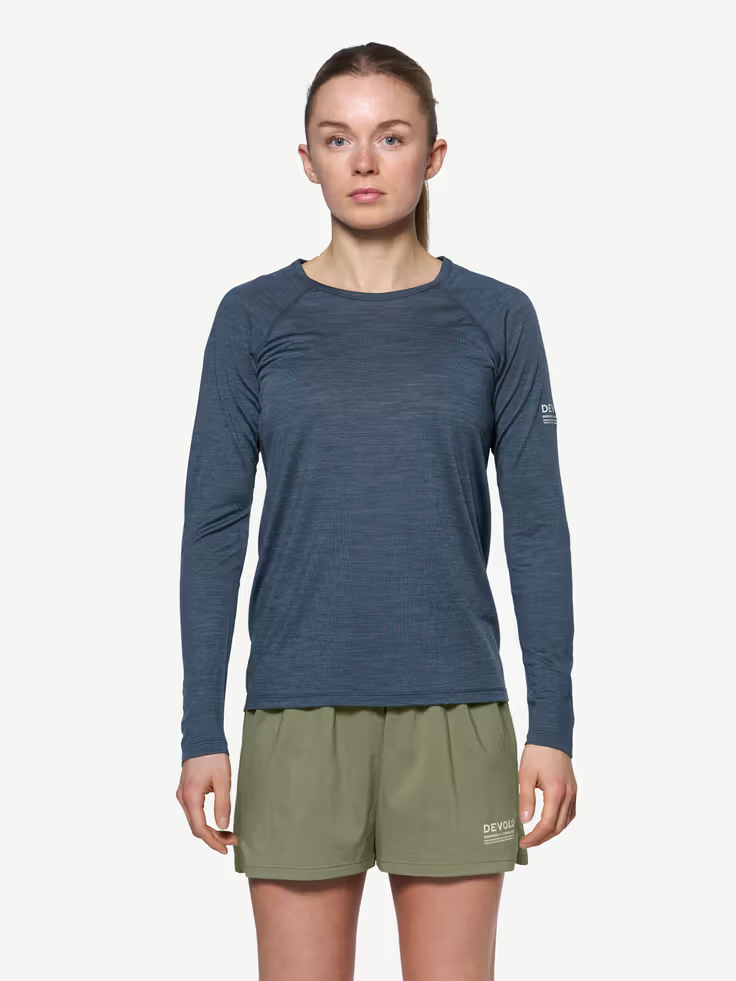
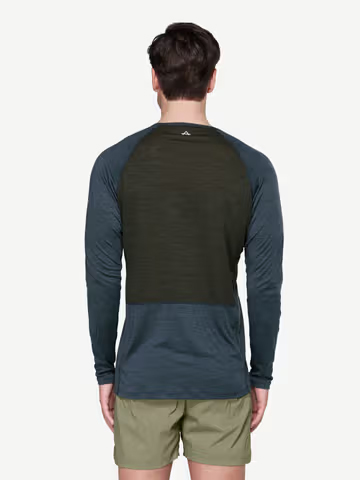
Best Lightweight Option: Devold Endurance Merino 130 LS
When the sun finally decides to make an appearance, it’s tempting to ditch long sleeves altogether. In reality, plenty of experienced hikers do the exact opposite. A lightweight merino baselayer like the Devold Endurance 130 keeps the sun off your arms, helps regulate your temperature and feels surprisingly cool even on warm days. At just 130 gsm, it’s light enough to feel like it disappears when you’re wearing it, yet still delivers all the natural comfort and odour resistance that makes merino such a joy on long walks. It packs down to almost nothing too, so there’s really no excuse not to throw it in your rucksack.
Best for Everyday Wear: Icebreaker 200 Oasis LS Crewe
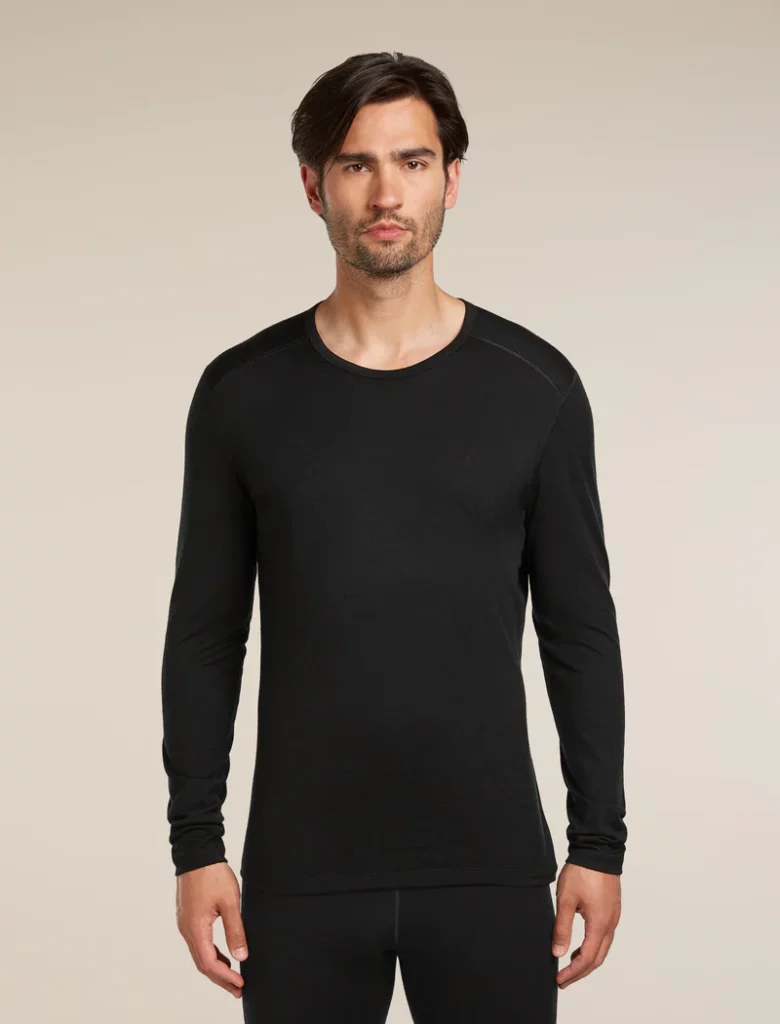
The best compliment you can pay the Icebreaker 200 Oasis is that you’ll eventually forget it’s meant to be a baselayer. It quietly graduates from hiking kit to everyday favourite, coming out for everything from long drives and weekend city breaks to Sunday walks and lazy mornings at home. That’s always been Icebreaker’s strength. Rather than making clothing meant only for the outdoors, they make merino pieces people genuinely want to wear every day. Soft, understated and incredibly comfortable, the Oasis is one of those rare outdoor purchases that earns its place in your wardrobe all year round.
Merino Wool Baselayer Brands Compared
Not all merino baselayers are created equal. While they all share the natural benefits of merino wool, each brand has its own approach to fit, fabric technology and intended use. Some focus on technical mountain performance, while others prioritise everyday comfort or lightweight versatility.
Here’s how the leading merino brands at Trekitt compare.
Devold
If your adventures regularly take you into the hills and mountains, Devold is hard to beat. Founded in Norway in 1853, the brand has been producing woollen outdoor clothing for well over a century. Their baselayers are designed for demanding conditions, with options ranging from lightweight summer tops to heavyweight winter thermals.
Best for:
- Hiking
- Hillwalking
- Mountain adventures
- Year-round outdoor use
Why choose Devold?
- Wide choice of merino weights for every season
- Excellent warmth and temperature regulation
- Technical designs built for outdoor performance
- A trusted Scandinavian heritage with decades of expertise
Explore: DEVOLD
Rab
Rab has always designed clothing with movement in mind. Rather than focusing solely on warmth, its baselayers are built to perform when you’re working hard, balancing comfort, moisture management and durability for long days in the mountains. Many Rab styles combine merino wool with technical fibres, creating layers that dry quickly, cope well with repeated use and excel in Britain’s ever-changing conditions.
Best for:
- Fast hiking
- Hillwalking
- Scrambling
- Changeable UK weather
Why choose Rab?
- Built for active mountain use
- Fast-drying merino blend options
- Excellent moisture management during high effort
- Durable enough for regular adventures
Explore: RAB
Icebreaker
Icebreaker helped introduce many people to merino clothing and remains one of the best choices if comfort is your priority. Their baselayers are incredibly soft, easy to wear all day and equally suited to outdoor adventures, commuting or travelling.
Best for:
- Everyday wear
- Travel
- Casual hiking
- Outdoor lifestyle
Why choose Icebreaker?
- Soft, comfortable fabrics
- Excellent next-to-skin feel
- Strong focus on 100% merino wool
- Versatile enough for both outdoor and everyday use
Explore: ICEBREAKER
Which Brand Should You Choose?
If you want one versatile baselayer for most UK adventures, Devold is our top recommendation thanks to its superb balance of warmth, comfort and technical performance. If you tend to move fast and work up a sweat, Rab’s Syncrino range offers quicker drying and added durability. For everyday comfort, commuting and travel, Icebreaker is hard to beat.
How Should a Merino Wool Baselayer Fit?
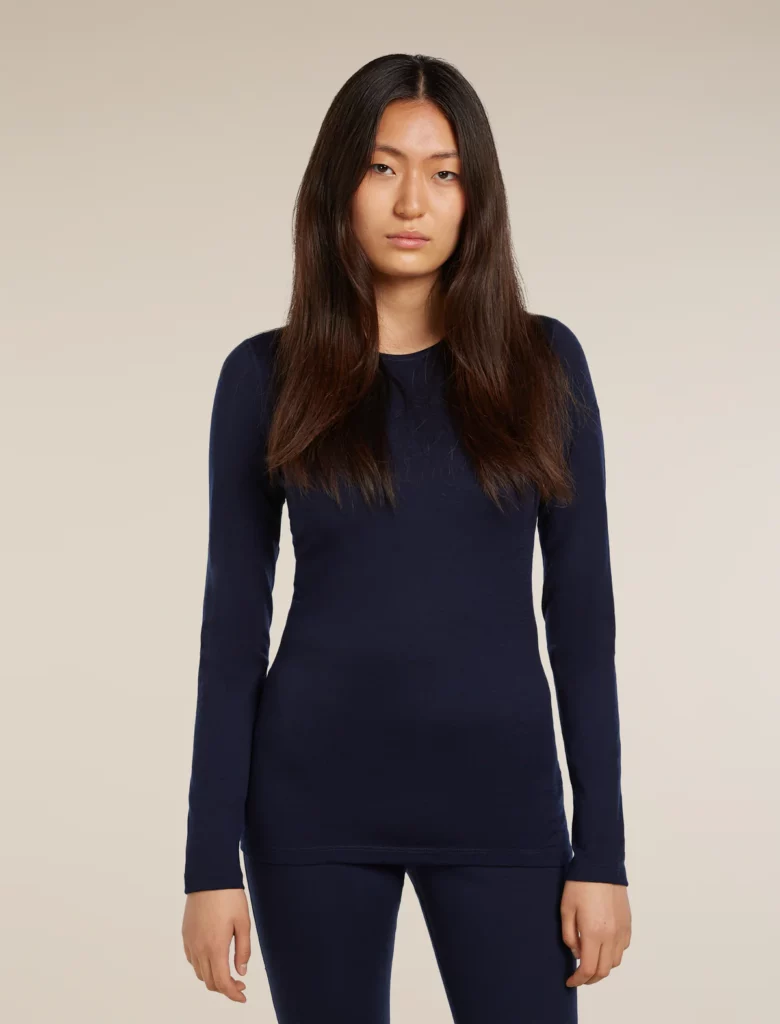
A baselayer works best when it sits close to your skin. This allows the fabric to efficiently regulate your body temperature and move moisture away from your body, keeping you comfortable throughout the day.
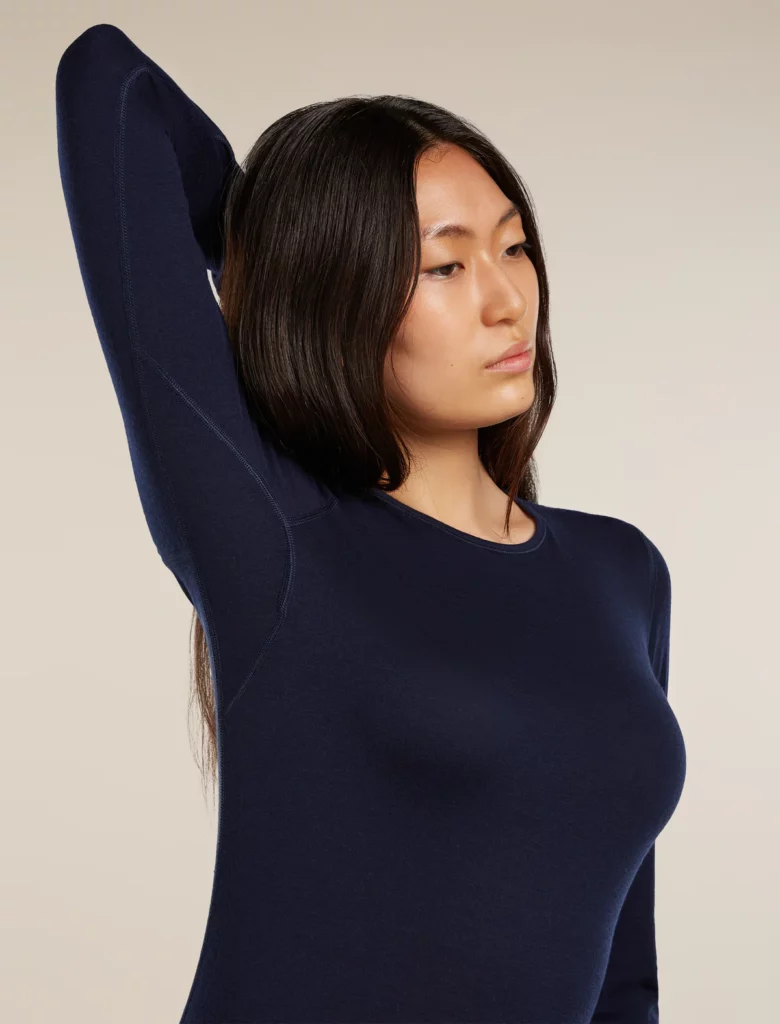
It should feel snug without being restrictive. You should have plenty of freedom to move your arms and shoulders, whether you’re reaching for a climbing hold or using walking poles on a steep ascent.
Pay attention to the sleeve length too. Ideally, the sleeves should reach your wrists without riding up when you stretch or bend your arms. The body should be long enough to stay tucked under your backpack’s hip belt or your trousers, helping prevent cold spots.
Try to avoid a baggy fit. Loose fabric can’t manage moisture as effectively and may bunch up under your midlayer or waterproof jacket, making your layering system less comfortable.
Looking After Your Merino Wool Baselayer
With a little care, a quality merino baselayer will last for many adventures.
- Wash on a cool, gentle cycle using a wool-friendly detergent.
- Avoid fabric softener, as it can affect the natural performance of the fibres.
- Air dry whenever possible instead of using a tumble dryer.
- Store your baselayer clean and dry between trips.
Always check the care label, as washing instructions can vary slightly between brands.
Ready to Find Your Perfect Merino Baselayer?
Whether you’re planning summer hikes, winter hillwalks or simply want a comfortable layer for everyday wear, we’ve got a merino baselayer to suit your adventures.
Explore our collections:
Visit Trekitt’s Hereford Shop
Still not sure which one to choose? Hopefully, this guide has helped narrow down the options, but if you need more advice, our team is always happy to help you find the right baselayer for your next adventure. Drop into our Hereford shop or pick up the phone and have a chat with the team. We’ll happily explain the differences between merino weights, blends and fits, answer any questions and help you choose a baselayer you’ll be pleased to wear for years to come.
FAQ
Our top overall recommendation is the Devold Lauparen Merino 190 LS. It offers an excellent balance of warmth, breathability and comfort, making it suitable for year-round hiking, hillwalking and general outdoor use. 
Yes. Although they usually cost more than synthetic alternatives, merino wool baselayers naturally regulate temperature, resist odours, manage moisture well and remain comfortable over long periods. They’re a worthwhile investment if you spend a lot of time outdoors.
For most UK hiking, 190-200 gsm is the ideal choice. It provides enough warmth for cooler days while remaining breathable during climbs and milder weather. Lightweight 130 gsm options are better for summer, while 235 gsm or higher is best for winter conditions.
It depends on your priorities. Merino wool offers better temperature regulation, natural odour resistance and excellent next-to-skin comfort. Synthetic fabrics generally dry faster and are often more durable for high-intensity activities. Merino blends, such as Rab’s Syncrino range, combine many of the advantages of both.
Absolutely. Merino is soft, breathable and naturally odour-resistant, making it an excellent choice for everyday wear, commuting, travelling, casual outdoor activities and hiking.
Yes. Heavier merino thermals, especially those around 235 gsm or above, provide excellent insulation when paired with a fleece or insulated jacket. They’re ideal for winter hiking, hillwalking and cold-weather camping.
Neither is better; they’re simply designed for different uses. Pure merino offers maximum comfort and odour resistance, while merino blends dry faster and are often more durable during high-output activities.
Yes. Lightweight merino baselayers around 130-150 gsm are highly breathable and help regulate your body temperature, making them ideal for summer hiking, travel and warm-weather adventures.
With proper care, a quality merino baselayer can last for many years. Washing on a gentle cycle, avoiding fabric softener and air drying where possible will help extend its lifespan.
Merino wool doesn’t completely stop odours, but it naturally resists the bacteria that cause them. This means you can usually wear a merino baselayer for much longer between washes than a synthetic one.
It should fit close to your body without feeling restrictive. A close fit allows the fabric to regulate temperature and manage moisture effectively, while still giving you complete freedom of movement.
For cooler conditions, wear a fleece or insulated jacket over your merino baselayer, then add a waterproof shell if the weather turns wet or windy. This layering system provides the best balance of warmth, breathability and weather protection.
The difference is the fabric weight. 150 gsm is lightweight and best for warm weather, 190 gsm is the most versatile option for year-round hiking, while 250 gsm provides extra warmth for winter conditions and slower-paced outdoor activities.
For regular hiking, two baselayers are usually enough. This allows you to wear one while the other is being washed. If you hike in different seasons, many people choose a lightweight option for summer and a midweight or heavyweight version for colder months.
Yes. Merino wool is an excellent choice for camping and travel because it’s lightweight, naturally odour-resistant and comfortable to wear for several days, making it ideal when washing facilities are limited.
Leave a Reply