
Best Solo Tents for Wild Camping in the UK
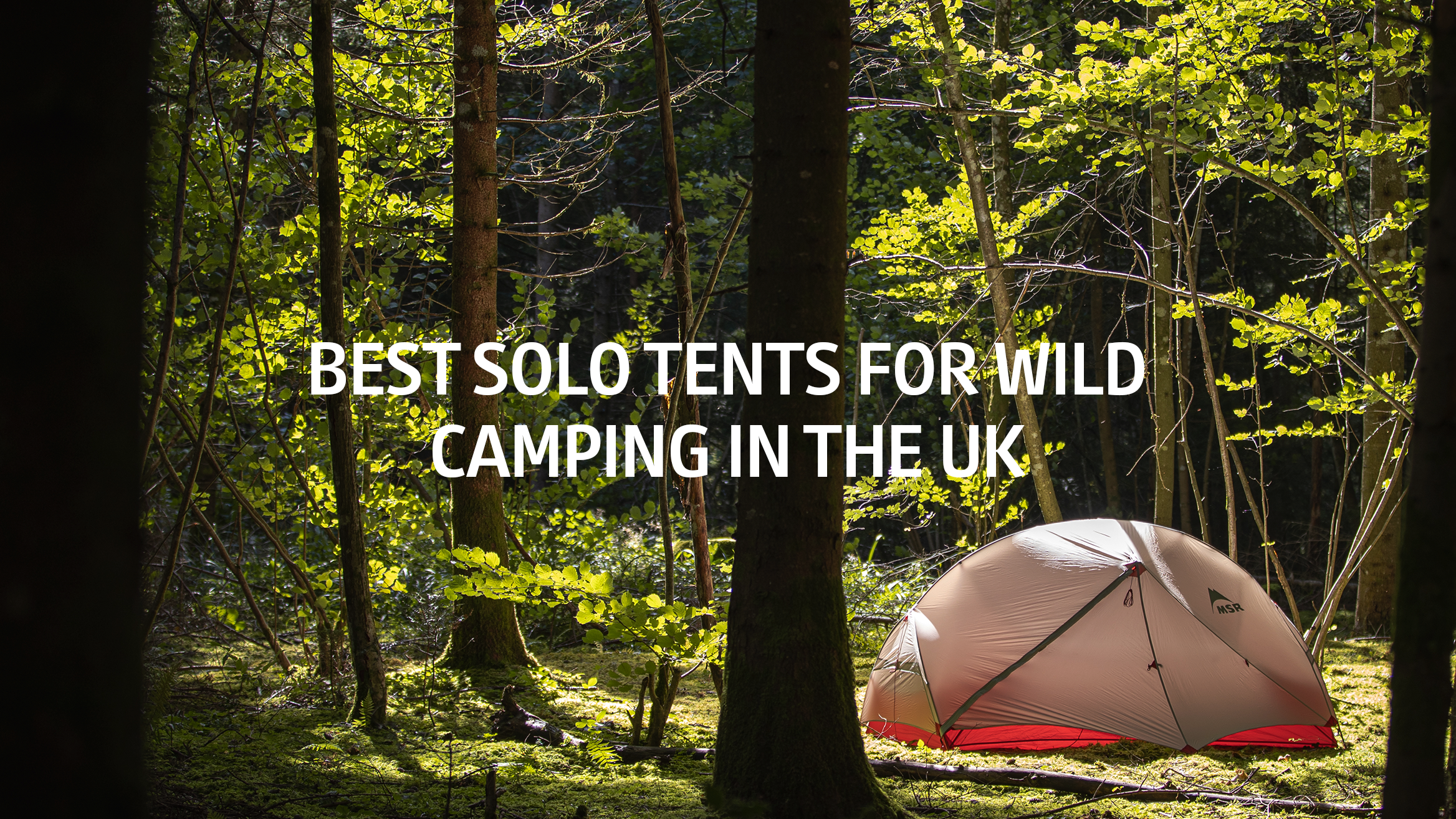
Wild camping in the UK is one of the most rewarding ways to experience our landscapes. Whether you’re pitching high in the Lakes, tucked into a quiet corner of Eryri, or braving the ever-changing moods of the Scottish Highlands, going solo adds a layer of freedom that’s hard to beat. But with that freedom comes responsibility – especially when it comes to your shelter.
Choosing the right one-person tent isn’t about weight; it’s about trust. You need something that can handle wind that shifts at 2am, rain that arrives sideways, and ground that’s anything but forgiving.
At Trekitt, we spend a lot of time testing gear in real UK conditions – wind, rain, boggy ground, and everything in between. Many of the same principles apply to lightweight backpacking carry over directly here. But when you’re heading out alone, those decisions matter even more.
In this guide, we’ll walk you through what makes a great solo tent for UK wild camping, and highlight some of our favourite options from Trekitt’s 1-person lightweight tent range.
Key Takeaways:
-
The best solo tents for UK wild camping prioritise weather protection and stability over absolute weight
-
Freestanding and tunnel designs tend to perform best in exposed, unpredictable conditions
-
Aim for a balanced weight (1kg-1.8kg) unless you’re experienced with ultralight systems
-
Pitching ease matters more than you think, especially in wind and rain
-
A slightly roomier tent can make a huge difference to comfort on multi-day trips
This article is part of our 👉 Tents Knowledge Centre, where you’ll find expert tent-buying advice, shelter comparisons, camping tips and practical guidance to help you choose the right tent for every adventure.
Know Before You Go: UK Wild Camping Rules
Before heading out, it’s worth understanding where wild camping is actually permitted in the UK. In Scotland, wild camping is legal under the Scottish Outdoor Access Code when done responsibly. In England and Wales, it’s more restricted – generally limited to specific areas like Dartmoor (subject to local regulations), or by gaining landowner permission.
That said, many people do wild camp more widely by following accepted best practices: camp high and out of sight (often above the treeline), arrive late and leave early, stay for one night only, and always follow Leave No Trace principles. Done properly, wild camping remains low-impact, respectful, and preserves access for everyone.
Why Solo Tents Are Ideal for Wild Camping
When you’re wild camping, especially in the UK where discretion is often key, a solo tent gives you a huge advantage.
They’re smaller, lighter, and easier to pitch in awkward or confined spaces. That means you can:
- Tuck yourself out of sight more easily
- Pitch on uneven or limited ground
- Carry less weight over long distances
- Pack down quickly and move efficiently
But the biggest benefit? Control.
When you’re alone, your tent is your entire system – sleep, shelter, protection. There’s no margin for compromise.
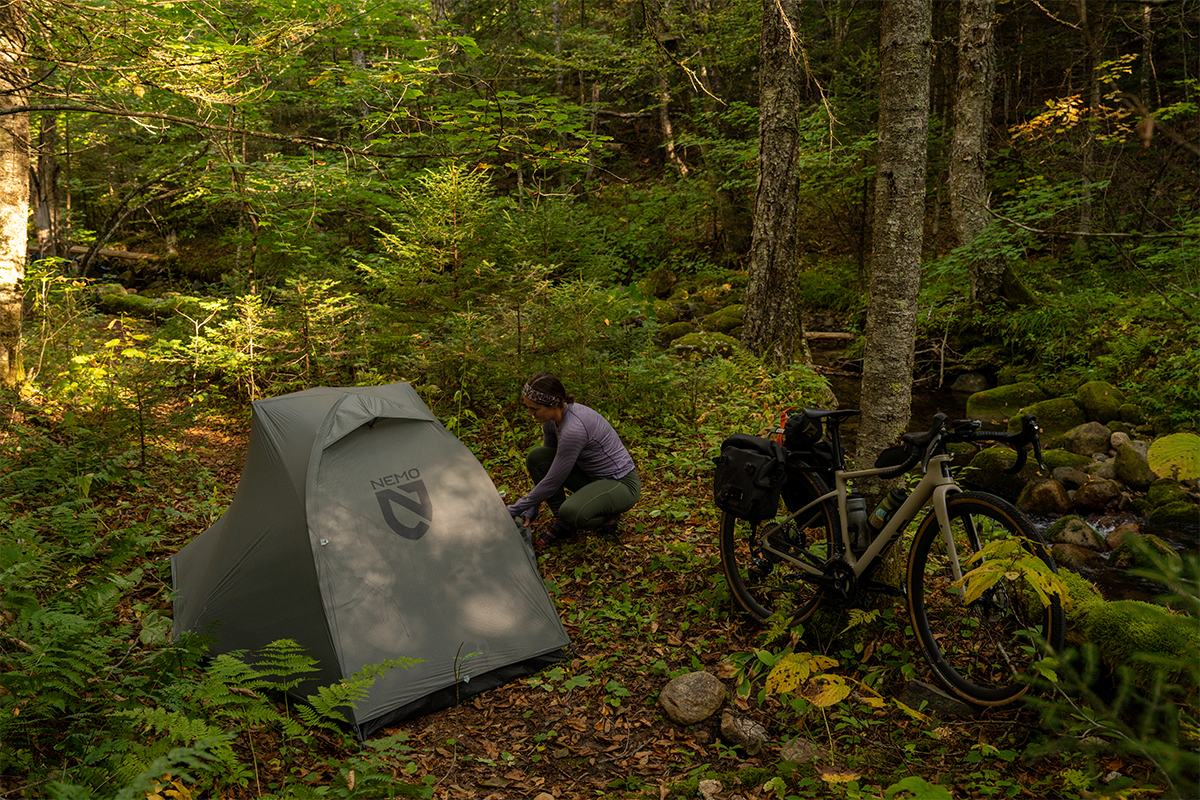
What Makes a Good Solo Tent for the UK?
Not all 1-person tents are created equal – especially when you factor in British weather.
Here’s what to look for when recommending solo shelters for wild camping:
1. Weather Protection You Can Rely On
The UK is unforgiving. Even in summer, conditions can turn quickly.
Look for:
- A full-coverage flysheet
- High hydrostatic head (HH) ratings
- Minimal exposed mesh (or solid inner options)
A tent that works in dry alpine climates won’t necessarily cut it in a Welsh storm.
2. Stability in Wind
Solo tents are often lighter and lower profile – but that doesn’t automatically mean stable.
Strong pole structures, good guying options, and aerodynamic shapes make a huge difference. Tunnel tents and low dome designs tend to perform best when pitched properly.
3. Liveability (More Important Than You Think)
When you’re alone and the weather closes in, your tent becomes your entire world.
Things to consider:
- Can you sit up comfortably?
- Is there space for your pack?
- Can you cook (carefully) in the vestibule?
A cramped tent might save weight – but it can make a long night feel even longer.
4. Ease of Pitching
Wild camping often means pitching late, in wind, rain, or fading light.
A good solo tent should:
- Pitch quickly
- Be intuitive
- Ideally pitch fly-first or all-in-one
This is one of those features you don’t fully appreciate until you’re battling the elements.
5. Packed Size and Weight
Of course, weight matters – but in the UK, it’s about balanced weight.
Going ultralight is great… until your tent struggles in a storm.
For most people, the sweet spot for solo tents is:
- 1lg-1.8kg for reliability and comfort
- Sub-1kg only if you’re experienced and selective with conditions
My Favourite Solo Tents for UK Wild Camping
Here are some standout options from Trekitt’s current range that I’d confidently take into the hills solo.
MSR Hubba Hubba LT 1
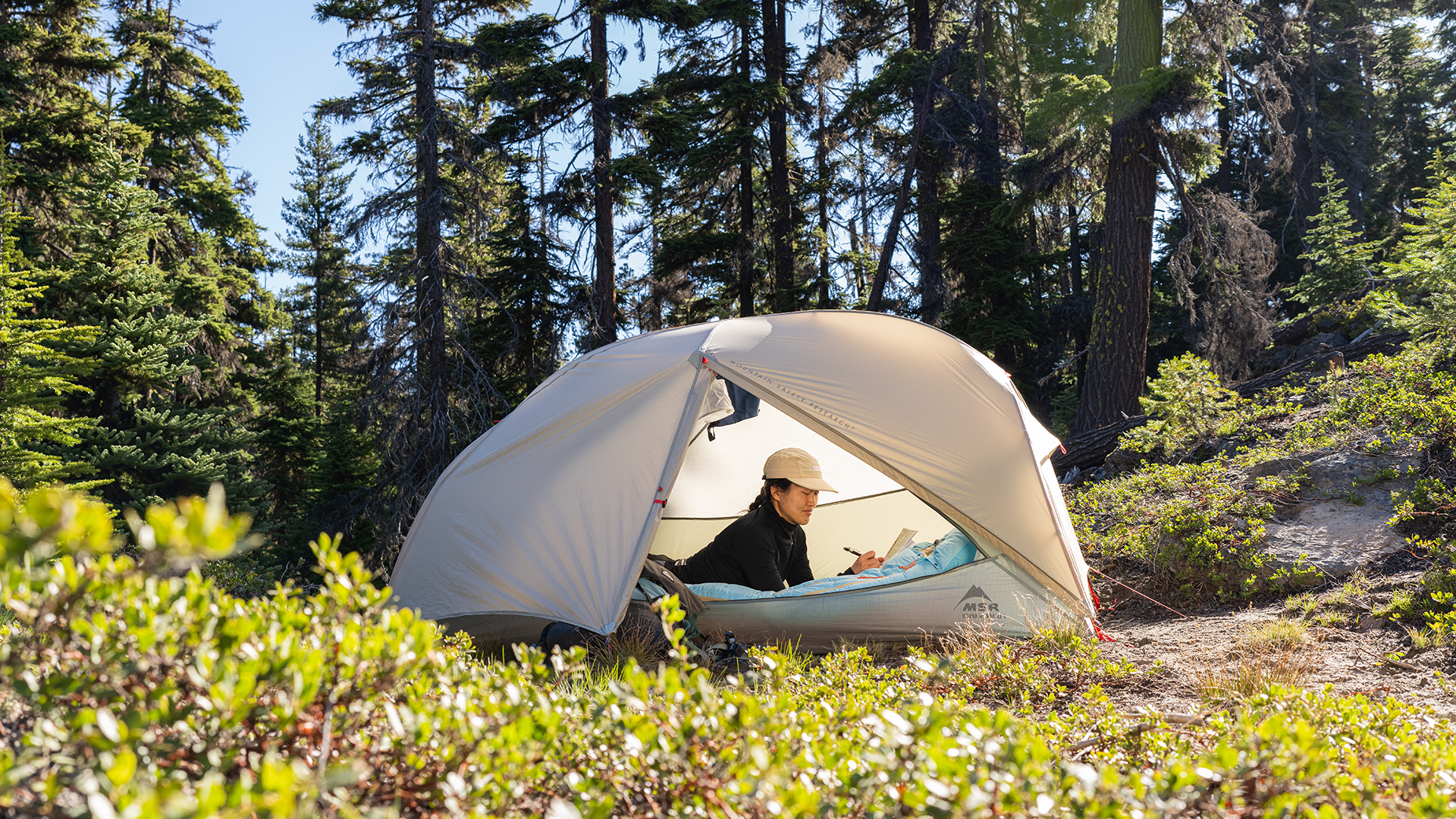
A modern classic, refined.
If you want a solo tent that just works, this is one of the safest bets out there.
Why it’s great for UK wild camping:
- Freestanding design – ideal for rocky or awkward ground
- Excellent balance of weight and durability
- Strong DAC poles that handle wind well
- Spacious interior for a 1-person tent
What really stands out here is liveability. It doesn’t feel like a coffin, which is surprisingly rare in solo tents. You’ve got room to move, organise kit, and ride out bad weather without feeling claustrophobic.
It’s not the absolute lightest option – but for UK conditions, the added comfort and reliability are well worth it.
Terra Nova Laser Lite 1
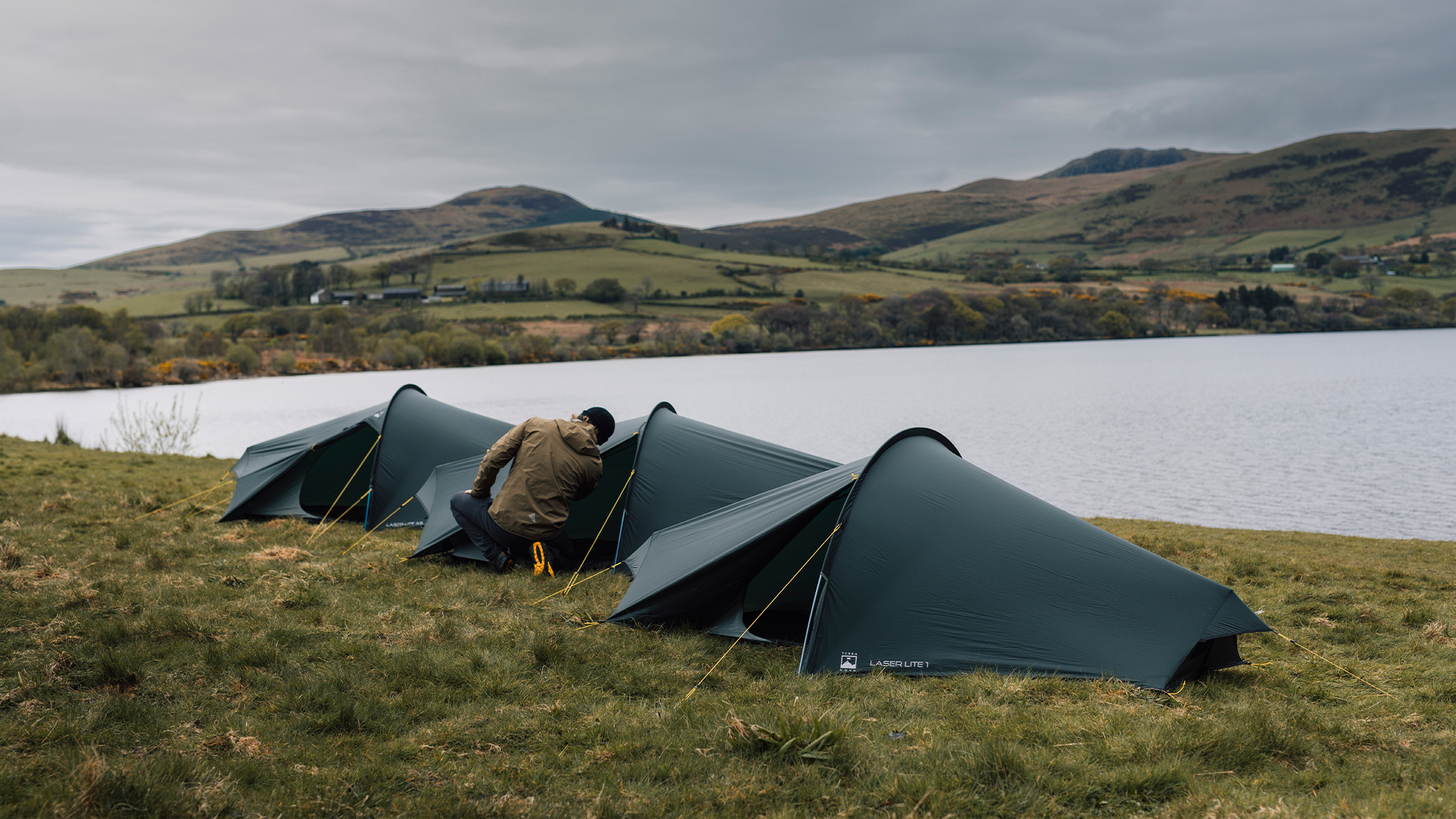
A proper ultralight specialist. This is a tent for those who prioritise weight above all else – but still want something capable.
Why we rate it:
- Extremely low weight
- Proven performance when pitched correctly
- Packs down incredibly small
It’s a single-pole tunnel design, which means pitch quality is everything. Get it right, and it’s impressively stable. Get it wrong… and you’ll know about it.
This is best suited to experienced wild campers who understand site selection and pitching technique. If that’s you, it’s a brilliant bit of kit for long-distance routes or fastpacking missions.
Big Agnes Copper Spur UL1
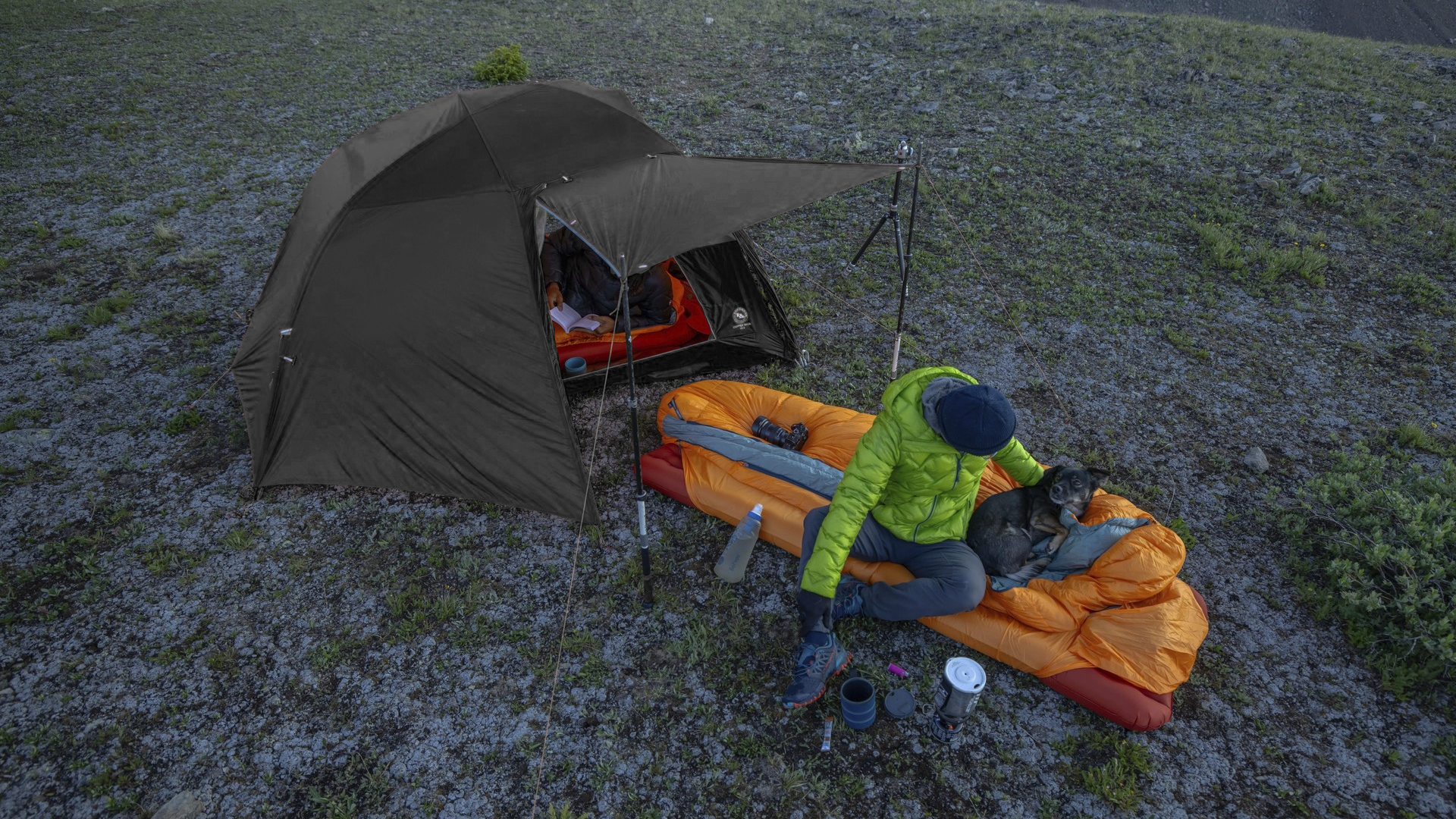
One of the most liveable solo tents available. Big Agnes constantly nails the balance between comfort and weight, and the Copper Spur UL1 is no exception.
Key Strengths:
- Freestanding design
- Excellent interior space
- High-quality materials and construction
- Dual vestibule-style functionality in a solo format
The steep sidewalls make a noticeable difference – you actually feel like you’ve got usable space rather than just floor area.
It’s a great option if you’re doing multi-day trips and want something that feels a bit more comfortable at camp.
Nemo Hornet OSMO 1P
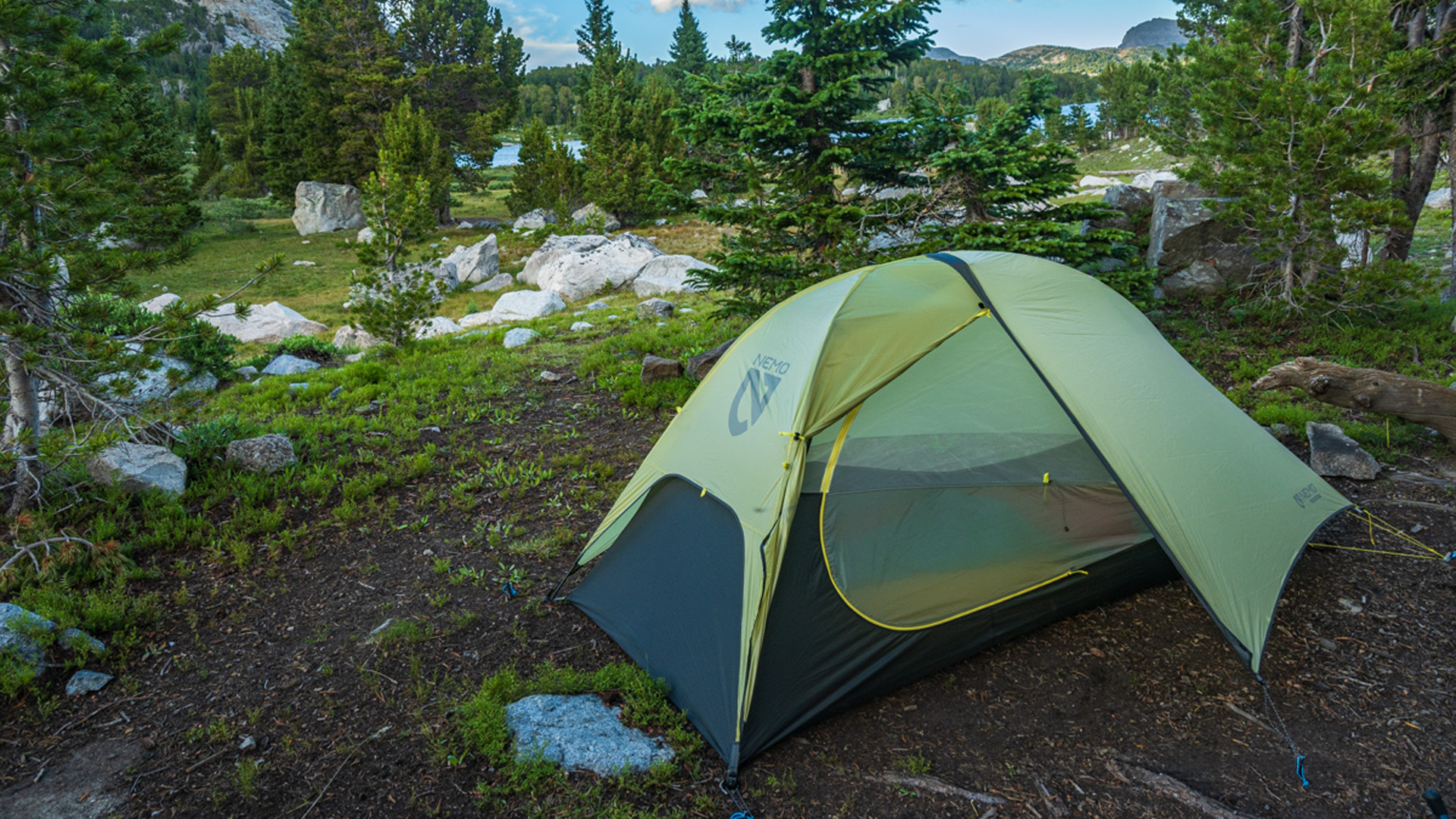
Ultralight without feeling fragile. Nemo has done a great job of making this tent feel more robust than many others in its weight class.
Why it works well:
- Freestanding design
- Excellent interior space
- High-quality materials and construction
- Dual vestibule-style functionality in a solo format
The steep sidewalls make a noticeable difference – you actually feel like you’ve got usable space rather than just floor area.
It sits in that sweet spot between ultralight and practical. For UK wild camping, it’s best suited to moderately exposed pitches rather than full-on mountain summits. But for most users, it’s a very compelling option.
Lightweight vs Ultralightweight: What Should You Choose?
This is where a lot of people go wrong. Ultralight gear is appealing – but it comes with trade offs.
Lightweight (1kg – 1.8kg)
- More durable
- Easier to pitch
- Better in poor weather
- More forgiving overall
Ultralight (sub 1kg)
- Minimal weight
- Requires better technique
- Often less stable in extreme conditions
For most UK wild campers, I’d recommend starting with a lightweight tent. Ultralight makes sense once you’ve got experience and understand your limits and the limitations of your gear.
Tips for Better Wild Camping with a Solo Tent
Your tent choice is only part of the equation. How you use it matters just as much.
Choose Your Pitch Carefully
- Avoid dips where water can collect
- Look for natural wind protection
- Check the ground before committing
A good pitch can make an average tent perform brilliantly.
Pitch Into the Wind
Always orient your tent to minimise wind resistance. This reduces stress on poles and fabric – and helps you sleep a lot better!
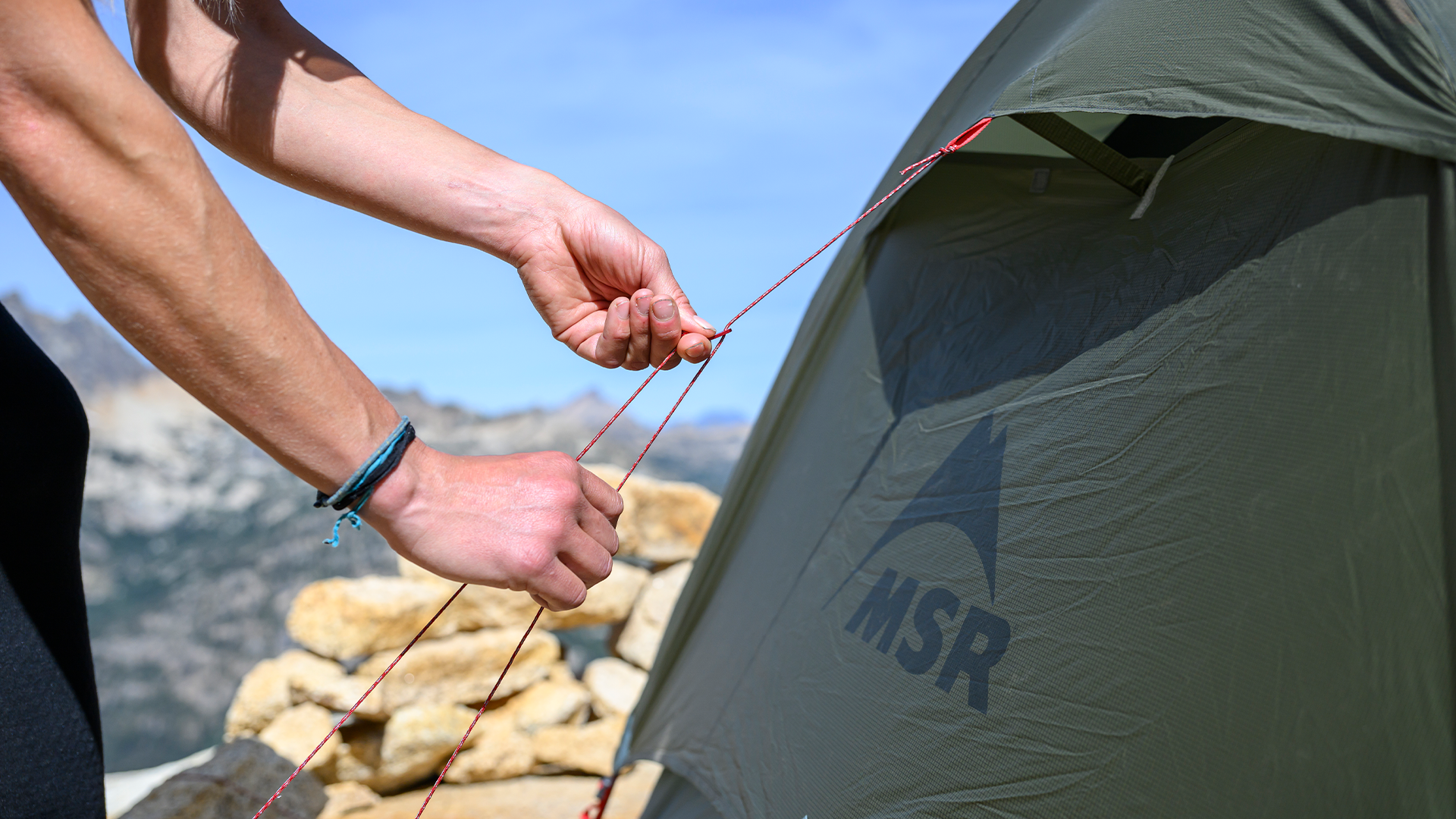
Use All Your Guy Lines
It’s tempting to skip them in calm weather – but UK conditions can change fast. Guy lines add stability and structure, especially overnight.
Ventilation Matters
Condensation is a fact of life in the UK. Use vents, keep airflow where possible, and avoid sealing everything up unless conditions demand it.
Practice Before You Go
Pitch your tent at home or in a local park first. It sounds obvious – but knowing your setup inside out makes a huge difference when conditions aren’t ideal.
Common Mistakes to Avoid
Going Too Minimal
Saving weight is great – but not at the expense of safety or comfort. A slightly heavier tent that performs well is always the better choice.
Ignoring UK Conditions
A tent that reviews well globally might not suit British weather. Always prioritise rain and wind performance.
Overlooking Space
Solo doesn’t have to mean cramped. If you’re spending multiple nights out, a bit of extra room goes a long way.
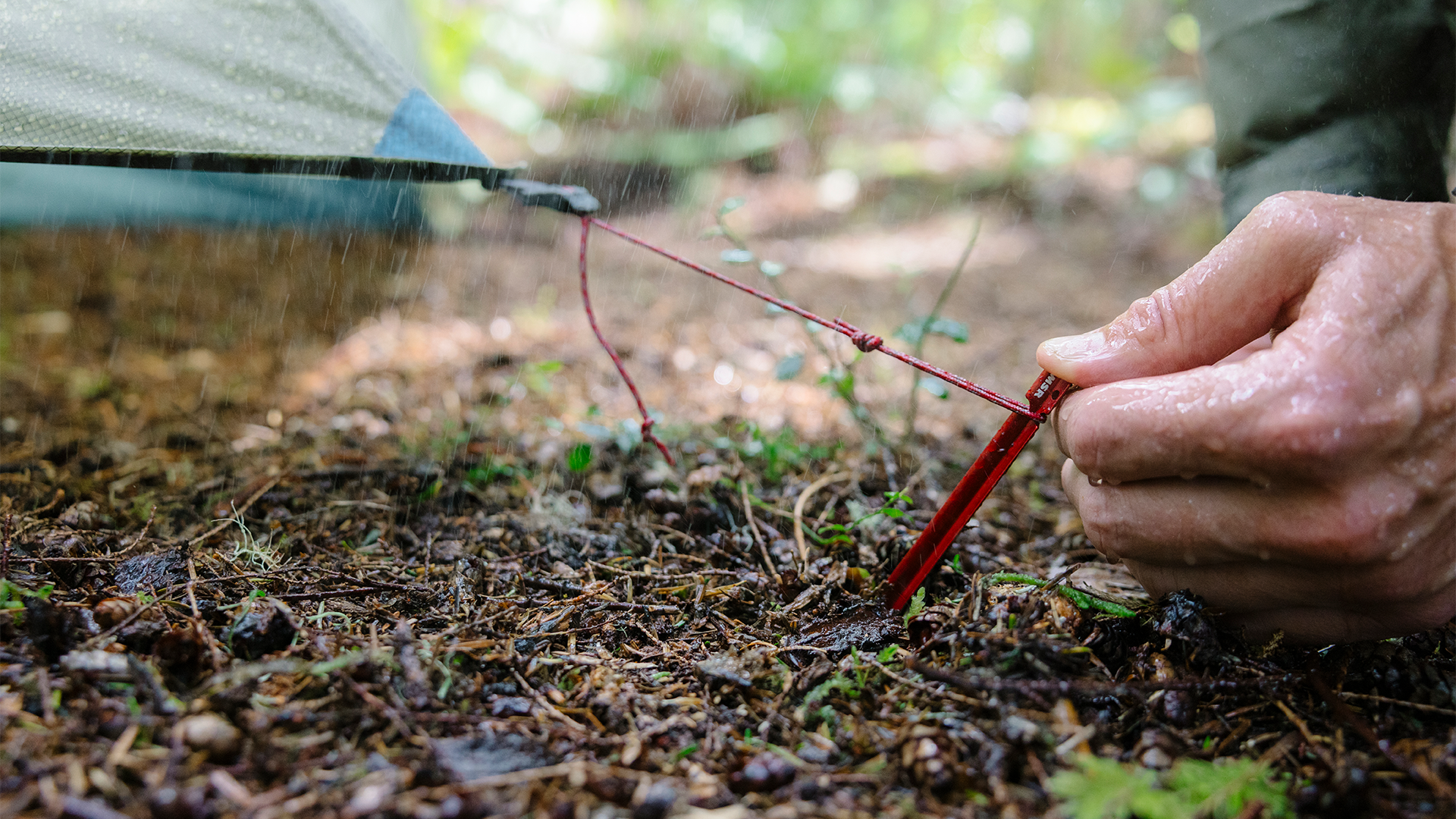
Poor Peg Choices
Lightweight pegs aren’t always suitable for soft ground. Make sure your setup matches the terrain.
Final Thoughts
The best solo tent for wild camping isn’t the lightest – it’s the one you trust when the weather turns.
For most people, that means finding a balance between weight, durability and usability. A tent that pitches quickly, holds strong in wind, and gives you just enough space to stay comfortable is worth far more than shaving a few extra grams.
Whether you’re heading out for your first solo night or refining a well-practiced setup, investing in the right shelter will transform your experience.
Visit Us or Get in Touch
Choosing the right solo tent can make or break a wild camping trip – especially in the UK where conditions rarely stay predictable for long. If you’re still unsure which option is right for you, we’re always happy to help.
You can visit us at the Trekitt Hereford Service Centre, where our team of experienced staff can talk you through different options, show you tents in person, and help you compare weight, pack size, and liveability side by side. It’s a great way to get a real feel for what will work best for your style of camping.
If you can’t make it in-store, you can still get in touch with us:
- Give us a call for real-time advice on 01432 263 335
- Send us an email with your questions to [email protected]
FAQs
The best solo tent depends on your priorities, but for most UK conditions, a balance of weather protection, stability, and weight is key. Tents like the MSR Hubba Hubba LT or Big Agnes Copper Spur UL1 are excellent all-rounders, offering reliable performance in wind and rain without excessive weight.
Yes, especially for solo trips. A 1-person tent is lighter, packs smaller, and is easier to pitch in tight or exposed locations. They’re ideal for wild camping where discretion and efficiency matter.
Wild camping is legal in Scotland under the Scottish Outdoor Access Code when done responsibly. In England and Wales, it’s more restricted – typically limited to places like Dartmoor or by landowner permission. Many campers follow best practices such as pitching late, leaving early, and camping above the treeline to minimise impact.
Ultralight solo tents can weigh under 1kg, such as the Terra Nova Laser Lite 1. However, lighter tents often require more careful pitching and are less forgiving in harsh weather. For UK use, slightly heavier but more robust options are often the better choice.
Key features include:
Strong weather resistance (rain and wind)
Stable design (freestanding or well-pitched tunnel)
Low packed weight and size
Good ventilation to reduce condensation
Enough interior space for you and your gear
Freestanding tents are often easier to pitch on rocky or uneven ground, making them a great option for UK terrain. However, non-freestanding tents can be lighter and just as effective if pitched correctly.
Condensation is common in the UK, but you can minimise it by:
Ventilating your tent where possible
Avoiding pitching near water
Choosing a tent with good airflow design
Keeping wet gear out of the sleeping area
Yes, but experience matters. Ultralight tents can perform well in the UK if pitched correctly and used in suitable locations. However, they’re generally less forgiving than heavier, more robust shelters.
Look for:
High, discreet locations away from paths and buildings
Flat, well-drained ground
Natural shelter from wind (e.g. behind ridges)
Always follow Leave No Trace principles and respect the environment.
Leave a Reply