
Do You Need Gore-Tex Boots?
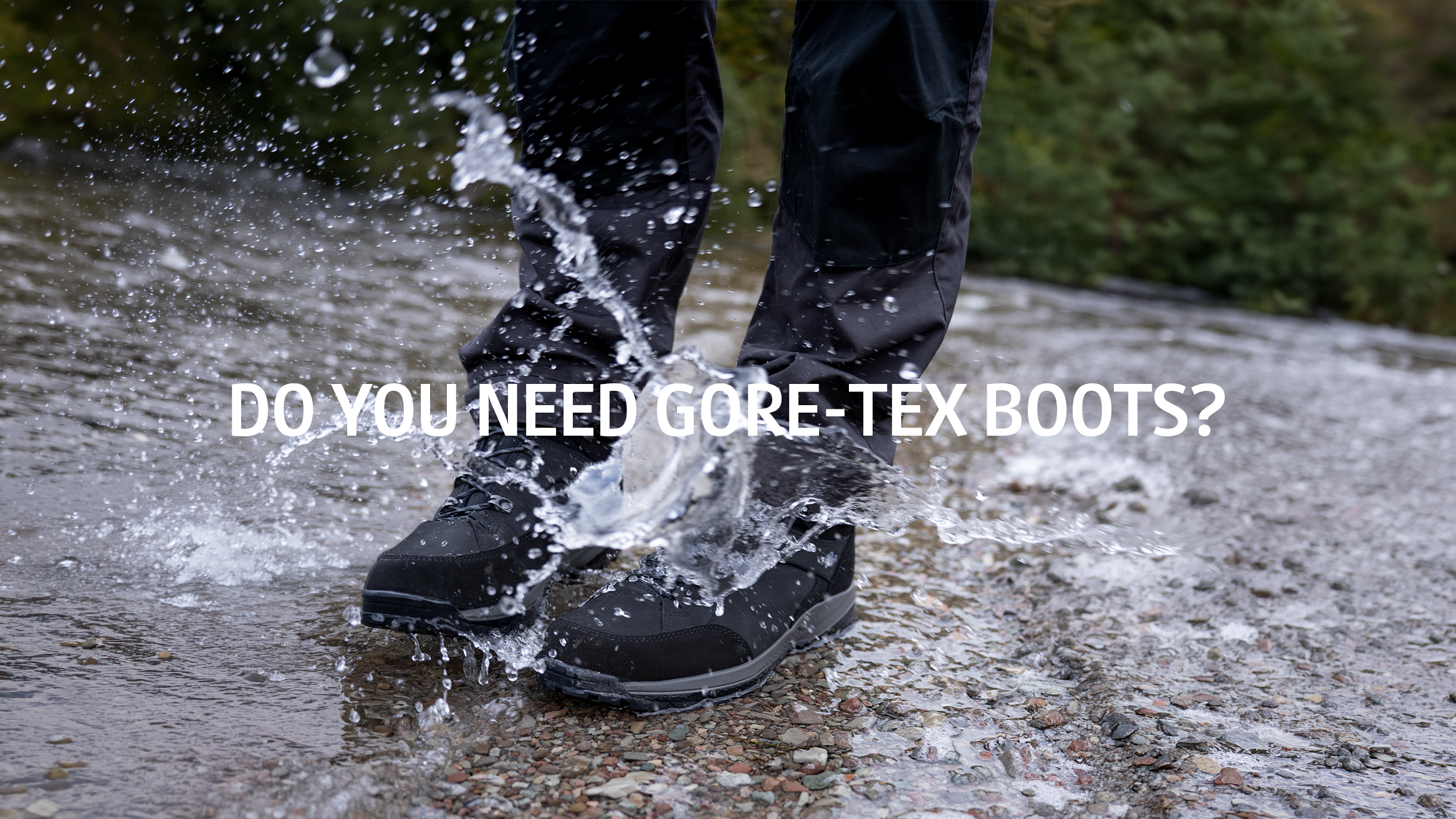
If you’ve ever shopped for walking boots, you’ve probably come across Gore-Tex. It’s one of the best-known waterproof technologies in outdoor footwear, and given how unpredictable British weather can be, choosing a waterproof pair might seem like the obvious decision. After all, nobody enjoys spending an entire walk with soggy socks.
But do you actually need Gore-Tex boots?
Not necessarily. While Gore-Tex can make a real difference when you’re trudging through wet grass, navigating muddy trails or walking in persistent rain, it’s not always the most practical choice. In warmer conditions, for example, a non-waterproof boot might offer better ventilation and greater comfort.
At Trekitt, we believe choosing the right footwear is about understanding where you walk, the conditions you’re likely to encounter and what feels comfortable on your feet. In this guide, we’ll explain how Gore-Tex works, explore its advantages and limitations, and help you decide whether waterproof boots are worth the investment.
IN SHORT…
-
How Does Gore-Tex Work?: Discover what happens inside a waterproof boot and how its membrane manages external water and internal moisture.
-
The Pros and Cons of Gore-Tex Boots: Explore the benefits and compromises of waterproof footwear, including when those differences matter most.
-
Are Gore-Tex Boots Breathable? Understand how Gore-Tex performs in different temperatures and why your feet can still feel damp.
-
How to Maintain Gore-Tex Boots: Learn how to clean, dry and reproof your footwear to help maintain its performance.
-
Suitable Activities: Find out which types of walking benefit most from Gore-Tex.
How Does Gore-Tex Work in Walking Boots?
Gore-Tex is a waterproof, windproof and breathable membrane technology designed to prevent external moisture from entering your footwear while allowing some perspiration vapour to escape.
In walking boots, the membrane is typically incorporated into a lining or waterproof bootie inside the upper, creating a protective barrier around your foot. When you’re walking through wet grass, muddy paths or shallow puddles, this barrier helps stop water from reaching your socks.
Traditional Gore-Tex membranes use expanded polytetrafluoroethylene (ePTFE), which contains a microscopic network of pores. These pores are small enough to resist liquid water penetration while allowing moisture vapour to pass through under suitable conditions. Newer Gore-Tex technologies can use expanded polyethylene (ePE), so the exact membrane construction varies between products.

However, there’s an important distinction between waterproof and completely moisture-free.
Gore-Tex doesn’t magically remove sweat from inside your boots. Moisture transfer depends on factors such as temperature, humidity and how hard you’re working, which means your socks can still become damp during strenuous activity.
It’s also worth remembering that waterproof boots aren’t completely immune to water entry. If you step into a stream deeper than your boot collar, water can still pour in from above. Once that happens, the waterproof lining can actually slow down the drying process.
What Are the Pros and Cons of Gore-Tex Boots?
For many UK walkers, Gore-Tex is a sensible addition to their footwear. Our trails can remain muddy and waterlogged long after the rain has stopped, and even a relatively dry day can involve hours of walking through wet vegetation.
However, waterproofing introduces certain compromises, particularly when it comes to ventilation and drying time.
| Advantages | Disadvantages |
| Helps keep rain and ground moisture out | Can feel warmer in mild conditions |
| Useful for muddy trails and wet grass | Generally less ventilated than comparable non-waterproof footwear |
| Provides windproof protection | Perspiration can accumulate inside |
| Practical for year-round UK walking | Often costs more |
| Helps keep socks dry in wet conditions | Can take longer to dry internally if soaked |
When Gore-Tex Is Worth It
Imagine heading into the Brecon Beacons (Bannau Brycheiniog) on a typical autumn morning. It hasn’t rained for a few hours, but the ground is saturated, the grass is dripping wet and the paths are a mixture of mud and puddles.
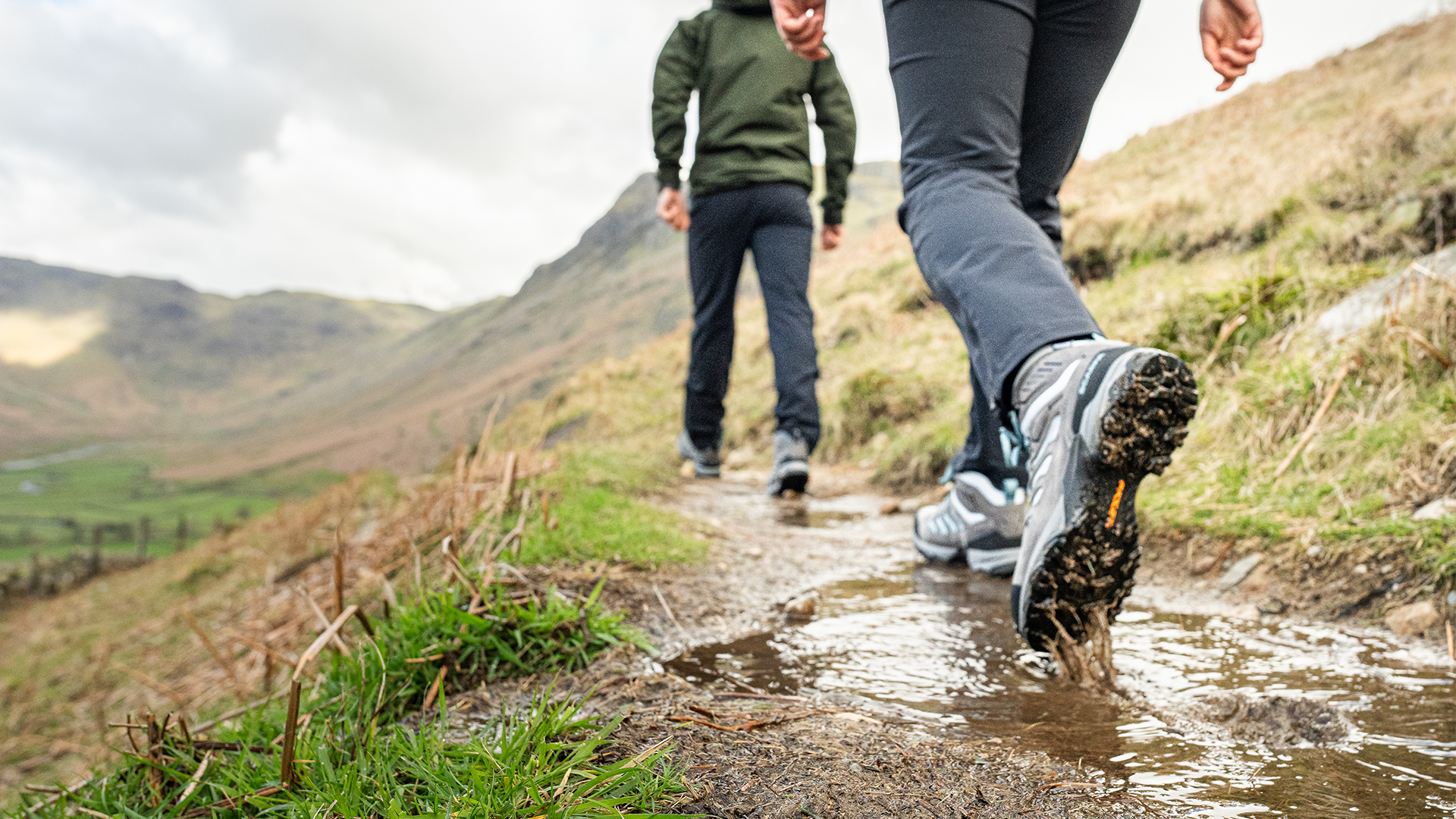
You might not encounter a single proper downpour, yet your boots will be exposed to moisture throughout the day.
This is where Gore-Tex really earns its place.
For walkers who regularly explore the Lake District, Scottish Highlands or other wetter parts of the UK, a waterproof membrane can make longer days outdoors considerably more comfortable. It’s particularly useful when you’re walking for several hours with little opportunity to dry your footwear.
When Gore-Tex Might Not Be Necessary
Now imagine a dry summer walk along a well-maintained trail. The temperature is comfortably into the twenties, the ground is firm and there’s barely a cloud in sight.
In those conditions, waterproofing probably isn’t your biggest priority. Keeping your feet cool and comfortable is likely to matter more.
Non-waterproof footwear often features more ventilated uppers, allowing greater airflow and potentially faster drying times if it becomes wet. If most of your walking takes place in warm, dry weather, you may find these benefits more useful than having a waterproof membrane.
The key is to choose footwear for the conditions you actually encounter, rather than assuming waterproof automatically means better.
Are Gore-Tex Boots Breathable?
Yes, Gore-Tex boots are breathable, but there’s a difference between breathability and ventilation.
Breathability refers to moisture vapour moving through a material, whereas ventilation involves air circulating through the footwear. Gore-Tex is designed to allow some moisture vapour to escape while preventing liquid water from entering, but it doesn’t provide the same airflow as an open mesh upper.
This becomes particularly noticeable when you’re working hard.
During a steep climb, your feet naturally generate heat and perspiration. For moisture vapour to escape effectively, there needs to be a suitable difference in moisture vapour pressure between the inside and outside of the boot. When conditions are humid or you’re producing moisture faster than it can escape, your socks may start to feel damp.
That’s why you can finish a demanding walk with sweaty feet even when your waterproof membrane is functioning perfectly.
Gore-Tex vs Non-Waterproof Boots in Warm Weather
If you’re hiking in warm, dry conditions, non-waterproof footwear can offer a noticeable advantage in ventilation. Lightweight mesh designs generally allow more airflow, helping heat and moisture escape more readily.
However, the overall boot construction matters. A heavy leather boot without Gore-Tex won’t necessarily feel cooler than a lightweight synthetic boot with a waterproof membrane.
Your socks also play an important role in keeping your feet comfortable. Merino wool and suitable synthetic walking socks help manage moisture, whereas cotton tends to absorb and retain it. Thickness matters too, as a chunky winter sock might leave your feet feeling unnecessarily warm on a summer hike. If you’re unsure which materials or styles are best suited to your adventures, our guide to Which Hiking Socks Should You Be Using? explores the different options and what to look for.
At Trekitt, we’d always recommend thinking about your boots and socks as a system rather than treating them as separate pieces of kit. Getting that combination right can make a bigger difference to comfort than focusing on the waterproof membrane alone.
How to Maintain Gore-Tex Boots
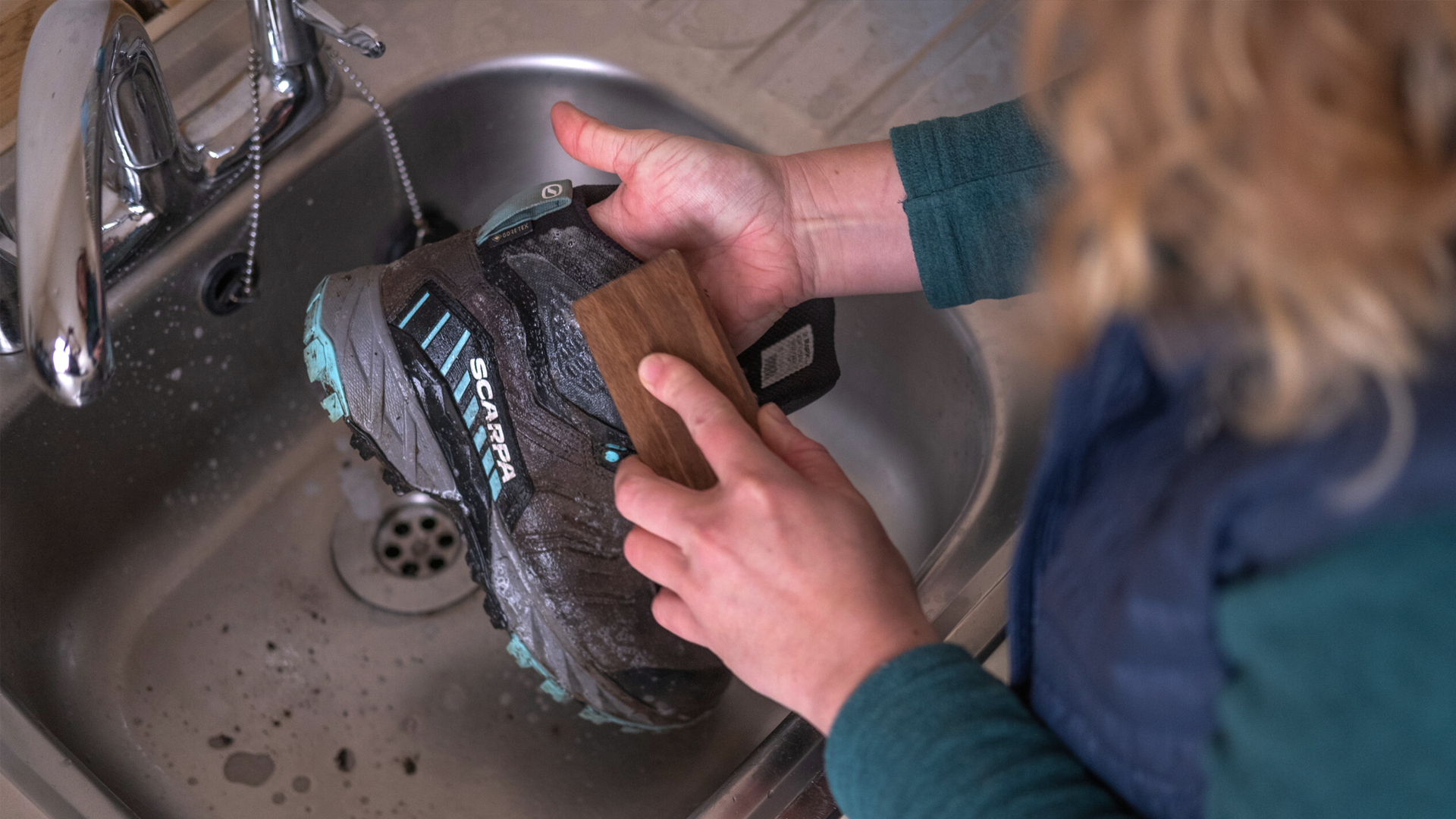
Although the Gore-Tex membrane itself doesn’t require regular waterproofing treatments, the rest of your boots still needs looking after.
Mud, dirt and general wear can affect the condition of the outer materials, while the durable water repellent (DWR) finish applied to many boot uppers gradually wears away. When this happens, the outer material can absorb water rather than allowing it to bead on the surface, potentially making your boots heavier and reducing moisture transfer.
Fortunately, maintaining Gore-Tex boots is relatively straightforward.
Cleaning and Drying Your Boots
After a particularly muddy walk, it’s worth giving your footwear a quick clean rather than leaving dirt to build up.
- Remove loose dirt. Use a soft brush to clear mud from the uppers, tongue and around the sole.
- Wash with lukewarm water. For stubborn grime, use a footwear cleaner suitable for the boot’s materials.
- Remove the insoles. This helps improve airflow and allows the inside to dry more effectively.
- Dry naturally. Leave your boots somewhere well ventilated, away from radiators, fires or other direct heat sources.
- Reproof when necessary. Apply a suitable water-repellent treatment if the outer material stops shedding water effectively.
Avoid using excessive heat to speed up drying, as this can damage adhesives, leather and other components. It’s also important to understand that reproofing the outer material won’t repair a damaged Gore-Tex membrane. If your boots are leaking because the waterproof lining has been punctured or worn through, applying more waterproofing treatment won’t solve the underlying problem.
For more detailed advice on cleaning different footwear materials, choosing the right care products and keeping your boots in good condition, take a look at our How to Care for Your Footwear guide. It covers the essentials of looking after your walking footwear so you can get the most out of it for years to come.
What Are the Alternatives to Gore-Tex Boots?
If Gore-Tex doesn’t sound quite right for your adventures, there are other options worth considering. Leather walking boots and non-waterproof synthetic footwear both have their advantages, depending on where you walk and what you prioritise.
Leather Walking Boots
Leather boots are a popular choice for walkers who value durability and a more traditional construction. Good-quality leather can offer useful water resistance when properly maintained, making it suitable for a range of outdoor conditions. However, leather alone doesn’t automatically make a boot fully waterproof, particularly during prolonged exposure to heavy rain or saturated ground.
It’s also worth remembering that leather and Gore-Tex aren’t mutually exclusive. Many walking boots combine a leather upper with a waterproof membrane, giving you the benefits of both materials.
Non-Waterproof Walking Boots
If ventilation, lower weight and quicker drying times are higher on your priority list, non-waterproof synthetic footwear could be a better fit. These boots often feature more breathable upper materials, making them particularly appealing for summer hiking, fast-paced walking and adventures in warmer climates.
Of course, you’ll sacrifice some protection against wet conditions, but that isn’t necessarily a problem if most of your walking takes place on dry, well-maintained trails.
Ultimately, neither option is inherently better. It’s about choosing footwear that suits the conditions you’re most likely to encounter.
Which Activities Are Gore-Tex Boots Best For?
One of the easiest ways to decide whether you need Gore-Tex is to consider the walking you do most often.
There’s little point choosing footwear specifically for challenging winter conditions if almost all your adventures take place on dry summer trails. Equally, if you’re regularly walking through boggy countryside, sacrificing waterproof protection for extra ventilation might not be the most comfortable choice.
Here’s how Gore-Tex compares across different activities.
| Activity | Is Gore-Tex worth it? | Why? |
| UK hillwalking | Often yes | Wet ground and unpredictable weather |
| Winter walking | Usually yes | Protection from cold, wet conditions |
| Summer hiking | Depends | Ventilation may be more important |
| Woodland walking | Often yes | Mud, puddles and wet vegetation |
| Fast hiking | Depends | Weight and drying speed may take priority |
| Long-distance backpacking | Depends | Terrain and climate influence the choice |
| Warm-weather travel | Often unnecessary | Breathability and ventilation are valuable |
| Everyday dog walking | Often yes | Useful for muddy fields and wet grass |
Hillwalking and Winter Walking
For regular UK hillwalking, Gore-Tex is often a practical choice. Whether you’re exploring the Lake District, Eryri or the Scottish Highlands, wet grass, muddy paths and saturated ground can be part of the experience even when the weather looks relatively settled.
During winter, waterproofing becomes particularly useful because external moisture can make cold conditions feel even less comfortable. However, Gore-Tex itself isn’t insulation, and a waterproof boot won’t automatically keep your feet warm in freezing temperatures.
For technical winter mountain walking, you’ll also need to consider boot stiffness, grip and compatibility with appropriate winter equipment. Standard Gore-Tex walking boots aren’t necessarily suitable for demanding snow and ice conditions.
Summer Hiking and Fast-Paced Walking
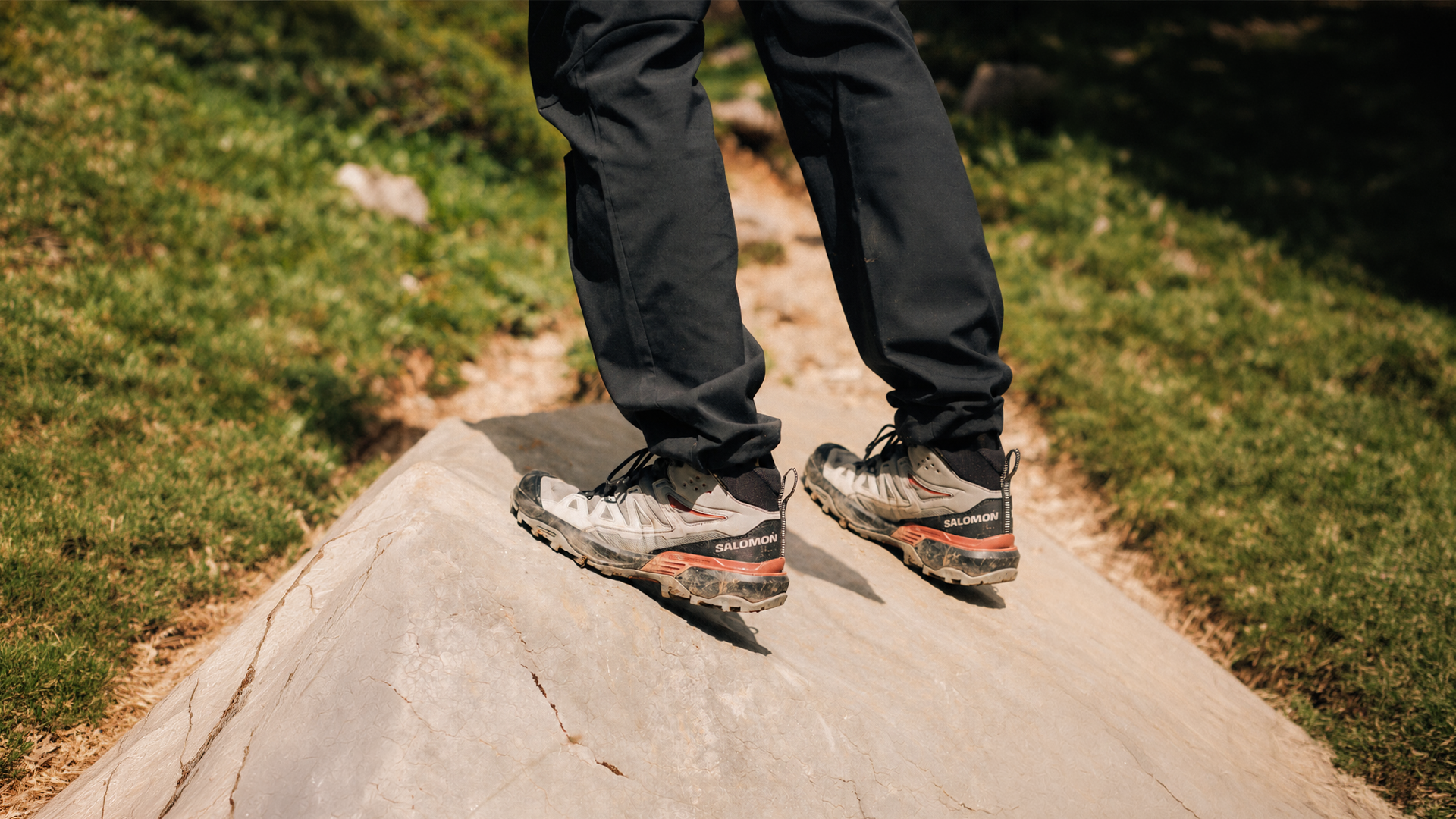
Summer is where the decision becomes more interesting.
On dry, well-maintained trails, lightweight non-waterproof footwear may provide better ventilation and comfort, particularly if you’re walking quickly or covering long distances. Some walkers also prefer non-waterproof shoes for multi-day routes because they can dry more quickly after becoming soaked.
However, summer in the UK doesn’t guarantee dry ground. A July walk through the Scottish Highlands might still involve boggy paths and persistent rain, making waterproof footwear a sensible option.
Rather than choosing based purely on the season, think about the terrain and weather you’re likely to encounter.
Everyday Walking
You don’t need to be climbing mountains to benefit from Gore-Tex.
If your daily dog walk involves crossing muddy fields, wandering through wet woodland or tackling grass that’s still soaked from overnight rain, waterproof footwear can make a noticeable difference.
For shorter walks on pavements or dry, maintained paths, however, a comfortable non-waterproof walking shoe may be perfectly adequate.
Final Thoughts
So, are Gore-Tex boots worth it?
For many UK walkers, absolutely. If you regularly head into the hills, explore muddy trails or spend long days outdoors in unpredictable weather, waterproof footwear can make a genuine difference to comfort.
However, Gore-Tex isn’t essential for every adventure. If most of your walking takes place on dry trails in warmer conditions, you might be better served by a lighter, more ventilated pair of non-waterproof boots or shoes.
Ultimately, the best choice comes down to where you walk, the conditions you encounter and what feels comfortable on your feet. Waterproofing is useful, but it shouldn’t come at the expense of good fit, suitable grip or overall comfort.
Still unsure which option is right for you? We’re always happy to help! Give our team a call on 01432 263335, drop us an email at [email protected], or pop into our Hereford shop. Whether you’ve got questions about Gore-Tex, need advice on fit or simply want to try a few pairs on, we’ll help you find the right boots for your adventures.
FAQs
Gore-Tex membranes are designed to provide waterproof protection, but water can still enter over the boot collar or through damaged areas. When the waterproof lining is intact and the boots are used as intended, they should provide reliable protection against rain, wet grass and shallow puddles.
Not necessarily, although they can feel warmer than comparable non-waterproof footwear. The membrane restricts airflow compared with highly ventilated mesh designs, which can make heat and moisture more noticeable during warm-weather walking. If you primarily hike in hot, dry conditions, non-waterproof footwear may be more comfortable.
Yes, Gore-Tex boots can provide useful waterproof protection in snowy conditions, but waterproofing alone doesn’t make them suitable for winter mountain walking. Depending on the terrain and temperature, you may need insulated footwear, appropriate sole stiffness and compatibility with winter equipment.
The Gore-Tex membrane itself doesn’t need waterproofing spray, but the outer materials may benefit from a suitable water-repellent treatment. This helps prevent the upper from becoming saturated and supports moisture management. Always choose a treatment compatible with your footwear and follow the manufacturer’s care instructions.
Gore-Tex and leather aren’t directly comparable because they serve different purposes. Gore-Tex is a waterproof membrane, while leather is an upper material. Some boots combine both, offering the characteristics of leather alongside a dedicated waterproof barrier. The better choice depends on your priorities, including weight, durability, maintenance and intended use.
Leave a Reply