
Down vs Synthetic Sleeping Bags: Which Should You Choose?
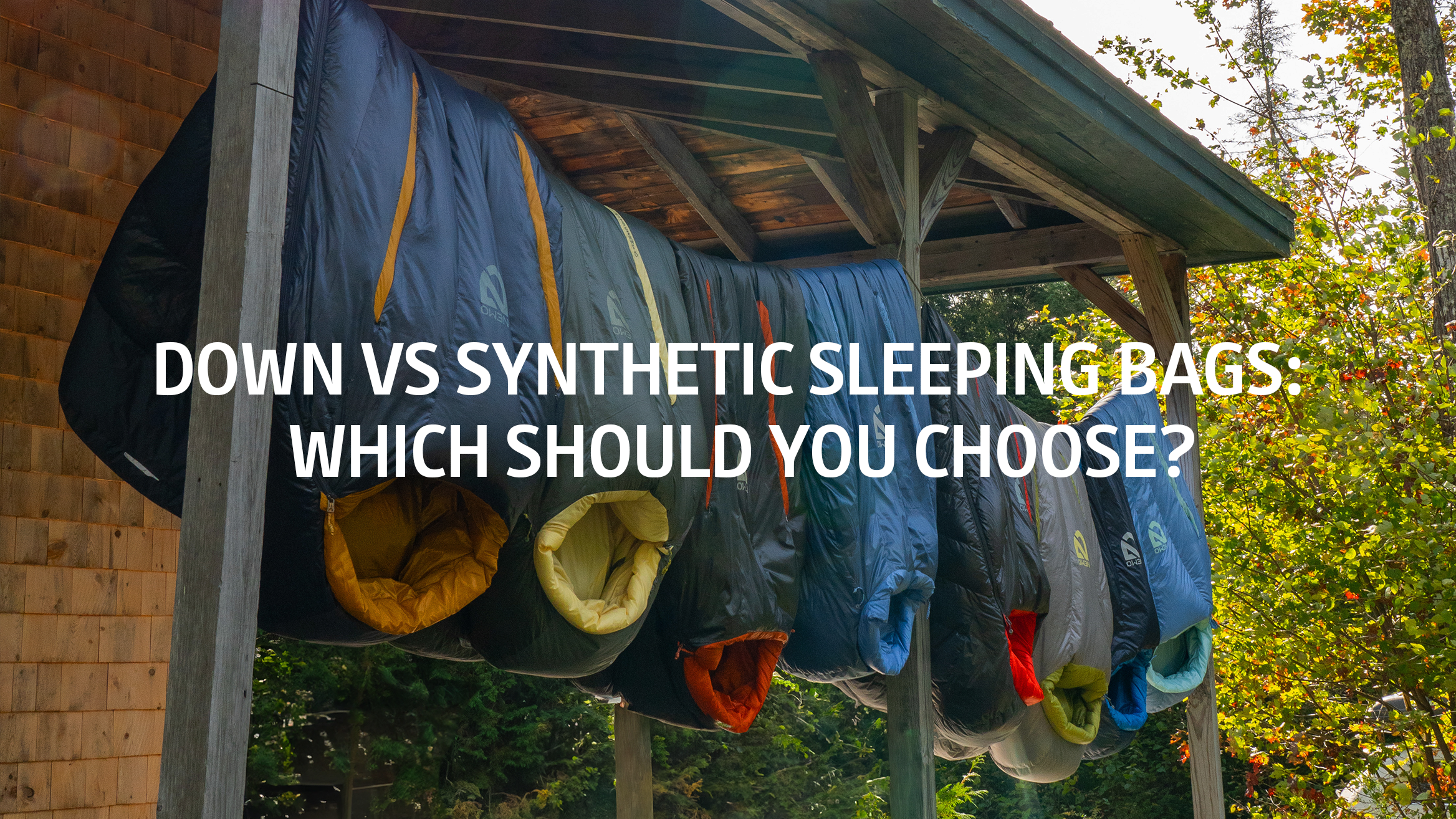
Choosing between a down sleeping bag and a synthetic one sounds simple. It rarely is.
It is one of those decisions that quietly shapes your entire overnight experience. Get it right and you sleep well, recover properly and actually enjoy being out there. Get it wrong and suddenly everything feels harder than it should.
We at Trekitt have spent years in all sorts of UK conditions. Windy ridges in Snowdonia, humid valley camps in the Lakes, frosty mornings in the Cairngorms. Each type of insulation has its place, but the key is understanding where it works best rather than chasing a one-size-fits-all answer.
This guide breaks it all down in a way that actually helps you choose, not just compare specs.
IN SHORT…
-
Understand the core trade-off: compare down’s lightweight efficiency with synthetic’s dependable performance in damp conditions
-
Consider real UK use: factor in condensation, humidity and limited drying opportunities before choosing insulation
-
Learn how each performs: explore warmth, pack size, drying time and long-term durability in practical terms
-
Match your gear to your trips: choose based on where and how you actually camp, not ideal scenarios
-
Build a complete sleep system: see how your sleeping bag works alongside your mat, shelter and overall setup
This article is part of our 👉 Sleeping Bags Knowledge Centre, where you’ll find expert advice on choosing the right sleeping bag, understanding temperature ratings, comparing insulation types and building the perfect sleep system for UK conditions.ure.
What Is a Down Sleeping Bag?
Down is nature’s insulation system. It comes from the fine clusters beneath the outer feathers of ducks or geese, and it is remarkably effective at trapping heat without adding much weight.
At a glance, it looks soft and simple. In reality, it is incredibly efficient.
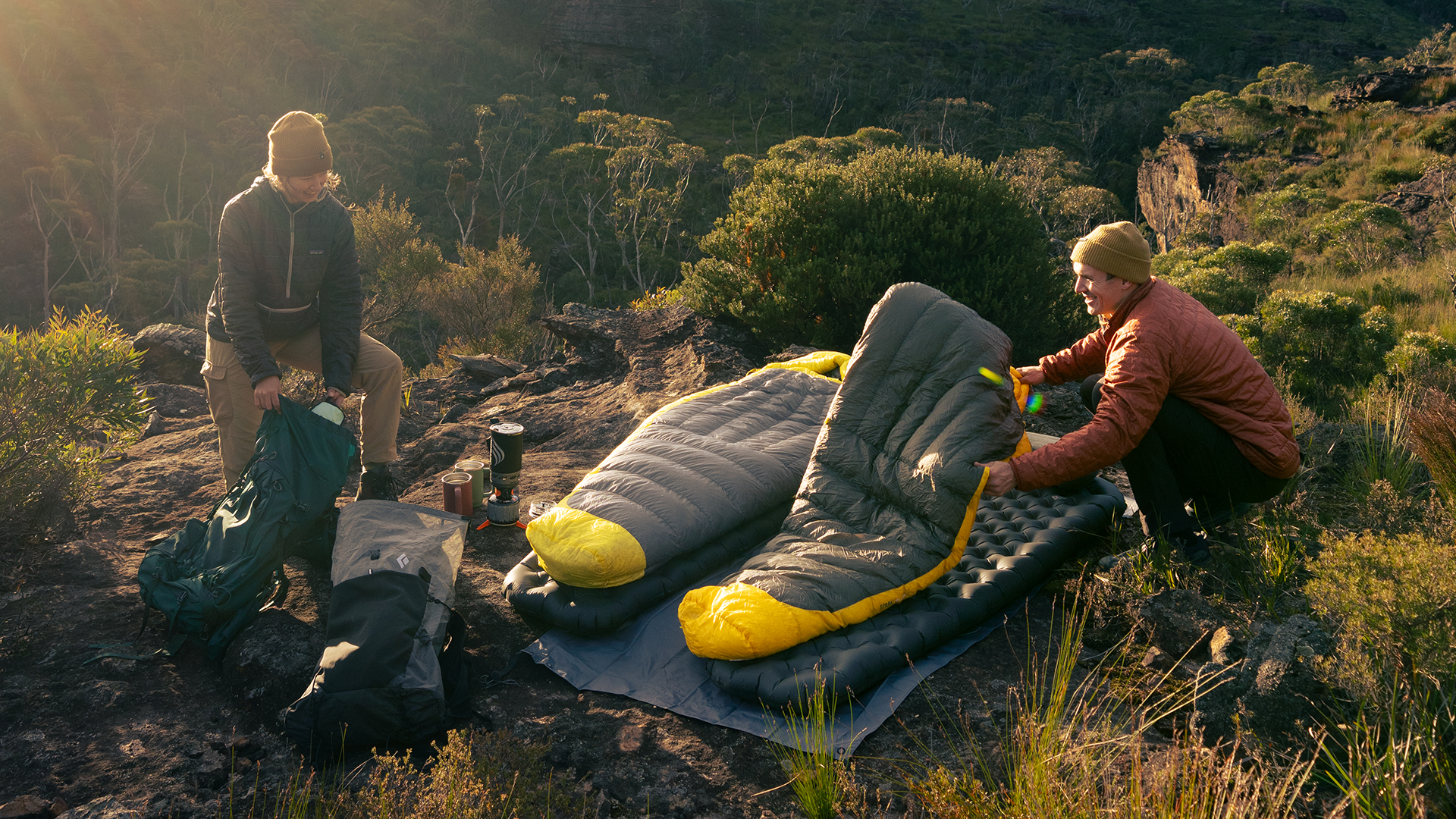
Why down performs so well
Each cluster of down creates tiny pockets of still air. Those pockets trap your body heat and hold it close, which is exactly what you want when temperatures drop overnight. The more loft the down has, the more air it can trap, and the warmer it feels as a result.
This is where fill power comes in. Higher fill power means better loft, greater efficiency and a lighter overall bag for the same level of warmth.
Where down really shines
Down sleeping bags are often the first choice for people who are trying to reduce pack weight without sacrificing performance.
- Lightweight for the warmth you get
When every gram matters, down makes a noticeable difference. It is not just lighter, it feels lighter in use too.
- Compresses down impressively small
You can squeeze a down bag into a surprisingly compact space, which is ideal for smaller packs or longer trips where space is tight.
- Long-lasting if cared for properly
With the right storage and occasional maintenance, a good down bag can stay effective for many years.
- Comfortable across a range of temperatures
Down tends to regulate heat well, which helps avoid that clammy, overheated feeling.
Where down can struggle
This is the part that matters most in the UK.
- Moisture affects performance
When down gets wet, it clumps together and loses its ability to trap air. Modern treated down helps, but it does not eliminate the issue.
- Drying takes time
If your bag becomes damp, fully drying it in the field can be difficult, especially in poor weather.
- Higher upfront cost
You are paying for performance and longevity, which is worth it for many people but not essential for everyone.
- Needs a bit more care
Storage, compression and cleaning all play a role in how well it performs over time.
What Is a Synthetic Sleeping Bag?
Synthetic insulation is designed to replicate the structure of down using man-made fibres, but with a focus on resilience rather than outright efficiency.
It is less delicate. More forgiving. Often better suited to the kind of conditions we actually deal with in the UK.
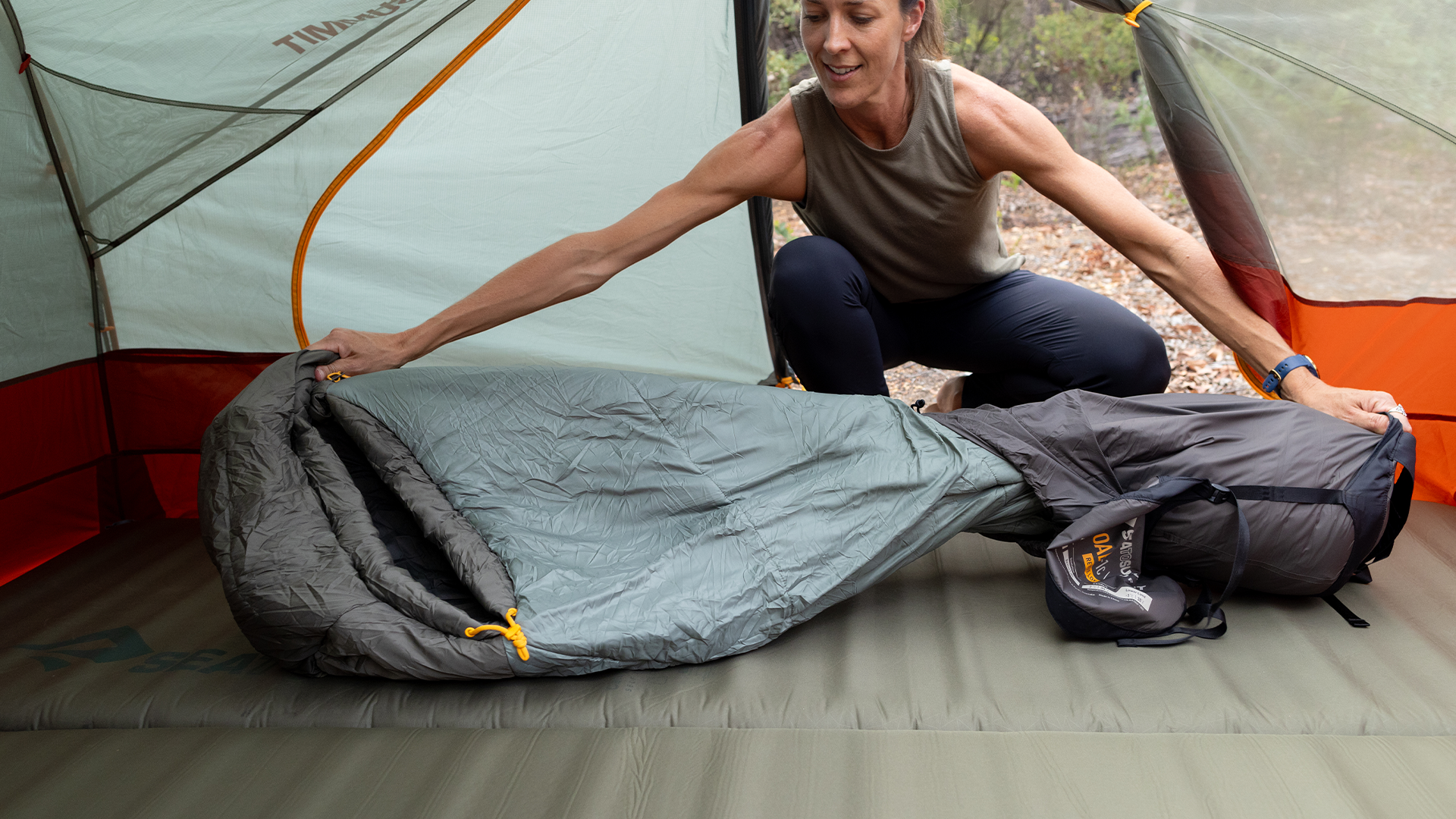
How synthetic insulation works
Instead of natural clusters, synthetic bags use fine fibres arranged in layers or strands. These fibres create air pockets in a similar way to down, although they are slightly less efficient at trapping heat for their weight.
What they do offer is consistency, even when conditions are less than ideal.
Where synthetic comes into its own
This is where things get interesting, particularly for UK camping.
- Handles damp conditions well
Even when slightly wet, synthetic insulation continues to provide warmth. It does not collapse in the same way down does.
- Dries far more quickly
If moisture does get in, you have a much better chance of drying it out during a trip.
- More affordable entry point
Ideal if you are getting started or building a kit without spending heavily upfront.
- Low maintenance and easy to live with
You do not need to be quite as careful with storage or handling.
The trade-offs
Nothing is perfect, and synthetic has its limitations.
- Bulkier and heavier
You will notice this when packing, especially on longer walks where space is at a premium.
- Shorter lifespan
Over time, the fibres lose their structure and the insulation becomes less effective.
- Less compressible
It takes up more room, which can limit how streamlined your setup feels.
Down vs Synthetic: Head-to-Head in the Real World
Specs are helpful. Spreadsheets are neat. None of that matters much when you are lying in a tent at 2am wondering why your toes feel like ice.
So instead of listing features, let’s put them properly head to head.
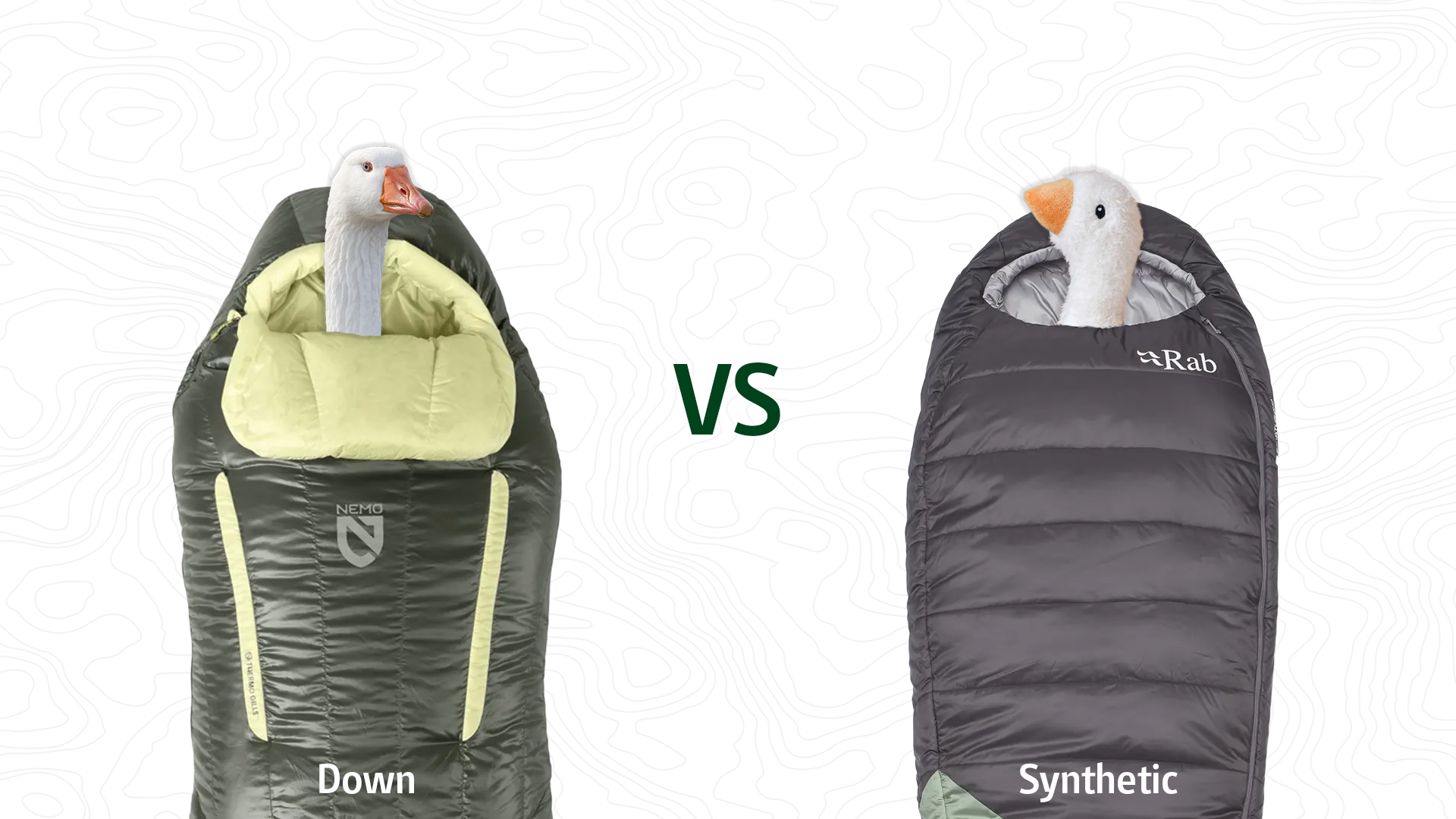
Weight and packability
This is where things get interesting, particularly for UK camping.
Down: Light. Compressible. Almost suspiciously easy to pack away. If you are trying to move efficiently or keep your kit minimal, down feels like cheating. It disappears into your pack and leaves space for everything else.
Synthetic: Bulkier. Heavier. A bit more stubborn when you are stuffing it away in the morning. It is not unmanageable, but you will notice the difference, especially on longer walks.
Verdict: Down wins this comfortably. If weight and space matter, it is not even close.
Moisture and weather resistance
Down: Brilliant when dry. Noticeably less brilliant when damp. It can handle a bit of moisture, especially with modern treatments, but once it starts to lose loft, you will feel it.
Synthetic: This is its territory. Damp air, condensation, a bit of moisture creeping in overnight. It just keeps working. Not perfectly, but reliably enough that you are still warm when it matters.
Verdict: Synthetic takes this one, particularly in the UK where “dry” is often temporary at best.
Warmth efficiency
Down: For the weight, nothing else really comes close. It traps heat incredibly well and does so without adding bulk, which is why it is the go-to for lightweight setups and colder, drier environments.
Synthetic: It can absolutely be warm. Very warm. The catch is that you usually have to carry more of it to get the same result.
Verdict: Down edges it on efficiency. If you are counting grams, this is where it earns its reputation.
Longevity
Down: Look after it and it will look after you for years. It holds its loft well and does not degrade quickly if stored properly and not over-compressed long term.
Synthetic: More forgiving day to day, but it gradually loses its structure. After enough use, it will not bounce back in quite the same way, and you will notice the drop in warmth.
Verdict: Down wins for long-term performance, provided you are willing to treat it with a bit of care.
Cost considerations
Down: Higher upfront cost. No getting around that. You are paying for performance, packability and lifespan.
Synthetic: More accessible. Easier to justify if you are just getting started or only heading out occasionally.
Verdict: Synthetic is the easier entry point, but down often balances out over time if you use it regularly.
Final score?
It’s not really about a winner.
Down is lighter, smaller and more efficient. Synthetic is tougher, more forgiving and better suited to damp conditions. When you look at it that way, it becomes less of a competition and more of a choice based on where you are heading and how much margin for error you want.
UK Conditions: The Deciding Factor
This is where your choice usually becomes clearer.
The UK is rarely cold and dry. More often, it is cool, damp and unpredictable, which creates a different set of challenges compared to alpine or desert environments.
Condensation is unavoidable
Even in a well-ventilated tent, condensation builds up overnight. That moisture can slowly affect your sleeping bag, especially over multiple nights.
Synthetic insulation handles this far better, maintaining warmth even when conditions are less than ideal.

Limited drying opportunities
On multi-day trips, particularly in poor weather, you may not get a proper chance to dry your kit. That makes quick-drying insulation a real advantage.
Constant low-level damp
It is not always dramatic. Sometimes it is just a persistent background dampness that gradually affects your gear. This is where synthetic proves its reliability.
So, Which Should You Choose?
There is no universal answer, but there is a right answer for how you camp.
Choose down if:
- You want to keep your pack as light and compact as possible
- You are heading out in relatively dry conditions
- You are confident managing moisture and looking after your gear
- You want something that will last for years
Choose synthetic if:
- You camp regularly in the UK
- You expect damp, humid or unpredictable weather
- You want something simple and dependable
- You are just getting started and want a lower-risk option
The honest answer
Most experienced campers end up using both at different times of year.
A lightweight down bag is ideal for dry summer trips or travel where pack size really matters. A synthetic bag becomes the go-to for shoulder seasons, winter use or anything involving uncertain weather.
Practical Tips That Make a Bigger Difference Than You Think
The insulation type matters, but how you use your kit matters just as much.
Pair it with a proper sleeping mat
Your sleeping bag keeps you warm from above, but your mat insulates you from the ground. Without a decent mat, even the best sleeping bag will struggle, no matter how good the insulation is.
If you are not sure where to start, our video on Which Sleeping Mat Is Right For You? is a great place to begin.
Manage moisture carefully
Keep your bag away from tent walls, ventilate your shelter where possible and store your bag in a waterproof liner when packing.
Small habits like these make a noticeable difference over a few nights.
Do not over-layer inside the bag
It is tempting to pile on extra clothing, but too much can restrict the bag’s ability to trap warm air effectively. A balanced approach works better.
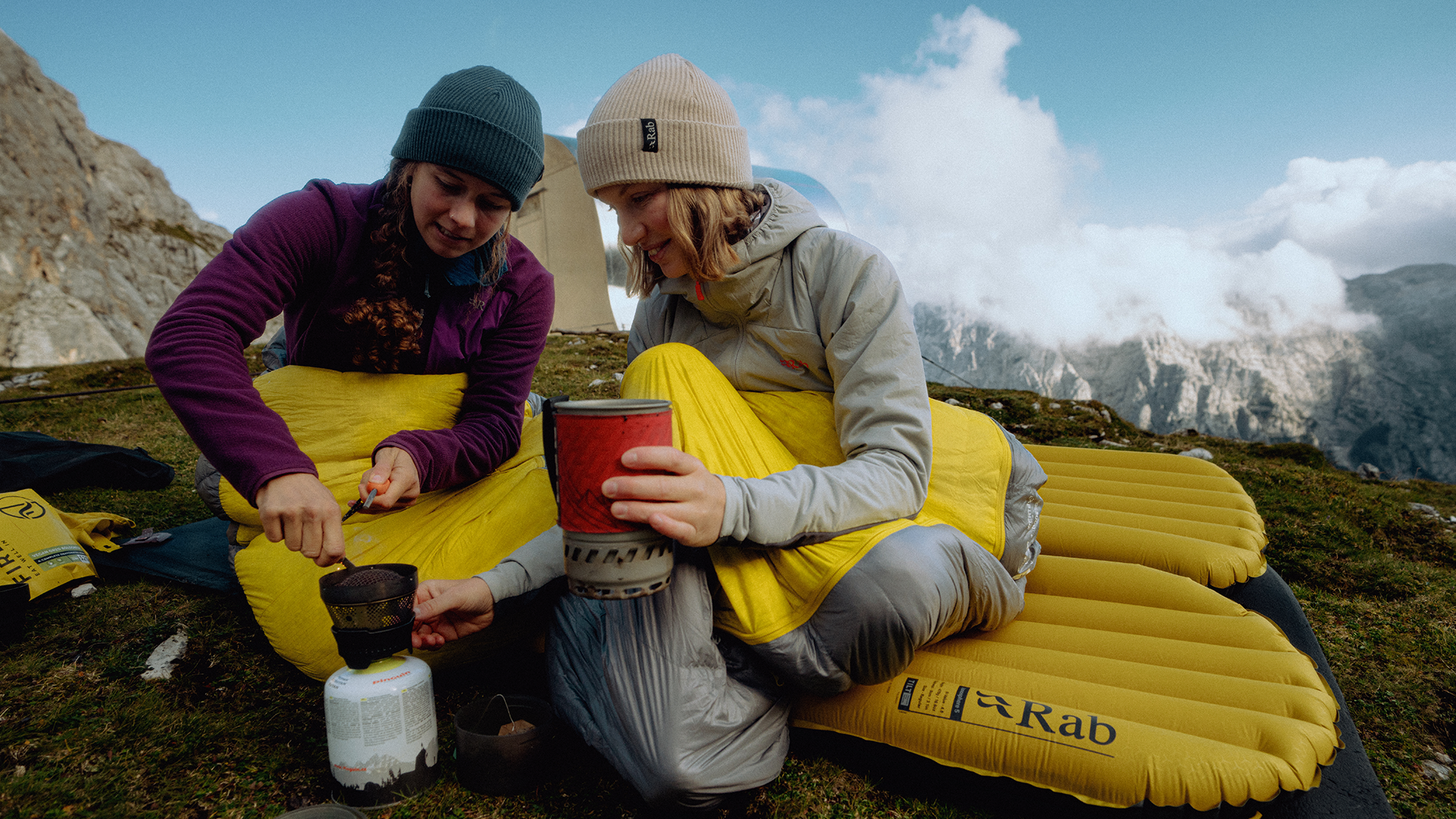
Eat and hydrate before bed
A warm meal helps your body generate heat overnight, which in turn helps your sleeping system work more efficiently.
Final Thoughts
Down and synthetic sleeping bags both do the same job, but they go about it in very different ways.
Down is all about efficiency. Lightweight, compact and impressively warm for its size. It is the choice for those who prioritise performance and are willing to manage their kit carefully. Synthetic is about reliability. It keeps working when conditions are less than perfect, which makes it particularly well suited to the kind of damp, changeable weather we often deal with in the UK.
We at Trekitt tend to take a practical view. Focus on the conditions you are most likely to face rather than the ones you hope for. For many people, that means starting with synthetic and adding a down option later if your trips demand it. If you’d like a bit of guidance, you can email us at [email protected] or give us a call 01432 263 335. Our team is always happy to talk through your plans and help you choose something that genuinely works.
You are also very welcome to visit us in person at our Hereford Service Centre, where you can see the bags, compare pack sizes and get a proper feel for what suits you best.
FAQs
No. Down is lighter and warmer for its weight, but synthetic is more reliable in damp conditions, which makes it a better fit for typical UK weather.
Yes, but you need to manage moisture carefully. It works best in drier conditions or on shorter trips where you can keep it properly protected.
Yes, as long as you choose an appropriate temperature rating. They are often a great choice for UK winters because they handle damp conditions well.
Down bags can last many years with proper care. Synthetic bags usually have a shorter lifespan as the fibres lose loft over time.
Not essential, but useful. It adds a bit of warmth and helps keep your sleeping bag cleaner for longer.
Look at the comfort rating, not the extreme rating. It gives a much more realistic idea of how the bag will perform overnight.
Yes, mainly from condensation rather than rain. This is why managing moisture and ventilation is so important, especially with down.
Leave a Reply