

Author: Trekitt Gear Team
With hands-on experience fastpacking and moving quickly through the UK’s varied terrain, our team understands the gear that makes a real difference. We’ve tested packs, shelters, sleep systems and clothing in the field to help you build an efficient and comfortable fastpacking kit.
Fastpacking sits somewhere between trail running, hiking and backpacking. It combines the freedom of carrying everything you need for multiple days with the speed and efficiency of moving quickly through the landscape.
As more hikers, trail runners and adventure travellers look to cover longer distances with less weight, fastpacking has become one of the fastest-growing outdoor activities. Whether you’re planning a weekend route through the Lake District, a multi-day trail in Snowdonia (Eryri) or a lightweight journey along the South Downs Way, the principles remain the same: carry less, move further and enjoy more freedom.
KEY TAKEAWAYS:
- What fastpacking is and why it has become so popular
- The key differences between fastpacking and traditional backpacking
- The essential gear categories every fastpacker should consider
- How to build a lightweight shelter and sleep system
- Clothing, hydration and nutrition considerations
- Example fastpacking setups for different trip lengths and experience levels
- Common mistakes to avoid when reducing pack weight
- Tips for planning your first fastpacking adventure
Whether you’re a trail runner looking to spend your first night outdoors or a backpacker aiming to travel further with less weight, this guide will help you build a practical fastpacking setup that balances speed, comfort and safety.
What Is Fastpacking?
Fastpacking is a style of multi-day travel that blends elements of hiking, backpacking and trail running. The goal is simple: carry less weight, move more efficiently and cover greater distances than you would with a traditional backpacking setup.
Unlike conventional backpacking, where comfort in camp often takes priority, fastpacking focuses on keeping your pack as light and streamlined as possible without compromising safety. This allows you to travel faster, tackle bigger routes and enjoy more freedom on the trail.
Many fastpackers alternate between hiking and running depending on the terrain, fitness level and conditions. While there’s no strict distance requirement, daily mileage often falls between 12 and 31+ miles, making it possible to complete longer routes in fewer days.
Key Characteristics of Fastpacking
| Traditional Backpacking | Fastpacking |
| Larger loads | Minimal load |
| Slower pace | Faster movement |
| Heavier sleep systems | Ultralight sleep systems |
| Camp comfort focus | Efficiency focus |
| 50-80L packs | 15-40L packs |
The exact gear and distances will vary between individuals, but the underlying philosophy remains the same: carry only what you need and focus on efficient movement through the landscape.
Why Is Fastpacking Becoming So Popular?
The popularity of fastpacking has grown significantly as outdoor enthusiasts look for ways to travel further without carrying the heavy loads traditionally associated with multi-day adventures.
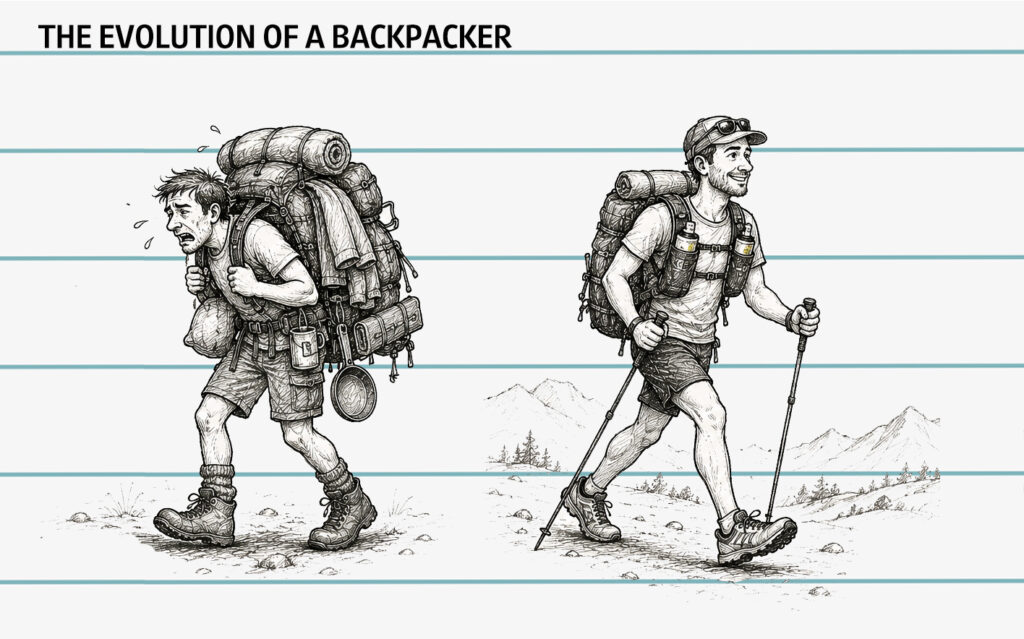
A lighter pack offers several advantages:
- Less fatigue throughout the day, particularly on long climbs and technical terrain
- Greater daily distances, allowing you to cover more ground in less time
- Easier ascents and descents thanks to reduced strain on your legs and joints
- More flexibility when planning routes and adapting to changing conditions
- A closer connection to the trail, with less focus on managing heavy equipment
- Influence from trail running, which has introduced many hikers to the benefits of lightweight movement
Modern lightweight gear has also played a major role. Advances in shelters, sleeping bags, quilts, backpacks and clothing allow today’s fastpackers to carry significantly less weight than was possible just a few years ago.
UK Routes Suited to Fastpacking
Fastpacking can be enjoyed almost anywhere, but some of the UK’s long-distance trails are particularly well suited to the style.
Popular examples include:
- South Downs Way – rolling terrain and excellent trail conditions make it ideal for beginners
- West Highland Way – one of the UK’s most iconic long-distance routes, offering spectacular scenery and varied terrain
- Hadrian’s Wall Path – a manageable multi-day route combining history and accessible daily distances
- Cotswold Way – a great introduction to lightweight multi-day travel with plenty of resupply opportunities
- Pennine Way sections – challenging terrain that rewards a lighter, more efficient approach
These routes demonstrate one of fastpacking’s biggest advantages: the ability to cover substantial distances while carrying significantly less weight than a traditional backpacking setup.
Fastpacking vs Backpacking
Which Style Is Right For You?
Although fastpacking and backpacking share many similarities, they often appeal to different types of outdoor enthusiasts.
Backpacking traditionally prioritises comfort and self-sufficiency. Larger packs allow you to carry more equipment, more food and often more luxurious camp setups. Fastpacking takes a different approach, focusing on reducing weight wherever possible to make movement easier and more efficient.
Neither approach is inherently better than the other. The right choice depends on your goals, the type of route you’re tackling and how you prefer to spend your time outdoors.
Backpacking May Be Better If You:
- Enjoy spending extended periods relaxing in camp
- Prefer larger tents and more spacious sleeping arrangements
- Like carrying additional cooking equipment and comforts
- Frequently venture into remote areas where carrying extra supplies is beneficial
- Prioritise comfort over speed and daily distance
Fastpacking May Be Better If You:
- Want to cover more ground each day
- Enjoy moving quickly through the landscape
- Prefer carrying the minimum amount of gear necessary
- Have experience with hiking, trail running or endurance activities
- Value efficiency and flexibility over campsite comfort
The Trade-Off Between Comfort and Efficiency
One of the biggest differences between backpacking and fastpacking is where you choose to compromise.
Backpackers often accept carrying more weight in exchange for greater comfort at camp, while fastpackers reduce pack weight to make the journey itself easier and more enjoyable. This can mean smaller shelters, lighter sleep systems and fewer non-essential items.
For many people, fastpacking isn’t about moving at a running pace all day. It’s simply about carrying less, feeling more agile on the trail and making longer routes feel more achievable.
Ultimately, both approaches offer fantastic ways to explore the outdoors. Fastpacking simply shifts the balance away from what happens at camp and towards the experience of moving through the landscape.
Essential Fastpacking Gear Categories
Fastpacking Packs
Your backpack is arguably the most important piece of fastpacking equipment. Unlike traditional hiking backpacks, fastpacking packs are designed to remain stable while moving quickly, whether you’re hiking, power hiking or running.
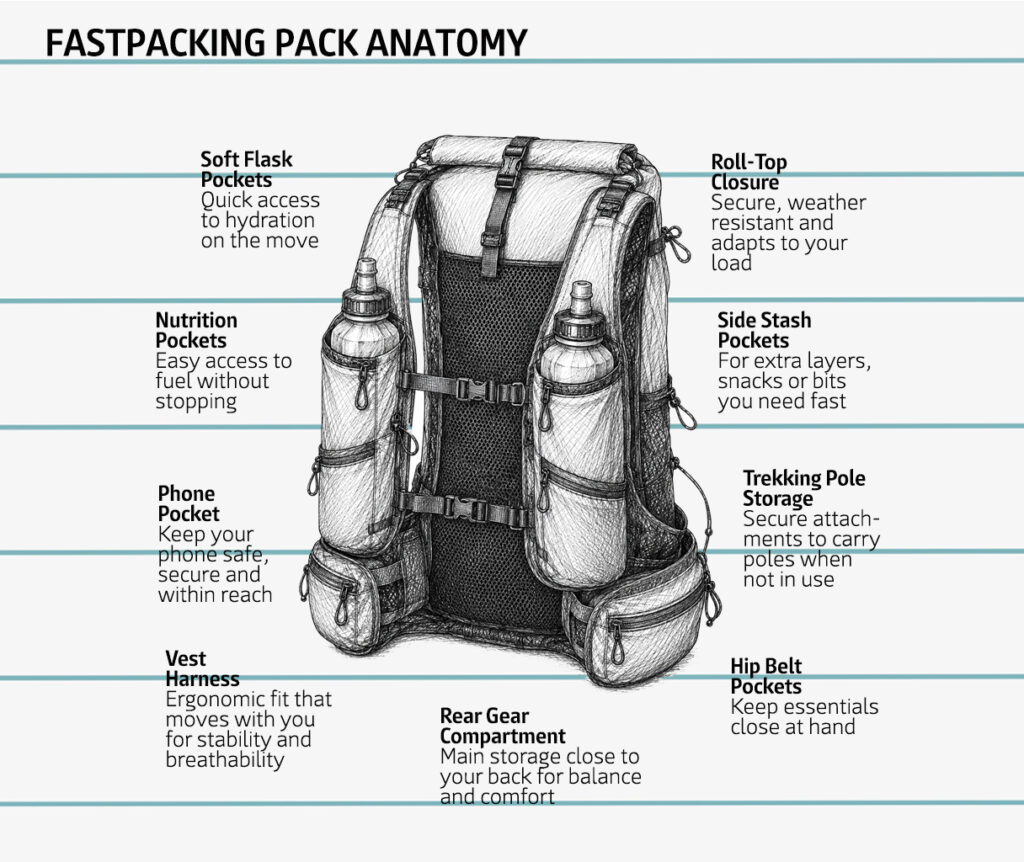
The best fastpacking packs combine low weight, easy-access storage and a close-fitting harness system that minimises bounce and keeps essential items within reach. Rather than stopping to access your gear, you’ll often be able to grab water, snacks, a phone or navigation tools while on the move.
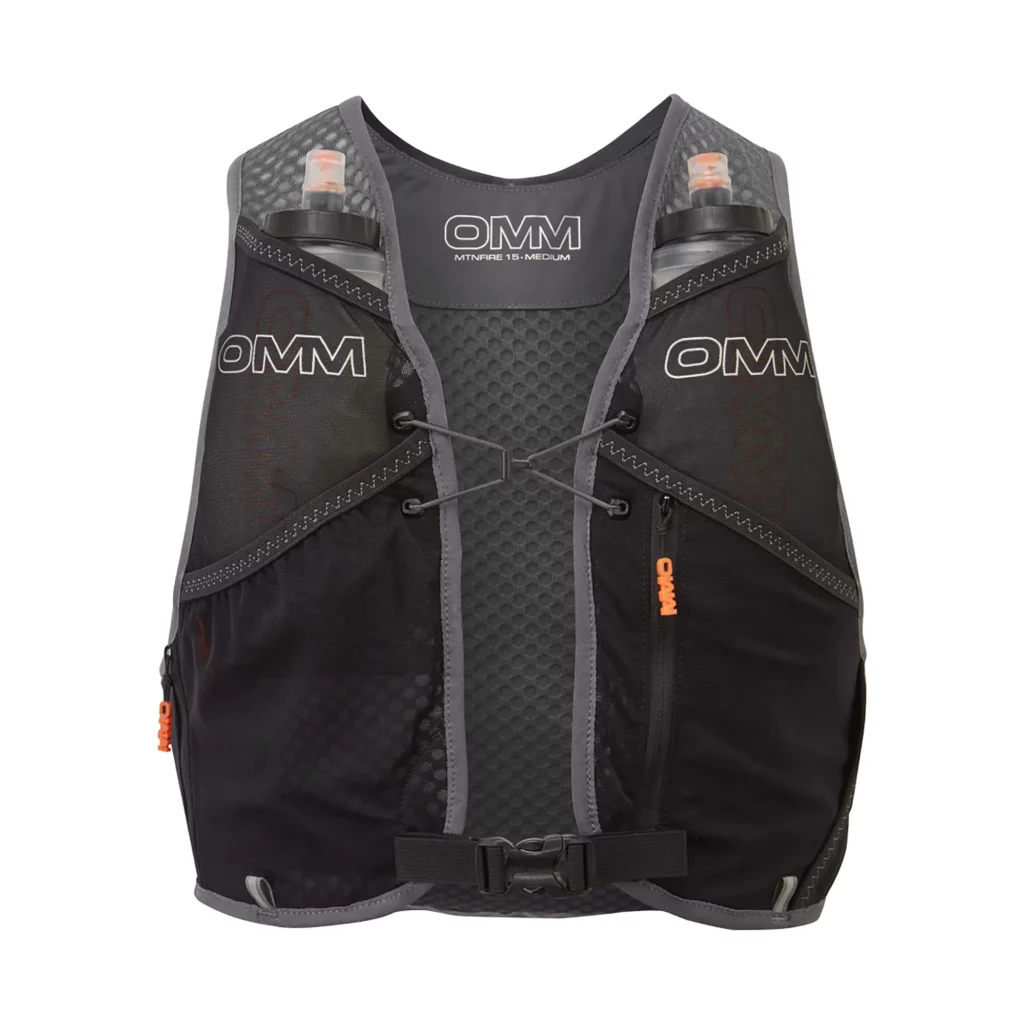
Fastpacking Vests (15-25L)
For shorter overnight adventures, summer routes and minimalist setups, many fastpackers opt for running vest-inspired packs with capacities between 15 and 25 litres.
These packs prioritise freedom of movement and efficient organisation, making them ideal for carrying lightweight shelter systems, compact sleep systems, spare clothing and food for one or two nights.
Examples include:
- Other lightweight running vest-style packs designed for multi-day use
The biggest advantage of smaller fastpacking packs is their ability to keep weight close to your body, reducing movement and allowing for a more natural stride on technical terrain.
Larger Fastpacking Packs (30-40L)
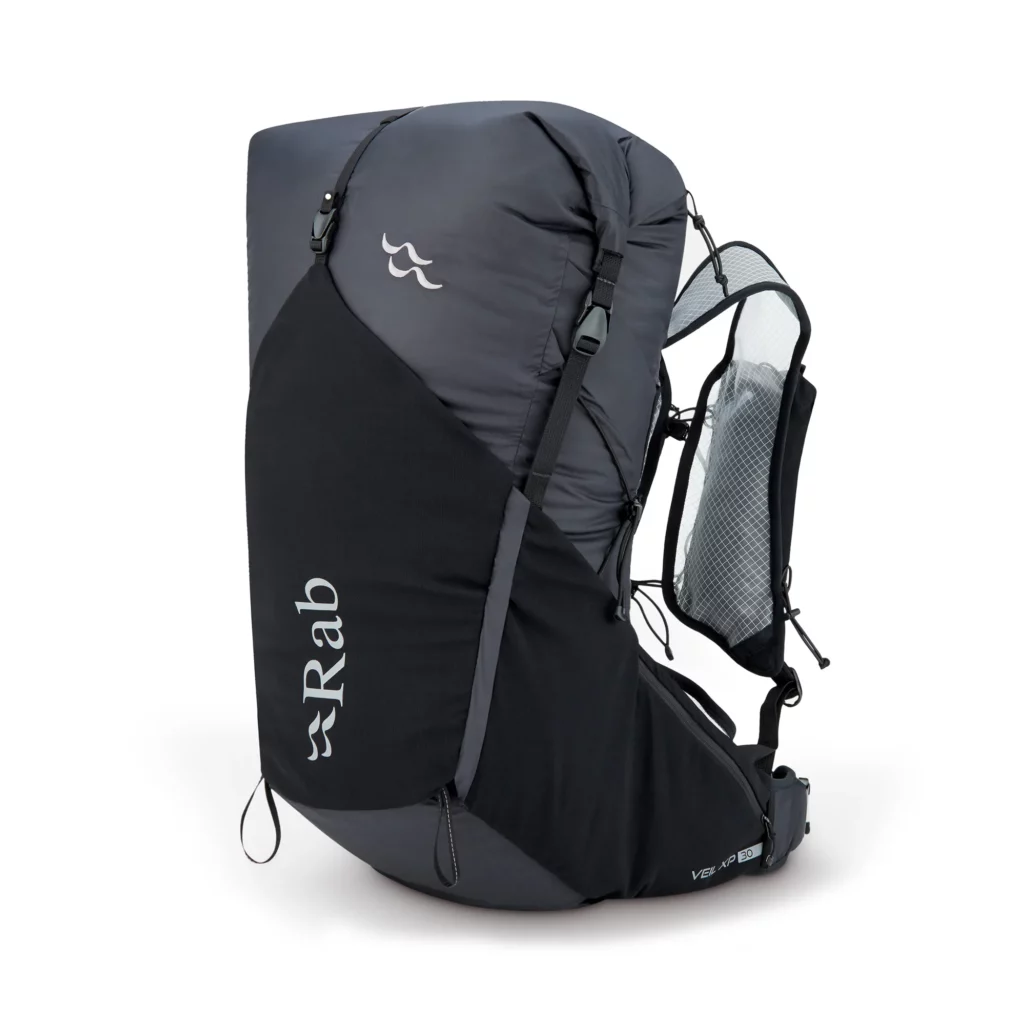
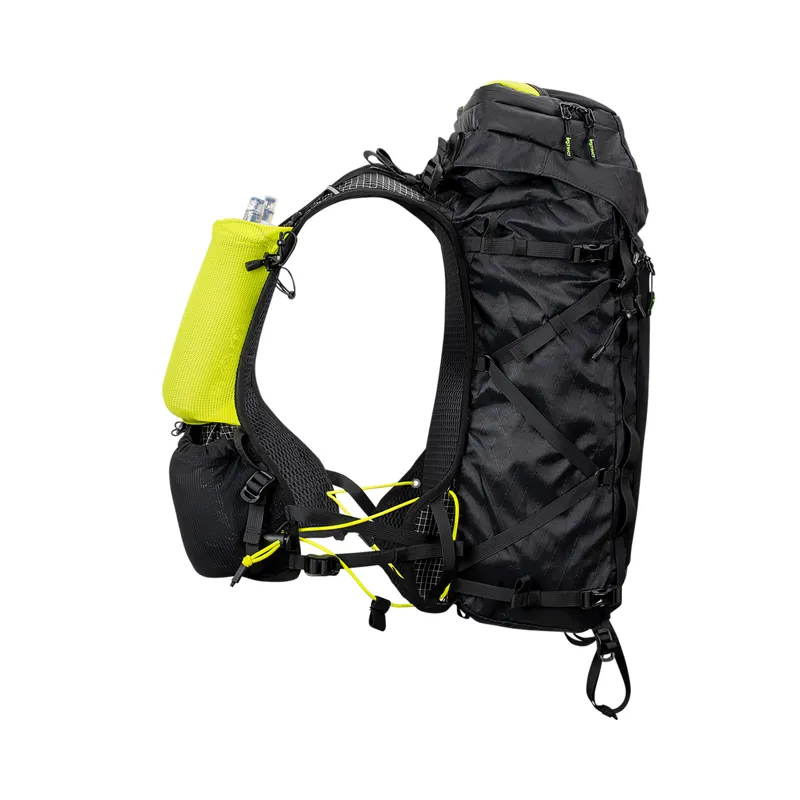
When conditions become colder, routes become longer or self-sufficiency becomes more important, additional capacity is often required. Warmer sleeping bags, insulated clothing, extra food and more substantial shelters can quickly increase the volume of your gear.
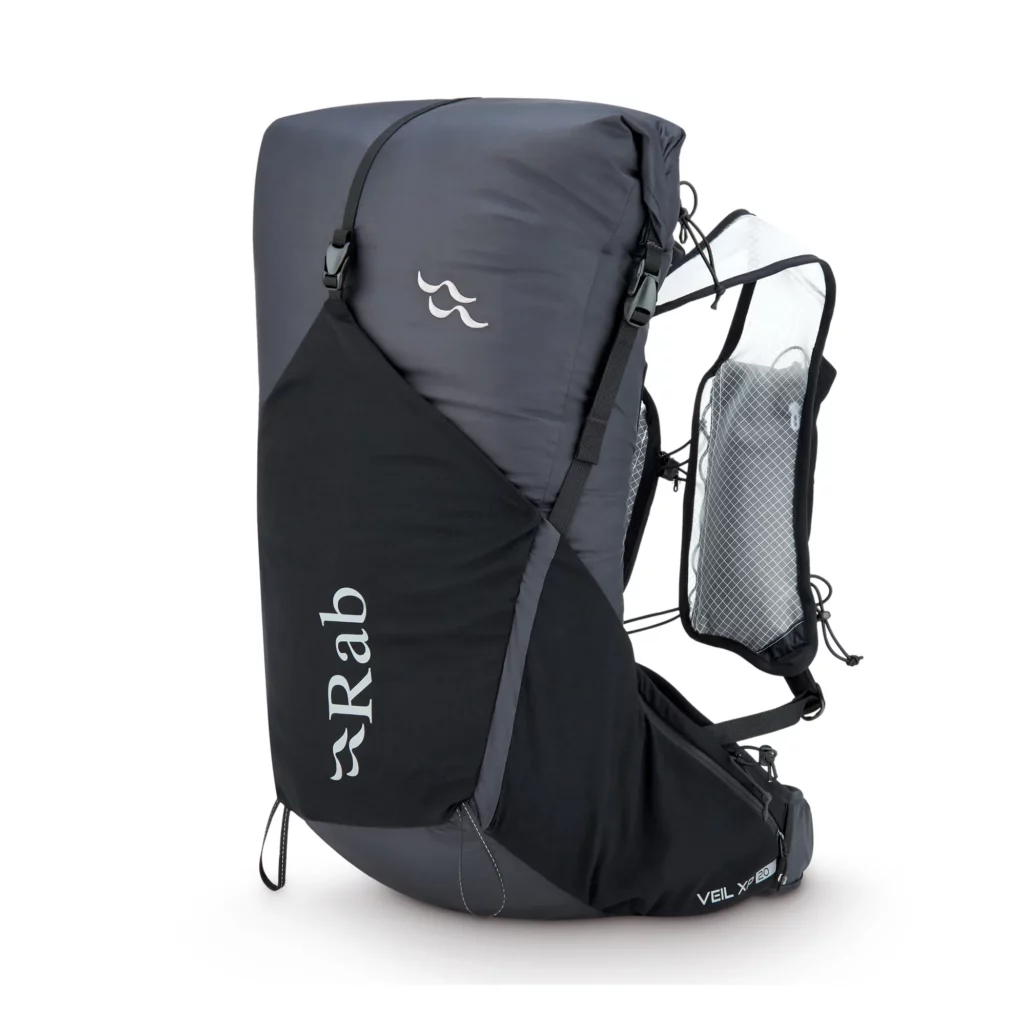
Packs in the 30-40 litre range offer a practical balance between carrying capacity and fast-moving performance, making them suitable for multi-day adventures, shoulder-season trips and more remote routes.
Examples include:
- Other larger-volume fastpacking packs with running-inspired harness systems
These packs retain many of the characteristics that make fastpacking packs unique, including body-hugging harness systems, front storage and hydration compatibility, while providing enough space for bulkier equipment and longer trips.
Features to Look For in a Fastpacking Pack
Vest-Style Harnesses
One of the defining features of a fastpacking pack is its vest-style harness. Unlike traditional shoulder straps, these systems wrap around the upper body to provide a more secure and stable fit. This improves comfort, distributes weight more evenly and reduces pack movement when travelling over uneven terrain.
Accessible Storage
Fastpacking is all about maintaining momentum. Large front pockets, shoulder strap storage and easily accessible side pockets allow you to reach frequently used items without constantly removing your pack. Water, snacks, navigation tools and waterproof layers should all be easy to access while moving.
Running-Specific Stability
Traditional hiking backpacks can feel unstable when moving quickly. Fastpacking packs are designed to minimise bounce and remain secure during dynamic movement, helping to reduce fatigue and improve comfort over long distances.
Hydration Compatibility
Most fastpacking packs are designed around efficient hydration systems. Many feature front flask pockets, hydration reservoir sleeves or a combination of both, allowing you to drink regularly without breaking stride.
When choosing a fastpacking pack, focus less on the advertised capacity and more on how well it works with the rest of your gear. A lightweight shelter, compact sleep system and streamlined clothing setup can often allow you to use a much smaller pack than you might expect.
Fastpacking Shelters
Alongside your backpack and sleep system, your shelter will have one of the biggest impacts on both pack weight and packed volume. The challenge is finding the right balance between weight savings, weather protection and comfort.
When choosing a fastpacking shelter, focus on three key priorities:
- Low weight to reduce fatigue and make covering longer distances easier
- Small packed size to maximise space inside your pack
- Reliable weather protection for the conditions you expect to encounter
The best shelter for your trip will depend on the route, season and your personal comfort preferences, but most fastpackers choose one of three options: ultralight tents, tarp systems or bivvy bags.
Ultralight Tents
Ultralight tents are often the most popular choice for fastpacking because they offer the best balance between weight, protection and liveability.
Modern lightweight tents can provide excellent weather resistance while packing down surprisingly small, making them suitable for everything from overnight adventures to multi-day mountain routes.
Examples include:
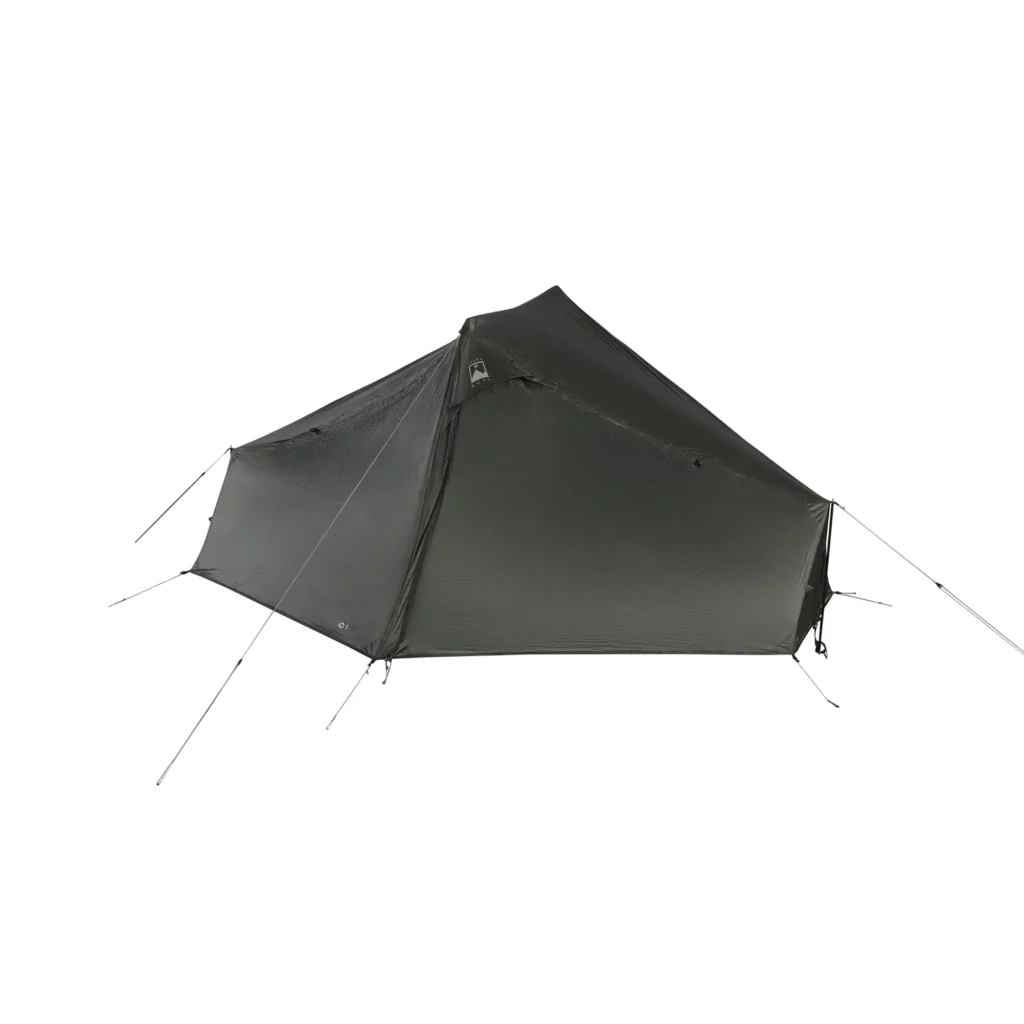
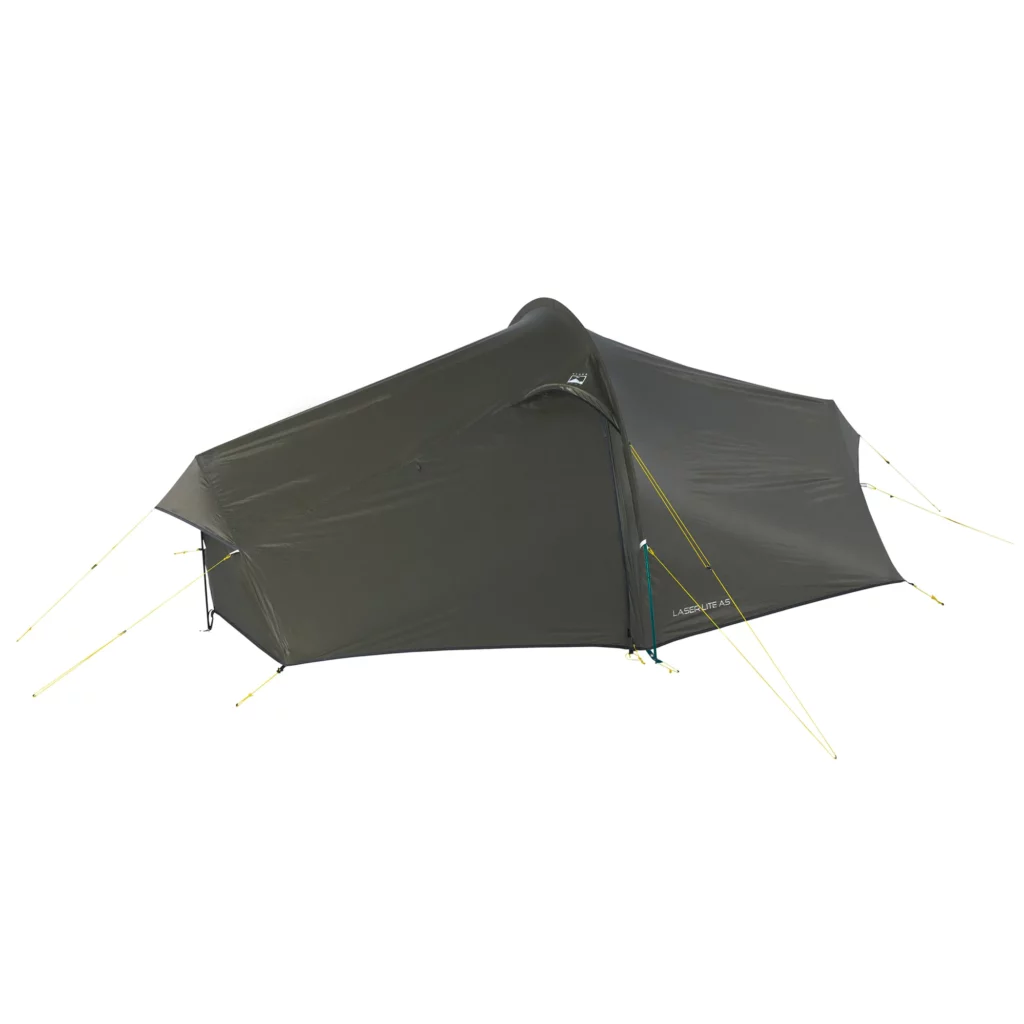
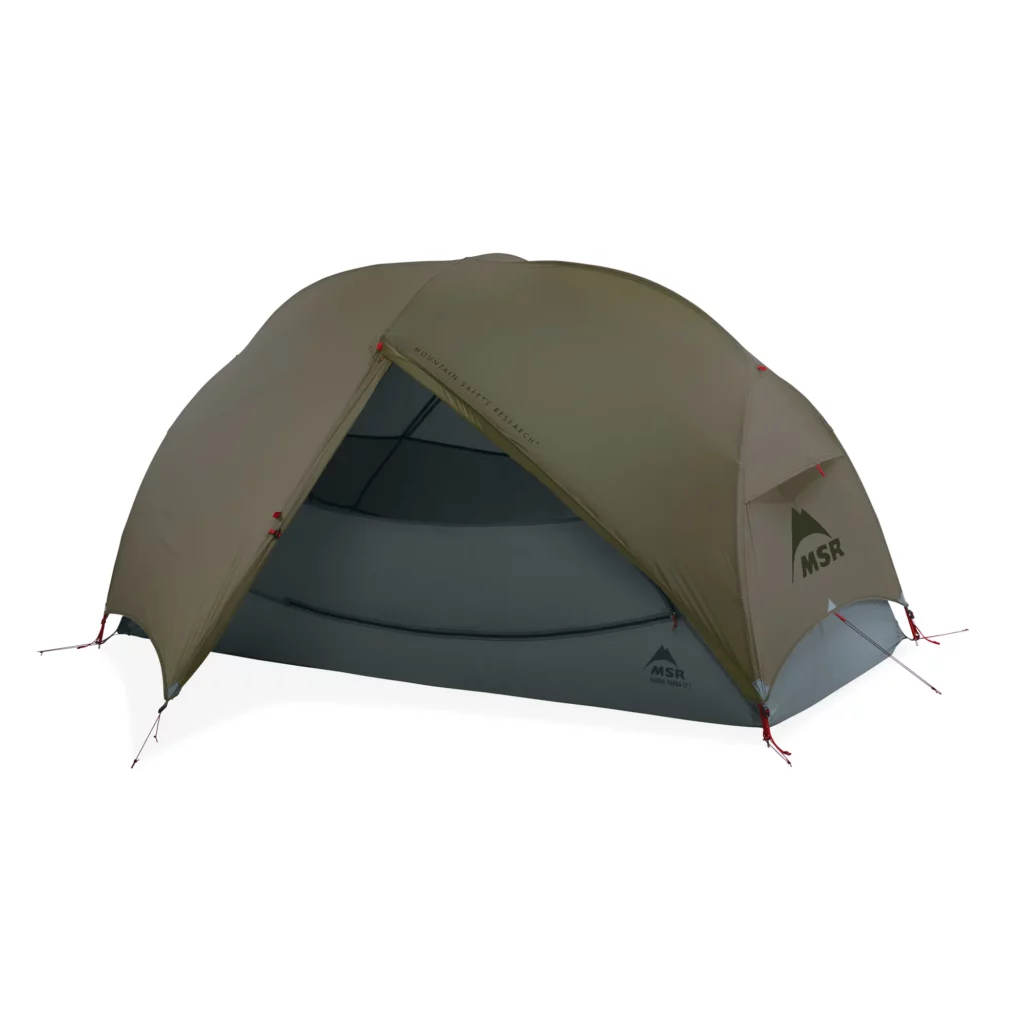
While they typically weigh more than tarp or bivvy systems, ultralight tents offer greater protection from wind, rain and insects, along with a more comfortable space to rest and recover after a long day on the trail.
Tarp Systems
For experienced fastpackers looking to minimise weight, tarp shelters offer one of the lightest options available.
Benefits include:
- Extremely low weight
- Small packed size
- Flexible pitching options
- Excellent versatility in different environments
Tarps can be pitched in numerous configurations depending on the terrain and weather conditions, making them popular with ultralight enthusiasts. However, they generally require more skill to pitch effectively and provide less protection than a fully enclosed tent.
Bivvy Bags
At the minimalist end of the spectrum sits the bivvy bag. Essentially a weather-resistant cover for your sleeping system, a bivvy provides basic protection while taking up very little space in your pack.
Benefits include:
- Minimal pack size
- Extremely low weight
- Fast setup and pack-down
- Ideal for simple overnight stops
However, these advantages come with compromises.
Limitations include:
- Reduced living space
- Less comfort during prolonged bad weather
- Limited room for gear storage
- Greater condensation potential in some conditions
For many fastpackers, bivvy bags work best on shorter adventures, fair-weather trips or routes where spending minimal time in camp is part of the objective.
Ultimately, there is no single perfect fastpacking shelter. Ultralight tents offer the best all-round balance for most people, while tarp systems and bivvy bags appeal to those prioritising the lowest possible pack weight and maximum efficiency on the trail.
Which Fastpacking Shelter Is Right for You?
| Shelter Type | Best For | Advantages | Considerations |
| Ultralight Tent | Most fastpackers, UK multi-day trips, unpredictable weather | Best weather protection, comfortable living space, gear storage | Heavier than tarp or bivvy options |
| Tarp System | Experienced fastpackers, ultralight setups, fair-weather adventures | Extremely lightweight, highly versatile, compact packed size | Requires more pitching skill and offers less protection |
| Bivvy Bag | Minimalist adventures, overnight trips, mountain routes with short camp stops | Smallest pack size, lowest weight, fastest setup | Limited space, reduced comfort in poor weather |
Quick Recommendation
- New to fastpacking? Choose an ultralight tent.
- Looking to reduce pack weight further? Consider a tarp system.
- Prioritising the smallest and lightest setup possible? A bivvy bag may be the answer.
Fastpacking Sleep Systems
How to Build a Lightweight Sleep System
After your backpack, your sleep system is often the biggest contributor to both pack weight and packed volume. It’s also one of the easiest areas to either save or add significant weight.
The challenge is finding the right balance between weight, warmth and comfort. While reducing pack weight is important, a poor night’s sleep can quickly turn an enjoyable fastpacking trip into a miserable experience. The goal isn’t to choose the lightest possible gear, but the lightest gear that still allows you to recover properly for the next day’s miles.
A fastpacking sleep system typically consists of three key components:
- Insulation (sleeping bag or quilt)
- Sleeping mat
- Shelter or bivvy
Sleeping Bags vs Quilts
One of the biggest trends in lightweight travel is the growing popularity of quilts.
Unlike traditional sleeping bags, quilts remove the insulation underneath your body, which becomes compressed and less effective once you lie on it. Instead, they rely on your sleeping mat for insulation from the ground.
Benefits of Quilts
- Lower weight
- Smaller packed size
- Greater versatility across varying temperatures
- More freedom of movement for active sleepers
Popular examples include:
- Sea to Summit Ember quilts
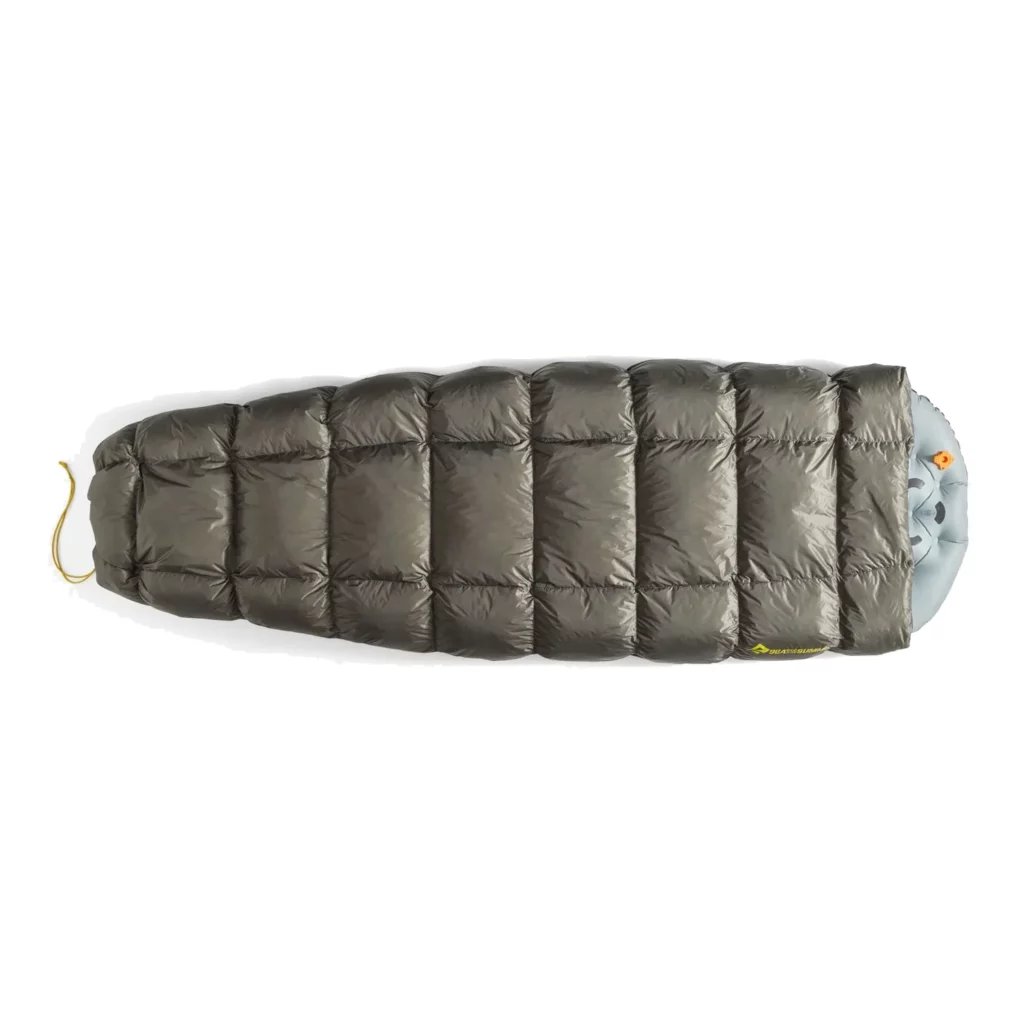
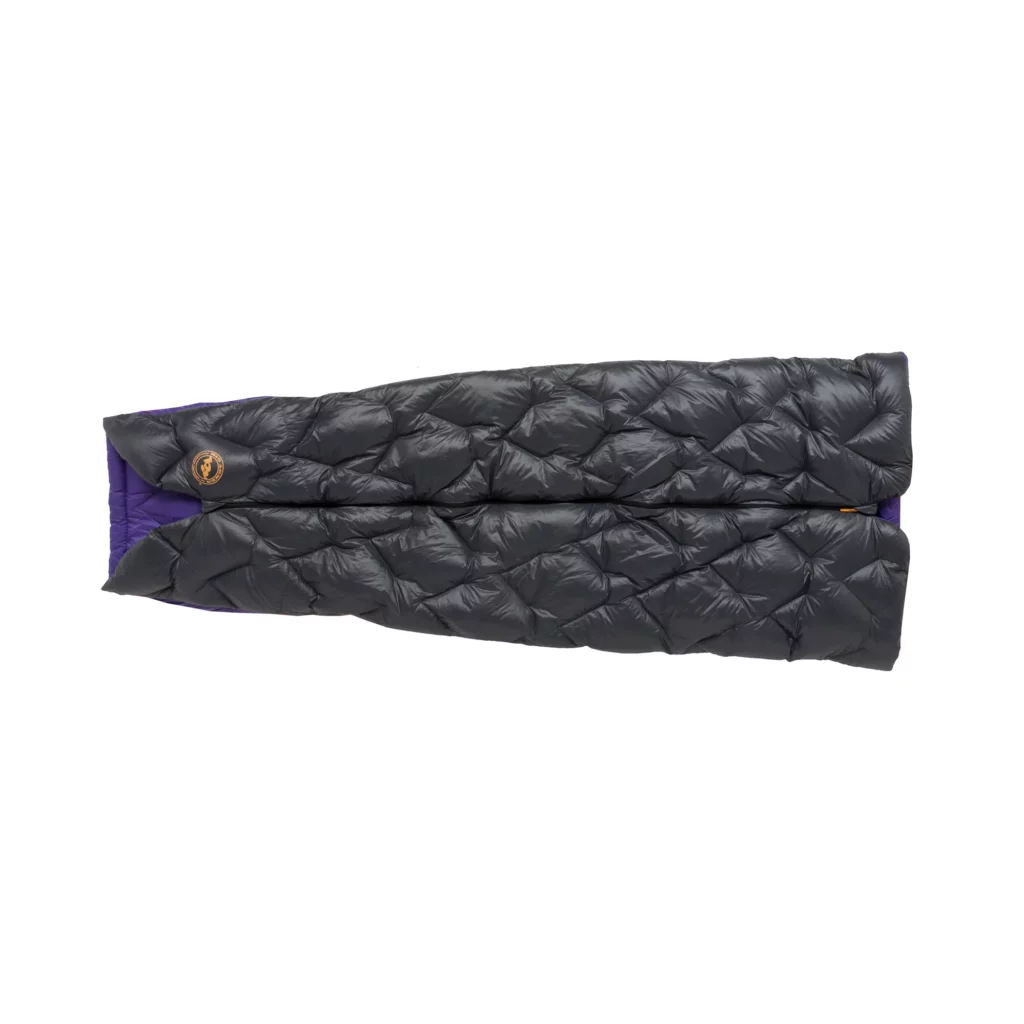
For fastpackers looking to reduce both weight and pack volume, quilts can offer substantial savings compared to traditional sleeping bags.
Lightweight Sleeping Bags
Despite the rise of quilts, lightweight sleeping bags remain the preferred choice for many fastpackers, particularly in colder or more exposed conditions.
They offer a simpler setup, greater warmth retention and better protection during unpredictable weather.
Popular examples include:
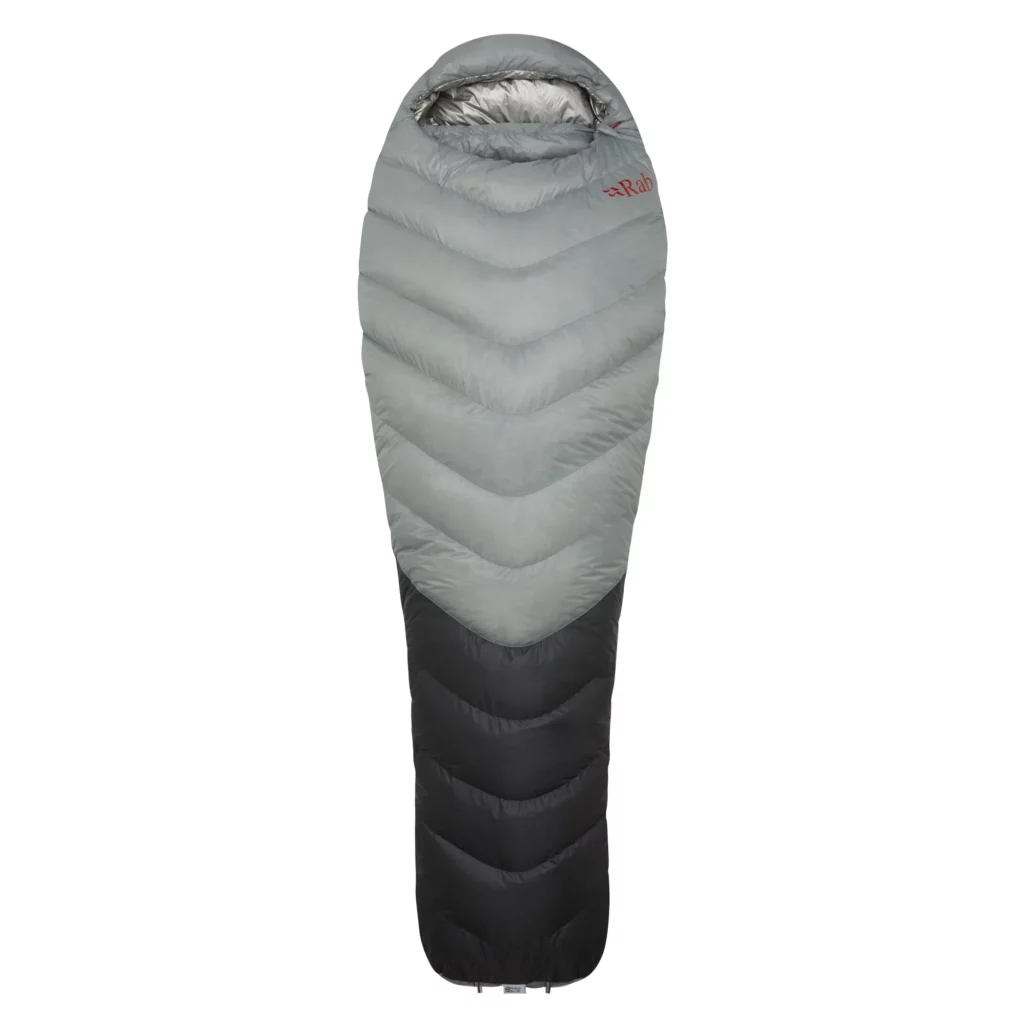
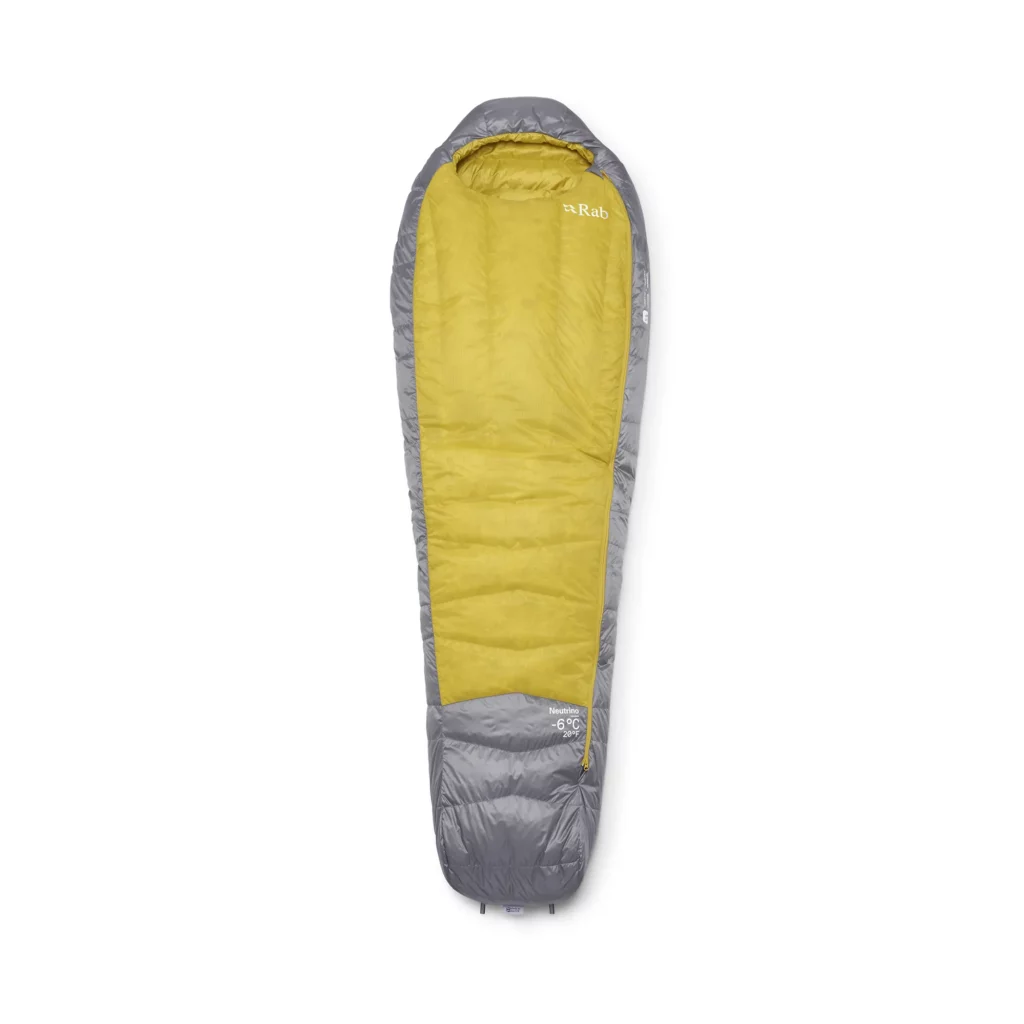
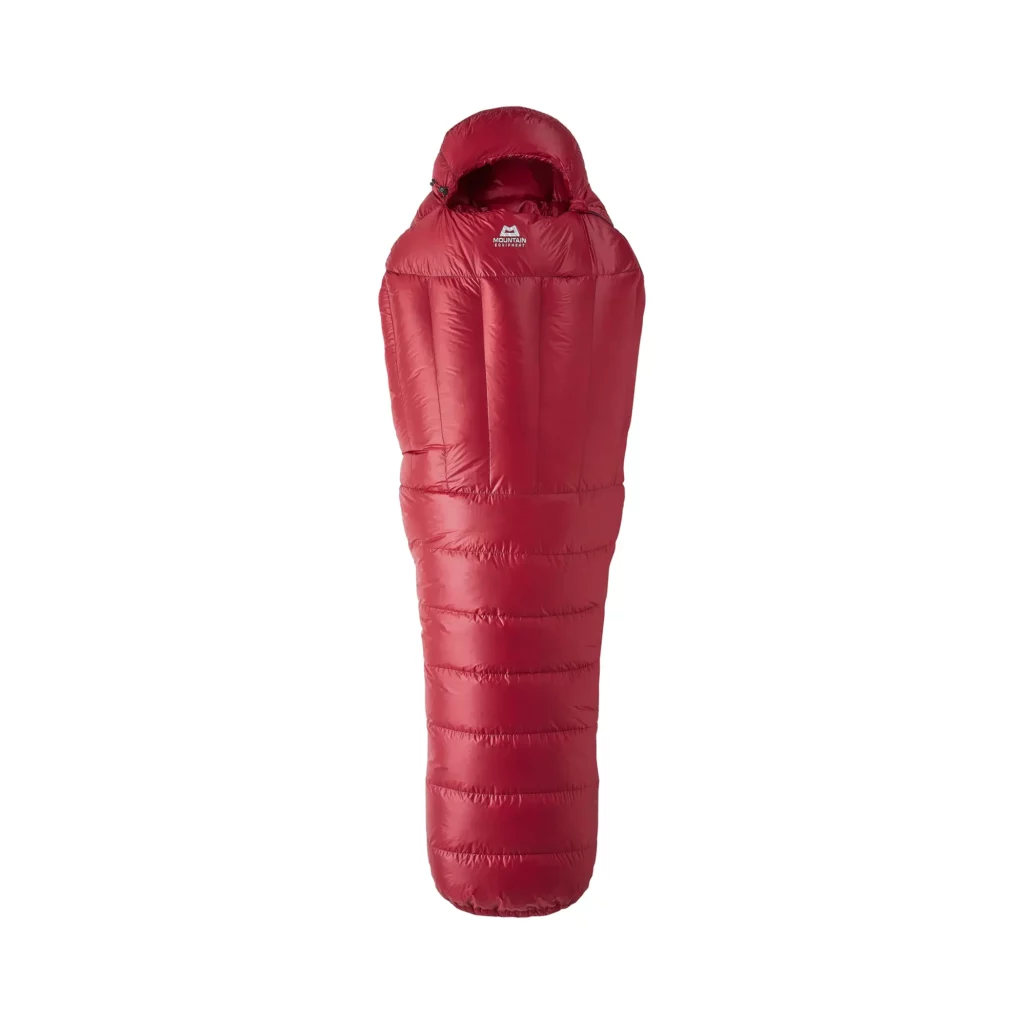
For many UK fastpacking trips, a lightweight down sleeping bag strikes an excellent balance between comfort, warmth and packability.
Lightweight Sleeping Mats
Your sleeping mat is just as important as your insulation. Even the warmest sleeping bag or quilt will struggle to keep you comfortable if your mat doesn’t provide adequate insulation from the ground.
When choosing a fastpacking mat, focus on two key factors:
R-Value
R-value measures a mat’s resistance to heat loss. Higher values provide more insulation but often come with a small weight penalty.
For most UK fastpacking adventures:
| Conditions | Recommended R-Value |
| Summer | 1.5-3 |
| Spring & Autumn | 3-5 |
| Colder Mountain Conditions | 4+ |
Weight vs Comfort
The lightest mat isn’t always the best choice. A slightly heavier mat that allows better recovery and sleep quality can be well worth the additional grams, particularly on multi-day trips.
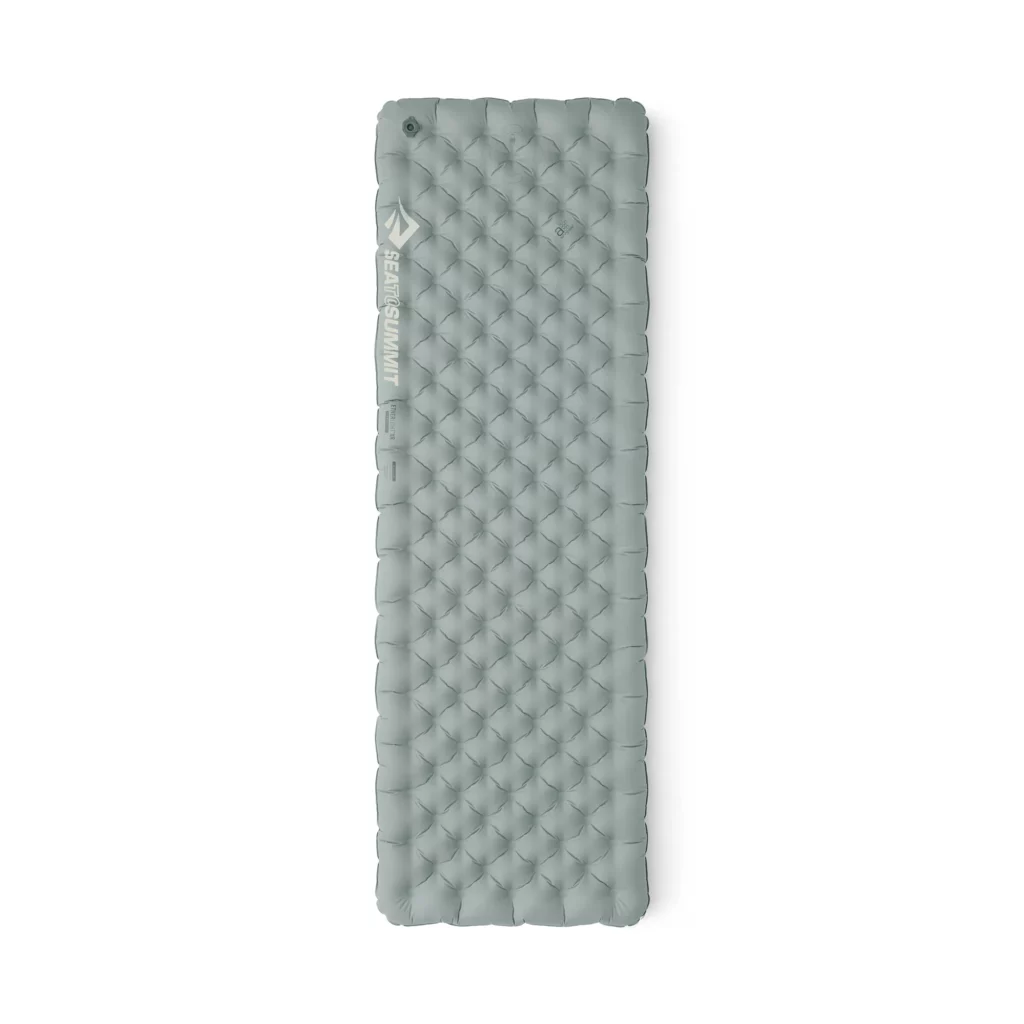
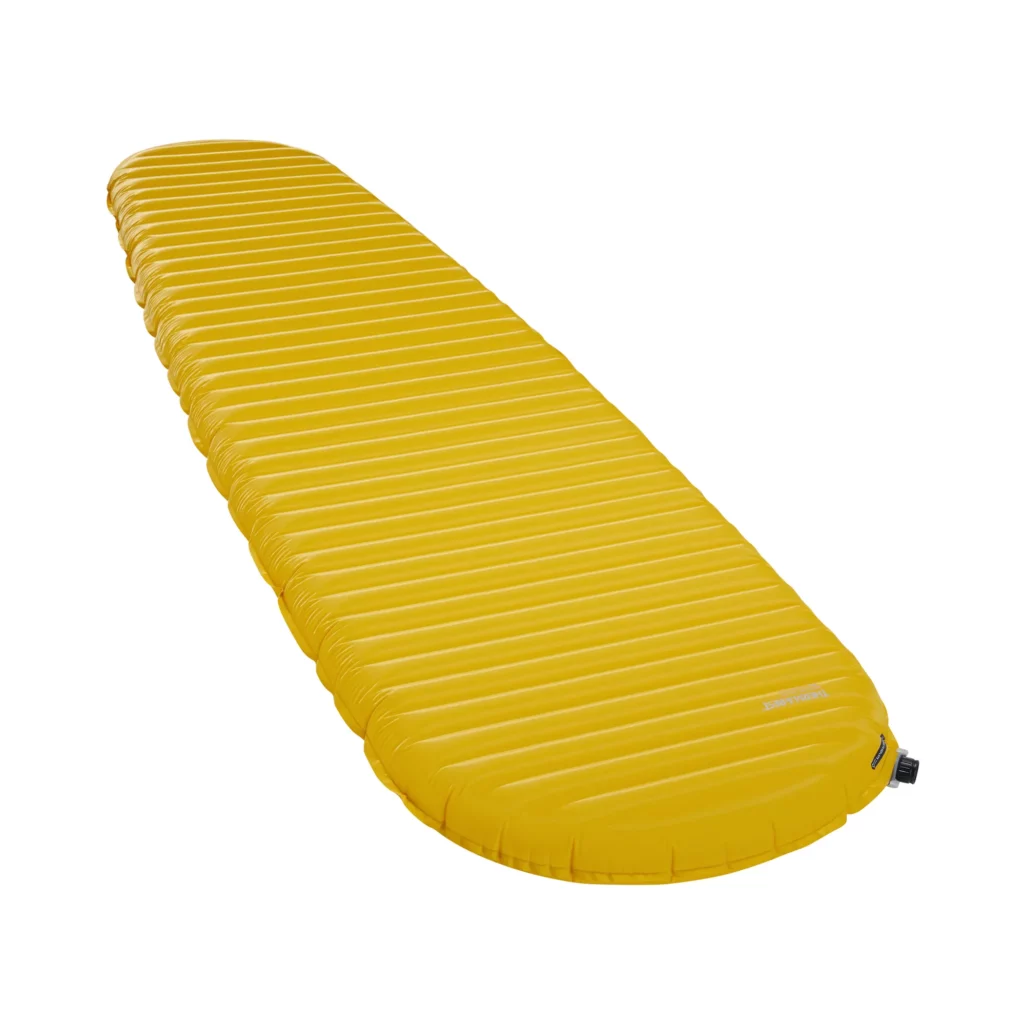
Popular lightweight options include:
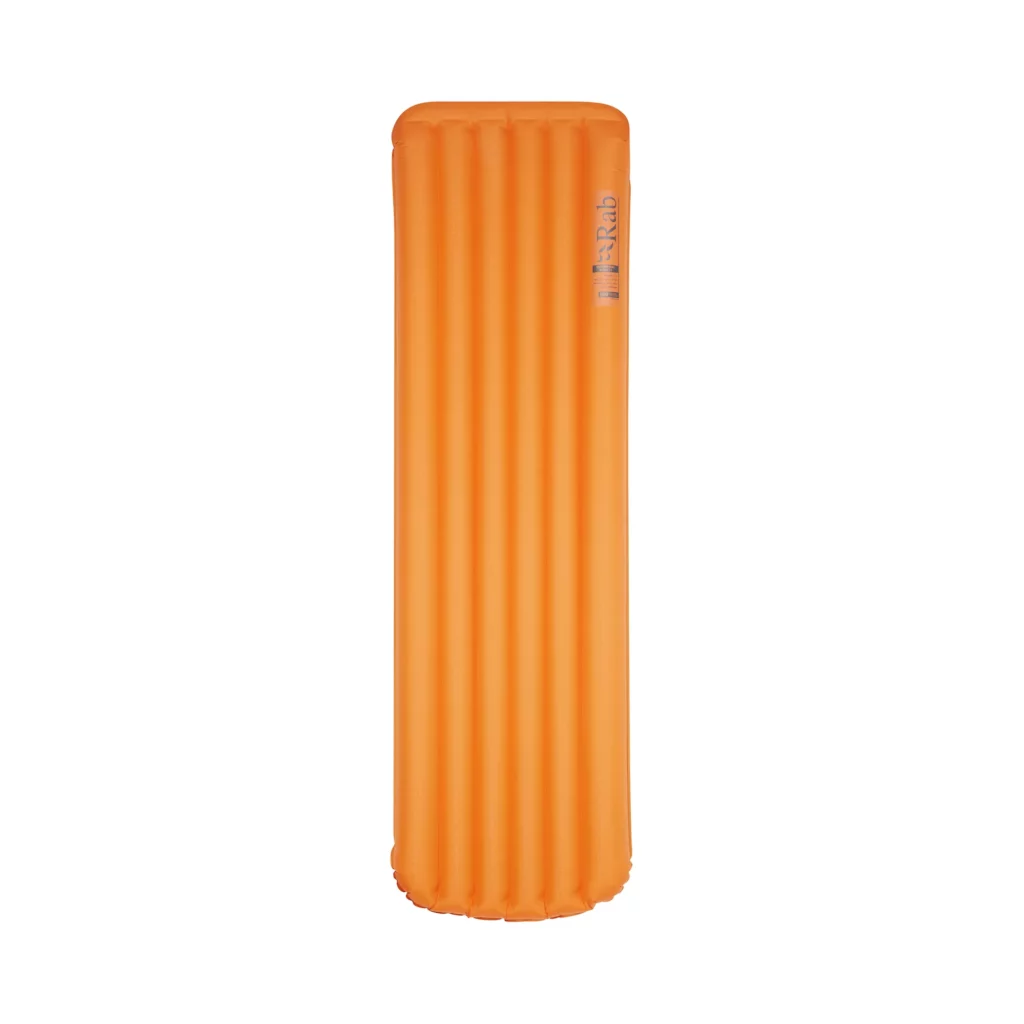
Example Lightweight Fastpacking Sleep System
The exact weight of your sleep system will vary depending on the season and conditions, but modern lightweight gear makes it possible to build impressively light setups.
| Component | Approximate Weight |
| Quilt | 400g |
| Sleeping Mat | 450g |
| Bivvy Bag | 250g |
| Total | ~1.1kg |
A complete sleep system weighing around one kilogram was almost unimaginable a decade ago. Today, advances in fabrics, insulation and design allow fastpackers to carry less weight than ever while still maintaining the comfort and warmth needed for multi-day adventures.
The key is viewing your sleep system as a complete package. A lightweight quilt, an appropriately insulated mat and a shelter suited to the conditions will often deliver better overall performance than simply choosing the lightest individual item in each category.
Fastpacking Clothing Systems
When it comes to fastpacking, clothing should be viewed as a system rather than a collection of individual garments. The aim is to stay comfortable across a wide range of conditions while carrying as little as possible.
Unlike traditional backpacking, where spare clothing often finds its way into the pack “just in case”, fastpacking takes a more deliberate approach. Every item should have a clear purpose and work as part of a layering system that can adapt to changing temperatures, weather and activity levels.
The key is carrying enough clothing to remain safe and comfortable without unnecessarily increasing pack weight.
The Core Fastpacking Layers
Most fastpacking clothing systems are built around a small number of versatile layers that can be combined as conditions change.
Lightweight Technical T-Shirt
A lightweight synthetic or merino T-shirt forms the foundation of most fastpacking systems. It should manage moisture effectively, dry quickly and remain comfortable during long days of continuous movement.
Sun Hoodie
Sun hoodies have become increasingly popular among fastpackers thanks to their ability to provide sun protection without significantly increasing warmth. They also offer protection from wind, insects and prolonged exposure on open terrain.
Lightweight Shorts
Most fastpackers choose lightweight running shorts or highly breathable hiking shorts to maximise comfort and freedom of movement. For colder conditions, lightweight tights or running trousers may be added to the system.
Waterproof Jacket
A lightweight waterproof jacket remains one of the most important safety items in any fastpacking setup, particularly in the UK where conditions can change rapidly. Look for a jacket that balances weather protection, breathability and packability.
Insulated Layer
Even during summer, temperatures can drop significantly once movement stops. A lightweight insulated jacket provides essential warmth during breaks, camp setup and overnight stops while packing down small enough to justify carrying on almost any trip.
Example Fastpacking Clothing System
| Layer | Purpose |
| Technical T-Shirt | Moisture management |
| Sun Hoodie | Sun and wind protection |
| Lightweight Shorts | Comfort and mobility |
| Waterproof Jacket | Weather protection |
| Lightweight Insulated Jacket | Warmth during stops and camp |
Food, Hydration and Water Treatment
Fastpacking places unique demands on both hydration and nutrition. Covering long distances while carrying a lightweight pack requires a careful balance between performance, weight and convenience.
Unlike traditional backpacking, where extended meal breaks are common, fastpackers often prefer to eat and drink little and often throughout the day. The aim is to maintain energy levels, stay hydrated and keep moving efficiently without carrying excessive weight.
Water Storage
Reliable hydration is one of the most important considerations for any fastpacking trip. The best system is often the one that encourages you to drink regularly while remaining easy to refill on the move.
Soft Flasks
Soft flasks are a favourite among fastpackers and trail runners because they are lightweight, easy to access and compress as they empty, reducing bulk inside your pack.
Benefits include:
- Lightweight construction
- Easy access from vest pockets
- Minimal pack space when empty
- Ideal for frequent drinking while moving
Hydration Reservoirs
Hydration reservoirs allow you to carry larger volumes of water while drinking through a hose without stopping.
Benefits include:
- Large carrying capacity
- Easy drinking on the move
- Useful on routes with limited water sources
The main disadvantage is that it can be more difficult to monitor water consumption and refill during the day.
Water Bottles
Traditional water bottles remain a simple and reliable option for many fastpackers. Lightweight bottles are easy to refill and allow you to see exactly how much water remains.
Popular options include:
- Lightweight reusable water bottles
- Vacuum-insulated bottles such as Hydro Flask for trips where temperature retention is a priority
Water Filtration
Many fastpacking routes pass natural water sources, making water treatment an effective way to reduce the amount of water you need to carry at any one time.
Popular solutions include:
- Filter bottles
- Lightweight squeeze filters
- Integrated filtration systems
Water filtration can significantly reduce carried weight on longer routes by allowing you to refill from streams, taps and other suitable water sources along the way.
Lightweight Nutrition
Food is often one of the heaviest consumable items carried during a fastpacking trip. Choosing calorie-dense foods that require minimal preparation can help maximise energy while keeping pack weight under control.
Energy Bars
Energy bars are compact, easy to carry and ideal for maintaining energy levels between meals. They are often the go-to choice for quick calories while moving.
Dried Meals
For overnight trips, freeze-dried and dehydrated meals provide an excellent balance between nutrition, convenience and weight savings. They pack down small and require only hot water to prepare.
Trail Snacks
Many fastpackers rely on a variety of snacks throughout the day rather than sitting down for large meals.
Popular options include:
- Nuts and trail mix
- Dried fruit
- Energy chews
- Jerky
- Nut butter sachets
Fastpacking Nutrition Tips
| Priority | Recommendation |
| Hydration | Drink regularly rather than waiting until you’re thirsty |
| Water Storage | Choose a system that is easy to access while moving |
| Water Treatment | Consider filtration to reduce the carried water weight |
| Daily Fuel | Eat little and often to maintain energy levels |
| Food Choice | Prioritise calorie-dense, lightweight foods |
The most effective fastpacking nutrition strategy is usually the simplest one: carry enough water and food to remain safe and energised, but avoid packing more than you realistically need. Every gram saved on unnecessary supplies is a gram you don’t have to carry over the next hill.
Example Fastpacking Setups
There is no single “perfect” fastpacking kit. The ideal setup depends on the route, expected weather, your experience level and how much comfort you’re willing to sacrifice in pursuit of a lighter pack.
The examples below illustrate how a fastpacking setup might evolve as your experience grows and your gear becomes lighter and more specialised.
Beginner Fastpacking Setup
Weekend Adventure
Perfect for hikers looking to try their first overnight fastpacking trip while maintaining a good balance between comfort and weight.
| Category | Example |
| Pack | Rab Veil XP 30 |
| Shelter | MSR Hubba Hubba LT 1 |
| Sleeping Bag | Rab Neutrino 400 |
| Sleeping Mat | Sea to Summit Ether Light XR |
| Base Layer | Patagonia Capilene Cool Daily T-Shirt |
| Waterproof Jacket | Rab Downpour Mountain Jacket |
| Insulation | Rab Cirrus Flex Hoody |
| Approximate Base Weight | ~7-9kg |
Lightweight Fastpacking Setup
2-3 Day Route
A more refined setup for experienced hikers and trail runners looking to reduce pack weight while maintaining comfort and weather protection.
| Category | Example |
| Pack | Rab Veil XP 20 |
| Shelter | Terra Nova iO 1 |
| Quilt | Sea to Summit Ember Quilt |
| Sleeping Mat | Rab Hypersphere Ultra |
| Base Layer | Montane Dart Nano T-Shirt |
| Waterproof Jacket | Rab Phantom Waterproof Jacket |
| Insulation | Mountain Equipment Oreus Hooded Jacket |
| Approximate Base Weight | ~5-7kg |
Advanced Fastpacking Setup
Long Distance Route
Designed for experienced fastpackers prioritising efficiency, minimal pack weight and maximum freedom of movement.
| Category | Example |
| Pack | OMM Mountain Fire 15 |
| Shelter | Outdoor Research Helium Bivvy |
| Quilt | Big Agnes Fly Creek UL Quilt |
| Sleeping Mat | Rab Ultrasphere 4.5 |
| Base Layer | Rab Sonic Ultra Tee |
| Waterproof Jacket | Montane Minimus Lite Waterproof Jacket |
| Insulation | Rab Mythic Alpine Light Jacket |
| Approximate Base Weight | ~3-5kg |
Extended Adventure Fastpacking Setup
Multi-Day Mountain Route
Not all fastpacking trips fit into a 15-30L vest pack. For longer routes, colder conditions or self-supported mountain traverses, a larger-volume fastpacking pack may be the better choice.
| Category | Example |
| Pack | Instinct Alpi 40 |
| Shelter | Terra Nova iO 1 |
| Sleeping Bag | Rab Mythic Ultra 360 |
| Sleeping Mat | Sea to Summit Ether Light XR Pro |
| Base Layer | Patagonia Capilene Cool Merino Shirt |
| Waterproof Jacket | Mountain Equipment Makalu Jacket |
| Insulation | Patagonia Nano-Air Ultralight Hoody |
| Approximate Base Weight | ~6-8kg |
The Instinct Alpi 40 demonstrates how modern fastpacking packs are evolving. While larger than many vest-style options, it retains running-inspired stability and accessible storage while providing enough capacity for longer routes, colder conditions and greater self-sufficiency.
Common Fastpacking Mistakes
One of the biggest misconceptions about fastpacking is that success comes from owning the lightest gear available. In reality, effective fastpacking is about carrying the right gear for your route, experience level and expected conditions.
Many beginners focus heavily on reducing weight as quickly as possible, often making compromises that negatively affect comfort, safety or enjoyment. Avoiding the mistakes below will help you build a more balanced and practical fastpacking setup.
Buying the Lightest Gear Before Understanding Your Needs
It’s easy to become obsessed with product weights, but purchasing the lightest option isn’t always the best solution.
Before investing in specialist ultralight gear, spend time understanding how you travel, what you actually use on the trail and where meaningful weight savings can be made. Many experienced fastpackers gradually refine their systems over time rather than replacing everything at once.
Carrying Too Much Spare Clothing
Extra clothing is one of the most common sources of unnecessary pack weight.
A well-planned layering system should allow a small number of garments to handle a wide range of conditions. If you’re carrying multiple spare tops, several insulating layers or clothing “just in case”, there’s a good chance your pack contains items that won’t be used.
Using a Pack That’s Too Large
A larger pack often encourages you to carry more gear than necessary.
One of the easiest ways to reduce pack weight is to choose a pack that matches your equipment rather than buying a bigger pack and filling the available space. Many fastpackers find that once they upgrade their shelter and sleep system, they can comfortably move to a much smaller pack than expected.
Ignoring Sleep Quality
Reducing weight should never come at the expense of recovery.
Choosing a sleeping mat that’s too thin, a sleeping bag that’s too cold or a shelter that leaves you exposed can lead to poor sleep and reduced performance the following day. The most successful fastpacking setups balance weight savings with enough comfort to ensure proper rest.
Skipping Waterproof Layers
Lightweight does not mean unprepared.
Weather can change rapidly, particularly in the UK’s mountains and upland areas. A reliable waterproof jacket should be considered an essential part of almost every fastpacking kit, regardless of the forecast.
Focusing Solely on Weight Instead of Functionality
The lightest piece of gear is not always the best piece of gear.
Every item in your pack should perform a specific role and contribute to the overall efficiency of your system. Saving a few grams means very little if it compromises comfort, durability, weather protection or safety.
Final Thoughts
Fastpacking isn’t about suffering with less gear or chasing the lowest possible pack weight. It’s about building a system that lets you move efficiently, travel farther, and spend more time enjoying the journey.
Whether you’re planning your first overnight adventure or refining an established setup, focus on choosing gear that balances weight, comfort and functionality. Start simple, learn what works for you and make gradual improvements as your experience grows.
If you’d like advice on choosing the right fastpacking pack, shelter, sleep system or clothing, our team is always happy to help. Visit us in our Hereford store to see the gear in person, or get in touch with our customer service team for expert advice tailored to your next adventure.
FAQ
Fastpacking combines elements of hiking, trail running and backpacking. The focus is on carrying a lighter pack and covering greater distances more efficiently, whereas traditional backpacking typically prioritises camp comfort and self-sufficiency over speed. 
There is no strict rule, but most fastpacking setups aim for a base weight between 3kg and 8kg, excluding food and water. Beginners often start towards the higher end of this range before gradually reducing pack weight as they refine their gear choices.
For most fastpacking trips, packs between 15 and 40 litres are ideal. Short summer overnighters may only require a 15-25L vest pack, while longer trips, colder conditions or more remote routes may justify a 30-40L pack such as the Instinct Alpi 40 or Rab Veil XP 30.
Yes. Trail running shoes are often the footwear of choice for fastpacking because they are lightweight, comfortable and designed for efficient movement over mixed terrain. The best option depends on the route, terrain and the amount of support you prefer.
A lightweight sleep system typically combines a compact sleeping bag or quilt, an insulated sleeping mat and a lightweight shelter. The best setup balances weight, warmth and comfort while remaining appropriate for the conditions you’ll encounter.
Not necessarily. Many fastpackers use ultralight tents, but tarp shelters and bivvy bags are also popular options. The right choice depends on your experience level, weather conditions and how much protection and comfort you want at camp.
Yes. Fastpacking has grown significantly in popularity as lightweight gear has become more accessible and more people have discovered the benefits of travelling further with less weight. Long-distance trails such as the South Downs Way, West Highland Way and sections of the Pennine Way are particularly popular among UK fastpackers.
A good beginner route should be manageable, well waymarked and offer regular access to water and facilities. Sections of the South Downs Way, Hadrian’s Wall Path and the Cotswold Way are often recommended as excellent introductions to multi-day fastpacking.
This depends on the duration of the trip, expected energy expenditure and opportunities to resupply. Most fastpackers focus on calorie-dense foods such as energy bars, trail mix, dried meals and snacks that provide plenty of energy without adding excessive weight.
Fastpacking can be very safe when approached with appropriate preparation. Route planning, navigation skills, weather awareness, adequate clothing, hydration and emergency equipment are all important considerations. As with any outdoor activity, carrying the right gear and understanding your limits are key to staying safe on the trail.
Leave a Reply