
How Does Cold Weather Affect The Performance Of Waterproofs?
When the temperature drops and the hills turn white, your waterproof shell suddenly faces an entirely different challenge. The same jacket that kept you dry and comfortable on a damp summer hike might start to struggle in the deep freeze. Ever wondered why your waterproof feels clammy, heavy, or less breathable in the cold? It all comes down to how the science of waterproofing adapts to the changing weather.
IN SHORT…
-
What really happens: Learn how cold, wet, and fluctuating winter conditions affect your jacket’s waterproofing.
-
Why it matters: Understand the science behind membranes, breathability, and why some shells feel clammy in the cold.
-
How to choose: Pick the right waterproof construction, 2.5-layer or 3-layer, based on your winter adventures.
-
How to care: Maintain your DWR, manage moisture, and keep your kit performing when the temperature drops.
This article is part of our Winter Gear and Apparel Guide, where you’ll find expert layering advice, technical gear deep dives and practical cold-weather tips.
Freeze-Thaw: Nature’s Daily Stress Test
In winter, it’s not just about the cold; it’s about fluctuation. Mountain environments often experience freeze-thaw cycles, where temperatures dip well below zero at night, then rise above freezing during the day.
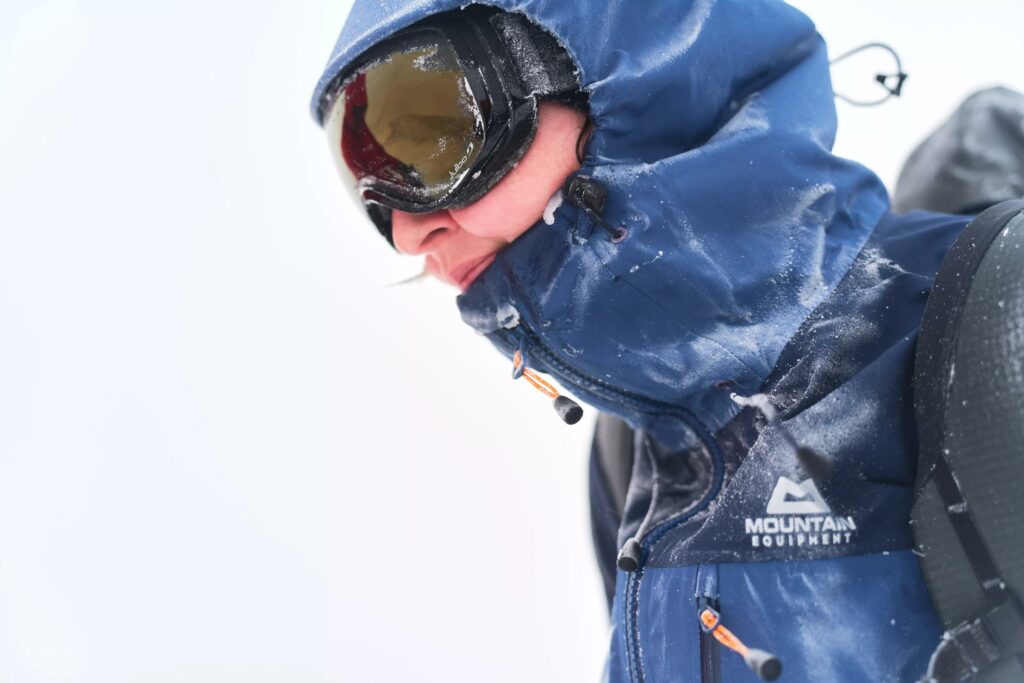
These swings mean water continually freezes, melts, and refreezes on your gear. Fabrics and coatings expand and contract, moisture refreezes in pores, and condensation becomes a constant battle. This daily stress test can dramatically affect how waterproof and breathable your jacket remains.
The Basics: What Is a Waterproof Membrane?
At its core, a waterproof membrane is a microscopic barrier designed to prevent liquid water from entering while allowing water vapour (your sweat) to escape – the holy grail of staying dry and comfortable outdoors.
There are a couple of main types of waterproof membranes, each with its own strengths and quirks:
Microporous Membranes

Microporous membranes, like the expanded polytetrafluoroethylene (ePTFE) used in GORE-TEX, rely on an intricate web of tiny pores. Each pore is around 20,000 times smaller than a water droplet but about 700 times larger than a water vapour molecule. That means rain and snow can’t get through, but sweat vapour can escape freely.
This makes microporous membranes ideal for cold, wet conditions where breathability is crucial, such as winter mountaineering or fast-paced alpine use. The downside? These membranes will become less effective if oils or dirt clog the pores, which is why regular cleaning and reproofing are key.
You’ll find microporous membranes in Trekitt favourites like:
- Mountain Equipment Tupilak Jacket – Built with GORE-TEX Pro 3-layer fabric for exceptional breathability and all-weather durability on technical alpine routes.
- Rab Latok Alpine Jacket – Uses GORE-TEX Pro for robust protection on winter climbs and multi-day mountain missions.
Hydrophilic Membranes
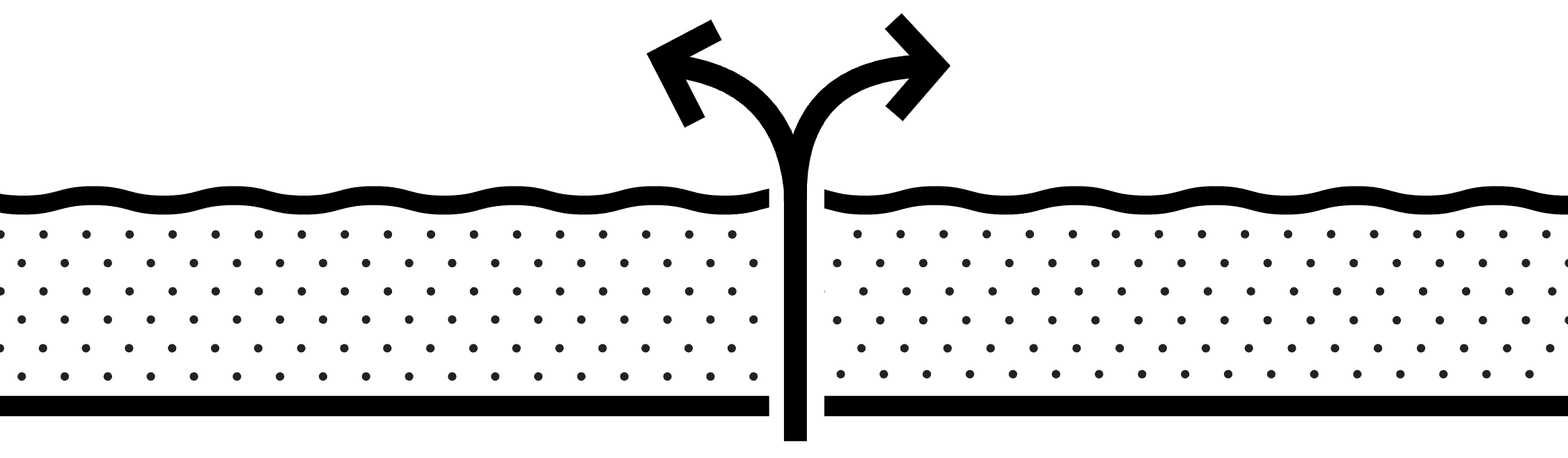
Hydrophilic membranes, often based on polyurethane (PU), take a different approach. They don’t have pores at all. Instead, they move moisture through the fabric by a process called molecular diffusion: the vapour molecules are attracted to the hydrophilic (water-loving) chemical groups in the membrane and slowly migrate through.
This system tends to be less affected by contamination and performs well in wet or humid conditions, ideal for sustained use in damp weather or lower-intensity activities. However, because the process relies on temperature and humidity gradients, breathability can drop slightly in icy conditions.
You’ll see hydrophilic membranes in pieces like:
- Rab Downpour Mountain Jacket – Made with a 2.5-layer Pertex® Shield fabric, a PU-based membrane that balances waterproofing, breathability, and sustainability.
- Montane Torren Jacket – Features Montane’s own membrane, known as Petrichor, which moves with your body while delivering reliable waterproof performance, and staying quiet when moving fast and light.
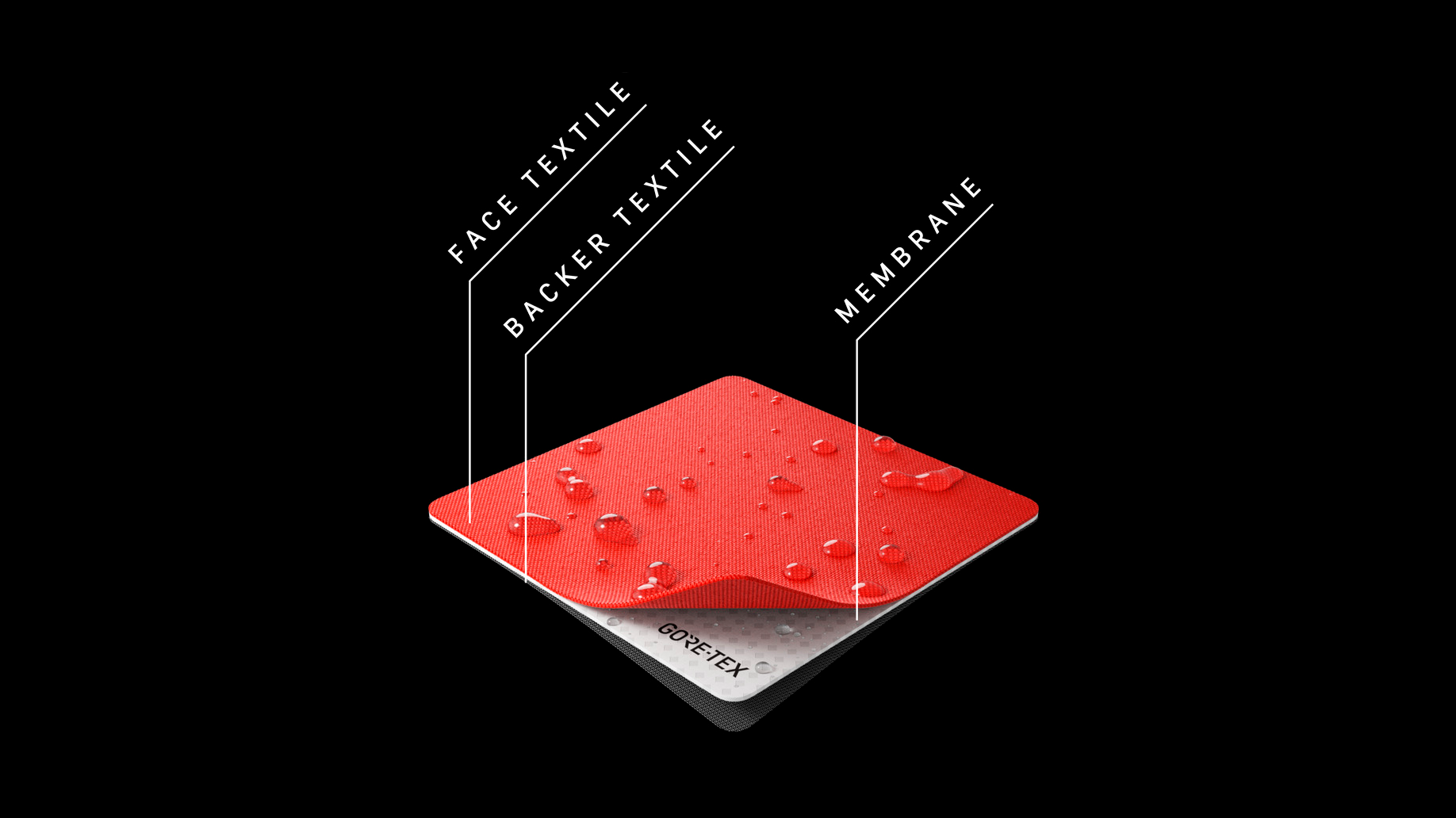
Neither of these membranes works alone; they’re usually sandwiched between layers of fabric for protection and comfort, forming 2-layer, 2.5-layer, or 3-layer systems. We’ll dive into what those mean shortly, but in short: the more layers, the tougher and more durable the fabric tends to be.
What Happens in Cold Weather?
Here’s where things get interesting. Cold affects both the membrane and the environment around it, changing how effectively your jacket can move moisture.
Slower Moisture Vapour Movement
Breathability is all about pressure gradients, specifically, the vapour pressure gradient. This is the difference in water vapour concentration between your warm, humid microclimate (inside the jacket) and the colder, drier outside air. The greater that difference, the more efficiently vapour is driven through the membrane.
But here’s the catch: cold air holds far less moisture. For every 10°C drop in temperature, the air’s capacity to hold water vapour nearly halves. That means in winter, even though your body is still producing sweat, the vapour pressure gradient flattens. With less “pull” from the outside environment, vapour movement slows dramatically.
In sub-zero conditions, things get even trickier. If moisture vapour can’t escape quickly enough, it may condense into liquid inside your clothing system, particularly on the inside face of your shell or within insulating layers. In extreme cases, this can turn to frost, especially if the inner layers are already saturated. The result? Your jacket is still technically “breathing,” but far less efficiently, and your midlayers are slowly soaking.
Ice Crystals and Surface Wetting
Cold weather introduces a unique stress test for your waterproof shell, not just from snow or rain, but from how moisture behaves as it freezes and thaws. One of the lesser-known challenges? Ice crystals forming in your jacket’s outer layers.
When your sweat vapour makes it through to the outer shell and hits freezing air, it can condense and refreeze before escaping entirely. This becomes especially problematic during freeze-thaw cycles, when temperatures rise just enough for snow to melt during the day, then plummet again at night.
Here’s what happens:
- Moisture refreezes in the outer fabric, sometimes deep enough to reach the membrane.
- Ice crystals can build up, especially if the jacket is already damp or your breathability has been compromised.
- These crystals can clog microscopic pathways, blocking the flow of vapour and significantly reducing breathability.
The result? Your jacket starts to feel damp and heavy, not because it’s leaking, but because moisture is getting stuck inside, unable to escape through a frozen outer barrier. This is especially noticeable after a high-output effort followed by a sudden stop or overnight bivvy.
Worse still, repeated freezing and expansion can stress the fabric, particularly around seams and high-abrasion areas. Over time, this can reduce the effectiveness of both the face fabric and the membrane itself, especially if the outer shell has already started to wet out.
While your jacket may still technically be waterproof, it’s not functioning at its best, and that’s often when people start to feel cold, clammy, and confused about why their “breathable” shell is suddenly working against them.
DWR in Freezing Conditions
DWR coatings (those invisible treatments that make water bead up and roll off your jacket) are less effective when cold. The chemistry behind DWR relies on surface tension and molecular movement, both of which are reduced in freezing temperatures.
At low temperatures, the DWR molecules become less dynamic and less effective at repelling moisture. Combine that with abrasion from pack straps or ice tools, and the DWR’s performance can drop rapidly. The result? Water starts to soak into the face fabric rather than shedding off, accelerating that wetting-out process and further degrading breathability.
It’s worth noting that while fluorocarbon-free DWRs are better for the planet, they’re not quite as hardy as the old-school versions, which means you’ll need to clean and reproof your jacket more often in winter, but we’ll dive into this deeper in a minute.
Fabric Construction: 2.5-Layer vs 3-Layer, and Why 3 Layer Wins in Winter
2.5-Layer Fabrics (e.g. Pertex Shield)
Lightweight, packable, and ideal for fast-moving activities in milder conditions. These use a thin printed or sprayed-on inner coating instead of a full fabric liner.

Pros
-
Very light and compact
-
Affordable
-
Great for three-season use
Cons
-
Less durable
-
The inner layer can feel clammy in cold weather or when layered directly over midlayers
-
Breathability drops sharply when the inner surface gets wet or cold
3-Layer Fabrics (e.g. Gore-Tex Pro)
These bond the membrane between an outer face fabric and a soft backer, protecting it from wear, ice, and oils from your skin or base layers.
Pros
-
Far more durable and stable in cold conditions
-
Consistent breathability
-
Resists internal condensation and freezing
-
Feels less clammy in sub-zero temps
Cons
-
Heavier and stiffer
-
More expensive
In winter, that extra layer makes all the difference. The 3L construction acts like insulation for your membrane, keeping it closer to your body’s warmth and protecting it from freezing condensation.
Why does DWR Maintenance Matter More in Winter?
When snow melts on your jacket and refreezes, your DWR is under attack. A clean, well-maintained DWR surface prevents saturation, allowing moisture vapour to escape and keep you lighter and warmer.
Key winter care tips:
- Wash regularly. Dirt and oil attract water, which can kill DWR performance
- Reproof after washing using a spray-on or wash-in DWR treatment
- Avoid fabric softeners as they leave residues that block the membrane
- Tumble-dry on low to reactivate the DWR’s hydrophobic properties
Neglecting this step is one of the most common reasons winter jackets feel “clammy” even though they’re not leaking.
Need a refresher on how to care for your waterproofs? Check out our blog post: How to Wash Your Waterproof Jacket for step-by-step advice on cleaning and reproofing.
And don’t worry… if you’d prefer to watch rather than read, we’ve got a YouTube video that walks you through the care process so that your jacket stays clean, fresh, and performing at its best.
Choosing the Right Membrane for You
Not everyone needs Gore-Tex Pro. Choosing the right winter shell for you depends on where you’re going, how hard you’re working, and what conditions you expect.
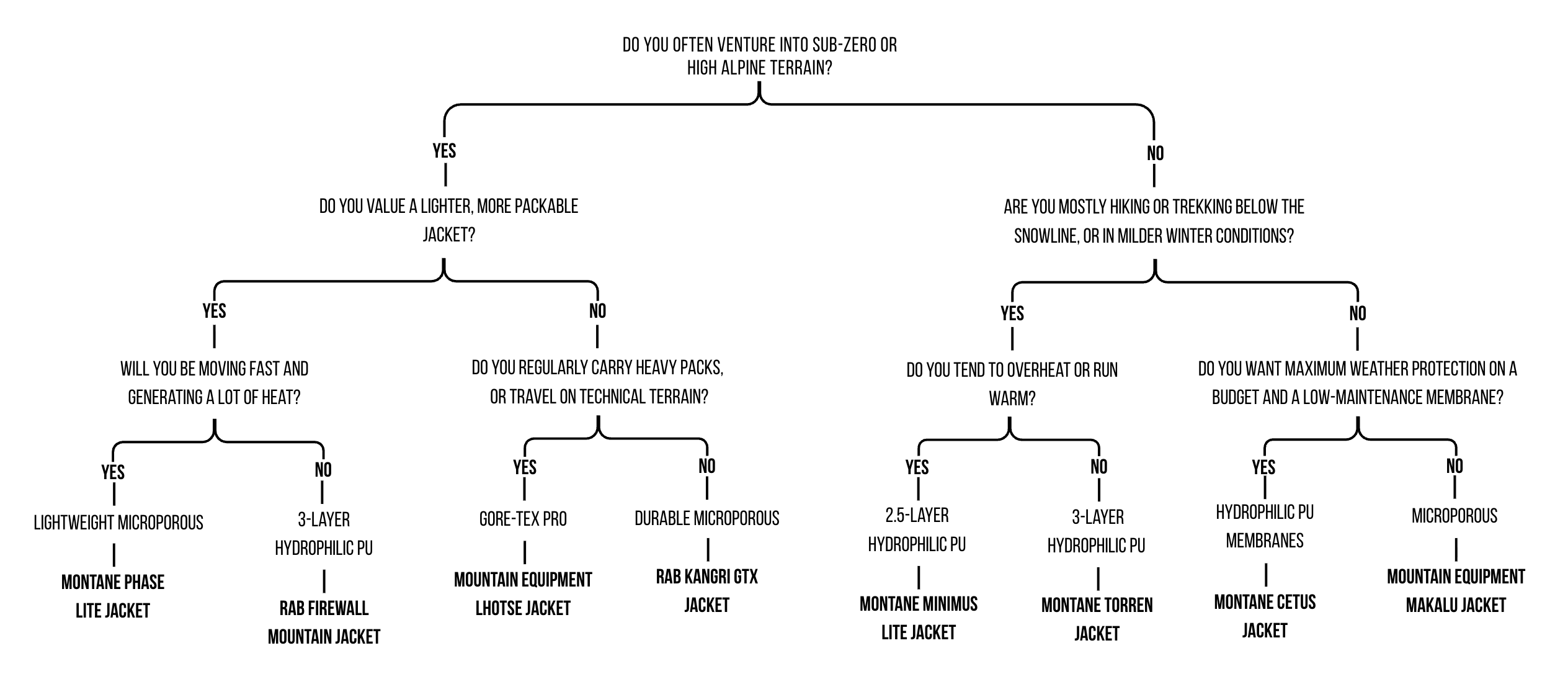
Final Thoughts
Winter brings out the best, and the worst, in waterproof technology. Those sub-zero swings test every layer of your kit, from DWR and membrane to base layer. A lightweight 2.5-layer jacket may shine on wet spring trails, but when ice and frost enter the equation, 3-layer shells come into their own.
Keep your DWR healthy, manage your layers wisely, understand what your jacket is built for, and you’ll stay warm, dry, and happy long after the frost sets in.
As always, if you have any questions or need advice about your gear, you’re welcome to visit us at our Hereford Service Centre, get in touch with our friendly customer service team by calling 01432 263335 or emailing [email protected], or get in touch via our social media channels – we’re always happy to help.
FAQs
It’s not your imagination! In winter, moisture can freeze on or inside your jacket, especially if the outer fabric has soaked through. That makes it feel colder, heavier, and less breathable. A worn-out DWR coating is usually the culprit.
Yep, it does. In cold air, sweat vapour moves more slowly through your layers. Sometimes, it even condenses before reaching the membrane, making things feel damp from the inside out.
If you’re out in proper winter conditions or heading into the hills, a 3-layer shell is a solid choice. It holds up better to snow, ice, and repeated freeze-thaw, and it breathes more consistently when things get frosty.
Unfortunately, there’s no one-size-fits-all answer; it really depends on how often you wear them and what conditions you’re in. The key thing to watch for is ‘wetting out’, when water stops beading on the surface and soaks into the outer fabric. That’s your sign, it’s time to reproof. As a rule of thumb, keep your jacket clean (dirt and oils degrade the DWR), and reproof whenever it starts to feel damp or clammy in light rain. A quick spray-on or wash-in treatment and a low tumble dry usually bring it back to life.
Leave a Reply