
How to Layer for Summer Hiking in the UK
Summer hiking in the UK is brilliant. Long daylight hours, dry trails, colourful landscapes and plenty of opportunities to get out after work or spend a full day in the hills. The only catch? The weather rarely sticks to the script.
One minute you’re climbing in warm sunshine, the next you’re pulling on a windproof as you step onto an exposed ridge. Throw in the occasional summer shower and it’s easy to see why what you wear can make or break your day.
The good news is that dressing for summer isn’t about stuffing your rucksack with loads of extra kit. It’s about choosing lightweight, versatile layers that work together, so you stay comfortable whether you’re wandering through a shady woodland, tackling a mountain summit or stopping for lunch with a view.
In this guide, we’ll show you how to build a summer layering system that works across a range of UK conditions. We’ll explain what each layer does, when you actually need it, and share a few outfit ideas to help you put everything together.
IN SHORT…
-
Why layering still matters: Find out why a proper layering system keeps you comfortable, even during warm UK summers.
-
Choosing the right layers: Learn what to wear next to your skin and which mid layers are genuinely worth carrying.
-
Windproofs vs waterproofs: Understand when each jacket comes into its own and why they’re not interchangeable.
-
Don’t forget the accessories: Discover the small bits of kit that can make a surprisingly big difference on warm weather hikes.
-
Complete outfit ideas: Explore three summer hiking outfits, from a simple budget-friendly setup to a mountain-ready layering system.
Why layering still matters in summer
When most people think about layering, they picture frosty winter mornings and thick insulated jackets. Summer doesn’t usually get a mention.
In reality, summer is often when layering becomes even more important.
Unlike winter, where the weather can sometimes settle into a pattern, a summer hike can throw several seasons at you in the space of a few hours. Cool starts, warm climbs, breezy summits and the odd shower all mean you’ll be adding and removing layers throughout the day. Even stopping for lunch can be enough to make you reach for an extra layer.
That’s where a good layering system comes in. It helps you adapt without constantly overheating or getting cold.
Think of each item as having a specific job.
- Your baselayer manages sweat.
- Your optional mid layer adds a little warmth when you stop or gain height.
- Your windproof blocks chilly gusts without making you boil.
- Your waterproof is there when the weather really turns.
Rather than relying on one bulky jacket to do everything, each layer works together to keep you comfortable throughout the day.
Start with a breathable baselayer
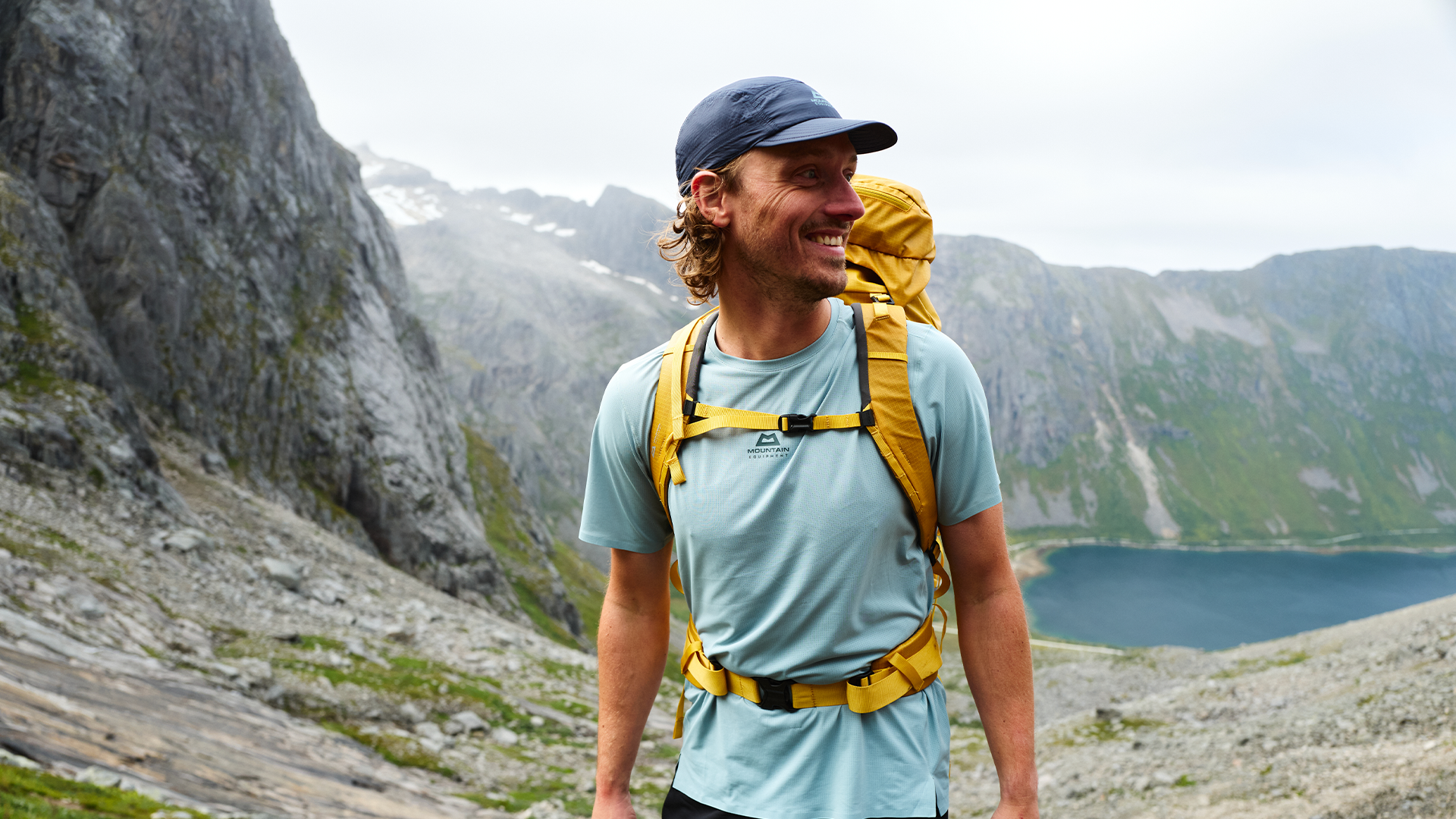
Your baselayer is arguably the hardest-working item in your summer hiking wardrobe.
It’s the piece you’ll probably wear for most of the day, so comfort is everything.
A good summer baselayer should move moisture away from your skin, dry quickly and stay comfortable even when you’re working hard on steep climbs.
Merino wool
Merino is brilliant if you’re planning long days in the hills or multi-day adventures.
It naturally regulates temperature, feels comfortable against the skin and does an fantastic job of resisting odours, which is always appreciated after several hours on the trail.
Merino works especially well if your pace is fairly steady or you simply prefer the soft feel of natural fibres.
Synthetic fabrics
If you’re someone who likes to move quickly, synthetic baselayers are hard to beat.
They’re incredibly quick drying, lightweight and often a little more affordable than merino.
For fast-paced hikes, warm valley walks or days where you’ll be working up a sweat, synthetic fabrics are an excellent choice.
Should you wear cotton?
For a gentle stroll around the local park? Probably fine.
For a full day in the hills? We’d leave it at home.
Once cotton becomes wet with sweat or rain, it holds onto moisture for much longer than technical fabrics. That can leave you feeling damp, uncomfortable and surprisingly chilly when the wind picks up or you stop for a break.
Do you actually need a fleece in summer?
Sometimes yes. Sometimes no.
For lower level walks on a warm July afternoon, you may never take one out of your rucksack.
But if you’re heading into the mountains, starting early, finishing late or expecting cooler conditions at higher elevations, a lightweight fleece is well worth carrying.
The key word here is lightweight.
You don’t need a thick winter fleece.
Instead, look for something that packs down easily and provides just enough warmth for rest stops, breezy summits or cooler mornings.
Think of it as your “just in case” layer rather than something you’ll wear all day.
Waterproof or Windproof? Here’s the difference
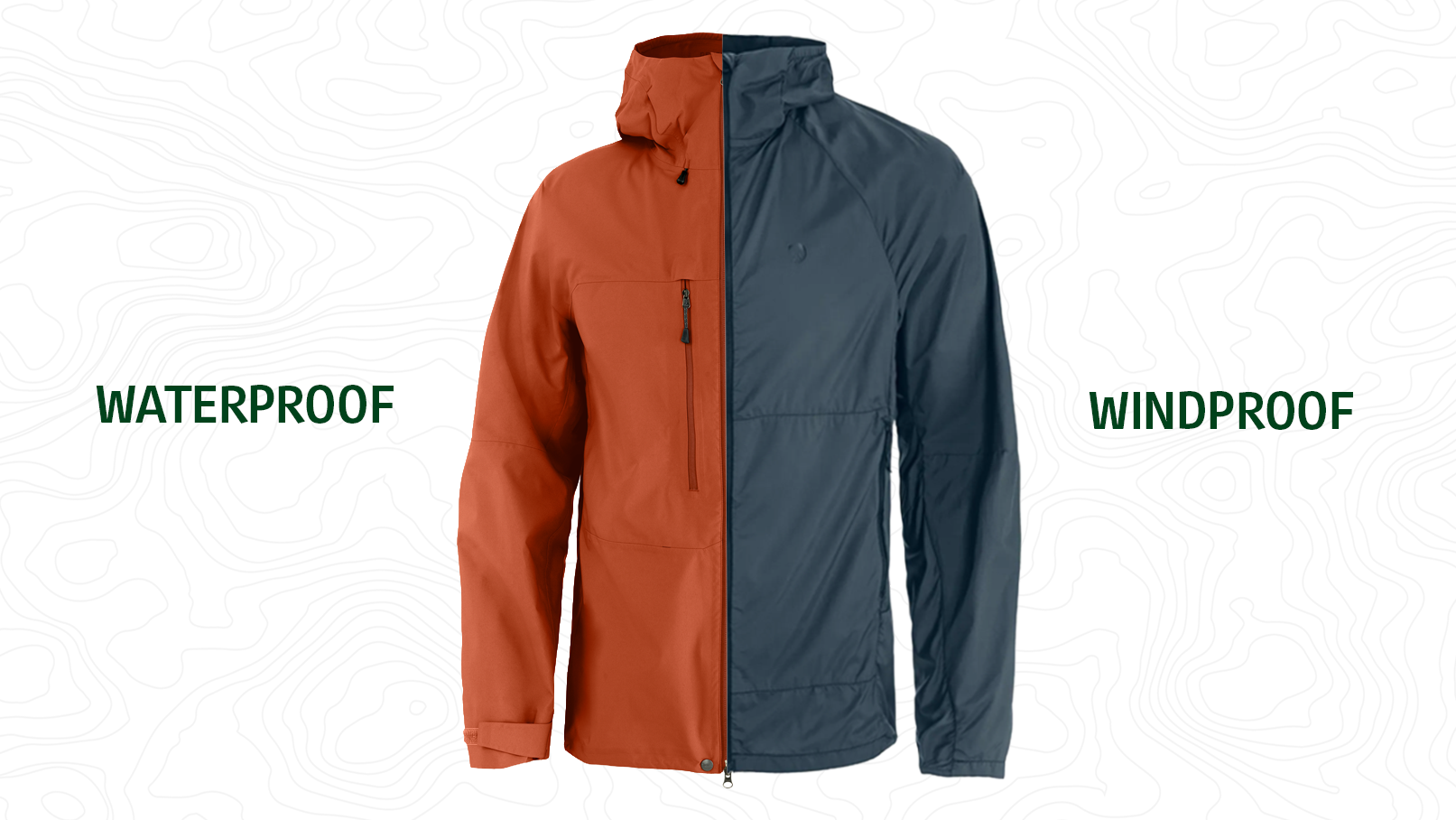
This is one of the biggest questions we hear.
They’re both jackets.
They both protect you from the elements.
But they do very different jobs.
When to wear a waterproof
No matter how optimistic the forecast looks, we’d still recommend carrying a waterproof jacket.
UK weather has a habit of changing its mind.
Summer showers can arrive quickly and mountain forecasts don’t always match what actually happens once you’re out there.
A lightweight waterproof doesn’t need to be bulky or heavy, but it should always have a place in your rucksack if you’re spending the day in the hills.
One tip we’d always give is not to bury it right at the bottom of your pack.
If the rain starts and you have to unpack half your kit to find it, you’ll probably be soaked before you’ve even put it on.
When to wear a windproof
A lightweight windproof is one of the most underrated bits of summer hiking kit.
If the sun is shining but the wind has picked up, reaching for your waterproof can quickly leave you feeling hot and sweaty.
A windproof blocks enough of the breeze to stop you feeling chilled while remaining far more breathable than a waterproof jacket.
It also packs down incredibly small, so there’s very little reason not to carry one.
If we had to choose one jacket for a dry summer’s day in the hills, it would almost certainly be a lightweight windproof.
The accessories that quietly make a huge difference
It’s easy to focus on jackets and forget the smaller pieces of kit.
They might not seem exciting, but they’re often what make a day feel that little bit more comfortable.
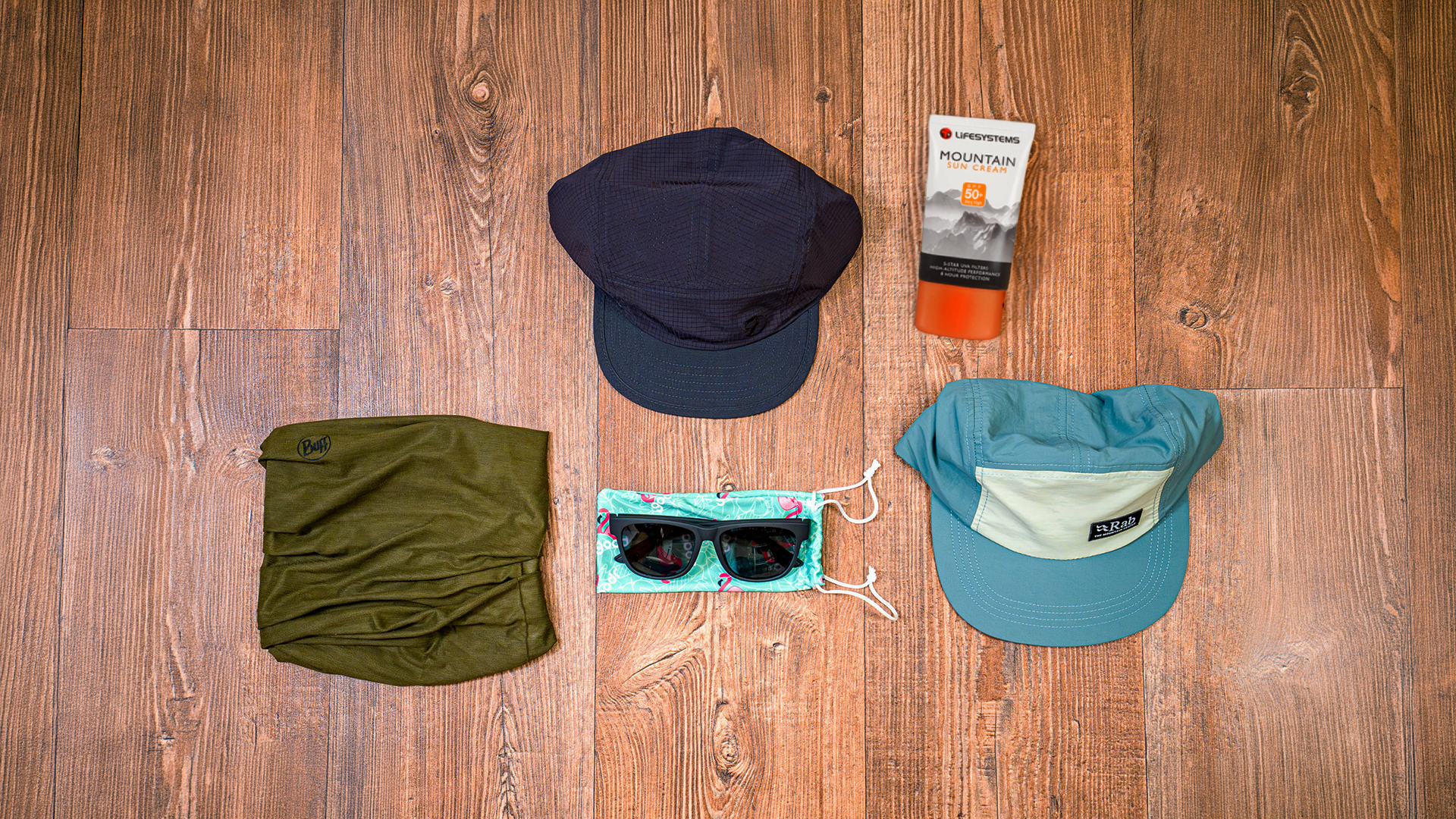
Cap – A lightweight cap helps keep the sun off your face while also keeping sweat out of your eyes on warmer climbs.
Buff – One of the most versatile bits of hiking kit you can own. Wear it around your neck when there’s a cool breeze, over your head for extra sun protection or pull it on under a helmet if you’re scrambling.
Sunglasses – Good sunglasses aren’t just about comfort. They help reduce eye strain on bright days, especially when you’re spending hours above the tree line or around reflective water.
Sun cream – Not technically clothing, but definitely worth mentioning. Even when temperatures don’t feel particularly high, UV levels during summer can still catch people out.
The Budget Weekend Walker
Ideal for local hills, National Trails and fair-weather weekends.
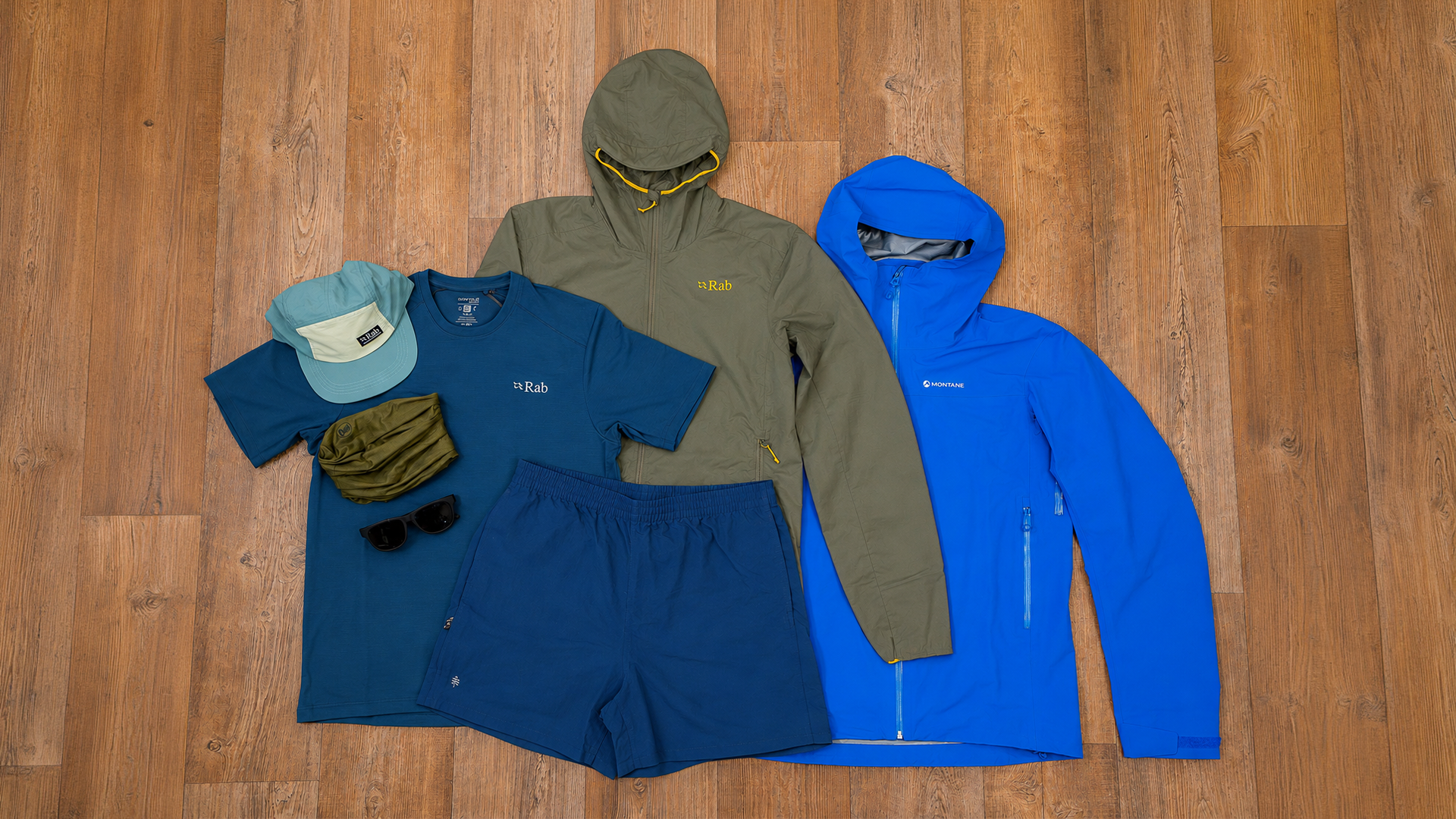
Baselayer: Rab Force Tee
Shorts: Royal Robbins All In Shorts
Jacket: Rab Vital Hoody
Waterproof: Montane Phase Lite Waterproof Jacket
Why we like it
This is a brilliant entry point into technical hiking clothing. Every piece is lightweight, easy to wear and versatile enough for everything from evening walks to full summer days in the hills. This set-up offers excellent value, so you don’t need to spend a fortune to enjoy dependable hiking kit. Better yet, you’ll be just as comfortable heading into the pub afterwards as you were on the trail.
The Summer All-Rounder
Ideal for long summer hikes, weekend adventures and holidays where you don’t know exactly what the weather has planned.
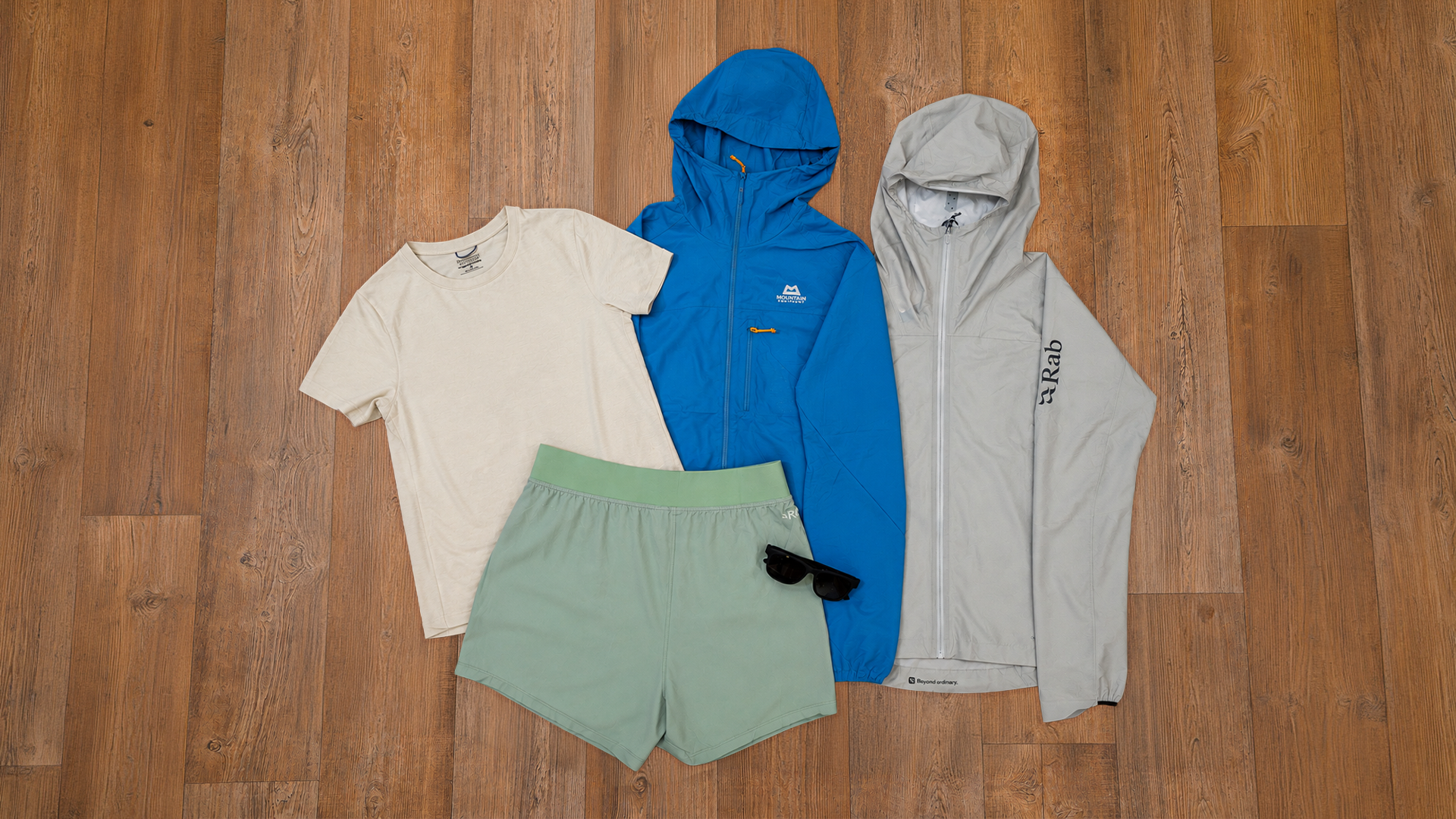
Baselayer: Patagonia Capilene Cool Shirt
Shorts: Rab Momentum Shorts
Windproof: Mountain Equipment Aerofoil Hooded Jacket
Waterproof: Rab Phantom Waterproof Jacket
Why we like it
This setup is built for those days where you set off with one route in mind and end up adding “just one more hill”. The Patagonia Capilene Cool keeps you comfortable when the miles start to add up, while the Aerofoil disappears into your pack until the wind reminds you exactly why you brought it.
The Mountain Ready Premium Setup
Ideal for Eryri, the Lake District, the Cairngorms and any route where conditions can change quickly.
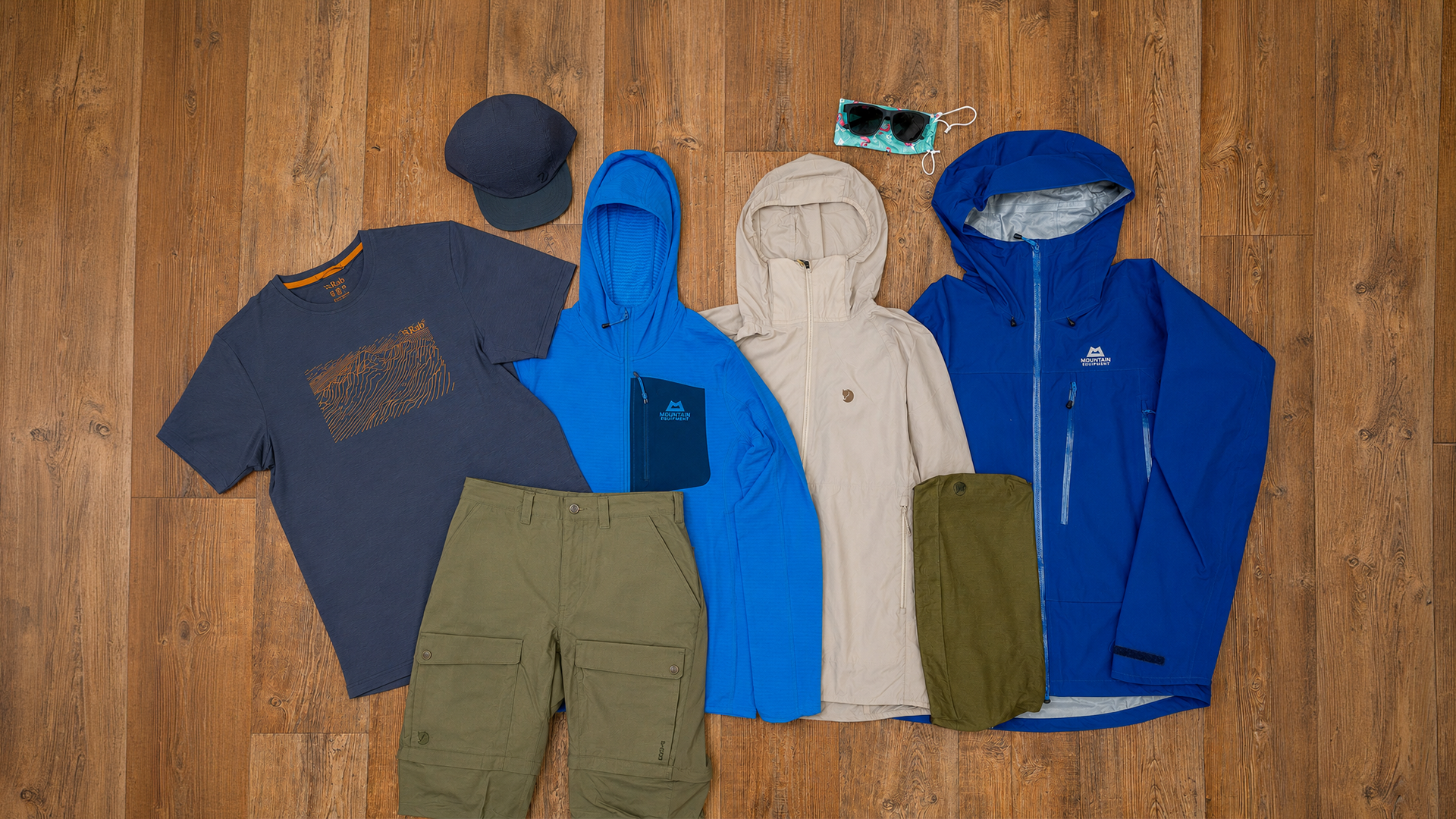
Baselayer: Rab Syncrino Base Tee
Mid Layer: Mountain Equipment Lumiko Hooded Jacket
Windproof: Fjallraven Keb Latt Wind Jacket
Waterproof: Mountain Equipment Makalu Jacket
Trousers: Fjallraven Abisko Hybrid Trail Zip-Off Trousers
Why we like it
The weather on a mountain summit can feel completely different to the valley below. This setup gives you the flexibility to stay cool during steep climbs while still having enough protection for windy ridges, sudden showers and longer lunch stops.
A few simple layering tips we’ve learnt over the years
- Start slightly cool. If you’re already warm before you begin walking, you’ll probably overheat once you get moving.
- Add and remove layers before you get too hot or too cold. It’s much easier to stay comfortable than it is to recover once you’ve started sweating heavily or feeling chilled.
- Keep your most-used layers somewhere easy to grab. A windproof tucked into an outer pocket is much more likely to get used than one buried at the bottom of your rucksack.
- Check the mountain forecast rather than the nearest town. Valley temperatures can be very different from conditions on the summit.
Final thoughts
The best summer layering system isn’t the one with the most expensive kit or the biggest collection of jackets.
It’s the one that lets you adapt without thinking too much about it.
If you’re building your summer hiking wardrobe, we’d always recommend starting with the essentials first. A good baselayer, a reliable windproof and a lightweight waterproof will cover the vast majority of UK summer adventures, with accessories and additional layers helping you fine tune your setup as your adventures grow.
Still not sure which layers are right for you? We’re always happy to help. Whether you’ve got a specific trip in mind or just want a second opinion, drop us an email at [email protected], give us a call on 01432 263335, or pop into our Hereford Service Centre for a chat. Our team spends plenty of time in the hills themselves, so we’ll help you find the right kit for the way you hike.
FAQs
That depends on how you hike. Merino wool is excellent for comfort, temperature regulation and odour resistance, while synthetic fabrics dry faster and are often better for high intensity walks.
Not always, but it’s worth carrying a lightweight fleece if you’re heading into the mountains, setting off early or expecting cooler conditions at higher elevations.
Yes. Summer weather in the UK can change quickly, particularly in mountainous areas. A lightweight waterproof offers peace of mind without adding much weight to your pack.
Neither is better. Shorts are great for hot, dry conditions, while lightweight walking trousers provide extra protection from wind, sun, insects and rough vegetation.
For many summer hikes, yes. A windproof is often more comfortable than wearing a waterproof in breezy conditions because it blocks wind while remaining far more breathable.
The Rab Nexus Hoody is one of the most versatile options in the range. It’s lightweight, breathable and provides just enough warmth for cool mornings, breezy summits and rest stops without feeling bulky.
Wearing too much too soon. Starting a hike slightly cool and adjusting layers as you go is usually much more comfortable than beginning overdressed and overheating.
Leave a Reply