
How to Prevent Salt and Grit Damage to Boots
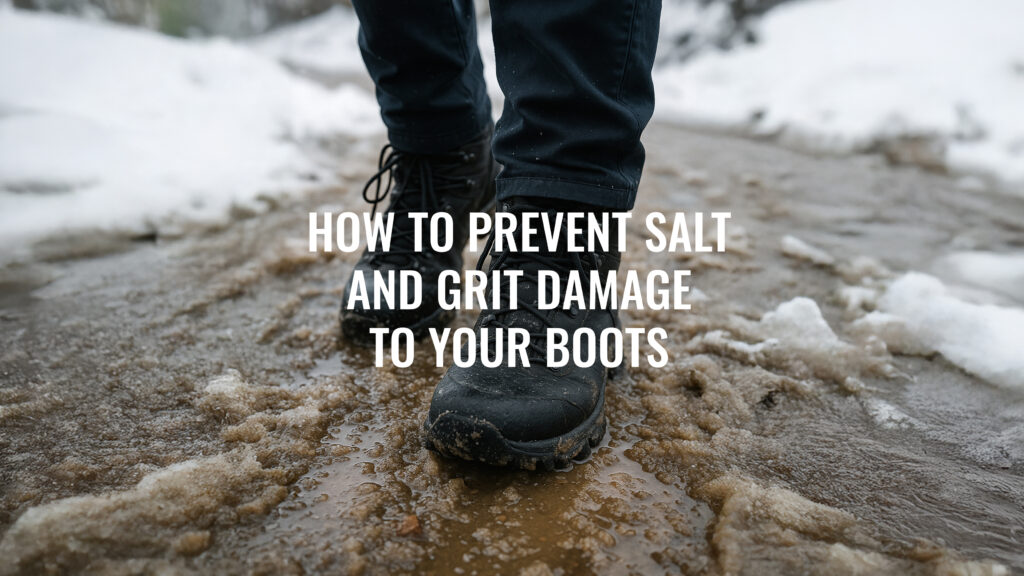

Author: Trekitt Gear Team
Outdoor footwear specialists with decades of combined experience testing, maintaining, and selling hiking boots across UK winter conditions.
Knowing how to prevent salt and grit damage to boots helps keep your winter footwear protected, comfortable and performing well in harsh conditions. This guide highlights the core steps you need to know.
Key Takeaways
- How to prepare your boots for winter: The essential steps that help protect leather, suede, nubuck and synthetics before salt and slush hit.
- How to maintain them after winter walks: The quick daily habits that stop salt, moisture and grit from causing long-term damage.
- What to avoid during boot care: The common mistakes and products that can harm materials or strip away protective finishes.
Winter walking is brilliant—crisp air, snowy trails, maybe even a bit of sunshine if you’re lucky. But while you’re enjoying the scenery, your boots are quietly fighting their biggest battle of the year. Salt, road grit and de-icing chemicals might seem harmless, but they’re surprisingly tough on outdoor footwear. They pull moisture out of leather, leave stubborn stains on suede and nubuck, and work their way into mesh fabrics where they can weaken fibres and reduce breathability. Even your waterproof membrane can struggle once salt crystals start clogging things up.
The result? Drying, cracking, stiffness, discolouration, and a noticeable drop in waterproof performance—basically everything you don’t want from your favourite pair of boots.
The good news is that winter damage is totally avoidable with the proper care. This guide walks you through simple, practical steps to keep salt and grit in check, so your boots stay comfortable, protected and ready for every snowy adventure.
Why Salt and Grit Damage Boots
Winter conditions are rough on footwear, and it’s not just the cold doing the damage. Salt, grit and slushy puddles all interact with your boots in ways that dry them out, wear them down and reduce their performance over time. Here’s what’s going on behind the scenes.
What Salt Does to Materials?
Salt causes more damage than most people realise. It doesn’t simply sit on the surface—once it lands on leather, suede, nubuck or mesh, it starts changing the material itself.
- Salt draws out natural moisture, which is why leather stiffens and can eventually crack if it isn’t cleaned and conditioned regularly.
- It leaves white salty tide marks, and these marks indicate that salt crystals have settled into the fibres rather than sitting on top.
- Over time, these crystals break down materials, especially softer, open-textured surfaces like suede and nubuck, which trap salt more easily.
In short, salt pulls moisture out, pushes crystals in, and slowly weakens the structure of your boots.
The Impact of Grit and Road Slush
Grit looks harmless, but up close, it behaves like tiny pieces of sandpaper. When it mixes with slush, it becomes an abrasive sludge that quickly wears away the outer layers of your footwear.
- Grit scuffs and scratches uppers, affecting leather, suede, nubuck and mesh alike.
- It strips away DWR coatings, meaning your boots stop repelling water and start soaking it up sooner.
- Fine particles clog up the pores of waterproof membranes, reducing breathability and making boots stay damp for longer.
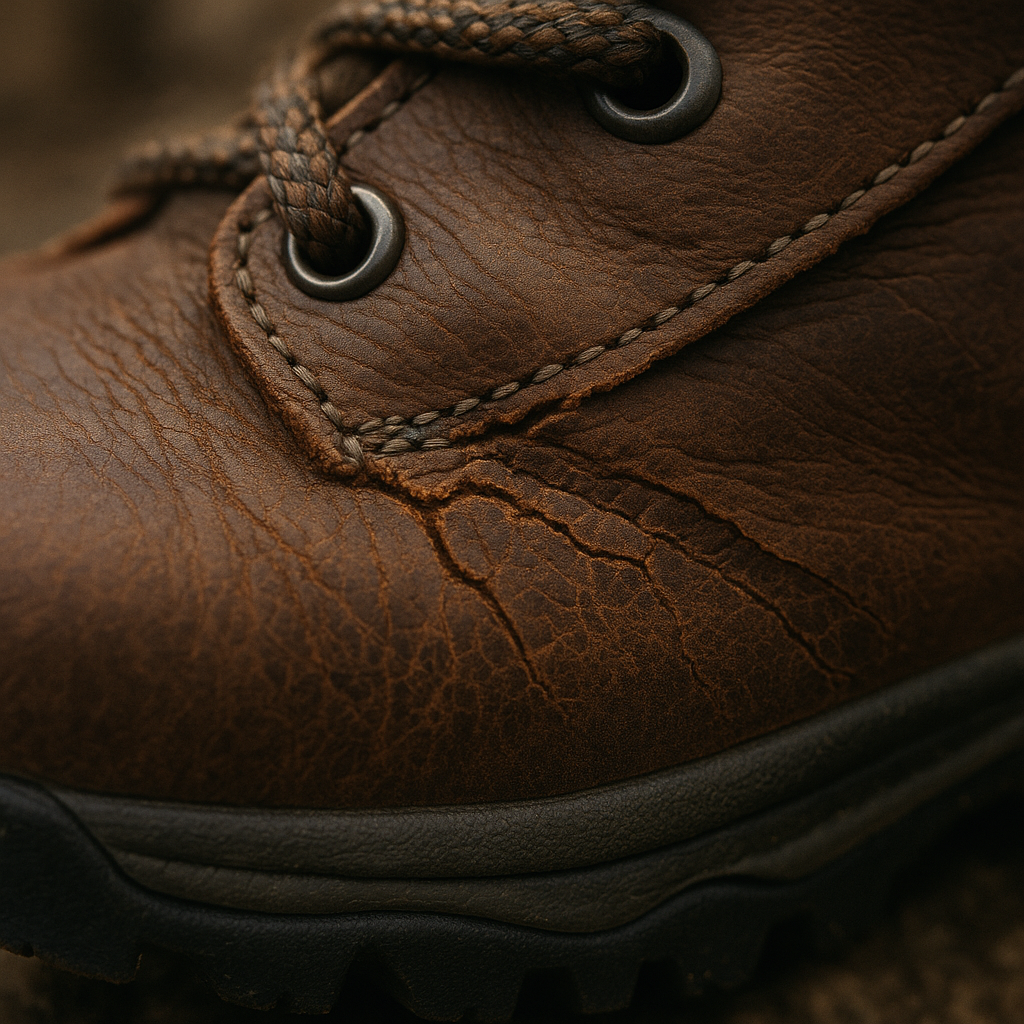
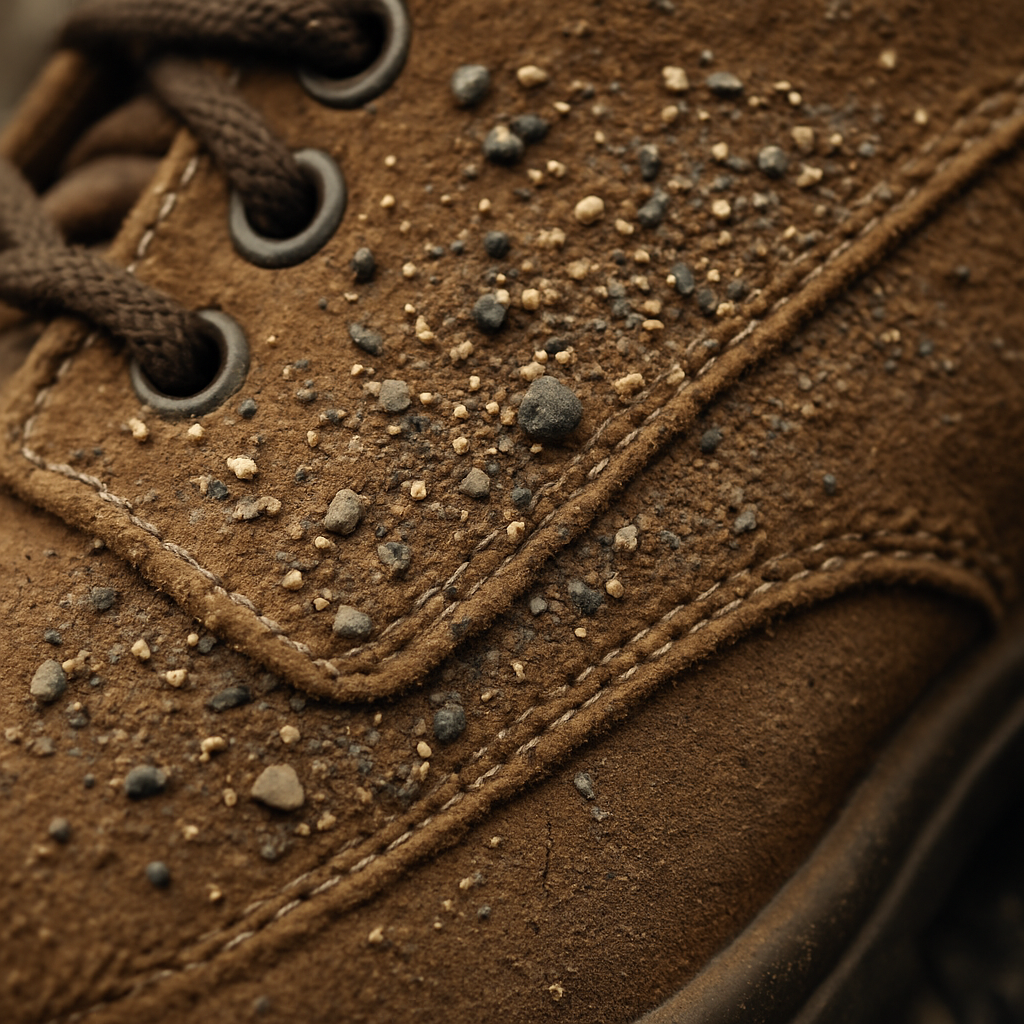
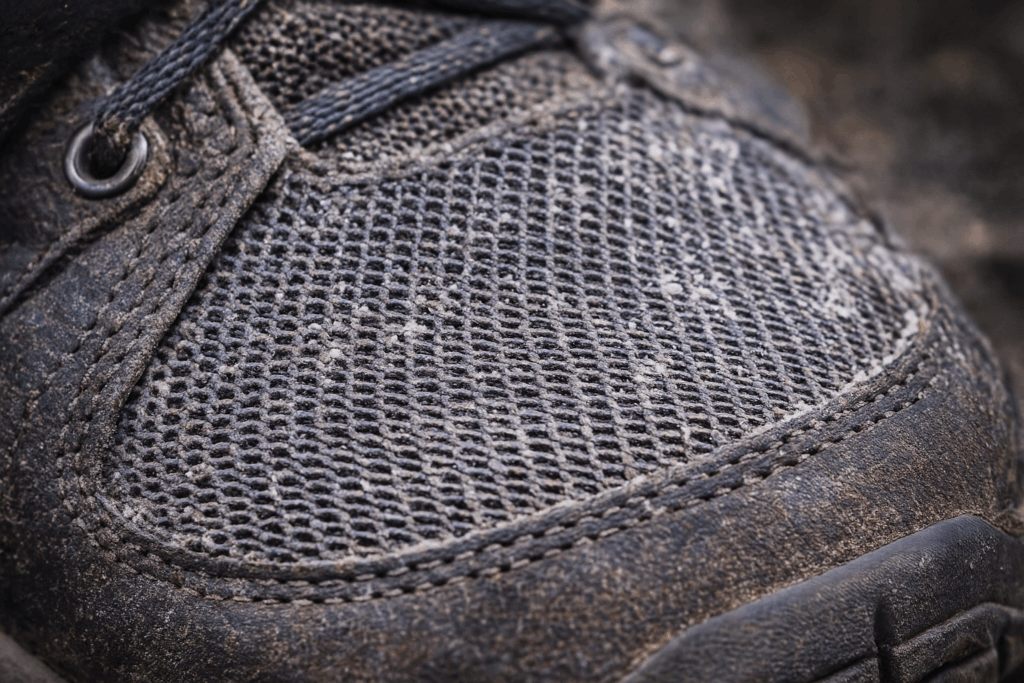
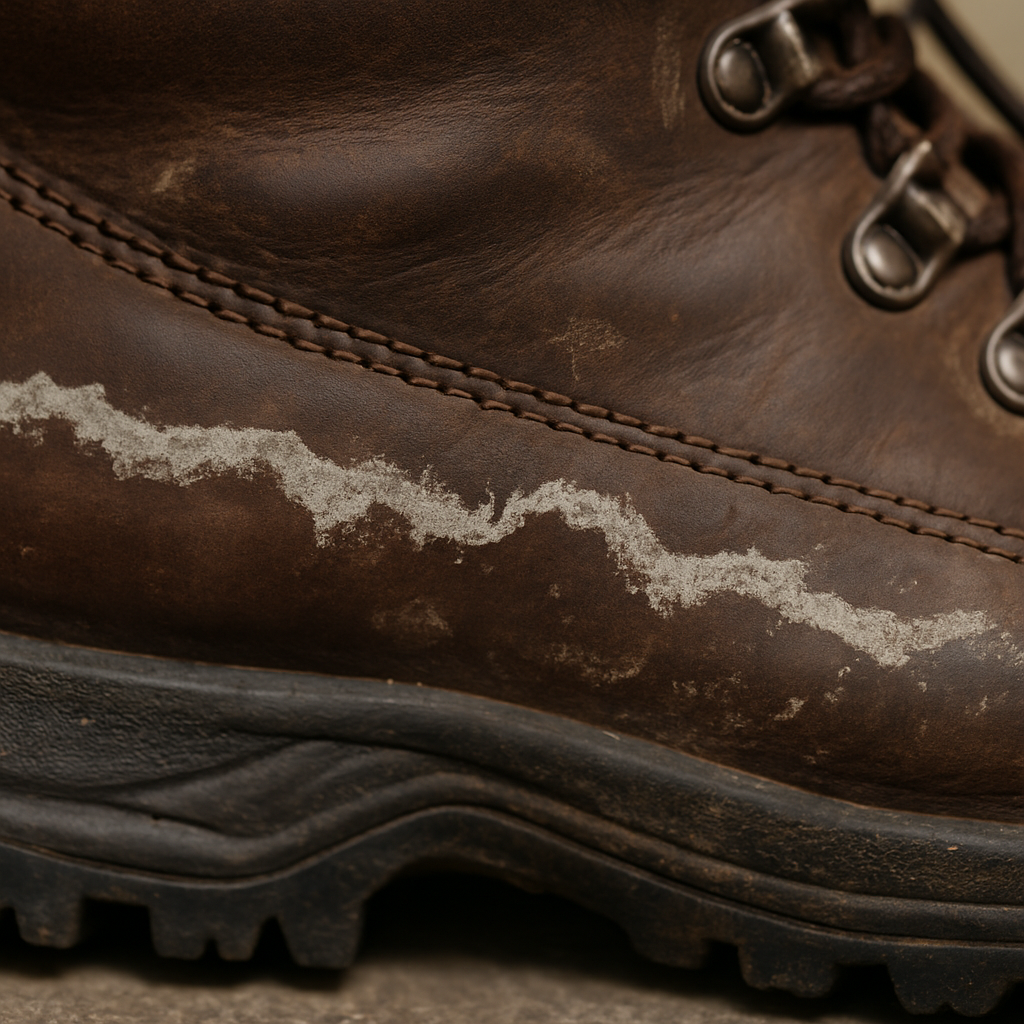
The combination of grit + moisture basically acts like a slow, constant sanding process with every step you take.
Why Winter Walking Makes It Worse
Salt and grit alone are already harsh, but winter conditions amplify their effects.
- Wet–dry cycles speed up wear as materials repeatedly soften, then tighten and stiffen as they dry.
- Cold temperatures slow drying times, leaving boots damp and more vulnerable to abrasion.
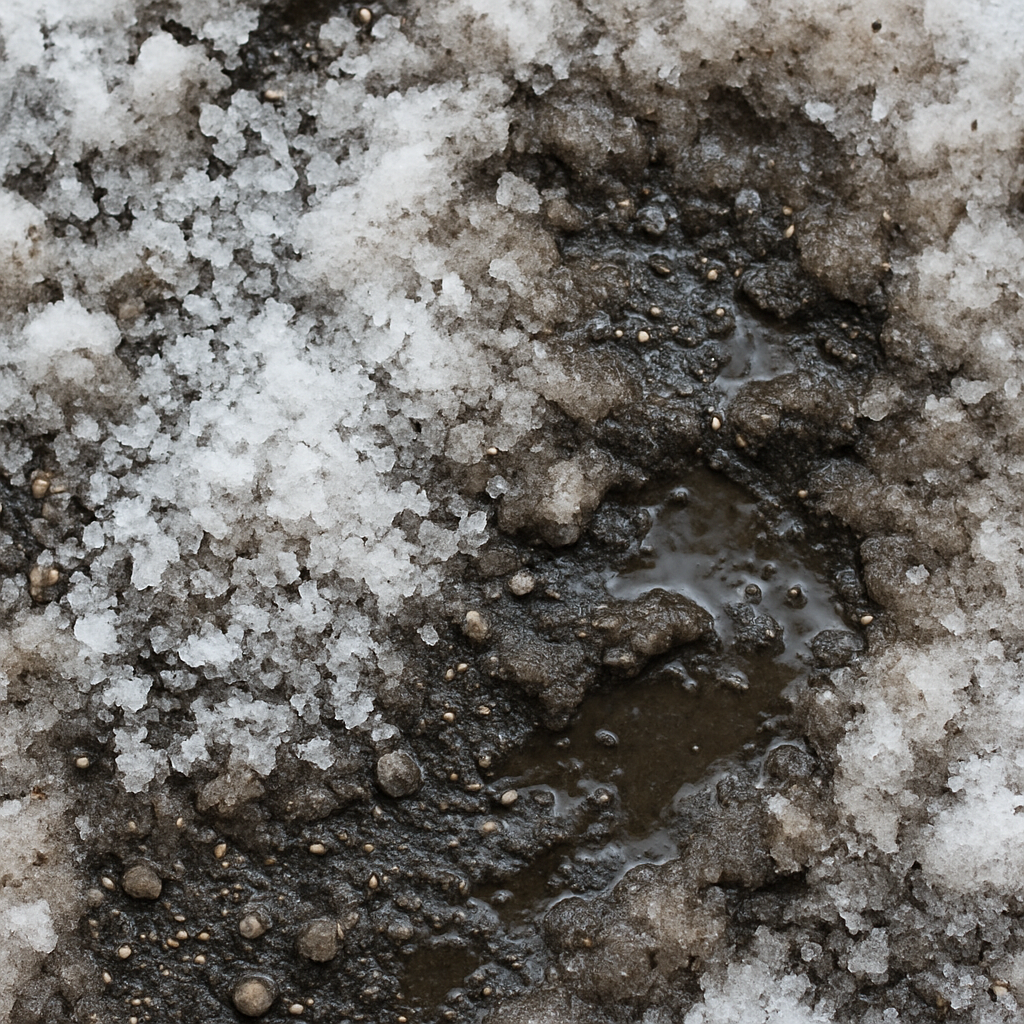
- Winter slush mixes salt, mud and grit into a gritty paste, which works its way into stitching, gussets and creases—places that are harder to clean and more prone to long-term damage.
All of this means that winter walking doesn’t just dirty your boots—it accelerates wear in a way other seasons don’t.
Prevention Starts Before You Head Out
A lot of winter boot damage can be avoided before you even step outside. Taking a few minutes to prep your footwear at the start of the season (and topping it up as needed) makes a huge difference. Think of this stage as creating a barrier before the salt and grit even get the chance to cause trouble.
Clean and Prep Your Boots
Before you apply any treatments, it’s worth giving your boots a quick refresh. Residual dirt from last season can prevent waterproofing products from absorbing correctly, and any old stains or mud patches will trap moisture and salt.
- Give them a simple wipe-down to remove dust and surface dirt.
- Clean away older stains and built-up mud, paying attention to creases, seams and the welt where grime tends to hide.
Starting with a clean surface ensures your waterproofing and conditioning products can actually do their job.
Apply the Right Protection (Material-Specific)
Different materials need different types of care. The proper treatment enhances waterproofing, repels salt and grime, and keeps the uppers flexible in cold, wet conditions.
Leather Boots
Leather is durable, but winter can dry it out quickly—so protective conditioning is key.
- Apply a conditioner or wax (like Meindl Sportwax) to keep the leather supple.
- Top up the DWR using a compatible spray or cream to help water bead off rather than soak in.
Suede and Nubuck Boots
These softer materials are more absorbent, so gentle, spray-based protection works best.
- Use spray-on reproofers, which coat the fibres without altering the texture.
- Brush the nap before and after treatment to keep the material looking fresh and to prevent it from matting down.
Mesh and Synthetic Boots
These fabrics don’t require heavy treatments but benefit from additional water repellency in winter.
- Use lightweight spray-on repellents designed for synthetic uppers.
- Avoid oily or creamy products, which can clog breathable fabrics.
Don’t Forget Laces and Tongues
Laces, tongues and gussets are often the first places salt and slush collect, simply because they sit at the front of the boot and absorb water quickly. They’re also the areas people forget to treat.
- A quick pre-treatment with a water-repellent spray helps stop water and salt from wicking into the fabric.
- Keeping these areas protected also prevents hidden salt build-up, which can stiffen the tongue and weaken the stitching over time.
What To Do After Every Winter Walk
Once you’re back indoors, a little post-walk care goes a long way. Winter slush dries fast and takes salt and grit with it, so dealing with the mess straight away prevents long-term damage and keeps your boots performing well for the rest of the season.
Rinse Off Salt Straight Away
Salt is most damaging when it’s allowed to dry into the material, so the goal is to get it off as soon as you can.
Rinse Off Salt Straight Away
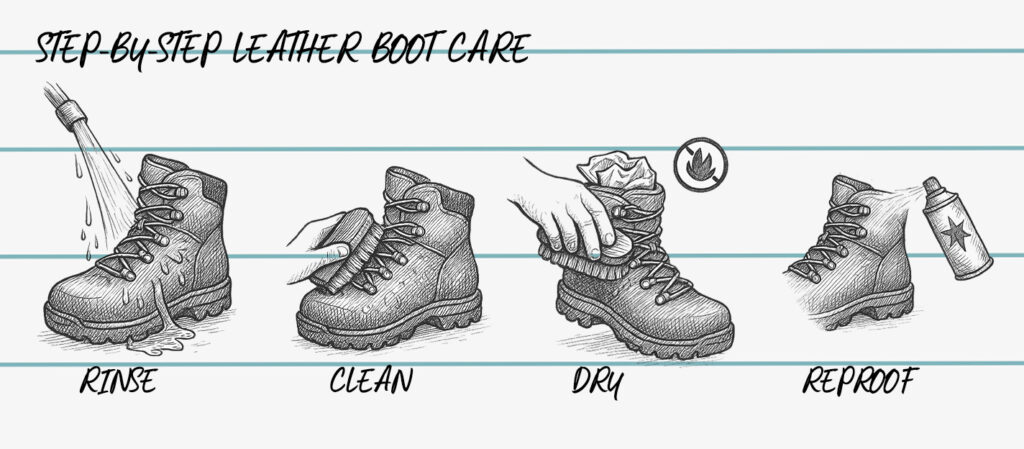
A quick, gentle rinse under lukewarm water is usually enough to remove most of the surface salt and slush before it has a chance to dry into the material. This applies to all materials, including suede and nubuck, but the key is to be brief and gentle. You’re dissolving the salt, not soaking the boot.
Focus on areas that trap the most debris—seams, the tongue, lace eyelets and the welt—as these collect salty water and grit more readily.
Timing matters: the sooner you rinse, the less chance salt has to work its way deep into the fibres where it can stiffen, fade and damage the material.
For suede/nubuck: Keep the rinse brief, avoid scrubbing while wet, and let them dry completely before brushing the nap back up.
Clean Gently but Thoroughly
After removing the surface salt, give your boots a light, material-appropriate clean to lift any grit still clinging to the uppers.
Use a boot-specific cleaner, as household detergents can strip away DWR coatings, dry out leather or leave marks on delicate materials like suede. A soft brush helps lift salt crystals, mud and fine grit from the fibres—but avoid harsh scrubbing.
This is especially important for suede, nubuck and mesh, where aggressive brushing can flatten fibres or push dirt deeper into the weave. The aim is simply to loosen and remove particles, not to “scrub the boot clean.”
Dry Boots Correctly
Drying your boots properly is just as important as cleaning them—especially in winter when materials stay damp longer. Avoid placing boots near radiators, heaters or open fires, as intense heat can warp midsoles, weaken adhesives, crack leather and shorten the lifespan of waterproof membranes.
Instead, let boots dry slowly at room temperature. Stuffing them with newspaper helps draw moisture out from inside; replace it every couple of hours until dry. If you have one, a boot dryer on a low, gentle setting is the safest and most effective method.
Proper drying keeps materials flexible, prevents cracking and stiffness, and stops dampness from lingering—crucial for both leather and suede.
How to Remove Salt Stains (If They’ve Already Appeared)
Even with the best prevention, salt stains sometimes slip through—especially during long days out in heavy slush. The good news is that most stains can be removed at home with simple steps. The key is to treat them early, before the salt has time to harden deep inside the fibres.
Leather Salt Stain Removal
Leather is fairly forgiving, but salt lines need to be dissolved before you can restore the leather’s natural oils.
Start by mixing a mild vinegar solution: about one part white vinegar to three parts water. This is strong enough to break down salt crystals without harming the leather.
Dampen a clean cloth with the solution and wipe gently along the salt lines, letting the mixture loosen and dissolve the salt rather than scrubbing it away. Once the stains have faded, wipe again with plain water to remove any remaining vinegar.
When the leather is dry, always recondition it. A softening conditioner or wax replenishes the oils that salt and cleaning can strip away, helping the leather stay supple and protected through winter.
Suede and Nubuck Salt Stain Removal
Suede and nubuck require a gentler approach because of their textured surface. Avoid liquid-heavy cleaning unless absolutely necessary.
Start by using a suede brush to lift and remove as much dried salt as possible. Brushing in short, light strokes helps raise the nap and shake out salt crystals trapped in the fibres.
If the stains remain, apply a specialised suede or nubuck cleaner—these products are designed to clean without flattening the nap or leaving water marks. Once your boots are fully dry again, brush the nap back up to restore texture.
Finally, reapply a spray-on DWR. Cleaning can strip the protective barrier, so topping it up ensures the fibres stay resistant to moisture, slush and future salt.
Mesh and Synthetic Boots
Mesh and synthetic uppers are less sensitive to moisture, but they still require a careful, light-handed clean.
A simple rinse with lukewarm water helps dissolve surface salt. Follow up with a mild boot cleaner, avoiding strong detergents or heavy scrubbing that could fray the fabric or push grit deeper into the weave.
Once clean, allow the boots to dry naturally and reapply a lightweight, synthetic-safe DWR spray if needed.
Restore DWR and Conditioning
After cleaning boots throughout winter, it’s completely normal for their water-repelling and conditioning to fade. Salt, grit, constant moisture and regular washing all break down protective treatments over time. Restoring these layers ensures your boots continue to perform properly and helps them resist future damage.
Reapply DWR
A good DWR (Durable Water Repellent) treatment helps water bead off the surface rather than soaking in. If you notice your boots darkening quickly in wet conditions or absorbing water instead of repelling it, it’s time to top things up.
- Use the correct type of DWR for your boot material—sprays for suede, nubuck and mesh; creams or waxes for most leathers.
- Apply the DWR evenly to clean, slightly damp boots. Damp fibres absorb treatments more effectively, resulting in a more even finish.
- Let the boots dry naturally after treating them to ensure the DWR bonds properly to the surface.
A refreshed DWR makes a huge difference to how your boots handle slush, snow and heavy winter rain.
Condition Leather Regularly
Leather requires regular nourishment to remain flexible, especially in winter when salt and cold air quickly draw moisture out. If you skip conditioning, leather becomes stiff, dry and far more prone to cracking.
- Use a leather conditioner or wax (such as Meindl Sportwax) after cleaning or removing salt stains.
- Work it gently into the leather, focusing on flex points and seams where salt tends to collect and drying occurs fastest.
- Let the conditioner absorb fully before wearing the boots again.
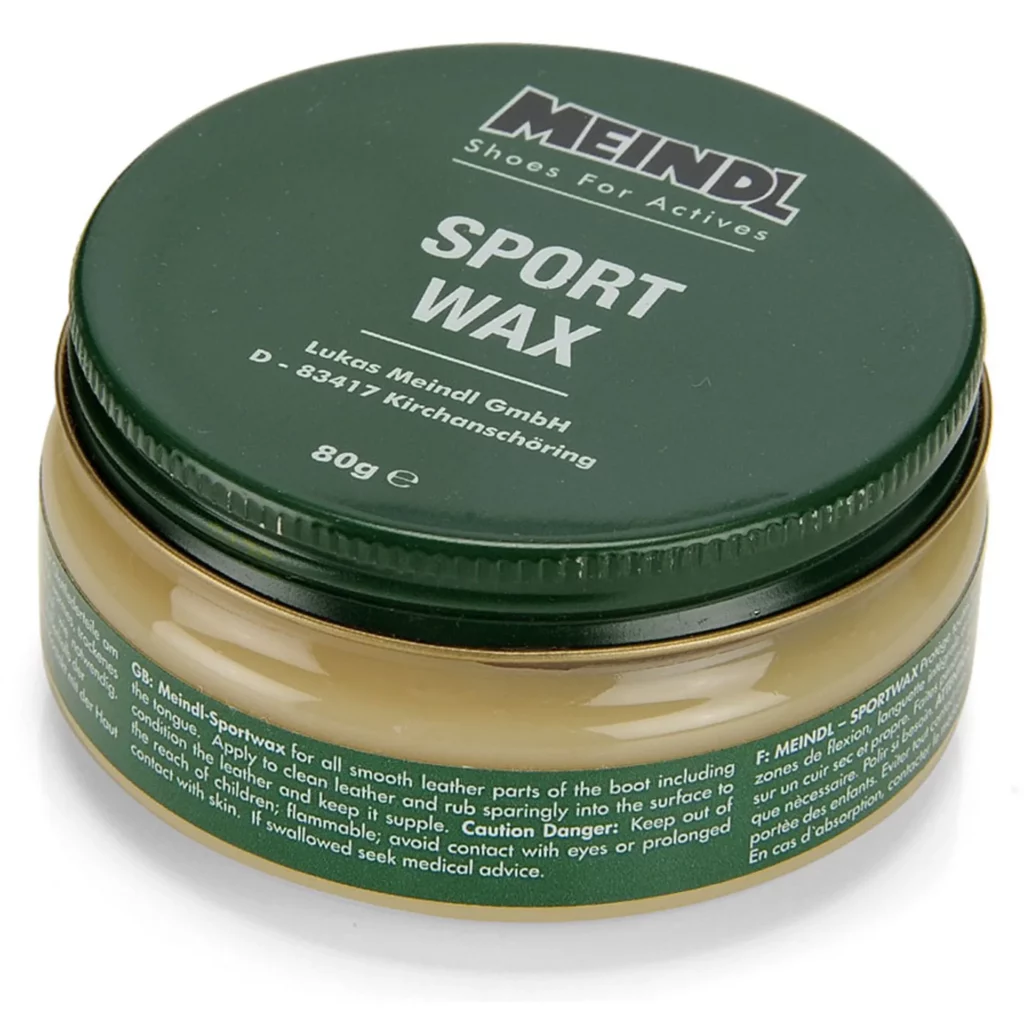
Conditioned leather not only lasts longer but also handles winter exposure with far more resilience.
Know When It’s Time to Retreat
You don’t need to reproof and condition after every walk, but keep an eye on signs that your boots need attention:
- Water absorbs rather than beading off
- Leather feels dry or slightly rigid
- Suede or nubuck looks flat, patchy or overly absorbent
- Mesh darkens quickly when wet
- Boots feel heavier or stay damp longer
Reapplying treatments early prevents small issues from becoming big ones later in the season.
Extra Protection Tips
Once your boots are clean, conditioned and reproofed, a few extra habits can make winter walking much easier on them. These small steps help minimise daily wear and keep salt and grit from building up in the first place.
Use Gaiters in Deep Slush
Gaiters aren’t just for boggy trails—they’re incredibly useful in winter. They help keep salt, slush and grit from splashing onto the upper part of your boots and stop moisture from creeping in around the tongue and laces.
They’re especially valuable on:
- Gritted pavements
- Deep snow or thawing conditions
- Muddy winter hill paths
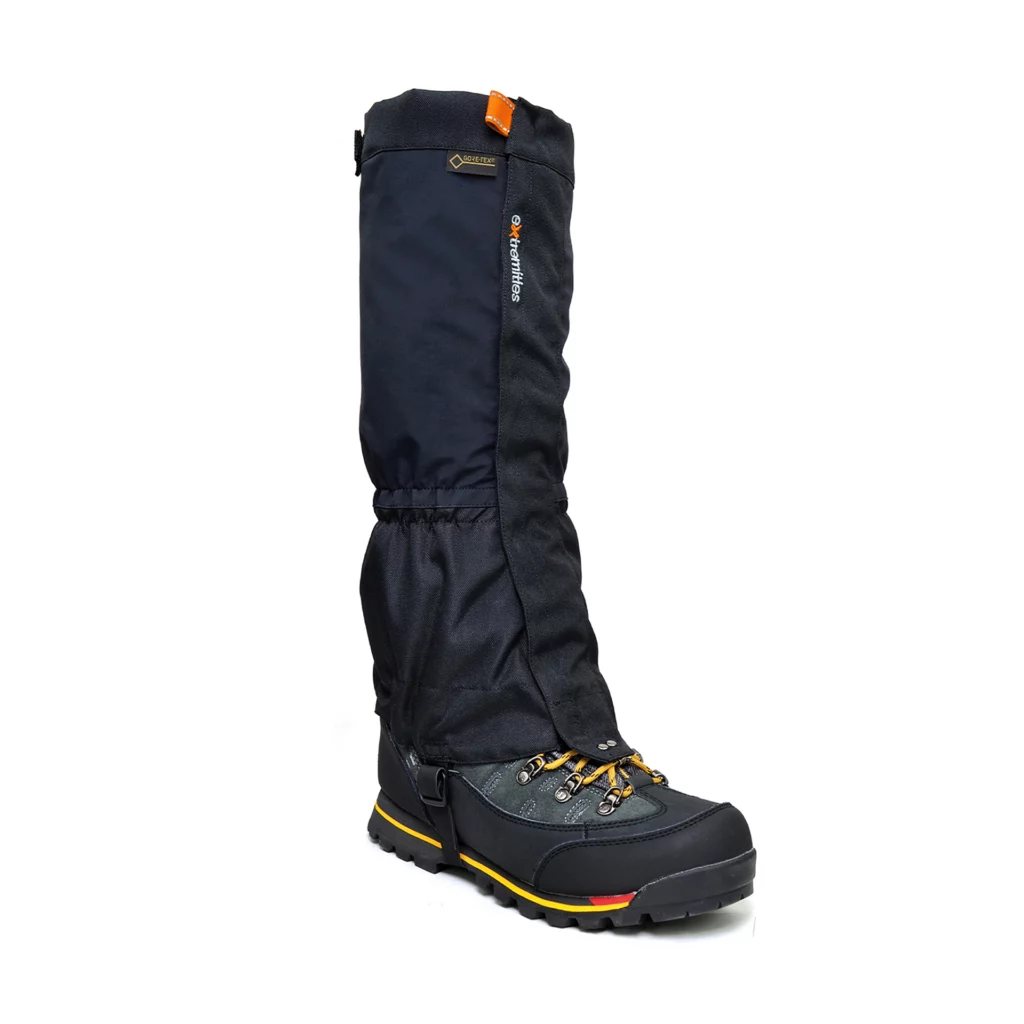
Extremities GTX Nova Gaiters
A simple pair can significantly reduce the frequency of cleaning and reproofing your boots.
Rotate Your Boots When Possible
If you have more than one pair, winter is the perfect time to rotate them. Constant wet–dry cycles are one of the main causes of material fatigue, so giving your boots a day or two to fully dry helps them last longer.
Additionally, rotating footwear allows each pair to recover its original structure and prevents lingering dampness, which can often lead to stiffness, mildew, and accelerated deterioration.
Store Boots in a Warm, Ventilated Space
Where you store your boots matters. Damp porches, cold garages and airing cupboards can all cause problems.
Instead:
- Keep them in a warm, dry, well-ventilated room.
- Avoid sealed storage boxes—moisture builds up quickly inside.
- Loosen the laces so air can move through the boot and dry out the lining faster.
Good airflow helps maintain the integrity of leather, suede and synthetic fibres.
Keep a Boot Brush by the Door
This quick little habit makes a huge difference. A simple doorstep scrub removes most of the loose grit before it gets the chance to embed into fibres or stitching.
A 30-second brush after a walk reduces the amount of cleaning you’ll need later and prevents salt from drying onto the surface.
Consider Using a Protective Spray More Often in Winter
Because winter grime is so harsh, uppers can lose their repellence faster. Using a light top-up spray every few outings helps maintain the barrier against slush and salt without needing a full clean each time.
This is especially useful for:
- Suede and nubuck boots
- Lightweight synthetics
- Fabric-heavy hiking shoes
Common Mistakes to Avoid
Even with the best intentions, it’s easy to accidentally shorten the lifespan of your boots—especially in winter, when salt, moisture, and cold temperatures make everything a bit more complicated. Avoiding these common pitfalls will help keep your footwear in much better condition for a much longer time.
Using Household Detergents
It’s tempting to grab whatever cleaner is under the sink, but household soaps and detergents are too harsh for outdoor footwear. They strip away natural oils from leather, damage DWR coatings and can even dry out synthetic fabrics.
A boot-specific cleaner is always the safest and most effective option.
Drying Boots on a Radiator
This is the big one. Direct heat from radiators, heaters, or open fires can:
- Warp midsoles
- Damage adhesives
- Crack leather
- Cause suede and nubuck to stiffen
- Stress waterproof membranes
Boots should always dry slowly at room temperature. It takes longer, but it preserves the structure and extends their lifespan.
If you’re not sure how to dry your boots without damaging the materials, check out this short YouTube video where Lucy walks you through the proper method step by step. It’s a quick watch packed with practical tips to help you keep your footwear in top condition
Watch: Lucy’s Quick Guide to Drying Your Boots Properly
Using the Wrong DWR
Not all DWR treatments are interchangeable. Waxes and creams can clog suede and nubuck, while sprays may not condition leather enough in harsh winter conditions.
If the product doesn’t match the material, your boots may lose breathability, darken unevenly or fail to repel water properly.
Ignoring the Tongue and Laces
Salt and grit collect heavily around the tongue gusset and laces because these areas trap moisture, and constant movement constantly flexes the material. If left untreated, salt can stiffen the tongue, damage stitching and lead to uncomfortable pressure points.
A quick clean and spray here makes a big difference.
Forgetting to Re-Proof Regularly
Winter exposure breaks down DWR far more quickly than summer walking. If you wait until the boots look saturated, you’ve already gone too long without topping up.
Regular reproofing maintains water repellence and helps prevent salt from penetrating the fibres.
Scrubbing Too Hard
Aggressive scrubbing may appear thorough, but it can actually damage suede, fray mesh, and scratch leather. Winter grime is abrasive enough on its own—your cleaning routine shouldn’t add more damage.
Gentle brushing is almost always enough when paired with the right cleaner.
What Not to Use on Your Boots
Even the most well-intentioned boot care can go wrong if you use the wrong products. Some common household items may seem harmless, but they can actually strip finishes, dry out leather, damage waterproof membranes or permanently mark suede and nubuck. Avoid these at all costs:
❌ Washing-Up Liquid
Dish soaps are degreasers — they strip the natural oils from leather, flatten suede fibres and remove DWR coatings, leaving your boots dry and unprotected.
❌ Baby Wipes
Soft on skin, harsh on footwear. Baby wipes contain moisturisers, fragrances and detergents that can stain suede, leave sticky residue on leather and clog breathable fabrics.
❌ Hot Water
Heat opens up fibres and adhesives. Hot water weakens glue, warps midsoles, and can cause leather to stiffen or crack once it dries.
❌ WD-40
This is a penetrant oil, not a shoe care product. It blocks breathability, darkens leather permanently and leaves a greasy film that attracts dirt — a salt and grit magnet.
❌ Hairdryers or Heat Guns
Fast drying = damage. Direct heat can shrink leather, crack flex points, delaminate midsoles and destroy waterproof membranes. Always dry slowly at room temperature.
❌ Furniture Polish
Shines wood, ruins boots. It clogs the pores of leather, destroys breathability and leaves a waxy coating that attracts dirt and breaks down over time.
❌ Vinegar on Suede or Nubuck
Vinegar is a proper leather salt remover — but not on suede or nubuck. It causes watermarks, stiffens the nap and can permanently alter the surface texture.
Want to Learn More? Watch This Quick Guide to Cleaning Leather Boots
If you’d like a simple visual walkthrough of the cleaning process, this short YouTube video is a great place to start. It clearly shows each step for safely cleaning and caring for leather boots, helping you remove everyday dirt without stripping or drying out the leather.
Conclusion
Winter might be harsh on your boots, but a little routine care goes a long way. Salt, grit and slush are unavoidable once the temperatures drop, yet most of the damage they cause is entirely preventable with the proper habits. A quick rinse after a walk, gentle cleaning, slow drying and regular reproofing all help keep your boots supple, comfortable and performing as they should.
By prepping your footwear before the season starts, staying on top of post-walk care and avoiding common mistakes, you’ll protect your boots from the worst winter can throw at them. That means better reproofing, better breathability and a much longer lifespan—so you can focus on enjoying your cold-weather adventures, not worrying about your gear.
FAQ
Yes, if salt is left to dry into the leather, it can draw out natural oils, cause stiffness, cracking and long-lasting discolouration. The good news is that catching it early, rinsing it off and conditioning the leather usually prevents permanent damage.
Those white streaks and patches are dried salt deposits. When saltwater evaporates, it leaves behind crystals that sit on the surface or work into the fibres. Removing them early prevents staining and allows the material to dry properly.
Expect to top it up every few outings during heavy winter use, especially if you’re walking through slush or salted pavements. If water stops beading and starts soaking in, it’s time to reapply.
Start with a suede brush to lift dried crystals. If stains remain, use a suede/nubuck-specific cleaner. Avoid heavy scrubbing or liquid-based household cleaners, as they can leave water marks and flatten the nap.
Salt doesn’t damage the membrane directly, but it can clog the outer fabric that protects it. When pores get blocked, the boot becomes less breathable and stays damp longer—making the entire system less effective.
It depends on the material:
Leather: Wax or cream for conditioning + reproofing.
Suede/Nubuck: Always use sprays—waxes will ruin the texture.
Mesh/Synthetics: Lightweight sprays only.
Using the wrong product can affect breathability or alter the appearance of the boot.
Grit usually doesn’t harm the sole compound itself, but it can wear down tread faster over time—especially on gritty pavements and mixed winter surfaces. Most Vibram compounds are tough enough to handle this, but you may notice slightly quicker wear compared to walking in summer conditions.
Treat the tongue, laces and gusset with the same DWR you use on the uppers. These areas absorb water quickly, so a bit of pre-treatment stops salt from wicking deep into the material where it’s harder to remove.
A full deep clean isn’t necessary every time, but a quick rinse or brush-off after walks on salty or gritty surfaces prevents long-term buildup. The faster you remove salt, the less damage it can do.
Leave a Reply