
“Is my outdoor gear waterproof?”
Wondering, Is my outdoor gear waterproof? Let’s clear up the confusion and explore what waterproof gear can—and can’t—actually do in the great outdoors.
In SHORT…
-
Why won’t your outdoor gear always keep you bone dry? Understand the natural limits of even the most advanced waterproof fabrics and designs.
-
How can you minimise water sneaking into your kit? Discover simple tips to improve your gear’s performance and reduce discomfort in wet conditions.
-
What’s the secret to enjoying wet-weather adventures? Learn how mindset, smart layering, and technical fabrics can help you stay comfortable, even when soaked.
At Trekitt, we can hear you. Is my outdoor gear waterproof? you asking, Let’s talk about it! Join us for the exploration as we spill the secrets on your gear’s water-resistant magic.
Most outdoor enthusiasts seem to be primarily concerned about being able to stay entirely dry while navigating through the hills.
This is a reasonable worry since no one wants to get cold and wet during outdoor activities.
However, it’s unrealistic to expect to remain completely dry with the clothing and equipment we use. Especially when you take into account the conditions you may encounter and the fundamental design limitations of the gear.
Beyond Waterproof Fabric: The Realities of Staying Dry in the Great Outdoors
Manufacturers have made some pretty bold claims about products being waterproof due to the dramatic improvements in modern designs, production techniques and fabrics. However, the human body hasn’t changed that much and we still have heads, arms, legs and feet.
These appendages expose themselves to the elements and protrude from various holes in jackets.
Legs cannot be completely sealed inside boots as they are attached to our feet.
Products may use completely waterproof fabrics and most of them have breathable properties.
But by design, the products are full of holes, and if you have experienced the kind of driving horizontal rain, you will know that water will get inside a jacket.
The garment may absorb moisture from the sleeves, particularly when gloves are worn. It may also be prone to inflating through the large opening at the bottom where the legs exit. Additionally, the hood may collect moisture and allow it to travel down the large hole where the head protrudes.
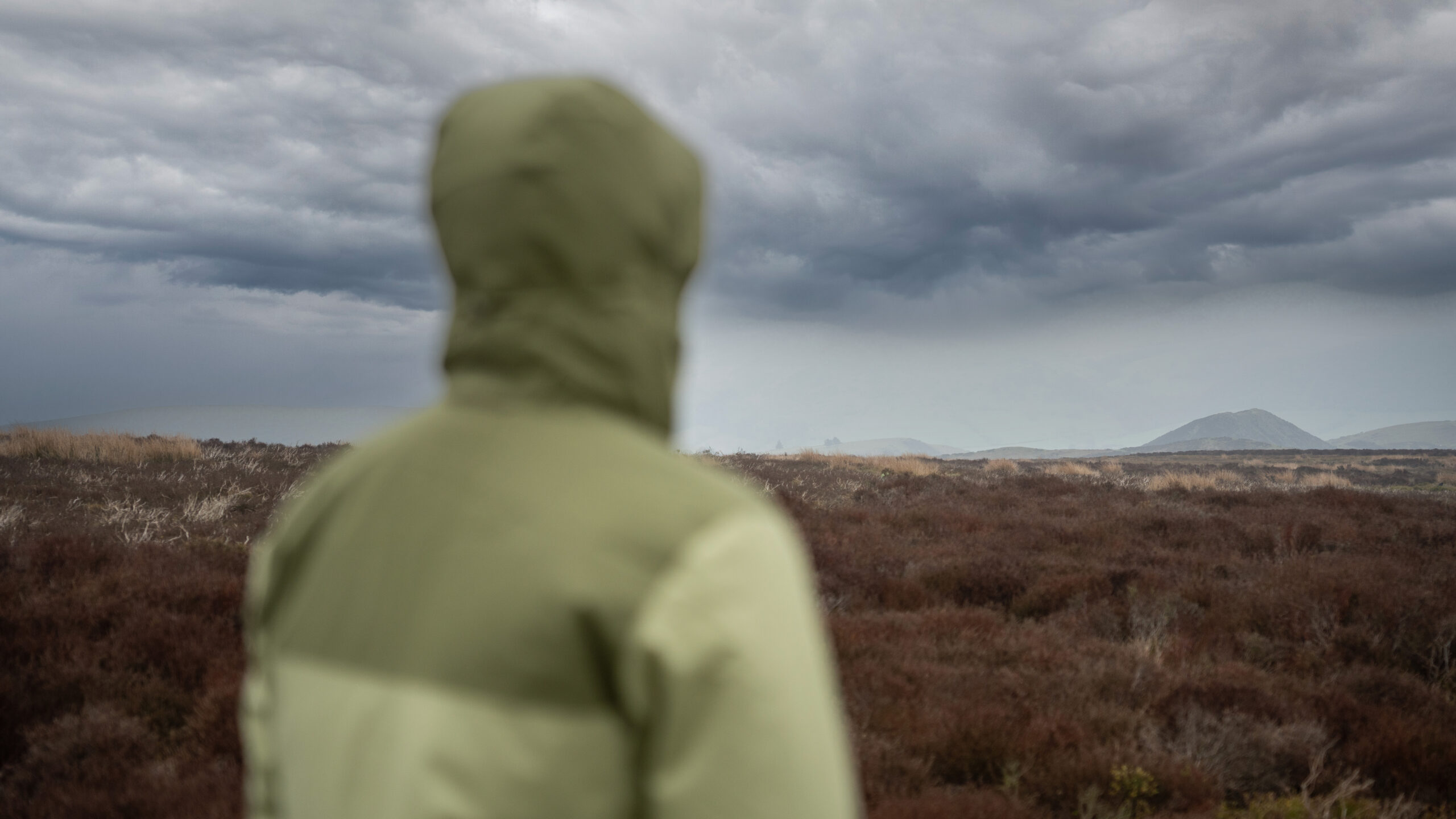
The marketing departments of fabric and product manufacturers make extravagant claims that raise expectations not only for clothing but also for footwear. However, in very wet conditions, in boggy terrain and especially in long wet grass, water will get inside your boots.
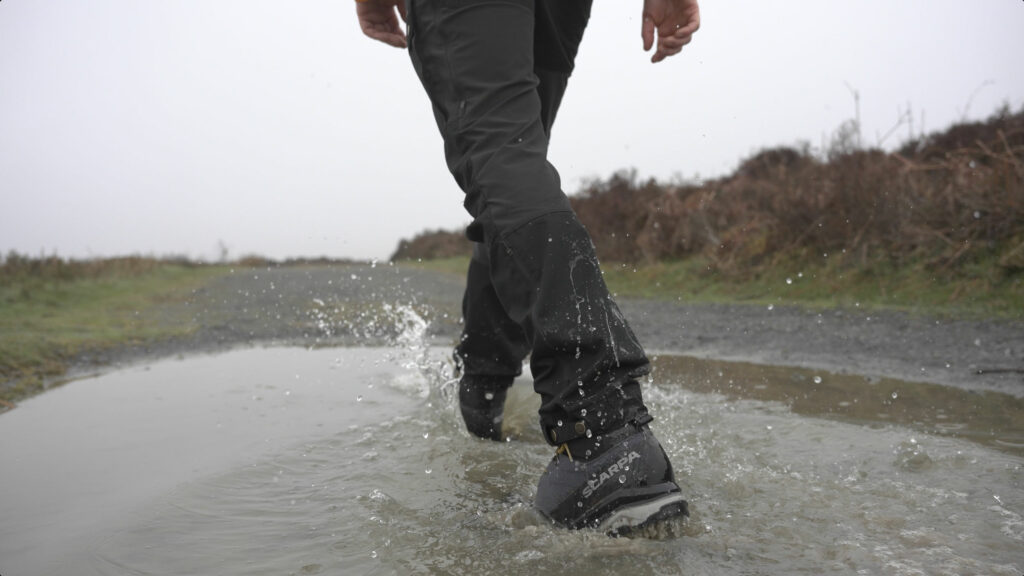
How do we stop water getting in?
Is my outdoor gear waterproof? Tips for Minimising Water Ingress
Well, to be honest, it is almost impossible.
For clothing, simply ensuring that all zips are done up. Sleeve cuffs and hem drawcords are tight and hoods are correctly secured will certainly help to minimise water ingress. In footwear, the use of gaiters will also reduce water ingress; especially in the dreaded long wet grass. Proper care and maintenance of your kit will also help to keep it performing well. Think of it like servicing your car — it needs to be done properly and regularly.
Finding Joy in the Rain
But, honestly, the simplest, most effective way to negate the misery associated with being wet is just to accept that, you are going to get wet whether you like it or not. Learn to enjoy the unpredictable nature of our climate. Appreciate the changing light, the sound of the rain bouncing off the fabric, the warmth of your flask re-heating your hands when you’re granted a weather window. That moisture slowly seeping into your socks is simply part of the weird and wonderful experience of outdoor life. That’s one of the reasons we return to time and time again.
Is my outdoor gear waterproof? Stay Dry in Wet Conditions
Psychology aside, you don’t have to stay soggy just because you get wet from time to time. When it comes to clothing, opt for a technical layering system made of modern materials that absorb less water and dry quickly. Wearing a cotton tee shirt under your expensive Gore-Tex jacket is not advisable because cotton absorbs moisture like a sponge and takes a long time to dry. Moreover, it could be soaked in sweat even after light exertion. For footwear, make sure to wear technical walking socks that fit well and wick moisture away. You may also consider using gaiters to direct water away from your newly-acquired technical socks.
So, next time you’re plodding through a seemingly never-ending mountain bog, wading through long wet grass or linking trigs in sideways rain, take a minute to think: “Is my *insert product* leaking, or is this just water doing what water does best?”
We hope you found our blog post Is My Outdoor Gear Waterproof? informative and useful. If you enjoyed it, be sure to check out our other blog posts, including our latest one on the Top 10 Winter Walking Tips. Thank you for reading and happy adventuring!
Leave a Reply