
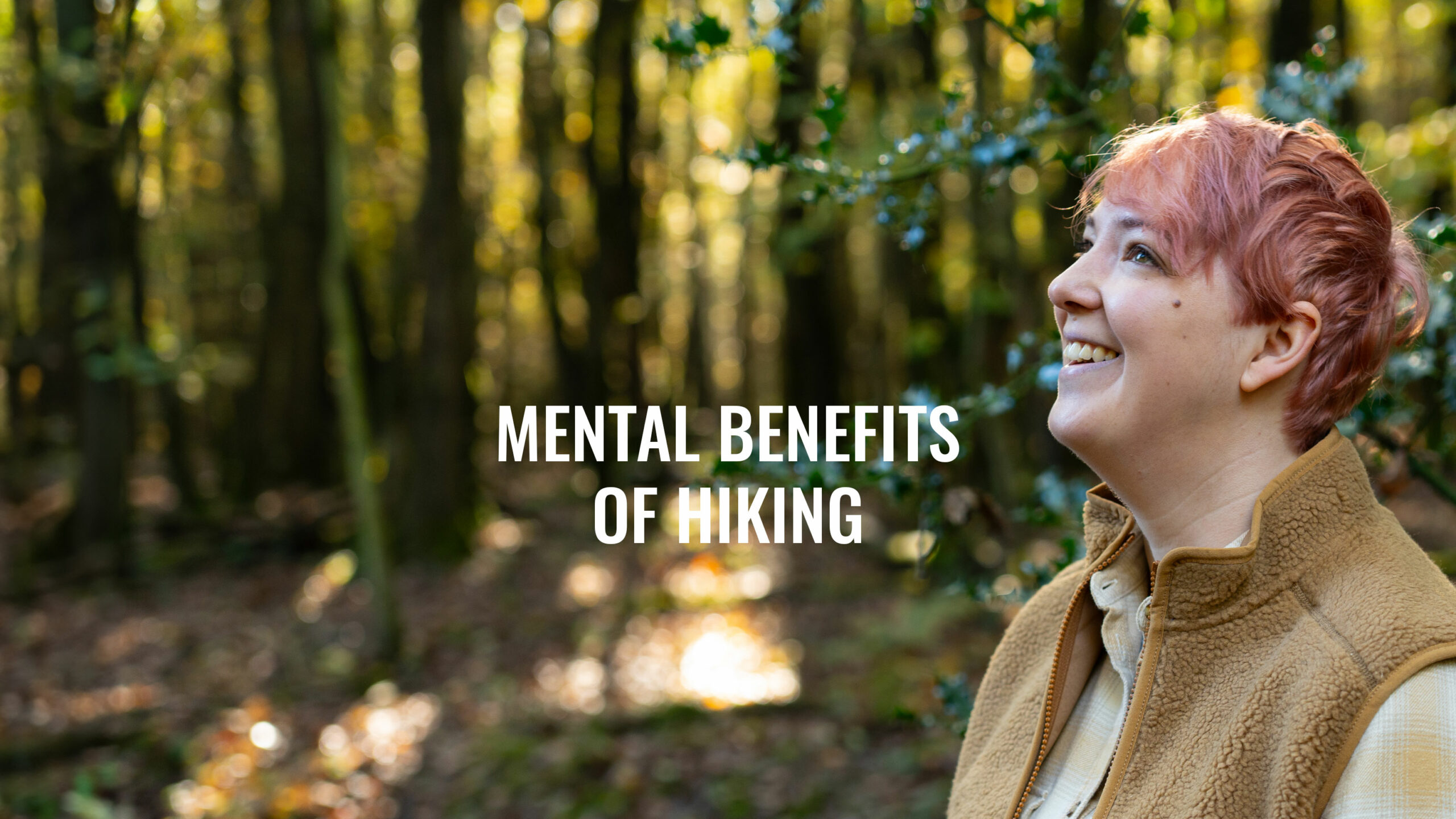
Mental Benefits of Hiking

Author: Trekitt Gear Team
Outdoor specialists and passionate hikers with years of experience exploring the UK’s mountains, forests and trails in all seasons. From short countryside walks to long-distance hikes and wild camping trips, we understand first-hand how time outdoors can positively impact stress levels, focus, mood and overall mental wellbeing. This guide combines practical hiking experience with a deeper understanding of how spending time in nature can help support a healthier, more balanced mind.
Feeling the call of the trail? This guide highlights the powerful mental boost hiking offers—think stress relief, sharper focus, and a renewed sense of self.
In SHORT…
-
Why hiking is more than just physical exercise: You’ll discover how heading into nature can offer far more than a workout
-
How time outdoors can spark mental clarity: Hiking has a way of unlocking focus and creativity in ways you might not expect.
-
What deeper changes regular hiking can bring: Beyond the obvious, there are long-lasting mental shifts that frequent hikers often notice over time.
Leaving behind the noise and chaos of daily life, finding peace and clarity seems like a distant dream. Yet, there’s a simple, age-old activity that offers a surprising array of mental benefits—hiking. Stepping out into nature and taking a scenic hike is not just good for the body. It profoundly nurtures the mind. In this blog, we’ll delve into the mental benefits of hiking, exploring how this serene activity can improve your mood, enhance your creativity, and even bolster your emotional resilience.
Understanding the Mental Health Benefits of hiking
Hiking isn’t just about putting one foot in front of the other; it’s a journey towards inner tranquillity. Research has shown that hiking can significantly reduce stress, elevate mood, and alleviate symptoms of anxiety and depression. The rhythmic motion of walking combined with the serene surroundings of nature create an optimal environment for mental rejuvenation.
Here’s a detailed look at the mental benefits of hiking, explaining each benefit and how it works:
1. Stress Reduction
Hiking helps reduce stress through a combination of physical exercise and exposure to nature. Physical activity increases the production of endorphins, which are natural mood lifters. Additionally, being in a natural setting has been shown to lower cortisol levels, a stress hormone. This dual impact can create a profound sense of relaxation and tension relief.
2. Mood Enhancement
The simple act of walking in a rhythmic manner can boost your mood. This is enhanced by the natural beauty environment of hiking trails, which can shift focus away from negative thoughts. The endorphins released during physical activities also play a crucial role in enhancing overall mood.
3. Alleviation of Anxiety and Depression
Regular hiking can significantly ease symptoms of anxiety and depression. The physical exertion of hiking boosts neurotransmitters like serotonin and dopamine, which play vital roles in mood regulation. Immersing oneself in the tranquil settings of nature also provides a natural distraction from the repetitive negative thought patterns commonly associated with these mental health challenges. This blend of physical activity and sensory engagement creates an ideal environment for mental health improvement.
4. Cognitive Function Improvement
Spending time in nature, away from the constant stimuli of urban environments, allows the brain to relax, rejuvenate, and restore its focus. Studies suggest that interacting with natural environments can improve memory and attention span.
5. Enhanced Creativity
Engaging with natural environments can stimulate the senses in unique ways, enhancing creativity. The sensory input from forests, mountains, and fields can spark new ideas and perspectives, often leading to creative insights.
6. Reduced Rumination
Hiking fosters a heightened sense of presence in the moment, guiding attention away from repetitive negative thoughts—a phenomenon known as rumination. The physical demands of hiking, coupled with the captivating allure of natural landscapes, serve as powerful interruptions to this cycle, nurturing a more balanced and resilient mental state.
7. Long-Term Mental Resilience
The combination of all these factors contributes to long-term mental resilience. Regular engagement with challenging trails and beautiful landscapes helps build coping strategies and strengthens the mind against future stressors.
Next time, when you lace up your hiking boots, think that you’re not just embarking on a physical journey; you’re indulging in a holistic therapy session that nurtures your mind, body, and soul.

Social Benefits of Hiking
While hiking can be a solo endeavour, it also presents ample opportunities for social connection. Whether trekking with friends or family or joining a hiking group, the shared experience fosters bonds and cultivates a sense of belonging. These interactions enhance social connectedness and act as a buffer against feelings of loneliness and isolation. As you traverse the trails together, you’re not just forging memories but weaving the fabric of community and resilience.
This sense of community is further enriched as hikers often join impromptu teams, tackling natural challenges together. Whether it’s supporting one another up a steep incline or sharing water and snacks during breaks, every action builds trust and friendship. Many find that conversations flow more freely in the great outdoors, away from the distractions of daily life, allowing hikers to deepen relationships in more conventional settings.
Additionally, group hiking events and clubs serve as great social venues. These gatherings can transform a routine trail into a lively exchange of encouragement and laughter, where new friendships are just a step away. Events like National Trails Day encourage people from diverse backgrounds to unite, promoting physical health and social well-being.
For those seeking a sense of purpose and community involvement, conservation hikes or trail maintenance days offer a chance to contribute to environmental stewardship while meeting others with similar values. Engaging in these activities can strengthen one’s connection to the environment and to fellow participants, creating a shared sense of accomplishment.
Hiking Tips for Mental Health in Nature
To harness the full potential of hiking for mental wellness, it’s essential to approach it with intentionality and mindfulness. Set realistic goals that challenge you without overwhelming you and choose trails that resonate with your fitness level and preferences. Practice mindfulness techniques such as deep breathing and meditation during your hikes, allowing yourself to fully absorb nature’s sights, sounds, and sensations.
Here are some popular practices that can enhance your hiking experience:
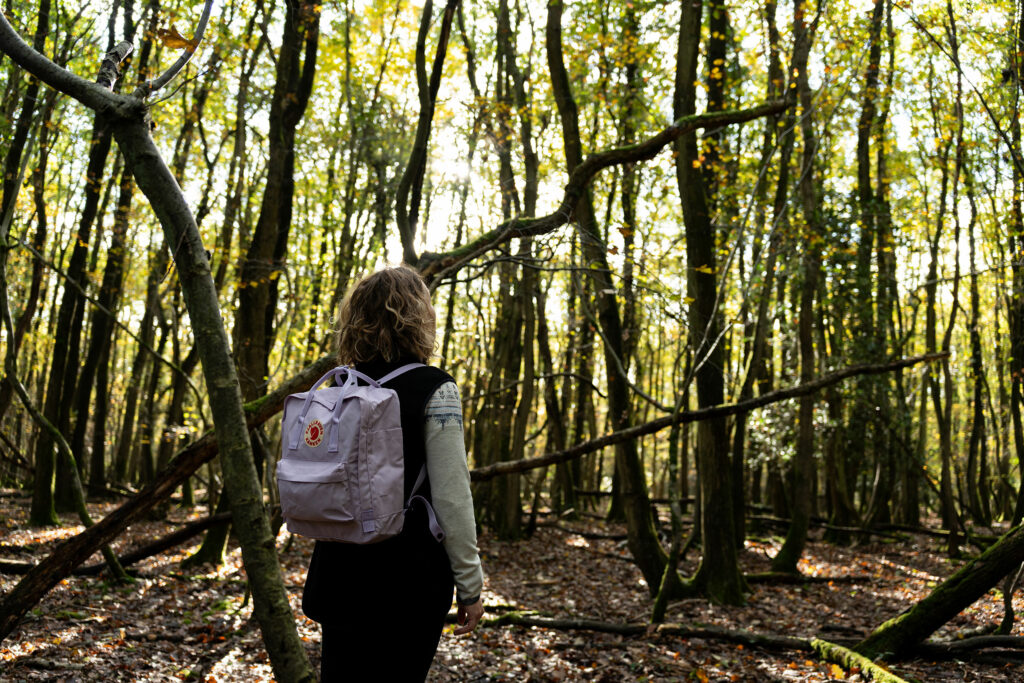
Forest Bathing (Shinrin-yoku)
Originating in Japan, forest bathing is the practice of taking in the forest atmosphere through a slow, mindful walk. It encourages absorbing the surroundings using all senses, which is believed to reduce stress and improve mental well-being. While hiking, you can implement this by pausing to notice the details of the natural environment, like the sound of leaves rustling or the scent of the woods.
Digital Detox
Use hiking as an opportunity to disconnect from electronic devices. This can help you connect more deeply with nature and the people around you, promoting greater presence and engagement.
Nature Journaling
Bring along a small notebook and take the time to jot down or sketch what you see, hear, and feel. This not only enhances your observational skills but also creates a memorable record of your hike.
Photography Walks
While hiking, practice photography, focusing on capturing unique details or moments that embody the essence of the place. This can increase your appreciation of the natural world and improve your photographic skills.
ASMR While Hiking
As you hike, take a moment to immerse yourself in the soothing, rhythmic sounds of nature—the rustling of leaves, the crunch of dirt underfoot, the gentle flow of a stream. These natural sounds can create a calming experience similar to ASMR, helping to reduce stress and enhance your connection to the environment. For a perfect example, join Ben from Trekitt on a silent hike to the summit of Cadair Idris (Penygadair), where he recorded the serene sounds of the trail, offering a truly peaceful experience.
Leave No Trace
This set of principles is vital for conserving the natural environment and ensuring that others can enjoy pristine wilderness areas. Practices include packing out all trash, staying on trails to avoid damaging native flora, and being considerate of wildlife and other hikers.
Best Types of Walks for Mental Wellbeing
Different types of walks can affect the mind in different ways. Some help reduce stress and mental fatigue, while others build confidence, improve focus, or encourage emotional reflection.
The best type of hike for mental health often depends on how you’re feeling and what you need mentally at that moment.
| Type of Walk | Best For | Mental Health Benefits | Why It Helps |
| Forest Walks | Stress relief & calming the mind | Reduced anxiety, lower stress levels, mindfulness | Forest environments naturally reduce sensory overload. The sounds, smells, and slower pace encourage relaxation and present-moment awareness. |
| Mountain Hikes | Confidence & resilience | Sense of achievement, mental strength, emotional resilience | Challenging climbs push you outside your comfort zone and create a rewarding sense of accomplishment once completed. |
| Coastal Walks | Emotional reset | Calmness, mood improvement, reduced mental fatigue | The rhythmic sound of waves, open space, and sea air can create a deeply calming effect and help clear mental clutter. |
| Long-Distance Trekking | Reflection & perspective | Mental clarity, emotional processing, self-discovery | Spending extended time walking allows the mind to slow down, making space for reflection and deeper thinking. |
| Solo Hikes | Reconnection with yourself | Independence, confidence, reduced overwhelm | Walking alone removes distractions and creates quiet space for self-reflection and emotional balance. |
| Group Hikes | Social wellbeing | Reduced loneliness, emotional support, motivation | Shared outdoor experiences strengthen social connection and create a sense of belonging and encouragement. |
| Gentle Countryside Walks | Everyday stress relief | Relaxation, improved mood, mental recharge | Easy-paced walks in green spaces can help reset the nervous system without physical exhaustion. |
| Sunrise Walks | Mental clarity & motivation | Positive mindset, energy boost, emotional balance | Morning light exposure helps regulate circadian rhythm and can improve mood and focus for the rest of the day. |
| Sunset Walks | Relaxation after stressful days | Stress reduction, reflection, emotional calm | Slower evening walks help the mind unwind and transition away from work stress and screen fatigue. |
| Woodland Walks in Rain or Mist | Grounding & mindfulness | Emotional slowing-down, sensory awareness | Quiet weather conditions often heighten focus on natural sounds and surroundings, encouraging mindfulness. |
| Fast-Paced Fitness Hikes | Releasing mental tension | Endorphin release, stress reduction, mental reset | More intense hiking can help release built-up stress and improve mood through physical exertion. |
| Multi-Day Backpacking Trips | Deep mental reset | Perspective shift, resilience, emotional recovery | Spending several days outdoors removes many daily distractions and creates stronger connection with nature and routine simplicity. |
There’s No “Perfect” Type of Hike for Mental Health
Some people feel mentally restored after quiet woodland walks, while others need physically demanding mountain hikes to fully disconnect from stress and overthinking.
The most important thing is finding outdoor experiences that help you:
- Slow down mentally
- Disconnect from daily pressures
- Feel present in the moment
- Reconnect with yourself and nature
Even shorter local walks can provide meaningful mental health benefits when done regularly.
How Celebrities Use Hiking to Navigate Mental Health
One of the real-life examples of a sports figure who found solace and mental rejuvenation in hiking is Kevin Love, a professional basketball player for the Cleveland Cavaliers in the NBA. Love has been open about his struggles with anxiety and depression, and he credits hiking as a crucial component of his mental health routine.
Love often shares his hiking adventures on social media, highlighting the therapeutic benefits of spending time in nature. He describes hiking as a form of meditation that allows him to disconnect from the pressures of professional sports and reconnect with himself on a deeper level.
From Heartbreak to Healing: Cheryl Strayed’s Journey on the Pacific Crest Trail
Another great example is Cheryl Strayed, the author of the bestselling memoir “Wild: From Lost to Found on the Pacific Crest Trail.” Strayed’s story resonated with millions of readers worldwide. She recounted her solo hike along the Pacific Crest Trail (PCT) in the wake of personal tragedy and turmoil.
After experiencing the loss of her mother, the end of her marriage, and a period of self-destructive behaviour, Strayed embarked on a journey of self-discovery by hiking over 1,000 miles along the rugged terrain of the PCT. Throughout her hike, she grappled with physical challenges, emotional turmoil, and the complexities of grief and healing.
Despite the hardships she faced on the trail, Strayed found solace and strength in the wilderness. The simplicity of hiking—became a metaphor for navigating life’s obstacles and finding resilience in the face of adversity.
Peak Reflection: Alastair Humphreys’ Expedition into Mental Health
Another prominent figure who has drawn significant mental health benefits from hiking is Alastair Humphreys, an adventurer and author renowned for his extensive outdoor expeditions. Humphreys has frequently discussed how long-distance hiking and adventure, including his journey around the world by bike, have been vital in managing stress and mental fatigue. His commitment to “micro-adventures” encourages people to engage with nature, even if it’s just overnight or for a weekend close to home. He believes that walking through natural landscapes is a powerful antidote to the noise and rush of daily life, providing a space for reflection and a fresh perspective on personal challenges. Through his adventures, Humphreys highlights how embracing the simplicity and unpredictability of nature can lead to profound personal growth and emotional recovery.
These experiences highlight the transformative power of hiking for mental health. The advocacy for mental health awareness, combined with nature’s healing properties, has motivated countless individuals to put on hiking boots and set out on their quests for inner peace and resilience.
Can Devices Help Support Mental Well-being While Hiking?
If you’re using hiking as a way to improve mental well-being, recovery, sleep, and reduce stress, outdoor watches from Garmin and Suunto can actually complement that experience surprisingly well.
Unlike tracking activity through your phone, dedicated outdoor watches help you stay connected to the trail without constantly looking at a screen, checking notifications, or getting pulled back into emails and social media. That matters because one of the biggest mental benefits of hiking comes from temporarily disconnecting from digital overload.
Many hikers find that using a watch instead of repeatedly reaching for a phone helps them stay:
- More present
- More mindful
- Less distracted
- More connected to nature
Modern Garmin and Suunto watches now focus heavily on wellbeing and recovery, not just steps or calories.
Both brands offer features designed to help users better understand:
- Stress levels
- Sleep quality
- Recovery
- Nervous system fatigue
- Energy levels
- Overall readiness
For people dealing with busy lifestyles, burnout, overthinking, or mental fatigue, this can help build better awareness of how hiking and time outdoors positively affect overall well-being.
Garmin vs Suunto for Mental Wellbeing & Hiking
Garmin: Better for Recovery Insights & Stress Awareness
It is often the better choice for people who enjoy detailed wellness data and recovery tracking while hiking and ineveryday life.
Features like:
- Body Battery
- HRV Status
- Stress Tracking
- Sleep Score
- Recovery Insights
help users understand how factors like work stress, poor sleep, intense exercise, or long hikes affect overall energy and recovery levels.
Many hikers find Garmin especially useful for recognising:
- Mental fatigue
- Stress accumulation
- Overtraining
- Poor recovery habits
- Sleep disruption
Garmin’s ecosystem is highly data-driven, making it ideal for people who enjoy monitoring trends and understanding how outdoor activity positively affects their body and mind over time.
Suunto: Better for Simplicity & Mental Disconnection
Suunto takes a more minimalist approach.
While modern Suunto watches still include recovery and wellness features, the overall experience tends to feel less “data-heavy” and more focused on outdoor adventure itself.
Many hikers prefer Suunto because:
- The interface feels simpler
- The watches are less distracting
- The experience feels more outdoors-focused
- There is less pressure to constantly analyse metrics
For people who use hiking specifically as a digital detox or mental reset, Suunto’s cleaner, more minimal experience can feel psychologically refreshing.
The focus shifts more towards:
- Navigation
- Movement
- Time outdoors
- Adventure
- Simplicity
rather than constant performance optimisation.
Garmin vs Suunto for Mental Wellbeing During Hiking
| Feature | Garmin | Suunto |
| Stress tracking | More advanced | Simpler |
| Recovery insights | Excellent | Good |
| Sleep tracking | Detailed | Balanced |
| HRV monitoring | Strong focus | Present but lighter |
| Mental wellbeing focus | Recovery & nervous system awareness | Simplicity & outdoor immersion |
| Notifications & distractions | Moderate | Lower |
| Best for | Data-driven wellbeing tracking | Mental disconnection & minimalist hiking |
| Hiking navigation | Excellent | Excellent |
| Battery life | Excellent | Excellent |
Which Is Better for Mental Health While Hiking?
There isn’t really a “winner”; it depends on what helps you mentally switch off best.
Choose Garmin if you:
- Enjoy understanding recovery and stress patterns
- Like detailed health insights
- Want deeper sleep and HRV tracking
- Enjoy analysing long-term wellbeing trends
Choose Suunto if you:
- Prefer simplicity
- Want fewer distractions
- Use hiking mainly as a mental escape
- Value outdoor immersion over detailed data
In both cases, outdoor watches can offer a healthier balance than constantly checking a smartphone during hikes. The goal is not to obsess over data, but to support healthier habits, greater awareness, and more intentional time outdoors.
Pathways to Peace: Ending Notes
As we’ve explored, hiking is more than just a leisure activity; it’s a powerful tool for enhancing physical, mental, and emotional well-being. For those in the UK seeking support with mental health, remember that help is readily available.
Organisations like Mind (www.mind.org.uk) offer a wealth of resources and assistance to help you on your journey toward mental wellness. Additionally, you can reach out to Samaritans (www.samaritans.org) at any time, day or night, for confidential emotional support.
Another option is the NHS Mental Health Helpline, which provides guidance and access to local services. Whatever you’re going through, know that there are people ready to listen and help
For those preparing to embark on their hiking journey, Trekitt offers excellent customer service to help you select the right gear for your adventures. Embrace the trail and discover how it can positively impact your mental well-being.
FAQ
Hiking promotes happiness by triggering the release of endorphins, often referred to as the body’s natural ‘feel-good’ hormones. This biochemical reaction reduces stress and elevates mood, contributing to an overall sense of well-being. Moreover, being outdoors and immersed in the beauty of nature can provide a profound sense of peace and satisfaction.
Absolutely, hiking is a potent antidote to anxiety. The physical activity involved helps to decrease cortisol levels, the body’s primary stress hormone, which can alleviate feelings of anxiety. Furthermore, the calming effect of nature and the rhythmic pattern of walking can induce a meditative state, promoting relaxation. These benefits are enhanced by the disconnection from daily stresses, allowing you to reset mentally and emotionally with each hike.
Hiking offers significant benefits for individuals with ADHD. The natural settings provide a distraction-free environment that can help in managing impulsivity and promoting longer attention spans. Activities in green spaces have been shown to enhance cognitive functioning and increase focus in those with ADHD. Additionally, the physical exercise involved in hiking helps to burn off excess energy and stimulate brain regions that are involved in attention and sensory processing.
Engaging in regular hiking can lead to a multitude of health benefits. Physically, it enhances cardiovascular health by strengthening the heart and improving circulation. It contributes to better overall fitness levels through varied terrain that challenges the body. Mentally, the activity has been shown to boost mood and increase mental resilience. Frequent hikes can also deepen your connection to nature, providing benefits such as reduced stress and increased feelings of happiness and contentment.
Hiking releases several hormones that contribute to physical and mental well-being, primarily endorphins, serotonin, and dopamine.
Endorphins: Often referred to as the body’s natural painkillers, endorphins are released during physical activities like hiking. They help reduce pain and stress while promoting feelings of euphoria and happiness.
Serotonin: Hiking, especially in natural settings, can boost serotonin levels. This hormone regulates mood, reduces anxiety, and promotes overall well-being.
Dopamine: Known as the “reward” hormone, dopamine is released when you achieve something, such as reaching a summit or completing a hike. It encourages a sense of accomplishment and reinforces positive behaviours.
Together, these hormones contribute to the mental and physical benefits of hiking, making it an excellent way to boost mood, reduce stress, and improve overall health.
Leave a Reply