
The Value Proposition: Beyond Price Tags
Wondering what really makes outdoor gear a good investment beyond just the price tag? Let’s explore the deeper meaning of value—combining quality, purpose, aesthetics, and longevity—to help you make smarter purchasing decisions.
In SHORT…
-
What defines the true value of outdoor equipment? Understand how quality, fit for purpose, beauty, and durability interplay to create real value beyond cost.
-
Why is the cheapest option often not the best? Learn about hidden costs of low-quality gear, including reduced lifespan and poor performance.
-
How can you calculate value effectively? Discover a simple formula to compare products and find gear that truly offers the best long-term worth.
The concept of ‘value’ is one that, for a lot of people, immediately conjures up visions of lower-priced items. Also products with oversized star-shaped stickers with ‘sale’ plastered over them. However, the value proposition is a much more complicated beast than this simple explanation offers to describe. Value in a bought object can be seen as a combination of quality, fitness for purpose, beauty and longevity. These attributes can be further broken down. They also cross over with each other—although for the purposes of this blog, let’s stick to basics. It is my contention that the best value is the best possible vector of these four attributes combined with the purchase price. This can be subjective, but there is still an underlying principle that works fairly well.
The Value Proposition: attributes
- Quality (Q) – How well made is the object I am buying? Are the materials used safe? Are they from reputable sources? Is it environmentally and ethically considerate?
- Fit for purpose (F) – Will the object do what I want it to and has it been designed to meet my needs?
- Beauty (B) – Do I like the look of it? Is it pleasing to me? (This is a lot more important than you may think).
- Longevity (L) – How long will it serve me, and how well?
Unpacking Value: More Than Meets the Eye
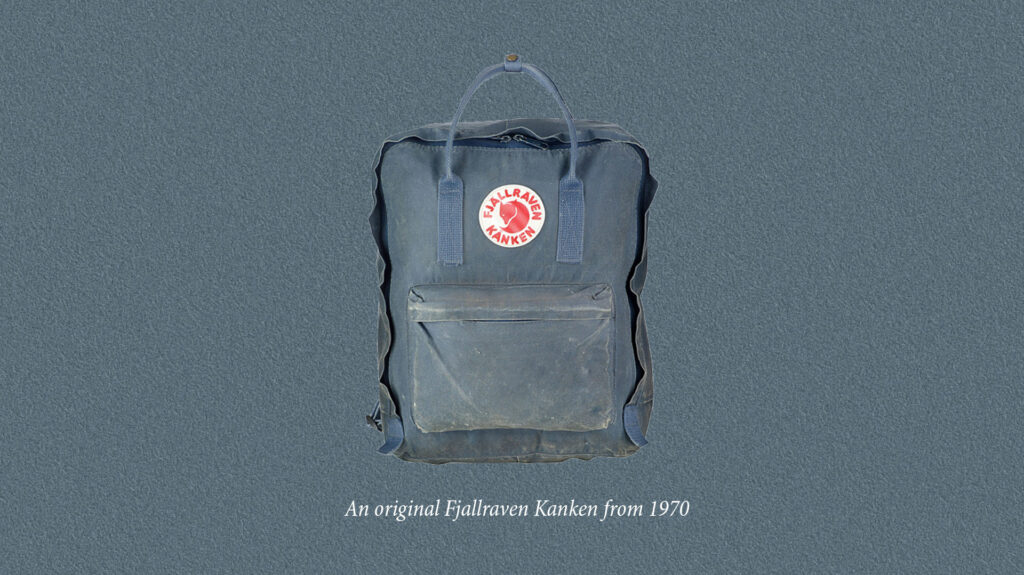
After considering the above, we have to conclude whether we are prepared to pay for the object. In the ‘good old days’, most desirable objects were extremely well made and from the best available materials. They were fit for purpose, and as well as being good to look at, they lasted a long time. The downside was that they were expensive. They were only available to an elite few, but that was OK because everybody else didn’t need these products.
The shift from quality to affordability
Along came consumerism to change all this. Suddenly everyone could have everything and the relative cost of objects to incomes dropped sharply. Ideas such as ‘design life’ came into being, and as the customer became king, so price became his mighty sword. Designers started with a selling price and designed objects so that they could be made to meet that price after various margins had been taken. Production became mobile and moved around the globe to find the cheapest supply of labour (the most expensive component). All of this is fine if you have an inexhaustible supply of energy and raw materials. Plus a place to dump all of the things that are no longer any use.
The Importance of Making Informed Choices When Buying Outdoor Kit
Within this framework, however, we can exercise choice, and I would say it is all the more important that we do. It is true that the best made, highest quality items generally do cost more, but when you work through a few details, it becomes apparent that the cheapest is not always the best value. This is all particularly true of outdoor kit, where there is such a large variance of quality in the items offered to the bewildered consumer, with widely varying performance and materials used, as well as technical features which affect fitness for purpose. Some would go as far as to say that many ‘value’ retailers are actually selling landfill. The products they sell serve only to move money from the customers to the organisations that feed off the sale: retailers, factories, landlords, banks et al.
The Dangers of Opting for Cheap and Low-Quality Outdoor Gear
The customer is unknowingly funding a system of exploitative production through purchasing an item that’ll be discarded fairly quickly, and without getting any real benefit from. Better not to buy anything at all than buy something that doesn’t work very well, or that will fail in use. This is easy to illustrate in the case of high altitude sleeping bags for instance, where you will simply die if the product does not work effectively, and for a reasonable duration.
The Value Proposition: A Simple Formula for Making Informed Purchases
The formula is simple, but applying it to everyday life to the point where it becomes routine will be a trickier task. As a simple measure, I would suggest marking the object you are considering buying out of ten using the three aforementioned attributes (Q, F, B), then multiply by L (number of years you will get good use from this object). That will give you an item average quota. If you do the same for a cheaper product, you will most likely see a lower average quota as the longevity is much shorter for cheaply made products. By dividing the asking price by the quota, you can find an average price per point of quota for the object. You may well then find that the more expensive object is in fact cheaper — it is offering better value. I have used the two jackets shown below as an example.
Life examples
For the ‘cheap packable bin bag-type jacket sold by many manufacturers but for legal reasons we can’t mention a brand name’…
Q = 2
F = 4
B = 3
Multiplied by 2 (L, longevity) = 18
£40.00 (RRP) divided by 18 = Item Average Quota of £2.22
For the Mountain Equipment Lhotse Jacket…
Q = 9
F = 10
B = 8
Multiplied by 8 (L, Longevity) = 216
£450 (RRP) divided by 216 = Item Average Quota of £2.08
The Importance of Quality Retailers in Adding Value Through Service and Backup
Value can also be added by the quality retailer, through the service and backup they provide. It’s an overlooked truth that the retailer can only offer this if the customer is prepared to pay for it. The retailer in turn should feel obliged to offer the backup without complaining. It is also the quality retailers job to sift through products and to select the ones that perform the value quota calculation above to best effect. We then need to communicate this to our customers so they can understand why we have made these choices, and to trust us. I am not saying we always know best, but it is our job to try to know best, and to keep trying.
“Price is what you pay. Value is what you get.” – Warren Buffett
Leave a Reply