
What Is Supercritical Foam?
If you have been shopping for trail running shoes recently, there is a good chance you have come across the term “supercritical foam” and wondered whether it is a genuine advancement in footwear design or simply the latest industry buzzword.
That is a fair question, because trail running brands are constantly introducing new materials and technologies, many of which disappear as quickly as they arrive. Supercritical foam has done the opposite. It has rapidly moved from niche race-day footwear into mainstream trail shoes, and that usually tells you something important.
In this case, it solves a problem trail runners know well.
How do you build a shoe that delivers long-distance cushioning, low weight, good energy return and enough stability for rough terrain without compromising one for the sake of another?
Traditionally, that balance has been difficult to achieve. More cushioning often meant more weight. Softer midsoles could feel unstable. Durable shoes sometimes felt firm and unforgiving after long hours on the trail.
Supercritical foam has changed that balance significantly.
In this guide, we are going to break down what supercritical foam actually is, how it is made, why it performs differently from traditional midsoles, and whether it is something worth looking for in your next pair of trail running shoes.
IN SHORT…
-
Understand the technology: learn what supercritical foam actually is and why it feels lighter, softer and more responsive than traditional midsoles
-
Explore the science: see how heat, pressure and gas expansion transform standard polymers into high-performance trail running foams
-
Compare foam types: understand how EVA, TPU, PEBA and TPEE differ in cushioning, rebound, stability and durability
-
Consider real trail performance: discover where supercritical foam excels, from ultra-distance comfort to fast, runnable terrain
-
Match shoes to your running: learn why some supercritical shoes feel energetic and race-focused while others prioritise stability and long-distance comfort
This article is part of our 👉 Trail Running Knowledge Centre, where you’ll find expert advice on trail running shoes, clothing, hydration systems and training tips. From choosing the right trail shoes for different terrain to understanding cushioning, grip, fit and running kit essentials, our guides are designed to help you run further, faster and more comfortably on the trails.
So, What Actually Is Supercritical Foam?
At its core, supercritical foam is a more advanced type of midsole foam designed to improve the balance between cushioning, weight and responsiveness in running shoes.
Compared to more traditional foams, supercritical midsoles are typically:
- Lighter
- Softer under impact
- More responsive during toe-off
- Better at resisting long-term compression
- More efficient at balancing cushioning and weight
For trail runners, that means brands can build shoes that feel highly cushioned and protective without becoming excessively heavy or bulky underfoot.
The technical side of how this works is fairly interesting, which we will get into properly later in the article, but the short version is that the manufacturing process creates a much more refined internal foam structure than traditional methods.
The easiest way to think about it is like bread.
Traditional foam can be a bit like badly risen dough, with inconsistent air pockets and denser sections throughout. Supercritical foam is perfectly proofed. The internal air pockets are smaller, more evenly distributed and more controlled, creating a more predictable and efficient structure.
How Is Supercritical Foam Different From Traditional EVA?
To understand why this matters, it helps to understand what most midsoles used to look like.
For years, EVA, or ethylene-vinyl acetate, was the standard.
And to be fair, it still does a good job.
EVA is dependable, reasonably lightweight, easy to mould and relatively affordable. That is why it became the default for so long.
But it has limitations.
Traditional EVA has a few common weaknesses:
- It loses its shape more quickly over time
- It absorbs impact well, but returns less energy
- It tends to feel flatter as mileage builds up
- It often needs more material to achieve high levels of cushioning
That last point is particularly important in trail running. More cushioning usually means more foam. More foam usually means more weight.
That trade-off has always been one of the biggest design challenges in trail footwear.
Supercritical foam changes that equation.
Because the foam expands more efficiently and contains a higher air-to-material ratio, brands can achieve similar, or often better, cushioning with less mass. That is why modern trail shoes can feel highly cushioned without feeling bulky.
How Supercritical Foam Is Made
This is where the science gets more interesting.
The process itself is more advanced than standard foam production, but the logic behind it is fairly simple.
The process usually follows four key stages:
1. Choosing the base material
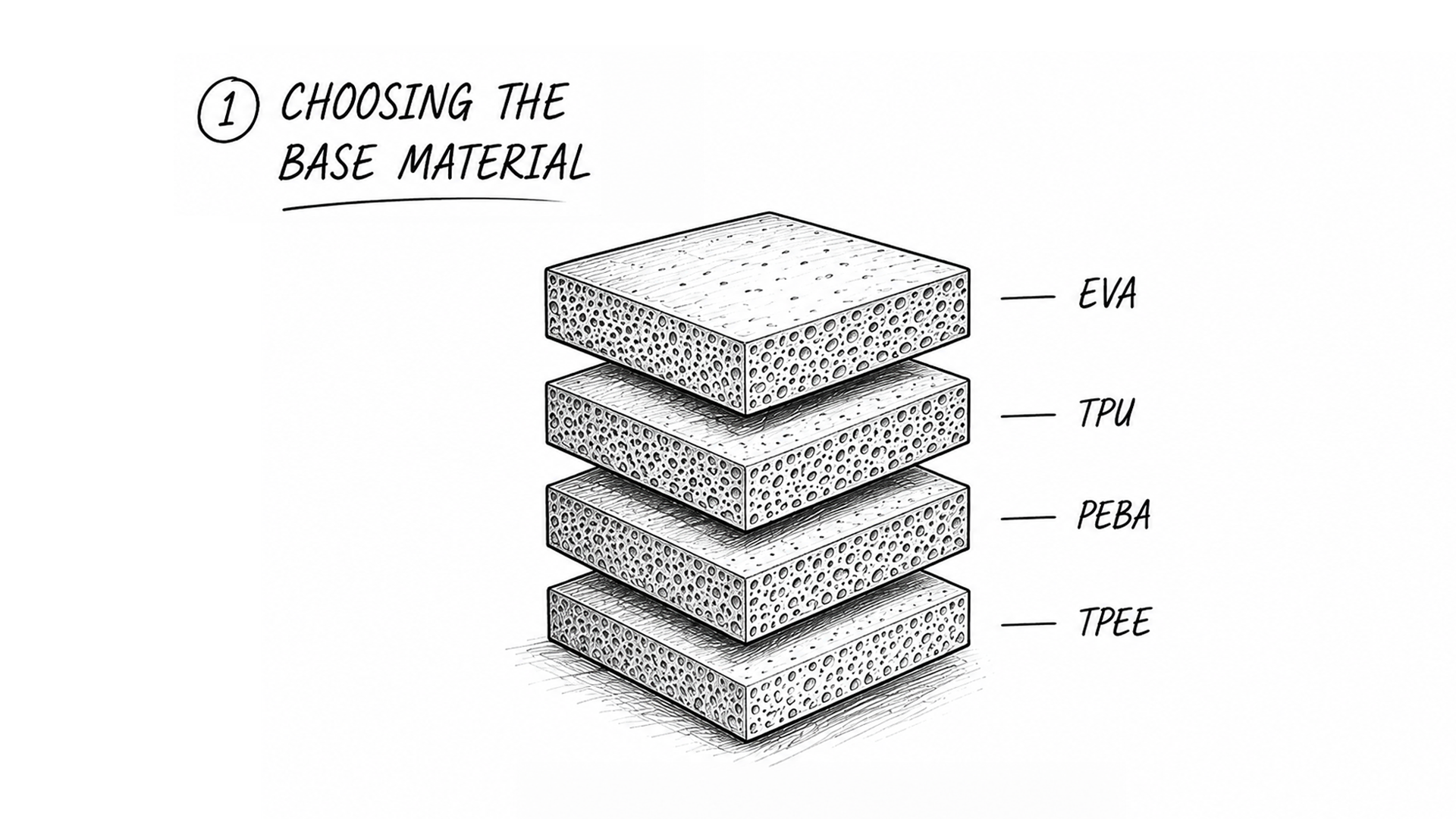
One of the most important things to understand is that “supercritical” refers to the manufacturing process, not the foam material itself. Brands can apply this process to several different polymers depending on the type of ride they want the shoe to deliver.
Common examples include:
- EVA
- TPU
- PEBA
- TPEE
Each material affects the final feel of the shoe quite differently, which is why two trail shoes can both use supercritical foam and still feel completely different once you start running in them.
We will look at how these materials compare later, but for now, the important thing to understand is that the supercritical process improves the foam structure itself, while the base material still plays a major role in cushioning, rebound, stability and overall ride feel.
2. Introducing the gas
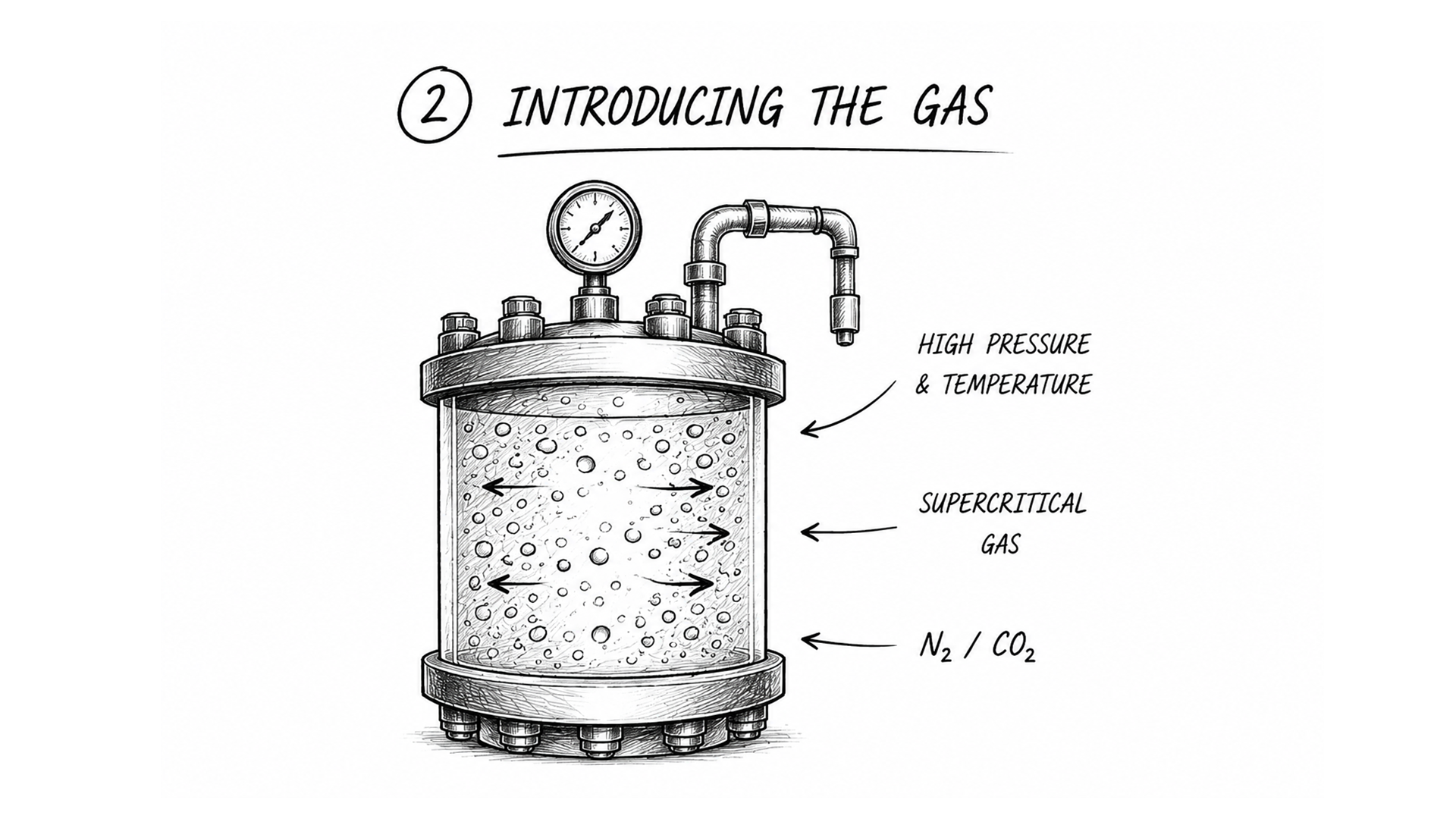
Once the base polymer has been selected, it is placed under high pressure while nitrogen or carbon dioxide is introduced into the material.
Under these conditions, the gas enters a supercritical state, allowing it to move through the polymer far more evenly than traditional expansion methods. This stage requires a huge amount of precision because small changes in pressure or temperature can affect the final structure of the foam quite significantly.
Done properly, though, the result is a much more consistent and refined midsole material.
3. Rapid expansion
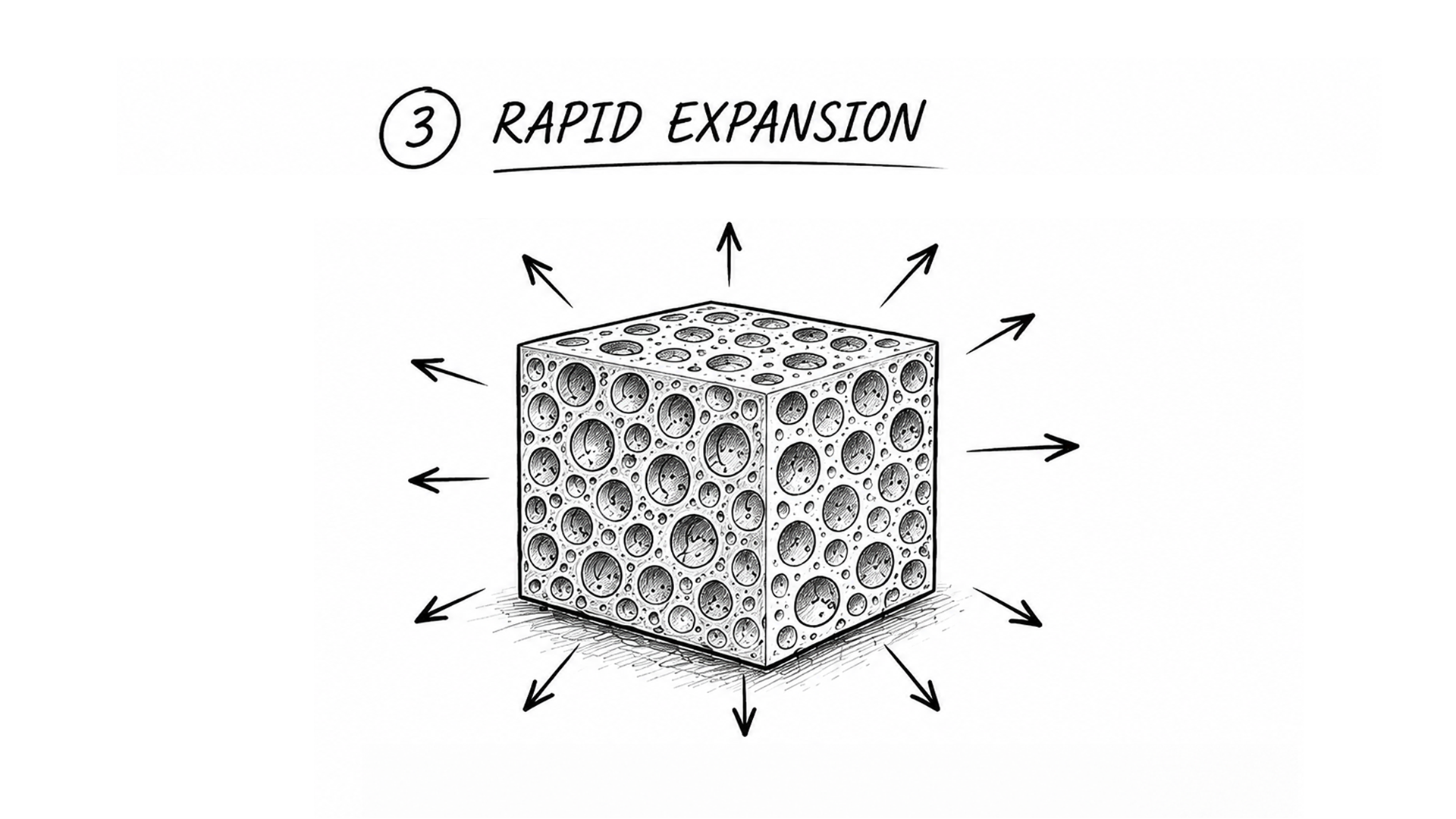
Once the material has been fully saturated, pressure is rapidly released. The gas then expands inside the foam, creating thousands of tiny microscopic cells throughout the structure.
This is the stage that makes the foam noticeably lighter and more responsive. Rather than simply adding more material to create cushioning, the process creates more space within the foam itself, allowing brands to increase comfort without adding unnecessary weight.
That balance is a major reason why modern trail shoes can feel highly cushioned without feeling overly bulky or cumbersome on longer runs.
4. Stabilisation
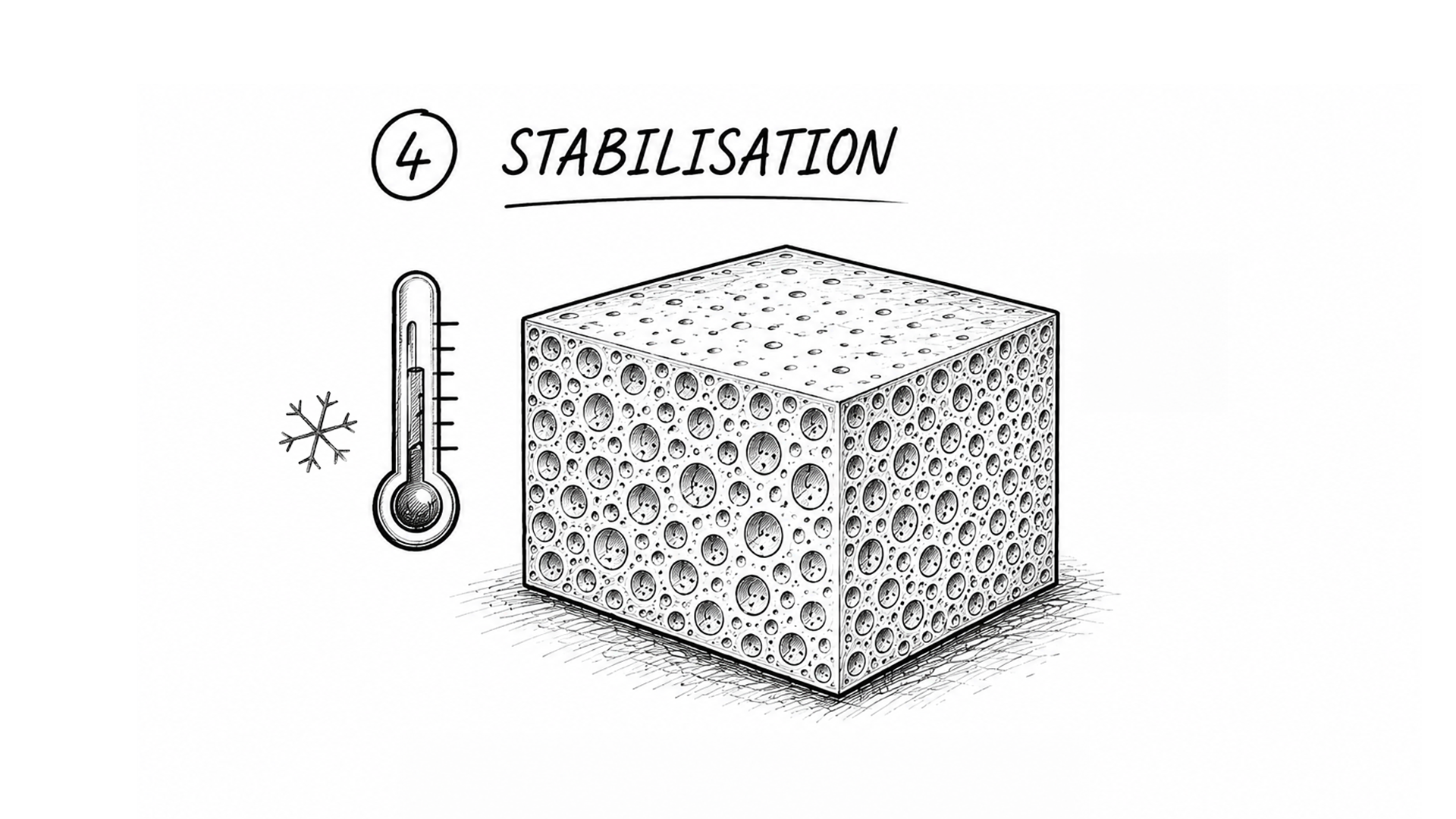
After expansion, the foam is cooled and stabilised so the newly formed structure locks into place.
The end result is a lighter, more resilient midsole with a far more controlled internal structure than traditional foams. That consistency plays a major role in ride quality because it helps the shoe feel smoother, more predictable and more durable over time, particularly once higher mileage starts to build up.
Why Does It Matter For Trail Running?
Trail running is much harder on shoes than road running, and that matters when it comes to midsole design.
Road surfaces are predictable. Trails are not.
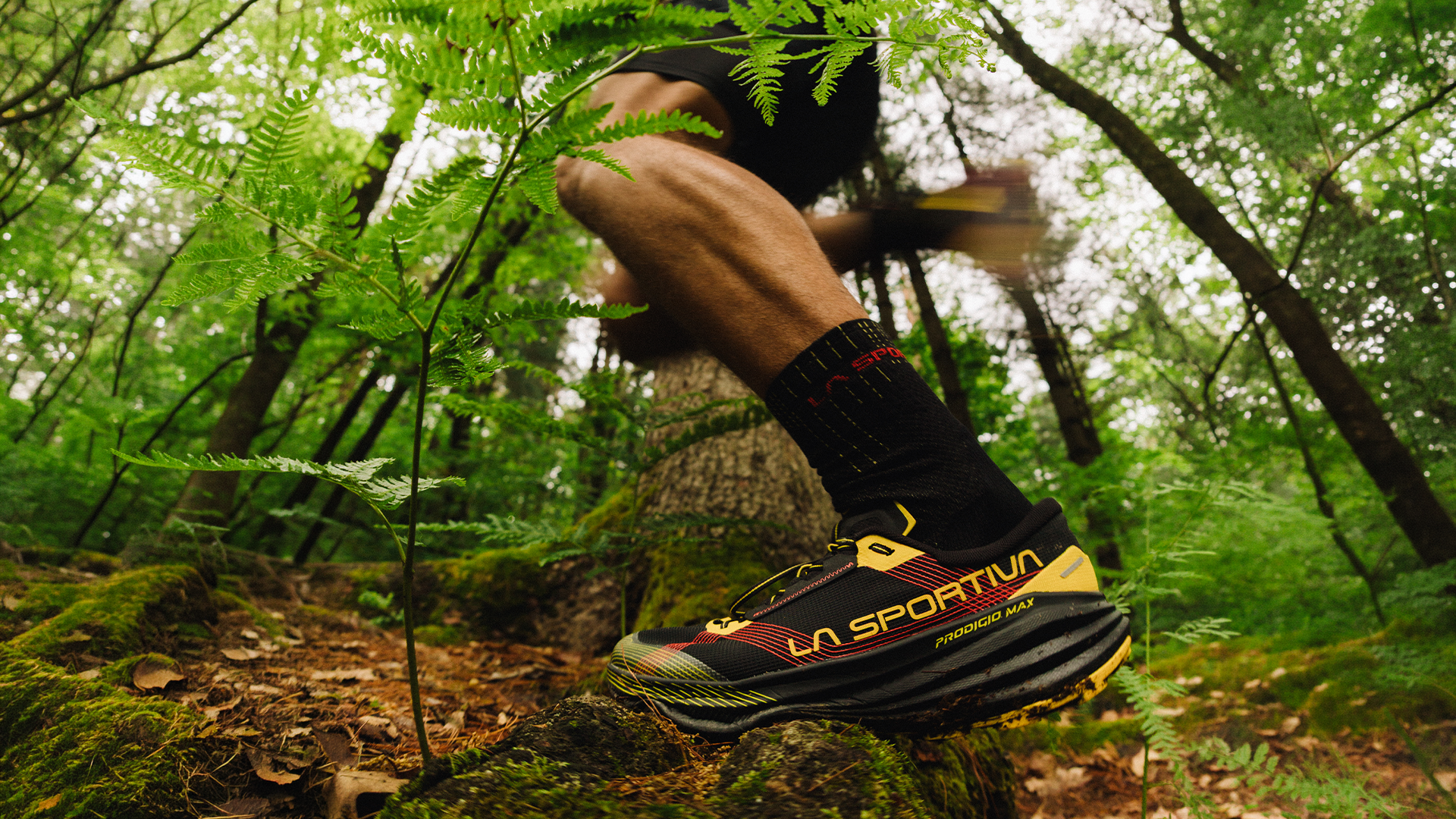
A trail shoe has to cope with constant variation underfoot, often within the same run, including:
- Rocks and roots
- Loose terrain
- Steep descents
- Sharp climbing
- Side-to-side instability
- Long hours of repeated impact
That creates a difficult balancing act because a shoe needs enough cushioning to reduce fatigue over long distances, while still feeling stable and controlled on rough ground.
Traditionally, improving one of those things often meant compromising another. More cushioning usually meant more weight, while softer foams could sometimes feel less stable on technical terrain.
Supercritical foam helps because it improves the cushioning-to-weight ratio, allowing brands to build shoes that feel more protective and comfortable without becoming overly bulky or cumbersome.
That becomes especially noticeable during longer runs, when fatigue builds, running form starts to fade and heavy shoes begin to feel even heavier. A lighter, more responsive midsole will not suddenly make steep climbs enjoyable, but it can help keep your legs feeling fresher for longer.
What Does Supercritical Foam Feel Like?
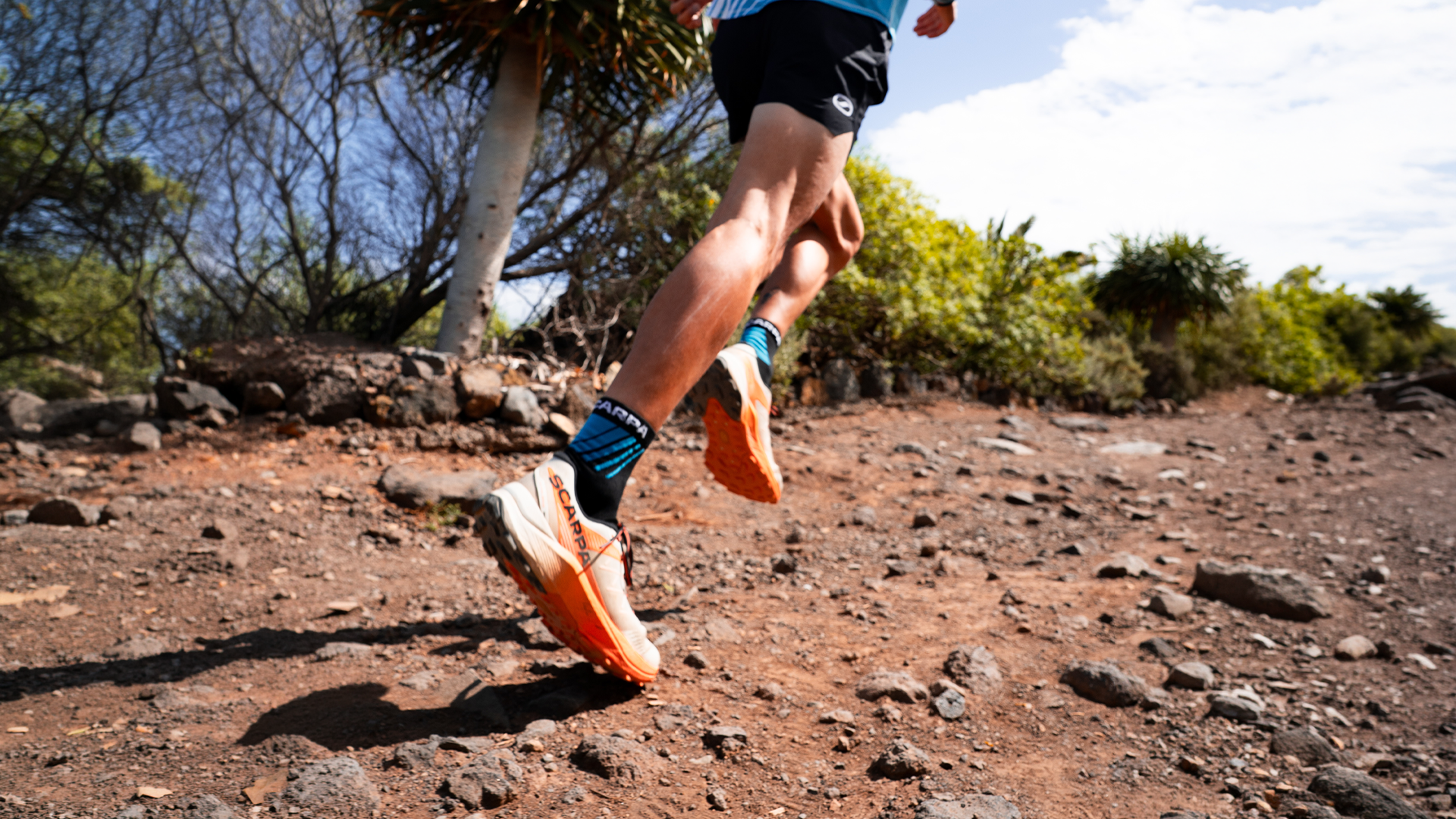
This depends on the material and shoe design, but there are some common characteristics.
Most runners notice three things.
1. Softer landings
Impact feels smoother.
Particularly on hard-packed trails or long descents, there is often less harshness underfoot.
2. More energy return
This is the big one.
The foam compresses under load and rebounds more effectively. That rebound creates a more lively ride. Not necessarily bouncy in a cartoonish sense, but more energetic.
You feel less like you are sinking into the shoe and more like the shoe is helping you move forward.
3. Lower perceived effort
This is harder to measure but easier to feel.
Lighter shoes and better rebound can create a more efficient running sensation, especially at faster paces or over longer distances.
That is why race shoes adopted this technology first.
Efficiency matters.
Are All Supercritical Foams The Same?
One of the easiest mistakes to make when reading shoe specs is assuming that all supercritical foams feel broadly similar.
They do not.
“Supercritical” only describes the manufacturing process, not the material itself, and the base polymer has a huge influence on how the midsole behaves once you are actually running in it.
That is why two shoes can both use supercritical foam and still feel completely different underfoot.
Some feel soft and smooth. Some feel highly energetic and spring-loaded. Others feel more stable and controlled.
Here is a simple breakdown of the main foam types you will see in modern trail shoes:
| Foam Type | Weight | Energy Return | Softness | Durability | Trail Feel | Best For |
| EVA | Low to moderate | Moderate | Moderate | Moderate | Balanced and familiar | Daily training, general trail running |
| TPU | Moderate | High | Soft to moderate | High | Smooth and protective | Long-distance comfort, high mileage |
| PEBA | Very low | Very high | Soft and energetic | Moderate | Highly responsive and fast | Racing, fast trail efforts, ultras |
| TPEE | Low | High | Moderate | High | Stable but lively | Technical trail running, mixed terrain |
What this means in real terms
If you are moving from a traditional EVA shoe into a supercritical EVA midsole, the transition usually feels quite natural. You will notice the lower weight and improved rebound, but it will not feel wildly unfamiliar.
TPU-based supercritical foams tend to suit runners who prioritise comfort over long distances because they often feel smoother and slightly more forgiving, especially once fatigue starts creeping in.
PEBA is usually the one that gets people talking because it delivers the highest energy return and often the lightest overall ride, but that performance comes at a price, both financially and sometimes in stability depending on the shoe design.
TPEE often sits in the sweet spot for trail runners because it offers a strong balance between rebound and control, which can be particularly useful when terrain gets more technical and precision matters as much as comfort.
In simple terms:
- EVA feels predictable
- TPU feels comfortable
- PEBA feels fast
- TPEE feels balanced
And that is exactly why trying shoes on, and understanding the foam underneath you, matters far more than simply chasing whichever material sounds the most advanced.
Is Supercritical Foam Always Better?

Not necessarily. It entirely depends on what you need.
Supercritical foam is brilliant for many trail runners, but it is not automatically the best choice in every situation.
Some potential downsides include:
- Higher cost
- A softer ride feel that some runners may find less stable
- More aggressive rebound, which not everyone enjoys
For short, technical mountain running, some runners still prefer firmer, lower-profile shoes with more ground feel.
That is completely valid. The best shoe is always context-dependent.
Should You Look For It In Your Next Trail Shoe?
If your running includes:
- Long-distance training
- Ultra races
- Faster trail events
- High weekly mileage
- Recovery-focused easy runs
Then supercritical foam is absolutely worth considering.
It offers meaningful benefits. Not magical ones. But real ones.
Final Thoughts
Supercritical foam is one of the few footwear technologies that genuinely changes how a trail shoe feels underfoot. Rather than simply rebranding existing materials, the process alters the foam structure itself, allowing brands to create midsoles that are lighter, more responsive and often more durable than traditional alternatives.
For trail runners, that can mean better long-distance comfort, less fatigue and a smoother, more efficient ride, particularly over longer miles where cushioning and shoe weight start to matter far more.
It will not suddenly make steep climbs enjoyable, but it does explain why many modern trail shoes feel noticeably more capable than they did even a few years ago.
If you are looking at new trail running shoes and wondering whether supercritical foam is worth paying attention to, the short answer is yes, because the difference is something most runners can feel fairly quickly once they get out on the trail.
And if you are unsure which type of trail shoe or midsole suits your running best, this is exactly the sort of thing we are always happy to help with. You can give us a call on 01432 263335, send us an email at [email protected], or visit our Hereford Service Centre for a proper footwear fitting and some hands-on advice. Trying shoes on properly, especially when midsoles can vary so much in feel, often makes a bigger difference than simply comparing specs online.
FAQs
Supercritical EVA uses a more advanced expansion process that creates a lighter, softer and more responsive foam structure than traditional EVA. It also tends to maintain its cushioning and rebound for longer over high mileage.
Yes, most supercritical foams are designed to resist compression better than traditional midsoles, helping trail shoes feel more consistent over time. Durability still varies depending on the foam material and overall shoe design.
For many runners, yes. Extra cushioning can improve comfort and reduce fatigue during long runs or ultra-distance races, although some runners still prefer firmer shoes for technical terrain and better ground feel.
Supercritical foams compress and rebound more efficiently than traditional midsoles, which helps create a smoother and more energetic ride feel, especially over longer distances or faster efforts.
Not necessarily. PEBA is usually lighter and more energetic, while EVA often feels more stable and predictable underfoot. The better option depends on your running style, terrain and personal preference.
No. Different materials like EVA, TPU, PEBA and TPEE all create different ride characteristics, even when using the same supercritical manufacturing process.
For many runners, yes. The lighter weight, improved cushioning and more responsive ride can make a noticeable difference during longer runs, races and high-mileage training.
Leave a Reply