
Why Don’t Jackets Have Temperature Ratings?
Curious why jackets don’t have temperature ratings? Here’s what really determines warmth in insulated jackets and how to choose the right one for your adventures.
In SHORT…
-
Why don’t jackets have temperature ratings? Discover why activity level, wind, fit, and moisture make it impossible to assign accurate temperature ratings to jackets—unlike sleeping bags.
-
How do you gauge jacket warmth? Learn to compare insulation by understanding fill power and fill weight in down jackets, and g/m²”or fill weight in synthetic options.
-
How can you choose the right jacket? Find out how knowing insulation specs helps you select the perfect jacket for everything from daily use to extreme mountaineering.
If you’ve ever been on the hunt for an insulated jacket, no doubt you’ll have been thoroughly overwhelmed with the sheer choice available—you’ve got everything from super lightweight, packable jackets for trail running, to enormous expedition-ready parkas. Wouldn’t it be great if jackets, like sleeping bags, had temperature ratings so you could easily select the one that’d work for you? It’s a great idea, but one that is extremely difficult to do, unfortunately. In this blog we’ll explain why jackets don’t have temperature ratings and what you can do instead to find the right jacket for you.

Sleeping bags temperature ratings
Sleeping bags and sleeping mats are used almost identically by everyone. You get in/on them, lie down and go to sleep. The variables to which you’re subjected to are minimal and simply include how much wind is passing through your tent flysheet, how much you’ve eaten and how much you weigh. A manufacture can’t assume these variables, so they give you a minimum and maximum temperature rating. Jacket, on the other hand, are subjected to a huge number of variables, including windspeed, moisture (is it hammering down or not), your weight, how well the jacket fits you, whether you’ve correctly adjusted your drawcords/ cuffs/ hood and, most importantly, what you’re actually doing in the thing.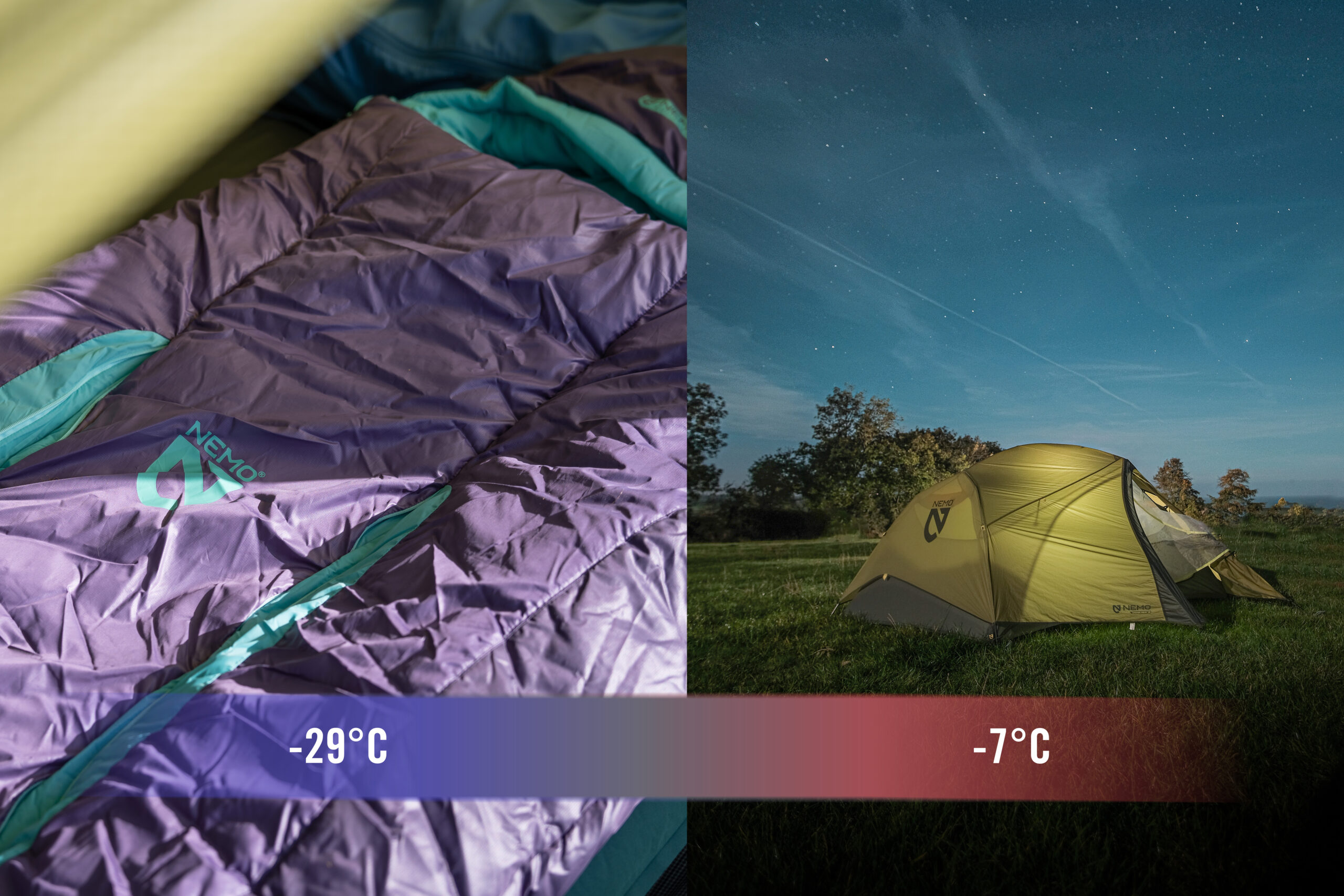
Why Don’t Jackets Have Temperature Ratings?
Hypothetically, let’s say a manufacturer gives their jacket a rating of -10°C. They assume you’re well-fed, a healthy weight, windspeed is low and it’s not chucking it down. You pop your insulated jacket on and begin your leisurely dog walk. Within 10 minutes, you’re freezing cold. Why is this? The jacket is rated to -10°C and it’s -2°C, I should be warm? Well, the manufacturer made that jacket for mountaineering, and as such it’s rated to -10°C whilst climbing a gnarly rock face in the alps. Because you’re only walking your Labrador across a few moderately frosty fields, you’re not kicking out enough heat to keep yourself warm.
Sleeping bags vs Jackets
I can hear what you’re saying—“Why don’t they use a temperature range like in sleeping bags?”. Jackets are incredibly versatile, and many are made for hardcore mountaineering as well as everyday use. Take the Mountain Equipment Lightline, for example. It’s stupidly warm down jacket that can use in some pretty hostile conditions in the depths of a Scottish winter, yet it can also be worn day to day when you’re plodding around Sainsbury’s. At 5°C you”d be more than warm enough during your urban excursions. At -10°C you’d be warm enough mountaineering. Quite obviously, that’s a big temperature difference.
Can Manufacturers Be Held Responsible for User Error?
So, this begs the question, would a temperature rating actually be useful in this situation, or would Mountain Equipment end up with a court case on their hands because they’ve assured you their jacket is fine to -10°C, but you got hypothermia at that temperature because you weren’t exerting yourself enough? Or because it suddenly starting chucking it down and their ratings assumed dry, still conditions? Or because silly-old Brian didn’t have his hem drawcord done up and a load of heat escaped?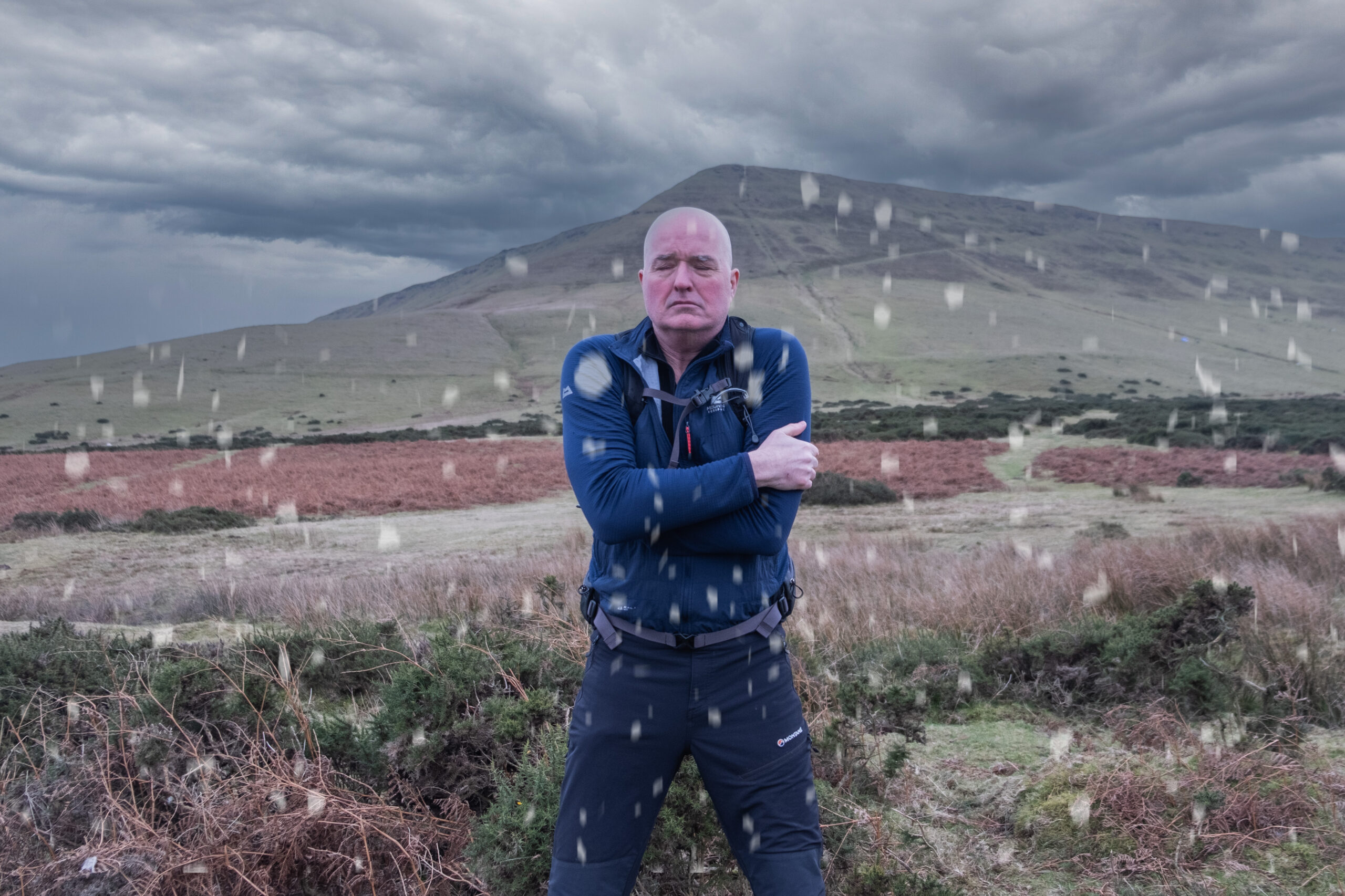
How do you choose the right insulated jacket then?
Really, you need to familiarise yourself with the below terms.
For down jackets: Fill power & fill weight
For synthetic jackets: g/sqm OR fill weight
Down Jacket
Fill power relates to the quality of the down.
The higher the number, the warmer it’ll be for its weight. We’ve got a whole blog about this if you’d like to have a proper look into it, as that’s a highly simplified explanation. Fill weight is the physical amount of down in the garment. So, 160g fill weight = 160g of down in the jacket. Simple.
Synthetic Jacket
In the case of synthetic jackets, many use ‘sheet’ insulation which needs to be measured in grams per square metre. The higher the number, the heavier (and consequently warmer) the jacket will be. In other cases, they use ‘blown’ insulation, which is like down but constructed from manmade fibres. This is measured in fill weight—the same as down.
You can use these two terms to assess approximately how warm your chosen jacket is. You can look at a jacket with 50g of down and you’ll know it’s on the lower-end of the warmth spectrum, whereas something with 300g will be a fortress. Equally, a jacket with 400 fill power (you won’t find any from us this low) won’t be as high quality as something rated at 800 fill power.
As always, we’ve got our helpful customer service team on hand 5 days a week to help you out if any of the above is unclear. You can reach them by email ([email protected]) or by phone (01432 263335).
Leave a Reply