
Did Waterproofs Used to Last Longer?
Wondering why your waterproof jacket doesn’t seem to last as long as it used to? This blog uncovers the surprising reason modern waterproofs behave differently—and why it’s actually better for the planet.
In SHORT…
-
Why don’t waterproof jackets last as long as they used to? Discover how older jackets used harmful chemicals for long-lasting water repellency, unlike today’s eco-conscious options.
-
How does sustainability affect waterproof durability? Learn why modern jackets require more frequent care and reproofing to maintain performance while being kinder to the environment.
-
What’s the best way to restore your jacket’s water repellency? Find out how simple products like Grangers Wash & Repel help keep your jacket performing like new with minimal effort.
Did Waterproofs Used to Last Longer? Early Gore-Tex jackets were pretty heavy and clammy, but absolutely bombproof and would bead water for years with little to no care. From the perspective of someone buying these jackets, that was fine; you could put up with the weight and bulk because they just worked. Unfortunately, these jackets used particularly horrible chemicals on the outside of the fabrics to achieve this – the sort of chemicals that leak into the soil over time and never (and we mean, never) disappear. These are called flurocarbons.
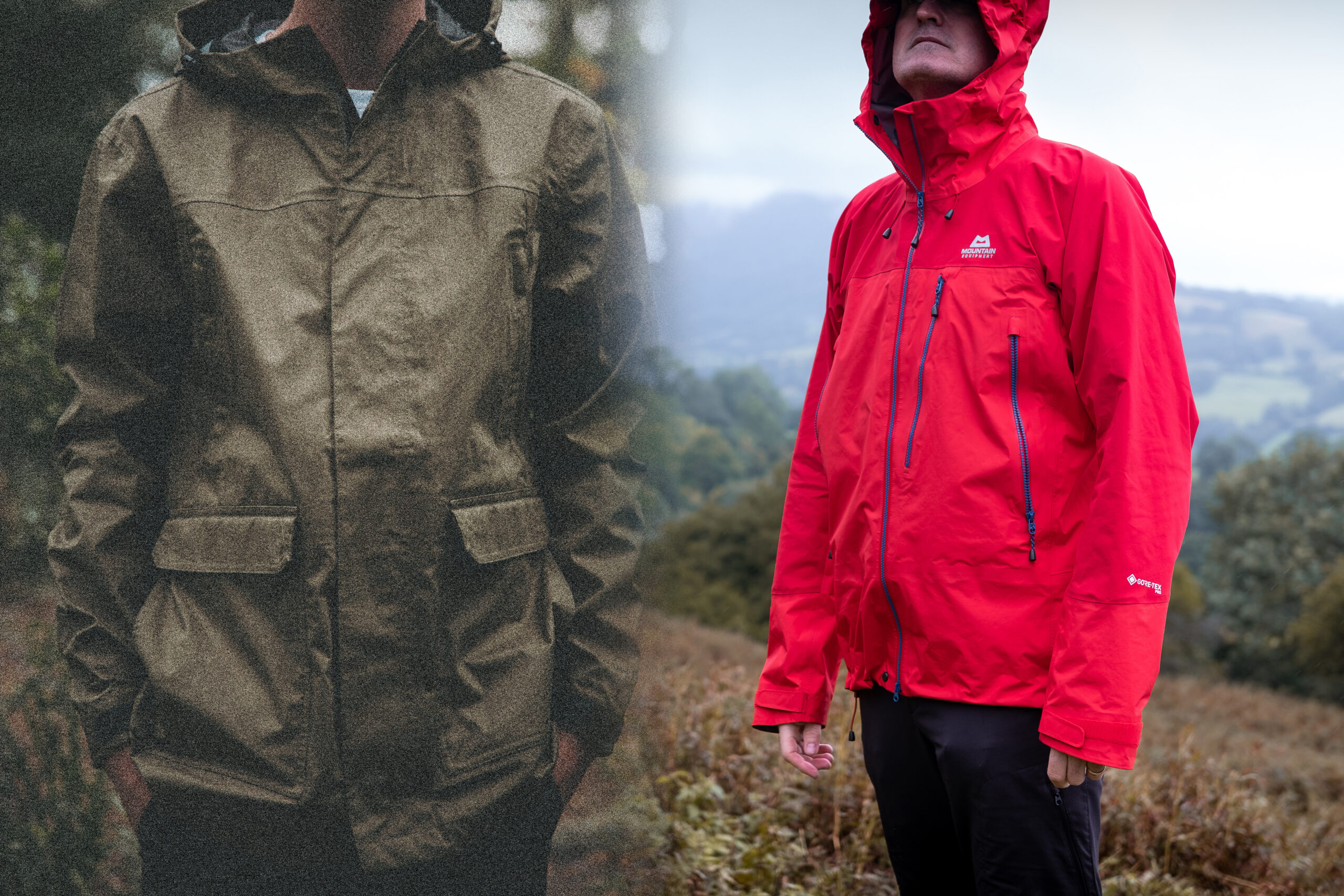
The Hidden Cost of Waterproofing: How Early Gore-Tex Jackets Were Harmful to the Environment
“Fluorocarbons are hundreds to thousands of times more potent than carbon dioxide. This means that even small volumes of emissions, like those that escape from millions of individual air conditioners when the units are disposed of at the end of their useful lives, can have a major climate impact.” — Inside Climate
Eco-Friendly Waterproofing: Is Durability a Necessary Sacrifice?
Since learning this, manufacturers have reduced the quantity of these harmful chemicals on the outer of the jackets you and I wear, replacing them with more sustainable alternatives. The downside to this is that the more sustainable alternatives simply aren’t as durable. This is something we just need to live with; it’s non-optional. This doesn’t mean your jacket will leak—the actual waterproof bit has essentially stayed the same—it just means water won’t bead off the outer fabric for as long as it once would. We call this ‘wetting out’. We’re not saying these more sustainable alternatives won’t ever catch up to previous levels of durability, though—we just need to be patient.
How do we solve this? Eco-Friendly Waterproofing Dilemma
It’s pretty easy—just wash & reproof the jacket more often. Grangers Clothing Wash & Repel washes and reproofs in one singular wash, so it’s not any harder than washing a load of towels, really. We’ve got a good instructional video about how to wash your waterproof jacket here. This gets rid of all the sweat, skin oils and other bacteria that is living on the jacket and adds the water repellent coating back to the outer.
So, in conclusion, no, your modern-day waterproof jacket won’t bead water for as long as its great grandad, but it also won’t pollute the very environment we purchase this kit to visit. The solution is also, at best, a very mild inconvenience. With proper care, a modern day waterproof will last just as long as the earlier iterations—it’ll just need some regular TLC.
If you already own a modern waterproof jacket and feel like it needs a good wash, you can find all of our care products here.
Leave a Reply