
Why should you carry multiple pairs of gloves?
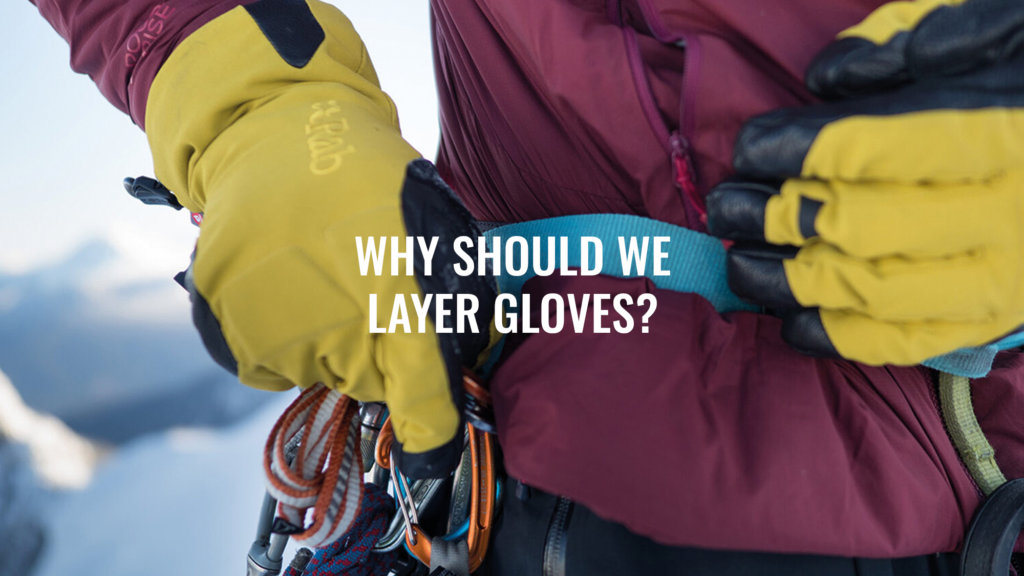
Wondering why you should carry multiple pairs of gloves on outdoor adventures? As we head into Winter 2025–2026, the importance of glove layering has only increased. With the return of Arctic airflow patterns and wetter, windier conditions across the UK, having a flexible glove system is essential. Layering ensures your hands stay warm, dry, and ready for every shift in temperature or moisture—so you’re prepared no matter what the weather throws at you.
In SHORT…
-
How many gloves should you carry? Learn why outdoor experts recommend at least two to four pairs—liner, insulated, waterproof shell, and softshell gloves—for changing weather and activities.
-
When should you switch gloves? Discover how to layer gloves effectively, from breathable liners for mild conditions to waterproof mitts for rain and technical gloves for demanding climbs.
-
Why does glove layering matter? Find out how carrying multiple gloves prevents cold hands, maximises comfort, and ensures safety during winter hikes, scrambles, and mountaineering.
This article is part of our Winter Gear and Apparel Guide, where you’ll find expert layering advice, technical gear deep dives and practical cold-weather tips.
Grab an extra pair of gloves ! Honestly, it makes life so much more enjoyable—even more so if you regularly get cold hands. In this blog, we’ll briefly explain why should you carry multiple pairs of gloves during your outdoor adventure.
How Many Gloves Should You Carry for Outdoor Activities?
The number of gloves you carry will depend on your activity. You should be looking at having two pairs with you at a minimum, three for most instances and four if you’re doing some more exuberant activities. At the beginning of this year, I spent a week in the Lakes where the temperature varied from -1°C to 7°C. We did a mixture of walking, scrambling and photography; I had three pairs of gloves with me almost exclusively.
Liner/fleece glove
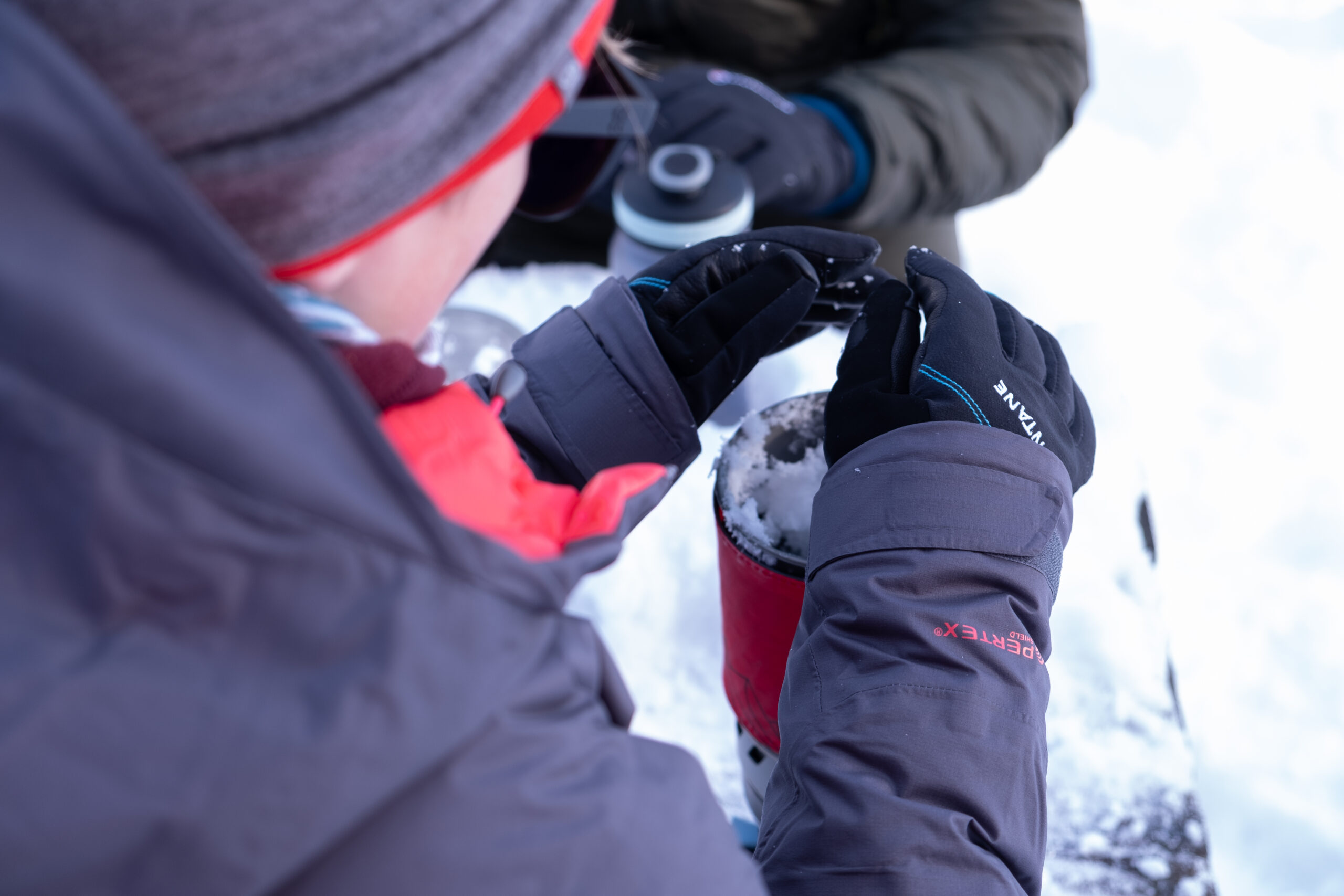
This sits next to your skin and is the most comfortable and dexterous glove of the lot. Use these lower down the hill where there’s less wind and you don’t need as much protection. When worn on their own they’re incredibly breathable, wick away sweat and don’t look too out of place when worn to the pub after. I use the Rab Flux Liner Gloves.
Insulated glove:
Typically, these are either worn over your liner glove or on their own. Once you begin to ascend, the temperature will drop. The wind will pick up and you’ll find your liner gloves on their own no longer suffice. Stick a pair of insulated gloves over the top before your hands begin to get cold—it’s extremely hard to warm cold hands back up! I use the Montane Prism Gloves. Bear in mind that if you’re venturing to higher peaks than we’re blessed with in the UK, you’ll want something warmer than the Prism. Also, don’t neglect the humble mitt—yes, you’ll take a slight convenience penalty, but they’re warmer than gloves and much easier to layer with.
Waterproof shell glove/mitt
When raining heavily, you’ll really appreciate a glove (or mitt) that you can just stick over everything else until it eases up. Again, once your hands get cold, it’s really hard to warm them back up again due to the lack of fat/muscle in these appendages. It’s worth preemptively popping these on before you’re sodden and miserable.
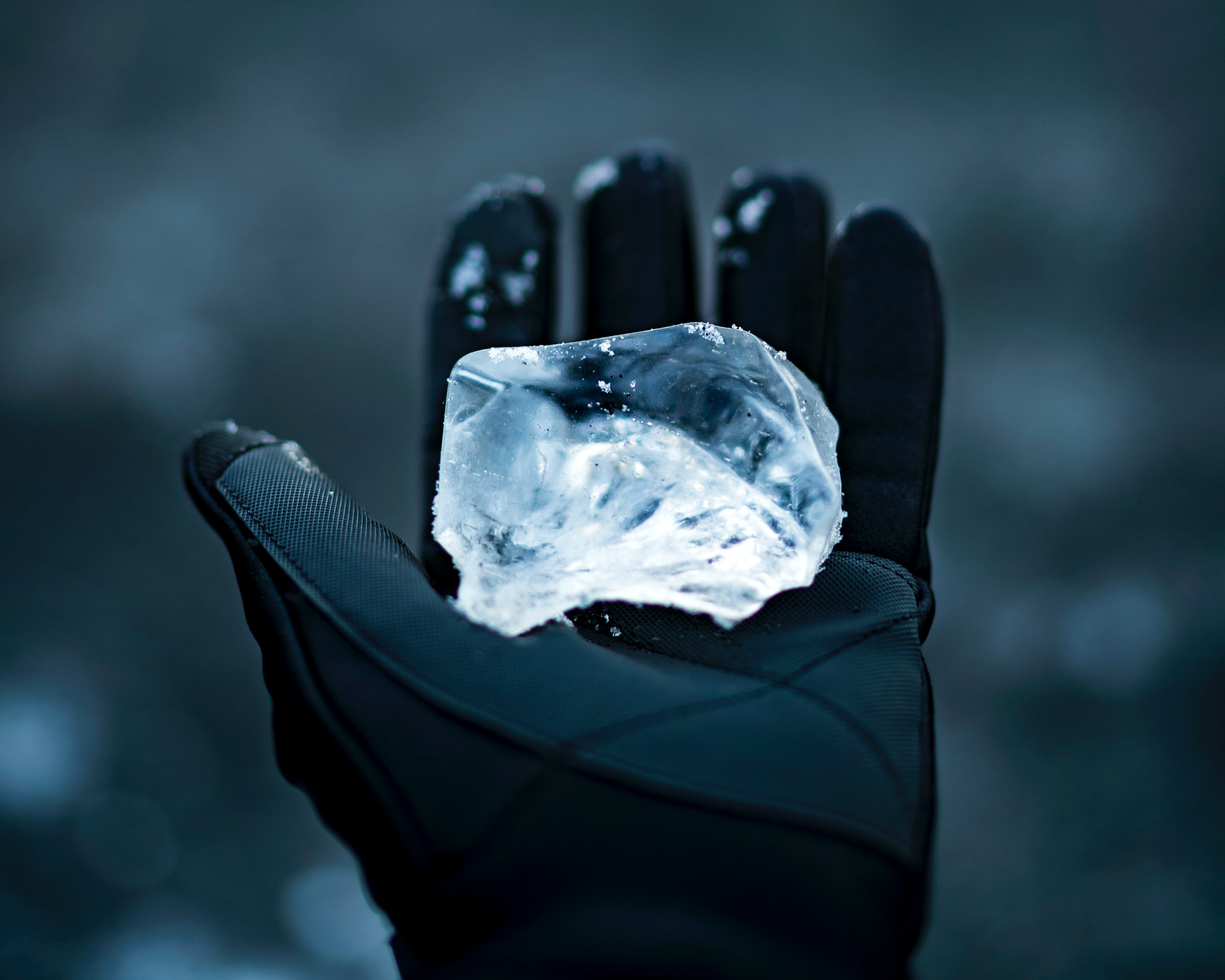
Here’s where the fourth glove comes in. The options above are perfect if you’re walking, but what if you’re going to be doing some winter mountaineering, for example?
Softshell glove:
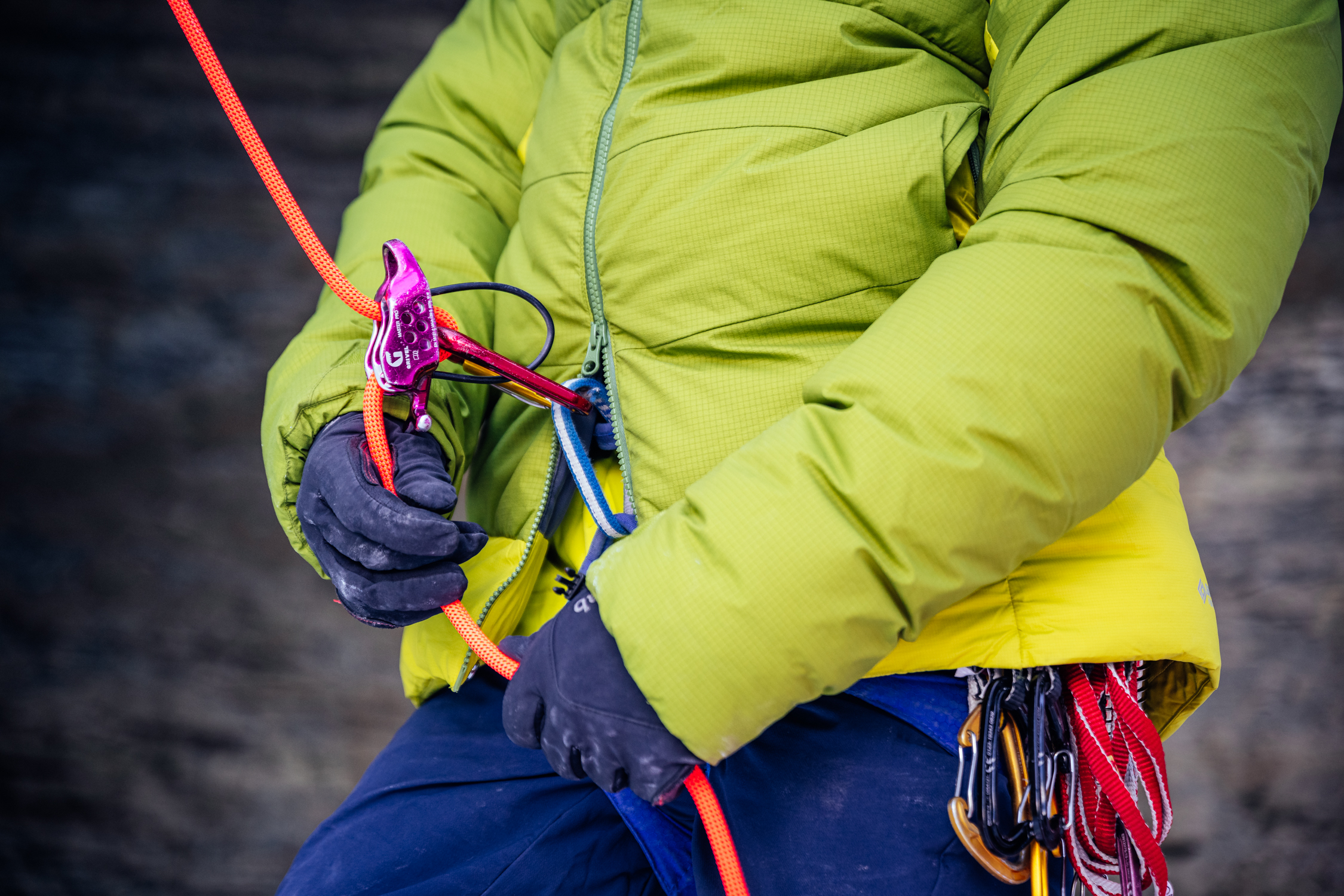
When ascending technical routes, a fleece glove won’t give you enough grip on your tools. An insulated glove won’t be dexterous enough and the waterproof mitt just isn’t suitable at all. What you need is something like Rab’s M14 glove. It is close-fitting, highly dexterous, tough and weather-resistant glove with little to no insulation. These will keep the snow, light rain and wind off whilst allowing you to effectively handle your tools. Once you’ve completed your route, you’ll swap these out for an insulated glove to maintain warmth.
What Gloves to Wear in Different Temperatures (and Activities)
Choosing the right gloves isn’t just about the forecast—it’s about how hard you’re working, how long you’ll be exposed, and how quickly you can change layers. The beauty of carrying multiple pairs is that you can adapt to all these variables on the go.
Why Multiple Gloves Matter Across Temperatures
Layering gloves isn’t just about comfort—it’s about control, adaptability, and safety. Temperatures, wind, and moisture can fluctuate dramatically between the car park and the summit, and your hands are often the first to feel it. Carrying multiple pairs means you can stay one step ahead of the weather instead of reacting when it’s too late.
On a typical day out in the mountains, you might use nearly every glove you brought.
Here’s what that can look like:
- Morning: The air feels crisp but not freezing. You start the walk-in wearing thin liner gloves to take the edge off the chill. They’re breathable, wick sweat, and give you full dexterity for adjusting layers or holding trekking poles.
- Midday ascent: As you gain height, wind picks up and temperatures drop. You layer a pair of insulated gloves over your liners before your hands begin to lose warmth. They trap heat while still letting you move comfortably.
- Wet or snowy spell: Clouds roll in, snowflakes start falling, and suddenly it’s damp and raw. You pull waterproof shell mitts over everything—your hands stay dry and warm while you push through the weather front.
- Rest break or summit stop: You stop moving to admire the view (and eat that long-awaited sandwich). The chill sets in almost instantly. Off come the damp gloves; on go the dry insulated mitts you’ve kept tucked inside your jacket. They bring your warmth back fast.
- Descent: Once you’re on the move again and the wind eases, you swap back to your liner gloves or softshells to avoid overheating.
This kind of glove rotation keeps your hands dry, warm, and functional, rather than cycling between sweating and freezing. It’s the same principle as layering your clothing—but applied to one of the body parts most prone to losing heat.
And because every day, mountain, and activity is different, it’s helpful to know which glove combinations work best for various conditions. Below, you’ll find a detailed guide on how to pair and rotate gloves depending on temperature and activity, from a quick hill walk to a full winter climbing day.
Pro Tip: Everyone’s hands behave differently in the cold. Some people’s fingers go numb at 5°C, while others manage fine at -5°C. If you have poor circulation or often suffer from cold hands, start with warmer gloves than you think you’ll need—and always keep a dry backup pair in your pack.
What Gloves to Wear by Temperature and Activity
Master Matrix (quick reference)
Key: L = Liner (merino or synthetic) · SS = Softshell (uninsulated, wind-resistant) · INS = Insulated glove · MITT = Insulated mitt · SHELL = Waterproof/breathable over-mitt or over-glove
| Temp | Trail running / Fast hiking | Hillwalking & Trekking (with poles) | Scrambling / General Mountaineering | Winter Climbing & Technical | Ski Touring / Snowshoeing | Photography / Belay / Static | Dog walking / Low intensity |
| >10 °C | L or thin SS; carry SHELL in pack | L or thin SS; SHELL standby | Thin SS; carry L | SS; L in pocket | L on climb; thin SS on descents | L; add light INS if wind picks up | L or light fleece |
| 5–10 °C | L → thin SS if breezy; SHELL if wet | L + SS; add SHELL in showers | L + SS; swap to INS in stops | L + SS for moves; INS at belay | L on skin track; SS/INS on descents; SHELL if snow | L + light INS; SHELL if sitting | Light INS; L as backup |
| 0–5 °C | L; SS for wind; SHELL if wet | L + INS; SHELL in rain/sleet | L + SS for tech; INS for ridges; SHELL if precip | L + SS to climb; INS at belay; SHELL in spindrift | L climbing; INS descending; SHELL ready | INS or MITT when static; L underneath | INS (possibly MITT if you run cold) |
| -5–0 °C | L; SS briefly; swap fast if sweating | L + mid-weight INS; SHELL frequent | L + SS while moving; INS on tops; SHELL in spindrift | L + SS (lead) → INS or MITT (belay) + SHELL | L uphill; INS + SHELL downhill; rotate when damp | MITT + L (carry spare L); SHELL in wind | Warm INS or MITT; carry spare dry L |
| <-5 °C | L only for movement; keep INS/MITT for stops | L + warm INS or MITT + SHELL; rotate spares | L + INS + SHELL; MITT for long static spells | L (lead) → warm INS/MITT + SHELL (belay); rotate | L on climbs; warm INS/MITT + SHELL on descents; rotate | MITT + L; spare MITT; chemical warmers optional | MITT + L; keep a dry spare set |
How to Check the Mountain Forecast Before You Go
Before you even decide which gloves to pack, check the mountain weather forecast. The weather on the summit can be vastly different from what you experience in the car park. A calm 6°C morning in the valley can quickly turn into sub-zero temperatures, driving wind, and blowing snow higher up. Proper planning helps you pack the right glove combinations and avoid the misery (or danger) of frozen hands.
Here’s what to pay attention to when reading a mountain forecast:
🌡️ Temperature at Altitude
Don’t just look at the valley temperature—check the temperature gradient with elevation. For example, a forecast might show +5°C in the valley but -3°C at 900 m. The higher you climb, the colder it gets—roughly 1°C per 100 m of elevation gain on average. That’s why carrying extra glove layers is crucial: what feels like liner-glove weather at the trailhead could call for insulated gloves or mitts near the top.
💨 Wind Speed and Wind Chill
Wind is one of the biggest factors in how cold your hands feel. A 20 mph wind can make +2°C feel like -4°C, and at 40 mph it can feel more like -10°C. This is where shell gloves or mitts earn their keep—they block wind and prevent heat loss from exposed fingers. If strong gusts are forecast, pack an extra insulated or mitt option.
🌧️ Precipitation Type and Intensity
Rain, sleet, or wet snow will soak most gloves in minutes. Even high-quality insulation loses performance when damp. Check the precipitation forecast—if rain or heavy snow is likely, take a waterproof shell glove or mitt to slip over your liners or insulated pair before the weather turns. Don’t wait until your gloves are already wet; prevention keeps your system effective.
❄️ Freezing Level
The freezing level indicates the altitude at which the air temperature drops below 0°C. If it’s forecast to sit below your intended summit height, expect snow, ice, and frozen precipitation—conditions that demand warmer and more protective gloves. If the freezing level drops unusually low, even mid-level trails can turn icy, so plan for thicker insulation and waterproof shells.
☁️ Cloud Cover and Visibility
While not directly linked to temperature, dense cloud or fog can bring higher humidity and make gloves damp through condensation or contact with wet rock. Softshell or waterproof options are better suited to these damp, cold environments.
🌦️ Duration and Timing of Weather Changes
Mountain weather often changes hour by hour. Check the forecast timeline—if conditions worsen later in the day, plan your route and glove layering accordingly. You might start light with liners and softshells, then switch to insulated or shell gloves as temperatures drop or weather fronts move in.
What’s New for Winter 2025–2026
Modular / Layered Handwear Systems
Layering gloves has always been part of winter practice, but for Winter 2025–2026 it’s becoming far more refined. Many outdoor brands now design gloves as part of complete handwear systems rather than standalone pieces. Liners, mid-layers, and shells are made to work together, often sharing compatible cuffs, attachment points, and sizing. This modular approach lets you adapt your setup to the forecast without adding unnecessary bulk or weight. A liner from one range might pair seamlessly with an over-mitt from the same series, making on-the-go swaps easy. These systems are also becoming more affordable and common across activities — from hiking and cycling to photography. The result is a versatile, minimalist kit where every layer has a purpose, giving you maximum flexibility for unpredictable British winters.
Enhanced Waterproofing
Advances in waterproof technology mean gloves are now lighter, more breathable and more resilient against prolonged moisture. The introduction of next-generation Porelle® and GORE-TEX ePE membranes has made it possible to achieve reliable waterproofing without the bulk or environmental impact of older coatings. Whether you’re navigating sleet on the fells or steady drizzle on a photography hike, these updated membranes help regulate hand temperature while keeping out every drop of rain or snow.
Dexterity-Driven Designs
Modern glove design in 2025–2026 is increasingly focused on dexterity. Softshell and technical gloves now feature ergonomic, pre-curved finger construction and stretch fabrics that follow the natural shape of the hand. This means better grip on trekking poles, ice axes and camera equipment — even in freezing temperatures. Reinforced palms and articulated knuckle zones add durability and comfort, giving climbers and winter walkers the confidence to move fluidly in cold, challenging terrain.
Touchscreen Compatibility
Finally, touchscreen technology has become standard rather than a novelty. Many liner and insulated gloves now include conductive fingertips or printed grip patches that let you operate phones, GPS units and cameras without removing your gloves. For winter photographers and hikers who rely on digital mapping or quick communication, this small but significant feature prevents unnecessary exposure to the cold — keeping your hands protected while staying connected on the move.
Hopefully that has convinced you that, much like layering your torso, layering gloves is well worth doing and will benefit you hugely during your cold-weather activities. Fancy shopping all our gloves? Just click here.
🎥 Want to dive deeper into glove choice?
If you’d like a quick, practical breakdown of how different gloves are designed for different conditions, our Trekitt video is well worth a watch:
FAQ
Because no single glove can handle every condition. Wet snow, icy wind, and varying activity levels all demand different insulation and protection. Carrying multiple pairs lets you switch as needed — keeping your hands warm, dry, and functional throughout the day.
If your only pair gets wet or too sweaty, your hands will quickly lose heat. Once your fingers are cold, it’s very difficult to warm them up again. Having spares means you can rotate gloves to stay dry and maintain dexterity — which can be vital for safety in freezing conditions.
The latest glove systems for Winter 2025–2026 are designed to work together. You can mix and match liners, insulated gloves, and shells to suit changing weather. This approach gives you better control over warmth, breathability, and protection — all while reducing the need for extra gear.
Expect more eco-conscious insulation, lightweight waterproof membranes, and improved dexterity. Modular glove systems and touchscreen-compatible designs are becoming standard, making it easier to handle gear, phones, or cameras without exposing your hands to the cold.
Keep gloves organised and dry by packing them in breathable mesh or waterproof roll-top bags. Store the pair you’ll use first within easy reach and keep spares sealed in a dry sack. On multi-day trips, avoid stuffing damp gloves deep in your pack — clip them to your bag straps or belt loops to air out while you move.
Avoid placing gloves directly on a stove or heater, as this can melt insulation or damage waterproof membranes. Instead, tuck them inside your sleeping bag near your feet or use the warmth from your body heat to gently dry them. For huts or bothies, hang them in a warm but ventilated area. Many modern gloves now feature quick-drying linings designed for this exact scenario.
Once wet gloves freeze, they become stiff and difficult to wear. Prevent this by squeezing out excess moisture as soon as you finish using them and storing them inside your jacket or sleeping bag overnight. If you expect very wet conditions, pack a lightweight pair of synthetic or fleece liners as a backup — they retain warmth even when damp.
Rinse them with lukewarm water after use to remove salt, mud, or grit, then air-dry naturally. Occasionally reapply DWR (Durable Water Repellent) treatment to restore waterproofing. Storing gloves flat or loosely folded — rather than crammed into pockets — helps preserve their shape and insulation.
Match the glove system to your activity intensity. For static moments (like camp setup, belaying, or photography), prioritise insulation and weatherproofing. For high-output activities (scrambling, ski touring, or fast hiking), choose breathable softshell or liner gloves you can layer under shells later. The key is versatility — not bulk.
Yes, many outdoor repair kits include seam sealers, patches, or repair tape suitable for gloves. Some brands now offer repair programmes, particularly for leather or high-end technical gloves. Minor seam failures or worn palms can often be repaired with a dab of flexible adhesive or a professional reproofing treatment, extending the life of your glove by several seasons.
Leave a Reply