
Complete Camping Sleep System Guide
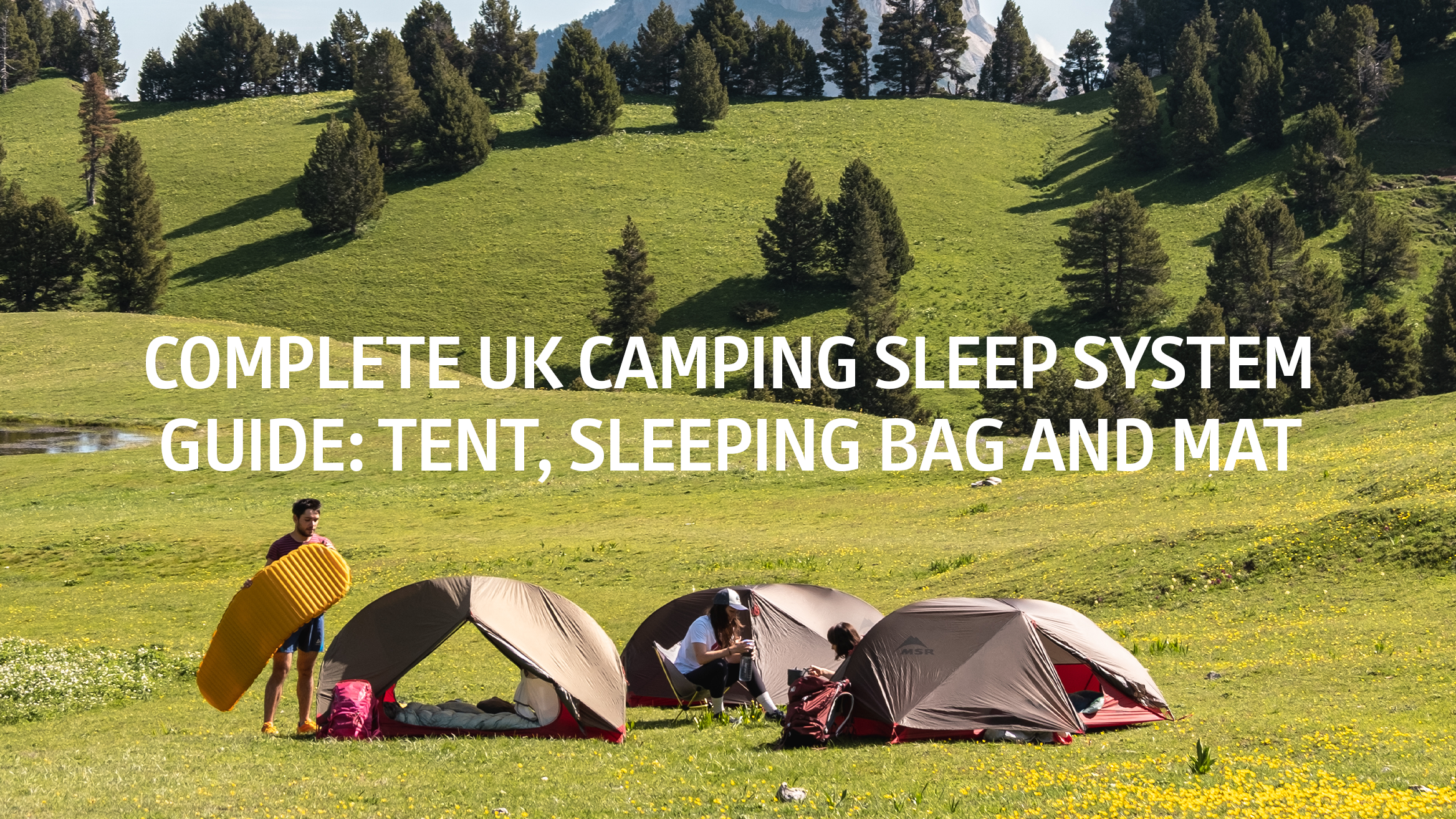
A good night’s sleep outdoors can turn a decent trip into a brilliant one. A bad night’s sleep can do the exact opposite.
If you have ever spent a night sliding off an air mat, shivering inside a questionable sleeping bag while your tent flaps like a crisp packet in a gale, you will know exactly what I mean.
At Trekitt we spend a lot of time helping people build a camping sleep system that actually works in the UK. Our weather is unpredictable, our ground is often damp and our temperatures can drop quickly once the sun disappears.
A proper sleep system is not just about comfort. It is about warmth, recovery and waking up ready to walk rather than feeling like you have been tumble dried in a washing machine.
IN SHORT…
-
Understand how a sleep system works: Learn how tents, sleeping bags and sleeping mats work together to provide warmth, insulation and protection during a night outdoors.
-
Choose a tent for UK conditions: Discover what makes a reliable tent for British weather, including weather protection, ventilation and practical living space.
-
Pick the right sleeping bag: Understand the differences between down and synthetic insulation and how temperature ratings help you choose the right bag for the season.
-
Don’t underestimate your sleeping mat: See why ground insulation plays a huge role in warmth and comfort, and how different mat types compare.
-
Build a balanced setup: Learn why a well matched combination of tent, bag and mat performs far better than relying on a single expensive piece of kit.
-
See a real world example: Take a look at my personal camping sleep system and the small lessons learnt from plenty of nights spent outdoors.
Why Your Camping Sleep System Matters
When people first get into camping or backpacking, they often focus on the big obvious items like rucksacks or jackets.
But sleep systems quietly do most of the heavy lifting.
Good sleep outdoors means:
- Better recovery after long walks
- More warmth through the night
- Better morale when the weather turns
- Actually enjoying the experience
A balanced sleep system works like a team.
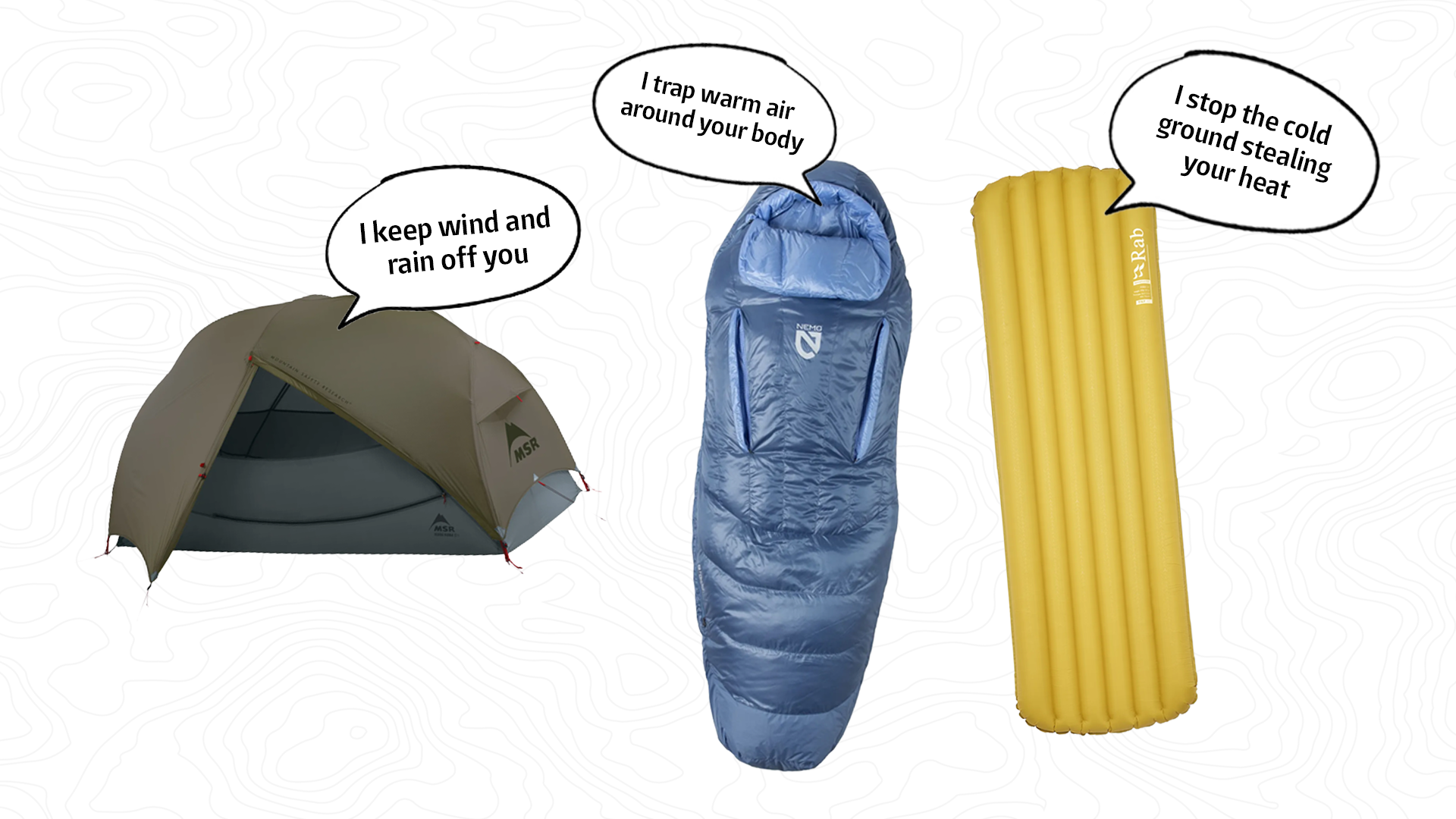
Remove one of these from the equation and things get uncomfortable very quickly.
Choosing the Right Tent
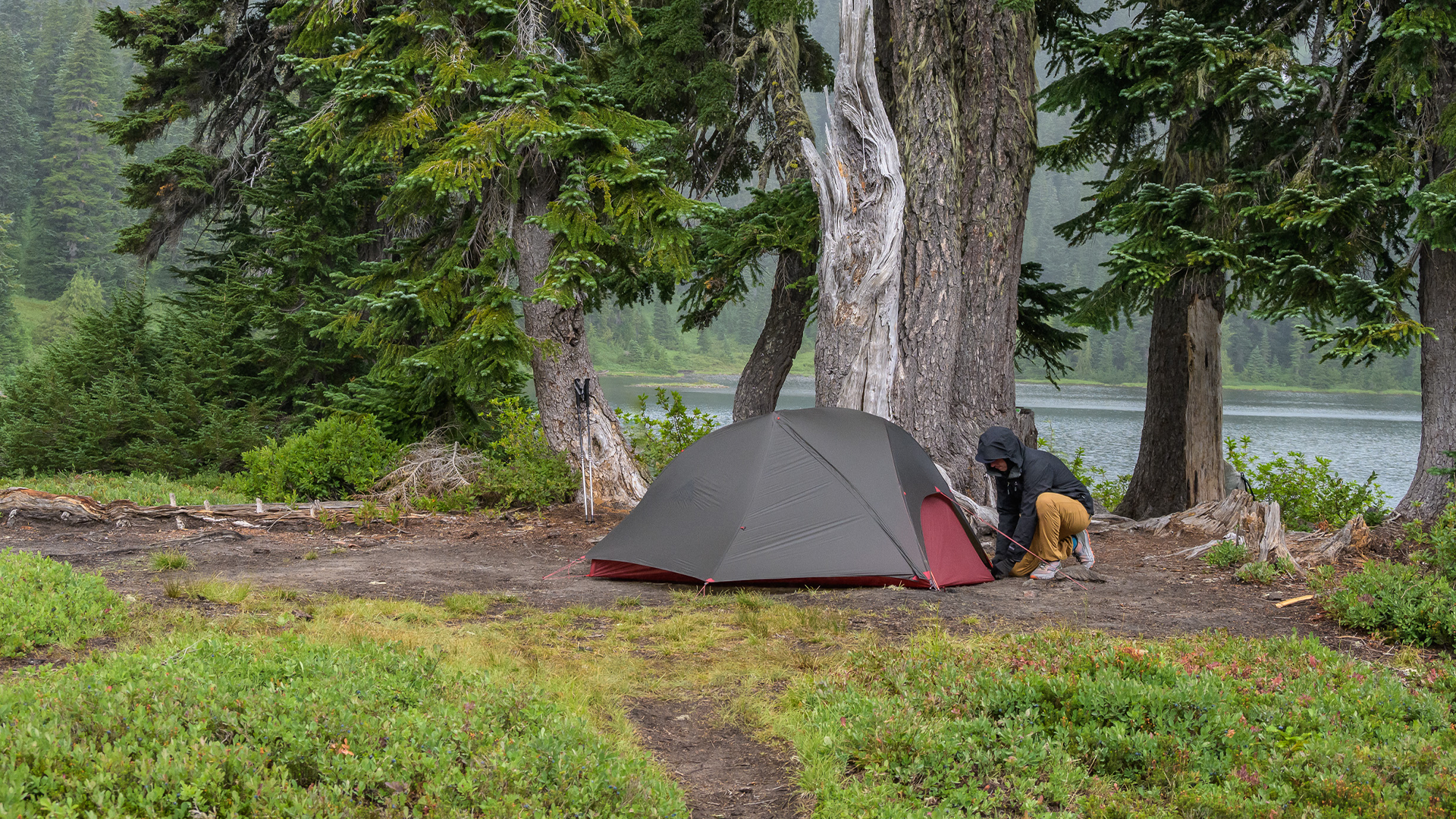
Your tent is the outer shell of your sleep system. It protects you from wind, rain and the occasional curious sheep.
In UK conditions there are three main things we look for.
1. Weather Protection
British weather has a habit of delivering four seasons in a single evening.
Look for tents with:
- A strong flysheet with a good hydrostatic head. For UK camping a rating of around 3,000mm hydrostatic head or higher is a good benchmark, as it will comfortably handle sustained rain and damp conditions.
- Stable pole structures. Designs that use multiple crossing poles or geodesic structures tend to cope far better with strong winds than simple hoop tents.
- Good pegging points for wind. Plenty of guy line attachment points and solid peg loops allow you to properly tension the tent so it stays stable in rough weather.
2. Ventilation
Condensation is one of the biggest annoyances when camping in the UK.
Good ventilation helps reduce the amount of moisture building up inside the tent overnight. If you want to understand why condensation happens and how to reduce it, we explain it in more detail in this video.
Features worth looking for in a tent:
- Roof vents
- Dual door designs
- Mesh inner panels
3. Interior Space
Some ultra lightweight tents are incredible for weight. Slightly less incredible for changing trousers.
If you want a deeper look at how weight, comfort and liveability compare, it is worth watching our Lightweight VS Rightweight video.
If you value comfort, a bit of extra room can make a huge difference.
You want enough space to:
- Store your gear
- Sit up comfortably
- Avoid brushing the inner with your sleeping bag
Trust me. Wet down bags are not a great start to the morning.
Sleeping Bags: Warmth Without Weight
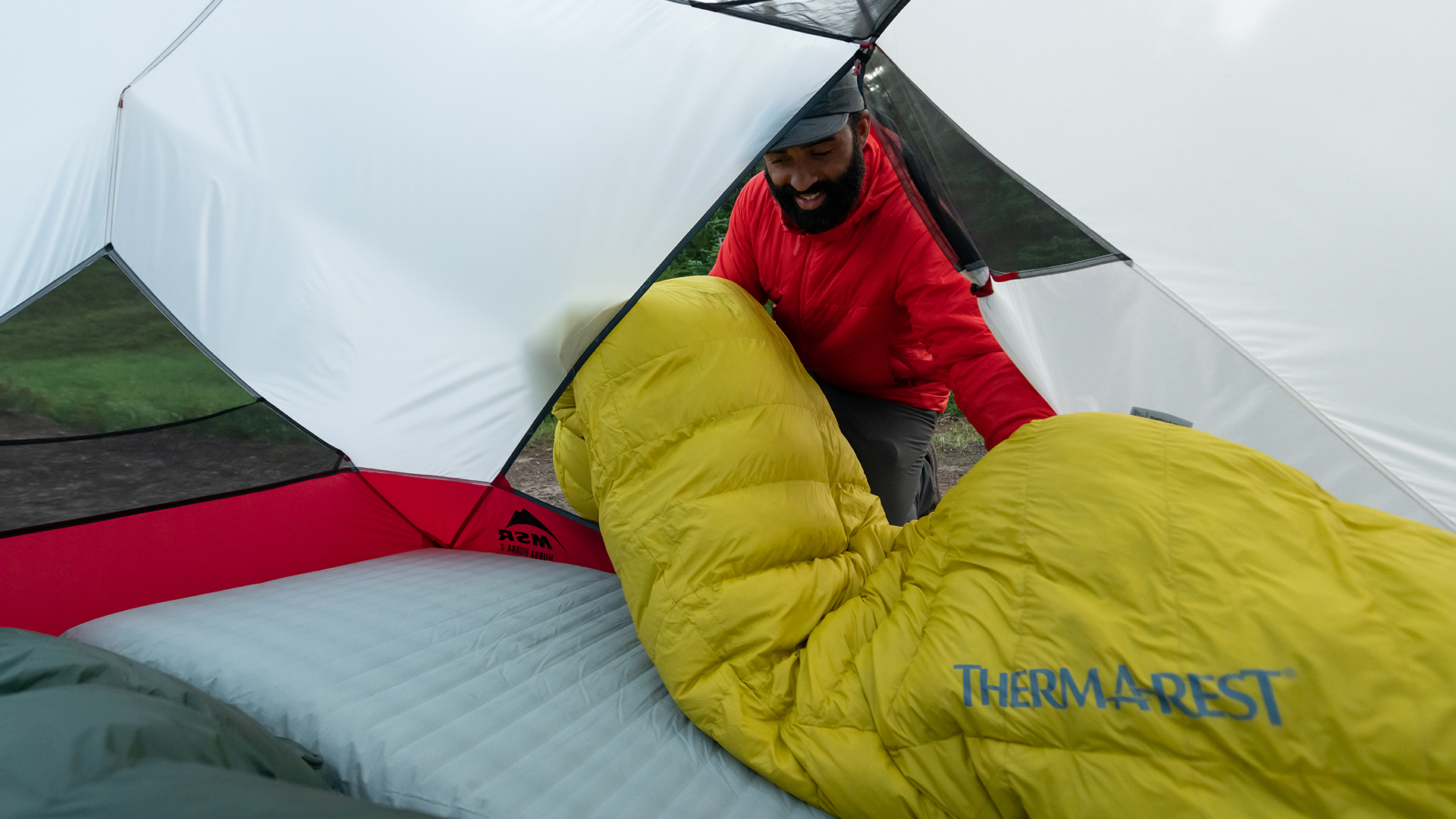
Sleeping bags are where most people start thinking about warmth.
There are two main types.
Down sleeping bags
Down is incredibly warm for its weight and packs down very small.
Benefits include:
- Excellent warmth-to-weight ratio
- Small pack size
- Long lifespan with proper care
The downside is that down loses insulation when wet. Thankfully, modern fabrics and hydrophobic treatments help reduce that risk.
Synthetic sleeping bags
Synthetic insulation performs better in damp conditions.
Benefits include:
- Better performance if wet
- Often cheaper
- Easier to care for
The trade off is weight and pack size.
Understanding temperature ratings
Sleeping bag temperature ratings can sometimes be… optimistic.
A rough rule we often recommend:
Take the comfort rating and consider your personal tolerance to cold.
Cold sleepers should aim for a bag rated slightly warmer than expected conditions.
If you want a deeper explanation of how these ratings actually work in real UK conditions, we break it down fully in our What Sleeping Bag Temperature Rating Do You Really Need in the UK? blog.
Sleeping Mats: The Most Underrated Piece of Kit
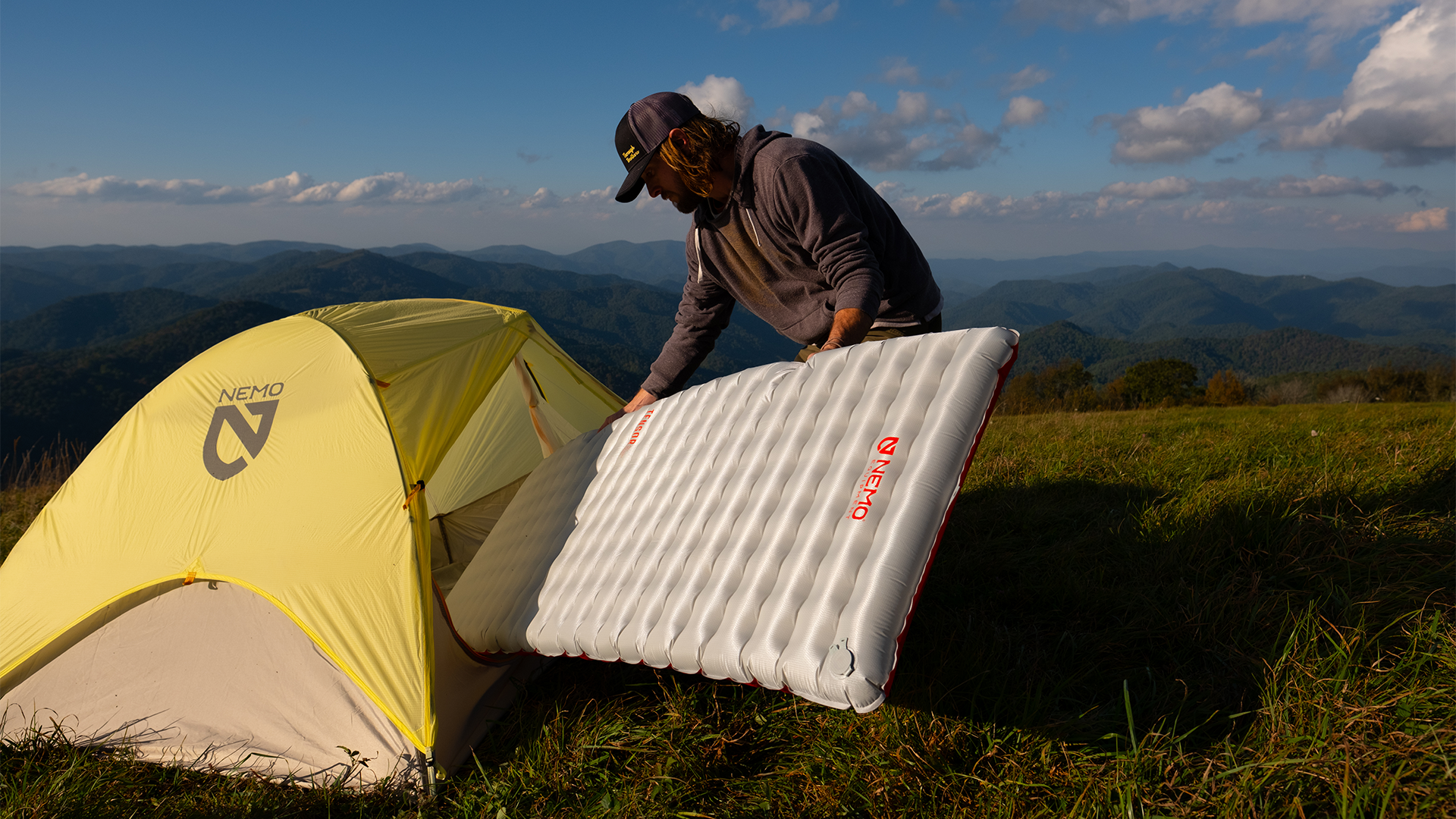
If there is one item that makes or breaks outdoor sleep, it is the sleeping mat.
The ground pulls heat away from your body surprisingly quickly. Your mat provides insulation as well as cushioning.
Understanding R values
Sleeping mats use something called an R value to measure insulation.
The higher the number, the better the mat insulates you from the cold ground.
As a very quick overview:
- R 1-2 works for warm summer camping
- R 3-4 suits most three season UK trips
- R 4.5 and above is better for colder conditions
It is also worth knowing that EN/ISO sleeping bag temperature ratings are tested assuming a sleeping mat with an R value of around 5. If your mat is significantly lower than that, your sleeping bag may feel colder than its rating suggests.
One simple way to increase insulation is layering mats. Placing a foam mat underneath an inflatable mat boosts the overall R value and adds puncture protection at the same time. It is a handy trick for colder trips or when you want a little extra warmth without changing the rest of your sleep system.
Foam mats
Simple. Reliable. Nearly indestructible.
They are lightweight and cheap, but not the most luxurious option.
Self-inflating mats
A nice balance between comfort and simplicity.
These use open cell foam that expands when the valve is opened.
They offer:
- Good insulation
- Reasonable comfort
- Simple setup
Air mats
Modern inflatable mats are incredibly comfortable.
Many now include insulation layers to improve warmth.
Benefits include:
- Excellent comfort
- Small packed size
- Good warmth to weight
If you have ever slept on a thick, insulated mat after years of foam pads, it can feel like upgrading from a park bench to a proper bed.
If you want a deeper dive into mat types, insulation and how to choose the right one for your trips, take a look at our guide on How to Choose a Sleeping Mat.
My Personal Camping Sleep System
My camping setup has evolved quite a bit over the past few years, mostly because the way I spend time outdoors has changed.
These days I actually do a lot of trips with my campervan, which means when I am camping outside it is usually during the warmer months or on specific trips like climbing or kayaking adventures. I am not someone who heads out to sleep in a tent in the middle of winter if I can help it.
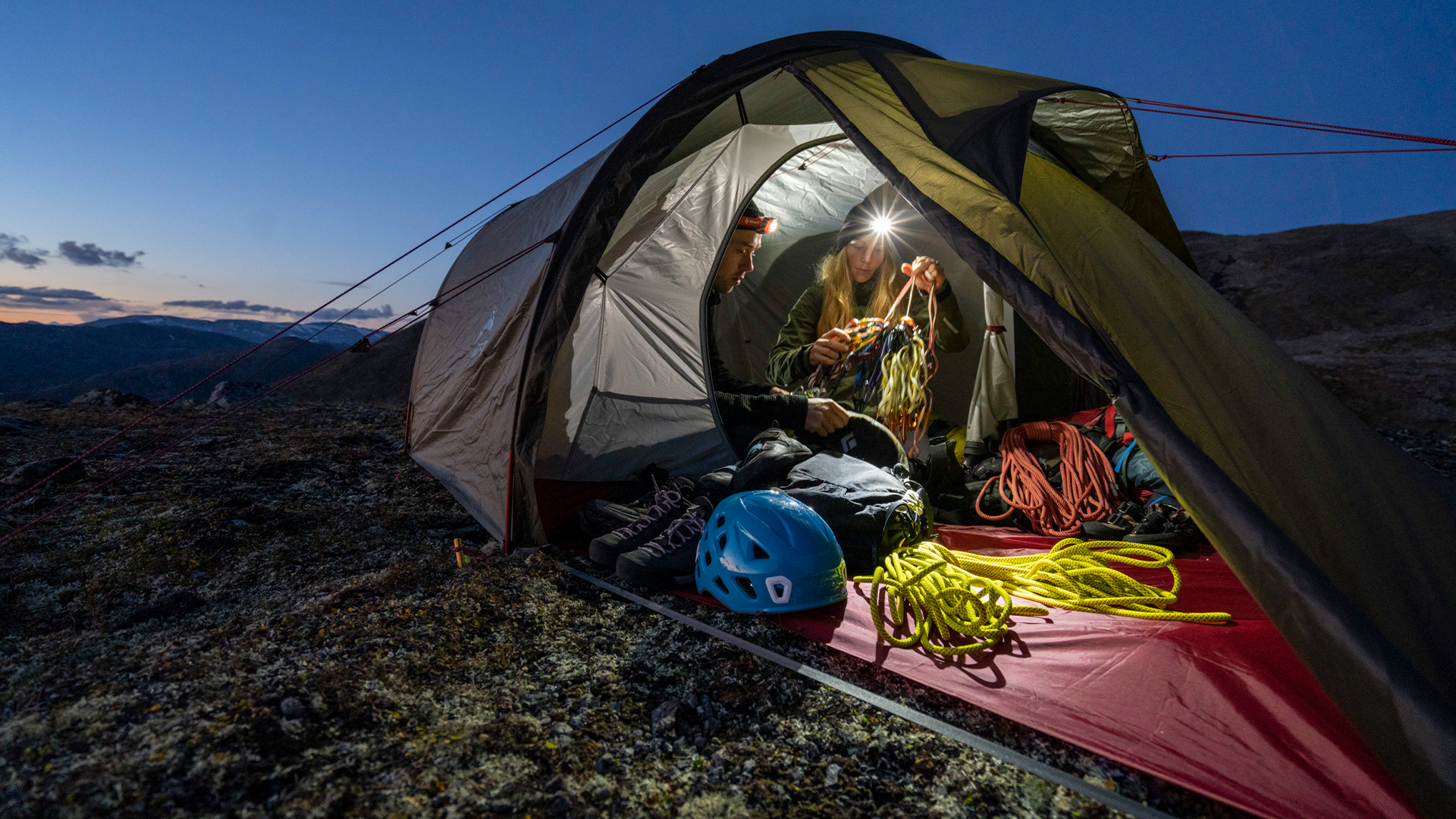
Because of that, my sleep system is built more around comfort, space and reliability rather than chasing the lightest possible kit.
It also reflects the fact that I never really camp alone. Between two climbers and a pile of gear, space becomes very important very quickly.
Tent
I almost always take a three person tent.
That might sound excessive for two people, but once you add climbing gear, ropes, helmets, bags and the general chaos that follows a day at the crag, a smaller tent would be miserable.
The extra room means we can:
- Keep gear inside if the weather turns
- Sit up comfortably in the evening
- Avoid playing sleeping bag Tetris with piles of kit
I use the MSR Hubba Hubba HD, which gives us plenty of room for two people plus a heap of climbing gear while still packing down reasonably well for trips where we need to carry it.
Sleeping bag
I get really cold at night, so warmth is something I pay a lot of attention to when choosing a sleeping bag. Because of that I tend to favour down insulation over synthetic. Down provides far better warmth for its weight and compresses smaller, which makes it ideal for trips where I still want something warm without carrying a huge sleeping bag.
Because most of my camping happens spring through early autumn, I tend to use a mid weight sleeping bag that balances warmth with comfort.
If the temperature drops more than expected, I usually just add a couple of small tweaks rather than switching bags completely.
Things that help extend the warmth:
- A foam mat underneath
- A sleeping bag liner
- A warm base layer
- A hat or buff for colder nights
My go to is the NEMO Disco 30, which works really well for warmer season camping and suits the fact that I tend to feel the cold at night.
Bonus comfort item
A proper pillow.
Not a rolled up jacket pretending to be a pillow. An actual camping pillow.
It might sound like a luxury, but good neck support makes a noticeable difference to sleep quality, especially after a long day outdoors.
I always pack the Sea to Summit Aeros Premium Pillow. It’s small, lightweight and genuinely comfortable, which makes settling in for the night far easier than balancing your head on a bundle of spare clothes.
Key Takeaways
A good camping sleep system is about balance.
The tent protects you from the elements. The sleeping bag traps warmth. The sleeping mat insulates you from the ground.
Get those three working together and camping becomes far more enjoyable.
And once you have a system dialled in, the difference is huge. Instead of dreading the night ahead, you actually look forward to crawling into your bag and listening to the rain outside.
If you are unsure where to begin or want help choosing the right setup, our team is always happy to help. You can email us [email protected], give us a call on 01432 263335, or visit our Hereford service centre to chat things through in person. We spend a lot of time testing gear ourselves, so we are always glad to talk through what actually works out in the hills.
Happy Camping!
FAQs
For most people it is the sleeping mat. Ground insulation has a huge impact on warmth and comfort.
For three season UK camping, many people choose bags with a comfort rating around 0 to 5°C depending on personal tolerance to cold.
Yes, many modern inflatable mats include insulation layers and offer excellent warmth alongside comfort.
Not necessarily, but many solo campers prefer them for the extra space and comfort.
Down offers better warmth to weight, while synthetic performs better in damp conditions. Both work well when chosen carefully.
Light layers like base layers or a hat can add warmth without compressing the insulation.
Good ventilation, campsite selection and keeping wet gear outside the inner tent can all help reduce condensation.
Leave a Reply