
Sleeping Bag Temperature Rating Guide UK
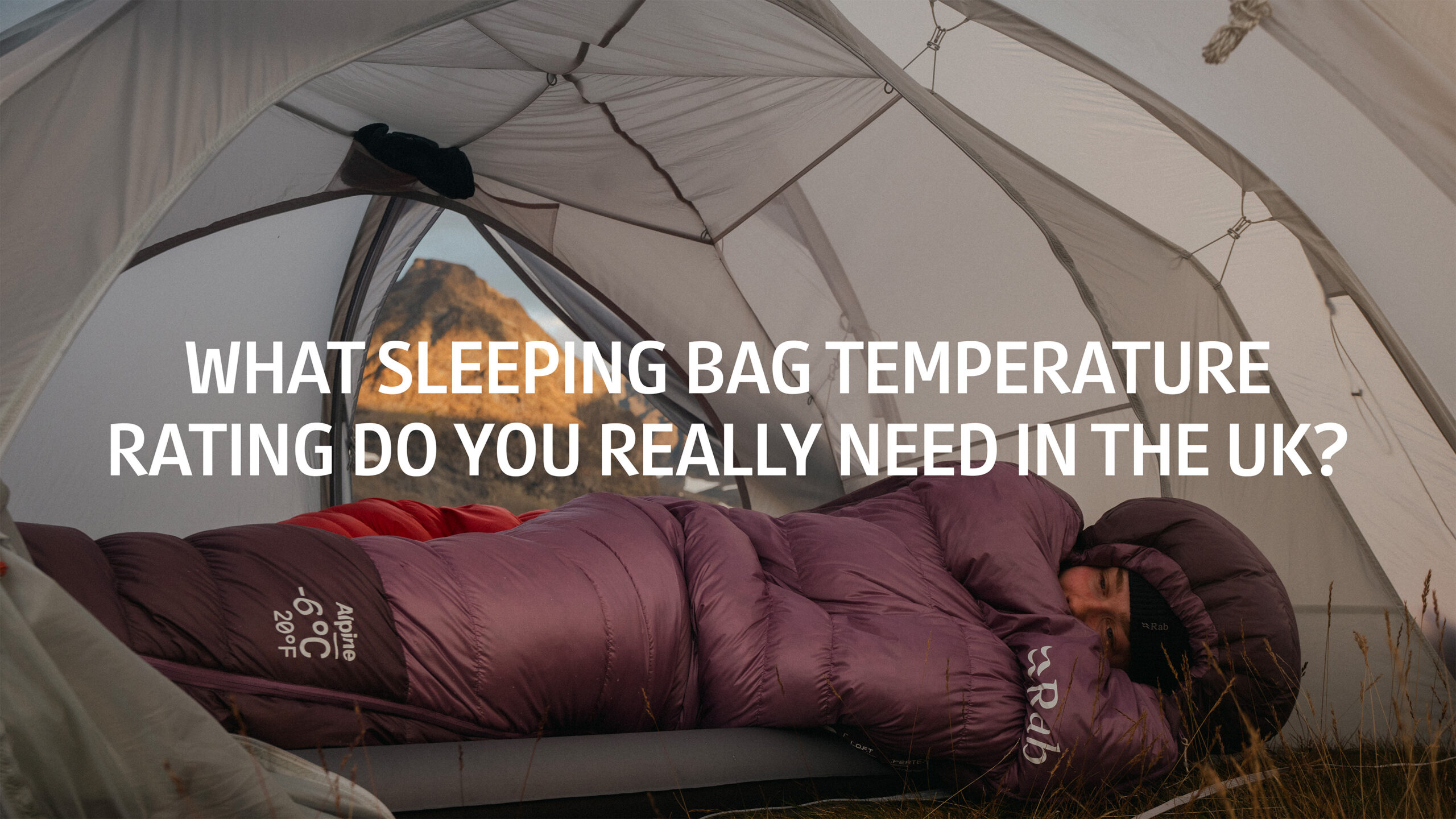
“What sleeping bag temperature rating do I need?” is one of the questions we hear most often at Trekitt. And it is surprisingly easy to get wrong.
Many people assume a sleeping bag rated to 0°C will keep them comfortable at 0°C. In reality it is rarely that simple. UK weather is damp, changeable and often colder at night than many people expect. Add wind, altitude and tiredness into the mix and a poorly chosen sleeping bag can quickly turn a great trip into a long uncomfortable night.
Understanding what sleeping bag temperature ratings actually mean helps you make a far better choice. Whether you are planning summer wild camps in the Lakes, spring nights in Snowdonia or colder autumn trips in the Highlands, picking the right rating makes a huge difference to comfort and safety.
IN SHORT…
-
Understand sleeping bag temperature ratings: Learn what comfort, lower limit and extreme ratings actually mean and which number matters most when choosing a bag.
-
Match ratings to UK conditions: See typical temperature ranges for summer, three season and winter camping in the UK, especially in the hills and mountains.
-
Build a complete sleep system: Understand how sleeping mats, shelter choice and clothing all affect how warm your sleeping bag feels overnight.
-
Choose the right insulation: Explore the differences between down and synthetic sleeping bags and how each performs in typical UK conditions.
This article is part of our 👉 Sleeping Bags Knowledge Centre, where you’ll find expert advice on choosing the right sleeping bag, understanding temperature ratings, comparing insulation types and building the perfect sleep system for UK conditions.ure.
Understanding Sleeping Bag Temperature Ratings
Most modern bags are tested using EN or ISO standards. While these give useful benchmarks, real-world warmth depends on things like metabolism, fatigue, hydration, what you’re wearing inside the bag, and the insulation beneath you.
It is also worth noting that EN/ISO testing assumes the use of a sleeping mat with an R-value of around 5, so using a mat with a lower R-value than this can significantly reduce how warm a bag feels in real conditions.
The result produces three key temperature numbers.
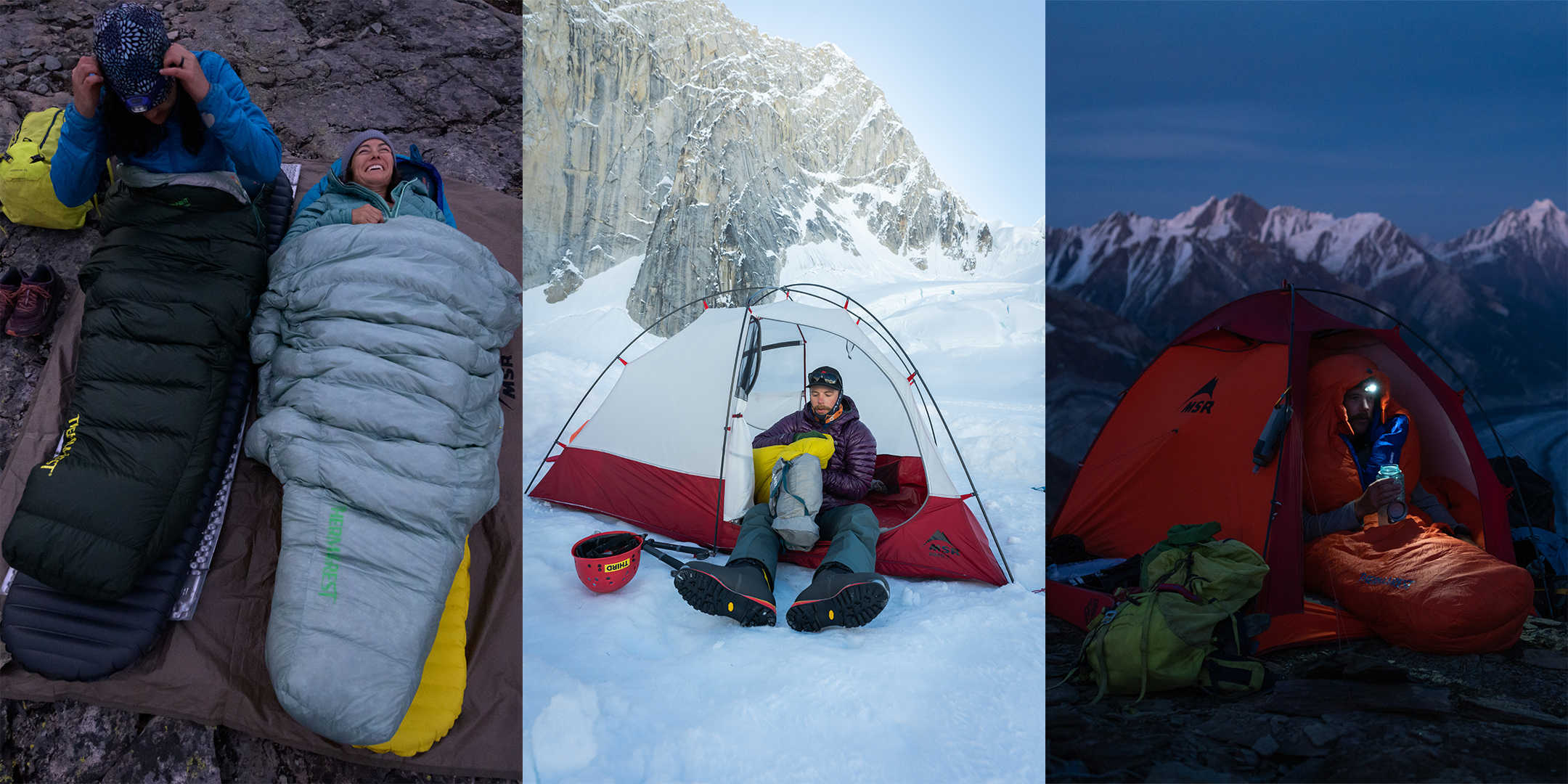
Comfort Rating – This is the most important figure for most people. The comfort rating represents the temperature at which an average cold sleeper can sleep comfortably in a relaxed position. If you want reliable warmth on typical UK trips, this is the number to pay attention to.
Lower Limit Rating – This rating represents the lowest temperature at which an average warm sleeper can sleep for eight hours while curled up. In reality many people will find this temperature uncomfortable.
Extreme Rating – This is a survival number rather than a usable one. It represents the temperature at which a sleeper may avoid hypothermia for a short time. It should never be used when choosing a sleeping bag for actual trips.
Why UK Conditions Make Temperature Ratings Tricky
Sleeping bag temperature ratings are useful, but they do not always translate perfectly to real nights outdoors. UK conditions in particular can make a bag feel colder than the number on the label might suggest.
While the UK is not usually extremely cold, it is often damp, windy and changeable. These factors can have a noticeable impact on how warm your sleeping bag actually feels overnight. A bag that seems perfectly adequate on paper can quickly feel underpowered once you add in exposed campsites, wet air and a long day in the hills.
A few factors that regularly catch people out include:
Altitude
Even in summer, temperatures can drop quickly as you gain height. A sheltered valley campsite might still be sitting at 8°C late in the evening, while a higher camp on an exposed ridge or plateau can be much colder.
In the Lake District, Snowdonia or the Scottish Highlands it is not unusual for overnight temperatures in the hills to fall close to freezing, even during the warmer months.
Humidity
Damp air conducts heat more efficiently than dry air. This is one of the reasons UK nights can feel colder than the thermometer suggests.
A calm 5°C night in a dry alpine environment can feel relatively comfortable inside a sleeping bag. The same temperature in a damp British valley can feel noticeably colder.
Wind
Wind is another big factor, particularly on exposed camps. Moving air pulls heat away from your body and reduces the warmth trapped inside your sleep system. A well pitched tent or sheltered campsite can make a significant difference to how warm you feel overnight.
Fatigue and food
Your body generates heat while you sleep, but this depends on having enough energy available. Arriving at camp completely exhausted, dehydrated or without eating properly can make it much harder to stay warm through the night.
Because of all these variables, we often suggest choosing a sleeping bag with a little more warmth than the forecast might indicate. Having that small buffer usually leads to a much more comfortable night outdoors.
Typical Sleeping Bag Ratings for UK Camping
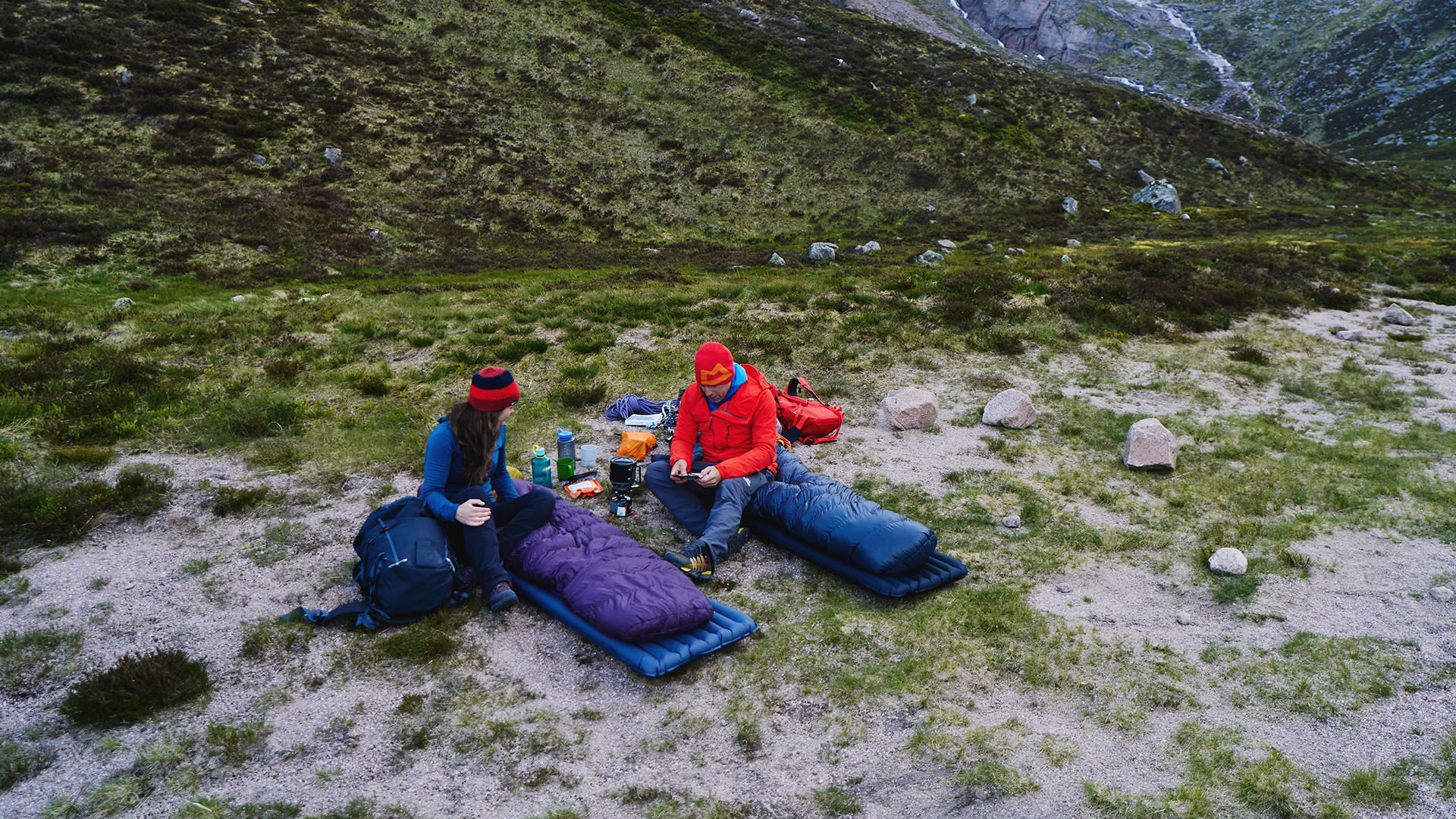
While sleeping bag ratings give us a useful benchmark, real world UK conditions rarely follow neat temperature brackets. Humidity, wind and altitude all play a role, and nights in the hills often feel colder than the forecast suggests.
Because of that, we usually recommend choosing a sleeping bag with a little extra warmth in reserve. A bag that is slightly warmer than you expect to need will almost always lead to a more comfortable night.
The table below gives a rough guide to the temperature ratings we typically suggest for different types of UK camping.
| Season / Use Case | Typical UK Night Temperatures | Recommended Comfort Rating | Notes |
| Summer Lowland Camping | 8°C to 12°C | Around 5°C | Suitable for campsites, sheltered valleys and warmer nights. Lightweight and packable. |
| Summer Mountain Camping | 3°C to 8°C | 0°C to 2°C | Even in summer, higher elevations in the Lakes, Snowdonia and Scotland can get surprisingly cold overnight. |
| Three Season Backpacking | 0°C to 8°C | Around 0°C | The most versatile choice for UK hill camping across spring, summer and early autumn. |
| Shoulder Season Camping | -3°C to 3°C | -3°C to -5°C | Useful for colder autumn trips, exposed camps and higher altitude routes. |
| Early Winter or Cold Snaps | -5°C to 0°C | -5°C to -8°C | Suitable for colder UK conditions when frost and freezing temperatures are likely. |
| Full Winter Mountain Camping | -5°C to -15°C (occasionally lower) | -10°C to -15°C | Typical for Scottish winter trips or high camps. A high quality down bag and a warm sleeping mat become critical. |
For most people exploring the UK hills, a sleeping bag with a comfort rating around 0°C is often the sweet spot. It works well for spring, summer and early autumn while still packing down small enough for backpacking.
Factors That Affect How Warm You Sleep
Sleeping bag ratings are only part of the system. Your overall sleep setup matters just as much.
Sleeping Mats
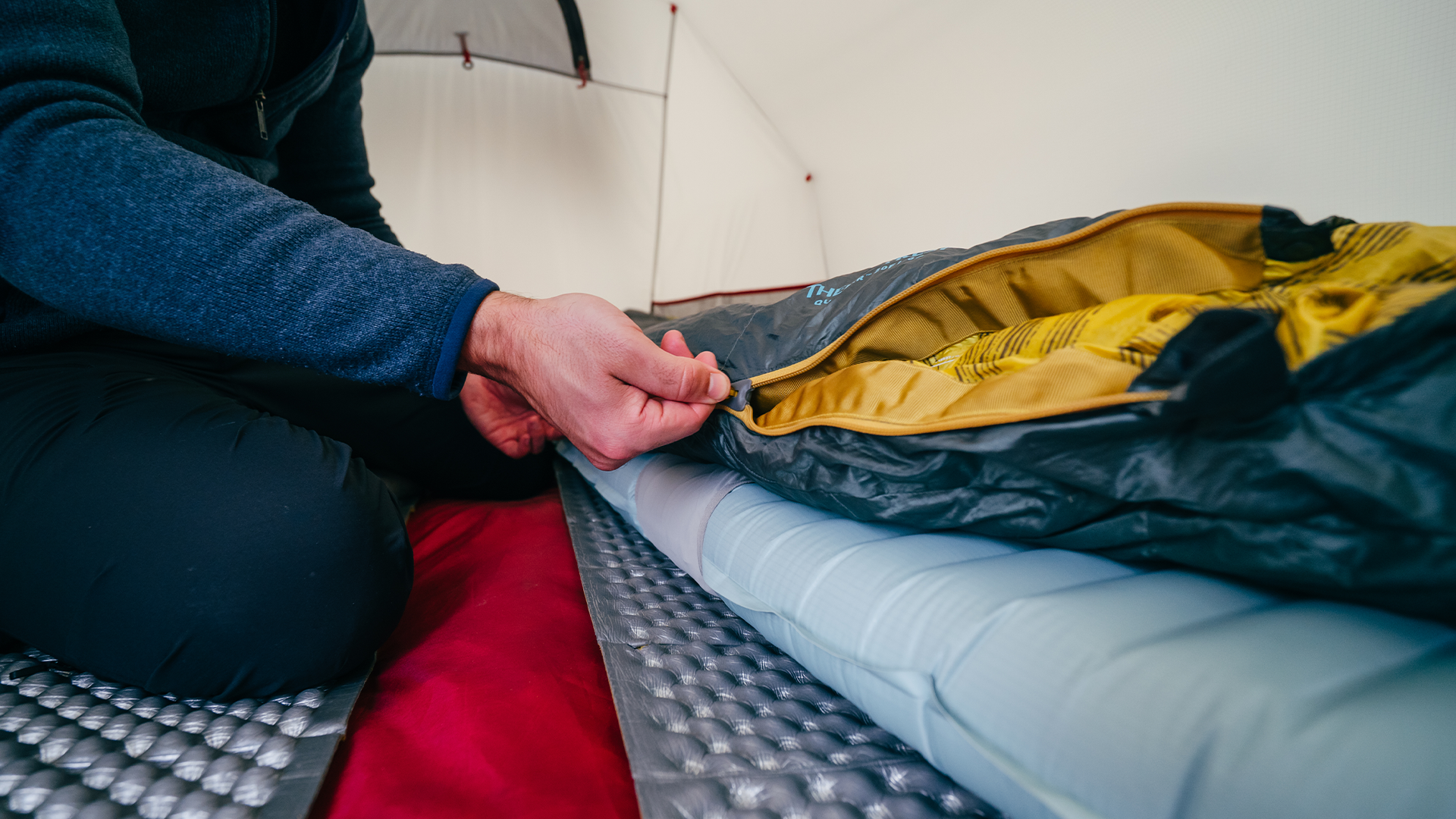
Your sleeping bag insulation only works properly when it can loft fully. When you lie down, the insulation underneath you compresses, which means most of your warmth from below actually comes from your sleeping mat. A good mat provides the ground insulation that keeps cold from draining away your body heat overnight.
If you want to understand how this works and how to choose the right one for your trips, our guide How to Choose a Sleeping Mat explains everything in detail.
Shelter Choice
Your shelter choice also influences how warm your sleep system feels overnight. A solid tent can reduce wind chill, hold a little warmth inside and create a far more stable sleeping environment. More minimalist or open shelters allow greater airflow, which can quickly strip heat away on cold or exposed camps.
If you are unsure what type of shelter suits your trips, our Camping Tent Buying Guide explains the different styles of tents and how to choose one for UK conditions.
Clothing
Wearing dry base layers or lightweight insulated clothing can add noticeable warmth inside a sleeping bag. Merino layers from brands like Devold work particularly well for sleeping systems.
Metabolism
Some people naturally sleep warmer or colder. If you tend to feel cold easily, it is worth choosing a warmer bag.
Down vs Synthetic Sleeping Bags
Temperature rating matters, but so does insulation type.
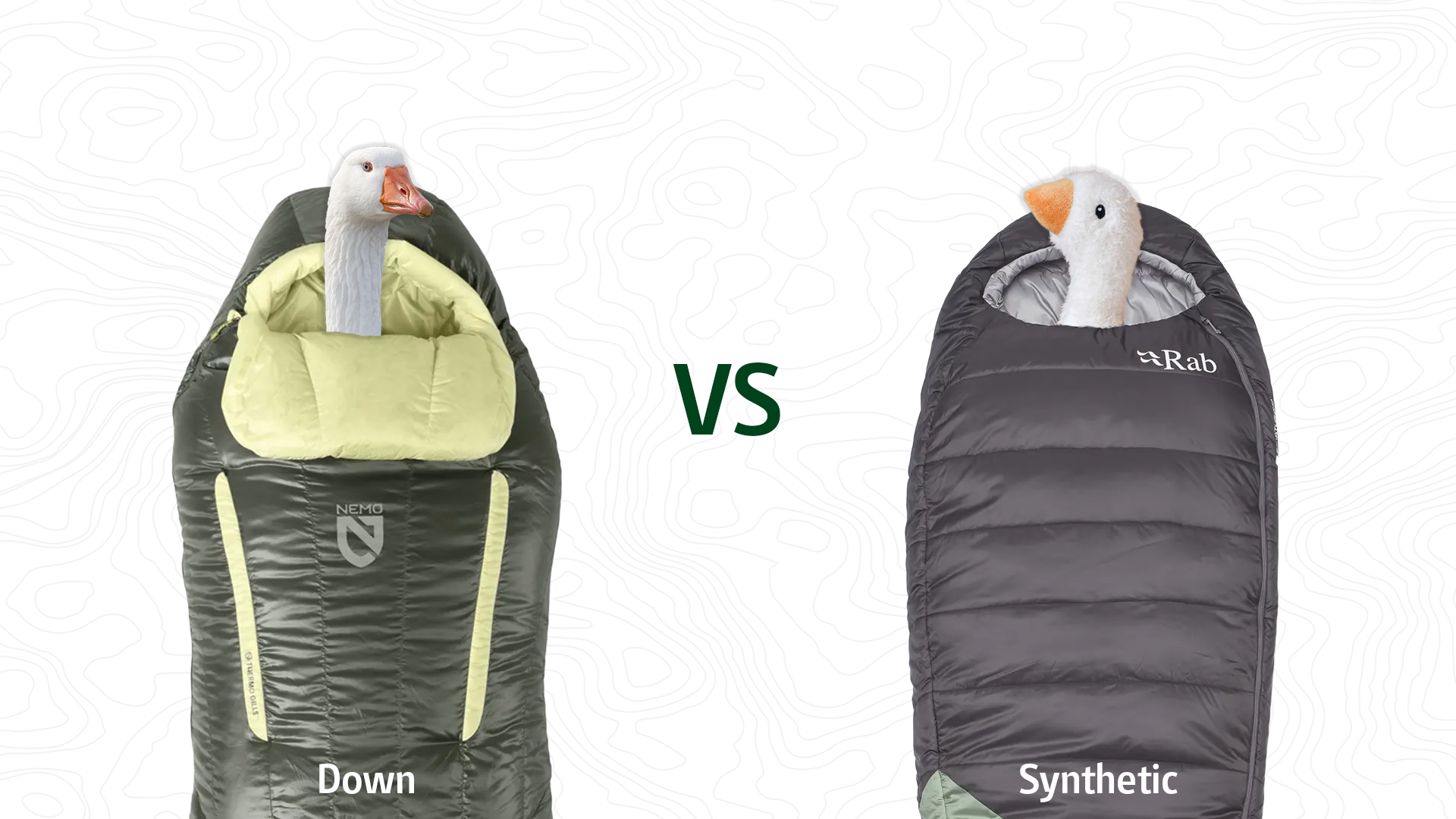
Down Sleeping Bags
Down insulation offers the best warmth-to-weight ratio available. High-quality down traps a large amount of air for very little weight, which means down sleeping bags tend to be warmer, lighter and far more compressible than synthetic alternatives.
This makes them a popular choice for backpacking and mountain use, where saving space and weight in your pack really matters. Down bags also tend to last longer if cared for properly, as the insulation maintains its loft over time.
Many high-performance bags use responsibly sourced goose down with high fill power. This improves warmth while keeping the overall weight low.
The main drawback of down is moisture. If untreated down becomes wet it can lose much of its insulating ability. Modern hydrophobic treatments help reduce this issue, but down sleeping bags still perform best when kept dry.
Synthetic Sleeping Bags
Synthetic insulation works differently. Instead of natural clusters, it uses fine polyester fibres designed to trap air and provide insulation.
While synthetic bags are usually heavier and bulkier than down, they have one major advantage. They continue to insulate even when damp and tend to dry much faster.
This makes them a good option for wetter environments, shorter trips or for people who are still building their camping kit. Synthetic bags are also generally more affordable, which can make them a sensible starting point for new campers.
Which Should You Choose?
For many UK campers the choice often comes down to priorities. If you want the lightest and most packable option for backpacking, down is usually the better choice. If durability, moisture resistance and value matter more, a synthetic sleeping bag can still be an excellent option.
Find Sleeping Bags by Temperature Range
Looking for a sleeping bag to suit the conditions ahead? Explore our sleeping bag ranges by temperature below. Each link takes you to a selection of sleeping bags within that temperature range, making it easier to narrow down your options.
| Temperature Range | What You’ll Find and When Might You Use It? | Explore the Range |
| 1°C & Above | Sleeping bags for warmer conditions, ideal for summer camping, hut trips and milder nights outdoors. | Explore 1°C & Above Sleeping Bags |
| 0°C to -6°C | Warmer sleeping bags for chilly nights, three-season camping and trips where temperatures may dip below freezing. | Explore 0°C to -6°C Sleeping Bags |
| -7°C to -16°C | Insulated sleeping bags for cold-weather camping, winter adventures and more demanding mountain trips. | Explore -7°C to -16°C Sleeping Bags |
| -17°C & Below | Our warmest sleeping bags are built for harsh winter temperatures, high-altitude adventures and extreme cold. | Explore -17°C & Below Sleeping Bags |
Key Takeaways
Choosing the right sleeping bag rating for UK camping is less about chasing the lightest option and more about giving yourself a realistic comfort margin.
If you mainly camp in summer valleys a 5°C comfort bag may be enough. However, for most backpackers exploring the hills and mountains of the UK, a sleeping bag rated around 0°C comfort is often the safest and most versatile option. It’ll give you flexibility across spring, summer and early autumn while still packing down small enough for backpacking trips.
If you are building a complete sleep system, it is also worth exploring our range of Sleeping Mats to make sure your insulation from the ground is just as dialled in as your sleeping bag.
If you are still unsure which sleeping bag will suit your trips, we are always happy to help. Choosing sleep systems can feel a bit confusing at first, especially with all the different ratings and insulation options available. If you would like a second opinion, feel free to drop us an email at [email protected] or give the team a call on 01432 263335 and we will gladly talk things through.
Even better, if you’re nearby, pop into our Hereford Service Centre. You can see a range of sleeping bags and mats in person, chat with the team about your plans and get some hands on advice before heading out into the hills.
FAQs
The comfort rating is the one most people should focus on. It represents the temperature where an average cold sleeper can sleep comfortably in a relaxed position. If you want a reliable guide for real UK camping conditions, this is the number we usually recommend paying attention to.
For many UK backpacking trips, a 0°C comfort rated sleeping bag is a very solid all round choice. It works well for spring, summer in the hills and early autumn, giving you enough warmth for cooler mountain nights without being overly bulky.
A sleeping bag is only part of the sleep system. Feeling cold is often caused by poor ground insulation, damp clothing, strong wind exposure or going to bed tired and under-fuelled. A good sleeping mat, dry layers and a sheltered pitch can make a surprising difference.
In many cases it is a sensible choice. UK weather can be unpredictable, especially in the hills, so having a small buffer in your sleeping bag rating usually leads to a far more comfortable night.
Down generally offers better warmth for the weight and packs down smaller, which makes it ideal for backpacking. Synthetic insulation is bulkier but continues to insulate better when damp, which can be useful in wetter conditions.
Many women tend to sleep colder than men, so choosing a bag based on the comfort rating is often the safest approach. Some brands also offer women specific sleeping bags designed with extra insulation in key areas.
Even in summer, mountain temperatures in the UK can drop close to freezing overnight. Because of that, a sleeping bag with a comfort rating around 0°C is often the safer option for higher camps.
EN and ISO are standardised testing systems used to measure the warmth of sleeping bags. They help make temperature ratings more consistent between different sleeping bags and brands. You’ll commonly see comfort, limit and extreme temperatures listed, each representing a different level of warmth and protection.
Sleeping bag temperature ratings are useful for comparing bags, but they can’t guarantee how warm you’ll personally feel. Your metabolism, clothing, sleeping mat, weather, humidity, and how tired or well-fed you are can all affect how warm you feel. Treat the rating as a guide rather than an exact cut-off point.
Not always. Bags tested to the same recognised EN or ISO standard are easier to compare, but manufacturers may display or describe their ratings differently. When comparing sleeping bags, check which temperature rating is quoted and whether it refers to the comfort, limit, or extreme rating.
Start with the lowest temperatures you realistically expect and choose a sleeping bag with a comfort rating suitable for those conditions. For colder trips, giving yourself some extra warmth can also be sensible, particularly if you know you tend to feel the cold at night.
The comfort rating indicates a temperature at which a cold sleeper should generally remain comfortable. The limit rating represents a lower temperature at which a warm sleeper may still sleep comfortably, while the extreme rating is a survival figure rather than a recommended sleeping temperature. For choosing a sleeping bag, we recommend focusing primarily on the comfort rating.
Leave a Reply