
Trekitt’s Camping Tent Buying Guide
Choosing the right camping tent isn’t just about how many people it sleeps. In UK conditions, your shelter needs to withstand rain, wind, and condensation, and to handle pack size and weight.
This guide explains how to choose the right tent for your adventures, whether you’re wild camping in the hills, heading to a family campsite, or planning multi-day backpacking trips.
Inside this guide:
In SHORT…
-
Why tent choice really matters: Not all tents are built the same—understand how different styles and designs—from backpacking to family camping—shape your comfort, weight, and usability.
-
How tent features affect your trip: Learn about season ratings, shapes, flysheets, sewn-in groundsheets, vestibules, and weather resistance so you can match a tent to your camping conditions.
-
What to think about besides size and weight: Consider things like hydrostatic head ratings, pitch style, door configuration, and how much gear space you’ll need—smart checks that make a big difference.
Buying a tent can be overwhelming, no matter if it’s your first or fifth time purchasing one. In this tent buying guide, I’ll break down different tent designs, sizes and features to help you decipher which shelter will be correct for you and your adventures, allowing you to shop with confidence.
To begin, I’d like to make it clear that no tent is designed equally. Brands design quality tents with specific end-uses in mind, such as backpacking, bikepacking, or family camping. Compromising on a tent or making the wrong decision when purchasing one can sometimes sacrifice your weekend of comfort under the stars. Therefore, choosing the right one for you is vital.
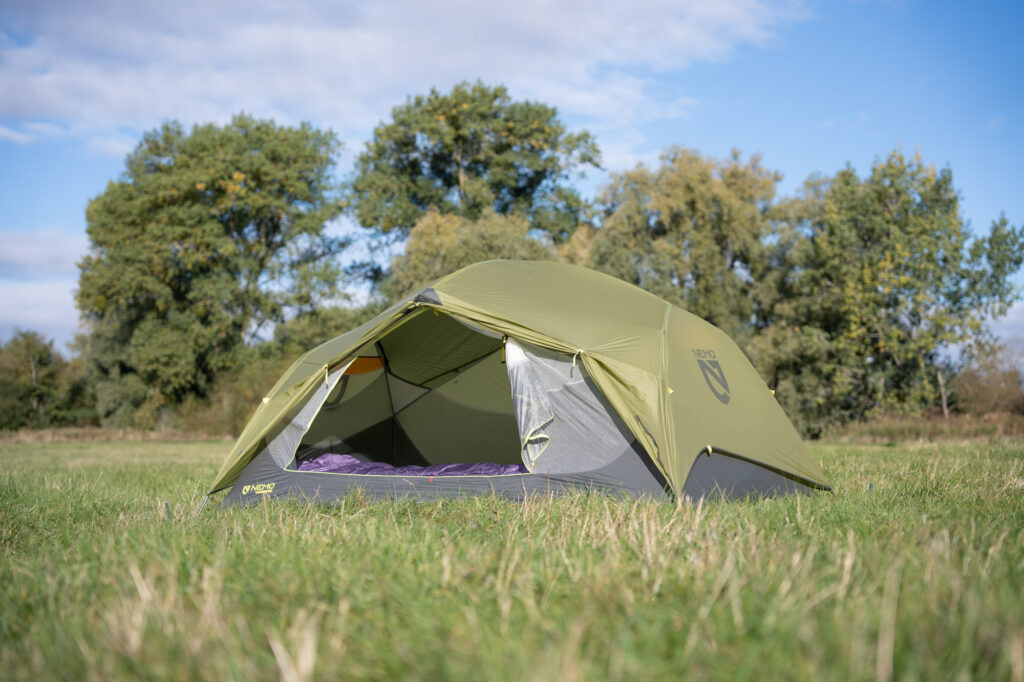
What tent should I choose for UK camping?
For most UK adventures, a 3-season tent with a hydrostatic head of at least 2,000–3,000mm offers the best balance of weather protection, ventilation and packability. These tents are designed to withstand the changeable conditions typical of British camping, including wind, overnight condensation, and persistent rain.
Unless you regularly camp in exposed mountain environments or winter snow conditions, a modern 3-season tent is usually the most practical and versatile choice.
Here’s a quick guide depending on how you camp:
| Camping style | Best tent type |
|---|---|
| Backpacking | Lightweight 1–2 person dome tent or bivvy for low pack weight and fast setup |
| Wild camping | Compact 3-season backpacking tent with small pack size and strong weather protection |
| Campsites | 2–4 person dome or tunnel tent with more headroom and comfort features |
| Family camping | Large tunnel or cabin tent with porch space for storage and living area |
| Bikepacking | Short-pole bikepacking tent designed to fit handlebars or frame bags |
| Winter camping | 4-season geodesic tent built for snow loading and strong winds |
If most of your trips take place between spring and autumn in typical UK conditions, a well-designed 3-season tent will provide reliable protection while remaining lighter and easier to pack than a full winter shelter.
Four-season tents are built primarily for structural strength in snow loading and severe wind exposure, rather than additional warmth. For most campsite trips, lowland wild camps and multi-day backpacking adventures across the UK, they are usually unnecessary.
If you’re unsure whether you need a stronger shelter for colder or more exposed trips, see our guide:
What are the different types of tents?
Backpacking Tents
Backpacking Tents are usually smaller, lighter in weight, and less bulky. Brands design them specifically to be carried on multi-day adventures, usually in a backpack. Of course, backpacking tents are great for backpacking. Yet, they’re also ideal for multi-day trekking and wild camping, especially if you have to hike to your chosen spot.
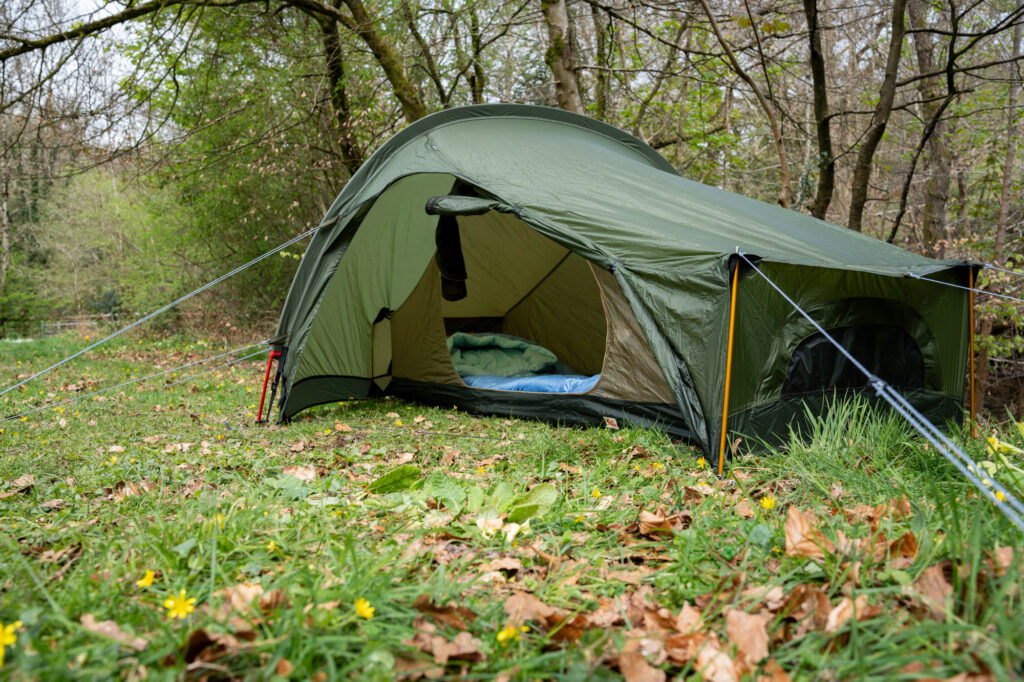
Campsite and Family Tents
These tents are much larger and have a higher capacity to fit more people inside. Sometimes, campsite and family tents have different rooms for a more sociable and homely experience.
Family tents also often have more features, such as storage pockets, as they’re designed for a more leisurely experience when camping for extended periods. Usually, campsite and family tents are heavier and larger, even after you’ve packed them down. Their bulky nature makes them less suited to adventures that involve a lot of walking or moving between locations.
Pop-Up and Festival Tents
Pop-up tents are quick and easy to set up. They’re probably the least technical tent you can buy and often have a smaller capacity with less features. Still, they serve a great purpose if you want an affordable, minimal shelter solution. Pop-up tents work exceptionally well for festivals, events, or even camping in the garden with the kids! To clarify, you can use various tent types for festivals, but pop-up shelters are usually the most popular option.
Bikepacking Tents
Bikepacking is becoming more popular, so what’s better than having a well-suited tent? Many bikepacking-specific tents are lighter and smaller in pack size, just like backpacking tents. They’re often optimised to be packable enough to carry on a bike, or be mounted on bike handlebars, making for easy on-the-go storage for two-wheeled adventures.
Cotton Tents
Cotton tents are probably the most luxurious you will find. Before you ask, they are still technically waterproof, just in a different way than regular tents. The cotton yarns swell when the tent gets wet, blocking moisture and preventing rain from seeping through.
These tents are best suited to glamping, luxury camping and parties/events. They are incredibly heavy compared to regular camping tents and less packable, making them less portable. Cotton tents also have a much higher capacity and can sometimes house up to ten people!
What Are The Different Tent Shapes?
So far in this tent buying guide, we’ve covered different types of tents. However, there are also different tent shapes worth noting. Recognising which tent shapes have which benefits allows you to really hone in on your decision. So, here’s a brief overview of the most common shapes of tents.
Tunnel Tents
Yep, you guessed it, tunnel tents are almost shaped like a tunnel. They’re longer, more spacious, and super easy to pitch, as they don’t feature any overlapping poles. Tunnel tents are also beneficial for taller users who may want a little extra length, although the amount of room you have will still depend on the overall dimensions of your tent.
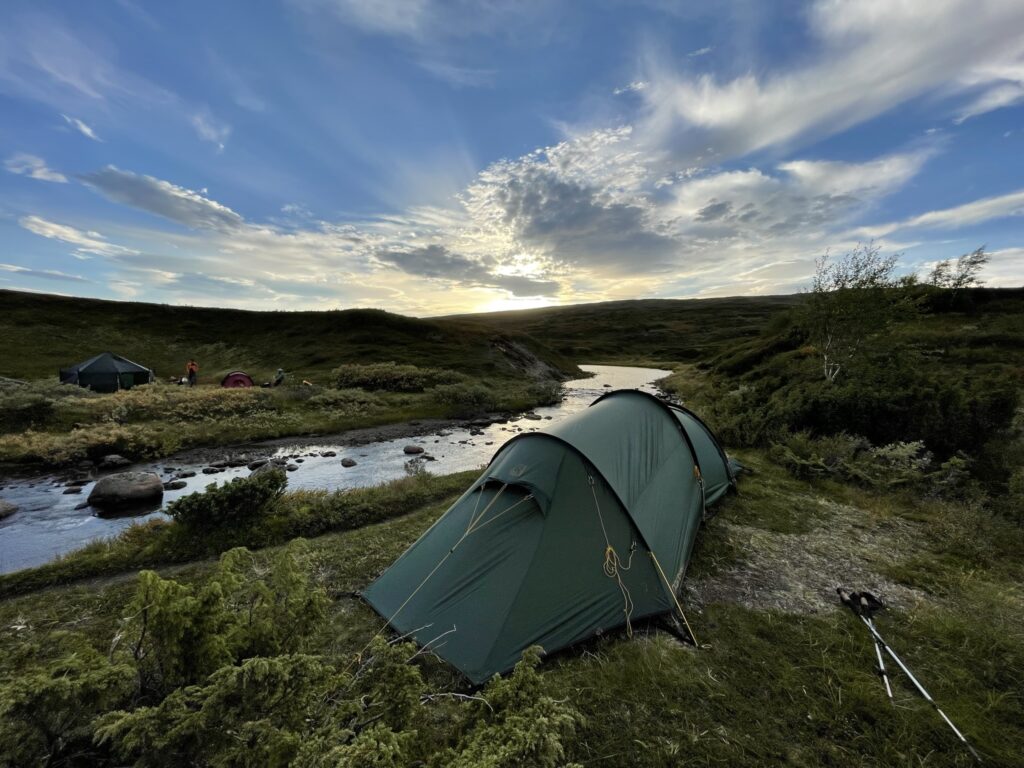
One slight downside to tunnel tents is that they offer a little less stability than others, like dome tents. However, this is easily fixed with some well-pitched, taut guylines to keep it secure in rough or windy conditions.
Dome Tents
Dome tents are a great all-round option for both casual and multi-activity users. They’re easy to pitch yet deliver a little extra stability in harsh weather.
It’s also worth keeping in mind that dome tents sometimes have less headroom due to their shape and sloping sides.
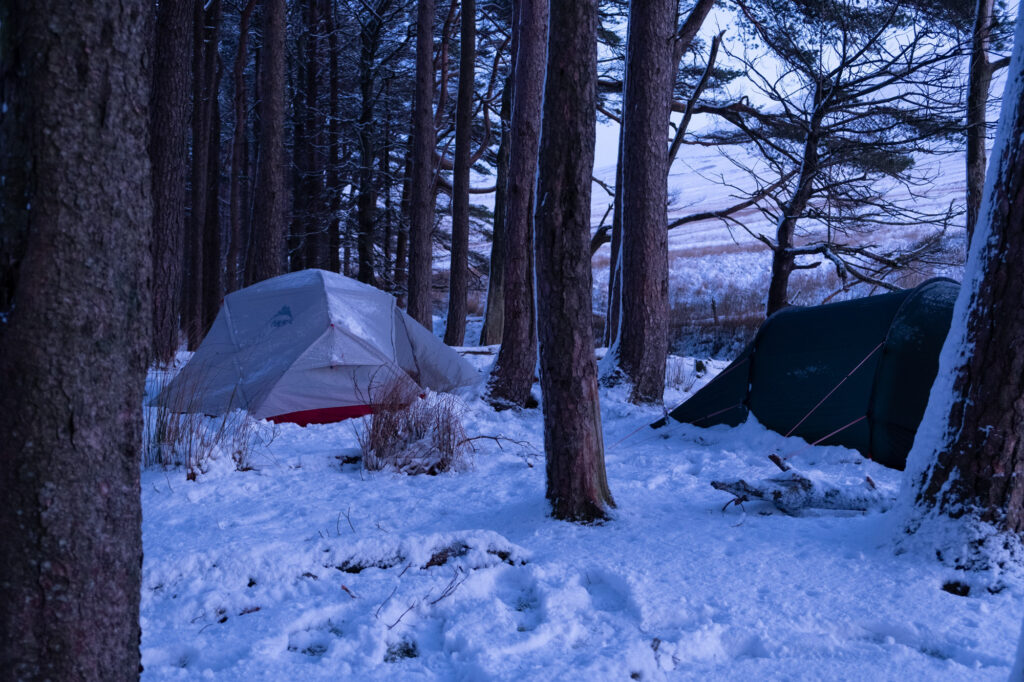
Semi-Geodesic and Geodesic Tents
These tents have a more complex structure but provide much better stability for technical camping adventures and camping in harsher conditions. Their main disadvantage is head height, as the end(s) of these tents are sloped.
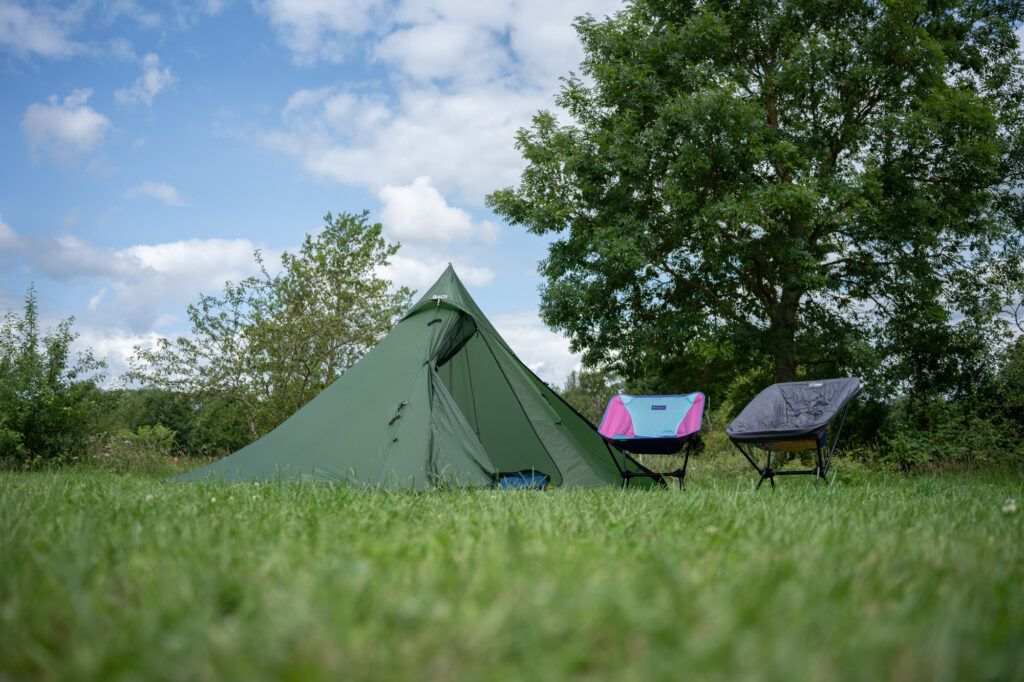
Bell and Tipi Tents
These are generally larger, taller and more spacious than your average camping tent.
Bell and Tipi tents are commonly made with cotton; these types of tent are usually used for glamping, holidays and events, as they provide a more home-like experience. If they’re made of cotton or heavier materials, they are not designed to be packed into a backpack or carried on multi-day adventures. However, if you’re taking the car or van and want to pitch up in the same spot for a prolonged period, these are great as they provide much more space to deliver a relaxed and leisurely experience.
Some outdoor brands, such as Bach, do provide Bell and Tipi-shaped tents that are more multi-day adventure friendly, like their ‘Wickiup‘ tent series, for example. These are great for taller users seeking more headroom, and for small groups of people.
| Tent shape | Strength | Weight | Space | Best for |
| Dome | Very good | Light | Moderate | Backpacking & general camping |
| Tunnel | Excellent space | Light–moderate | Large | Campsites & family trips |
| Semi-geodesic | Very strong | Moderate | Moderate | Wild camping & exposed locations |
| Geodesic | Expedition-strong | Heavier | Moderate | Winter & mountain use |
What are the main parts of a tent?
Flysheet
The flysheet is the top layer of fabric that covers the entire tent. It is lightweight yet durable, breathable, and waterproof, protecting your tent from whatever the weather has in store.
Inner Tent
Inner tents are commonly made of mesh fabric. They provide exceptional ventilation while keeping the creepy crawlies on the outside of your sleeping area.
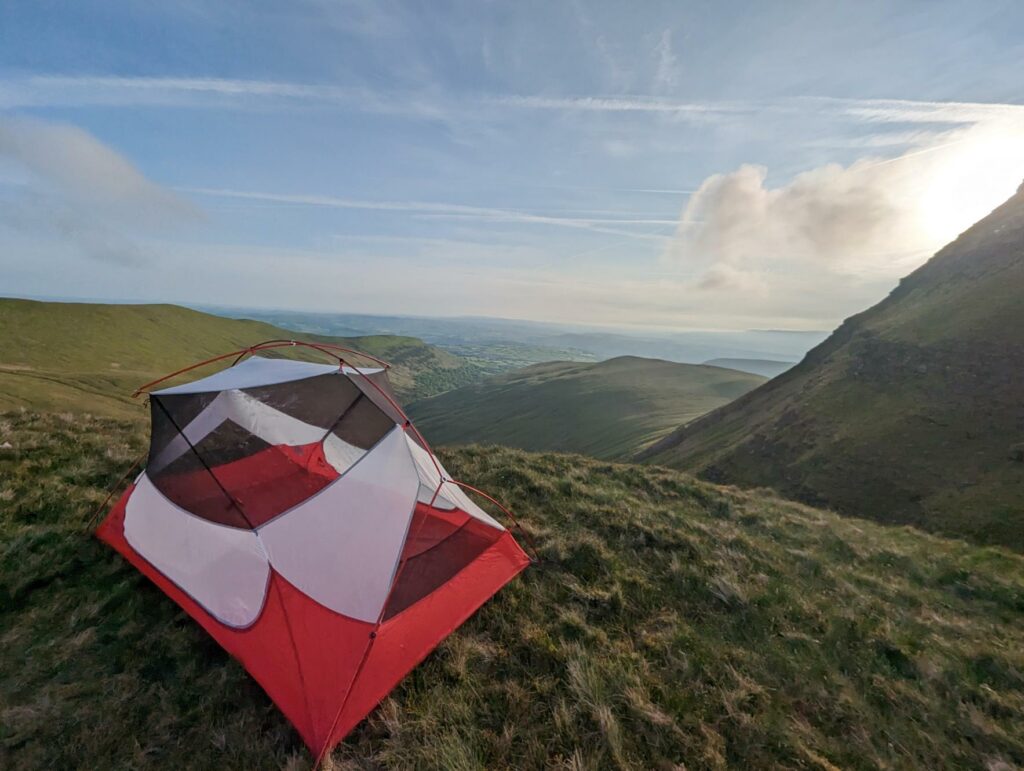
Groundsheet
A groundsheet is the base of your tent. It separates you from the earth below and is often sewn onto the inner tent to create a bathtub-like shape, which will help keep water out.
Footprint
Tent footprints reinforce and protect the groundsheet, providing additional weather protection and helping to prevent the groundsheet from getting damaged. Footprints are usually sold separately from the tent. However, they’re a worthy investment, especially if you plan on camping on rougher or rockier surfaces.
Tent Poles
The tent poles provide structure to your tent and help to keep it upright, allowing for ample headroom and a comfortable place to sit or sleep inside.
Guylines
Guylines attach the tent to the ground and are fastened using tent pegs. They are pieces of adjustable cord that run from the flysheet to the floor and are designed to keep the flysheet taut. Properly fastened and adjusted guylines help improve the overall structure and stability of the tent, making for a more reliable set-up in windy conditions.
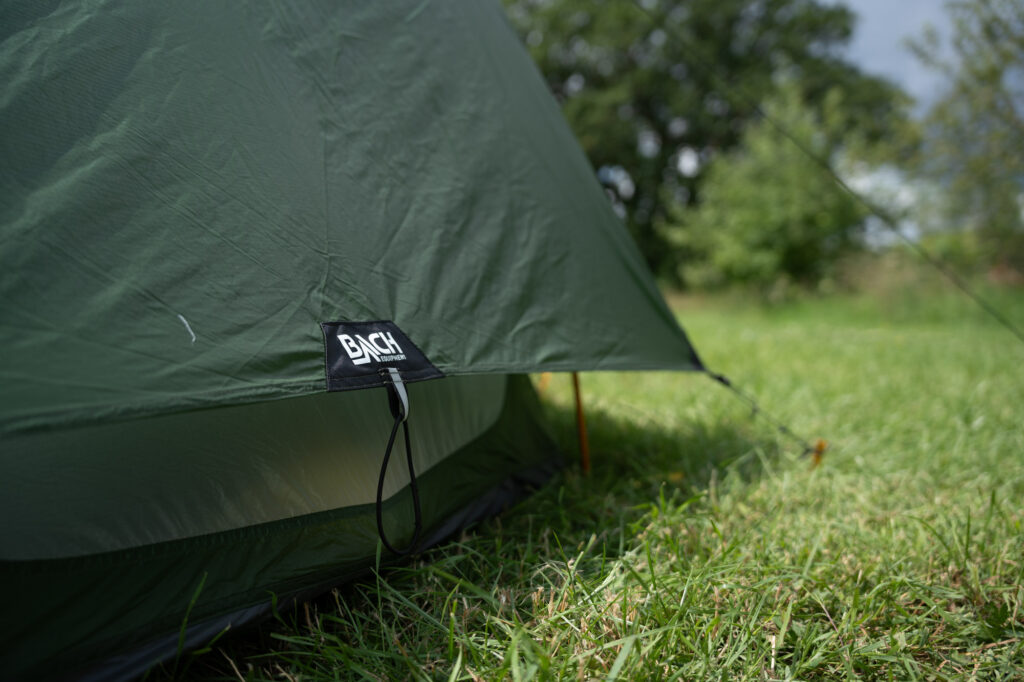
Tent Pegs
Tent pegs set your tent into the ground and often hook onto the guylines. They basically stop it from flying away or moving around the campsite when you’re not inside.
What are the important features of a tent?
You may seek different tent features to accommodate your needs or the type of adventure you’re planning. It’s also worth considering the weather, and where you’ll be pitching your tent, as some features will be more suited to warm weather than cold, for example.
Ventilation
If you’re planning on camping in humid climates or during the warmer UK seasons, it’s worth checking if the tent you’re looking to purchase has ventilation. Often, tents are built with mesh vents to help increase airflow. These are also useful in colder weather, as they help to prevent condensation buildup within the shelter.
Packability
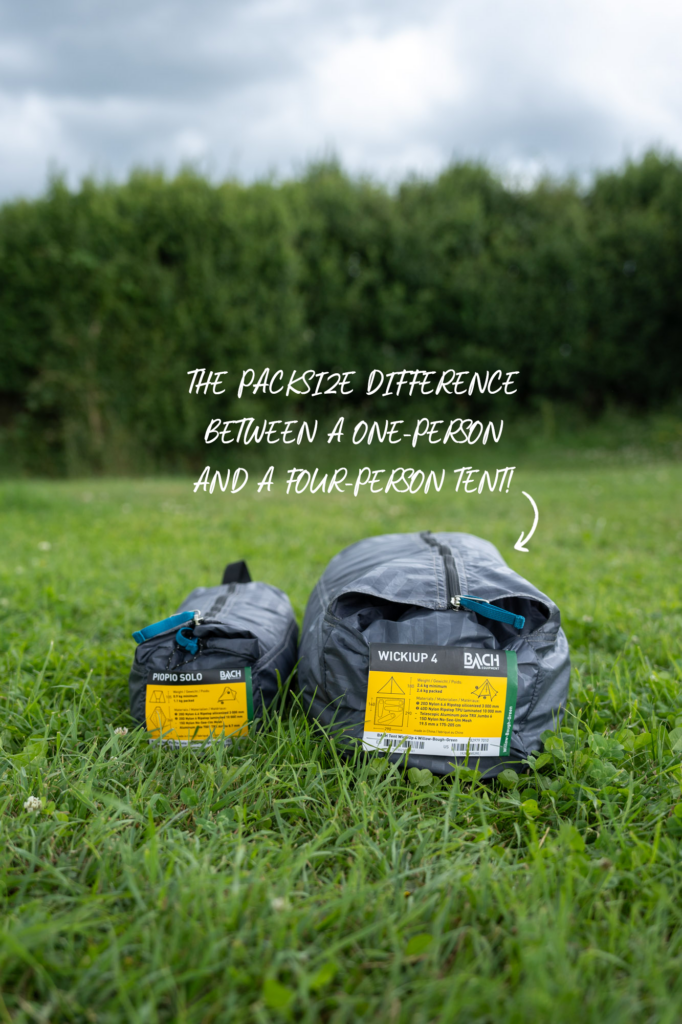
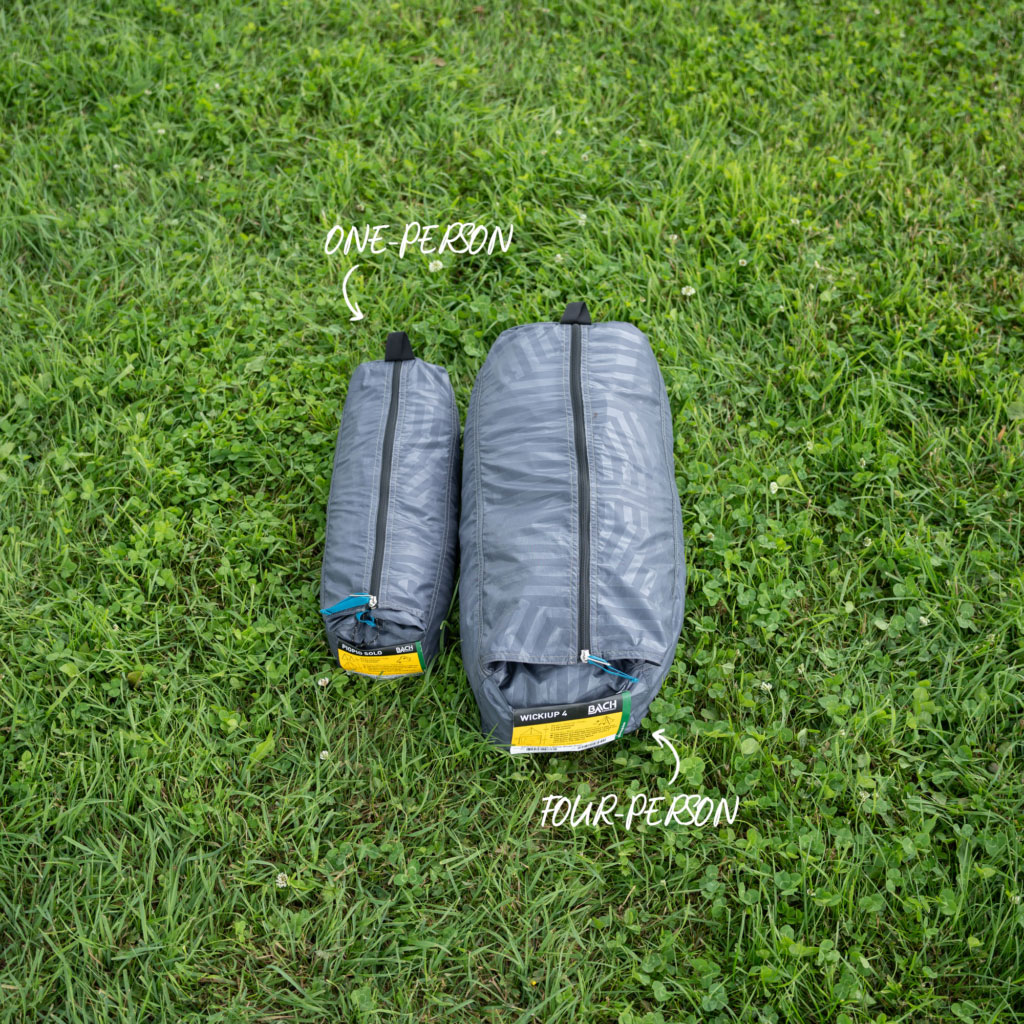
Packability is incredibly important if you’re planning on a multi-day hike, trek, or week of backpacking, where you’ll be carrying you’re equipment each day. For these types of adventures, you’ll need a tent that’s relatively lightweight and packable enough to fit in a backpack without taking up excessive space.
If you’re sharing a tent between pals, you can always split the load to reduce the weight and volume. For example, one person carries the flysheet and inner tent, one person carries the tent poles, and the other carries the tent pegs.
Storage
Some tents come with interior, built-in storage solutions, such as door pockets, roof and wall pockets, or vestibules. These are incredibly useful for more extended adventures, especially if you’re a neat freak!
If this may be a priority for you, or if you intend to take a number of belongings that would be easier to store neatly, it’s worth considering your options. Alternatively, if your dream tent doesn’t have built-in storage, many brands now provide extra storage solutions that attach to your tent, although these are often sold separately.
Doorways
This might seem like a strange thing to think about, but it can be really useful. Having to scramble over each other in the night to go for a wee because you only have one door can be a bit of a nightmare. Therefore, noting how many people will be sleeping in your tent and how many doors your tent has to accommodate those people is a worthwhile consideration.
Vestibules
If you’re adventuring in wet weather, vestibules can be incredibly useful. A tent vestibule is similar to a porch area. It offers extra shelter outside the doorway, yet it is separate from the main compartment of the tent.
Vestibules also provide additional storage outside your ‘bedroom’, meaning you can leave soggy backpacks and muddy boots at the door, without worrying about them getting wetter throughout the night.
Having a vestibule or two will keep your sleeping area clean, tidy, and cosy, so that you can enjoy a more relaxed evening under the stars (or the clouds).
Tent seasonality and weather resistance
Tents have different seasonality ratings, meaning some are more suited to dry or sunny weather, while others are built to withstand the rigours of storms, wind and heavy rain. This section of our tent buying guide will help you to decipher which seasonal rating you should be choosing when it comes to purchasing your tent.
One-season tents
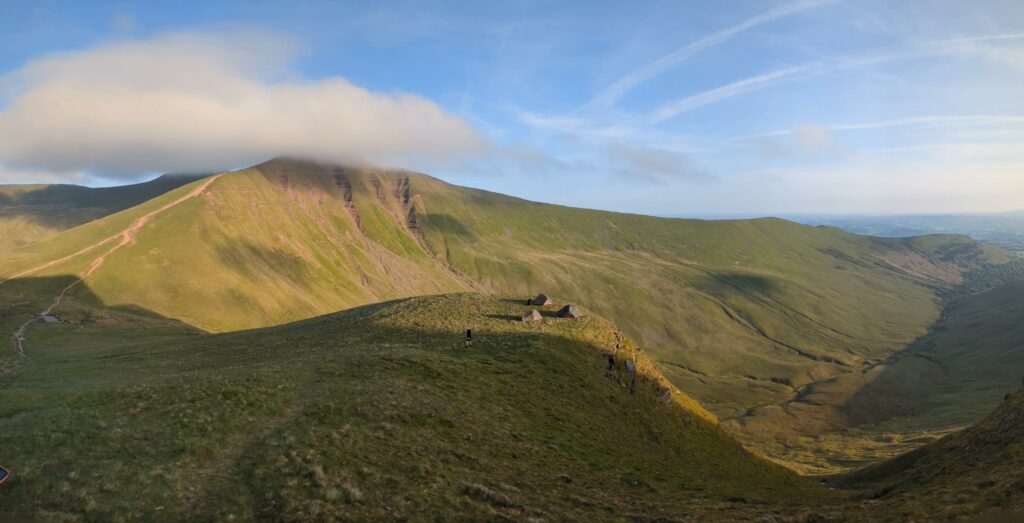
A one-season tent is usually best suited for summer, and camping in dry, warm climates. These tents are lighter, more breathable and have less weather resistance.
Two-season tents
Two-season tents are ideal for camping in spring and summer, as they provide light protection from wet weather and are incredibly breathable.
Three-season tents
A three-season tent can be used anywhere between spring and autumn in normal UK conditions. They’re more robust and can withstand rain and wind, and perhaps even a light snow shower.
Four-season tents
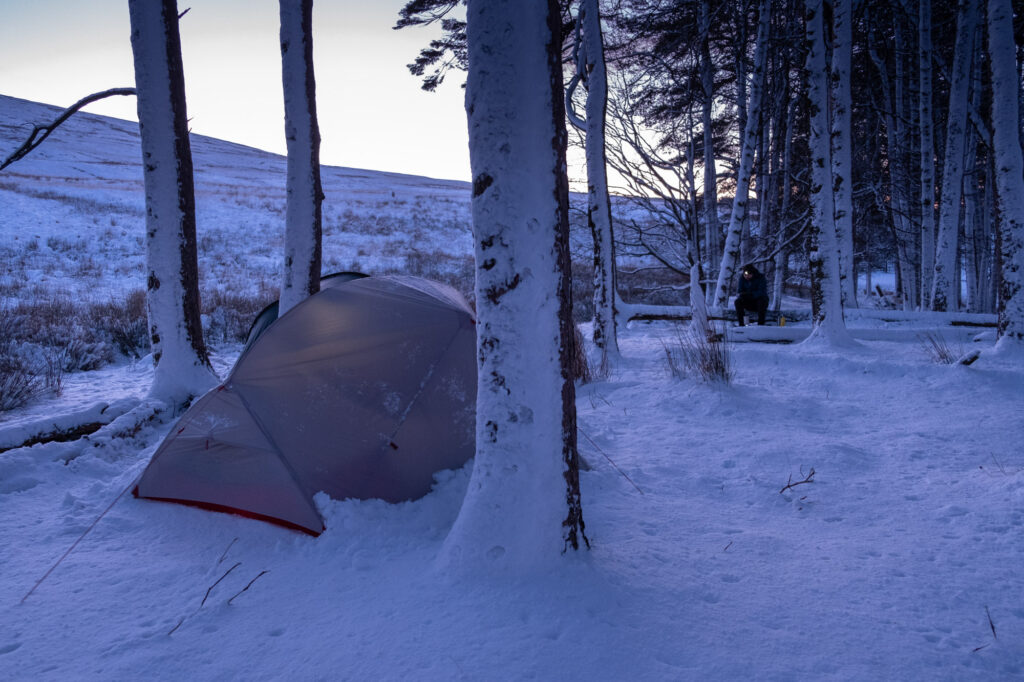
These are ideal for year-round camping when you seek adventure, whatever the weather. They provide ample protection from rain, wind and snow, and are often made with more durable materials for rough terrain.
Five-season tents
Five seasons? Is there such a thing? Well, technically, no. However, these types of tents do exist! Five-season tents suit extreme conditions and expeditions in adverse and unpredictable weather. They’re incredibly durable, provide exceptional waterproof protection, and are reliable enough to withstand storms and strong winds.
Freestanding vs non-freestanding tents
One of the most important differences between tent designs is whether the shelter is freestanding, semi-freestanding or non-freestanding. This affects where you can pitch, how easy the setup feels, and how well the tent suits different camping styles.
What is a freestanding tent?
Freestanding tents hold their shape with only their pole structure. Even before fully pegging them out, they can stand upright once assembled.
This makes them easier to reposition during setup and more flexible on challenging terrain.
Freestanding tents are ideal for:
• Rocky or hard ground
• Campsites and platforms
• Beginner campers
• Multi-day backpacking trips
• Trips where pitching flexibility matters
They are the most versatile choice for most campers.
What is a semi-freestanding tent?
Semi-freestanding tents use poles for most of their structure but still require a few pegs to fully tension the shape, usually at the foot end.
They offer a strong balance between:
• Lower weight
• Compact pack size
• Good structural stability
Many modern lightweight backpacking tents fall into this category.
What is a non-freestanding tent?
Non-freestanding tents rely heavily on pegs and guylines to create their structure. Without anchoring points, they cannot stand on their own.
They are typically designed for weight-efficient travel.
Non-freestanding tents are ideal for:
• Ultralight backpacking
• Bikepacking
• Long-distance trekking
• Fast-and-light setups
Because they require reliable pegging points, they can be slightly less convenient on rocky or compact ground.
For most campers, especially those pitching on mixed terrain across campsites, hills or woodland areas, freestanding or semi-freestanding tents offer the easiest setup and the most flexibility.
Inner-pitch-first vs fly-first tents
How a tent pitches is something many people only think about after their first wet setup. In reality, pitch style can make a noticeable difference to comfort and convenience, especially in changeable weather.
There are three main pitching styles used by modern tents.
Fly-first pitching tents
Fly-first tents pitch with the waterproof outer layer going up first. The inner tent then attaches underneath once the shelter is already in place.
This helps protect the sleeping area during setup in poor weather.
Fly-first tents are ideal for:
• Wet conditions
• Exposed campsites
• Multi-day trips with unpredictable weather
• Users prioritising quick, protected setup
Because the inner stays sheltered during pitching, this design is particularly practical for typical changeable conditions that many campers experience.
Inner-pitch-first tents
Inner-pitch-first tents assemble the breathable inner tent first before the waterproof flysheet is added.
This design is often used in lightweight backpacking shelters.
Inner-pitch-first tents are ideal for:
• Dry weather pitching
• Lightweight backpacking
• Warm-climate camping
• Fastpacking setups
The trade-off is that the inner tent can briefly be exposed during setup in the rain unless the shelter also supports combined pitching.
All-in-one pitching tents
Many modern tents now pitch the inner and fly together as a single structure.
This combines the strengths of both systems:
• Faster setup
• Improved weather protection
• Easier pitching in the rain
• Efficient structure tensioning
All-in-one pitching is especially popular in tents designed for mixed-conditions backpacking and general camping.
Quick checklist before buying a tent
Before choosing a tent, it helps to think about how you actually camp rather than focusing only on weight or capacity numbers.
A few simple questions can quickly narrow down the most suitable options.
Ask yourself:
- Will I carry the tent in a backpack or transport it by car?
- How many people need to sleep inside comfortably?
- Do I need space for gear, a dog or wider sleeping mats?
- Will I mostly camp on campsites or wild camp in remote areas?
- Am I likely to camp in exposed or windy locations?
- Do I want a porch area for storing wet equipment?
- How important is packed size compared to internal space?
- Do I expect to camp across multiple seasons or mainly summer trips?
Thinking through these factors early helps prevent choosing a tent that looks right on paper but feels restrictive in real use.
In most cases, answering these questions quickly points you toward the right combination of:
• Tent size
• Structure type
• Season rating
• Pitching style
• Weight category
making the final decision much easier.
How waterproof should my tent be?
Tent waterproofness is measured using a Hydrostatic Head (HH) rating, shown in millimetres.
For UK conditions:
| Rating | Suitable use |
| 1,500mm | Dry summer camping |
| 2,000mm | Typical 3-season UK use |
| 3,000mm+ | Wet, exposed conditions |
| 5,000mm+ | Mountain and winter use |
In practice, a 2,000–3,000mm flysheet with a 5,000mm+ groundsheet provides reliable protection for most UK backpacking and campsite trips.
Higher ratings improve durability in prolonged rain but usually increase weight slightly.
Tips for keeping your tent dry
1. Utilise your porch/vestibule areas and leave wet gear out of the main tent. You can place belongings like muddy boots and backpacks in the porch area to help them air out and dry off without getting your sleeping area damp and dirty.
2. If you’re pitching in wet weather, use an all-in-one pitching method (if available to your tent) instead of an inner-pitch-first method to help keep the inner dry.
3. Buy a tent with a sewn-in groundsheet; they often use a bathtub construction that prevents water from flooding in.
4. Choose a tent with a storm flap or brow over the entrance to help rainwater slide off the flysheet instead of dropping into the tent.
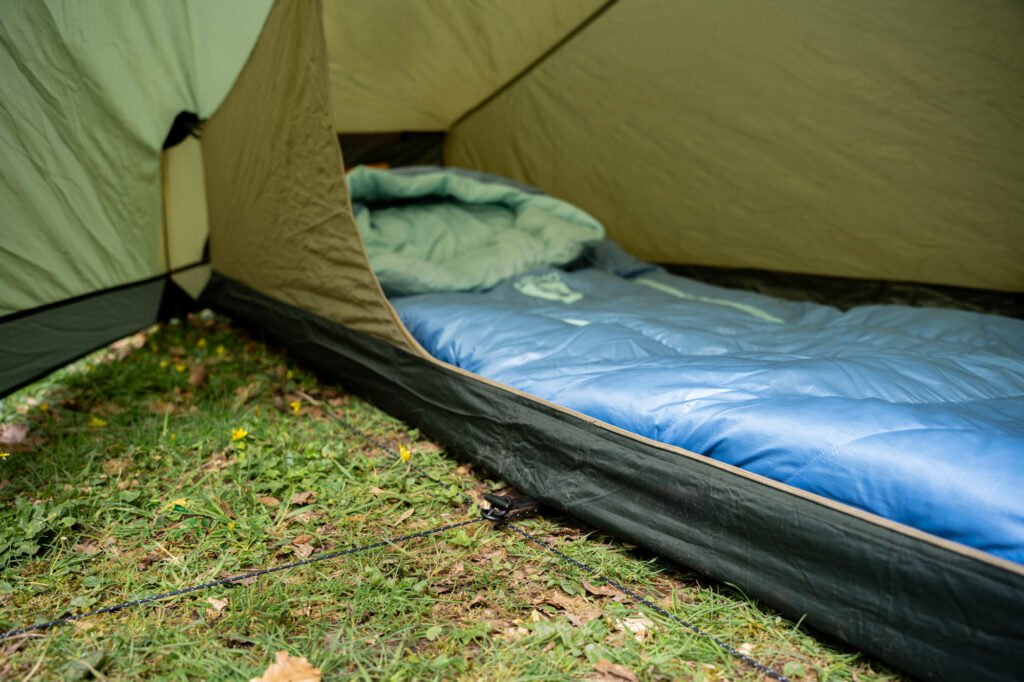
Tent Buying Guide: How To Choose A Tent Size
How big does my tent need to be?
The main thing to consider regarding tent size is how many people will be sleeping in your tent. It’s also important to think about how much luggage you’ll be hauling, and where you’ll be storing it when you camp.
Most tents are labelled to decipher the number of people they accommodate; for example, ‘4P’ or a four-person tent will, of course, house four people. However, this doesn’t mean four people plus four backpacks and probably four sets of dirty walking boots! In this case, it may be best to scale up to a five-person unless you have an alternative storage solution for your gear.
The same goes for solo travellers, for example. Suppose you’re camping alone, but prefer a little extra room for your gear, or a furry friend. In that case, we’d recommend sizing up, although please be aware that this may also make the weight heavier and the pack size slightly larger.
So, there you have it! Some of the main points to consider when purchasing a tent. Hopefully, this tent buying guide was helpful and will allow you to confidently make a more informed decision when making your big purchase.
To browse our extensive range of camping tents, click here.
If you have any further questions, don’t hesitate to contact our friendly customer service team, or reach out to us on social media! Alternatively, if you’re local to Hereford, why not pop into our Hereford Service Centre? Please find our contact details below.
If you enjoyed this tent buying guide article, why not read our article on The Art Of Making Things Last?
Contact Trekitt
Reach out to us on our social media channels, whether Facebook or Instagram, via email at [email protected], or call our friendly customer service team on 01432 263 335. If you’re local to Hereford, why not visit us in-store? You can speak to one of our lovely staff members in person and get some hands-on assistance with finding the right product.
Written by Rachel Tooley
FAQ
Tent capacity ratings describe how many people can sleep side-by-side, not how comfortable the space feels once gear is inside.
Many campers choose a tent one size larger than the stated capacity for better comfort and storage space, especially in wet conditions when more time is spent inside the shelter.
For a detailed breakdown with real sleeping-mat layouts, see our guide:
What size tent do you actually need
Most campers only need a 3-season tent. These shelters are designed for spring, summer and autumn use and handle typical wind and rain very well.
4-season tents are built mainly for snow loading and strong mountain winds, rather than extra warmth.
If you’re unsure which is right for your trips, read:
3-Season vs 4-Season Tents – What Do You Really Need
Freestanding tents are usually easier to pitch and more flexible on different ground types, making them the most popular choice for general camping and backpacking.
Non-freestanding tents are lighter and more compact but require reliable pegging points to pitch properly.
Most campers prefer freestanding or semi-freestanding designs for their versatility.
For most camping trips, a flysheet with a 2,000–3,000mm hydrostatic head rating provides reliable protection from rain.
Groundsheet ratings are typically higher because they must withstand the pressure from sleeping mats and body weight on wet ground.
Higher ratings are useful for exposed or mountain conditions but usually add a slight weight penalty.
Dome tents are more versatile and stable for general camping and backpacking.
Tunnel tents provide more internal space for their weight and are often preferred for campsite comfort and family trips.
The best option depends on whether you prioritise stability or living space.
Not necessarily.
Lightweight tents often use thinner fabrics to reduce weight, but many still provide excellent waterproof protection when properly pitched and tensioned.
Instead of weight alone, it’s better to compare:
• Hydrostatic head rating
• Pole structure strength
• Pitching style
• Ventilation design
A footprint is not essential, but it helps protect your tent floor from abrasion and extends its lifespan.
It is especially useful when camping on:
• Rocky ground
• Rough campsites
• Forest terrain
• Repeated multi-day trips
Many backpackers consider footprints a worthwhile long-term investment.
Two-door tents offer greater convenience and ventilation, especially when two people share the shelter.
They allow each camper independent access without climbing over one another at night and provide additional airflow in warmer conditions.
Freestanding dome tents are usually the easiest option for beginners.
They:
• Assemble quickly
• Pitch on most ground types
• Remain stable during setup
• Allow repositioning before pegging
This makes them a reliable starting point for new campers.
Leave a Reply