
Hiking Boots vs Hiking Shoes – Which Should You Choose?
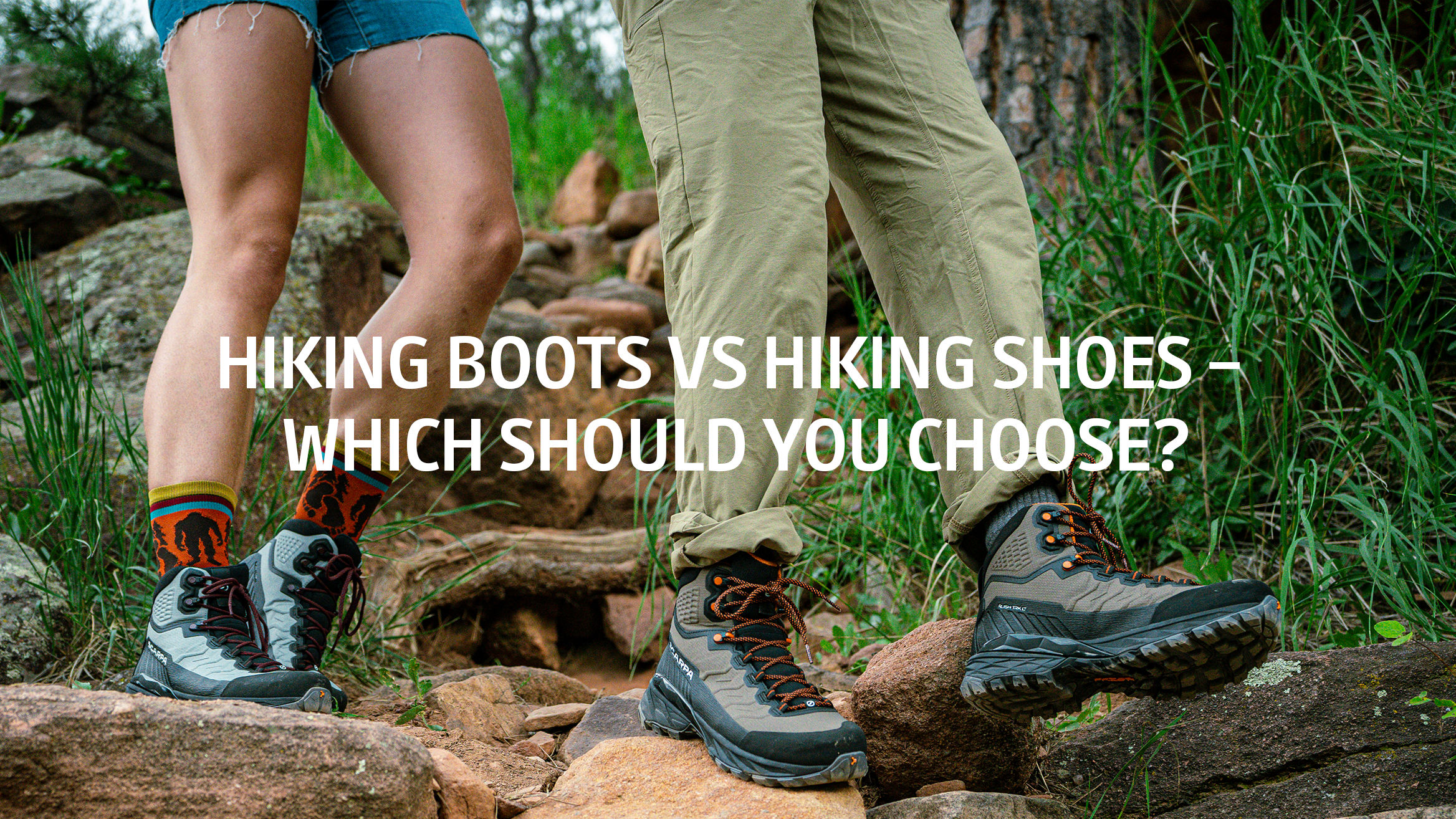
Few outdoor dilemmas are as quietly dramatic as this one.
You’re stood there, one foot hovering between a burly pair of boots and a sleek pair of trail shoes, wondering which decision will define your entire walking personality. Will you become a rugged, bog-stomping hill-goer who treats puddles as a challenge, or a fast-moving, snack-fuelled trail cruiser who glides past in something suspiciously close to trainers?
We at Trekitt have tested both across years of British weather, which, as you know, is less “four seasons” and more “all of them before lunch”. And the truth is, both boots and shoes are brilliant. They just shine in different situations.
So let’s break it all down properly and help you make a choice you won’t regret halfway up a windy ridge.
IN SHORT…
-
Understand boots vs shoes: Learn how weight, support and protection affect comfort on different types of walk
-
Match footwear to terrain and load: Boots suit rough ground and heavier packs, shoes work best on trails and lighter days
-
Factor in UK conditions: Wet ground and changing weather can influence whether waterproof boots or lighter shoes make more sense
-
Prioritize fit and comfort: The right fit matters more than features, and most walkers need less support than they think
-
Avoid common mistakes: Don’t overbuy for “just in case”, choose what suits your real walking habits
This article is part of our 👉 Hiking Knowledge Centre, where you’ll find expert advice on hiking footwear, clothing, backpacks and outdoor skills.
Finding the Right Footwear for Your Adventures
If you’ve browsed our hiking footwear range, you’ll already know the choice can feel slightly overwhelming.
There are lightweight shoes that feel like running trainers, mid-height boots that promise versatility, and full leather boots that look like they belong halfway up a mountain in January.
It’s tempting to assume “more boot equals more capability”, but that’s not always true. In fact, choosing something too heavy or too stiff for your needs can make walking feel harder than it should.
A good place to start is being honest about the kind of walking you actually do, not the kind you imagine yourself doing once a year.
Boots vs Shoes – The Pros and Cons
Let’s put them side by side and make things simple.
Hiking Boots vs Hiking Shoes Comparison
| Feature | Hiking Boots | Hiking Shoes |
| Weight | Solid and reassuring, you know they’re there | Light and barely noticeable |
| Ankle Support | More structure on uneven terrain | Minimal, more freedom to move |
| Protection | Excellent against rocks, roots and bogs | More exposed to knocks |
| Breathability | Warmer, can feel hot in summer | Cooler and better ventilated |
| Durability | Built for long-term use | Wears faster with heavy mileage |
| Terrain | Excels on rough, uneven ground | Best on paths and maintained trails |
| Pack Weight | Handles heavier loads better | Best with lighter packs |
| Wet Weather | Keeps water out more effectively | Dries faster once wet |
A Closer Look at Hiking Boots
Hiking boots have been the go-to choice for decades, and for good reason. When the ground gets rough or the weather turns, they provide a level of security that’s hard to ignore.
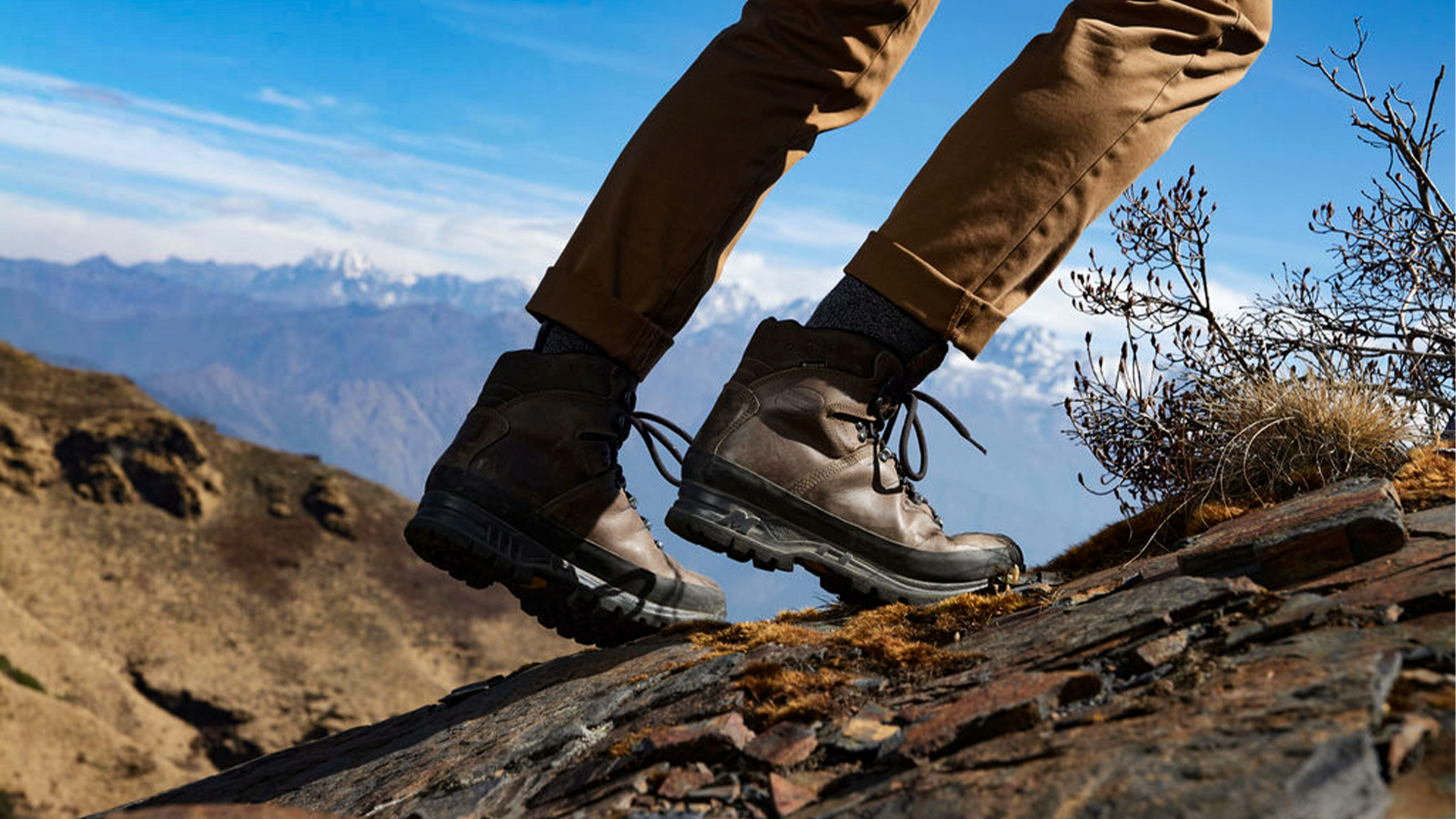
Where boots really shine
Boots come into their own when conditions are less than friendly:
- Rocky, uneven terrain where foot placement matters
- Boggy ground where you’re constantly stepping into the unknown
- Steep ascents and descents where stability helps
- Multi-day hikes with a heavier pack
The trade-off
Of course, that protection comes at a cost.
Boots are heavier. You will notice it, especially over longer distances or faster-paced walks where every step starts to add up.
They also feel more structured underfoot compared to shoes. Some people love that secure, planted feel, while others find it a bit restrictive, especially if they’re used to more flexible footwear.
And in warmer conditions, they can feel noticeably warmer than a lightweight shoe. Not unbearable, but you’ll be more aware of the heat on a long summer day.
A Closer Look at Hiking Shoes
Hiking shoes have evolved massively over the past decade. What used to feel like a compromise now often feels like the default choice for many walkers.
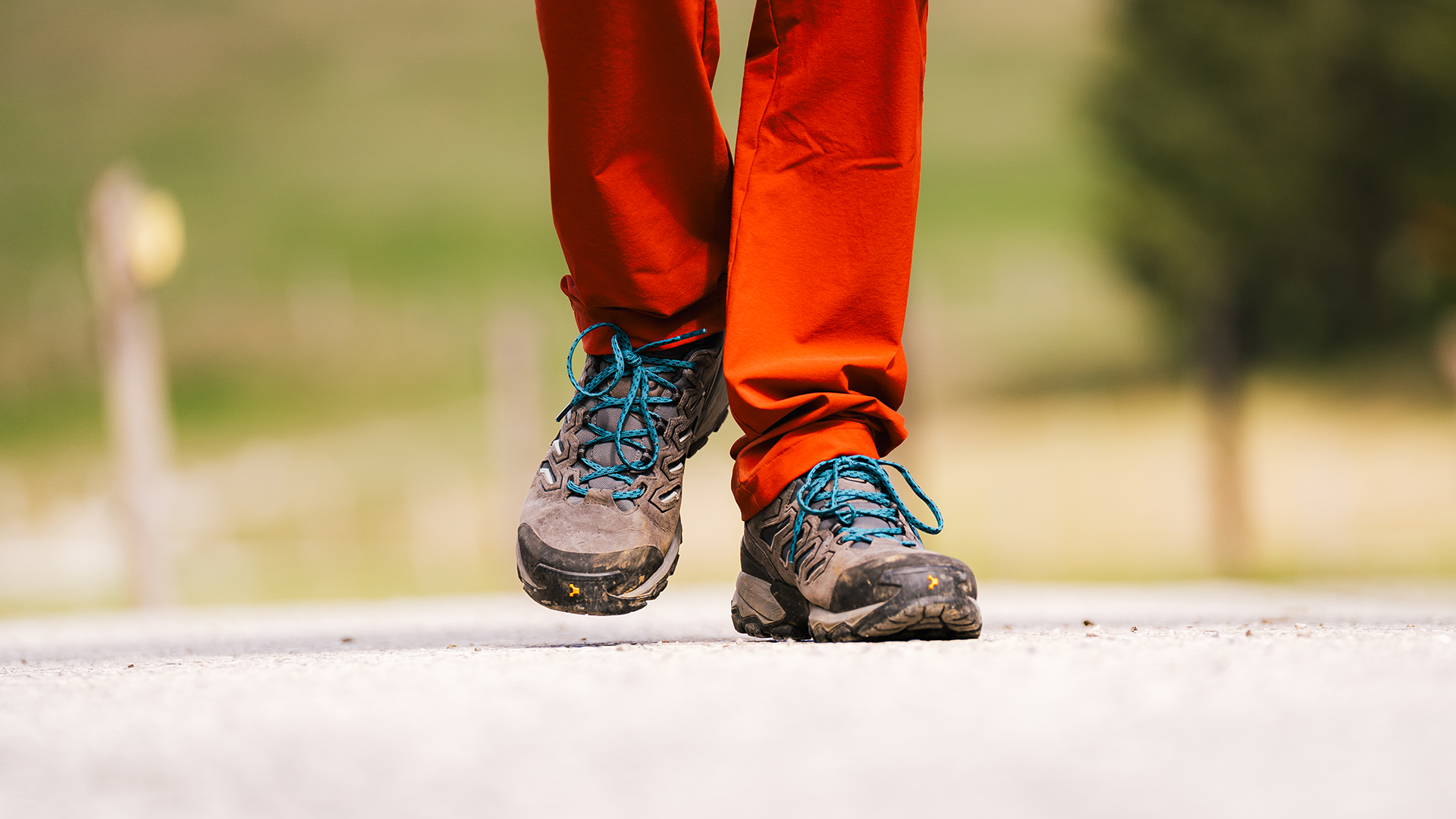
Why people love them
The first thing you notice is the comfort. Most hiking shoes feel natural straight away, with a softer, more flexible feel that doesn’t need adjusting to.
They’re light, easy to move in and generally feel less restrictive, which makes a big difference over the course of a full day on the trail.
They’re ideal for:
- Day hikes
- Well-maintained trails
- Fastpacking or lightweight walking
- Travel where you want one shoe to do everything
They also make walking feel easier. Less weight on your feet means less effort with every step, which adds up over a full day.
Where they fall short
There are limitations.
On rough terrain, you’ll feel more underfoot. On steep, loose ground, the lack of ankle support can be noticeable. And if you’re carrying a heavy pack, they don’t offer the same structure as boots.
They’re also generally less durable. If you’re walking regularly on tough ground, you’ll likely go through shoes quicker than boots.
What Actually Matters?
Let’s strip this back to the essentials. Most decisions come down to three things.
1. Terrain
This is the big one.
If your walks regularly involve:
- Open moorland
- Rocky upland paths
- Mud, bog and general British unpredictability
Boots will give you more confidence.
If your walking is mostly:
- Woodland trails
- National paths
- Lower-level routes
Shoes will likely feel more enjoyable and less restrictive.
2. Pack Weight
The more you carry, the more your footwear matters.
- Light daypack, lunch and a waterproof. Shoes are perfect
- Heavier load for multi-day trips. Boots provide better support
It’s not just about strength. It’s about reducing fatigue over time.
3. Walking Style
Some people move quickly and lightly. Others prefer a steadier, more planted approach.
If you like to cover ground efficiently, shoes make sense.
If you prefer feeling secure and stable, boots will suit you better.
The UK Factor – Mud, Rain and Reality
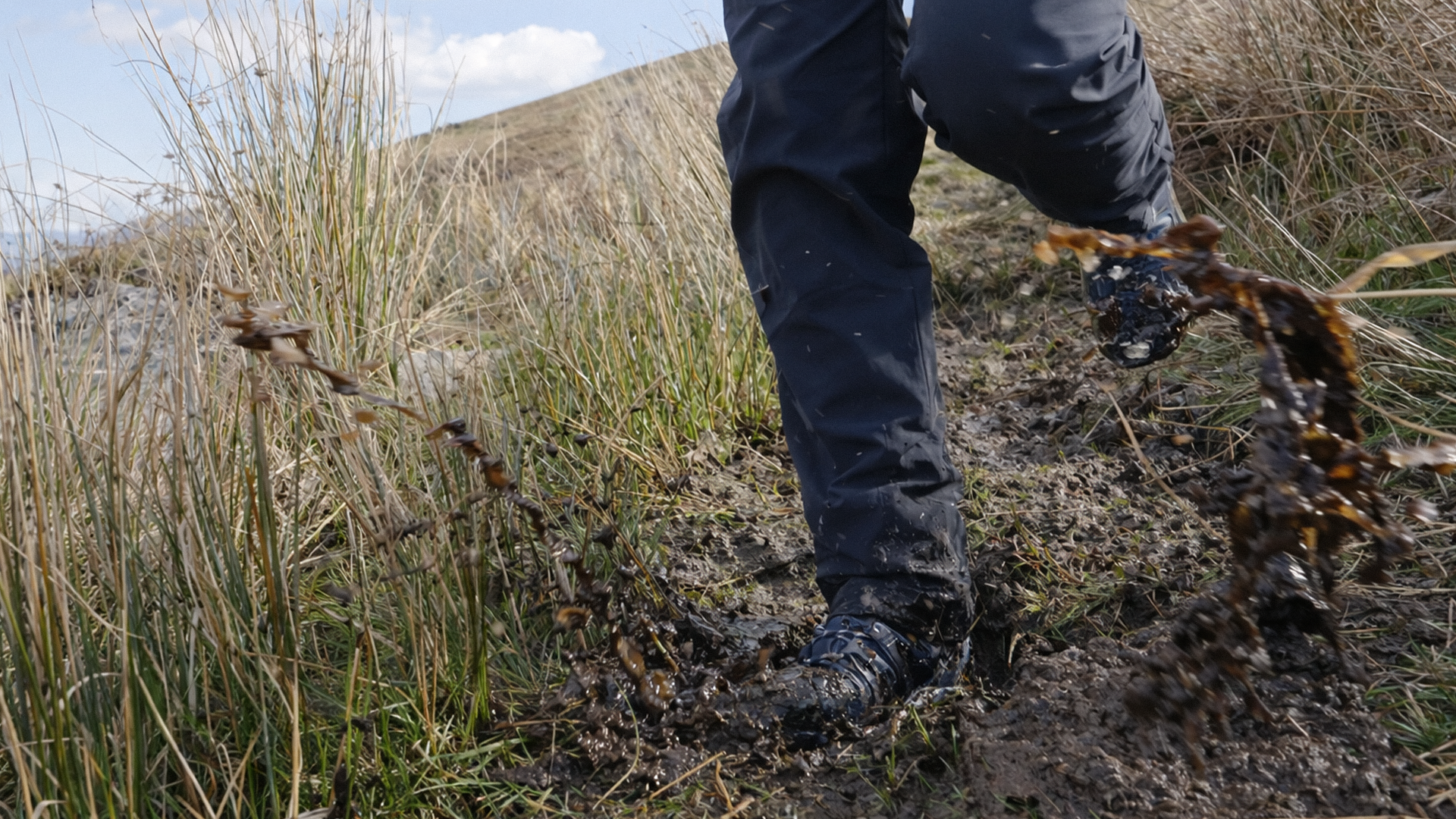
Let’s address the obvious.
Walking in the UK is rarely dry for long. Even in summer, you’ll find wet grass, boggy patches and the occasional “that didn’t look that deep” moment.
This is where your choice really starts to matter.
Boots in British conditions
- Better at keeping water out during long, wet days
- More protection from mud and saturated ground
- Warmer when the temperature drops
Shoes in British conditions
- Quicker drying if soaked
- More breathable in milder weather
- Often more comfortable for shorter outings
There’s no perfect answer, but if you regularly head into hills and moorland, boots often edge it.
Fit – The Most Important Factor
We can’t stress this enough.
The best footwear is the one that fits your foot properly.
Not the one with the best membrane, the toughest sole or the nicest colour. The one that feels right when you put it on.
If you can, we’d always recommend coming to our Trekitt Service Centre in Hereford for a proper footwear fitting appointment. We’ll measure your feet, talk through how you walk and help you try on a range of options to find what genuinely works for you. You can book a fitting appointment here.
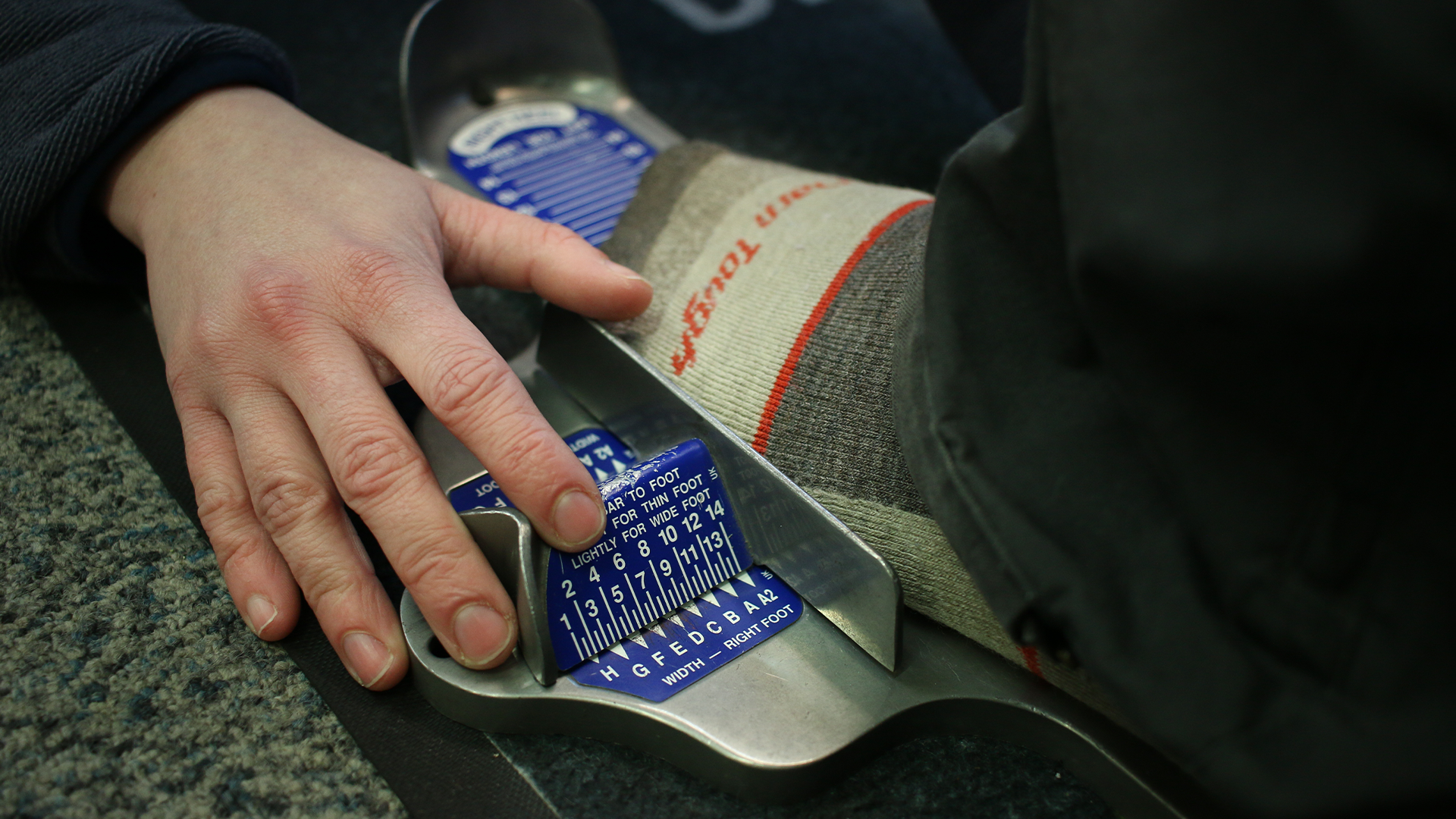
If Hereford is a bit of a trek, it’s still well worth visiting a good local outdoor shop. Getting properly fitted, trying different brands and understanding your foot shape will make a far bigger difference than any spec sheet ever will.
Things to look for:
- No pressure points
- Enough room in the toe box
- Secure heel hold
- Comfortable straight away
A well-fitting shoe will outperform a poorly fitting boot every single time.
Common Mistakes People Make
We see these time and time again.
Going too heavy, too soon
Buying big, stiff boots for casual walking often leads to discomfort and regret.
Assuming boots prevent injury
They help with stability, but they don’t replace strength, balance or good movement.
Ignoring sock choice
The right sock can improve fit, reduce friction and make a noticeable difference over a full day on your feet. If you’re unsure what to go for, our guide Which Hiking Socks Should You Be Using? breaks it all down and helps you choose the right option for your walking style.
Not thinking about actual use
Be realistic. If most of your walks are local trails, you probably don’t need full mountain boots.
Key Takeaways
Boots are the dependable choice for rough terrain, poor weather and heavier loads. They offer protection and stability when conditions demand it.
Shoes are lighter, more flexible and often more enjoyable for everyday walking, especially on trails and lower-level routes.
The most important factor in all of this is fit. The right footwear for you is the one that feels comfortable, suits your foot shape and gives you confidence on the ground you walk most often.
If you are unsure where to begin or want help choosing the right footwear, our team is always happy to help. Whether you need advice on boots vs shoes, sizing or getting the right fit, we’re here to talk it through. You can email us at [email protected], give us a call on 01432 263335, or visit our Hereford Service Centre for a proper footwear fitting. Trying on different options and getting expert input can make a huge difference.
Even better, if you’re nearby, pop into our Hereford Service Centre, where the team can talk through gear options and help you build a setup that works for your trips.
FAQs
Not better, just different. Boots offer more protection and support, while shoes prioritise comfort and agility.
Yes, many people do. As long as the terrain isn’t overly technical and you’re confident, they can perform very well.
In most cases, less than you think. Strength and balance play a bigger role than boot height.
Some are, some aren’t. Waterproof versions are great for wet conditions, while non-waterproof options are better for breathability.
It depends on use:
Shoes = around 500 to 800 miles
Boots = around 800 to 1200 miles
Often shoes. They’re easier to wear, more comfortable and a great starting point.
You can, but boots are generally warmer and better suited to cold, wet conditions.
Not always, but many people prefer lighter shoes in summer and more protective boots in winter.
Leave a Reply