
How to Stay Warm Without Overheating on Winter Hikes

Author: Trekitt Gear Team
We’ve spent plenty of time hiking in cold, wet and unpredictable British weather, so we know that staying comfortable means balancing warmth with breathability. In this guide, we share practical advice for hikers, covering everything from choosing the right layers and managing your body temperature to staying dry, controlling moisture and knowing when to adjust your clothing. Our aim is to help you feel more confident, comfortable, and prepared for your next winter hike.
Staying warm on a winter hike isn’t just about keeping the cold out. It’s also about avoiding getting too hot. With unpredictable British weather bringing everything from biting winds and heavy rain to sudden temperature changes, simply piling on more layers isn’t always the answer. In fact, overheating can leave you feeling colder later on. As you work up a sweat, moisture builds up in your clothing, which can quickly chill you when you slow down or stop moving.
Knowing how to regulate your body temperature is key to staying comfortable on winter hikes, especially when the weather, terrain and intensity of your activity can change throughout the day.
In this guide, we’ll explore practical ways to balance warmth and breathability, from choosing the right fabrics and managing your layers to making the most of ventilation and staying warm during rest stops. The goal is simple: to help you stay comfortably warm without working up an unnecessary sweat.
IN SHORT…
-
Starting Slightly Cool: Discover why feeling a little chilly at the start of your hike can help prevent overheating once you get moving.
-
Choosing Breathable Fabrics: Explore how different materials can help regulate body temperature and manage moisture during winter hikes.
-
Ventilation and Layer Management: Learn how to adjust your clothing and use ventilation to stay comfortable as your activity levels change.
-
Knowing When to Remove Layers: Find out how to recognise when you’re getting too warm and make adjustments before you start sweating.
-
Moisture Management and Rest Stops: Understand how to manage sweat and stay warm when slowing down or taking a break.
Why Starting Slightly Cool Makes a Difference
When you’re heading out on a winter hike, it’s tempting to wrap up in every warm layer you’ve packed. After all, nobody wants to feel cold before they’ve even started walking! However, dressing too warmly from the outset can leave you overheating surprisingly quickly, particularly when the trail starts heading uphill.
As you walk, your muscles generate heat, naturally raising your body temperature. If you’re wearing more insulation than you need, your body starts sweating to cool itself down. The problem comes later, when you slow down or stop. Damp clothing can increase heat loss, leaving you feeling colder than you might expect.
The trick is to start your hike feeling comfortably cool, rather than completely warm. You shouldn’t be shivering, but allowing yourself to warm up naturally as you begin moving can help prevent unnecessary sweating.
What to Consider Before Setting Off
Before heading out, it’s worth thinking about how the conditions and terrain might affect your body temperature.
- The terrain ahead: A steep climb will generate more body heat than a gentle walk along a valley.
- Your walking pace: Moving quickly or carrying a heavy backpack increases the amount of heat your body produces.
- The weather conditions: Strong winds, rain and exposed terrain can increase heat loss, so you may need additional protection even when working hard.
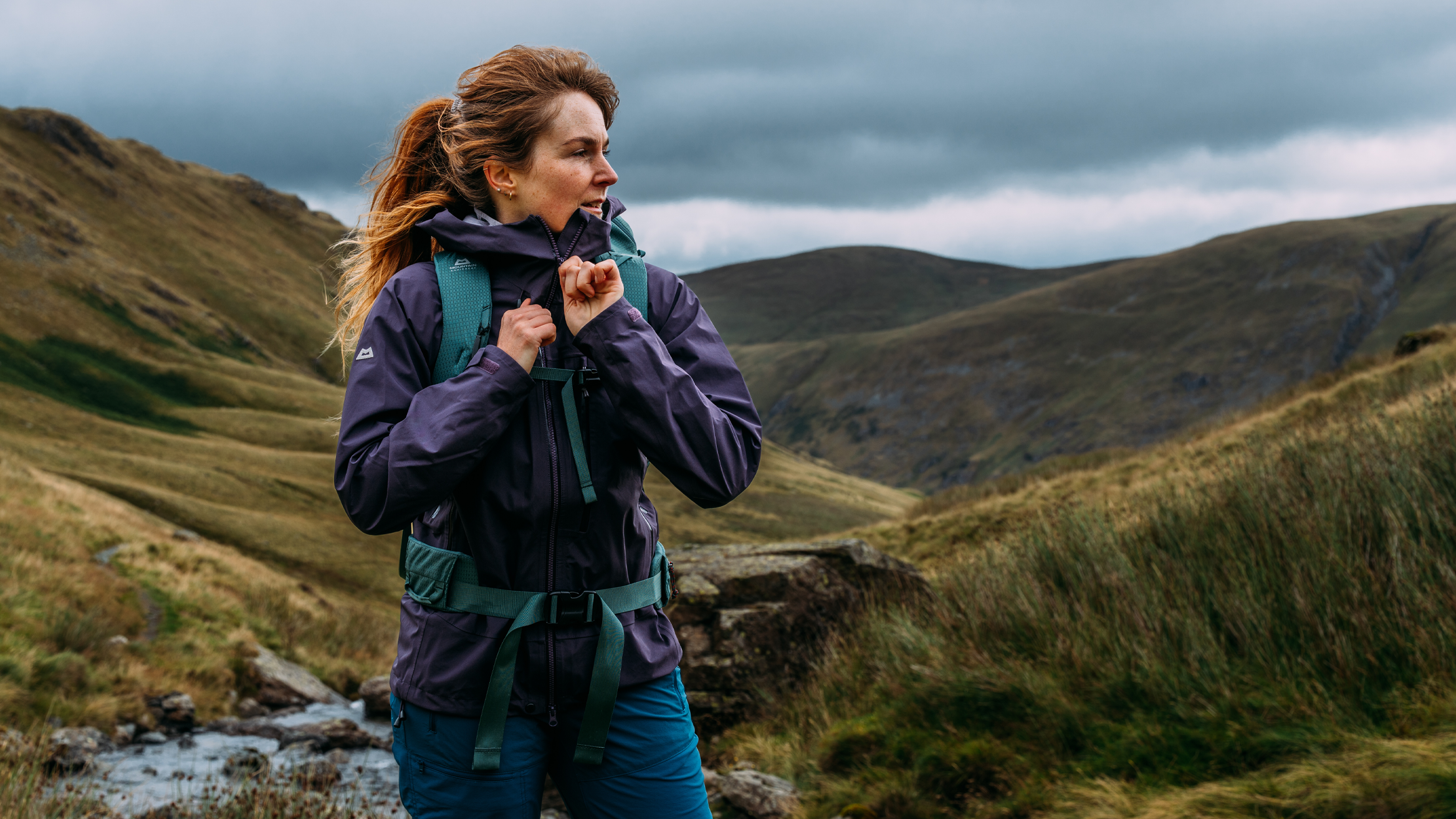
For example, if you’re setting off on a cold morning in the Brecon Beacons (Bannau Brycheiniog) with a steady climb ahead, you might not need that thick insulating jacket once you get moving. Keeping it accessible in your backpack means it’s ready when you need it later.
Of course, starting slightly cool isn’t appropriate in every situation, particularly during severe cold or prolonged exposure. The aim is to dress for the upcoming activity and conditions, rather than simply wearing as much insulation as possible.
Choosing the Right Fabrics for Breathability
Getting your layers right is a good starting point, but the materials they’re made from are just as important. Even a carefully planned layering system can become uncomfortable if your clothing struggles to manage moisture.
When you’re working hard, your body produces sweat to regulate its temperature. Breathable fabrics allow moisture vapour to escape, while moisture-wicking materials help move liquid sweat away from your skin. Both properties are useful, but they work in slightly different ways.
Your base layer plays a particularly important role because it sits directly against your skin. Choosing a material that manages moisture effectively can help reduce that uncomfortable, clammy feeling during more demanding sections of your hike.
Which Fabrics Work Best for Winter Hiking?
Some materials are particularly well suited to managing moisture and maintaining comfort during active use.
- Merino wool: Naturally helps regulate temperature and can absorb moisture vapour, making it a popular choice for winter base layers.
- Synthetic fabrics: Materials such as polyester are commonly used in technical clothing because they can wick moisture away from the skin and dry relatively quickly.
- Fleece: Provides insulation while remaining relatively breathable, making it useful as an active midlayer in colder conditions.
Cotton, on the other hand, is generally best avoided for demanding winter hikes. It absorbs moisture and dries slowly, which can become particularly uncomfortable when temperatures drop.
It’s also worth considering how your layers work together. A breathable base layer can only do so much if the clothing worn over it restricts moisture movement. Your entire layering system needs to balance insulation, breathability and weather protection.
If you’re unsure which material is right for you, our guide on Which Baselayer Should You Choose? can help you understand the differences between fabrics and find an option that suits your activities.
Staying Comfortable Through Ventilation and Layering
Winter hiking rarely involves maintaining the same level of effort throughout the day. One minute you’re working hard on a steep ascent, and the next you’re crossing an exposed ridgeline where the wind makes conditions feel considerably colder.
A good layering system gives you the flexibility to respond to these changes. Rather than relying on a single thick jacket, combining layers lets you adjust your insulation and weather protection as needed.
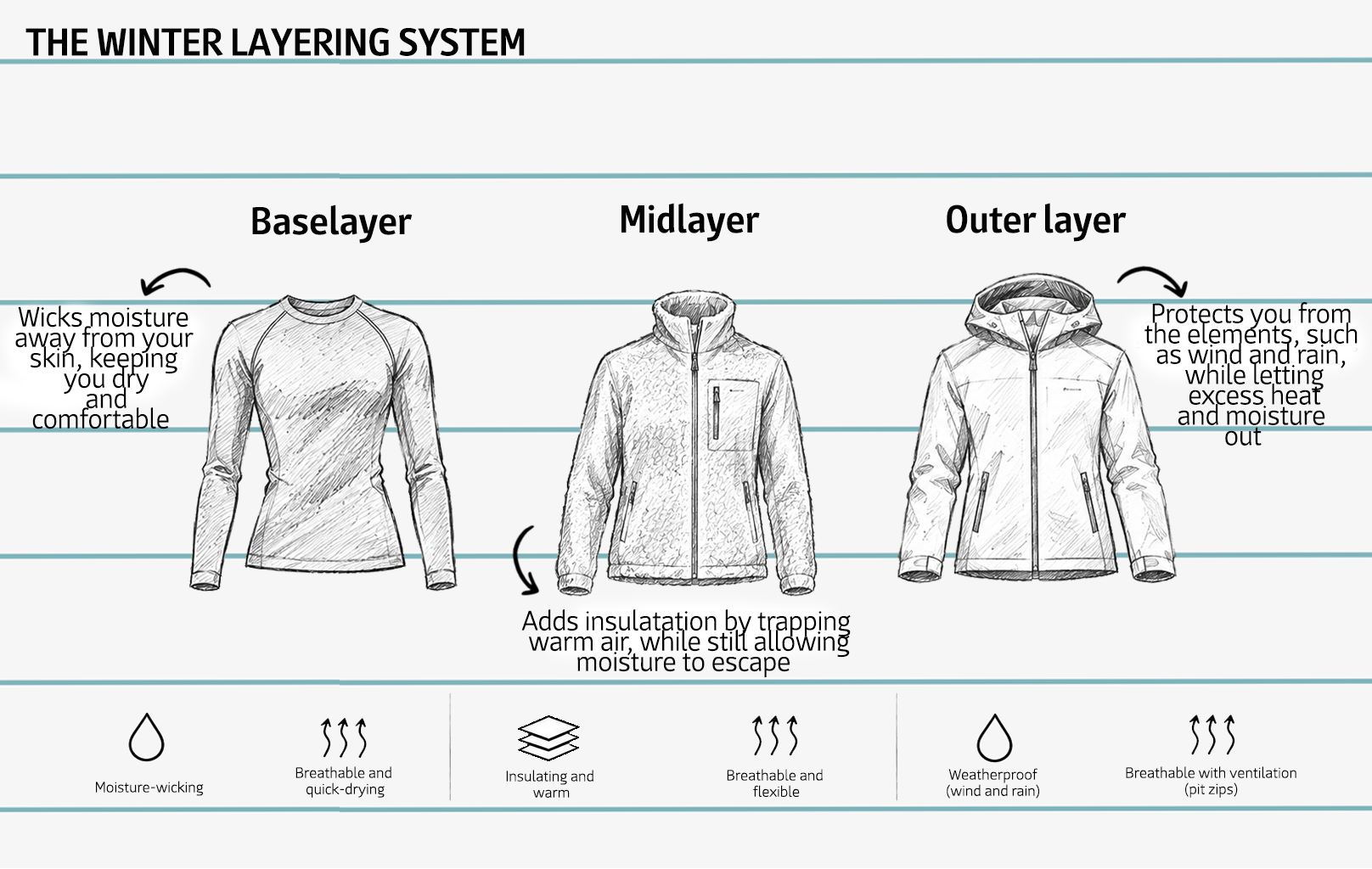
Understanding Your Winter Layering System
A typical winter hiking system consists of three main layers, each serving a different purpose.
- Base layer: Helps manage moisture next to your skin.
- Midlayer: Provides insulation by trapping warm air close to your body.
- Outer layer: Protects against wind and precipitation.
Together, these layers create a flexible system that you can adapt depending on the weather and how hard you’re working. However, you don’t necessarily need to wear all three at once. On a demanding ascent, for example, a base layer and suitable outer layer might provide enough protection, depending on the conditions.
For a more detailed look at how different layers work together, check out our Layering Strategies for Wet UK Winters.
How to Use Ventilation to Prevent Overheating
You don’t always need to remove clothing to cool down. Sometimes, a little ventilation is enough to make a noticeable difference.
If you’re climbing a steep hill in wet or windy conditions, opening your jacket’s front zip or underarm ventilation zips can help release excess heat while allowing you to keep your waterproof layer on.
On the other hand, if conditions are relatively sheltered and you’re working particularly hard, removing an insulating midlayer may be more effective than relying on ventilation alone.
The key is understanding what each layer does and using it appropriately. Your clothing should work with your activity level, not against it.
Knowing When to Adjust Your Layers
Even with the right clothing, knowing when to make adjustments can take a little practice. It’s easy to focus on reaching the next summit or covering a particular distance without noticing how much heat you’re generating.
Rather than waiting until you’re uncomfortable, try to recognise the early signs that you’re getting too warm.
Signs You’re Getting to Warm
Your body will often give you a few clues that it’s time to make an adjustment.
- Feeling noticeably hotter as the terrain becomes steeper.
- Developing a damp or clammy feeling around your back or chest.
- Finding your hat, gloves or insulating layers uncomfortably warm.
- Beginning to sweat more heavily despite the cold conditions.
Recognising these signs early gives you the opportunity to adjust your clothing before you become excessively warm.
Making Adjustments Before the Terrain Changes
One of the simplest ways to manage your temperature is to anticipate changes in the terrain rather than waiting until you become uncomfortable.
For example, if you’re approaching a long ascent in the Lake District, consider adjusting your layers before the climb begins. Removing some insulation early can help you manage the extra heat generated as the gradient increases, without having to stop halfway up.
Similarly, if you’re heading from a sheltered valley onto an exposed ridge, it’s worth thinking about your wind protection before you reach the top. Adding a protective layer before becoming chilled is generally easier than trying to warm up afterwards.
Not every adjustment requires stopping to change your clothing. Removing your hat, loosening your collar or adjusting your walking pace can also help you respond to smaller changes in temperature.
Over time, you’ll become more familiar with how your body responds to different conditions, making it easier to anticipate when adjustments are needed.
Managing Moisture and Staying Warm During Breaks
You’ve reached the summit, found somewhere sheltered and finally have time for that well-earned flask of tea. However, stopping after a demanding climb is often when you’ll notice just how quickly your body can cool down.
While you’re moving, your muscles continuously generate heat. Once you stop, that heat production decreases, and any moisture remaining in your clothing can increase heat loss as it evaporates. Add a cold wind into the mix, and you could find yourself feeling chilly surprisingly quickly.
Adding Insulation During Rest Stops
Managing your warmth during rest stops requires a slightly different approach from managing your temperature while walking.
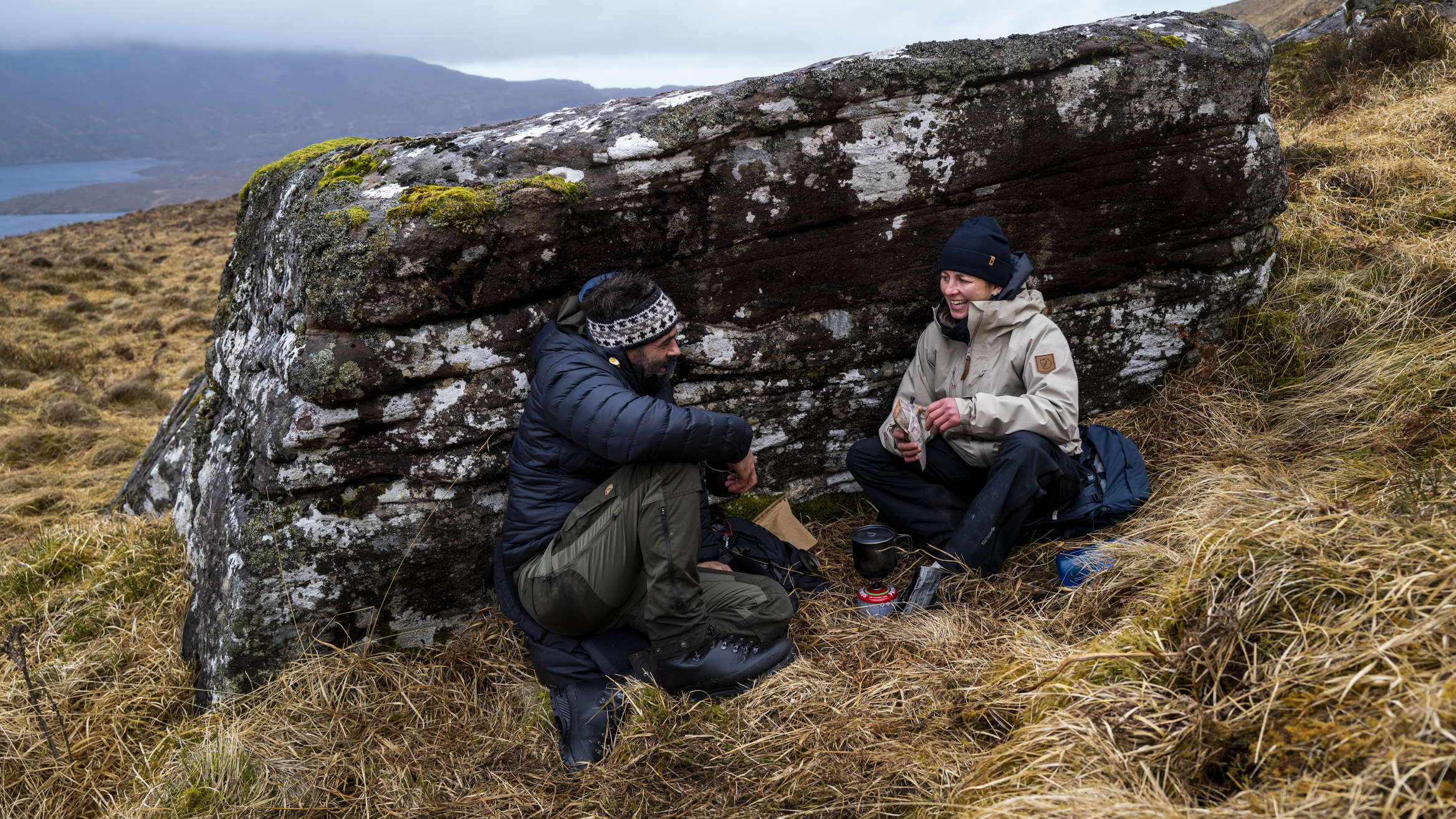
One useful habit is to put on an additional insulating jacket as soon as you stop, rather than waiting until you begin to feel cold. A warm layer that fits over your existing clothing can be particularly convenient for short breaks, allowing you to retain heat without completely changing your layering system.
Practical Tips for Staying Warm During Rest Stops
A few simple habits can help you retain warmth when taking a break:
- Find shelter: Choose a spot away from strong winds, particularly on exposed terrain.
- Keep Insulation accessible: Pack your insulating jacket somewhere easy to reach so you can put it on as soon as you stop, without rummaging through your backpack.
- Keep dry clothing available: A spare base layer can be useful on longer hikes if your existing clothing becomes particularly damp.
- Protect your extremities: Warm gloves and a hat can help reduce heat loss when you’re no longer moving.
- Keep breaks manageable: In very cold conditions, shorter stops may help prevent excessive cooling.
- Prepare to move again: Adjust your insulation before setting off to avoid getting too warm as your activity level increases.
It’s also worth remembering to eat and drink regularly. Winter hiking can be physically demanding, and maintaining your energy levels helps your body generate heat throughout the day.
Final Thoughts
Staying warm on a winter hike isn’t about wearing as many layers as possible. It’s about knowing when to adjust them. Starting slightly cool, choosing breathable fabrics and making small changes before you begin sweating can help you stay comfortable as the terrain and weather change. Remember to add insulation when you stop, particularly after a demanding climb, to avoid cooling down too quickly.
Finding the right balance takes a little practice but understanding how your body responds to different conditions can make winter hiking much more enjoyable.
If you need a hand choosing the right clothing for your winter adventures, our team at Trekitt is always happy to help. Email us at [email protected], call us on 01432 263335, or visit us in-store for friendly, expert advice on finding the right kit for your next hike.
FAQs
Hiking generates body heat, particularly when climbing steep terrain or carrying a heavy backpack. Even in low temperatures, your body can produce more heat than your clothing allows to escape. This can cause you to feel uncomfortably warm or start sweating, especially when wearing several insulating layers. 
Not necessarily. The ideal number of layers depends on the weather, terrain, and your activity level. A flexible layering system is generally more useful than simply wearing fewer clothes, as it allows you to adapt to changing conditions without sacrificing essential warmth or weather protection.
You don’t always need to wear a waterproof jacket, particularly in dry, sheltered conditions. Waterproof shells can restrict airflow, so a breathable, wind-resistant layer may be more comfortable during active periods. However, always carry suitable waterproof protection and use it when conditions require it.
Both have advantages. Merino wool is known for its temperature-regulating properties and odour resistance, while synthetic fabrics often dry faster and are effective at moving moisture away from the skin. The best choice depends on your personal preferences, activity level, and the conditions you’re expecting.
A backpack rests against your back, reducing airflow and trapping heat at the points of contact. This can cause moisture to accumulate, particularly during strenuous climbs. Back ventilation systems may help improve airflow, but adjusting your clothing and walking pace can also help manage excess heat.
Sweat-soaked clothing can increase heat loss, particularly when you stop moving or encounter cold, windy conditions. This can contribute to hypothermia if your body loses heat faster than it can produce it. Staying dry, maintaining adequate insulation, and responding promptly to signs of excessive cooling are important precautions.
Lightly damp, breathable clothing may dry gradually as you continue moving, provided conditions allow moisture to escape. Increasing ventilation can help, but drying may be slow in cold or humid weather. If clothing becomes heavily soaked, changing into a spare dry layer is often the more reliable option.
Leave a Reply