
Winter Camping Sleep Systems Explained
There’s a particular kind of cold that only appears at night. The wind drops, the stars come out, and suddenly every weakness in your kit is exposed. If you’ve ever lain awake shivering in a tent, despite owning a supposedly warm sleeping bag, you’ll already know that sleeping well in winter is rarely about one piece of gear.
It’s about the sleep system.
From the mat beneath you to the liner inside your bag, warmth comes from how these components work together. Get it right and winter nights become surprisingly comfortable. Get it wrong, and even mild cold can feel brutal.
IN SHORT…
-
Understand winter sleep systems: Learn how sleeping bags, mats, and liners work together to keep you warm overnight, and why no single piece of kit works in isolation.
-
Choose the right insulation for the cold: Explore sleeping bag temperature ratings, mat R-values, and how layering insulation above and below you prevents heat loss.
-
Use liners and smart layering effectively: See how sleeping bag liners, dry base layers, and simple adjustments can extend warmth, improve comfort, and manage moisture.
-
Build a system that adapts to conditions: Discover how to layer mats, fine-tune your setup for different temperatures, and avoid common cold-night mistakes.
-
Apply proven cold-night habits: Pick up practical tips, from pre-bed routines to campsite considerations, that make winter sleep warmer and more reliable.
This article is part of our Winter Camping Basecamp, where you’ll find expert layering advice, technical gear deep dives and practical cold-weather tips.
What We Actually Mean by a “Sleep System”
A winter sleep system is the combined insulation strategy you use overnight. That usually means:
- Insulation above you
- Insulation below you
- Micro-adjustments for temperature, moisture, and comfort
Think of it like layering for a day out in the mountains. No one heads out in winter wearing just a massive jacket and nothing else. Sleeping works the same way.
A good sleep system also doesn’t exist in isolation. Camp choice, shelter, and how you manage moisture all influence how warm you’ll feel once the temperature drops. If you’re looking for a broader context beyond sleep gear alone, our blog on Winter Camping Tips covers everything from pitching in cold conditions to staying comfortable through long winter nights.
Choosing a Sleeping Bag for Cold Nights
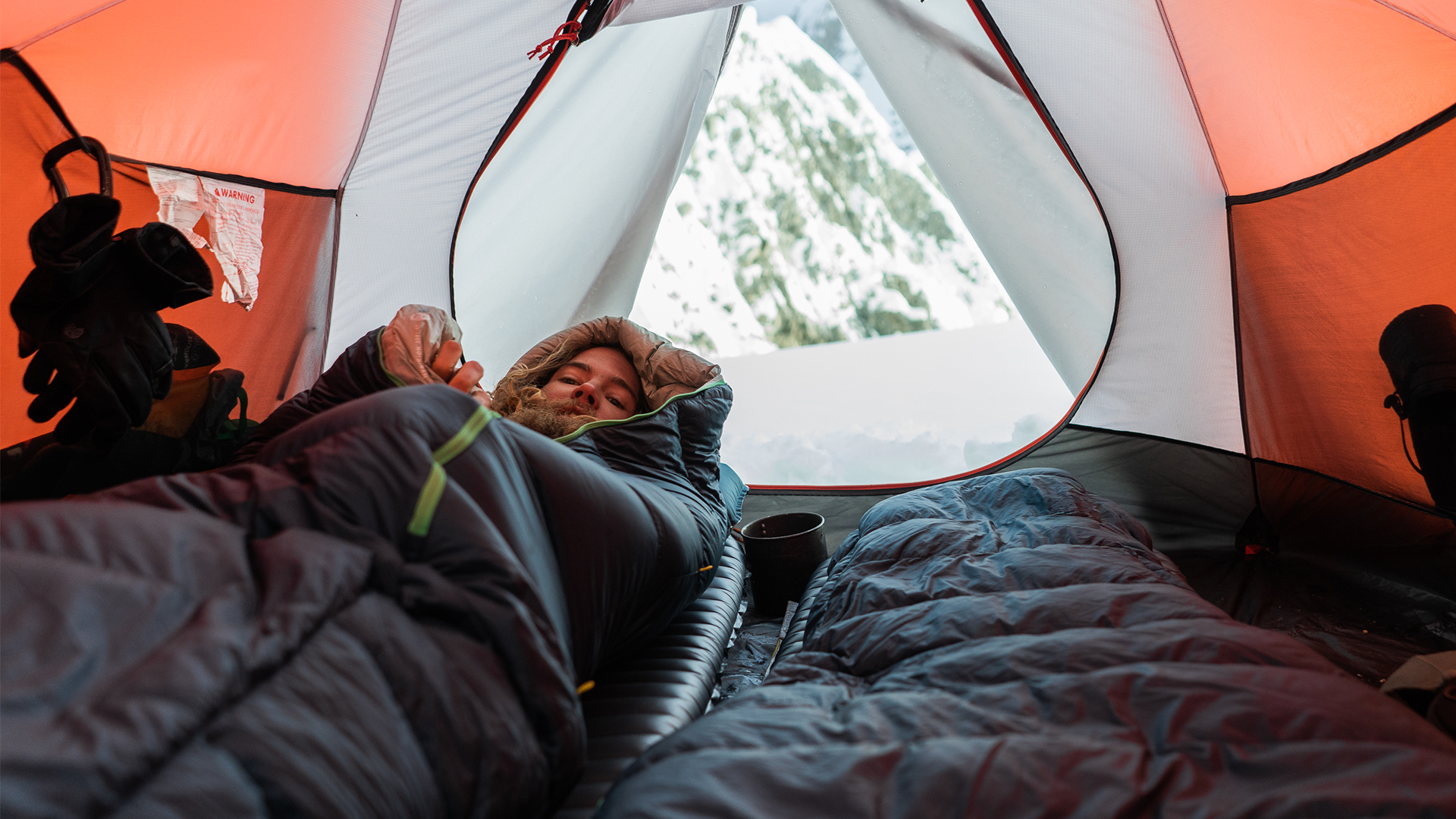
Sleeping bags do most of the visible work, so it’s no surprise they get most of the attention. But temperature ratings can be misleading if they’re taken at face value.
Most modern bags are tested using EN or ISO standards. While these give useful benchmarks, real-world warmth depends on things like metabolism, fatigue, hydration, what you’re wearing inside the bag, and the insulation beneath you. EN/ISO testing assumes the use of a sleeping mat with an R-value of 5, so using a mat with a lower R-value than this can significantly reduce how warm a bag feels in real conditions (don’t worry, we cover sleeping mats in more detail later!).
As a rule of thumb for winter use, choose a sleeping bag with a comfort rating lower than the coldest temperatures you expect to encounter. This gives you a buffer for long nights, bad weather, and tired bodies.
Down bags excel for cold, dry conditions thanks to their warmth-to-weight ratio and packability. Synthetic bags, while bulkier, retain insulation better in damp conditions and are often more forgiving for UK winter use.
Sleeping Mat R-Values and Winter Use
If there’s one part of a sleep system that’s underestimated, it’s the sleeping mat. In winter, it’s arguably the most important item you’ll carry.
Cold ground drains heat relentlessly. Snow, frozen soil, rock – none of it cares how warm your sleeping bag is.
If you’re not sure how different mats compare, or what actually matters when choosing one for colder conditions, our YouTube video on How To Choose A Sleeping Mat explains the differences between mat types, insulation levels, and real-world performance.
Understanding R-Value
R-value is a measure of how well a mat resists heat loss. Higher numbers mean better insulation.
Here’s a simple way to think about it:
| R-Value | Season Use | Typical Conditions |
| 1-2 | Summer | Warm ground, minimal heat loss |
| 3-4 | Spring / Autumn | Cool nights, mixed conditions |
| 5-6 | Winter | Frost, snow, frozen ground |
| 6+ | Deep winter / alpine | Prolonged snow camping |
For winter camping, an R-value 5 or higher is the sweet spot.
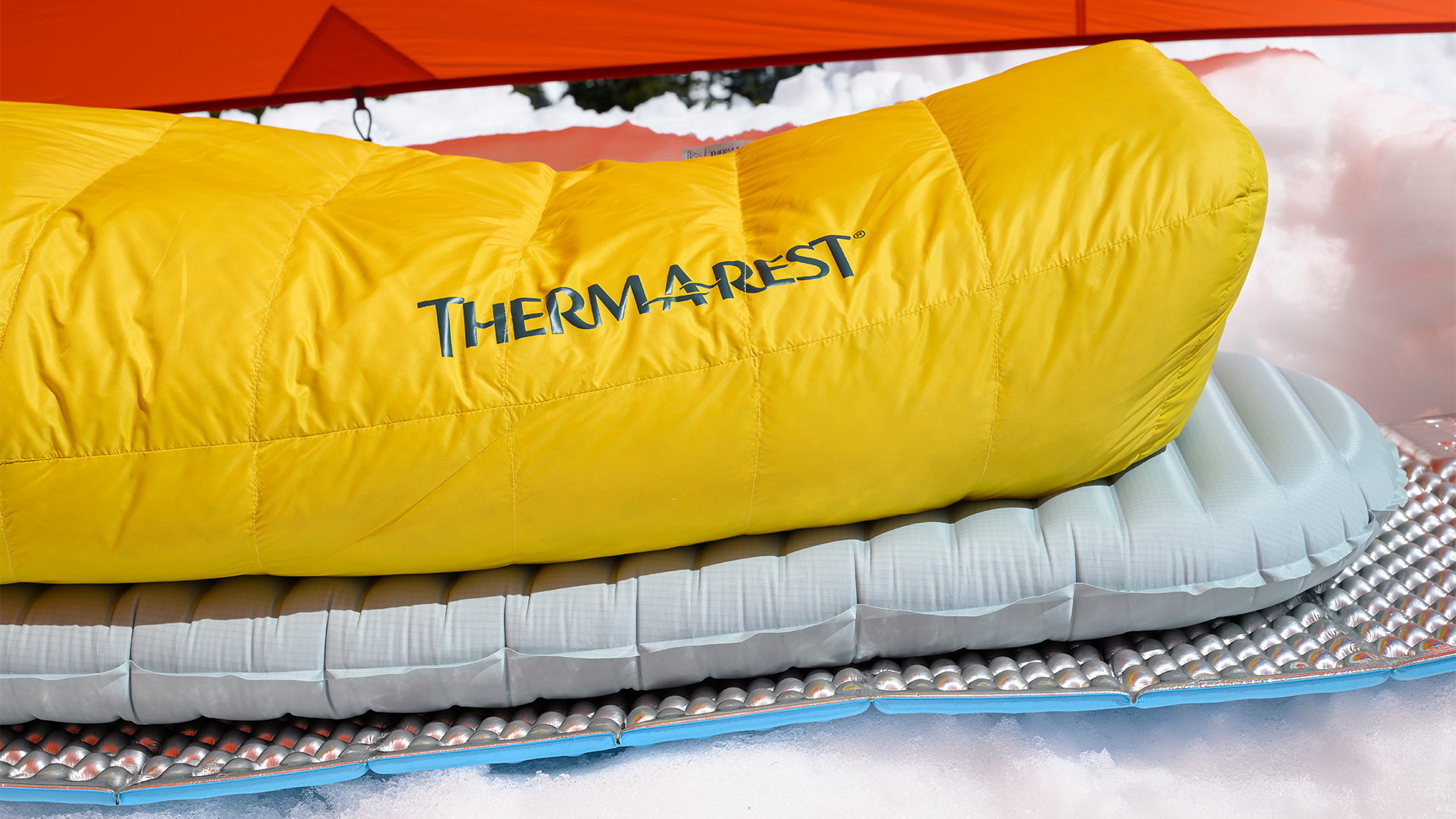
Many experienced winter campers layer mats: a closed-cell foam mat underneath an insulated inflatable. It’s warmer, more reliable, and gives peace of mind if one layer fails.
Using Sleeping Bag Liners Effectively
Sleeping bag liners are often treated as optional extras, but in winter, they’re one of the most cost-effective ways to improve warmth.
A liner works by adding a thin layer of trapped air inside your sleeping bag and reducing heat loss caused by movement. It also helps manage moisture and keeps your bag cleaner over multi-day trips.
Silk liners are lightweight and packable, ideal for marginal temperature boosts. Fleece or thermal liners add noticeable warmth, often enough to push a three-season bag into winter territory for milder conditions.
They’re also incredibly adaptable. Too warm? Sleep with the bag partially unzipped and keep the liner. Too cold? Everything stays layered and efficient.
Building a Winter Sleep System That Works
Once you stop thinking in single items, building a winter-ready setup becomes far more flexible.
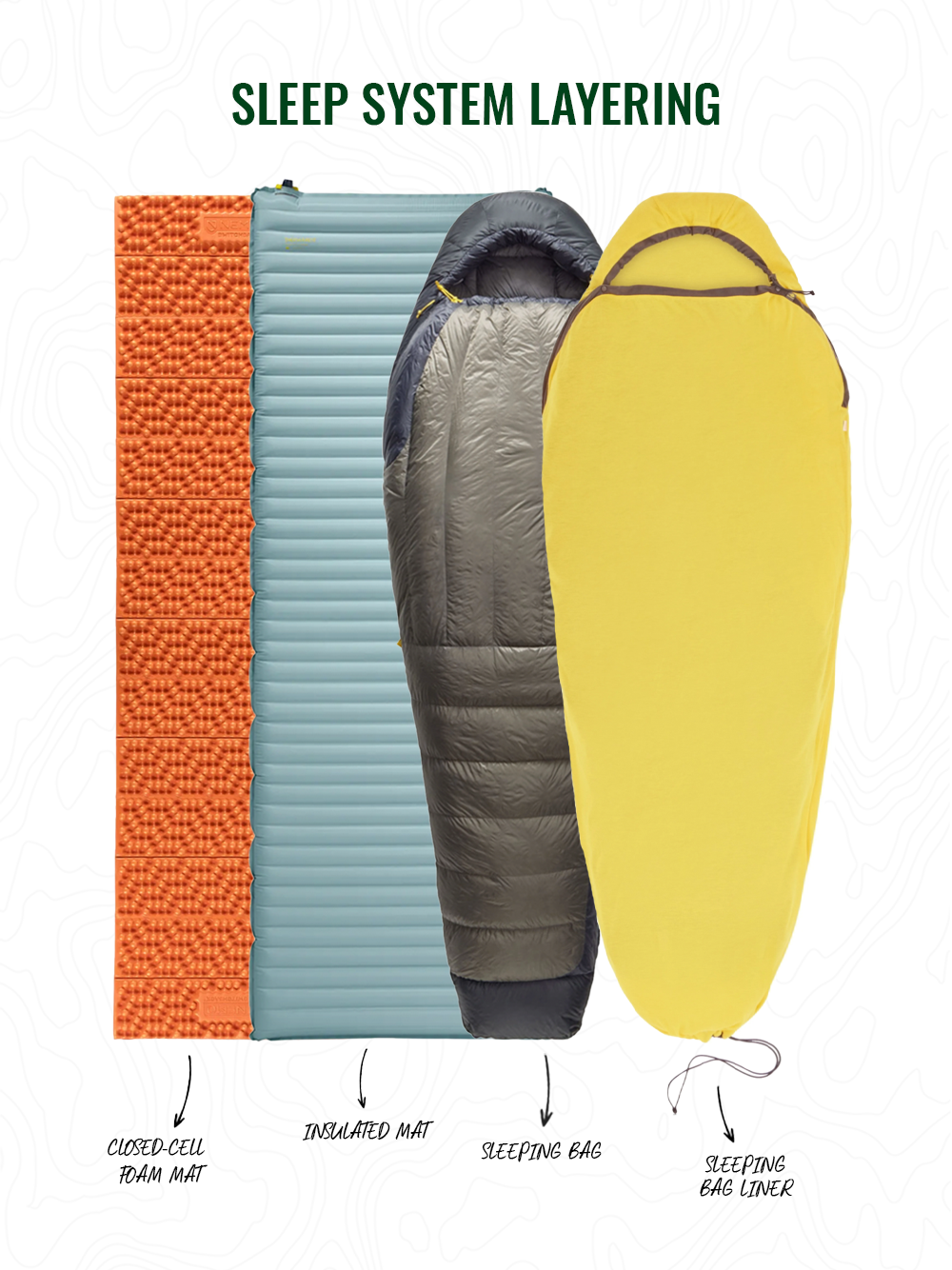
A solid cold-weather system usually includes:
- A high R-value sleeping mat (or layered mats)
- A sleeping bag rated appropriately for the conditions
- A liner for warmth, comfort, and versatility
- Dry base layers (reserved exclusively for sleeping)
- A warm hat or hood system
One common mistake is wearing too many bulky layers inside a sleeping bag. Overdoing it can compress insulation and reduce warmth. Instead, focus on dry, well-fitted layers and let the bag do its job.
The Winter Sleep System Checklist
Use this as a quick-reference guide before colder trips:
Before you go:
-
Sleeping bag comfort-rated below expected lows
-
Sleeping mat R-value 5 or higher
-
Liner packed for warmth and hygiene
-
Dry base layers kept for sleeping only
-
Insulated hat or balaclava
Nice to have extras:
-
Foam backup mat
-
Bivvy bag for wind protection
-
Hot water bottle or insulated flask
-
High-calorie snack for before bed
Small Habits That Make a Big Difference
Some of the biggest warmth gains don’t come from new gear at all. Eating a proper meal before bed, staying hydrated, and choosing a sheltered camp spot all help your body generate and retain heat.
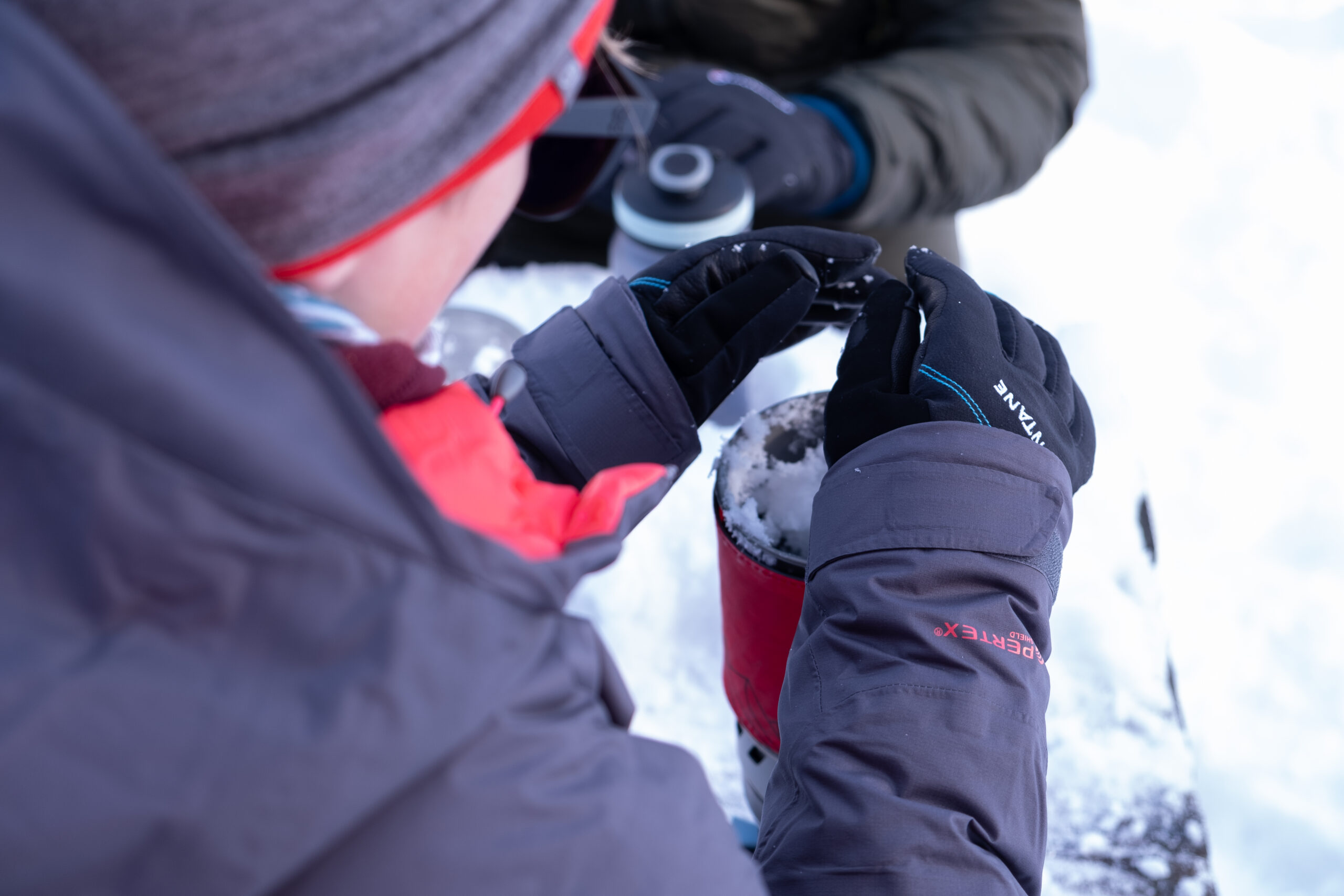
A hot drink before turning in or a filled water bottle tucked near your core can make a surprising difference, especially on long winter nights.
Need Help Dialling in Your Sleep System?
If you’re planning cold-weather camping or looking to improve your current sleep setup, we’re here to help. Whether you want advice on choosing the right sleeping mat, understanding bag temperature ratings, or building a system that works for the conditions you camp in, our team is always happy to talk it through.
You can get in touch with our customer service team via email at [email protected] or give us a call on 01432 263335 for straightforward, experience-led advice. If you prefer hands-on help, visit us in-store to see sleeping mats, bags, and liners up close and get tailored recommendations from people who use this kit themselves.
FAQs
A winter sleep system is the combination of gear that keeps you warm overnight, not just your sleeping bag. It typically includes a sleeping bag, an insulated sleeping mat, and often a liner, all working together to reduce heat loss from above and below.
This is usually caused by heat loss to the ground. If your sleeping mat doesn’t have a high enough R-value, the cold ground will drain heat from your body, no matter how warm your sleeping bag is.
Yes. Sleeping bag liners can add several degrees of warmth, improve comfort, and help manage moisture. Thermal or fleece liners are especially useful for winter camping, while lighter silk liners offer versatility in milder conditions.
Both approaches work, but layering mats is often more adaptable. A closed-cell foam mat paired with an insulated inflatable mat increases warmth, adds redundancy, and allows you to fine-tune your system for different trips.
Wear dry base layers that fit comfortably and don’t compress the insulation of your sleeping bag. Avoid damp clothing and overly bulky layers, which can actually make you colder. A warm hat or balaclava is highly effective for retaining heat.
In some conditions, yes, if it’s paired with a high R-value mat, a warm liner, and good campsite habits. However, for consistently cold or exposed winter nights, a true winter-rated sleeping bag is the safer option.
Leave a Reply