
The Best Hiking Gear Upgrades Under £100
If you’ve been hiking for a while, you’ll already know that buying a full new kit isn’t always the best way to improve your experience on the trail. Often, a few carefully chosen upgrades can make a much bigger difference than replacing your rucksack or waterproof jacket.
Whether you’re looking to reduce weight, improve comfort on long days in the hills or add a few extra safety essentials, there are plenty of worthwhile hiking gear upgrades available for under £100.
At Trekitt, we’re often asked what the best value improvements are for walkers who already have the basics covered. In this guide, we’ll share the upgrades we think offer the biggest performance gains without stretching your budget.
IN SHORT…
-
Best Comfort Upgrades: Discover the small changes that can make long days on the trail noticeably more comfortable.
-
Best Weight Saving Upgrades: Learn which lightweight accessories offer the biggest reductions without replacing your entire kit.
-
Best Safety Upgrades: Explore affordable equipment that can improve navigation, visibility and emergency preparedness.
-
Best Value Purchases: See which versatile pieces of kit deliver excellent performance for less than £100.
-
Making Your Budget Go Further: Find practical tips for prioritising upgrades that suit the type of hiking you enjoy most.
We’ve deliberately avoided including boots, waterproof jackets and rucksacks here. While those can make a huge difference, they’re difficult to buy for under £100. Instead, we’ve focused on the smaller upgrades that offer the biggest improvements for the least money.
Best Comfort Upgrades
Comfort is often what determines whether you finish a walk feeling fresh or completely exhausted. These upgrades might not be the most exciting purchases, but they’re some of the most worthwhile.
Trekking poles
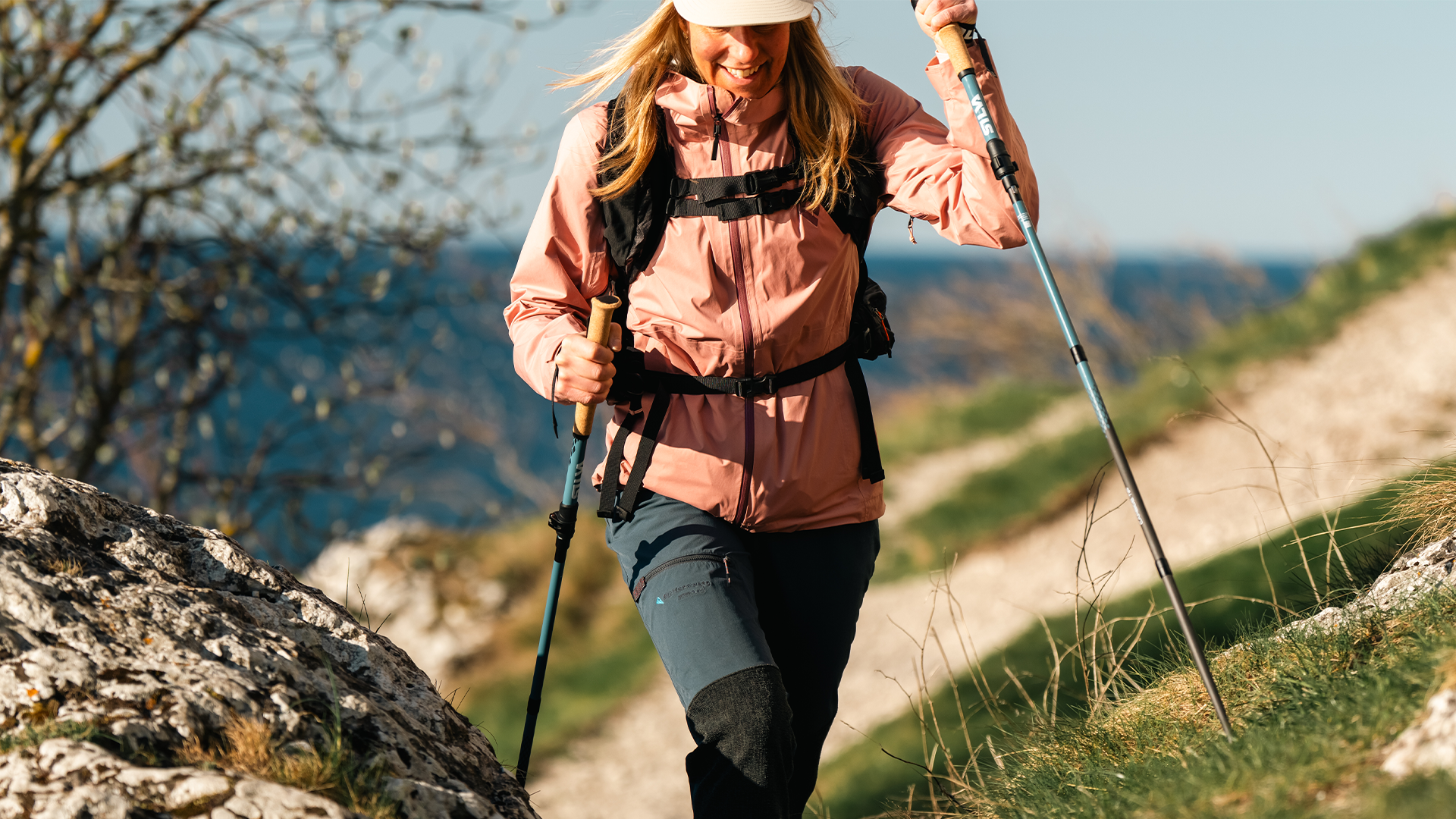
A quality pair of trekking poles can transform long walks, especially if you regularly hike in mountainous areas.
They help:
- Reduce impact on knees during descents.
- Improve balance on rough ground.
- Spread effort across your upper body.
- Increase stability when carrying a heavier pack.
Many excellent aluminium and entry-level carbon options come in well under £100.
Our pick: Leki Khumbu Lite Poles
If you’re buying your first pair of trekking poles or upgrading from an older set, the Leki Khumbu Lite is hard to beat for the money. They’re lightweight, comfortable to hold and built to withstand years of regular use. The Speed Lock adjustment system makes it quick to change the length on the move, whether you’re tackling steep climbs or long descents.
Merino wool socks
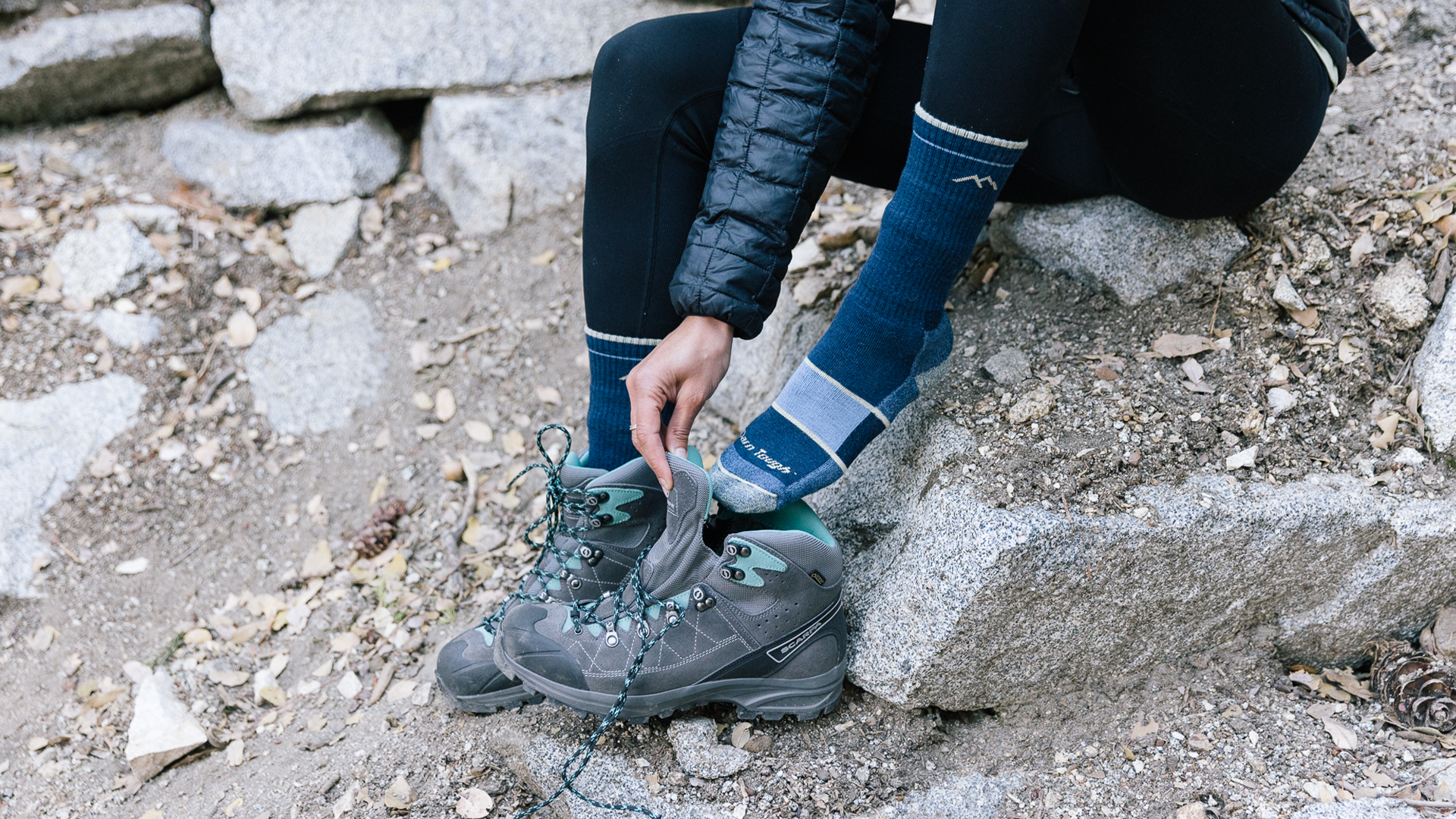
Few upgrades offer better value than a premium pair of hiking socks.
Merino wool naturally regulates temperature, manages moisture and helps reduce odour over multiple days of walking. Combined with good-fitting boots, quality socks can significantly reduce the likelihood of hot spots and blisters.
Our pick: Darn Tough Hiker Micro Crew Midweight Hiking Sock
A quality pair of socks is one of the best value upgrades you can make. The Darn Tough Hiker Micro Crew Midweight Hiking Sock combines the comfort and temperature regulation of merino wool with exceptional durability, making it a favourite among regular hikers. The seamless construction helps reduce friction, while the close fit minimises bunching inside your boots. Better still, they’re backed by Darn Tough’s lifetime guarantee, so they’re built to go the distance.
Better insoles
If your boots are still in good condition but no longer feel as supportive as they once did, replacing the insoles can breathe new life into them.
Supportive aftermarket insoles can improve comfort, reduce foot fatigue and provide better arch support without the expense of buying new footwear.
A lightweight sit mat
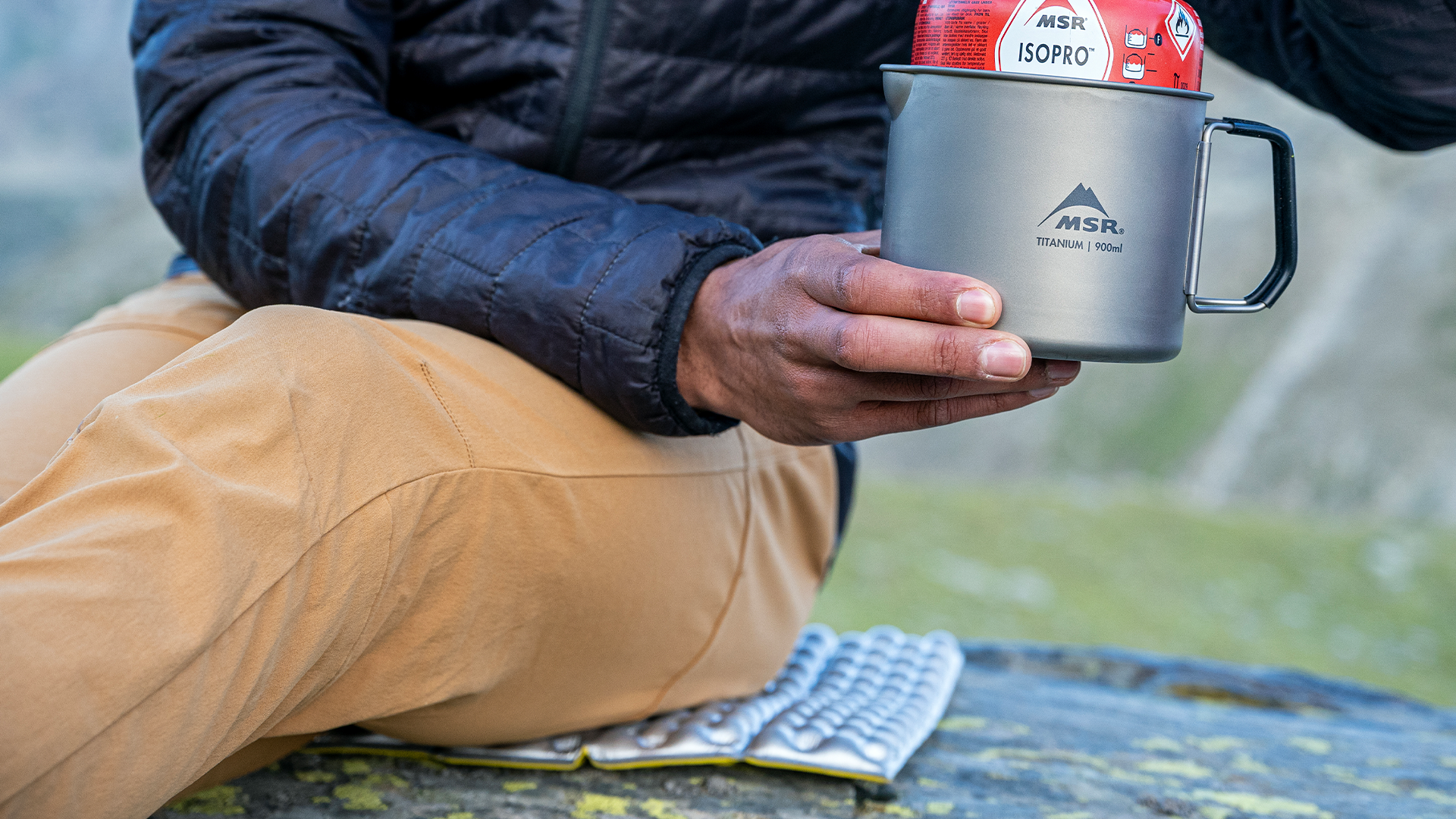
Whether you’re stopping for lunch, taking photographs or enjoying the view, a folding foam sit mat keeps you dry and insulated from cold ground.
It’s one of those pieces of kit that many hikers don’t think they need until they own one.
Our pick: Therm-a-Rest Z Seat
Small enough to slip into almost any pack, the Therm-a-Rest Z Seat gives you a dry, insulated place to sit whenever you stop for lunch or a brew. It’s incredibly lightweight, virtually indestructible and one of those pieces of kit you’ll wonder how you managed without.
Best Weight Saving Upgrades
Saving weight doesn’t have to mean buying an expensive ultralight backpack. Smaller changes often add up surprisingly quickly.
Titanium mug
Replacing a heavy steel camping mug with a titanium alternative saves weight while remaining incredibly durable.
For backpackers, every gram matters, and titanium offers an excellent balance between strength and weight.
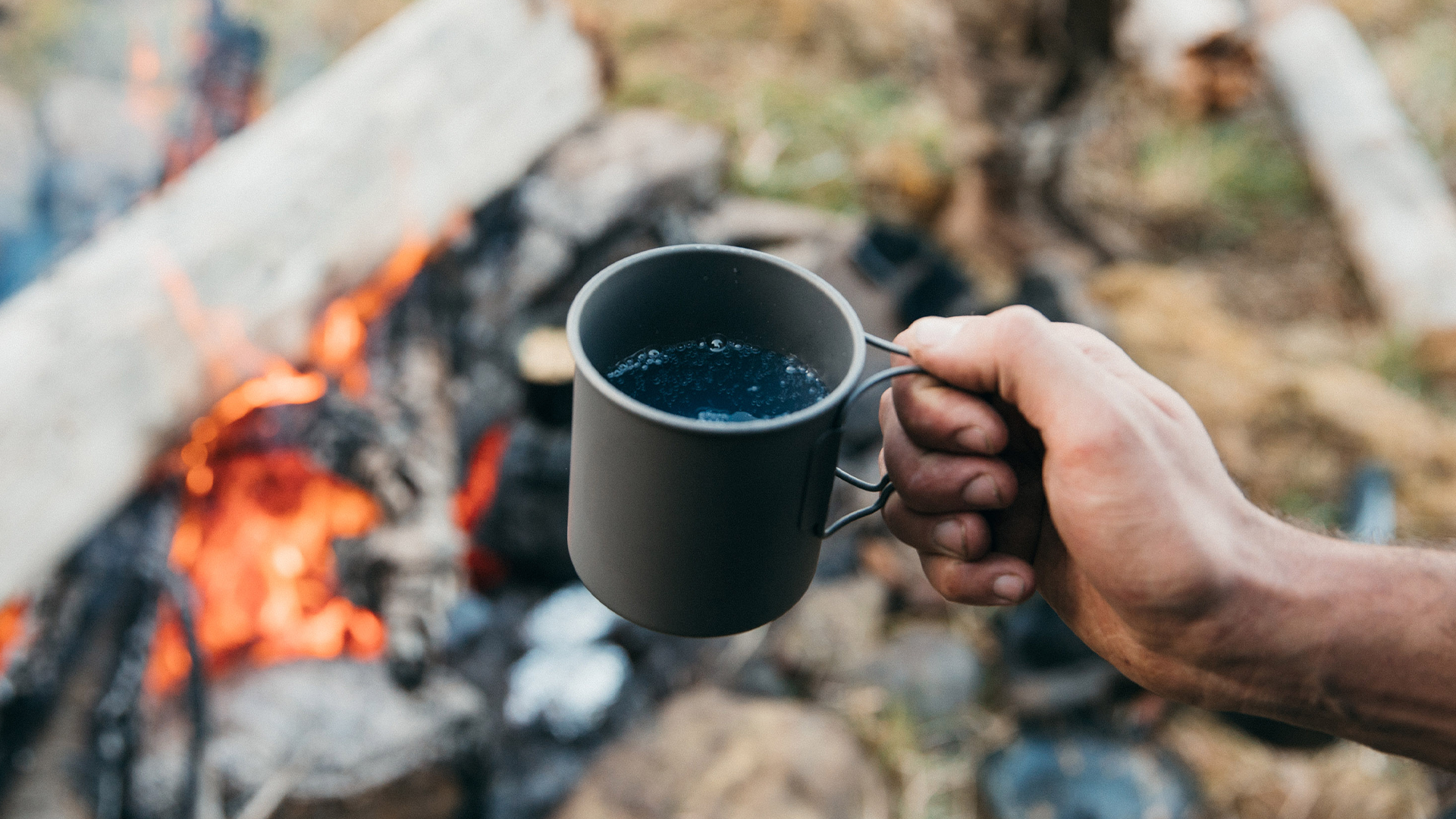
Our pick: Lifeventure Titanium Mug
Shaving weight from your pack doesn’t always require expensive upgrades. The Lifeventure Titanium Mug is incredibly lightweight, strong and resistant to corrosion, making it ideal for everything from a quick brew on the trail to multi day backpacking trips. It’s a simple upgrade that you’ll appreciate every time you stop for a hot drink.
Lightweight dry bags
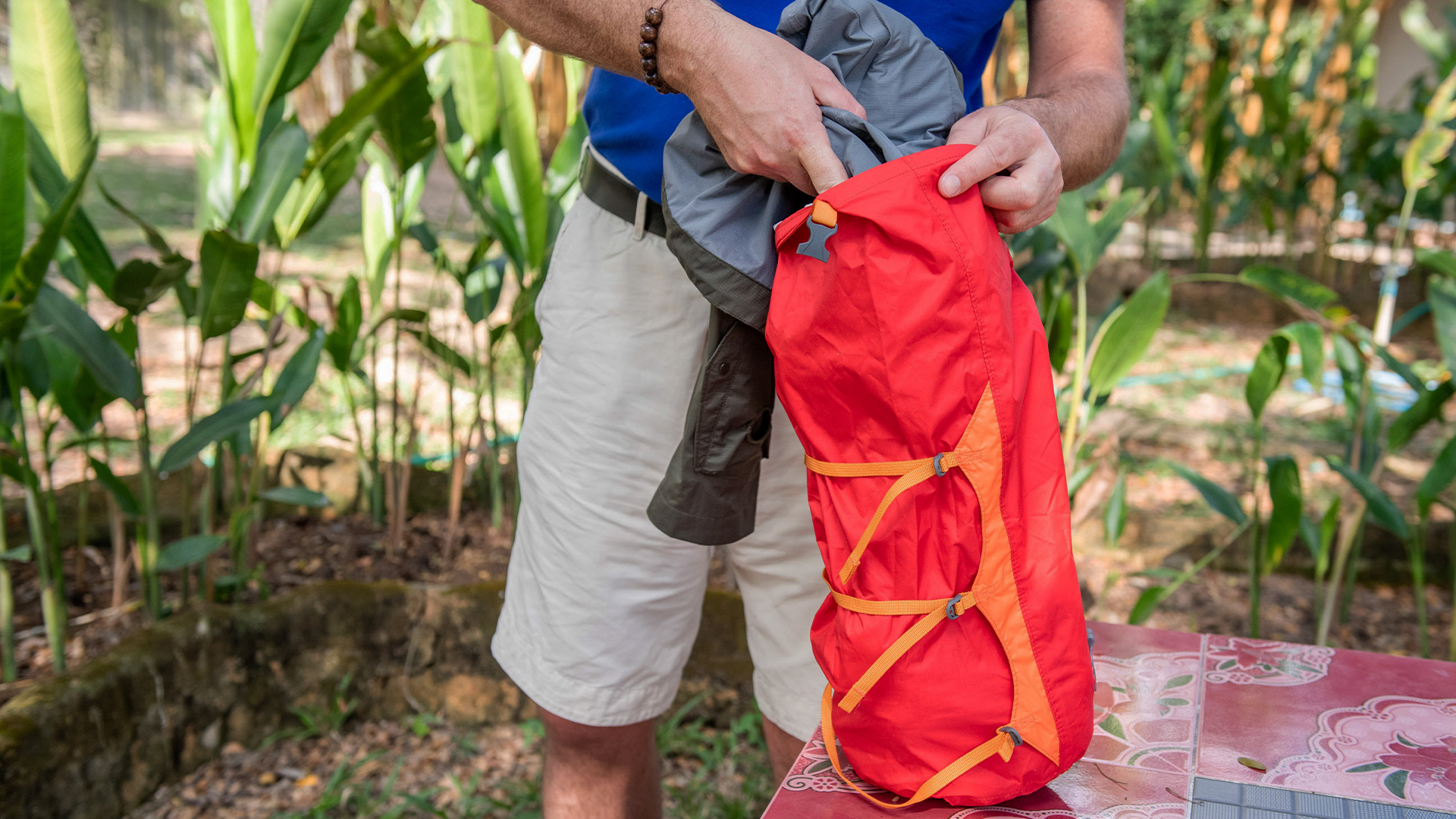
Modern lightweight dry bags are significantly lighter than older waterproof stuff sacks while also making it much easier to organise your gear.
Different coloured bags also help you quickly find clothing, food or sleeping gear inside your pack.
Our pick: Sea to Summit Ultra-Sil Dry Bag
One of the easiest ways to improve your pack organisation is with a set of lightweight dry bags. The Sea to Summit Ultra-Sil Dry Bags are exceptionally light yet still offer reliable protection for spare clothing and sleeping gear. Using different sizes also makes it much quicker to find what you need without unpacking your whole rucksack.
Compact power bank
Navigation apps, GPS watches and emergency communication all rely on battery life.
A modern lightweight power bank provides peace of mind without adding excessive weight.
Our pick: NEBO 10K Power Bank
Whether you’re relying on your phone for navigation, keeping a GPS watch topped up or carrying a head torch with a rechargeable battery, a dependable power bank is well worth packing. The NEBO 10K Power Bank offers plenty of capacity for a full day’s adventures while remaining compact enough to slip into a jacket pocket or the top of your rucksack. It’s a practical upgrade that provides extra peace of mind when you’re spending long days on the hill.
Lightweight water filtration
If you regularly walk in remote areas, a compact water filter can reduce how much water you need to carry between reliable sources.
For suitable UK upland routes, this can save considerable weight over the course of a day. Always ensure the water source is appropriate, as filtration does not remove every possible contaminant.
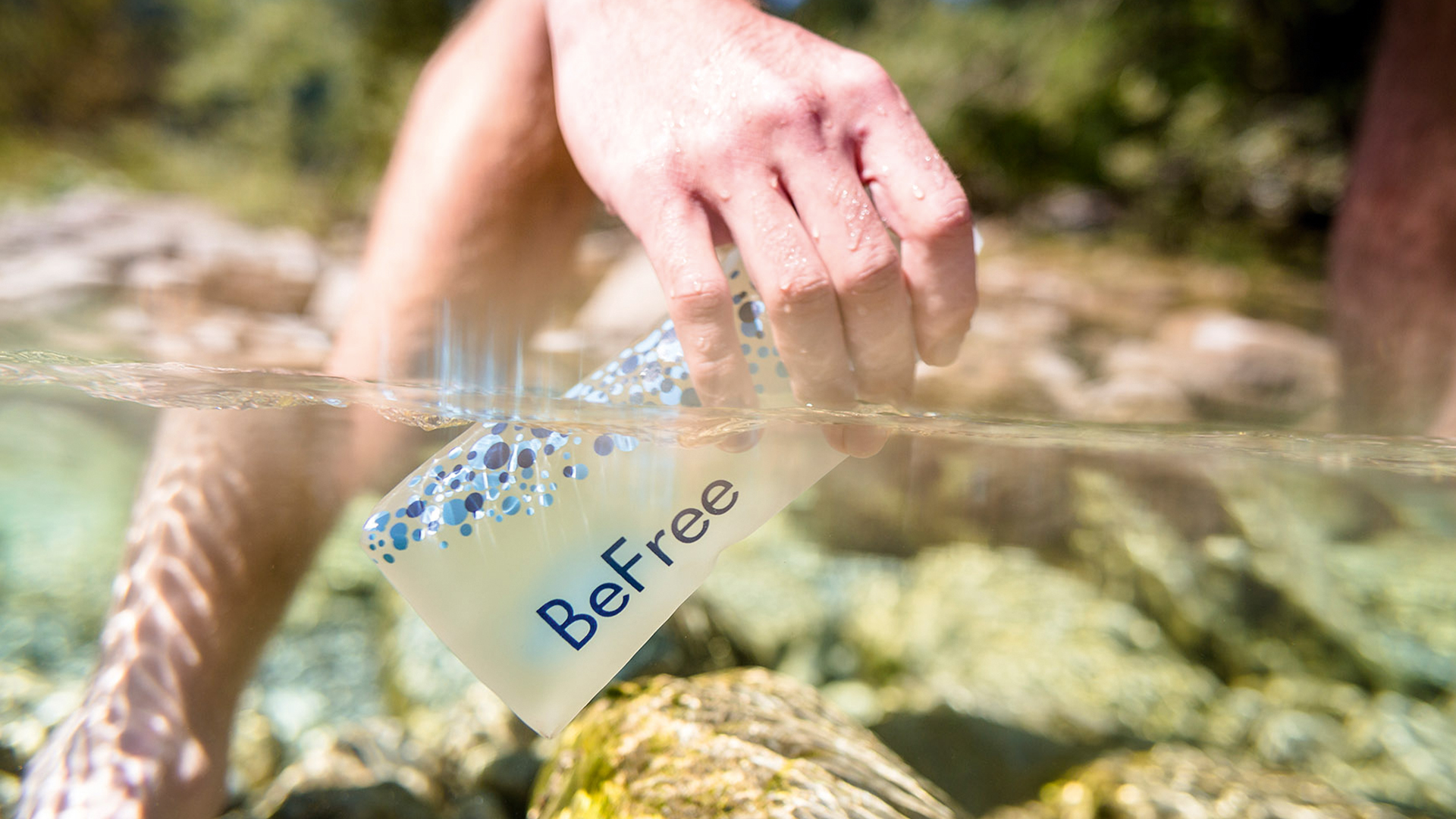
Our pick: Katadyn BeFree AC Water Filter 1L
For backpackers and longer hill days, the Katadyn BeFree makes carrying less water much more realistic where suitable water sources are available. It’s compact, lightweight and filters water quickly, helping you stay hydrated without weighing your pack down. As always, choose water sources carefully and follow good outdoor practice.
Best Safety Upgrades
Safety equipment is rarely the most exciting purchase, but it can be the most valuable when conditions change unexpectedly.
A quality head torch

Even if you’re planning a daytime walk, delays happen.
A dependable head torch with a good battery life is an essential piece of hillwalking equipment throughout the year.
Look for features such as:
- Adjustable brightness
- Weather resistance
- Rechargeable battery
- Lock mode to prevent accidental activation
Our pick: Petzl Actik Core Headtorch
A dependable head torch is one of the most important safety upgrades you can make. The Petzl Actik Core offers an excellent balance of brightness, runtime and weight, while the rechargeable CORE battery helps reduce waste and running costs. It’s equally at home on winter hill days, overnight camps and emergency situations.
Personal first aid kit
A compact first aid kit should contain more than just plasters.
Consider including:
- Blister treatment
- Compression bandage
- Sterile dressings
- Antiseptic wipes
- Pain relief
- Emergency whistle if not already carried
Customising a small kit for the walks you regularly undertake often works better than carrying a bulky off-the-shelf option.
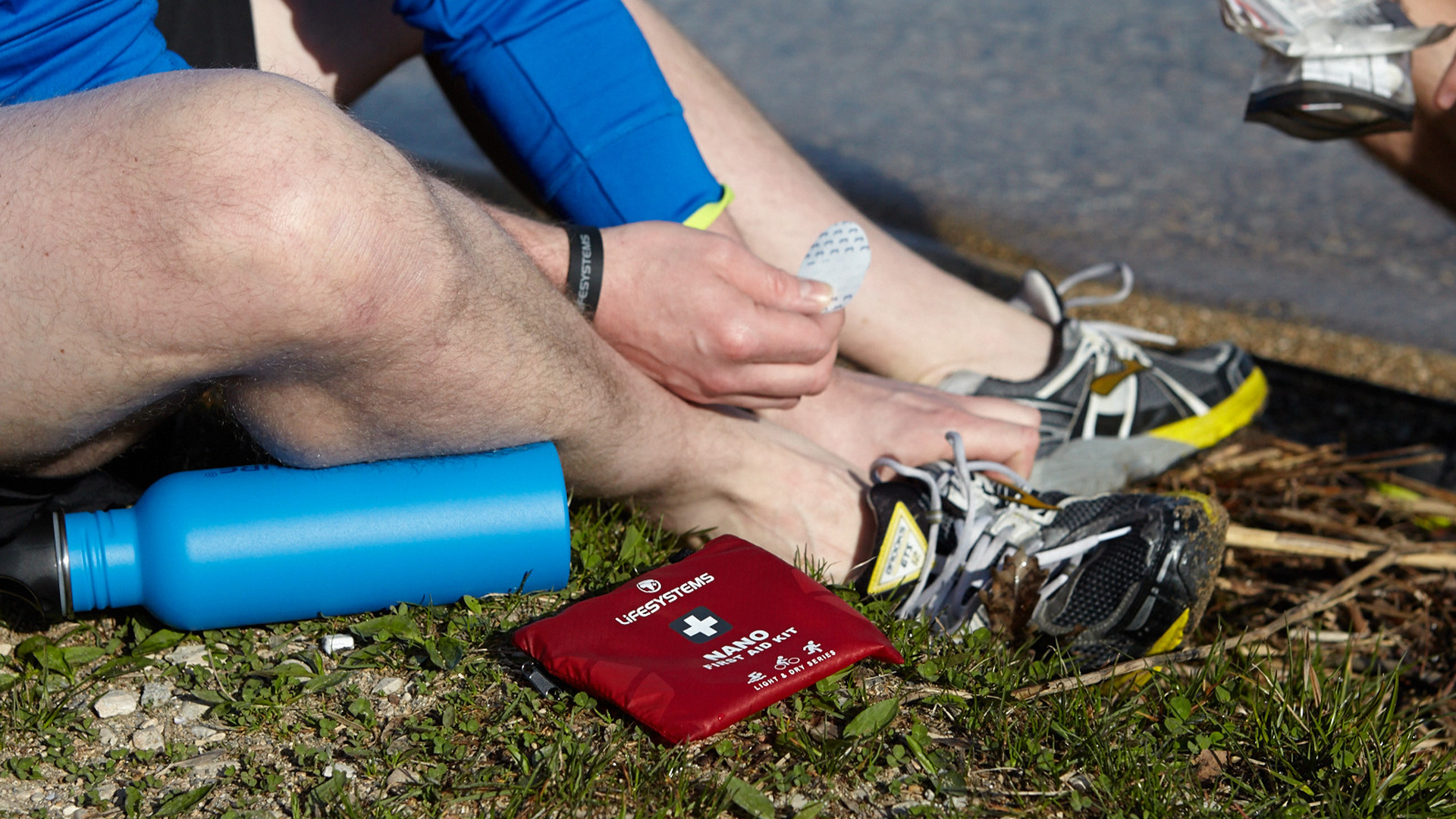
Our pick: Lifesystems Light & Dry Nano First Aid Kit
A compact first aid kit doesn’t need to take up much room to be useful. The Lifesystems Light & Dry Nano First Aid Kit includes the essentials for treating minor injuries on the trail and provides a solid foundation that you can customise with your own blister treatment and medication.
Emergency shelter
For anyone spending time in the mountains, a lightweight emergency shelter or survival bag is one of the best safety purchases available under £100.
Hopefully you’ll never need it, but if bad weather forces an unexpected stop, it could make a significant difference while waiting for assistance.
Map case
Even if you navigate primarily using a GPS device or smartphone, carrying a paper map remains good practice.
A waterproof map case helps keep it usable throughout the day.
Best Value Purchases Under £100
Some items deliver excellent value because you’ll use them on almost every walk.
Buff or multifunctional neckwear

A Buff is one of the most versatile accessories you can carry.
It can be worn as a:
- Neck warmer
- Hat
- Headband
- Sun protection
- Lightweight face covering in dusty conditions
Our pick: Buff Original EcoStretch
There’s a reason the Original Buff has become a staple for walkers and runners alike. It works as a neck warmer, hat, headband or lightweight sun protection, making it one of the most versatile accessories you can carry all year round.
Lightweight gaiters
If you spend much of your time walking in the UK, gaiters are worth considering.
They help keep mud, heather, gravel and water out of your boots while protecting your lower trousers from wear.
Our pick: Rab Trek Gaiter
For anyone who spends time on muddy UK trails or crossing wet grass, the Rab Trek Gaiter is a worthwhile addition. It helps keep water, grit and heather out of your boots while protecting your trousers from abrasion, making it especially useful during autumn and winter walks.
Soft flask or lightweight water bottle
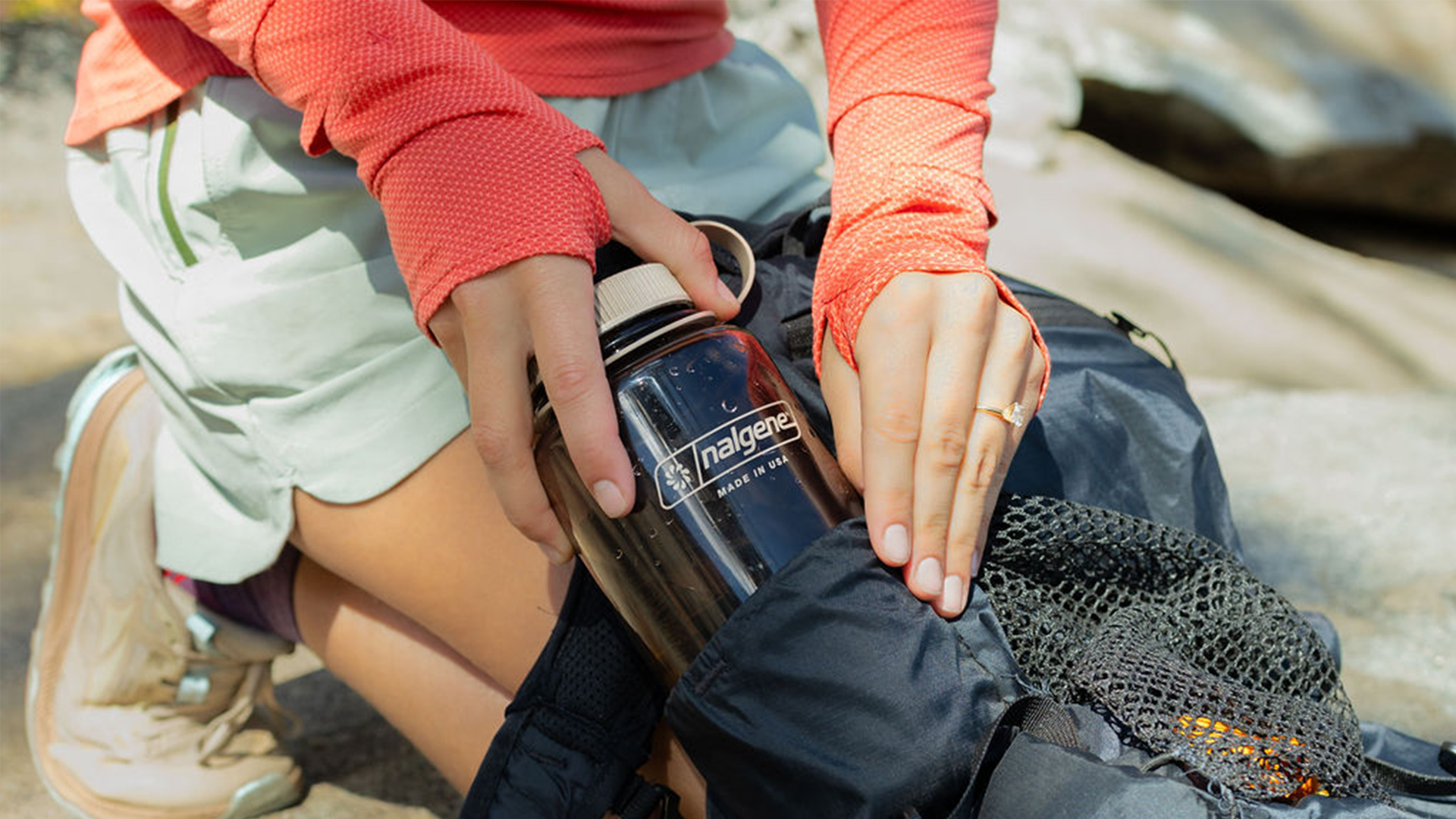
Staying hydrated on the trail is essential, and the type of bottle you carry can make a bigger difference than you might think. Soft flasks are lightweight, pack down as you drink and are a great option for fast-paced hikes where saving space is a priority.
That said, there’s still plenty to be said for a traditional hard bottle. They’re more durable, easier to fill from taps and streams, and can handle years of knocks and scrapes without issue. They’re also ideal if you regularly add electrolyte tablets or use your bottle with a water filter.
How I’d Spend £100
If I had around £100 to improve my hiking kit, I wouldn’t spend it all on one big-ticket item. Instead, I’d choose a handful of upgrades that I’d notice on every walk. These are the pieces of kit I’d happily buy again because they offer excellent value, improve comfort and should last for years.
| Product | Price | Why this? |
| Darn Tough Women’s Hiker Micro Crew Mid Cushion Hiking Socks | £23.20 | Because happy feet make every walk better. Comfortable, durable socks are one of the simplest ways to reduce blisters and foot fatigue. |
| Petzl Actik Headtorch | £47.70 | Because I never want to be caught out after dark. A dependable head torch is an essential piece of safety kit, even on walks you expect to finish in daylight. |
| Nalgene Wide Mouth Tritan Sustain Bottle 500ml | £15.99 | Because it’s one of those pieces of kit that lasts for years. Tough, easy to clean and versatile enough for everything from day walks to camping trips. |
| Therm-a-Rest Z Seat SOL | £24.65 | Because every lunch stop is better when you’re not sitting on wet ground. It’s lightweight, virtually indestructible and you’ll use it far more than you expect. |
| Total | £111.54 | A little over budget, but every item earns its place in your pack. |
I’m slightly over the £100 mark, but I wouldn’t swap any of these out just to hit the budget exactly. They’re all upgrades that make a noticeable difference every time you head outdoors, whether that’s improving comfort, adding a little convenience or giving you extra peace of mind.
Of course, your own £100 might look slightly different depending on the kit you already own. If you’ve already got a reliable head torch, for example, you could put that money towards a pair of trekking poles or a lightweight water filter instead. The aim isn’t to buy more gear, it’s to invest in the upgrades that will have the biggest impact on your time on the trail.
Making Your Budget Go Further
It’s easy to spend money on equipment that promises impressive performance gains, but the biggest improvements usually come from solving the problems you encounter most often.
Ask yourself:
- Do your feet become uncomfortable before anything else?
- Are you carrying more weight than necessary?
- Could your navigation or emergency kit be improved?
- Is your current equipment still performing as it should?
By answering those questions first, you’ll spend your budget where it has the greatest impact.
Final Thoughts
Improving your hiking kit doesn’t have to involve replacing everything you already own. Some of the most worthwhile upgrades cost surprisingly little and can noticeably improve comfort, reduce fatigue and increase confidence on the trail.
Whether it’s a better pair of socks, a dependable head torch or a lightweight set of trekking poles, investing wisely in smaller pieces of equipment often delivers the best return for your money.
At Trekitt, we always recommend upgrading gradually, focusing on the equipment you’ll use on every walk rather than chasing the latest trends. A thoughtful approach will help you build a kit that performs reliably for years to come.
If you’re thinking about upgrading your hiking kit but aren’t sure where to start, we’d love to help. Whether you’re looking to shave a bit of weight from your pack, improve your comfort on long walks or simply get the best value for your budget, our team can point you in the right direction. Get in touch by emailing [email protected], calling 01432 263335, or visiting us at our Hereford Service Centre.
FAQs
For many hikers, trekking poles offer the biggest improvement. They reduce strain on your joints, improve balance and can make long or steep walks feel considerably easier.
Not necessarily. Many affordable accessories offer outstanding performance. The key is choosing equipment that solves a genuine problem rather than simply replacing something that already works well.
If your boots are worn out or no longer fit properly, replacing them should be the priority. If they’re still in good condition, accessories such as insoles, socks or trekking poles can provide excellent value.
If you regularly cover long distances or enjoy multi day backpacking, reducing carried weight can noticeably improve comfort and reduce fatigue. Even small weight savings add up across your entire kit.
As a minimum, we recommend carrying a reliable head torch, a basic first aid kit, a paper map, a compass, appropriate navigation tools and an emergency shelter for more remote or mountainous routes.
Prioritise upgrades that you’ll use on every walk. High quality socks, better insoles, dry bags and a dependable head torch all offer excellent value without costing a fortune.
Leave a Reply