
Trekitt’s Top 10 Winter Walking Tips for Winter 2026
Planning a cold-weather hike? This guide simplifies winter walking tips—sharing expert advice on preparation, gear, safety, and comfort to help you enjoy winter adventures with confidence.
Winter 2026 Update:
Winter walking continues to grow in popularity across the UK, with more hikers embracing cold-weather adventures thanks to improved layering systems, lightweight safety tech, and better access to winter-specific forecasts. This guide has been refreshed for Winter 2026 to reflect current best practice, helping you stay safe, warm, and confident on winter walks—from frosty lowland trails to snow-dusted hills.
In SHORT…
-
Know essential winter walking strategies: Learn how to prepare your route, pack smartly, and dress in breathable, moisture-wicking layers for changing conditions.
-
Understand key safety and comfort tips: Discover the importance of carrying navigation tools, first aid kits, insulated layers, and emergency gear for cold-weather hikes.
-
See bonus tricks for better winter walks: Explore practical extras like preheating flasks, caring for waterproof gear, and planning rewarding finishes—whether it’s a warm meal or a scenic summit.
As outdoor enthusiasts, we love getting out and exploring nature in all weather; it’s good for the mind and body. Experiencing the wonder of the elements can enhance your journey and elevate your time outdoors. As seasoned hikers, hill walkers and multi-day trekkers, we’ve collected an array of tips and tricks over the years to help you stay happy and safe when adventuring throughout the colder months. So, we thought we’d summarise our top 10 winter walking tips for you.
1. First and Foremost, Be Prepared!
If you’re heading out in winter, being prepared is key. Check the weather, plan your route and pack your kit accordingly. Is there rain or high winds forecast? We suggest you use a designated mountain forecast website for a more detailed weather prediction. What’s the elevation gain? Is there a chance of snow? Always tell someone where you are going, whether you are heading out alone or with company.
Winter walking tips: Carry a map as backup
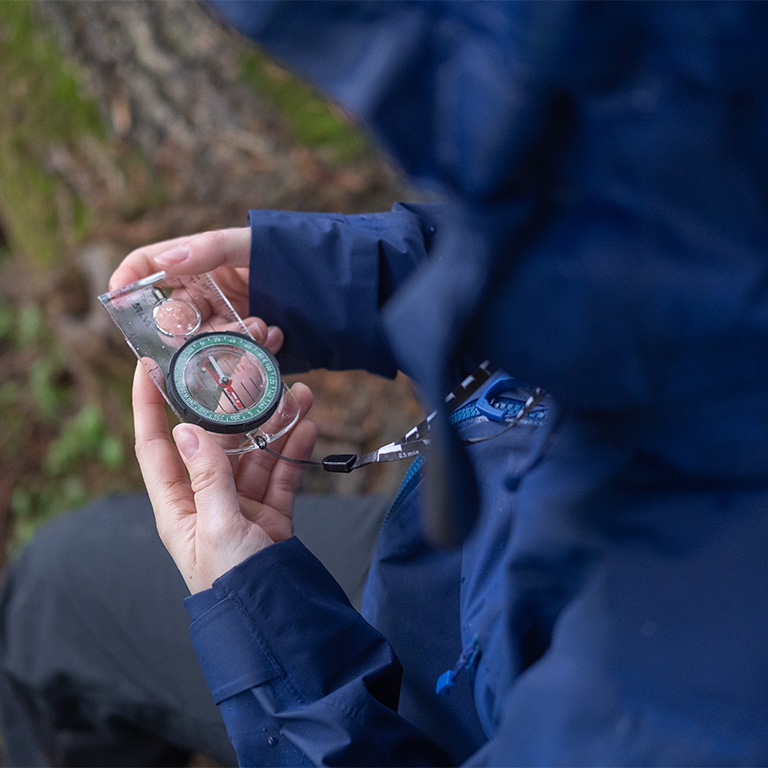
Take a hard copy of your route, local map or guidebook with you. Don’t just rely on your phone or GPS watch for navigation. GPS signal can be very patchy or even non-existent in the hills and mountains. The cold weather can quickly drain your mobile phone battery and other devices. Store your phone in an internal pocket for added protection from the cold. This helps retain battery life for emergencies, although this is no guarantee. It’s always best to carry an old-school map or guidebook of the local area as a backup. Make sure that your route is highlighted in case your device batteries are low and you need to know where you are/where you’re heading. If you’re not familiar with map reading, it’s a great idea to learn the basics. Just in case you’re ever caught out, you can always find your way back to the trail.
Off winter walking somewhere remote or adventuring alone?
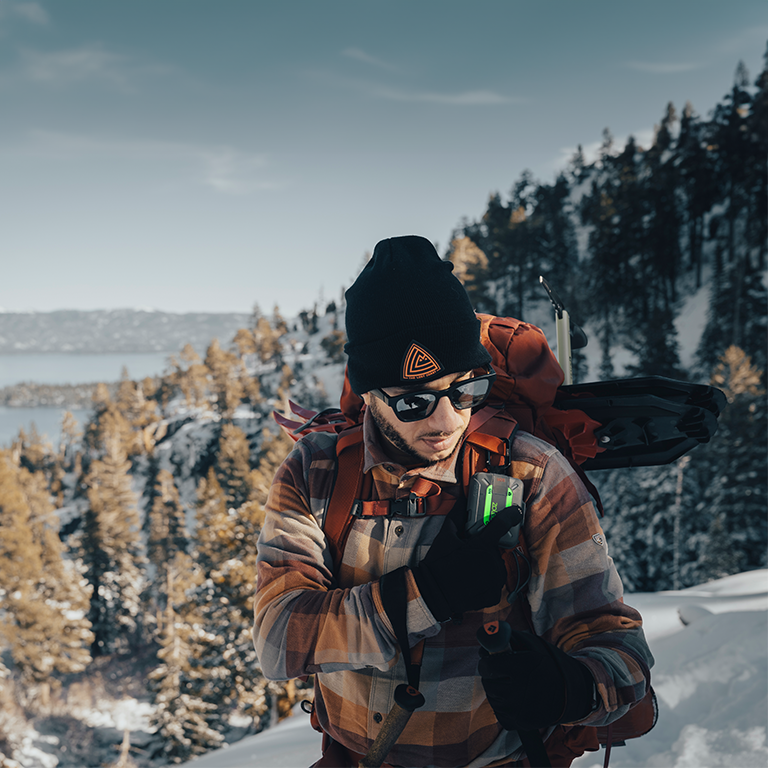
Consider taking a GPS device/ satellite communicator with you. They are an important safety device; if you get into trouble, you can quickly hit the SOS button. This will alert a dedicated emergency response centre and send them your live coordinates so they can arrange help with local rescue teams. Depending on which device you have and if you’re able, you can keep a communication channel open with the emergency centre and get updates about your rescue. Not only do they bring peace of mind if the worst were to happen, but they also allow you to easily check in with home, should you wish, even if you have no phone signal. Having a touchpoint with home can provide comfort for those loved ones that you’ve left behind. We stock a range of GPS devices from brands such as Garmin and Zoleo.
2. Dress and Pack Appropriately for the Weather
The weather can often be unpredictable in the hills and mountains. Make sure you have a full set of waterproofs and extra layers in case the weather turns nasty. The same advice applies to any walk, hike or ramble when you are out for sustained periods.
Make sure that you pack your rucksack appropriately and strategically to spread the weight. This will give you a more comfortable carry and allow you to quickly grab essentials in a hurry. Such as your waterproof shell or first aid kit. You don’t want to waste time rummaging around trying to find things. Need some advice about how to pack your rucksack correctly? Watch our YouTube video here.
The benefits of walking poles and footwear for hiking and trekking
A set of walking poles is always a great choice if you are navigating uneven terrain, carrying a heavy pack, or tackling a longer route. Walking poles provide stability across varied terrain and help propel you forward with each step, thus reducing fatigue. They’re also handy for crossing muddy bogs and travelling across snow. For soft terrain, we recommend using specific mud or snow pole baskets to stop the poles from sinking.
Winter walking tips: Waterproof footwear
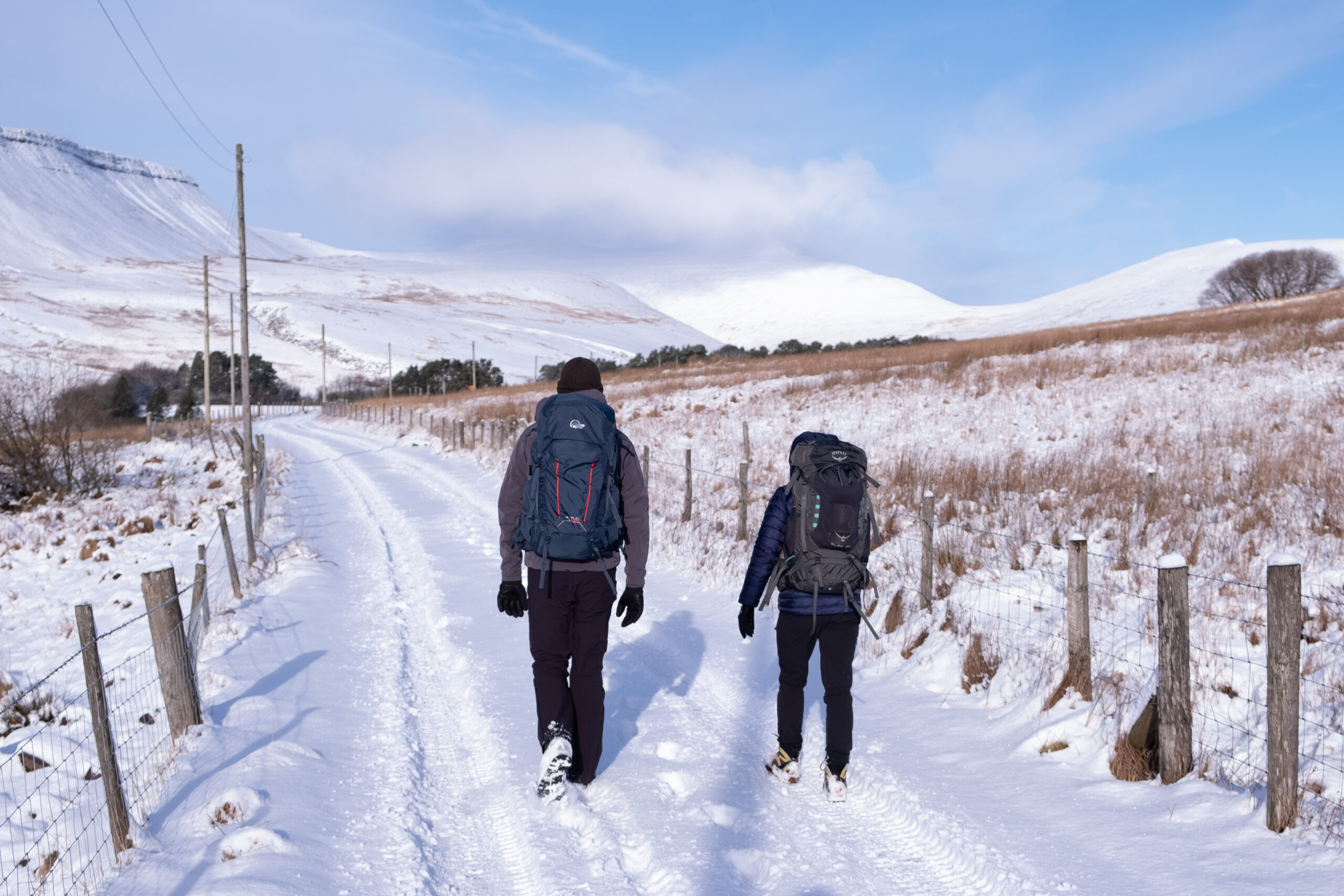
When choosing footwear, waterproof walking boots and technical socks are a winning combination for dry, comfortable and blister-free feet. The next thing to consider is, are you hoping to experience snow? If the answer is yes, depending on the elevation and how technical your route is, will depend on whether you need to pack a set of microspikes or crampons for added grip in the snow or ice. Not sure what crampons or microspikes are? Check out our ultimate guide to crampons here.
3. Preheat Your Flask
Pack something hot to eat or drink, whether you’ve got some homemade soup for lunch, a flask of tea or some heartwarming hot chocolate. Preheating your flask with some boiling water before you fill it will help its contents stay warm for longer. No one likes a cold cuppa, especially when you’re out in the cold! You’ll be surprised how much a hot drink or warm soup can boost you and your companions’ morale and give you a well-deserved break. This leads to our next tip…
4. Pack an Insulated Jacket for Winter Walking Pitstops
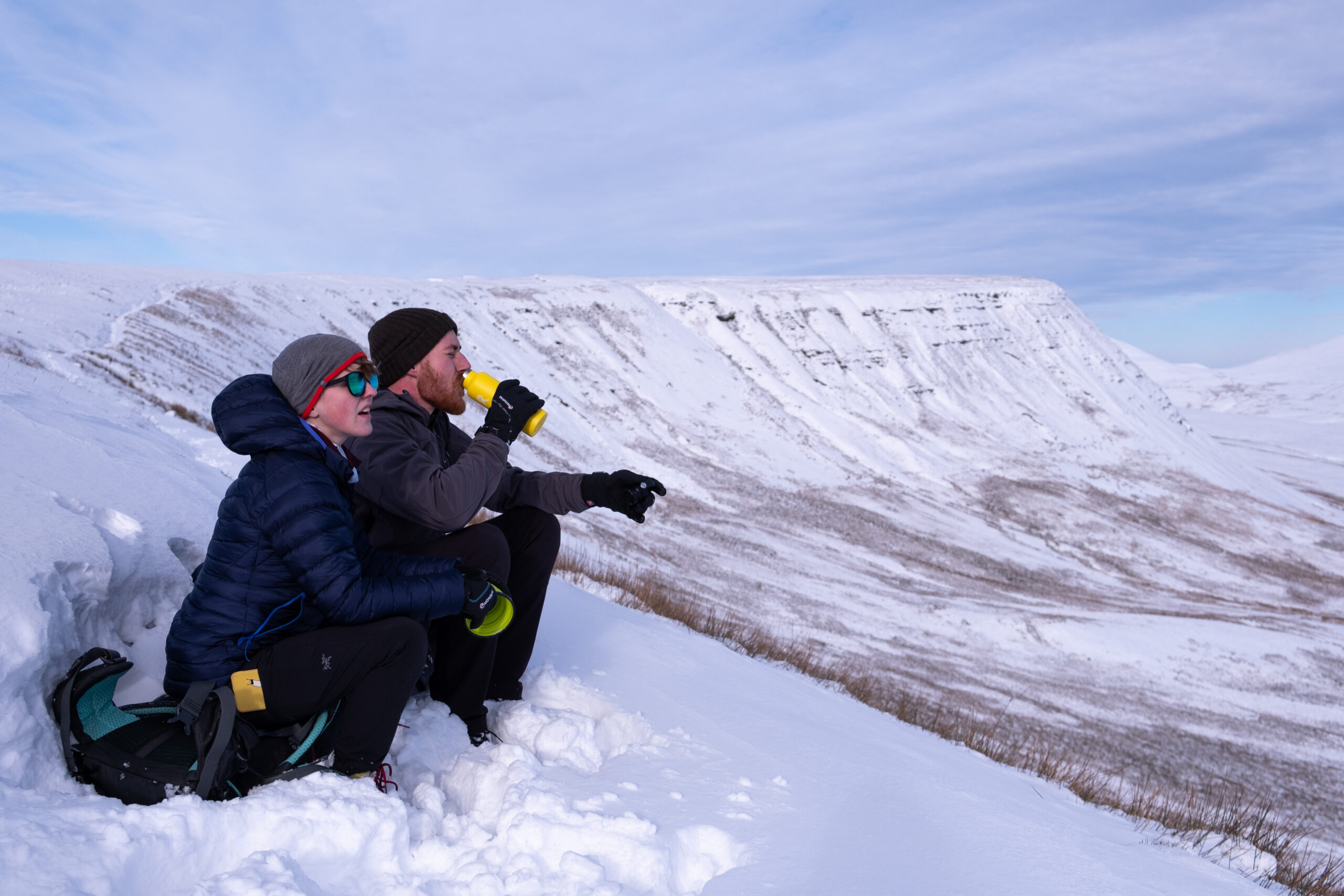
As soon as you stop moving, your body temperature will drop quickly in cold conditions. You don’t want to lose any body heat you’ve just worked so hard to create. Always pack a down or synthetically insulated jacket or gilet to pop on when you stop for a quick break, or to eat lunch. Keeping warm is crucial to being comfortable (and happy) whilst you’re outdoors in winter, whether you’re stationary or moving. Not sure whether you need a down or synthetic jacket? Check out this blog, which has all the pros and cons of both.
5. Be Bold, Start Cold
Managing your layering system is very important, especially in cold, wet or windy conditions. You don’t want to start your walk wearing all of your layers. I know, it’s very tempting after getting out of a nice, toasty car, but you’ll quickly become too warm once you start walking, causing you to sweat. If this moisture builds up in your layering system, then once you stop, it will cool down and you’ll quickly lose body heat. This rapid heat loss may put you at risk of hypothermia. This is why breathable, moisture wicking layers are essential for outdoor activities, especially in winter. They draw the moisture away from your skin to the outer layer, where it can evaporate, keeping your skin dry. Merino wool baselayers, such as those made by Devold, are excellent for this because they combine natural breathability with odour resistance and temperature regulation, making them a reliable choice for both short hikes and multi-day adventures.
For more information about how to layer outdoor clothing correctly, click here.
6. First Aid Kit Safety for Winter Walking
Carry a first aid kit and either a thermal bag or a foil blanket (some kits include this). At Trekitt, we stock first aid kits in varying sizes, from ultralight kits for fast and light adventures to group kits suitable for mountain leaders. If you’re heading out winter walking, make sure you have a first aid kit in your backpack somewhere close to hand, just in case. If you’re hiking in a group, it’s easy to carry individual first aid kits; they’re so light that you won’t even notice it’s there.
Winter walking tips: Essentials for emergencies
Your kit might not include a thermal bag or foil blanket, we suggest purchasing one as an extra. A thermal/foil blanket can be used in emergencies to retain vital body heat and to keep a person’s core body temperature stable until help has arrived. Its weight and pack size are minimal and hopefully you will never need it, but if you’re hurt or stranded in cold conditions, it could literally be a lifesaver.
Another extra that’s worth a mention is an emergency survival shelter. These are lightweight and easy to carry and offer quick, easy protection from the elements should you get into trouble. They’re also great for lunch pitstops in adverse weather conditions when you need a little respite from the conditions.
7. Consider Your Four-Legged Friend When Winter Walking
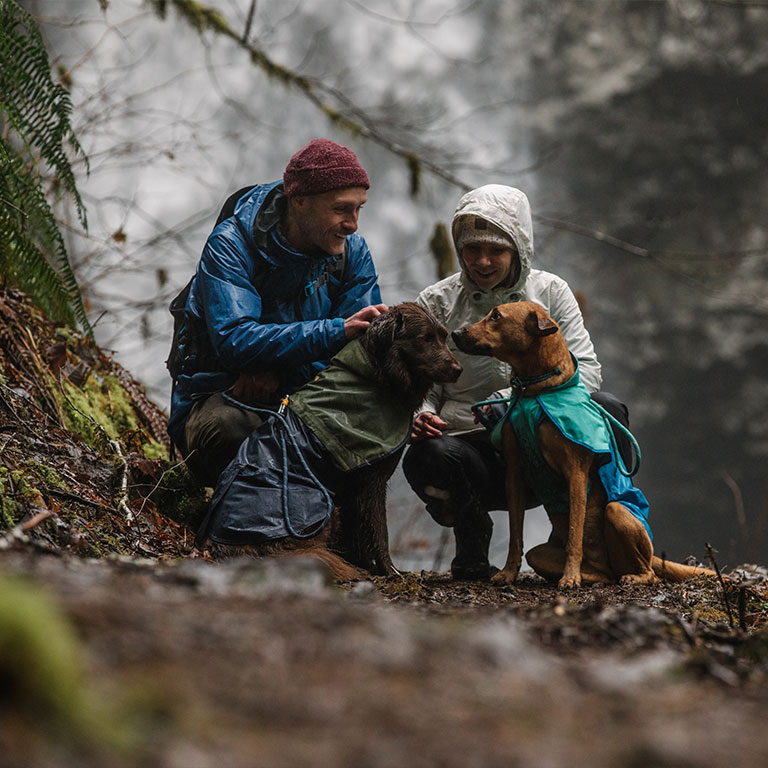
You might be nice and warm underneath your layers whilst winter walking, but what about your dog? Although they are covered in fur, your dog can feel the cold too. Some breeds have thick, fluffy fur that protects them from the cold. Whilst others have thin fur and might need a little help if they’re out for prolonged periods. Consider their breed; do they need a coat or a fleece for extra warmth? The same rules apply. Start cold, as you don’t want them to overheat, but when the temperature drops, you can pop on an extra layer. Make sure you pack plenty of treats (or some kibble) as a little trail snack and morale boost for your pup. A couple of treats here and there throughout your adventure will keep their tails wagging with excitement.
8. Pack Plenty of Snacks
Ever wondered why you don’t feel as hungry in the summer as you do in the winter? The cold weather can stimulate your appetite, making you feel hungrier! Make sure you have plenty of and a variety of trail snacks and some food for lunch. It’s a no-brainer that walking up hills, mountains or for long periods burns calories. Keeping your energy levels up throughout your winter hike is essential. If you’re conscious about the weight of your pack, choose calorie and nutritionally dense food, so that you don’t have to carry as much. We all have our favourite trail snacks; some like a traditional nutty trail mix, whilst others prefer sweets and flapjacks. Whichever you choose, make sure it’s something that you’ll actually want to eat on the move.
Winter walking tips: Multi-day adventures
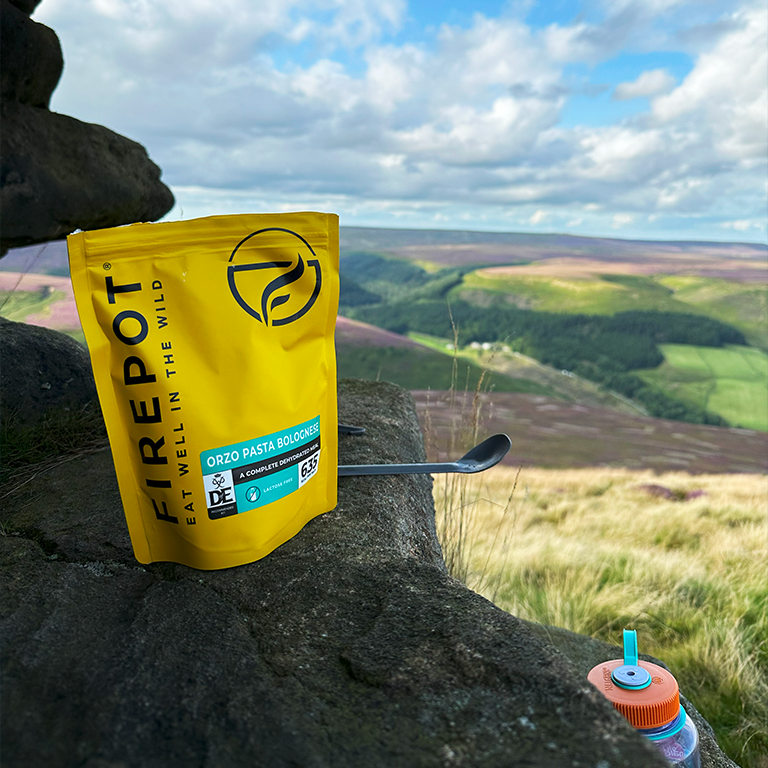
For Multi-day adventures, carrying dehydrated meals is a great way to save on weight, without compromising on flavour. All you need is some clean water and a small trail stove to boil it. My personal favourites are the Firepot meals, they’re simply delicious! Whatever keeps you happy, just make sure you follow the ‘leave no trace’ principle and take any rubbish with you (this includes fruit peelings, tissues and any other biodegradable waste).

9. Give Your Kit Some TLC Before You Go Walking
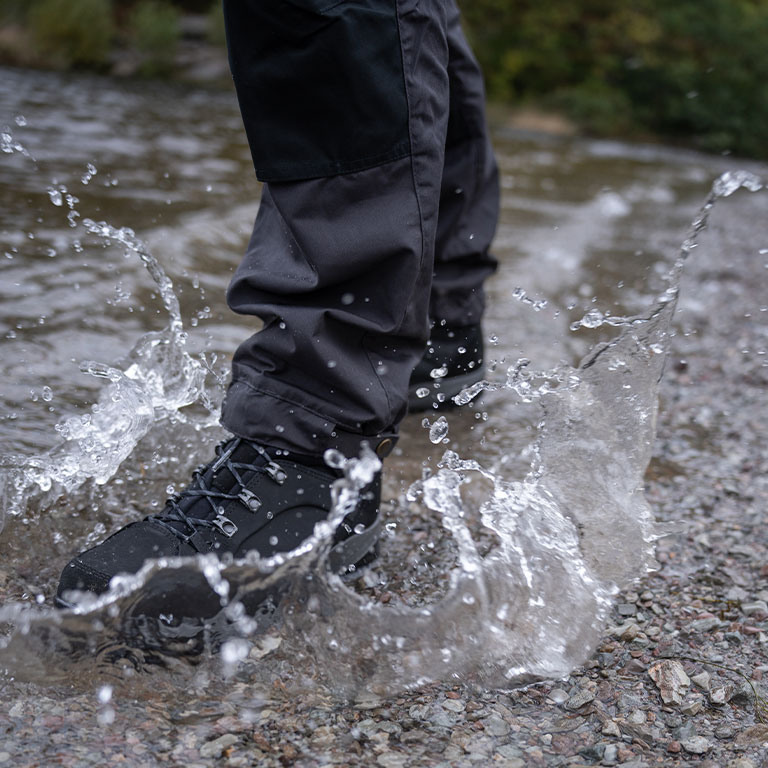
Living in the UK, we always expect it to rain, whatever time of year, meaning our waterproof kit gets well used! Therefore, we need to give it some regular TLC to keep it performing at its best. If your jacket isn’t beading water as well as it used to, or it’s had a lot of use since its last wash, you should reapply the DWR (durable water repellent) to your waterproof jacket. This DWR encourages rain and water to bead off your jacket. Which enhances its breathability by allowing moisture vapour to escape and prevent you from feeling clammy. Don’t worry, caring for your kit isn’t as daunting as it sounds. Products like Grangers Wash and Repel 2 in 1 do all the hard work for you! Not sure how to care for your waterproof clothing? Watch our handy how-to video tutorial here.
10. Plan Your Route with a Good Ending
As outdoor enthusiasts, we all know how important planning your route is for safety, but have you also considered planning your route to conveniently end near a country pub with a nice warm fire and hot food? Cosying up indoors after a long, cold and probably wet day in the hills or mountains is one of my favourite things about winter. I find the contrast and sense of achievement so fulfilling. However, if you’re planning to eat, make sure the pub or cafe serves food throughout the day. You don’t want to turn up tired and hungry, only to be disappointed if the kitchen isn’t open, or worse, the pub is closed! But ending your route with a well-deserved pint (or coffee) and a hearty meal will warm you through and will help keep your trail buddies happy and want to go hiking with you again in the future.

What’s New for Winter 2026
Improved insulation materials
Modern synthetic insulation continues to outperform older designs, particularly in damp UK winter conditions. Jackets using advanced synthetic fills, such as those found in the Rab Xenair range or Patagonia’s Nano Puff, retain warmth even when wet and dry quickly after use. This makes them a dependable choice for winter walking, where rain, sleet, and snow are often part of the day.
Refined layering advice
Layering advice now places greater emphasis on moisture control and adaptability rather than simply adding warmth. Breathable baselayers, particularly merino options from brands like Devold, help regulate body temperature and reduce sweat build-up. Walkers are increasingly pairing these with lighter, more breathable midlayers and relying on a packable insulated jacket for stops.
Greater focus on emergency readiness
Emergency kit is increasingly considered standard winter walking equipment, even on familiar routes. Lightweight group shelters, such as those made by MSR, provide quick protection from wind and cold during unplanned stops, while compact thermal bags and foil blankets from Lifesystems are now common additions to winter packs. With shorter daylight hours and fast-changing weather, being prepared for delays has become a core part of winter planning.
Winter walking top tips summary:
- Be prepared.
- Dress appropriately.
- Don’t forget your snacks.
- Have fun and enjoy the great outdoors, it’s not just for summer!
At Trekitt, you’ll find everything you need for all your winter adventures! If you have any questions or need some further advice about any of our products, you can visit us in-store at our Hereford Service Centre, or speak with our friendly customer service team via telephone (01432 263 335) or email ([email protected]).
Written by Sarah Toal
FAQ
Dress using a three-layer system so you can regulate warmth as conditions change. Start with a moisture-wicking base layer, add an insulating mid layer for warmth, and finish with a waterproof, windproof shell. This setup keeps you dry, warm, and adaptable without overheating.
Start walking feeling slightly cool. You’ll warm up quickly once you start moving. Adjust layers early, not once you’re already sweating. Overheating leads to damp clothing, which makes you cold as soon as you stop, especially in the wind or low temperatures.
Wear a warm hat (you lose a lot of heat from your head), mittens rather than gloves, and wool socks that aren’t too thick. Gaiters are also useful in winter, keeping snow, mud, and cold air out of your boots.
Yes. Mittens keep fingers together, allowing them to share heat. Gloves offer more dexterity, but in cold or windy conditions, mittens are noticeably warmer and better for maintaining circulation.
Take short, shuffling steps with your feet slightly pointed outward — often called the “penguin walk.” Keep your hands free for balance and move slowly. On compacted snow or ice, traction aids like microspikes make a huge difference.
Always carry a head torch, even on short walks. Winter light fades quickly, and cloud cover can make it feel dark much earlier than expected. A spare battery or backup torch is a smart addition to your pack.
Absolutely. Snow can cover paths, landmarks, and trail junctions. Don’t rely on footprints alone, they may lead you in the wrong direction. Check your position regularly and be prepared to turn back if navigation becomes uncertain. Learn more by reading our guide How to navigate safely in winter.
In addition to your usual kit, pack a spare warm layer, a hat, gloves, a head torch, a whistle, a first aid kit, an emergency bivvy bag, high-energy food, and a power bank. These items are about staying safe, not just staying comfortable.
Yes. Your body burns extra calories to maintain its body temperature. Bring high-energy snacks like flapjacks, nuts, chocolate, or fudge, and eat little and often. Regular fuelling helps maintain warmth and energy levels throughout the walk.
For most UK winter walks, waterproof boots with good grip are enough. If conditions are icy, choose boots that work well with traction aids, such as microspikes. Proper fit matters more than extra insulation. If you want to learn more, read our blog on how to choose winter boots and crampons.
Yes — with good planning. Stick to lower-level routes, keep distances short, check conditions carefully, and build experience gradually. Winter walking rewards preparation and decision-making more than speed or fitness.
Underestimating conditions. Cold, wind, and darkness add risk quickly. Turning back early is never a failure, it’s often the smartest and safest choice you can make.
Leave a Reply