
WALKING BOOTS VS TRAIL SHOES IN WINTER
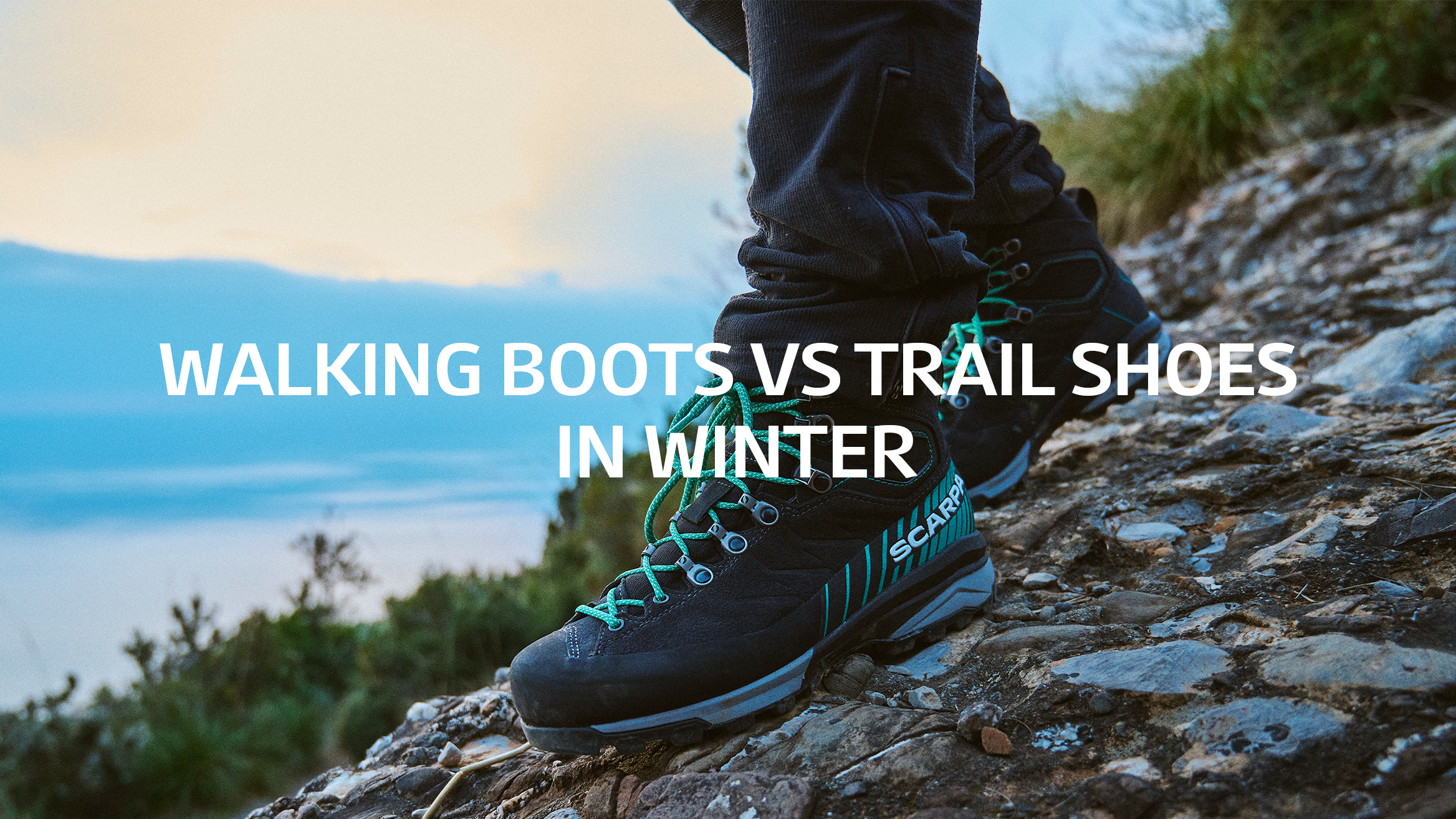
In winter, the weather can change quickly. One day, rain is sweeping across the hills; the next, you might find frozen ground and a crisp layer of frost underfoot. Having the right footwear can make a real difference to how comfortable and confident you feel on a walk. With muddy paths, slippery trails and cold, wet conditions to contend with, choosing between walking boots and trail shoes isn’t always straightforward.
Walking boots offer greater coverage and, depending on their construction, a more structured feel underfoot. Trail shoes are generally lighter and more flexible, making them a practical option for less demanding routes.
So, which is best for winter walking? In this guide, we’ll compare walking boots and trail shoes, looking at terrain, grip, waterproofing, comfort and support to help you choose the right footwear for your next walk.
IN SHORT…
-
Terrain and conditions: Match your footwear to the ground you’ll encounter, from muddy woodland paths to rocky hillsides.
-
Weather and winter protection: Consider rain, snow and ice, and understand when additional traction aids are needed.
-
Comfort, support and weight: Compare the more structured feel of many walking boots with the lighter, more flexible feel of trail shoes
-
Waterproofing: Find out how membranes, footwear height, walking socks and gaiters can help keep your feet comfortable.
-
When trail shoes make sense: Discover why lighter footwear can be a good choice for lower-level walks and well-maintained paths.
Choosing the Right Footwear for Your Winter Walk
The terrain you’ll be covering is a good place to start when choosing between walking boots and trail shoes. A well-maintained countryside path has very different demands from a steep, rocky hillside or a muddy moorland trail after several days of rain.
Walking boots can be a practical choice for rough, uneven ground, particularly if you prefer a more structured feel underfoot or want additional protection from the elements. Trail shoes offer a lighter, more flexible alternative for established paths, woodland walks and routes where you don’t need the extra coverage of a boot.
Before choosing, think about the surfaces you’ll encounter most often.
- Rocky and uneven ground: Look for a secure fit, a stable platform and an outsole suited to the terrain. Some walking boots have stiffer soles that can feel more supportive over rough ground, although suitable trail shoes can perform well on rocky paths, too.
- Established countryside paths: Trail shoes can be a comfortable option for maintained footpaths, woodland trails and lower-level walks.
- Muddy tracks and moorland: Look at the depth and spacing of the outsole lugs. These raised sections of rubber help provide traction in softer ground, while wider spacing can help mud clear from the tread.
For example, a muddy woodland walk might be perfectly manageable in trail shoes with an aggressive tread. A longer route across the boggy ground of the Peak District, particularly after heavy rain, could make the additional coverage of walking boots more appealing.
Neither type of footwear automatically offers better grip. A trail shoe designed for technical terrain can outperform a walking boot with an outsole intended for easier paths. At Trekitt, we recommend considering the fit, construction and intended terrain rather than choosing based on footwear height alone.
Rain, Mud and Snow: What Should You Expect?
British winter walking often means dealing with several conditions on the same route. You might start on a wet bridleway, cross muddy fields and finish on a frosty hillside. It’s worth thinking about how your footwear will cope with the whole walk, rather than just the conditions at the start.
Mud and slippery ground
On muddy paths, outsole design plays an important role. Deep lugs can help grip softer ground, while the spacing between them allows mud to clear more readily. The rubber compound also influences traction, particularly on wet rock and harder surfaces.
A trail shoe with an aggressive tread can work well on muddy woodland paths. Walking boots may be more practical when the route includes long stretches of wet vegetation or shallow, waterlogged ground, where extra coverage is useful.
No outsole will provide reliable grip on every surface, though. Mud, wet rock, slick roots and frozen ground all present different challenges, so think about the conditions you’re most likely to encounter.
Rain and wet vegetation
Persistent rain, saturated paths and long grass can leave your feet damp surprisingly quickly. Waterproof footwear helps keep external moisture out, while a higher boot collar provides additional coverage when walking through wet vegetation.
Waterproof trail shoes can also be a good option in wet weather, particularly if your route doesn’t involve deep puddles or prolonged exposure to standing water. However, their lower-cut design means water can more easily enter over the collar when walking through deeper puddles or wet vegetation.
Snow and ice
If you’re planning a snowy walk, consider how deep the snow is likely to be and whether your route includes exposed or icy sections. Walking boots often provide more coverage than trail shoes, but warmth depends on their materials and construction, and not all boots are insulated. Snow can also enter over the collar, even when the footwear itself is waterproof.
Ice requires a different approach. Even walking boots with a suitable outsole can struggle on hard, polished ice.
For relatively straightforward icy paths, compatible traction aids such as micro spikes or slip-on grippers can improve grip underfoot. These are designed for icy walking conditions and are different from the equipment used for technical winter mountaineering.
Steep, icy mountain routes may require specialist mountaineering crampons, compatible boots and the skills to use them safely. Depending on the route, an ice axe and additional winter mountaineering experience may also be necessary. Everyday traction aids aren’t a substitute for this equipment.
Before setting off, check the forecast and route conditions. If the weather turns or the ground becomes more technical than expected, be prepared to change your plans.
Comfort on the Trail: Support vs Weight
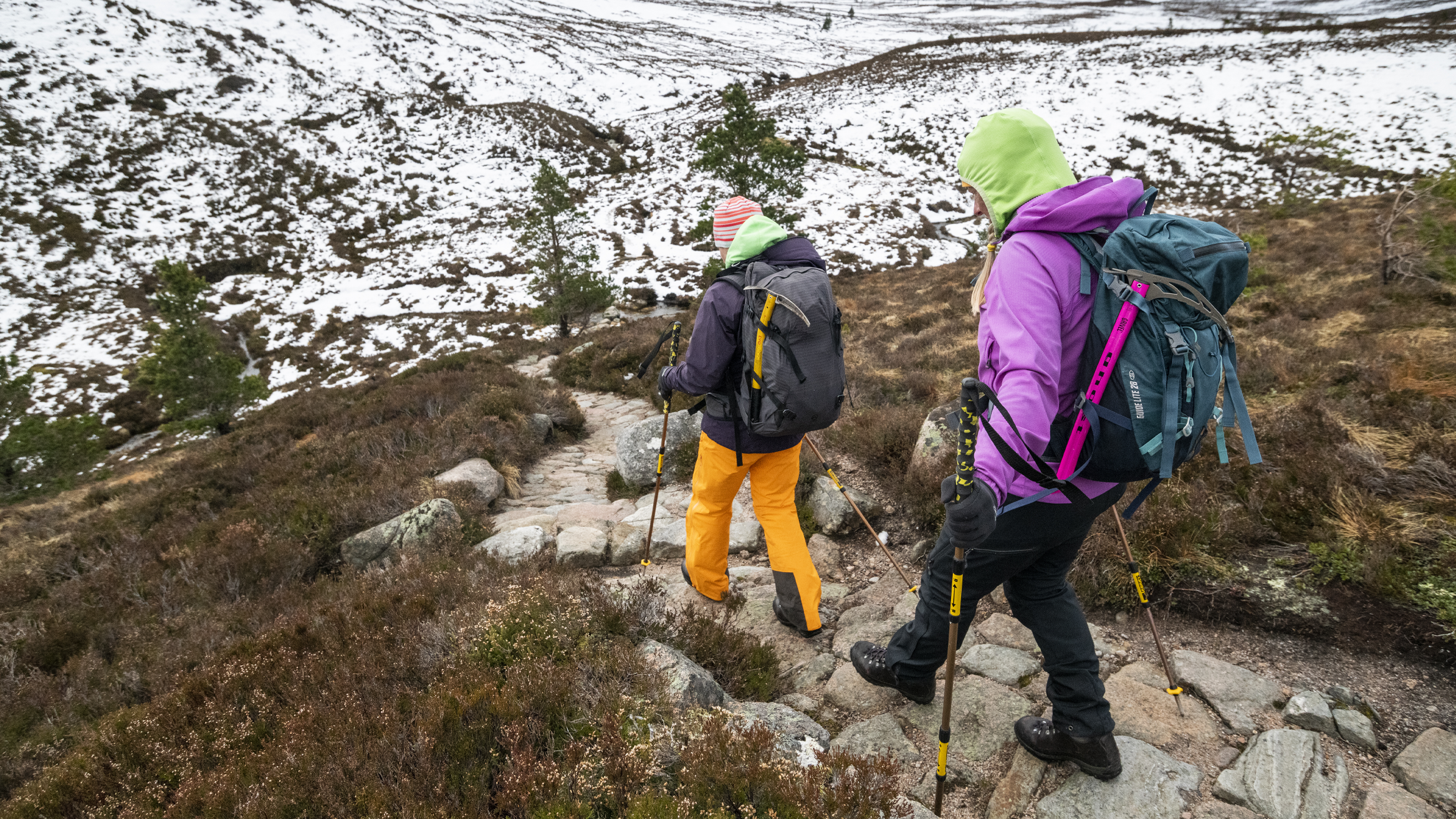
Comfort becomes increasingly important as the miles add up, particularly when you’re walking over uneven ground or carrying extra layers and equipment.
Walking boots generally offer more coverage around the ankle and may have a more structured sole, depending on the model. This can be useful on rough terrain or when carrying a heavier backpack. Trail shoes are typically lighter and more flexible, which some walkers prefer over longer distances or at a faster pace.
Neither is automatically more comfortable. The right choice depends on your feet, the fit of the footwear and the demands of your route.
Support and stability
When comparing walking boots and trail shoes, consider:
- Walking boots: Worth considering for rough terrain, heavier loads and routes where additional structure and coverage are useful.
- Trail shoes: A practical option for established trails, lighter daypacks and walkers who prefer a more flexible feel.
- Fit and stability: Both should feel secure, with enough room for your toes to move comfortably, especially when descending hills.
A higher ankle collar doesn’t automatically prevent ankle injuries. Fit, sole stiffness, stability, terrain and the way you move all influence how secure your footwear feels.
Think about descents on your usual routes, too. Your toes shouldn’t press against the front of your footwear, and your heel should remain secure without excessive movement.
At Trekitt, we recommend trying footwear on with the walking socks you’ll actually wear. Take your time, walk around in both pairs and check how they feel on an incline if possible. A comfortable fit is far more useful than choosing a boot simply because it looks more substantial.
Keeping Your Feet Dry: Does Waterproofing Matter?
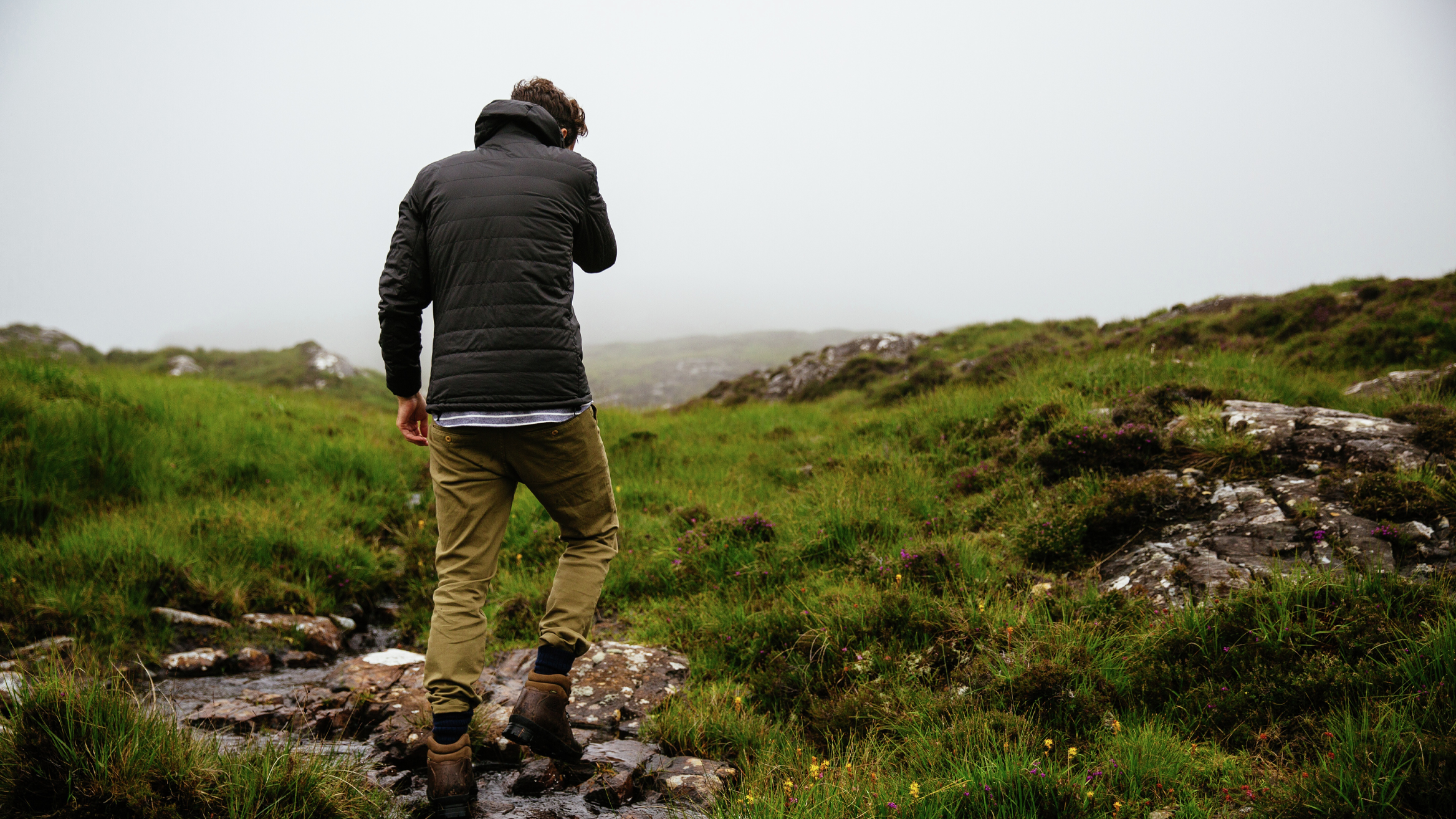
Waterproofing can make a real difference to winter walking, but it’s only one part of keeping your feet comfortable. Footwear height, breathability, walking socks and the conditions you’re heading into all play a role.
Many walking boots and trail shoes are available with waterproof membranes. These help prevent external water from entering while allowing some moisture vapour to escape, although breathability varies between materials and conditions.
Walking boots generally provide more coverage when crossing puddles or moving through wet grass and bracken. However, water can still enter over the boot collar.
Waterproof trail shoes can also keep your feet dry, but their lower cut makes them less suitable for deeper puddles and waterlogged ground. Non-waterproof trail shoes may offer greater breathability and can dry more quickly after getting wet, depending on their materials and construction.
When comparing waterproof footwear, keep these factors in mind:
- Waterproof membranes: Help keep external moisture out, but can’t prevent water entering over the collar.
- Breathability: Your feet can still become damp from sweat, particularly during strenuous walks or when wearing warm footwear.
- Walking socks: Merino wool and suitable synthetic socks can help manage moisture and maintain comfort in colder conditions.
- Gaiters: Help keep mud, grit, wet grass and shallow snow out of your footwear. They’re particularly useful on boggy moorland or when walking through wet vegetation.
Gaiters can be worn with suitable walking boots or trail shoes, provided they’re compatible with your footwear. They help cover the gap around your lower leg and footwear, but they won’t make non-waterproof shoes fully waterproof. Water can still enter if you wade through deep water or conditions exceed their coverage.
For a long winter walk in persistent rain, waterproof walking boots may offer a practical combination of protection and coverage. For a shorter walk in milder weather, waterproof trail shoes could be more comfortable if you prefer a lighter feel underfoot.
It’s also worth considering how long you’ll be outside. On a short countryside walk, you might prioritise breathability and flexibility. For several hours on exposed hills in cold, wet conditions, additional coverage may be more appealing.
If you’re leaning towards walking boots but aren’t sure which pair to choose, take a look at our Best Waterproof Walking Boots for Winter guide. We’ve rounded up our top picks to help you compare different options and find a pair suited to cold, wet winter walks.
When Are Trail Shoes a Good Choice?
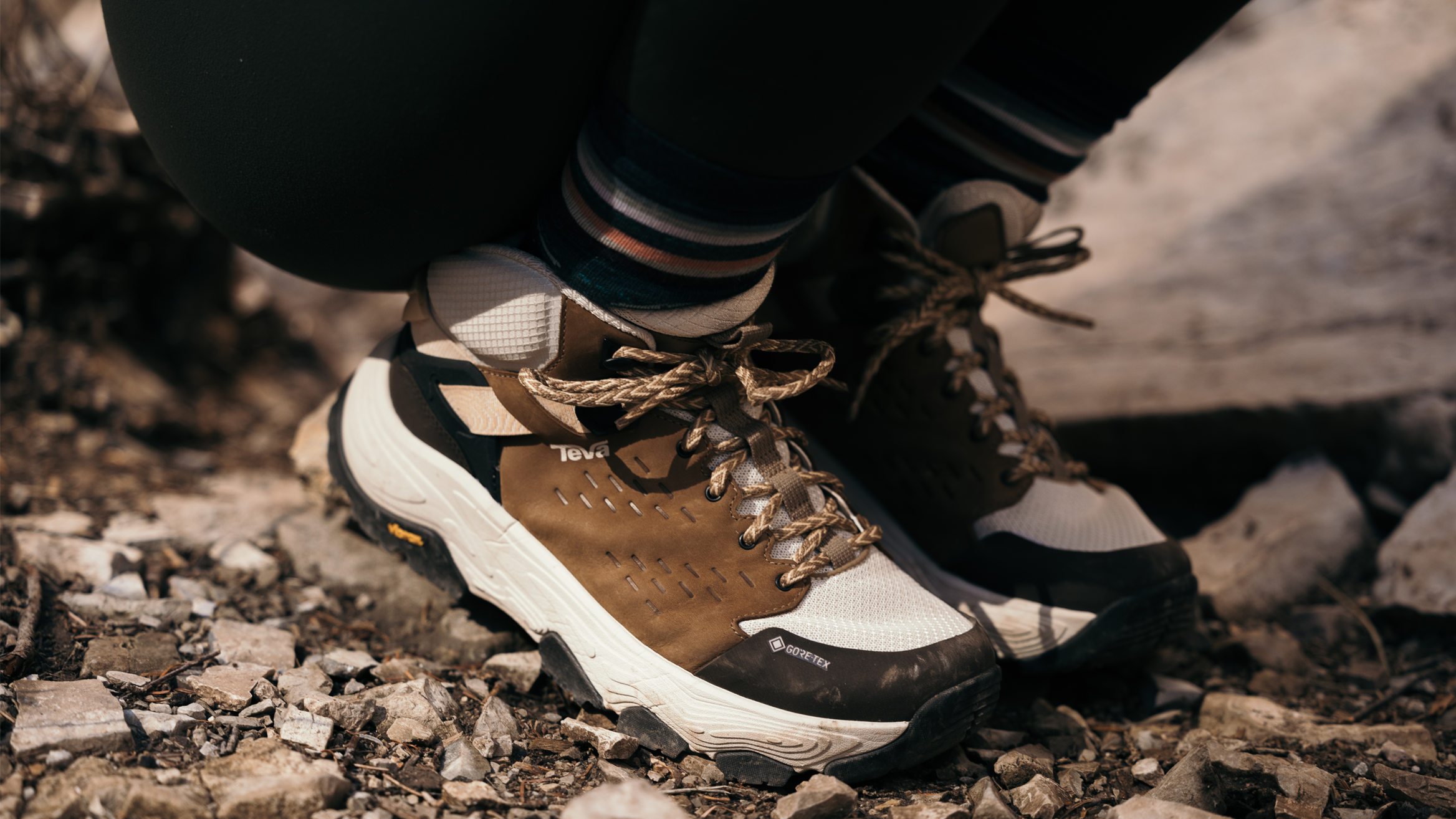
Walking boots can be a practical choice for challenging winter conditions, but trail shoes still have their place. For many lower-level walks and well-maintained paths, they offer a comfortable alternative without the additional weight and structure of a traditional boot.
Trail shoes are worth considering when:
- You’re walking on established countryside paths or woodland trails.
- Conditions are relatively mild, without deep snow or prolonged exposure to standing water.
- You prefer lightweight footwear for longer distances or faster-paced walks.
- You’re carrying a light daypack and don’t need the additional structure of a walking boot.
- You prefer a more flexible feel underfoot and have found a shoe that fits securely.
For example, if you’re heading out for a brisk walk on familiar trails with no significant snow or challenging terrain, trail shoes may be all you need. Their lower weight and flexibility can make them a comfortable choice when the ground and weather are manageable.
Trail running shoes are another option worth exploring, particularly if you favour lightweight footwear and a more natural feel underfoot. Our Best Trail Running Shoes for UK Terrain guide covers different options to help you find a pair suited to the trails you enjoy.
Don’t let a promising forecast be the only deciding factor, though. Conditions can change quickly on exposed hills, and a straightforward path at lower elevations can become slippery or waterlogged after heavy rain. Check the route, forecast and ground conditions before setting off, and choose footwear that gives you enough protection for the most challenging sections of your walk.
Walking Boots vs Trail Shoes: A Quick Comparison
| Consideration | Walking Boots | Trail Shoes |
| Rough, uneven terrain | Often provide a more structured platform | Suitable models can perform well |
| Established paths | Suitable but generally heavier | Lightweight and flexible |
| Muddy conditions | Greater coverage, grip depends on outsole | Aggressive lugs can provide excellent traction |
| Wet weather | Higher coverage can help keep feet dry | Waterproof options available, but lower cut |
| Snowy conditions | Generally more suitable, depending on conditions | Best suited to milder conditions and clearer paths |
| Weight and flexibility | Typically heavier and more structured | Generally lighter and more flexible |
| Ankle coverage | Higher collars provide additional coverage | Lower-cut design allows freer ankle movement |
Final Thoughts
Choosing between walking boots and trail shoes for winter comes down to the routes you enjoy, the conditions you’re likely to encounter and what feels comfortable on your feet.
Walking boots are worth considering for rough terrain, prolonged wet conditions and walks where extra coverage and structure are useful. Trail shoes can be an excellent alternative for lower-level routes, established paths and milder winter days when you want to keep your footwear light and flexible.
Whichever you choose, prioritise a secure fit, an outsole suited to the terrain and appropriate protection from the weather. Grip depends on the outsole’s design and rubber compound, not simply whether you’re wearing boots or shoes. If you’re expecting ice, deep snow or technical mountain conditions, make sure you have the right equipment and experience for the route.
Still unsure which footwear is right for your winter walks? The Trekitt team is happy to help. Get in touch at [email protected] or call us on 01432 263335. Alternatively, visit us in store for friendly, expert advice on finding the right footwear for your next walk.
FAQs
Walking boots often provide greater coverage and a more structured feel underfoot, making them worth considering for rough terrain, wet vegetation and some snowy conditions. Trail shoes can be just as practical for lower-level walks and established paths. The best option depends on the terrain, weather and how well the footwear fits.
Yes, provided they’re suitable for the conditions. Trail running shoes can work well for lower-level winter walks, woodland trails and well-maintained paths. Look for a secure fit, suitable grip and enough protection for the weather. For exposed mountain routes, deep snow or prolonged wet conditions, walking boots may be a more suitable choice.
Not necessarily. Grip depends on the outsole design, rubber compound and lug pattern rather than footwear height alone. Deep, well-spaced lugs can be effective in muddy ground, while other tread designs and rubber compounds may work better on firmer, rocky surfaces. At Trekitt, we recommend choosing an outsole suited to the terrain you’ll encounter most often.
They can be a good option for damp grass, muddy paths and walks where you want lightweight footwear. A waterproof membrane helps keep external moisture out, but water can still enter over the lower collar. For longer walks through wet vegetation or waterlogged ground, waterproof walking boots may offer more practical coverage.
Not necessarily. For many lower-level winter walks, suitable walking socks and weather-appropriate footwear may provide enough warmth. If you’re regularly walking in freezing temperatures, spending time in snow or standing around for long periods, insulated boots may be worth considering. Warmth depends on the boot’s construction, your activity level and the conditions.
Yes. Gaiters can help keep mud, grit, wet grass and shallow snow out of trail shoes, making them useful on boggy paths and moorland routes. However, they won’t make non-waterproof shoes fully waterproof, and water can still enter if conditions exceed their coverage. Check that the gaiters are compatible with your footwear.
Not automatically. Thicker socks take up more room, but sizing up too much can allow your feet to move around inside your footwear. Try boots or trail shoes on with the socks you plan to wear. Your heel should feel secure, with enough room for your toes to move comfortably and avoid pressing against the front when walking downhill.
Leave a Reply