
What is Hydrophobic Down?
Wondering how hydrophobic down keeps you warm even when wet? Curious about how this innovation improves traditional down insulation without adding bulk or weight? Let’s explore why hydrophobic down is a game changer for outdoor gear.
In SHORT…
-
What makes hydrophobic down different from regular down? Learn how water-repellent coatings protect down clusters from moisture and maintain warmth.
-
How does the Nikwax hydrophobic treatment boost durability? Discover the significance of industry-standard shake tests and what they reveal about performance.
-
Why is hydrophobic down important for your outdoor adventures? Understand the benefits and limitations, including why a waterproof shell is still essential.
The Science Of Down
Let’s first explore what hydrophobic down is and why it’s such a prized material, before we dive into the science behind it. Birds have two types of feathers – the exterior feathers that are tougher and the layer of fine feathers beneath them, called down. It provides insulation and warmth to birds. Down comprises clusters of soft, fluffy filaments that trap air and create a layer of insulation, thereby keeping the bird warm during cold weather. Various products, including outdoor gear and clothing, bedding, and pillows, use down because of its highly valued insulating properties.
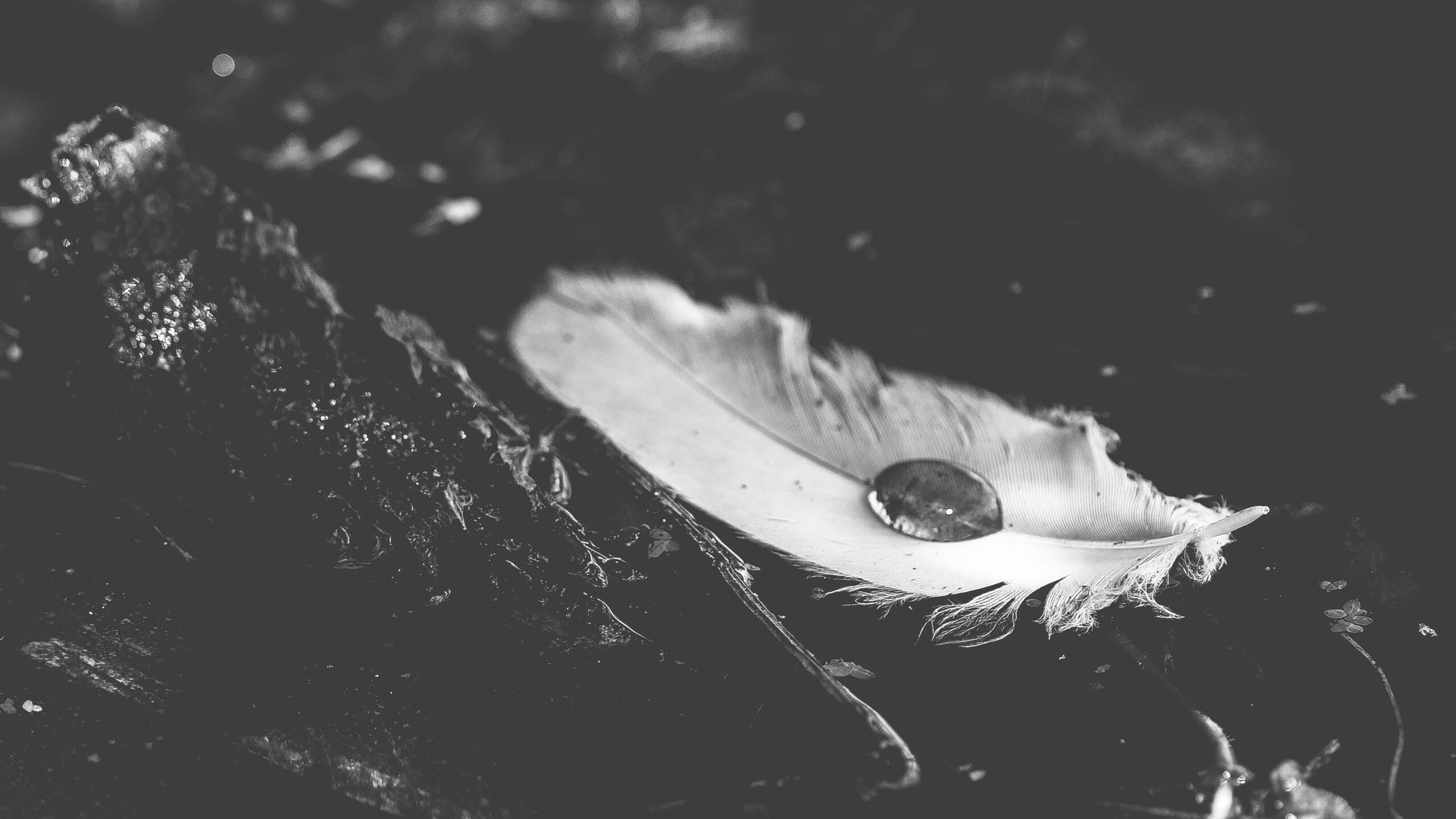
Hydrophobic Down: The Game-Changing Solution for Wet Weather Outdoor Gear
Down is a fantastic insulator—arguably the best available for outdoor garments. But it has an achilles heel: water.
The feathers on a bird offer waterproof protection, while the down provides insulation. This implies that in the wild, the down remains dry. However, in outdoor garments, the feathers are avoided, and they are never used as a waterproof outer, which exposes the down. When down comes into contact with water, it absorbs moisture and loses almost all its insulating properties, making your expensive jacket worthless. The solution to this problem could be to add a waterproof outer layer to all down jackets. But it would make the garment heavier, bulkier, and less breathable, which might not be desirable for climbers or backpackers. This brings us to the concept of hydrophobic down.
How Nikwax Hydrophobic Coating is Changing the Game
Nikwax aims to solve this issue by coating the down itself in a high-performance water repellent coating.
This means if water begins to seep through the outer fabric of your jacket/sleeping bag/other outdoor products and into the insulation.
It won’t soak into the individual clusters and sap your precious warmth.
We must add here that this does not make a jacket waterproof, neither does it excuse the user from bringing a waterproof shell when out in potentially hazardous environments.
The aim of this hydrophobically-treated down is to resist water, loft better if the garment happens to get wet and maintain a good level of warmth as a result.
As an added benefit, Nikwax Hydrophobic Down is PFC-free and void of other environmentally persistent chemicals.
Behind the Shake Test: How Nikwax Hydrophobic Down is Pushing the Limits of Durability
Nikwax is proud of this stuff. They also claim it has exceeded 10,000 minutes of exposure to water in the industry standard IDFB 18a Shake Test. As I type this, Nikwax is the first and only hydrophobic down to achieve this. What exactly is the Shake Test, I hear you ask? This test simply exposes down to water for 7 days while being shaken. For context, standard down lasts 20 minutes of shake time. To be granted the hydrophobic title, treated down must reach at least 40 minutes of shake time. Even Nikwax’s hydrophobic recycled down has achieved 1,000 minutes. Let’s be honest, is more than enough for most of us when you think of it as 16 hours of consistent rain.
If you enjoyed learning about hydrophobic down, you may be interested in exploring another exciting topic in the world of outdoor gear: the ultimate guide to crampons. Let’s dive into this topic and discover everything you need to know about choosing crampons for your next outdoor adventure.
Watch Trekitt YouTube Video: Hydrophilic vs Hydrophobic Down
Want to learn more?
Paul dives into Hydrophilic vs Hydrophobic Down in our YouTube video, showing you the differences and when each works best. Grab a brew, hit play, and get the full story.
Leave a Reply