
3-Season vs 4-Season Tents – What Do You Really Need?

Author: Trekitt Gear Team
With years of hands-on experience using tents across the UK’s varied conditions, our team understands how seasonal tent design affects real-world performance on camp. From lightweight 3-season shelters built for damp, changeable British weather to stronger 4-season tents designed for snow loading, exposed ridgelines and winter mountain use, we know what genuinely makes a difference beyond the brochure specs.
Most campers don’t actually need a 4-season tent, but it’s easy to assume that “more seasons” automatically means better protection.
In reality, the difference between a 3-season and 4-season tent isn’t about warmth. It’s about how well a tent handles wind exposure, snow loading, ventilation control and the type of terrain you typically camp in.
For most UK camping trips, a well-designed 3-season tent is the right choice. But if you’re heading into winter mountain conditions, exposed ridges or snow-prone environments, a 4-season shelter can make a real difference.
In this guide, we explain what 3-season and 4-season tents are designed for, how they perform in real UK conditions, and how to choose the right option for your camping style.
KEY TAKEAWAYS
- What 3-season and 4-season tents actually mean in real use
- How structure strength affects wind stability and snow handling
- When a 3-season tent is the right choice for UK camping
- When a 4-season tent becomes necessary in winter conditions
- How ventilation differences affect condensation and comfort
- Whether a 3+ season tent is the better option for exposed UK trips
This article is part of our 👉 Tents Knowledge Centre, where you’ll find expert tent-buying advice, shelter comparisons, camping tips and practical guidance to help you choose the right tent for every adventure.
What Does a “3-Season Tent” Actually Mean?
A 3-season tent is designed for the conditions most people experience on typical UK camping trips: spring through autumn, with the flexibility to handle occasional colder nights below the snow line. Despite the name, it’s not limited to three calendar seasons. Instead, it refers to the type of weather the tent is built to handle reliably.
For the majority of backpacking, wild camping and campsite use in the UK, a good 3-season tent offers the best balance between protection, ventilation and weight.
Typical use
A 3-season tent is designed for:
- Spring camping in changeable weather
- Summer trips where ventilation matters
- Autumn conditions with wind and rain
- Below-tree-line winter use when snow loading is unlikely
This makes them the most versatile choice for UK hillwalking, backpacking and general outdoor use.

Typical features
Compared with winter shelters, 3-season tents prioritise comfort and weight savings while still providing strong weather protection:
- Strong but lightweight pole structures for stability in wind
- Larger mesh panels to improve airflow and reduce condensation
- Ventilation-focused inner tents for comfort across changing temperatures
- Waterproof flysheets designed for sustained rain
- Lower packed weight for easier carrying on multi-day trips
These features make them easier to live with across a wide range of UK conditions.
How this translates to real UK camping conditions
A well-designed 3-season tent should comfortably handle:
- Prolonged rain
- Strong valley and hillside winds
- Damp ground and saturated campsites
- Overnight condensation inside the tent
Modern 3-season shelters are far more capable than many people expect. For most wild camping trips in England, Wales and much of Scotland outside winter mountain environments, they are the right tool for the job.
Examples of strong 3-season tents
Reliable 3-season options from the Trekitt range include models such as:
These tents are designed to balance weather protection, ventilation and packability, making them ideal for typical UK backpacking and campsite use.
What Does a “4-Season Tent” Actually Mean?
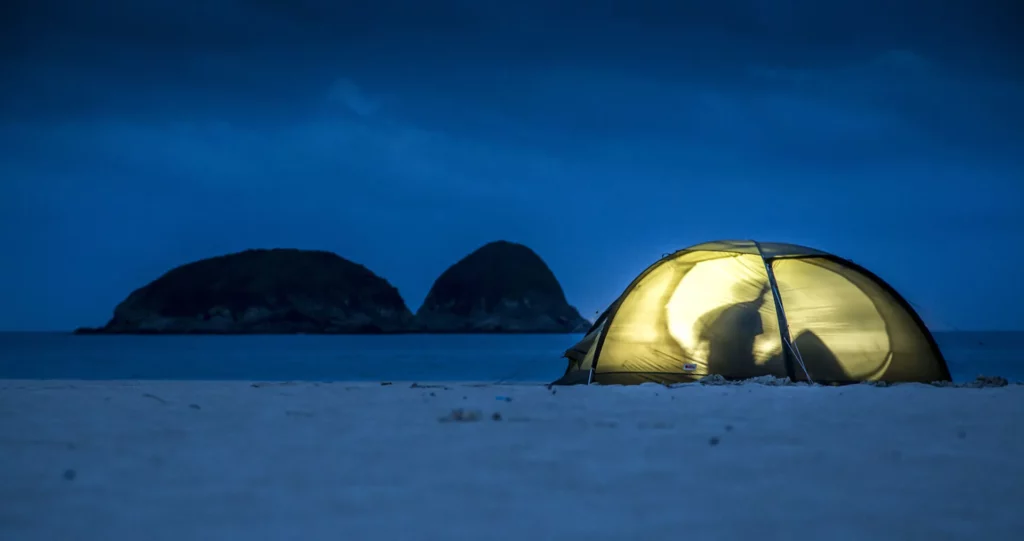
A 4-season tent is designed for winter mountain conditions and highly exposed environments, not simply colder temperatures. One of the most common misconceptions is that a 4-season tent is automatically warmer than a 3-season tent. In reality, the biggest difference lies in structural strength and storm resistance, especially in snow and high winds.
Think of a 4-season tent as a shelter built to handle snow loading, exposed terrain and severe weather, rather than something intended for everyday UK camping.
Typical features
Compared with 3-season tents, 4-season shelters are engineered with stronger structures and more protective fabrics to cope with winter conditions:
- Stronger pole geometries designed to resist deformation in high winds
- Reduced mesh panels to improve protection in cold, spindrift-prone environments
- Heavier-duty flysheet and groundsheet fabrics for durability in harsh terrain
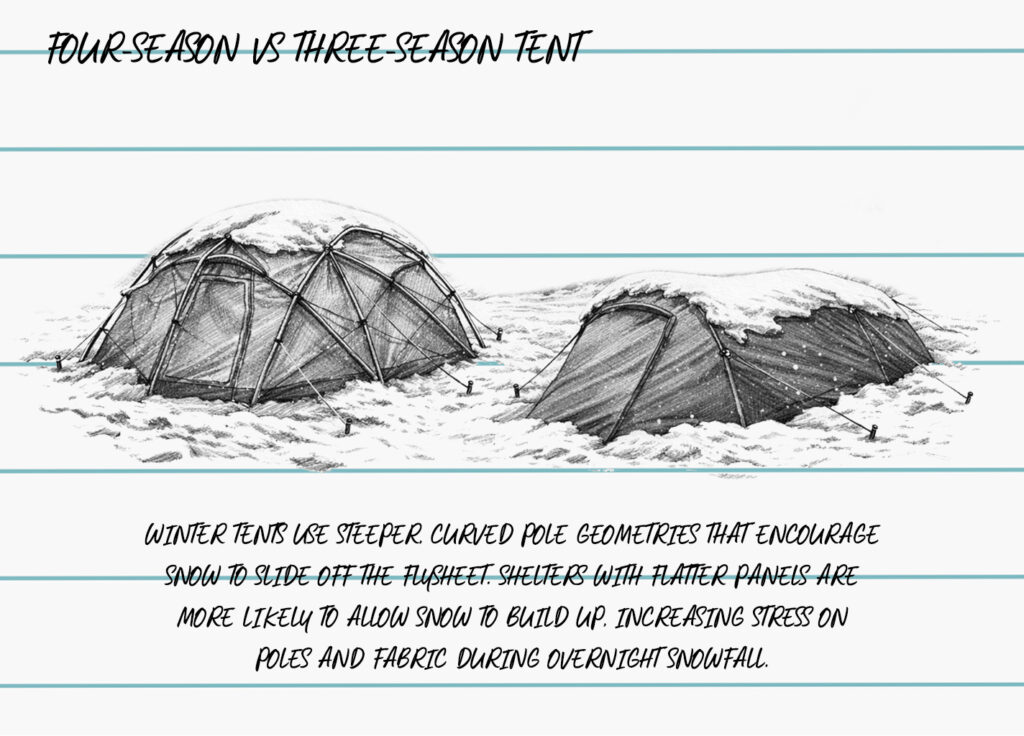
- Snow-shedding tent shapes that prevent accumulation on the fly
- Reinforced guying systems for stability on exposed ground
- Reduced ventilation compared with 3-season tents to limit heat loss and spindrift entry
These design choices improve security in winter storms, but they also increase weight and reduce airflow in milder conditions.
What 4-season tents are built for
A 4-season tent becomes the right choice when your trips regularly involve:
- Winter mountain camping
- Snow loading risk
- Scottish winter conditions above the snow line
- Alpine or expedition-style environments
- Exposed ridges and plateau camps
In these situations, the extra structure and reinforcement can make a real difference to both comfort and safety.
Examples of stronger 4-season and extended-season tent designs
Within the Trekitt range, shelters designed for higher exposure, colder conditions and more demanding environments include models such as:
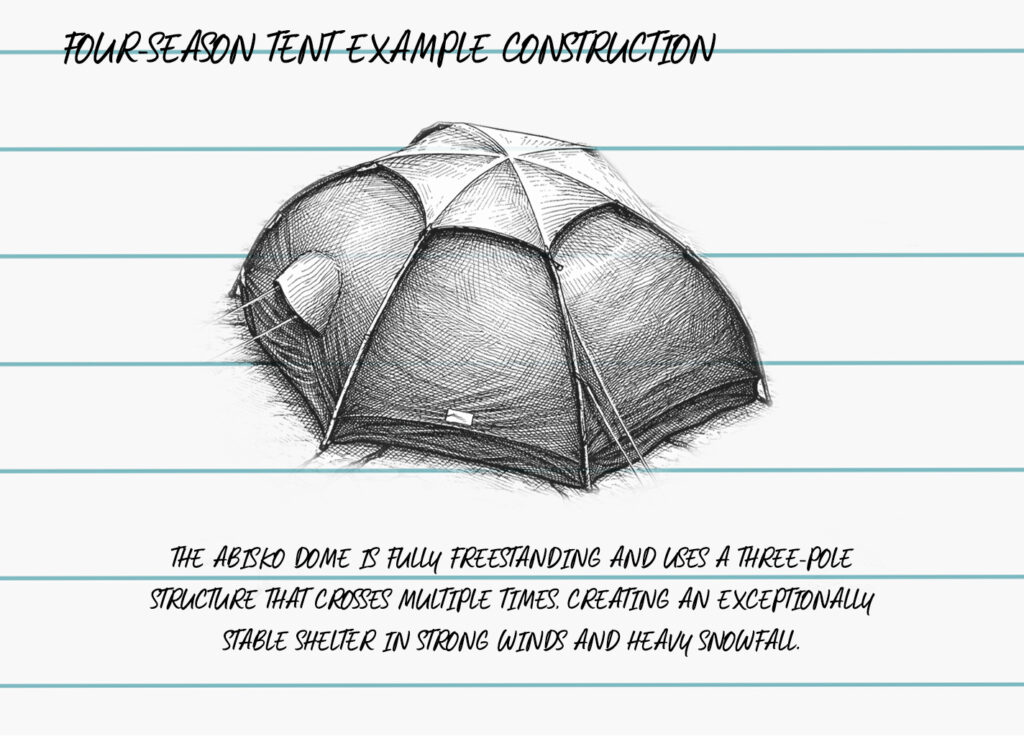
- Fjällräven Abisko Dome 2
- Fjällräven Abisko Shape 3
- Fjällräven Abisko Lite 2
- Fjällräven Abisko Lite 1
While not all of these are true expedition-grade 4-season tents, they sit firmly in the strong extended-season category, offering excellent stability in wind-prone terrain and more protection than lightweight summer-focused backpacking shelters.
These designs are especially well-suited to:
- Exposed UK wild camps
- Shoulder-season mountain trips
- Scottish conditions outside heavy snow loading
- Longer multi-day routes where weather security matters
Trekitt tip: Many experienced UK backpackers choose strong tunnel tents like the Abisko Lite or Abisko Shape as a practical alternative to full 4-season shelters. They provide excellent wind stability while remaining lighter and better ventilated for year-round UK use.
3-Season vs 4-Season Tents – Key Differences Explained
The biggest differences between 3-season and 4-season tents come down to how they balance weight, ventilation, structure strength and storm protection. Understanding these trade-offs helps you choose a shelter that matches the conditions you actually camp in, rather than defaulting to the strongest option.
Weight
In most cases, 3-season tents are noticeably lighter than 4-season shelters.
That’s because they are designed for conditions where portability matters more than snow-loading resistance. Manufacturers use lighter fabrics, fewer poles and more open inner designs to keep pack weight manageable for backpacking and wild camping.
By contrast, 4-season tents prioritise structural strength over weight savings. They typically include additional poles, reinforced guying points and heavier flysheet materials so they can remain stable during winter storms and when snow begins to build on the tent.
For typical UK backpacking trips between spring and autumn, carrying a heavier winter shelter usually adds unnecessary weight without improving comfort.
Ventilation
One of the most important practical differences between the two tent types is airflow.
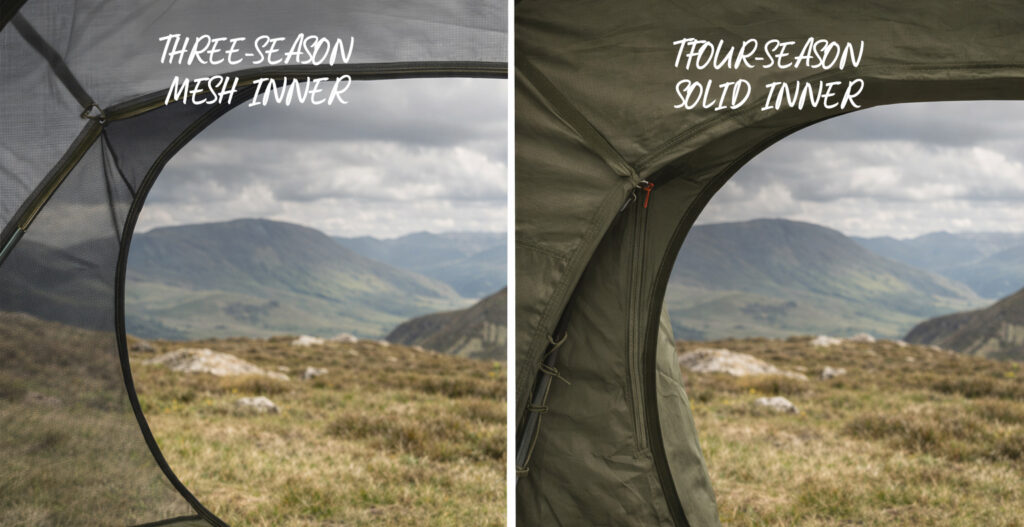
3-season tents are designed to ventilate well, which helps reduce condensation during damp UK nights. Larger mesh panels and adjustable vents allow moisture from breathing and wet kit to escape more easily, improving comfort across changing temperatures.
4-season tents deliberately reduce airflow to prevent spindrift from entering the tent and to improve protection in exposed winter environments. While this makes them more secure in harsh weather, it also means they can feel noticeably more humid inside during milder UK conditions.
A common surprise for first-time winter-tent users is that 4-season shelters can actually feel damper inside during spring or autumn camping, simply because they trap more moisture.
Pole Structure Strength
Pole geometry is one of the clearest differences between these shelter types.
Many 3-season tents use two-pole or lightweight tunnel structures, which provide an excellent balance between stability and weight for general backpacking use. These designs are strong enough for typical wind and rain encountered across most UK campsites and hills.
4-season tents usually add extra poles or use geodesic structures, creating multiple crossing points that increase strength and improve load distribution across the flysheet. This helps the tent resist deformation in strong winds and prevents collapse when snow begins to accumulate.
This additional structure is essential in winter mountain environments, where snow-loading resistance is just as important as wind stability.
Fabric Durability
Another key difference is the strength of the outer fabrics.
4-season tents typically use heavier flysheet materials and stronger groundsheets to cope with harsher terrain, frozen ground, repeated pitching in storms and the extra tension created by snow loading.
These fabrics improve long-term durability in demanding environments, but they also increase overall pack weight.
For most three-season backpacking trips, modern lightweight flysheet fabrics already provide more than enough protection against sustained UK rain and wet ground conditions.
Wind Stability
Wind exposure is where the difference between 3-season and 4-season tents becomes most noticeable.
For valley camping, woodland pitches and sheltered wild camps, a well-designed 3-season tent is usually more than capable of handling typical UK wind and rain.
However, once trips move into mountain ridge environments, high plateaus or winter conditions in Scotland, stronger pole structures and reinforced guying systems become much more important. In these situations, 4-season tents are designed to remain stable when the weather becomes more severe and less predictable.
This is why most UK campers rely on 3-season tents for the majority of their trips, but switch to stronger shelters when planning exposed winter routes or snow-based camps.
3-Season vs 4-Season Tent Comparison Table
If you’re trying to decide whether you really need a winter-rated shelter, the differences between 3-season and 4-season tents become much clearer when compared side by side. The table below highlights how each category performs in real UK conditions and when each type makes the most sense.
| Feature | 3-Season Tent | 4-Season Tent |
| Weight | Lighter and easier to carry for backpacking and wild camping | Heavier due to stronger poles, reinforced fabrics and additional guying points |
| Ventilation | High airflow reduces condensation and improves comfort across changing temperatures | Reduced airflow to prevent spindrift entry and improve protection in winter storms |
| Snow handling | Suitable for light or unexpected snowfall but not designed for sustained snow loading | Designed to shed snow and resist accumulation on the flysheet |
| Wind stability | Strong enough for typical UK hills, valleys and most wild camps below exposed ridge level | Built for severe wind exposure on plateaus, ridgelines and winter mountain terrain |
| Pole structure | Typically 2-pole domes or lightweight tunnel designs balancing strength and packability | Multi-pole or geodesic structures designed for storm resistance and load distribution |
| Fabric strength | Lightweight waterproof flysheets designed for prolonged rain and damp ground | Heavier flysheet and groundsheet fabrics for durability in snow, frozen ground and storms |
| Condensation control | Excellent moisture management thanks to mesh panels and adjustable vents | Lower airflow can increase condensation in milder UK conditions |
| Pack size | Compact and easier to fit into backpacking setups | Larger packed size due to heavier materials and pole systems |
| Best conditions | Spring, summer and autumn camping, plus year-round use below the snow line | Winter mountain environments, snow camping and exposed multi-day winter routes |
| Typical UK use case | Backpacking, wild camping, campsite trips and 3-season hillwalking | Scottish winter camping, mountaineering routes and plateau-level exposure |
Do You Actually Need a 4-Season Tent in the UK?
For most campers in the UK, the honest answer is no, you probably don’t need a 4-season tent.
Modern 3-season tents are designed to handle the conditions most people encounter on typical UK trips, including prolonged rain, strong winds below ridge level, and damp ground. Unless your plans regularly involve snow loading or very exposed winter terrain, a lighter and better-ventilated shelter is usually the more practical choice.
That said, there are situations where a 4-season tent becomes the right tool.
You may need a 4-season tent if
A winter-rated shelter makes sense when your trips regularly involve more serious exposure, especially in colder mountain environments such as:
- Winter camping in Scotland
- Camping above the tree line on a regular basis
- Mountaineering routes and technical winter hill days
- Snow camping where accumulation on the flysheet is likely
- Exposed multi-day winter routes where weather conditions can change quickly
In these situations, stronger pole structures, reinforced guying systems and snow-resistant designs provide important extra security.
You probably don’t need a 4-season tent if
For many common UK camping styles, a well-designed 3-season tent remains the better choice:
- Campsite camping
- Backpacking between spring and autumn
- Summer wild camping trips
- Family camping holidays
- Typical 3-season hillwalking adventures
In fact, choosing a 4-season tent for these trips often means carrying extra weight and reduced ventilation without gaining any real advantage in protection.
Trekitt tip: Many experienced UK backpackers prefer strong 3-season or extended-season tents because they offer the best balance between stability, comfort and pack weight for year-round use outside true winter mountain conditions.
When a 3-Season Tent Might Not Be Enough
Although modern 3-season tents handle most UK camping conditions extremely well, there are situations where a stronger shelter becomes the safer and more reliable choice. This usually happens when trips move into winter mountain environments, when prolonged exposure occurs, or when snow loading becomes likely.
In these scenarios, the additional pole strength, reinforced fabrics and reduced ventilation of a 4-season tent provide important extra protection.
Scottish plateau winter conditions
Winter camping on exposed Scottish plateaus places very different demands on a tent than valley or woodland pitches do. Strong winds, drifting snow, and rapidly changing weather can put sustained pressure on tent structures. In these environments, a 4-season shelter offers significantly greater stability and security overnight.
Snow loading risk
One of the biggest limitations of most 3-season tents is their ability to cope with snow accumulating on the flysheet. Even a moderate build-up can increase pressure on poles and fabric. If your trips regularly involve snow-covered ground or overnight snowfall, a tent designed specifically to shed snow becomes much more appropriate.
Storm exposure
Above the tree line or on open ridges, wind strength increases dramatically, and shelter options become limited. While many strong 3-season tents perform well in typical UK hill conditions, repeated exposure to winter storms is where 4-season structures really show their advantage.
Multi-day winter basecamp use
If you are staying in one location for several nights during winter trips, your tent needs to remain stable through changing conditions rather than just a single overnight pitch. Stronger pole geometries and reinforced guying systems help maintain shelter integrity during extended winter camps.
Mountaineering routes
For mountaineering routes or technical winter hill days where camps are placed in exposed terrain, reliability becomes more important than weight savings. In these situations, a 4-season tent provides the structural strength needed to withstand snow, wind, and limited pitch options in high-mountain environments.
Hybrid Option: Strong 3+ Season Tents
Between lightweight 3-season tents and full winter expedition shelters lies a very practical middle ground, often described as 3+ season or extended-season tents.
These shelters are designed for windier, colder and more exposed conditions than typical summer backpacking, while remaining lighter and better ventilated than true 4-season tents. For many UK mountain trips, they offer the ideal balance between protection and pack weight.
What is an extended-season tent?
An extended-season tent usually combines elements from both categories:
- Stronger pole structures than standard 3-season tents
- More protective flysheet coverage with reduced mesh inners
- improved stability in exposed terrain
- Better performance in shoulder-season conditions
- Lower weight than full winter expedition shelters
They are not intended for sustained snow loading like a true 4-season tent, but they are significantly more capable than lightweight summer-focused shelters.
In practice, this makes them a very strong choice for year-round UK use, except in deep winter plateau conditions.
When a 3+ season tent makes the most sense
Extended-season tents are especially useful if your trips regularly involve:
- Exposed wild camps in the hills
- Shoulder-season mountain routes
- Unpredictable UK weather above the tree line
- Multi-day backpacking trips where stability matters more than absolute minimum weight
For many experienced UK backpackers, this category is the most versatile type of shelter available.
Examples of extended-season tent designs
Within the Trekitt range and similar mountain-focused categories, examples include shelters such as:
Trekitt tip: If you’re planning regular wild camps in exposed UK terrain but don’t expect sustained snow loading, a strong extended-season tent is often the most practical choice between lightweight 3-season shelters and heavier 4-season expedition models.
Final thoughts: Choosing the right tent for your trips
For most UK camping, backpacking and wild camping trips, a well-designed 3-season tent is the right choice. Modern shelters are built to withstand prolonged rain, strong winds below ridge level, and damp ground conditions, while remaining lighter and better ventilated for everyday use across spring, summer, and autumn.
A 4-season tent is the better option when your plans regularly involve exposed winter mountain terrain, Scottish plateau conditions, or overnight snowfall, where additional structural strength and snow-loading resistance are essential.
If you’re still deciding what type of shelter makes the most sense for your trips, our guide to the best 2-person tents for UK conditions is a great place to start. It compares reliable options designed specifically for British weather and real-world wild camping environments.
And if reducing pack weight is one of your main priorities for multi-day routes, you may also find our best lightweight tents for backpacking guide helpful when choosing a shelter that balances stability with portability.
FAQ
Not significantly. A 4-season tent isn’t designed to keep you warmer; it’s designed to be stronger and more stable in harsh conditions like snow loading and exposed winter winds. The main difference is reduced mesh panels and lower ventilation, which helps protect against spindrift and wind chill rather than increasing insulation.
Your sleeping bag and sleeping mat have a much bigger impact on warmth than your tent does.
Yes, in many situations, you can.
A good 3-season tent works well for:
low-level winter camping
woodland pitches
sheltered valley camps
mild winter conditions without snow loading
However, once trips move into Scottish plateau environments, exposed ridges or regular snowfall conditions, a stronger extended-season or 4-season shelter becomes the safer choice.
Yes, but not more waterproof than 3-season tents.
Both 3-season and 4-season tents are designed to handle heavy rain. The difference between them is structural strength and storm resistance, not waterproof performance.
A quality 3-season tent already provides excellent protection against prolonged rainfall in the UK when pitched correctly.
Often, yes. Because 4-season tents use reduced mesh panels and lower ventilation, they can feel noticeably warmer and more humid during spring and summer trips. This can increase condensation and reduce comfort in milder conditions.
That’s one of the main reasons most UK backpackers choose a well-ventilated 3-season tent for the majority of their trips.
For true Scottish winter mountain camping, a strong extended-season or 4-season tent is usually the best choice.
Look for shelters with:
Strong pole geometry
Reduced mesh inners
Reinforced guying systems
Stable tunnel or geodesic structures
These features improve stability during high winds and help tents cope with overnight snowfall and exposed plateau conditions.
If you’re planning winter trips in Scotland regularly, it’s worth choosing a shelter designed specifically for those environments rather than a lightweight summer-focused tent.
A 3+ season tent, sometimes called an extended-season tent, sits between standard backpacking shelters and full winter expedition tents.
These tents typically offer:
Stronger pole structures than lightweight 3-season tents
Better wind stability for exposed terrain
Reduced mesh panels for colder conditions
Improved performance during shoulder-season mountain trips
They’re ideal for year-round UK wild camping outside deep winter snow-loading conditions, making them one of the most versatile shelter types for regular hill users.
Leave a Reply