

Author: Trekitt Gear Team
We’ve spent plenty of nights outdoors in cold, wet and unpredictable weather, so we know how much the right tent matters when conditions turn challenging. In this guide, we share our Trekitt tested, Trekitt approved picks of the best four-season tents for 2026, covering solo adventures, versatile use and demanding winter conditions.
There’s something special about unzipping your tent to find the hills dusted with snow. Getting out of a warm sleeping bag might take some persuasion, but the view usually helps.
Choosing the right shelter for those nights takes a little more thought. A four-season label is a starting point, but it doesn’t tell you how much room you’ll have for wet kit, how easily the tent pitches in rain or whether it suits the conditions you’re heading into.
In this guide, we explore the details that make a difference, alongside our Trekitt tested, Trekitt approved picks for lightweight solo trips, versatile two-person adventures and demanding winter camping.
Before we get into the tents, poles and porches, here’s a quick look at what you’ll find in the guide.
IN SHORT…
-
Understanding Season Ratings: Learn the differences between three-season, 3–4-season and four-season tents, and why the label only tells part of the story.
-
Our Tent Picks: Explore options for lightweight solo camping, versatile two-person trips and demanding winter adventures.
-
Choosing the Right Construction: Compare weight, structural strength, tent shapes and pitching styles to find the right balance for your plans.
-
Is a Four-Season Tent Right for You? Understand the trade-offs, when a three-season tent may be enough and when a specialist expedition shelter is needed.
This article is part of our Winter Camping Basecamp, where you’ll find expert layering advice, technical gear deep dives and practical cold-weather tips.
Our Top Tent Picks at a Glance
Short on time? Here are our best picks for lightweight solo adventures, versatile two-person camping and demanding winter trips. Read on for a closer look at each tent, their trade-offs and the features that matter when choosing your next shelter.
| Best For | Our Pick | Why We’d Choose It | Worth Knowing |
|---|---|---|---|
| Lightweight solo camping | Fjällräven Abisko Lite | A compact tunnel design that balances packability, weather protection and manageable carrying weight. | Less room to spread out; not intended for the most exposed winter conditions. |
| Versatile two-person camping | NEMO Kunai | A versatile 3–4-season shelter with adaptable ventilation for trips across different seasons. | For prolonged heavy snowfall or severe mountain weather, consider a more specialised winter tent. |
| Demanding winter trips | Fjällräven Abisko Endurance | Four-season trekking protection with a generous vestibule for bulky equipment and wet gear. | Additional living space adds weight, and the tunnel structure needs secure pitching. |
Best 4-Season Tents: How to Choose the Right One
Choosing a tent for winter camping isn’t quite as simple as looking for a four-season label. Different brands use season ratings in slightly different ways, and while some tents are designed for occasional snowy adventures, others are built to withstand more demanding mountain conditions.
So, how do you know which one is right for you?
When comparing the best 4-season tents in the UK, there’s more to consider than just the season rating. Weight, structural strength, pitching style, vestibule space and ventilation all play a part in how well a tent performs when the weather turns nasty.
Whether you’re heading out on a lightweight solo adventure, sharing a shelter with a friend or planning a more demanding winter trip, this guide will help you understand what really matters and choose a tent that suits your adventures.
What Makes a True Four-Season Tent?
Not all tents are built for the same adventures, and the difference goes well beyond the number on the label. A three-season tent might be perfectly happy on a breezy summer campsite, but throw in heavy snowfall and strong winter winds, and it’s a different story.
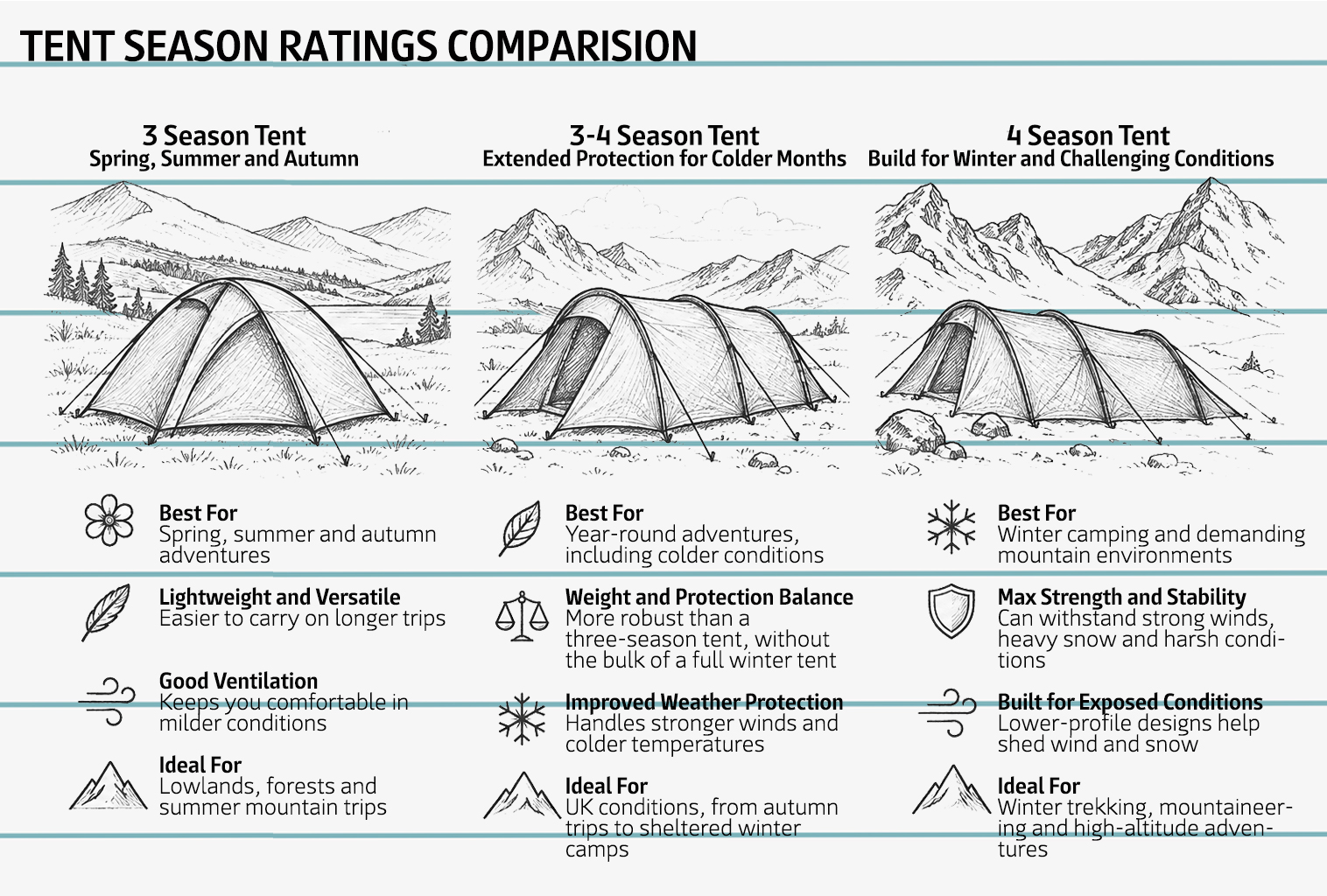
Three-Season vs 3–4 Season vs Four-Season Tents
A three-season tent is generally designed for spring, summer and autumn, balancing ventilation, weather protection and low weight.
A 3–4-season tent bridges the gap, offering additional protection in colder, more challenging conditions without necessarily being built for extreme winter expeditions.
A four-season tent prioritises structural strength and stability in exposed, snowy and windy environments.
What Makes a Four-Season Tent Stronger?
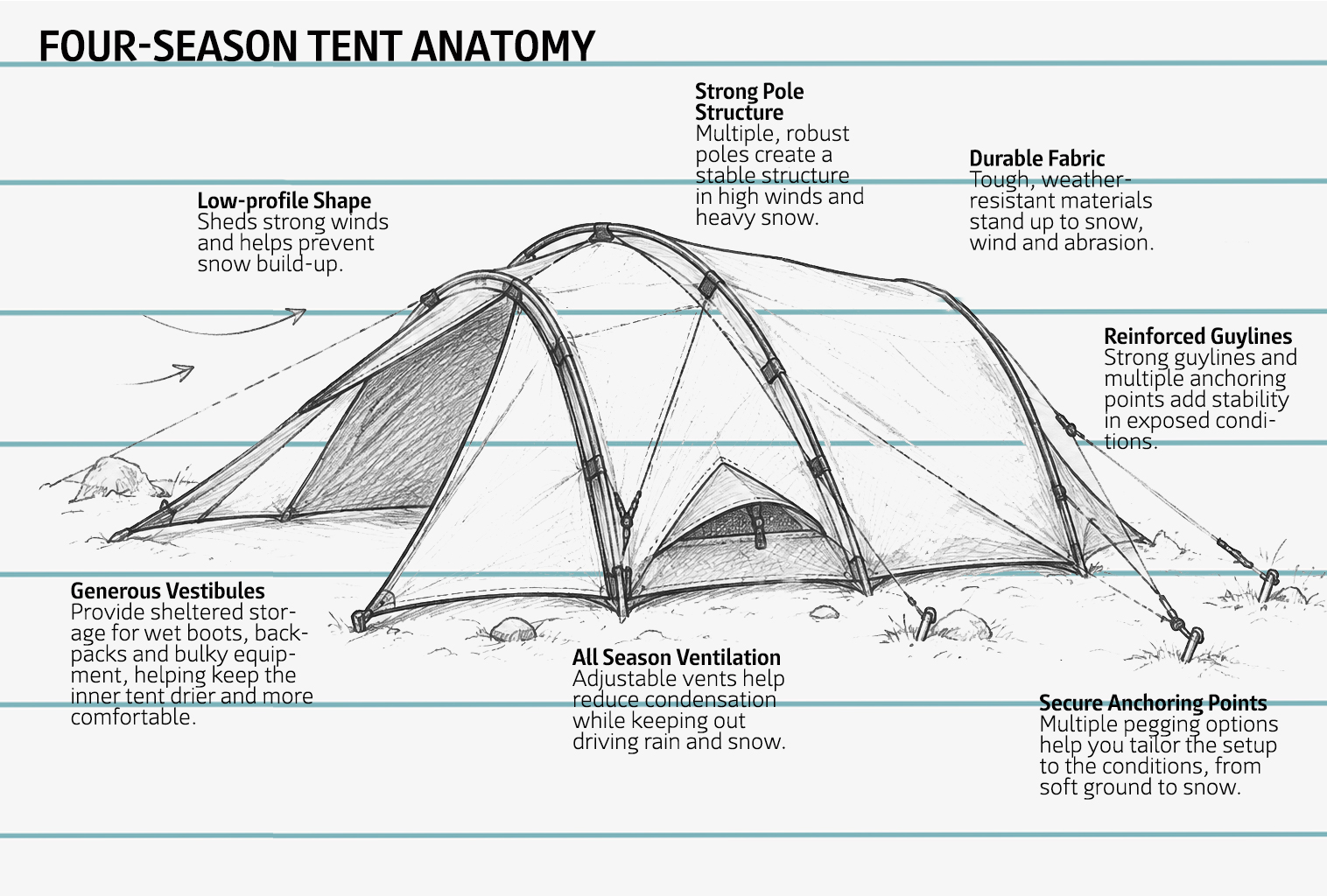
It’s all in the construction. Strong pole configurations, durable fabrics, reinforced guylines and designs that help shed snow contribute to keeping the shelter standing when the weather gets properly British.
However, four seasons don’t automatically mean warmer. A tent provides relatively little insulation. Its main job is to protect you from the elements, while your sleeping system keeps you warm.
Can You Trust Tent Season Ratings?
Season ratings are useful, but they’re not a universal performance standard. One brand’s four-season tent might be designed for winter trekking, while another is built for serious mountaineering.
Always consider the tent’s construction and intended conditions rather than relying on the label alone.
Still unsure which rating you need? Explore our 3-Season vs 4-Season Tents: What Do You Really Need? guide for a closer look at the differences.
Best 4-Season Tents for Different Adventures
There’s no single tent we’d recommend for every winter adventure. A lightweight shelter that makes perfect sense on a long-distance hike might feel a little cramped when you’re waiting out a day of relentless Scottish rain.
The trick is finding the right balance of weight, protection and living space. Here are three tents we’d consider for different adventures around the UK.
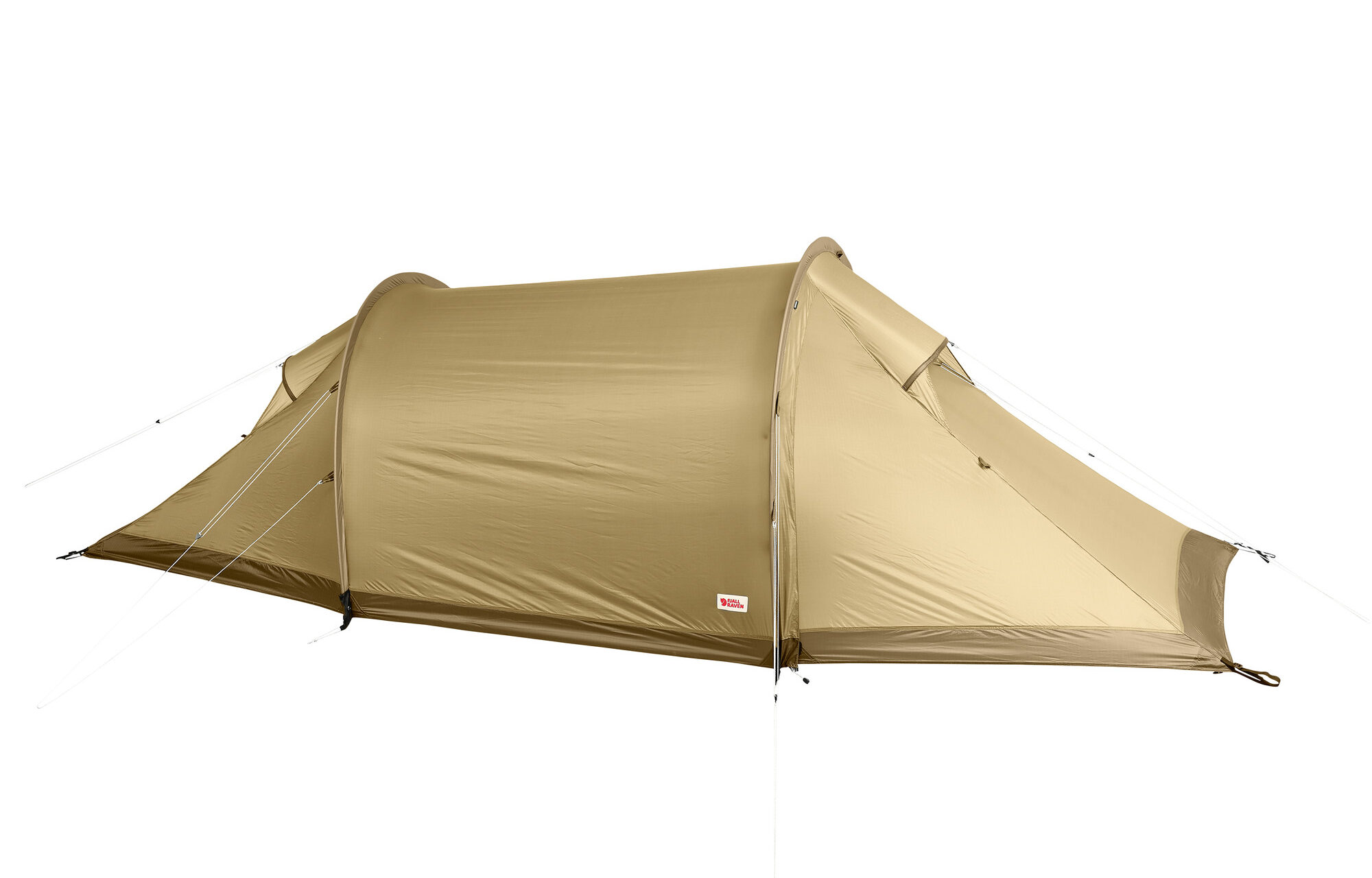
Best for Lightweight Solo Camping: Fjällräven Abisko Lite
Picture an early morning in the Lake District. The fells are still wrapped in mist, you’ve got a full day of walking ahead, and the last thing you want is a tent that feels like carrying a small house on your back.
That’s where the Fjällräven Abisko Lite comes into its own. Its lightweight, low-profile tunnel construction is designed to balance packability with dependable weather protection. The connected inner and flysheet also make pitching in the rain less of a battle, helping keep your sleeping area dry while you set up.
We particularly like the thinking behind this design. It prioritises the things that matter when you’re covering miles on foot, without adding excessive weight.
Where would we take it?
We’d consider it for solo trekking in the Lake District, multi-day routes in Eryri or sheltered winter camps in the Scottish Highlands.
Worth knowing: The compact design means less room to spread out, and it isn’t intended for the most exposed winter conditions. You’ll also need a suitable pitch where you can secure the tunnel structure properly.
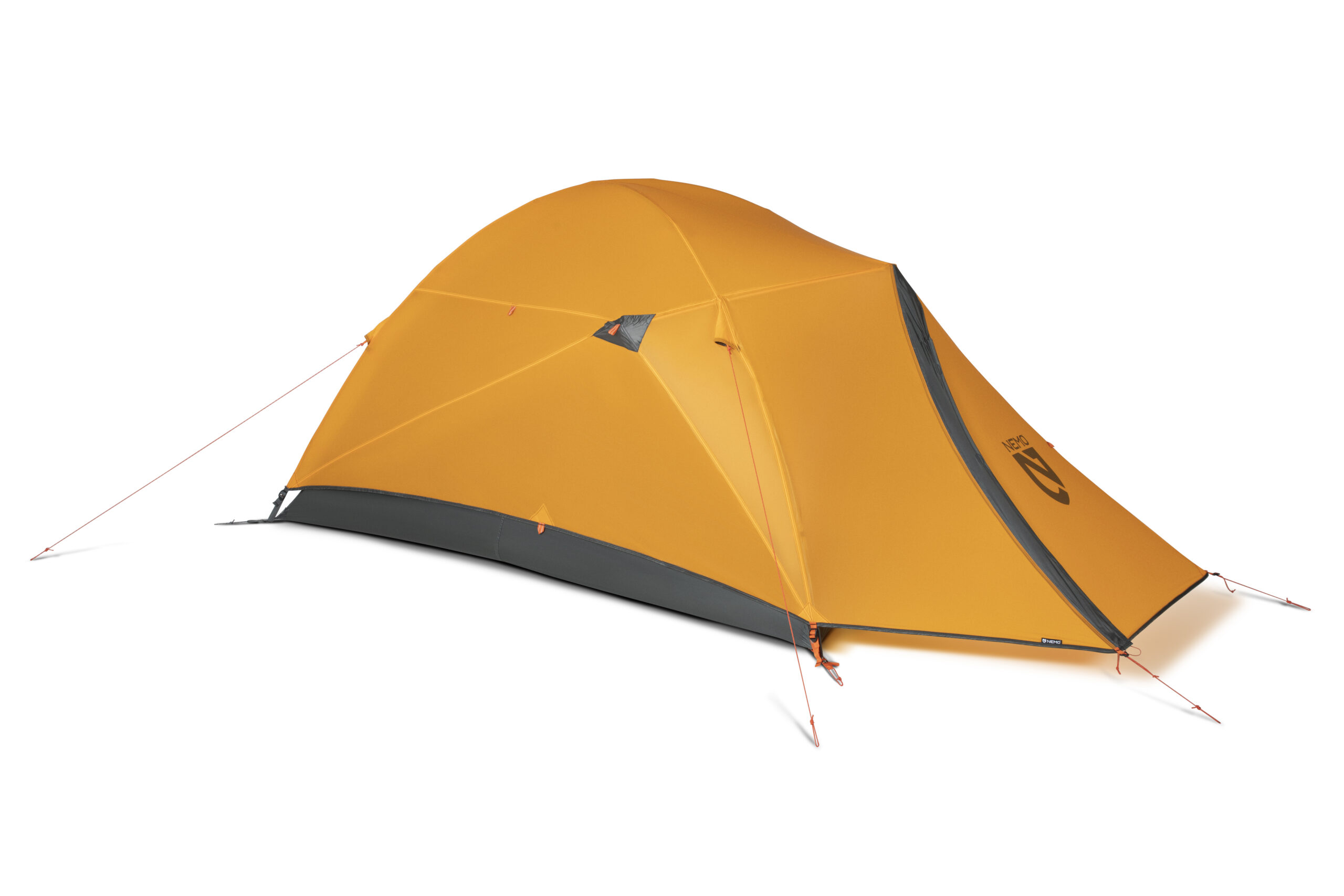
Best Versatile Two-Person Camping: NEMO Kunai
One weekend you’re enjoying a sunny campsite in the Brecon Beacons (Bannau Brycheiniog). A few months later, you’re heading into the Cairngorms, where the forecast includes frost, snow showers and the sort of wind that makes you question your choice of hobby.
If that sounds familiar, the NEMO Kunai is worth a closer look.
This clever 3–4-season tent is designed for adventures that don’t fit neatly into a single season. Its tapered profile and carefully engineered pole structure help it shed wind, rain and snow, while its adaptable ventilation makes it practical in milder weather too.
What appeals to us is the versatility. Rather than owning separate tents for every season, the Kunai offers a useful middle ground for backpackers who enjoy getting outdoors throughout the year.
Where would we take it?
We’d consider it for two-person backpacking in the Brecon Beacons, autumn trips around the Lake District or carefully planned winter camps in more sheltered parts of the Cairngorms.
Worth knowing: It’s a capable 3–4 season shelter, but for prolonged heavy snowfall or particularly severe mountain conditions, we’d look towards a more specialised winter tent.
Best for Demanding Winter Trips: Fjällräven Abisko Endurance
Anyone who’s spent a wet weekend camping in Scotland will appreciate one thing: having somewhere to put your soggy boots and dripping waterproofs without bringing the entire outdoors into your sleeping area.
The Fjällräven Abisko Endurance understands that problem rather well.
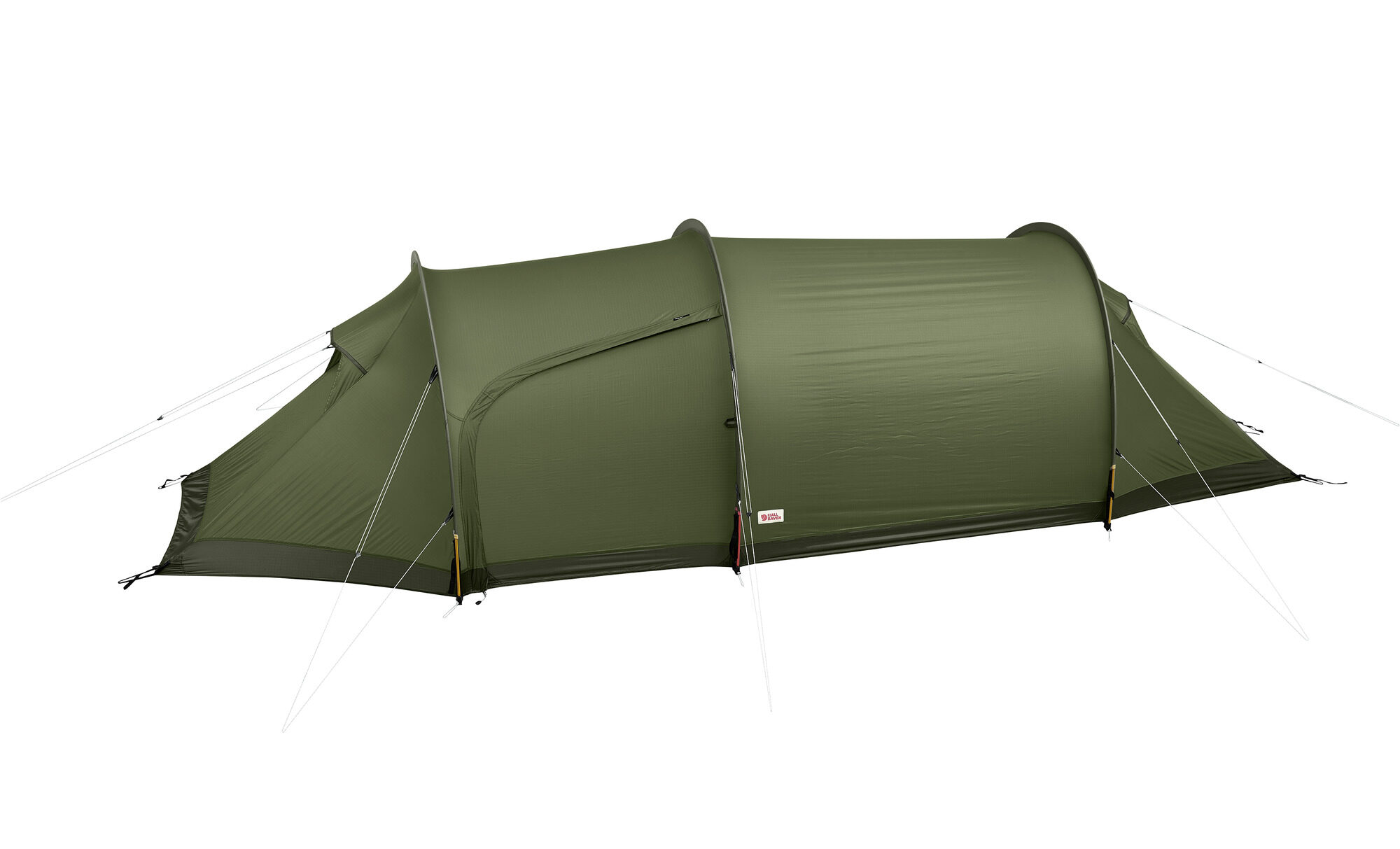
Designed for demanding four-season trekking, this robust tunnel tent combines weather protection with something that’s easy to underestimate until you need it: proper living space.
Its generous vestibule gives you room to organise bulky equipment and keep wet gear separate from your sleeping area. The connected inner and flysheet make pitching in poor weather more manageable, while the tunnel construction provides a practical balance of strength and usable space.
It’s the sort of design we’d appreciate on a longer trip when the weather isn’t cooperating and spending a few extra hours inside becomes part of the plan.
Where would we take it?
We’d consider it for multi-day trekking through the Scottish Highlands, winter camping in suitable parts of the Cairngorms or extended trips where additional sheltered space makes life considerably more comfortable.
Worth knowing: That extra space comes with additional weight compared with lighter trekking tents. It’s also important to pitch and secure it correctly, particularly in windy conditions. For extremely high-altitude expeditions, a dedicated expedition shelter may still be the better choice.
Which Four-Season Tent Would We Choose?
If keeping your backpack light is the priority, we’d lean towards the Abisko Lite. For year-round versatility and trips with a camping partner, the NEMO Kunai makes a compelling choice. And when the adventure involves longer days, unpredictable weather and more equipment, we’d appreciate the extra protection and living space of the Abisko Endurance.
In the end, the best tent isn’t the one with the most impressive season rating. It’s the one that makes sense for the adventure you’ve actually got planned.
How Much Should a Four-Season Tent Weigh?
When you’re halfway up a Scottish mountain with tired legs and a backpack that somehow feels heavier with every step, a few hundred grams can suddenly seem very important.
But choosing a four-season tent isn’t simply about finding the lightest option. It’s about balancing weight, durability, weather protection and living space.
Lightweight vs Heavy-Duty Four-Season Tents
The best lightweight 4-season tents aim to keep pack weight manageable without sacrificing the protection needed for their intended conditions. They’re particularly appealing for backpacking, long-distance trekking and adventures where you’re moving camp each day.
Heavier tents often offer stronger pole structures, more robust materials or additional living space. That extra weight can be a worthwhile trade-off when you’re expecting challenging weather or spending several nights in one location.
What’s a Good Weight for a Four-Season Tent?
There’s no official weight classification, but the following brackets offer a useful starting point when comparing two-person four-season tents.
| Packed Weight | Category | Best Suited To |
| Under 2 kg | Ultralight | Weight-conscious backpacking, potentially with compromises in space or robustness |
| 2–3 kg | Lightweight | Multi-day trekking and winter backpacking |
| 3–4.5 kg | Midweight | Winter camping where extra space and more substantial construction matter |
| Over 4.5 kg | Heavy-duty | Basecamp-style trips and some expedition shelters |
These are approximate guidelines rather than strict rules. Tent capacity, construction and intended conditions all affect weight. A solo tent should be compared with other solo tents, rather than a spacious two-person shelter.
For two-person winter backpacking, around 2–3 kg packed can be a useful starting point, provided the tent is designed for the conditions you’re expecting.
Minimum Weight vs Packed Weight
Here’s something worth checking before buying:
- Minimum weight: Usually includes the tent body, flysheet and poles, but may exclude pegs, guylines and accessories.
- Packed weight: Generally includes the complete tent package, making it more representative of what you’ll actually carry.
Manufacturers may calculate these figures differently, so always check what’s included.
When comparing the best 4-season tents for backpacking, think about how far you’ll walk, whether you’re sharing the load and what conditions you’re preparing for.
After all, saving weight is lovely, but not if it means compromising the protection your trip demands.
How Strong Does a Four-Season Tent Need to Be?
There’s a big difference between waking up to a frosty morning in a sheltered Lake District valley and spending the night on an exposed Scottish mountainside with the wind doing its best to rearrange your campsite.
The tougher the conditions, the more important your tent’s structural strength becomes.
What Makes a Tent Strong Enough for Winter?
A strong winter tent isn’t just about having thicker poles. It’s how the entire structure works together to withstand wind, snow and whatever else the British weather decides to throw at it.
Pole Structure and Materials
The number, arrangement and material of the poles all influence stability. Intersecting poles create multiple support points and help distribute pressure across the structure. High-quality aluminium poles offer a useful balance of strength, flexibility and weight, allowing them to bend under pressure without easily breaking.
Fabric Strength and Reinforcement
The flysheet needs to withstand more than rain. Strong winds put considerable tension on the fabric, particularly around seams, corners and attachment points. Durable ripstop materials, reinforced stress points, and quality stitching help reduce the risk of tearing in rough conditions.
Guylines and Secure Anchoring
Even the strongest tent won’t perform properly if it isn’t secured. Well-positioned guy lines help distribute wind loads and prevent excessive movement, while reinforced attachment points provide additional support.
In snowy or frozen ground, suitable snow anchors or specialist pegs may be necessary, as standard tent pegs might not hold securely.
Tent Shape and Wind Resistance
Low-profile, aerodynamic designs help reduce wind exposure. Tunnel tents can perform particularly well when correctly oriented, whereas dome and geodesic structures distribute forces differently and may offer greater flexibility in response to changing wind directions.
Ultimately, a winter tent is only as strong as its overall design and how well it’s pitched. Choosing a sheltered location, correctly tensioning guy lines, and using appropriate anchors can make just as much difference as the materials themselves.
Can Four-Season Tents Handle Heavy Snow?
Many four-season tents feature steep or curved profiles designed to encourage snow to slide off rather than accumulate on the roof.
However, not every four-season tent is designed for heavy snow loading. Even strong shelters may require regular snow clearing, and choosing a sheltered, suitable pitching location remains essential.
Does a Higher Waterproof Rating Mean a Stronger Tent?
Not necessarily. A tent’s hydrostatic head rating measures fabric resistance to water penetration, not its ability to withstand strong winds or heavy snow.
For sheltered winter camping, a lighter design may provide sufficient protection. For exposed mountain conditions, prioritise structural stability, secure pitching and a tent specifically designed for the expected weather.
Which Tent Design Is Best for Winter Camping?
Tent shape isn’t just about looks. Different designs offer different advantages when it comes to usable space, pitching flexibility and handling unpredictable winter weather.
Tunnel vs Dome Tents: Which Should You Choose?
Tunnel tents use parallel hoops to create an elongated shelter with an efficient space-to-weight ratio. They’re popular for trekking and often provide generous vestibules, making them practical for storing bulky winter equipment. However, they rely on secure pegging and generally perform best when positioned appropriately relative to the wind.
Dome tents use crossing poles to create a rounded structure. Many are freestanding or semi-freestanding, making them useful on rocky ground where finding suitable pegging points can be tricky. Their stability and ability to handle snow vary between models, so always check the intended conditions.
Freestanding vs Non-Freestanding Tents
A freestanding tent can hold its basic shape without pegs, making positioning easier on difficult ground. A non-freestanding tent relies on pegging or anchoring to maintain its structure.
Both still need to be properly secured in windy conditions. Freestanding doesn’t mean windproof!
Which Pitching Style Is Best in Bad Weather?
How a tent pitches can make a real difference when it’s pouring with rain and your fingers are starting to lose feeling.
- Inner-first: The inner tent goes up before the flysheet, potentially exposing it to rain.
- Outer-first: The flysheet provides shelter while you pitch the inner underneath.
- All-in-one: The inner and flysheet pitch together, helping keep the sleeping area protected.
For wet UK conditions, outer-first and all-in-one pitching can be particularly convenient, reducing the chance of soaking your sleeping area before you’ve even unpacked your sleeping bag.
Why Do Vestibules Matter in Winter?
After a long day hiking through the Scottish Highlands, the last thing you want is muddy boots, a dripping waterproof jacket and a soggy backpack joining you in your sleeping bag.
That’s where a tent vestibule earns its keep.
Small vs Large Vestibules: Which Is Better?
A vestibule is the sheltered space between your tent’s inner and outer doors, providing somewhere to store equipment without cluttering your sleeping area.
Compact vestibules help keep tent weight down, making them practical for lightweight backpacking and trips where you’re moving camp regularly.
Larger vestibules offer more room for bulky winter equipment, wet clothing and organising your gear. They’re particularly useful on longer trips when poor weather might keep you inside for extended periods.
Can You Cook in a Tent Vestibule?
Although a vestibule might look like a convenient cooking spot, using a camping stove inside a tent or enclosed vestibule is dangerous. Stoves can produce deadly carbon monoxide and create a serious fire risk, even when ventilation is present. Always follow your stove manufacturer’s instructions and cook outside, well away from the tent fabric. A warm meal is lovely, but not worth taking unnecessary risks.
How Important Is Ventilation in a Four-Season Tent?
You might think keeping every vent closed is the best way to stay comfortable on a freezing night. Unfortunately, that can leave you waking up to a rather unpleasant surprise: condensation dripping from the tent walls.
Why Does Condensation Build Up in Winter?
Every breath releases moisture into the air. Add damp clothing, wet equipment and a cold flysheet, and that moisture can condense into water droplets or even frost.
In freezing conditions, condensation can become particularly troublesome, potentially dampening your sleeping bag and other equipment.
Want to keep your tent drier on cold nights? Our How to Reduce Tent Condensation in Winter guide covers practical tips on ventilation, choosing the right pitching spot and managing moisture before it leaves you waking up to a soggy sleeping bag.
How Do You Balance Ventilation and Weather Protection?
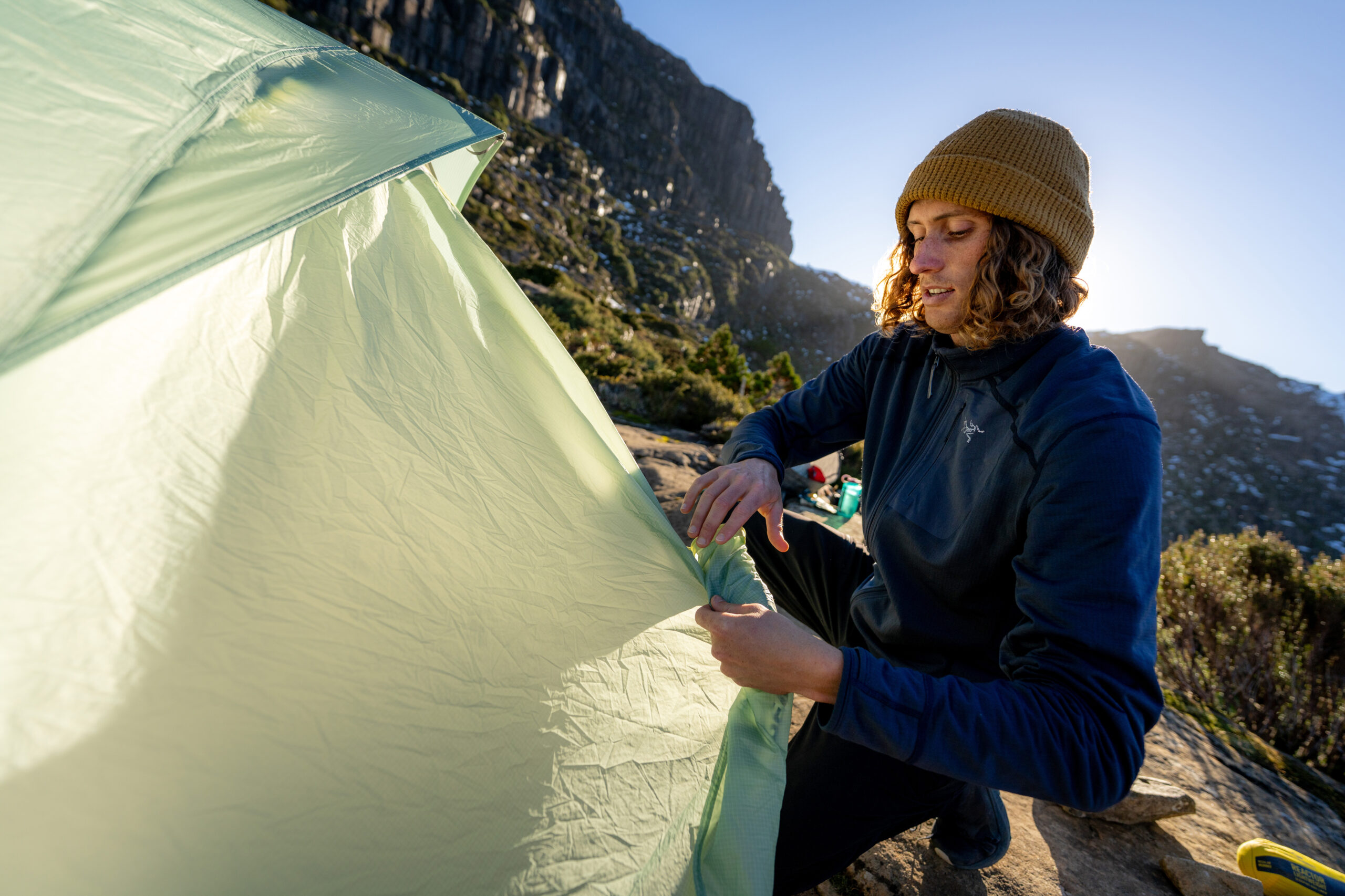
Look for adjustable vents, mesh panels and well-designed flysheet openings that allow moist air to escape while limiting exposure to wind and rain.
Keeping vents open where conditions allow, maintaining space between the inner and outer tent, and storing wet equipment in the vestibule can all help manage moisture.
Can You Use a Four-Season Tent in Summer?
Absolutely! However, some winter-focused designs have less mesh and heavier fabrics, making them feel warmer and less airy in mild weather.
If you camp year-round, consider a tent with adjustable ventilation rather than one designed primarily for severe winter conditions.
Are Four-Season Tents Worth It?
A four-season tent can be a brilliant investment, but only if your adventures actually call for one. There’s little point carrying a heavier, more expensive shelter to a sunny summer campsite when a lighter three-season tent would do the job perfectly well.
When Is a Four-Season Tent Worth Buying?
If you regularly head into the mountains during winter, camp in exposed locations or venture out when snow and strong winds are realistic possibilities, the additional structural protection of a suitable four-season tent can be well worth the investment.
They’re particularly appealing to committed year-round backpackers who don’t want their camping season to end when the temperatures drop.
When Might a Three-Season Tent Be Enough?
For occasional summer trips, sheltered campsites and milder conditions, a three-season tent is often lighter, more affordable and better ventilated.
A 3–4 season tent can offer a useful middle ground for those who enjoy spring-to-autumn backpacking alongside occasional winter adventures in suitable conditions.
What Are the Trade-Offs?
Four-season tents often cost more and may weigh more than comparable three-season designs. Some also sacrifice ventilation or interior space to prioritise weather protection.
The best investment isn’t necessarily the tent with the highest season rating. It’s the one that matches where, when and how you actually camp.
What About Expedition Tents?
If your plans involve high-altitude mountaineering, prolonged snowstorms or camping in extremely exposed environments, you may need something more specialised than a conventional four-season trekking tent.
What Makes an Expedition Tent Different?
Expedition tents are designed with severe conditions and extended exposure in mind. They often feature reinforced pole structures, multiple support points, robust fabrics and extensive guying systems to improve stability under demanding wind and snow loads.
Reliability becomes especially important when retreating to a sheltered campsite simply isn’t an option.
Are All Four-Season Tents Suitable for Expeditions?
Not necessarily. A tent designed for winter trekking in the Scottish Highlands isn’t automatically suitable for a high-altitude Himalayan expedition.
Specialist expedition shelters are built around different priorities, often accepting additional weight and a more complicated setup in exchange for greater structural protection.
For most UK winter campers, a well-chosen four-season trekking tent may be sufficient. For serious expeditions, always choose a shelter specifically designed and tested for the conditions you expect to encounter.
Final Thoughts: Choose for the Conditions, Not the Label
The best four-season tent isn’t necessarily the toughest, lightest or most expensive. It’s the one that makes sense for the adventures you’ve actually got planned.
For lightweight solo trekking, the Fjällräven Abisko Lite keeps things manageable. If you want versatility for two-person adventures throughout the year, the NEMO Kunai is worth considering. And for longer winter trips where extra protection and living space matter, the Fjällräven Abisko Endurance has plenty to offer.
Ready to find your next shelter? Explore our Sleep & Shelter range.
And if you’re planning more cold-weather adventures, visit our Winter Camping Basecamp and Winter Gear & Apparel Deep Dives knowledge hubs for practical advice on staying comfortable, choosing the right equipment and making the most of winter outdoors.
FAQ
That depends on your plans. The Fjällräven Abisko Lite is worth considering for lightweight trekking, while the NEMO Kunai offers versatility for milder winter adventures. For longer trips where additional sheltered space is useful, the Fjällräven Abisko Endurance is another strong option.
The Fjällräven Abisko Lite range is a great starting point for weight-conscious trekkers. Its streamlined tunnel design balances packability with four-season weather protection. However, always compare the tent’s weight, capacity and intended conditions before choosing.
If you regularly camp in challenging winter conditions, they can be a worthwhile investment. For occasional summer trips or sheltered campsites, a lighter three-season tent may be more practical and cost-effective.
Yes! Many four-season tents can be used throughout the year. However, winter-focused designs may offer less ventilation than summer-oriented shelters, so look for adjustable vents and flexible configurations if you plan to camp in warmer weather.
Not always. It depends on the location, forecast and exposure. A suitable 3–4 season tent may work for some sheltered winter trips, while exposed mountain camps with significant wind or snow demand more specialised protection.
Brands such as Fjällräven, NEMO, MSR and Terra Nova offer tents designed for different levels of year-round use. Rather than choosing by brand alone, compare construction, weight, weather protection and intended conditions.
Four-season tents are designed to withstand challenging weather, but no tent is immune to leaks, damage, or condensation. Waterproof fabrics, seam construction, correct pitching and ongoing maintenance all influence how effectively a tent keeps rain and snow out.
Four-season tents cover a broad range of winter conditions, while specialist expedition tents prioritise structural reliability during prolonged exposure to severe weather. Not every four-season trekking tent is suitable for high-altitude mountaineering or extreme snow loading.
Leave a Reply