
Best Lightweight Sleeping Bags for Backpacking
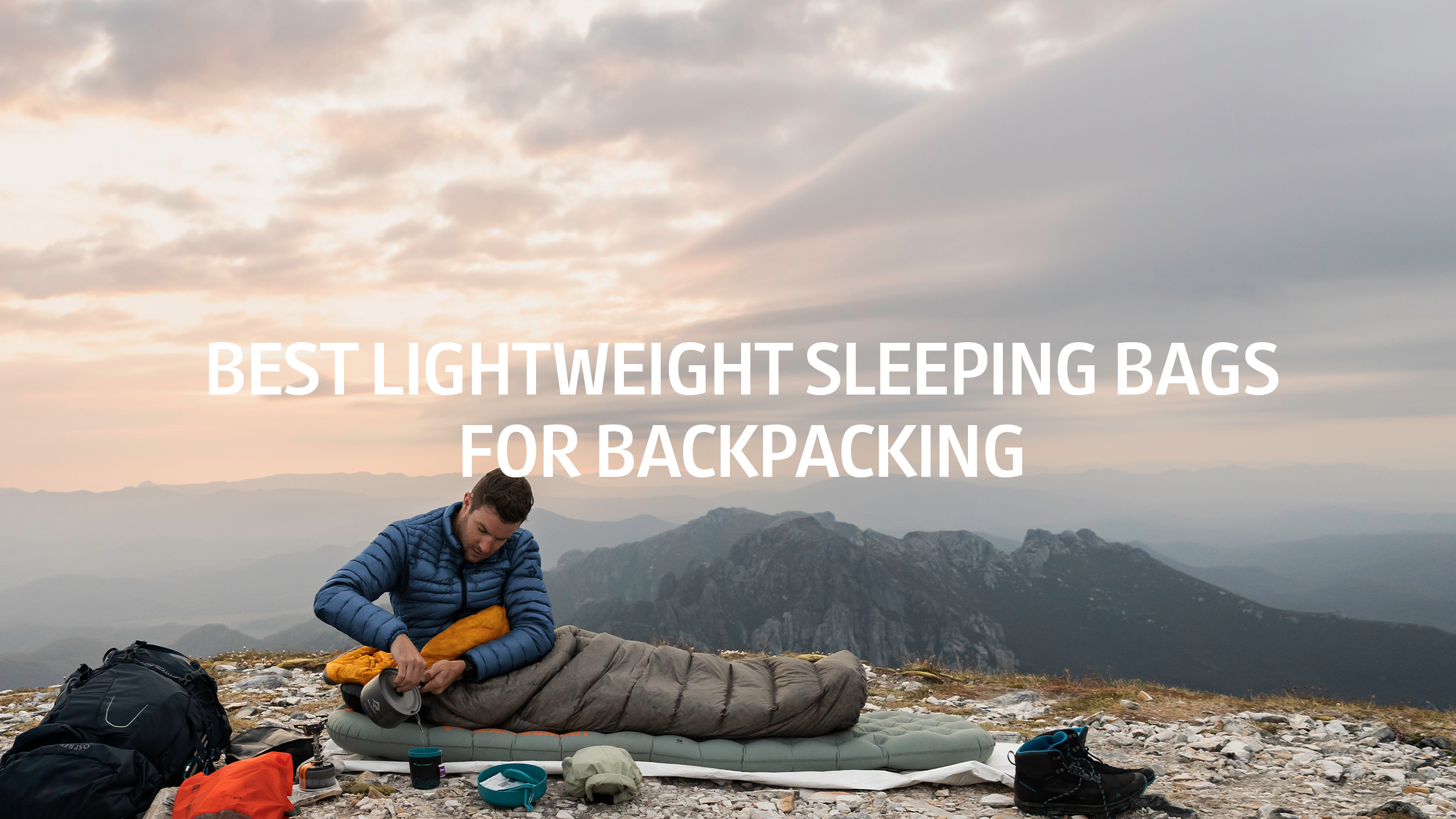
Choosing the best lightweight sleeping bag for backpacking is always a balancing act. Weight matters when you are carrying everything on your back, but in the UK, warmth and weather protection matter just as much.
We at Trekitt spend a lot of time helping people dial in this balance. Whether you are heading into the Lakes for a weekend, tackling the West Highland Way, or moving fast and light through Snowdonia, your sleeping bag can make or break the trip.
In this guide, we have pulled together some of the best lightweight sleeping bags available right now. These are tried and trusted options that cover everything from ultralight summer missions to more serious three-season use.
IN SHORT…
-
Use the quick comparison table: Get a clear overview of how each option stacks up for season use, strengths and ideal trips.
-
Compare the best lightweight sleeping bags: See our top picks across different categories, from all-rounders to ultralight and comfort-focused options.
-
Understand how we made our selections: Learn what actually matters for UK backpacking, including real-world performance and warmth-to-weight.
-
Choose the right bag for your trips: Get practical advice on temperature ratings, insulation types and fit, with links to deeper guides.
This article is part of our 👉 Sleeping Bags Knowledge Centre, where you’ll find expert advice on choosing the right sleeping bag, understanding temperature ratings, comparing insulation types and building the perfect sleep system for UK conditions.ure.
Quick Comparison Table
| Sleeping Bag | Best For | Season Use | Why We Recommend It |
| Rab Neutrino | All-round backpacking | 3 to 4-season | Excellent balance of warmth, weight and packability for UK conditions |
| Mountain Equipment Xenith II | Fast and light trips | Summer | Extremely lightweight with a very small pack size |
| Rab Mythic Ultra | Alpine and weight-critical use | 3 to 4-season | Exceptional warmth-to-weight with advanced materials |
| NEMO Disco | Comfort and side sleeping | 3-season | Roomier shape improves comfort without excessive weight |
| Big Agnes Fly Creek UL Quilt | Ultralight setups | Summer to light 3-season | Minimal weight and flexible quilt system design |
Best Overall – Rab Neutrino Down Sleeping Bag
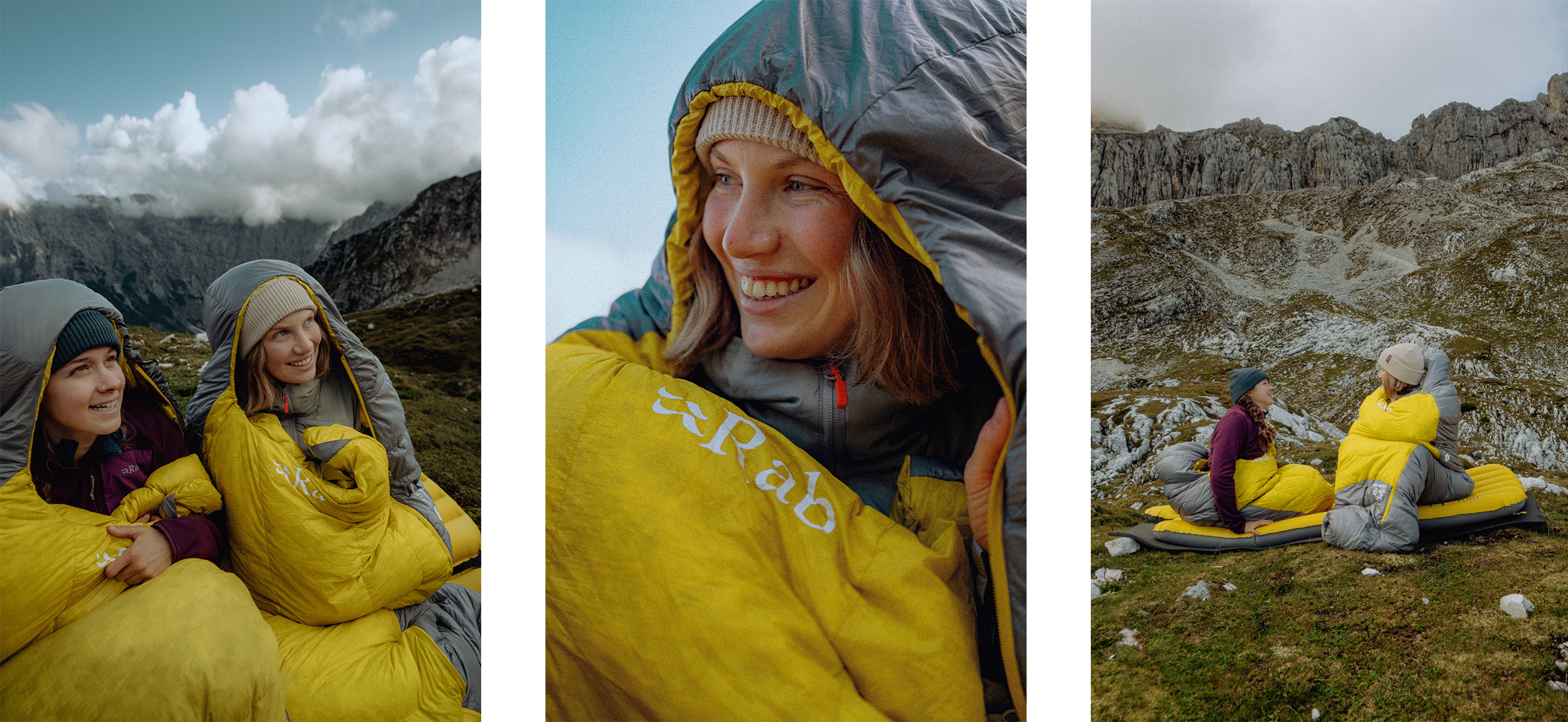
The Rab Neutrino is one of those rare bags that just works for most people, most of the time.
It hits a sweet spot between weight, warmth and packability that makes it ideal for three-season backpacking across the UK. The high-quality down fill provides excellent loft, while the Pertex outer fabric offers a good level of weather resistance in damp conditions.
It is not the absolute lightest option available, but for most backpackers, it is the most sensible choice.
Why we rate it:
- Excellent warmth-to-weight ratio
- Reliable in typical UK conditions
- Packs down small without compromising comfort
Best for: General backpacking, multi-day trips, and unpredictable weather
Best Ultralight Summer – Mountain Equipment Xenith II Sleeping Bag
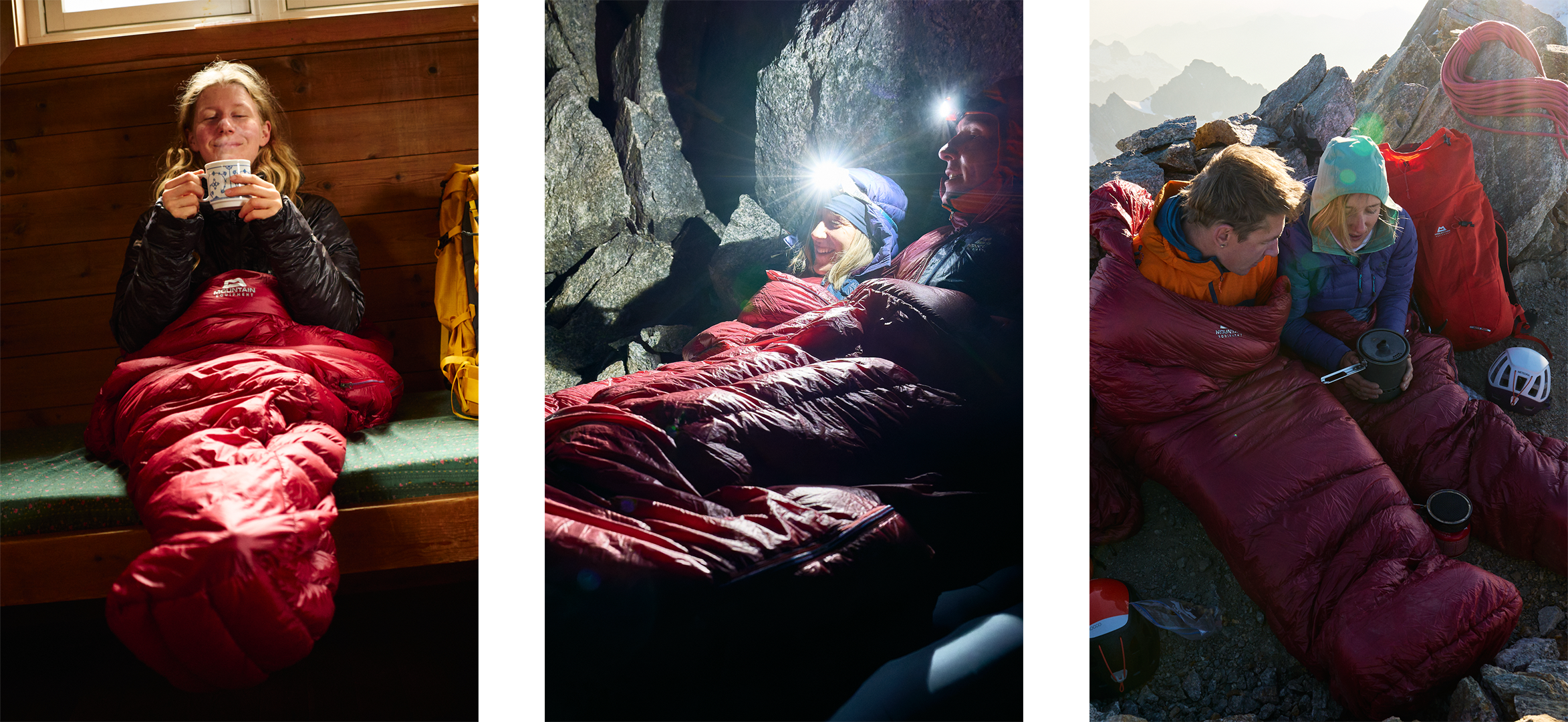
If your focus is cutting weight to the absolute minimum, the Xenith II is a seriously impressive bit of kit.
It is designed for warm summer nights where every gram counts. The minimalist construction and high-quality down allow it to pack incredibly small, making it ideal for fastpacking or minimalist setups.
However, this is not a forgiving bag. Push it outside its comfort zone and you will feel it.
Why we rate it:
- Extremely low weight
- Tiny pack size
- Ideal for fast and light trips
Best for: Summer-only use, fastpacking, experienced users
Best Premium Ultralight – Rab Mythic Ultra Sleeping Bag
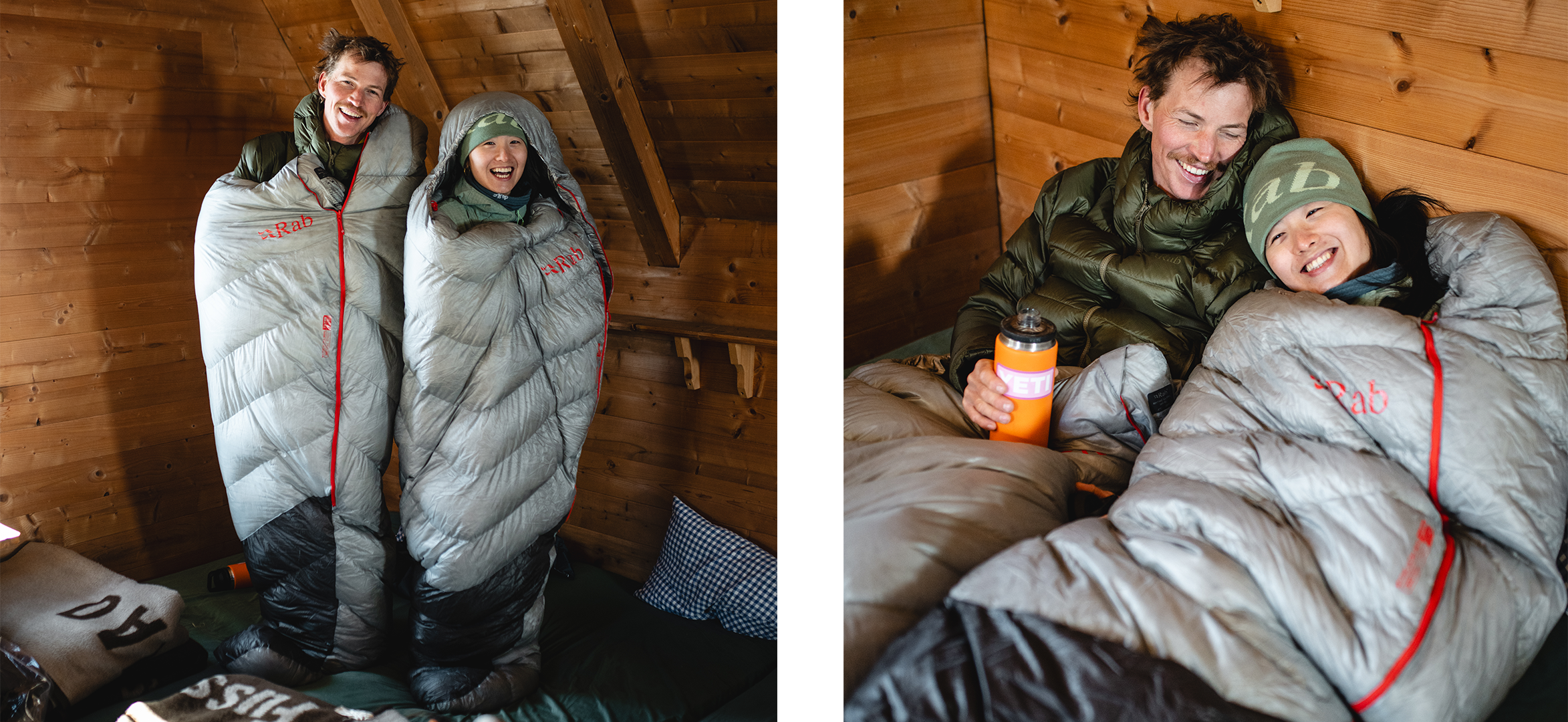
The Rab Mythic Ultra pushes the limits of what a sleeping bag can do in terms of warmth versus weight.
Using advanced materials and construction, including heat-reflective technologies, it delivers exceptional performance for its weight. This is the kind of bag you take when you need serious performance without carrying bulk.
It is undeniably premium, but for alpine trips or committed lightweight setups, it justifies its place.
Why we rate it:
- Outstanding warmth-to-weight performance
- Advanced materials and construction
- Designed for demanding conditions
Best for: Alpine use, high-level backpacking, weight-critical expeditions
Best Comfort Option – NEMO Disco Sleeping Bag
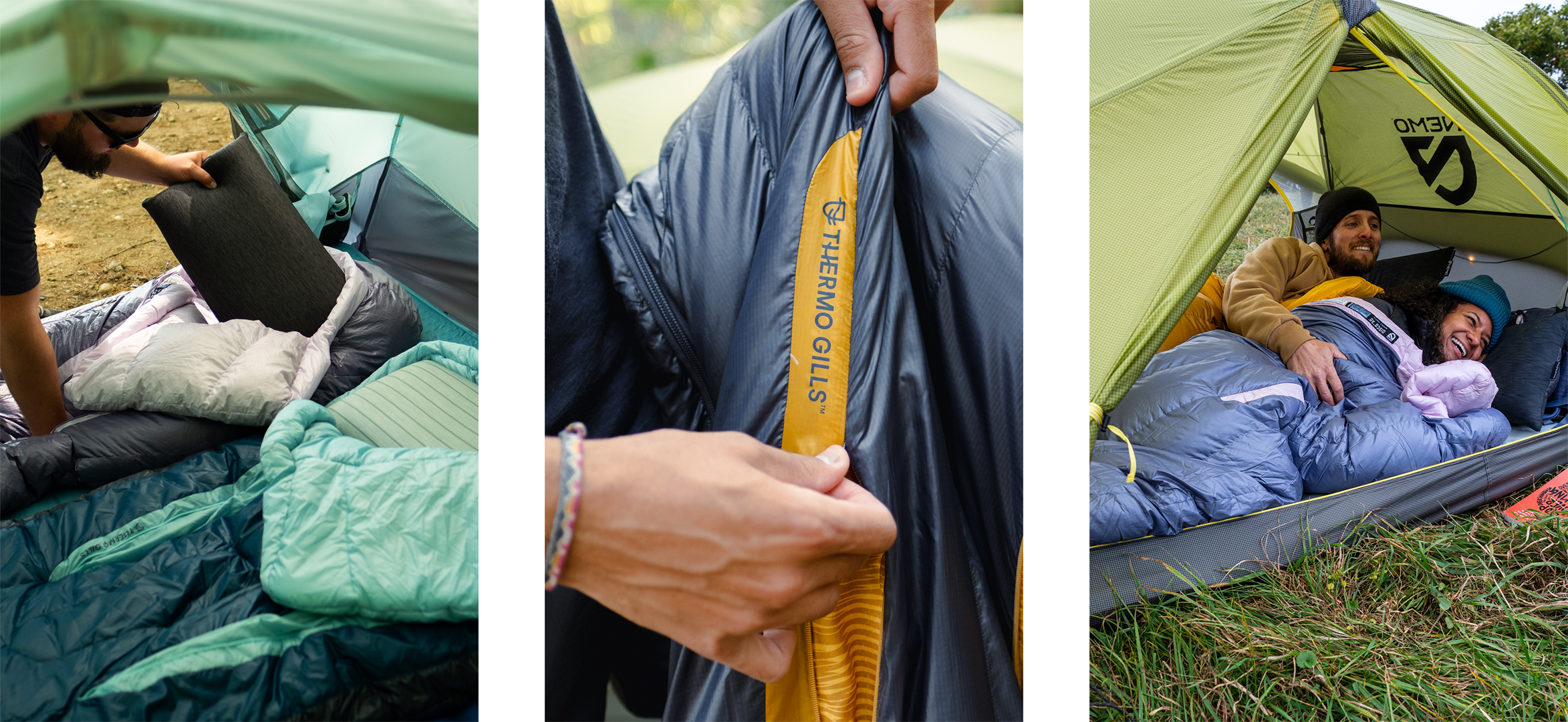
Not everyone wants to feel zipped into a narrow tube at the end of a long day, and this is exactly why I personally use the NEMO Disco.
The NEMO Disco uses a “spoon” shape that gives extra room at the elbows and knees, which makes a noticeable difference if you sleep on your side or tend to move around during the night. I have found that extra space makes it far easier to get comfortable after a long day on the hill, without constantly fighting the bag.
It is slightly heavier than more minimalist options, but for me, the improvement in sleep quality is well worth that trade-off, especially on longer trips where recovery really matters.
Why we rate it:
- Spacious and comfortable design
- Ideal for side sleepers
- Still reasonably packable
Best for: Comfort-focused backpackers, restless sleepers
Best Ultralight Alternative – Big Agnes Fly Creek UL Quilt
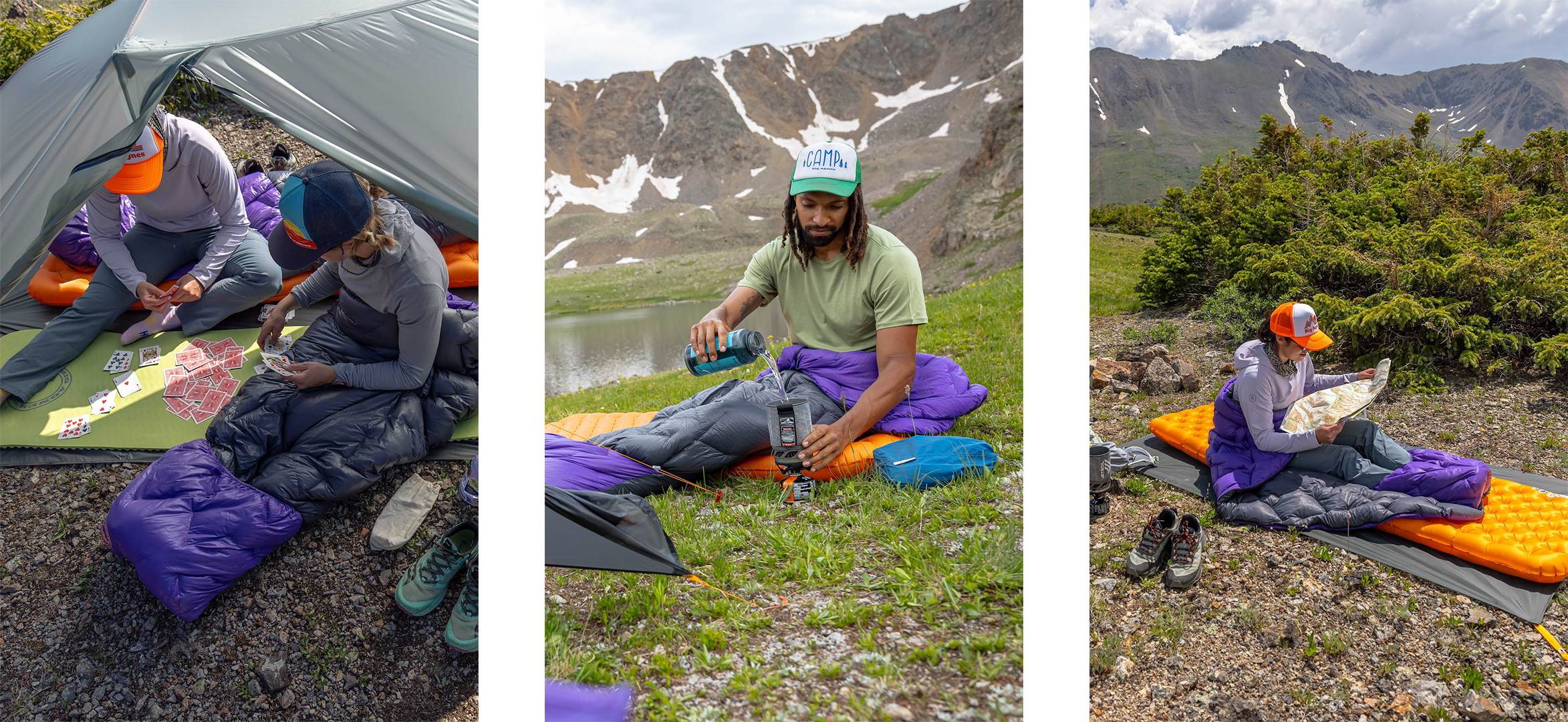
Quilts are becoming increasingly popular for ultralight backpacking, and the Fly Creek UL is a great example of why.
By removing the underside insulation and relying on your sleeping mat instead, quilts reduce weight and pack size significantly. The trade-off is that they require a bit more setup knowledge and are less forgiving in colder or windy conditions.
If you are confident in your system, this is one of the lightest ways to stay warm on the trail.
Why we rate it:
- Extremely lightweight
- Flexible and adaptable system
- Great paired with a high-quality mat
Best for: Ultralight enthusiasts, experienced backpackers
How to Choose the Right Lightweight Sleeping Bag
Temperature ratings in UK conditions
Always take temperature ratings with a pinch of salt. UK humidity and wind can make nights feel colder than the numbers suggest.
For most three-season use, we would recommend choosing a bag with a comfort rating slightly lower than the temperatures you expect.
If you want a clearer breakdown of how these ratings actually work in real UK conditions, it is well worth reading our guide: What Sleeping Bag Temperature Rating Do You Really Need in the UK?
Down vs Synthetic
Down: Lighter, smaller pack size, better long-term performance
Synthetic: More resilient in wet conditions, usually more affordable
For most lightweight backpacking, down is the go-to, but only if you can keep it dry. If you’d like a deeper dive into this, check out our Down VS Synthetic Sleeping Bags blog.
Fit and shape
Fit plays a bigger role than many people realise. A sleeping bag that fits well will feel warmer and more efficient because there is less empty space for your body to heat. Slimmer mummy-shaped bags are often the lightest and most thermally efficient, but they can feel restrictive if you move around a lot in your sleep.
On the other hand, roomier designs can improve comfort and sleep quality, even if they come with a slight weight penalty. It is worth thinking honestly about how you sleep and what matters most to you before making a choice.
Final Thoughts
There is no single “best” lightweight sleeping bag. The right choice depends on how, where and when you camp.
For most people, the Rab Neutrino remains the standout all-rounder. If you are chasing grams, the Xenith II or a quilt setup could transform your pack weight. If comfort matters more, the NEMO Disco is well worth considering.
The key is building a system that works for your style of backpacking, not just chasing numbers on a spec sheet.
If you are unsure, this is exactly the sort of thing we are always happy to help with. You can give us a call on 01432 263335, drop us an email to [email protected], or pop into our Hereford Service Centre for some hands-on advice. Being able to see and feel the differences between bags can make the decision much easier!
FAQs
Generally, anything under 1kg is considered lightweight for backpacking, with ultralight options dropping well below that.
They can be, but only in the right conditions. Most ultralight bags are best suited to summer use unless paired carefully with other kit.
Down is usually better for weight and packability, but synthetic can be more forgiving in wet conditions.
Only with care. You may need additional insulation such as a liner or insulated clothing to stay warm.
Yes, typically. By removing insulation underneath you, quilts reduce weight, but they rely heavily on a good sleeping mat.
Crucial. A mat provides insulation from the ground, which your sleeping bag alone cannot do effectively.
With proper care, a good quality sleeping bag can last many years, especially down models.
Leave a Reply