Planning cold-weather adventures? This guide simplifies five essentials for winter hiking—covering key clothing layers, footwear choices, and protective gear to keep you warm, dry, and comfortable on the trails.
Update: Winter hiking continues to grow in popularity across the UK, with walkers placing greater emphasis on adaptable layering systems, dependable waterproof protection, and comfort in cold, changeable conditions. This guide has been refreshed for Winter 2026 to reflect current best practice in winter clothing and footwear, helping you stay warm, dry, and comfortable on everything from short hill walks to longer cold-weather hikes.
In SHORT…
Know the must-have clothing layers: Discover the key roles of Merino wool baselayers, breathable midlayers, insulated jackets, and waterproof shells in creating an effective winter hiking system.
Understand footwear and outer protection: Learn why waterproof jackets and sturdy, waterproof boots are vital for comfort, safety, and weather protection during winter hikes.
See extra gear worth packing: Explore additional winter-ready essentials like gloves, headwear, technical socks, and high-energy snacks to enhance warmth and performance on cold-weather outings.
The coldest season of the year is fast approaching, and it’s finally time to dig out the down jacket from the back of your wardrobe. If you plan on heading out winter hiking on the hills, it might be worth getting a checklist together to ensure you have everything you need. A little extra organisation goes a long way and could decide whether you have a good or bad trip!
At Trekitt, we often preach that there’s no such thing as bad weather, just the wrong kit. So, today, I’ll be taking you through our top five essentials that you’ll need for exploring when temperatures drop, plus a few added extras for good measure.
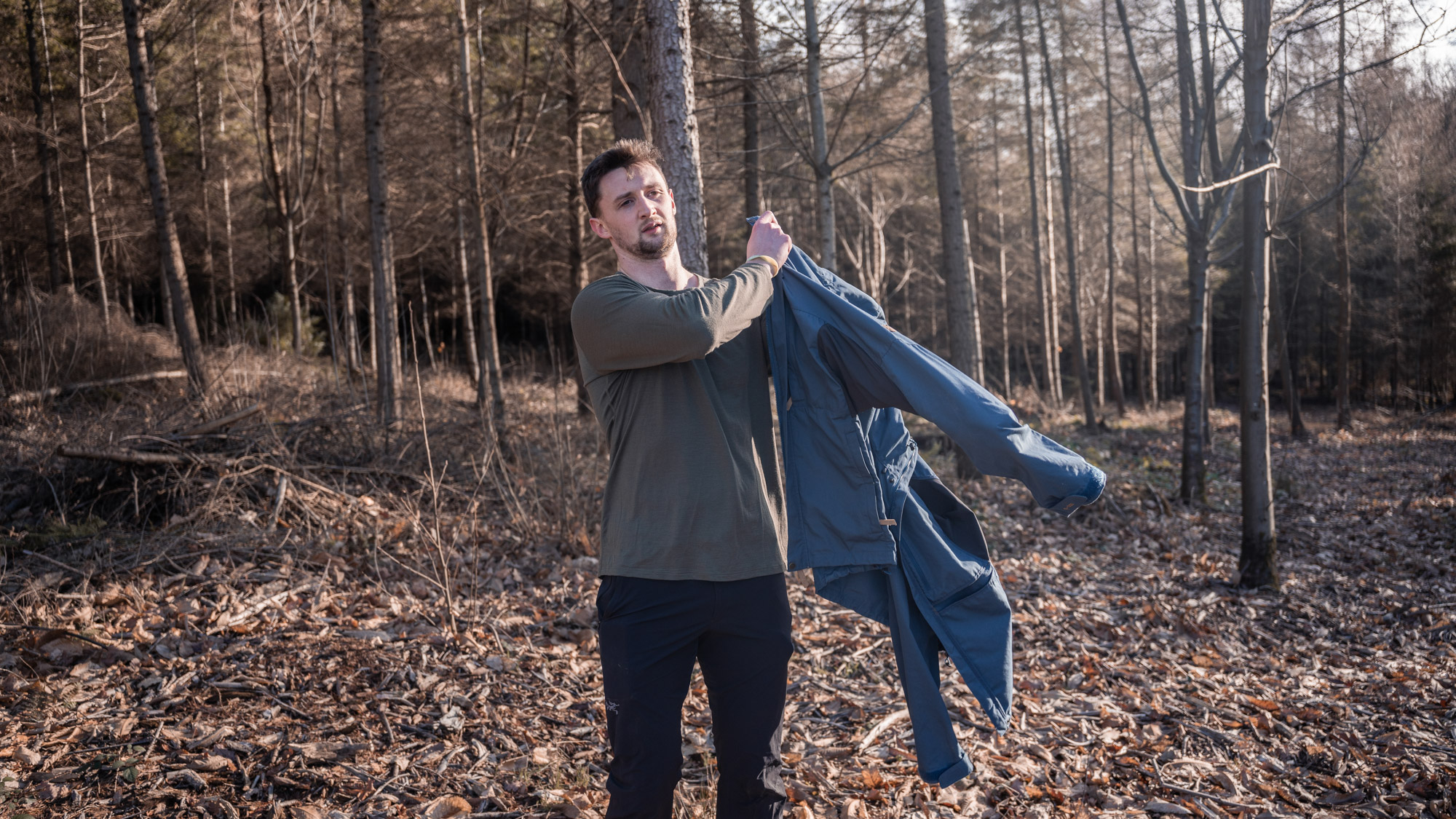
Merino wool is renowned for its fantastic performance properties, being naturally soft, breathable, fast drying, and odour resistant. It’s also effective at regulating temperature, keeping you warm during the winter and cool during the summer. These qualities make the wool ideal for wearing all year round, and especially good for winter hiking; an undoubtedly good reason to invest in Merino-based products. It’s likely you’d only need one or two of these baselayers in your entire wardrobe, saving you storage space whilst being more sustainable, too!
At Trekitt, we stock brands like Devold, a Norwegian company with a long heritage in producing premium Merino clothing. Their expertise in working with wool ensures exceptional softness, reliable performance in extreme cold, and long-lasting quality tested in the harsh Nordic climate. A Devold baselayer is an investment piece that will keep you comfortable for years to come.
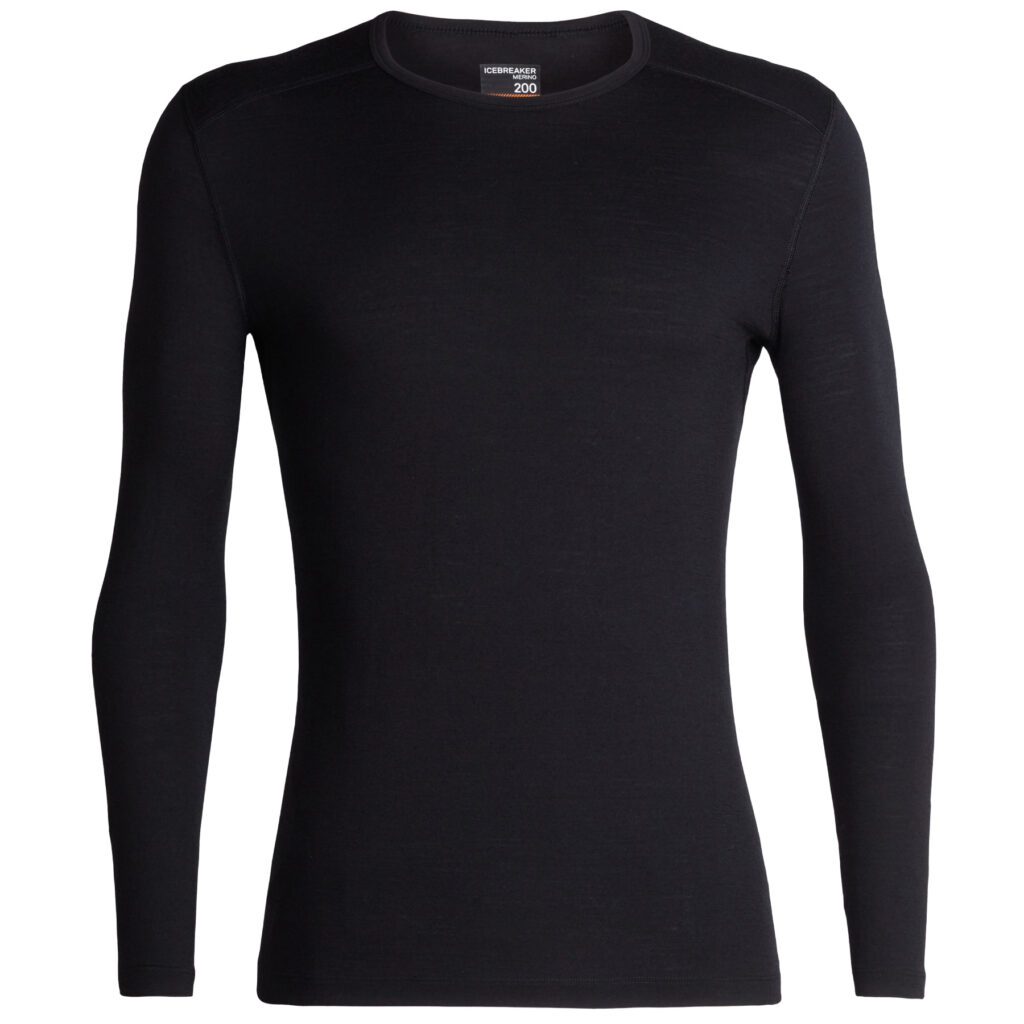
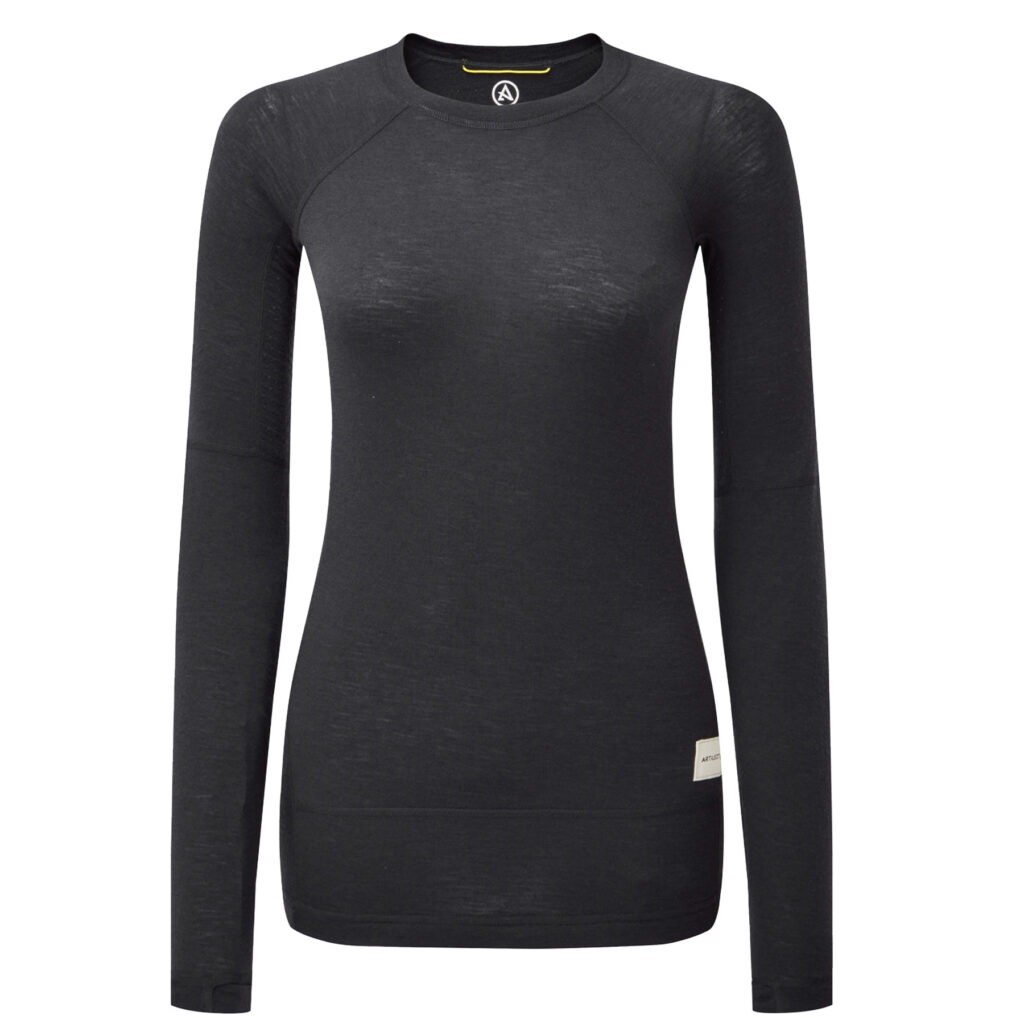
You may also spot brands that use a “Merino wool blend”, like Artilect or Tierra, which often contain cotton, nylon, or polyester. Blending the yarn helps to increase longevity and durability, meaning your product will last longer, even with regular use. It may also lessen some performance properties, such as breathability. However, blended products make great alternatives if you’re on a tighter budget, as pure Merino products can come with a higher price point. A great 100% Merino option would be the Icebreaker 200 Oasis LS Crew, or, if you’re looking for a Merino blend product, why not try the Artilect Boulder 125 Crew?
Icebreaker Men’s 200 Oasis LS Crewe in Midnight BlackArtliect Women’s Boulder 125 Crew in Black
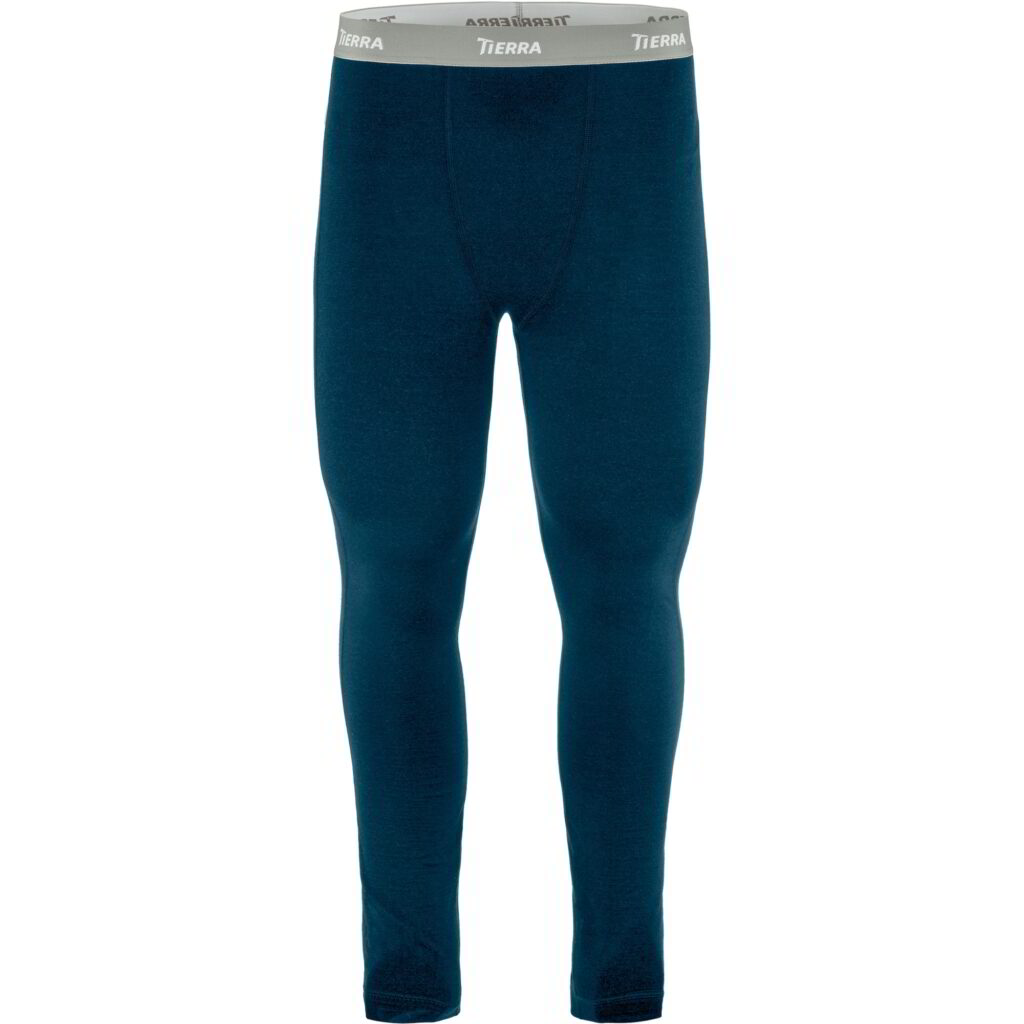
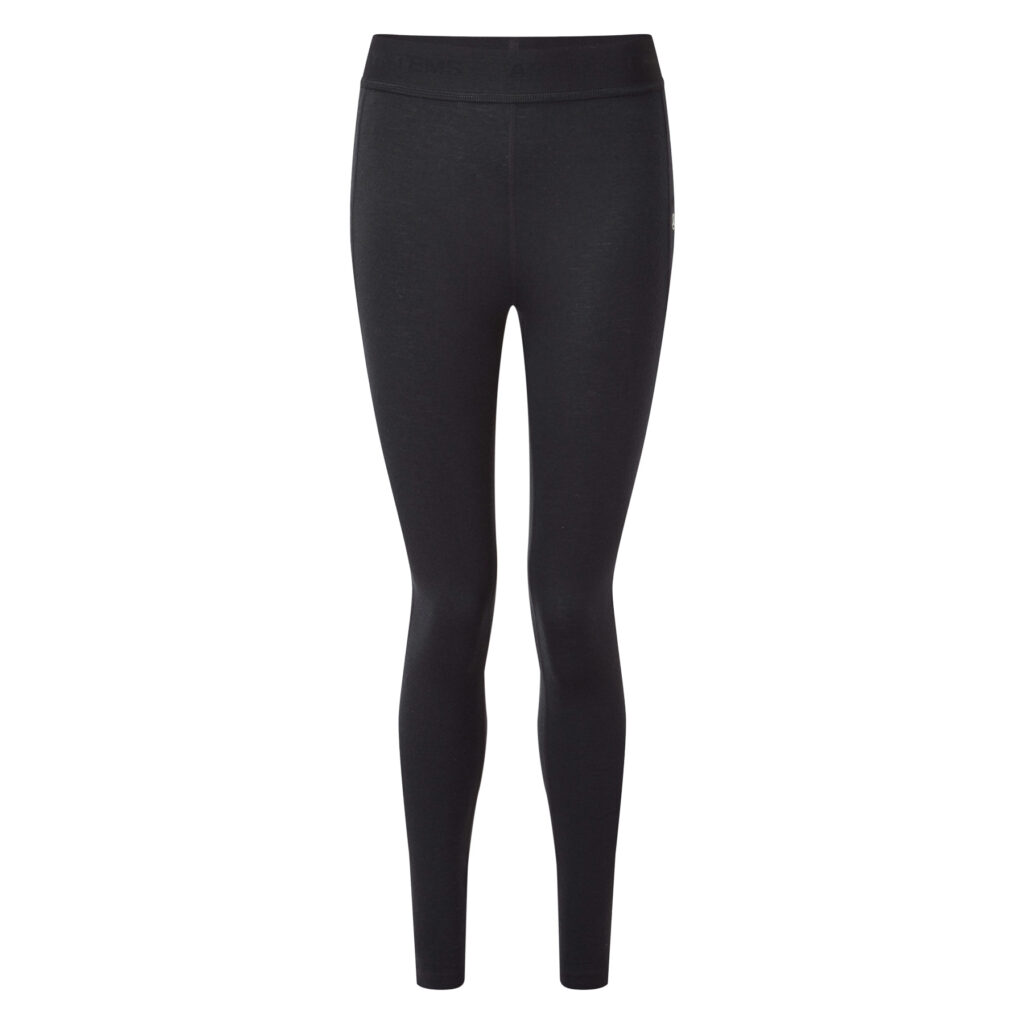
You can pair your baselayer tops with a set of long johns to keep your legs warm. We have a range of long johns for both men and women, and even some ‘short johns’ too!
Tierra Men’s Utilana Long Johns in Deep SeaArtilect Women’s Flatiron 185 Leggings in Black
2. Midlayers
To clarify, a midlayer is a layer of clothing that goes between your baselayer (baselayers sit next to the skin) and your jacket. A common midlayer option is a fleece, but sometimes, when the cold bites, some prefer to wear an insulated jacket as a midlayer instead. For this example, we’ll go with a classic technical fleece.
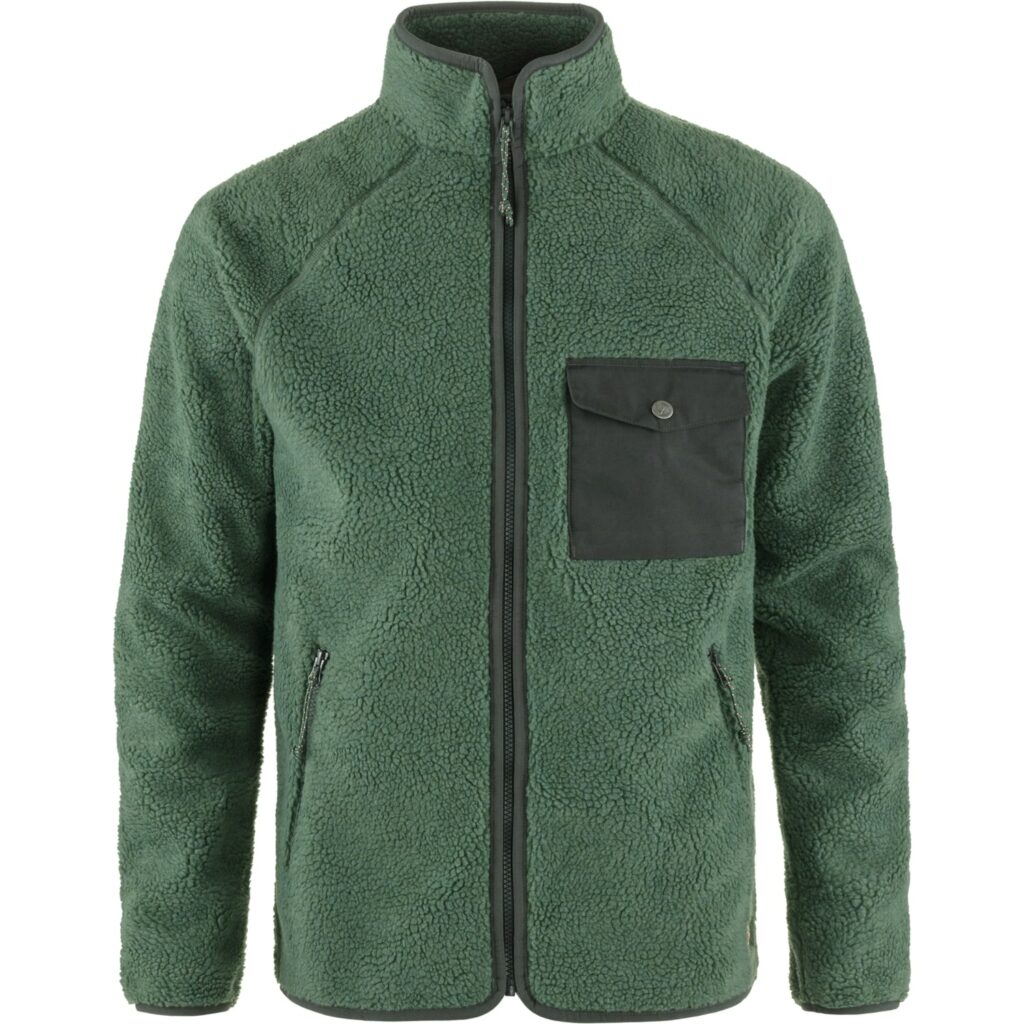
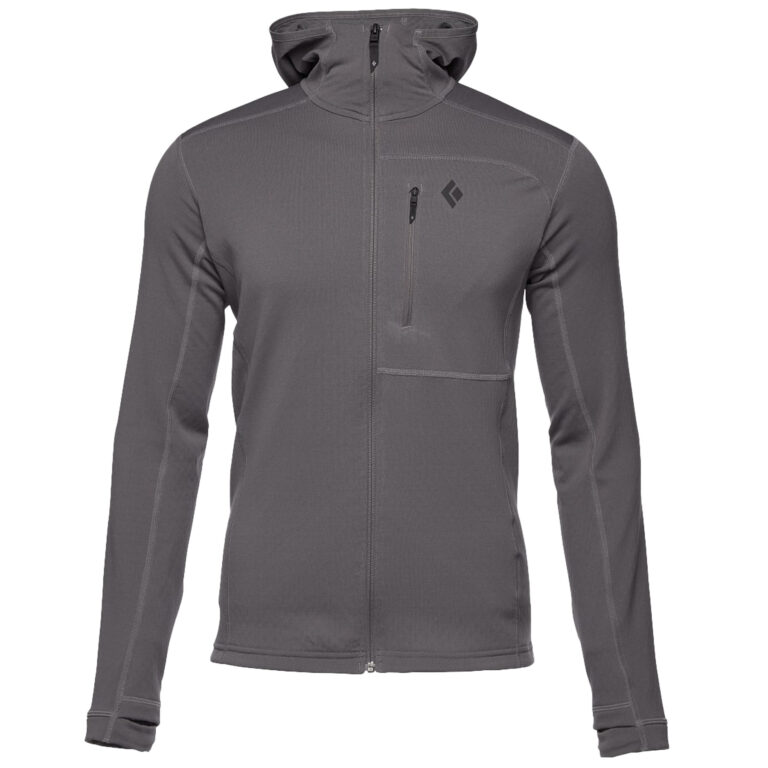
Technical fleeces are great for keeping warm during winter. Often, they have less bulk, allowing them to fit more comfortably underneath your outer layer, and are more breathable, usually due to the materials or type of construction used. There’s an array of fleeces to suit every need and activity, from chunkier ones that work nicely for casual outings, to super lightweight garments with minimal features, for those adventures where every gram counts. We’ve chosen some of our favourites for winter hiking that you can shop below. Alternatively, check out our entire range of midlayers by clicking here.
Men’s
Fjallraven Men’s Vardag Pile Fleece in Deep Patina/Iron GreyBlack Diamond Men’s Coefficient Hoodie in Granite
Women’s
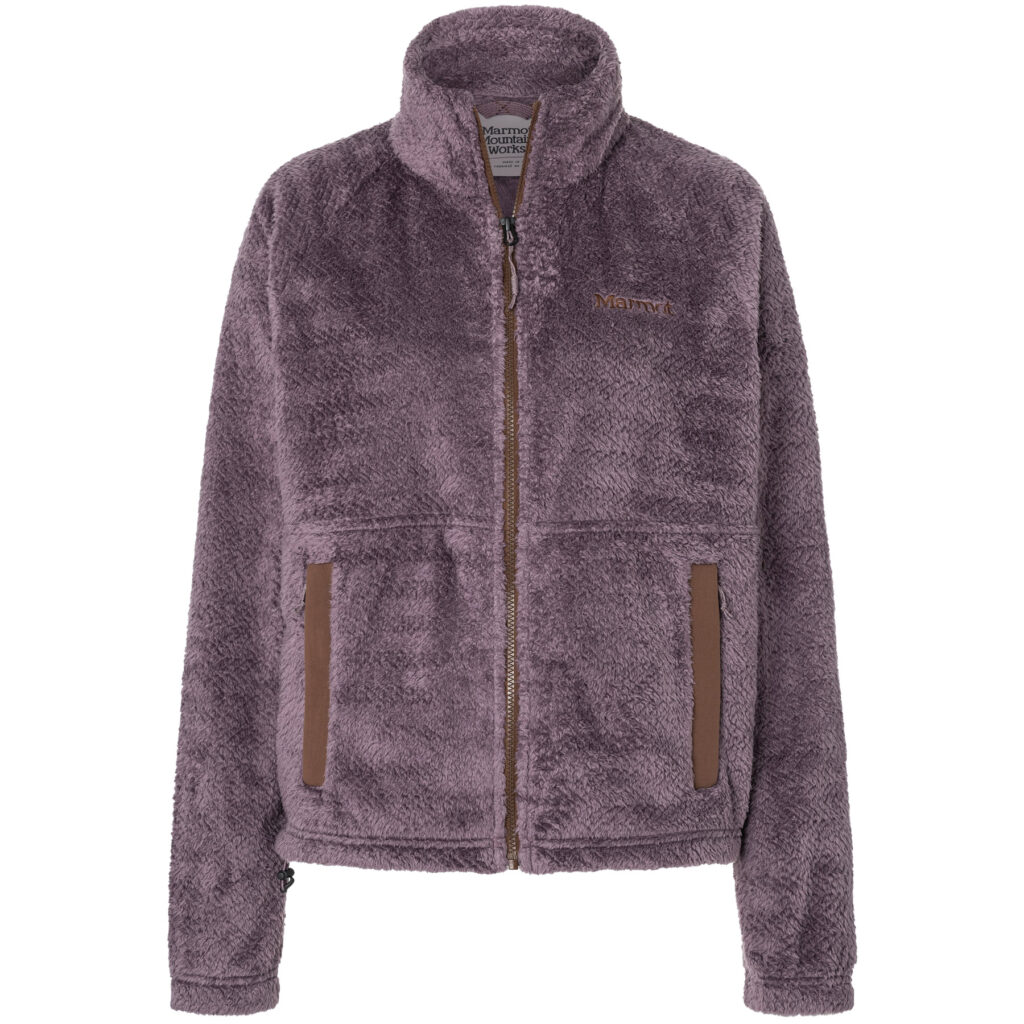
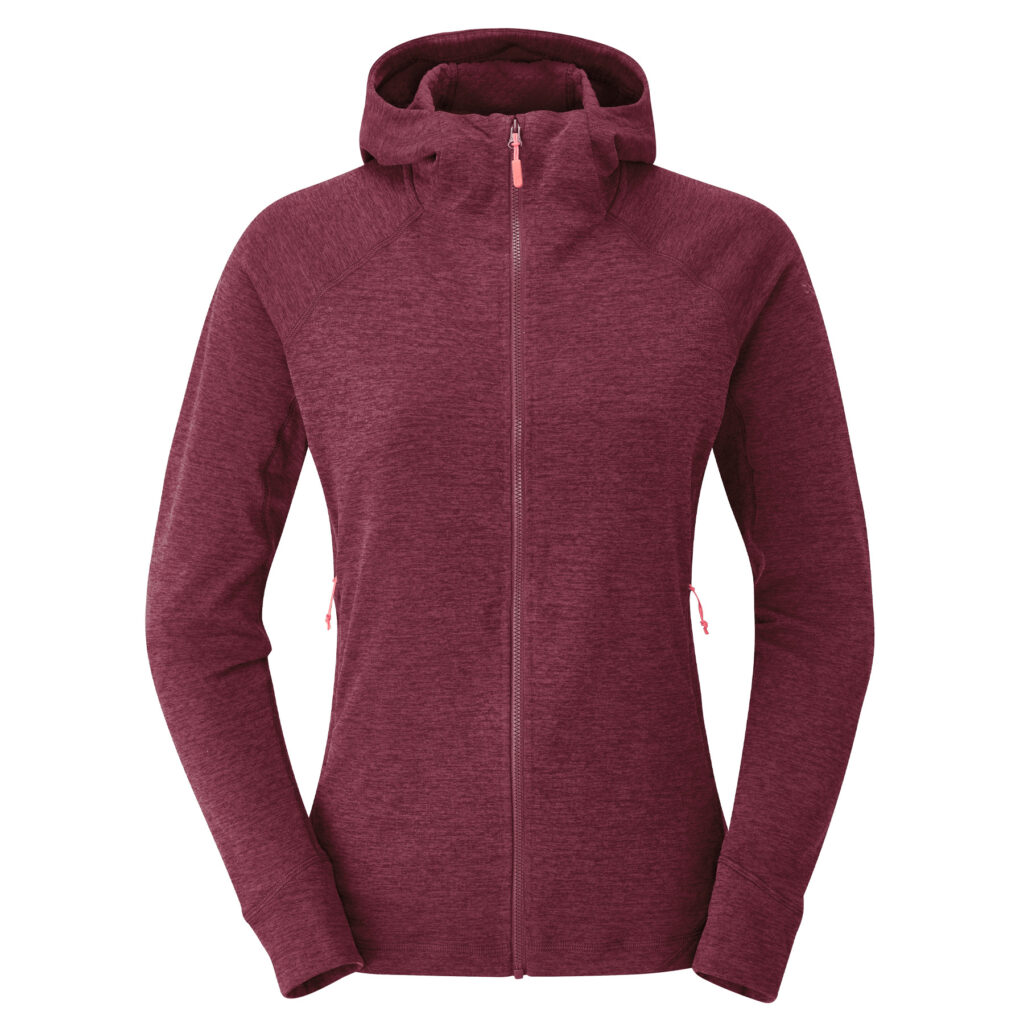
Marmot Women’s Homestead Fleece in Hazy PurpleRab Women’s Nexus Hoodie in Deep Heather
3. Insulated Jackets
There are two types of insulated jackets, both of which work well for winter hiking – down and synthetic. Down insulation uses small down feathers that usually come from ducks and geese. It’s incredibly warm, super lightweight, and packable. However, pure down insulation can often lose its heat once wet, so if you get caught in a heavy downpour when wearing it, you’re pretty much screwed until it dries out. Some products contain hydrophobic down, which is water resistant, giving you a little extra protection in rainy conditions, depending on how long you’re exposed to the elements for. Synthetic insulation uses man-made fibres that trap insulation almost as effectively as down. It can be beneficial in unpredictable conditions, as synthetic insulation stays warm when wet. Synthetic also makes a great vegan alternative to down. However, some synthetic insulation can weigh more and may be less packable.
The best way to choose an insulated jacket is to consider what you’ll be using it for. If you’re generally using it for dog walking or casual weekend hikes, you probably don’t need it to be super lightweight and packable. Therefore, a synthetic option would work well. However, a down jacket may suit you better when carrying lots of kit on a multi-day adventure, as they come with minimal weight and pack size. We’ve chosen some great insulative options for winter hiking that you can browse below. Alternatively, check out our entire range of insulated jackets here.
Down Jackets
Men’s
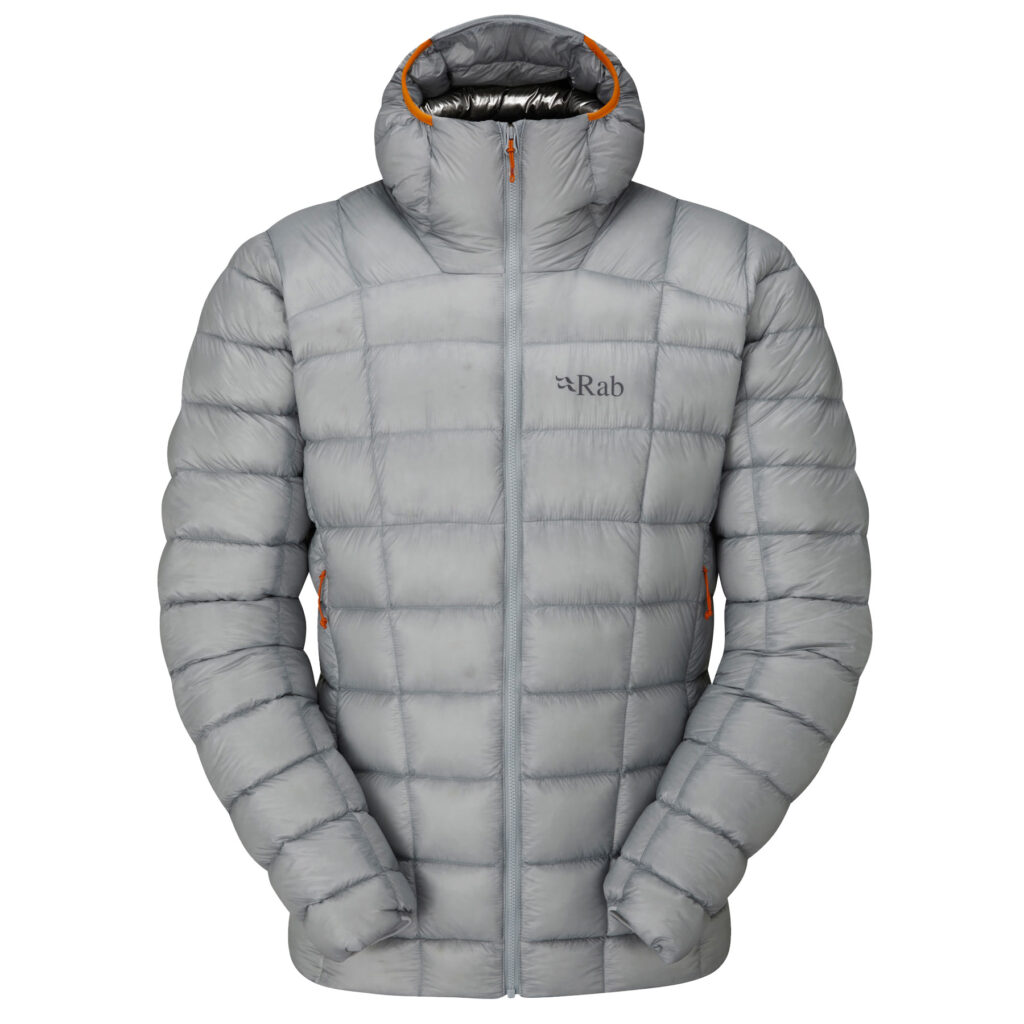
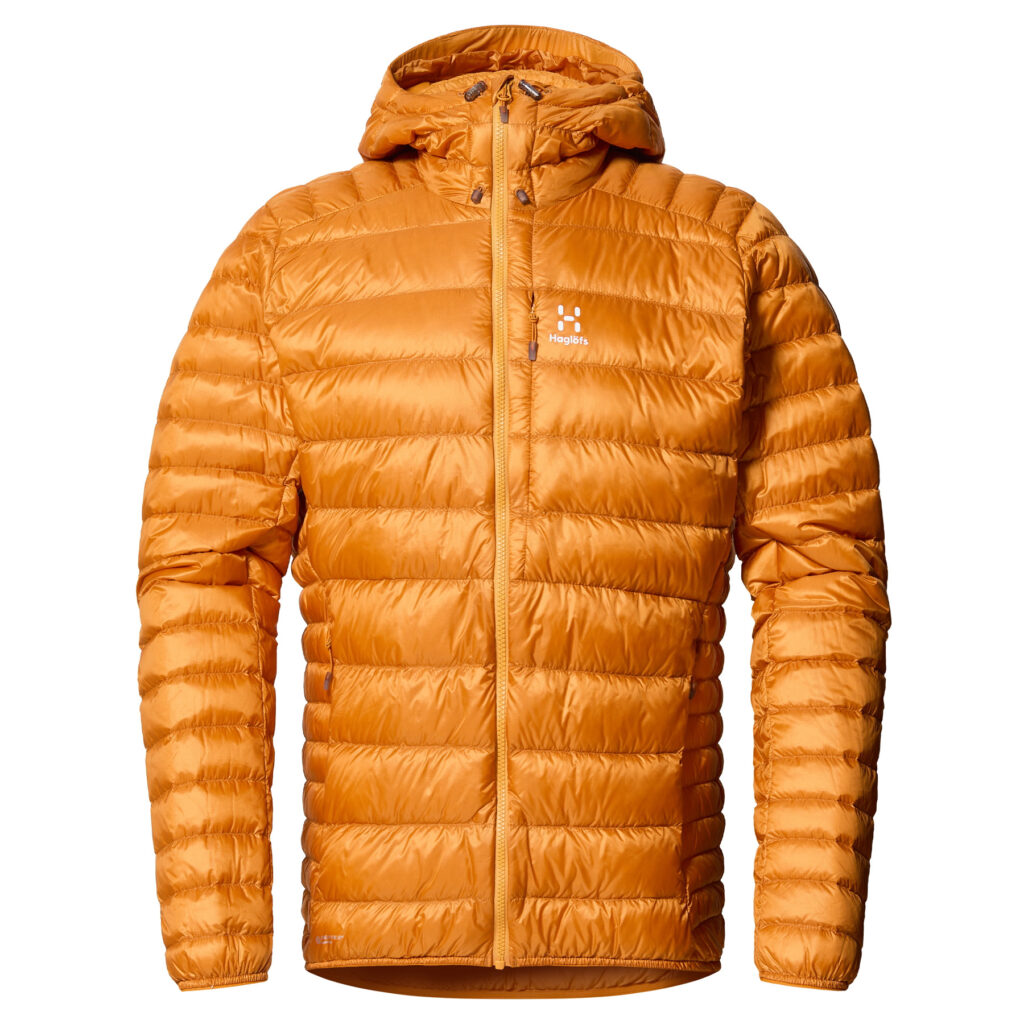
Rab Men’s Mythic G Jacket in CloudHaglofs Men’s ROC Down Jacket in Desert Yellow
Women’s
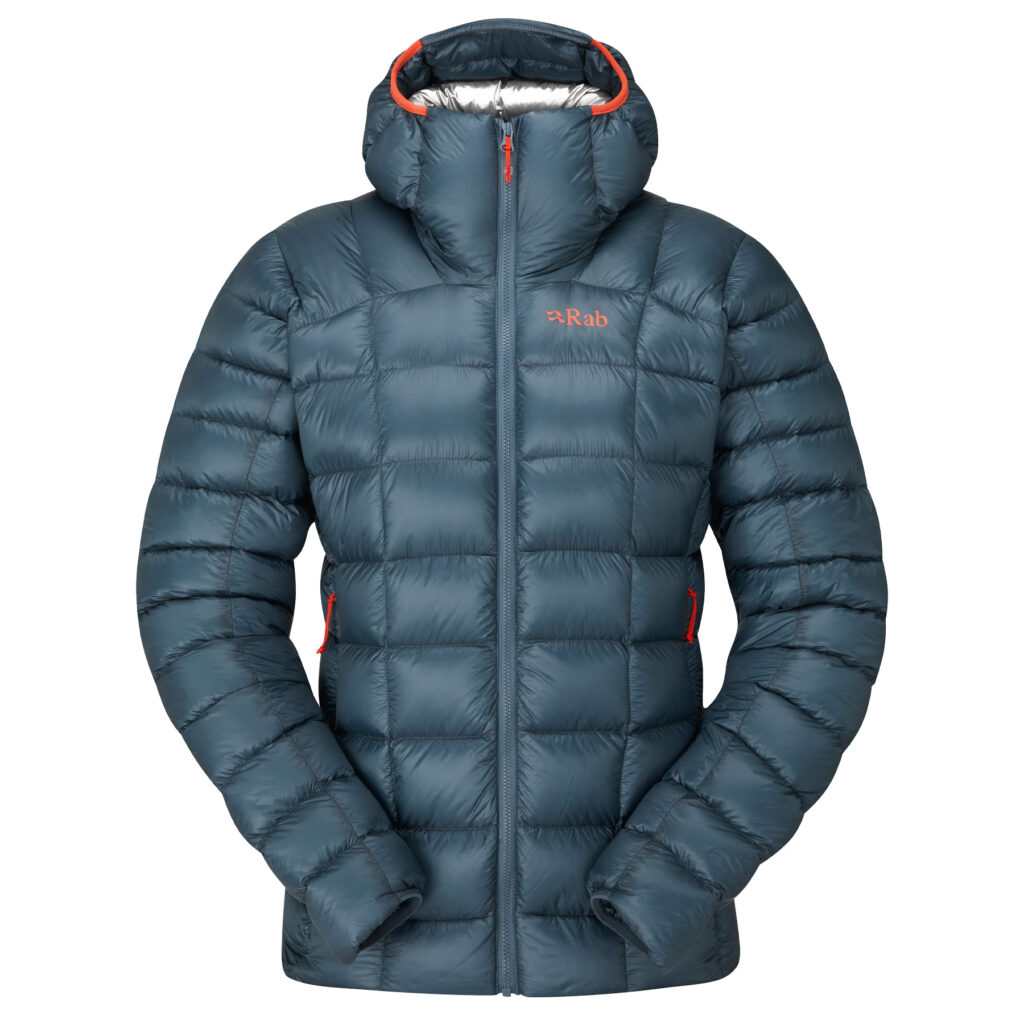
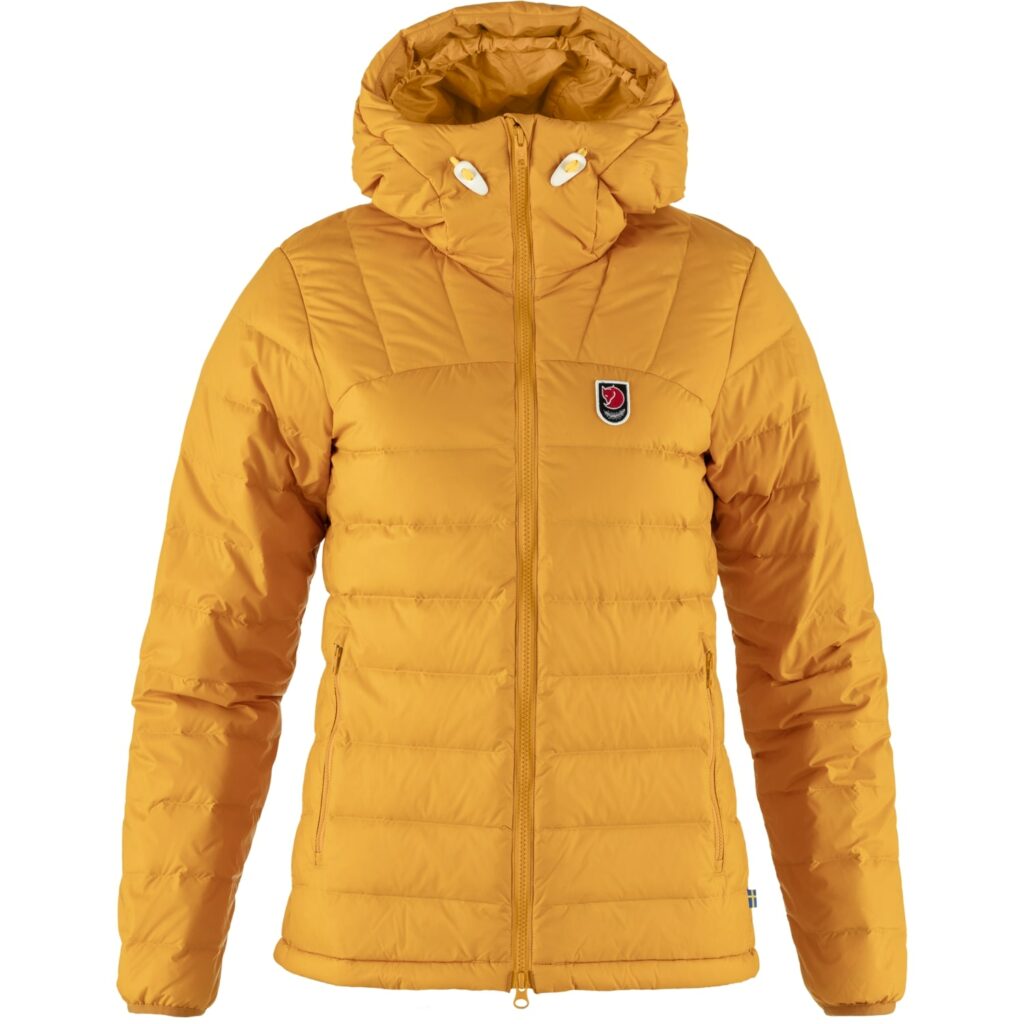
Rab Women’s Mythic G Jacket in Orion BlueFjallraven Women’s Expedition Pack Down Hoodie in Mustard Yellow
Synthetic Jackets
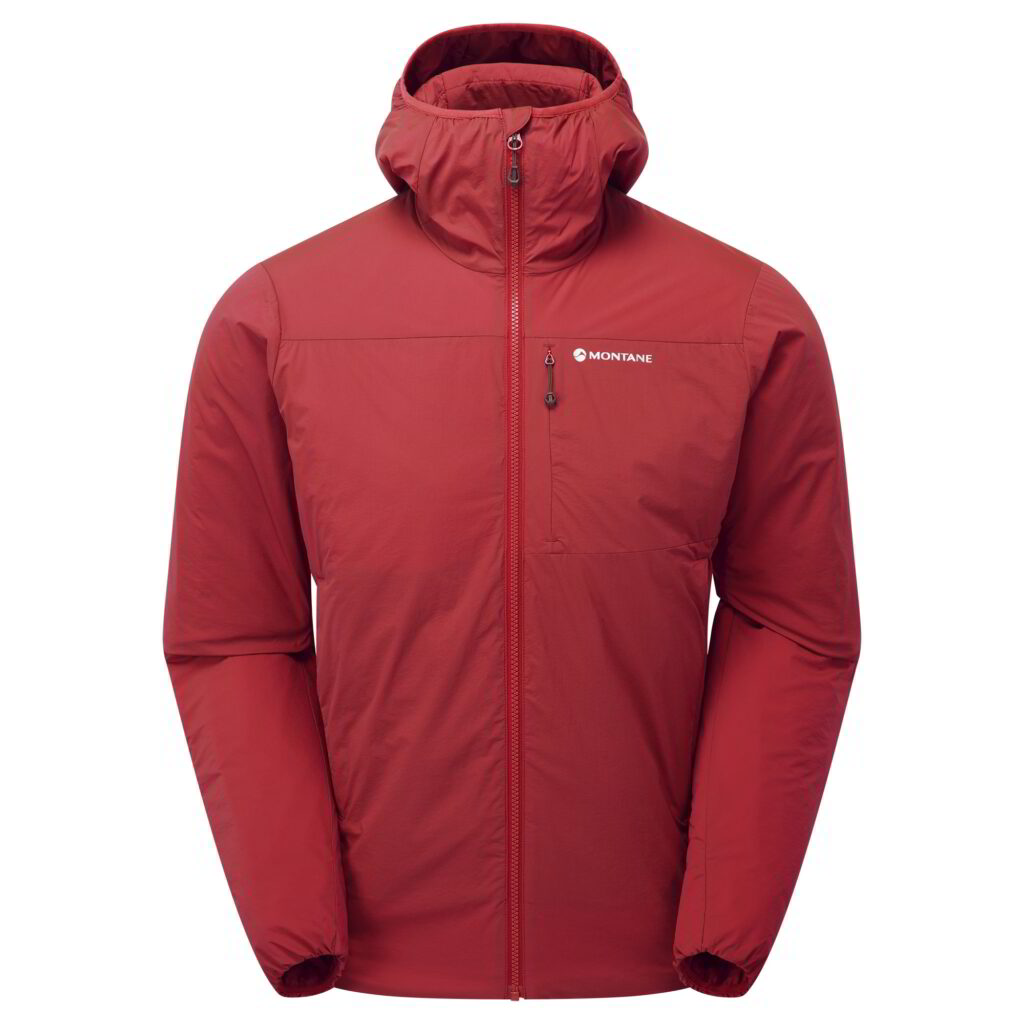
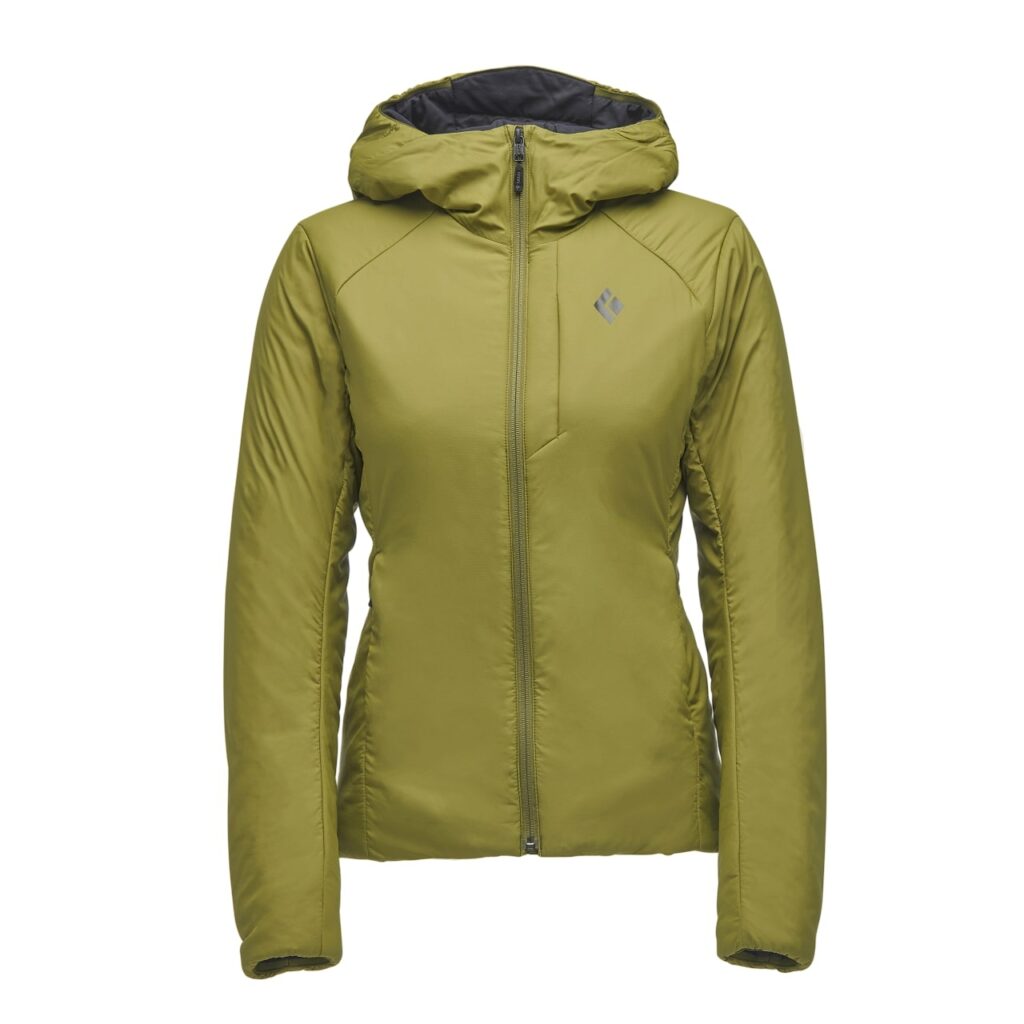
Montane Men’s Fireball Hoodie in Acer RedBlack Diamond Women’s First Light Stretch Hoodie in Crag Green
4. Waterproof Jackets
This might seem obvious, but even on the sunniest-looking days, a waterproof jacket wouldn’t go amiss, especially during winter! Not only do they protect you from rainfall, but they often provide shelter from the wind, too, which is a game-changer when you stop for lunch on the summit. Plus, let’s not forget how unpredictable the weather can be when venturing above the tree line.
We commonly see our waterproofs carry a big Gore-Tex® badge, which provides peace of mind that the jacket will perform correctly. However, in recent years, we’ve seen more proprietary membranes emerge as an alternative. These membranes work just as well as Gore-Tex®! Proprietary membranes are basically designed by the brand and belong to that label. For example, Fjallraven often uses its own Hydratic® waterproof membrane, whilst Haglofs uses its three-layer PROOF® membrane. Below are some great options to shop, or if you’d like to browse our full range of waterproofs, click here.
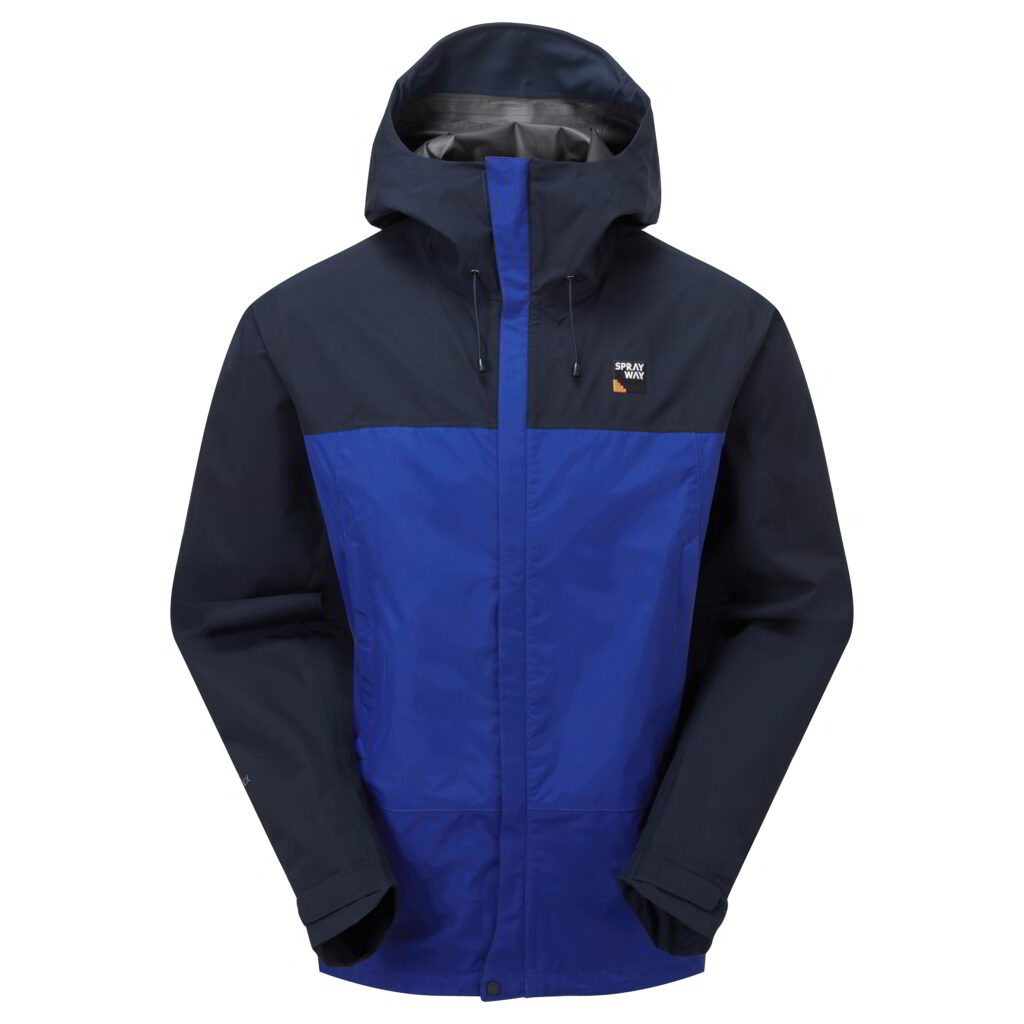
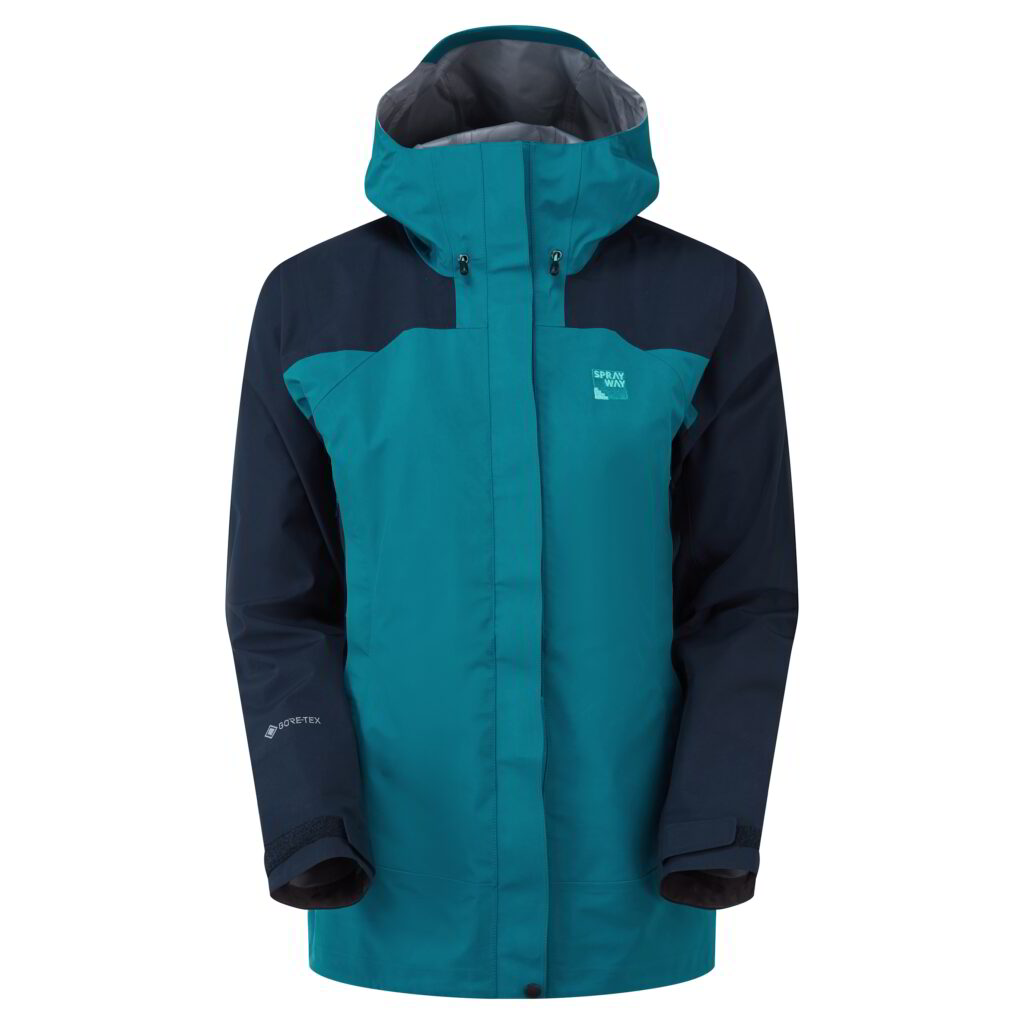
Sprayway Men’s Cape Wrath Jacket in Cobalt/BlazerSprayway Women’s Torridon Jacket in Lyons Blue/Blazer
5. Waterproof Footwear
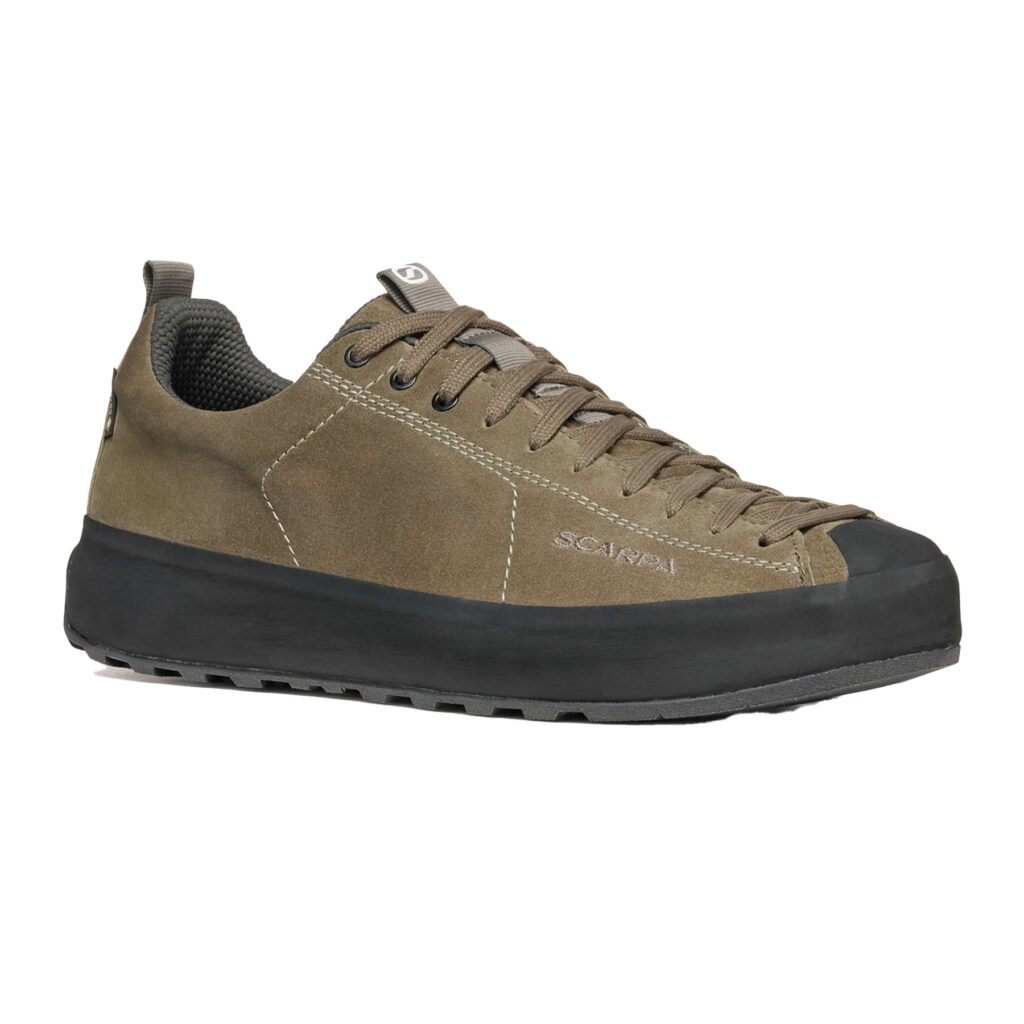
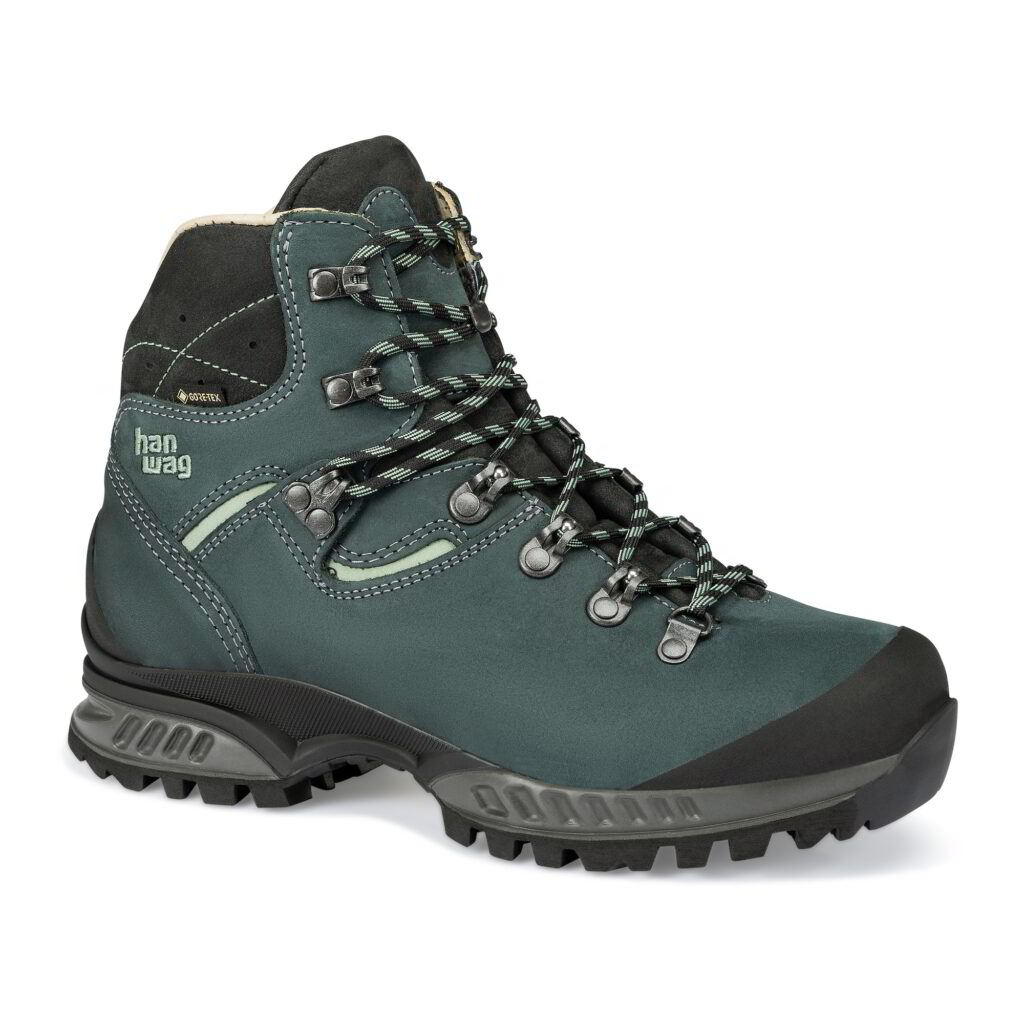
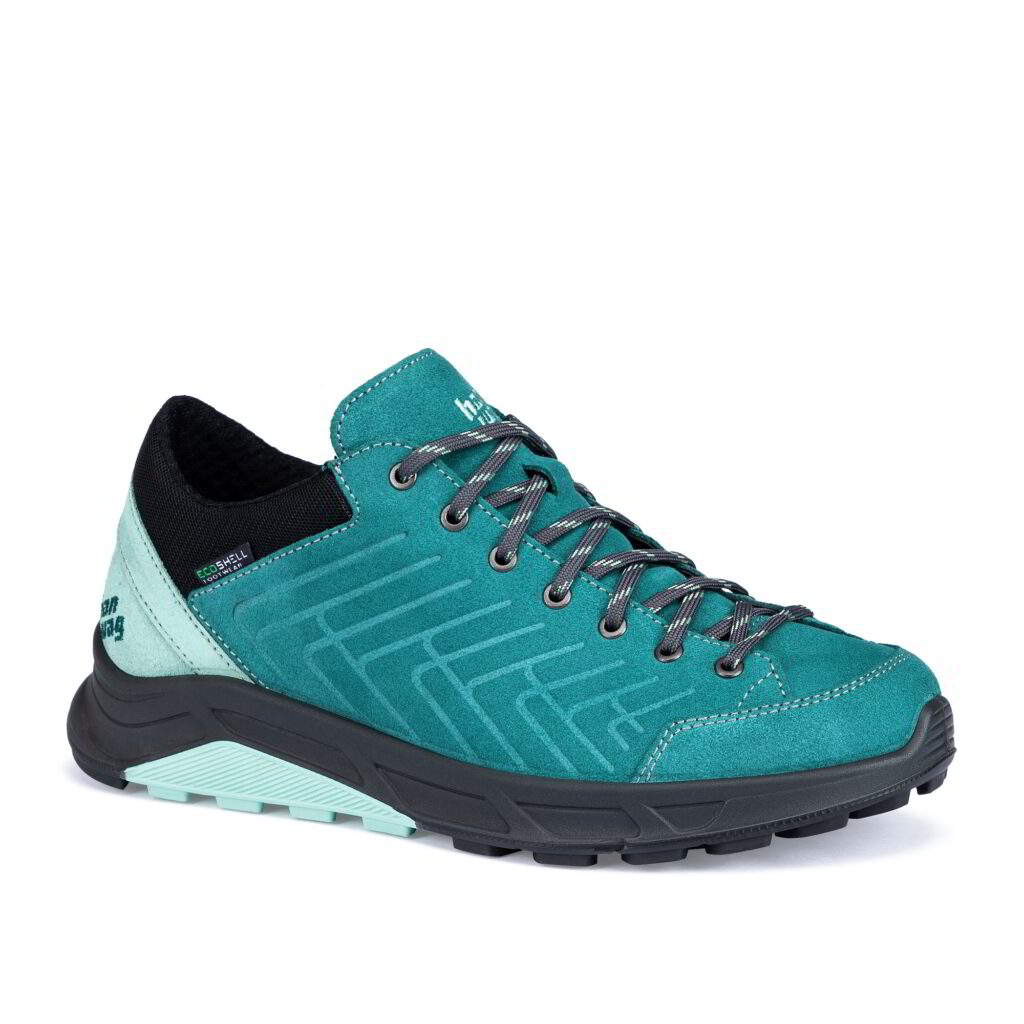
Owning a pair of waterproof boots, or even shoes, is essential for the wintertime, whether hiking in the mountains or even exploring the city. It’s pretty self-explanatory and can save you from enduring a whole day of suffering soggy feet and cold, damp socks. Like the jackets, some waterproof footwear comes with a Gore-Tex® membrane, providing the classic ‘Guaranteed To Keep You Dry’ promise. Others are available with proprietary membranes, such as Scarpa’s HDry® or Keen’s Keen.Dry membrane. Though waterproof, these types of footwear will still offer ample breathability to help prevent sweat build-up inside – especially when wearing a good pair of technical socks! Take a look at our top picks for waterproof boots and shoes below, or shop the entire range here.
Men’s
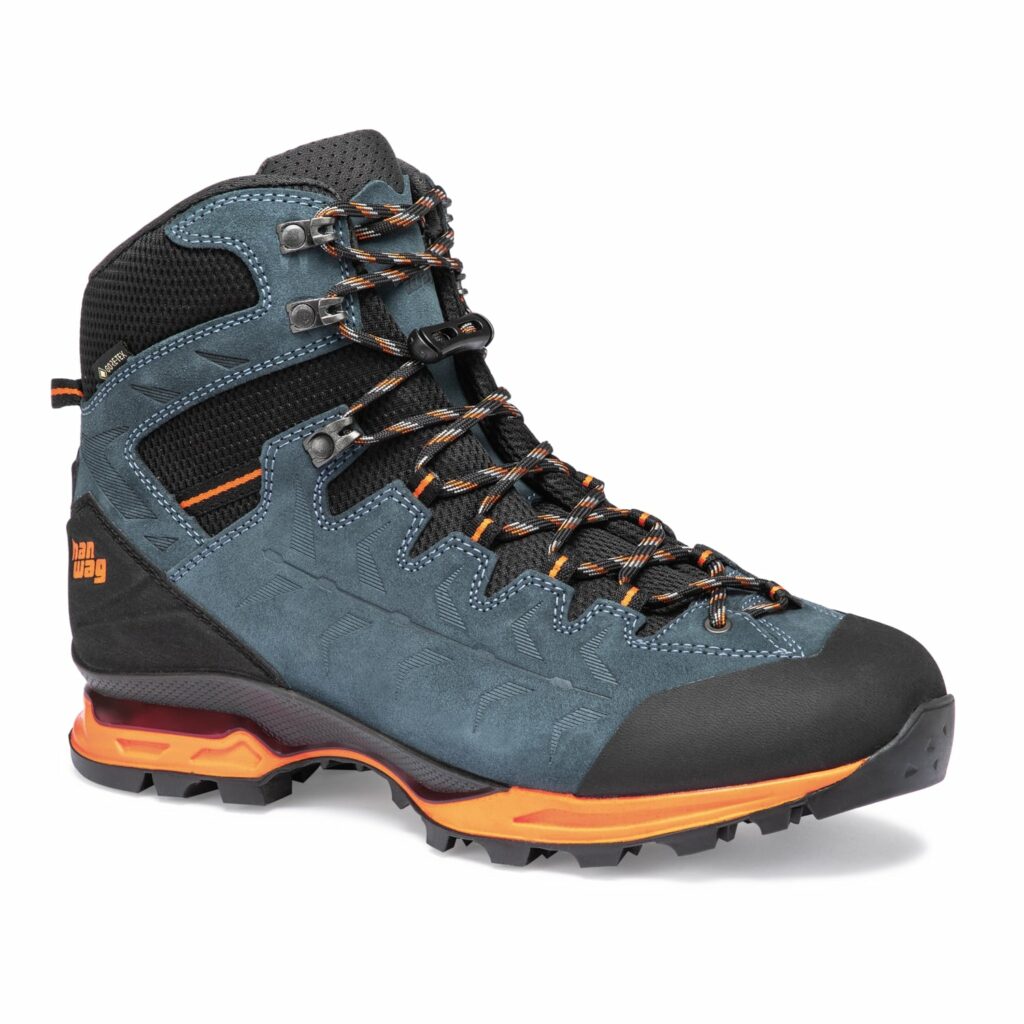
Hanwag Men’s Makra Trek GTX in Steel/OrangeScarpa Men’s Mojito Wrap GTX in Dark Rock
Women’s
Hanwag Women’s Tatra II GTX in Mint/PetrolHanwag Women’s Coastrock Low ES in Teal/Mint
So, there you have it. Trekitt’s top five winter essentials to keep you warm, protected and happy, no matter the weather. A few little extras that are worth considering when venturing out would be gloves, to keep the frost from biting at your fingertips, warm headwear, to protect your ears, technical socks, for temperature regulation and blister prevention, and snacks (of course) to keep your energy up and your body warm.
What’s New for Winter 2026
Layering systems are more refined and versatile. Merino wool baselayers remain the foundation of winter comfort, with brands such as Devold continuing to set the standard for temperature regulation and moisture control. Merino blends, used by Artilect and Tierra, are increasingly popular for their added durability during frequent winter use.
Midlayers are lighter and easier to regulate on the move.
Technical fleeces and breathable midlayers—such as those from Rab and Black Diamond—reflect a shift towards active insulation that keeps walkers warm while moving without causing overheating on climbs.
Insulated jackets better match real UK winter conditions.
Synthetic insulation continues to gain ground thanks to its ability to stay warm when damp, while modern down jackets from brands like Rab and Fjällräven are lighter and more packable for multi-day adventures or cold summit stops.
Waterproof protection is more brand-led and flexible.
Alongside familiar Gore-Tex shells, proprietary membranes such as Fjällräven’s Hydratic and Haglöfs PROOF now offer reliable weather protection with improved comfort and breathability for winter hiking.Winter footwear prioritises dryness and all-day comfort. Waterproof boots and shoes from brands like Hanwag, Scarpa, and Keen combine supportive designs with breathable membranes, helping to keep feet warm, dry, and comfortable during long cold days on the trail.
Final Word
As usual, if you have any questions, don’t hesitate to get in touch! Reach out to us on our social media channels, whether Facebook or Instagram, via email at [email protected], or call our friendly customer service team on 01432 263 335. If you’re local to Hereford, why not visit us in-store? You can speak to one of our lovely staff members in person, and get some hands-on assistance with finding the right product.
Did you enjoy this blog? If so, why not check out our other wintry article that features our top ten tips for winter hiking – click hereto give it a read.
Written by Rachel Tooley.
FAQ
How much water should I carry on a hike?
As a general rule, aim for 500 ml per hour of walking, adjusting for heat, terrain, and effort level. For longer or hotter hikes, consider a hydration reservoir or water filter so you can safely refill from natural sources.
Do I really need a backpack for a short hike?
Yes—even short hikes benefit from a small backpack. It allows you to carry water, an extra layer, snacks, and emergency items comfortably, keeping your hands free and weight evenly distributed.
What clothing is essential for hiking in the UK?
In the UK, essentials include moisture-wicking base layers, an insulating midlayer, and a waterproof outer layer. Weather can change quickly, so even summer hikes often require a lightweight waterproof jacket and warm layer.
Should I carry navigation tools if I’m using my phone?
Yes. Phones can lose signal or run out of battery, so carrying a map, compass, or an offline GPS backup is essential—especially in remote areas. Navigation is a crucial aspect of hiking safety, encompassing not only route planning but also other essential elements.
What safety items are essential for hiking?
Essential safety items include a first aid kit, headtorch, whistle, emergency shelter, and a fully charged phone or power bank. These items are rarely used—but invaluable when something goes wrong.
How do hiking essentials change with the seasons?
In winter, essentials expand to include warmer insulation, gloves, hat, and possibly traction devices. In summer, sun protection, extra water, and breathable clothing become more important. Always adjust your kit to conditions, not just distance.
Is it better to buy or rent winter hiking gear?
If you’re new to winter hiking or trying a new activity, renting hiking gear (link) can be a smart way to test what works before investing. For frequently used essentials like footwear or waterproofs, owning well-fitted gear is usually worth it.


Leave a Reply