
TREKITT’S TOP PICKS:
BEST MIDLAYERS FOR MOUNTAIN BIKING
BEST MIDLAYERS FOR:

GEAR UP FOR YOUR NEXT ADVENTURE WITH TREKITT’S TOP PICKS:
BEST MIDLAYERS FOR MOUNTAIN BIKING 🏞️🚴
Whether you’re hitting the trails for an intense ride, cruising through forest paths, or tackling steep mountain terrain, we’ve got the perfect midlayer picks for you. Stay warm and comfortable as you ride, knowing you’ve got gear you can rely on. We update our selection of the best midlayers for mountain biking every season, ensuring you have the latest and most reliable options.
💡 Need help understanding insulation types, fabrics or fit? Read our How to Choose a Midlayer guide for expert advice.
MIDLAYERS FOR MOUNTAIN BIKING
WHAT ARE BEST MIDLAYERS FOR MOUNTAIN BIKING?
Lightweight Softshell Midlayer
They offer a perfect balance of protection, comfort, and performance. These midlayers provide excellent wind resistance, shielding you from cold gusts on fast descents and exposed trails. Their breathable fabrics ensure that excess heat and moisture escape, keeping you dry and comfortable during intense rides. The flexibility and stretch of softshell materials allow for unrestricted movement, crucial for navigating dynamic terrain and technical maneuvers. Additionally, lightweight softshells are durable, able to withstand abrasions from rough trails and frequent use, and they often come with water-repellent finishes that protect against light rain and splashes.
Synthetic Insulated Midlayers
Synthetic insulated midlayers are ideal for mountain biking because they provide warmth without bulk, ensuring flexibility and ease of movement. They effectively wick moisture away from the body and dry quickly, keeping you dry and comfortable during intense rides. Unlike down, synthetic insulation retains its insulating properties even when wet. Additionally, they are lightweight and packable, making them convenient to carry, and their stretchy materials ensure unrestricted movement for dynamic biking activities.
Hybrid Fleeces
Perfect for mountain biking due to their combination of warmth, breathability, and wind resistance. They keep you warm while allowing moisture to escape, preventing overheating during intense rides. Wind-resistant panels protect against cold winds, enhancing comfort. Their stretchy, flexible design ensures unrestricted movement, crucial for dynamic biking. Additionally, these midlayers are durable, lightweight, and easy to layer, adapting well to changing weather conditions.
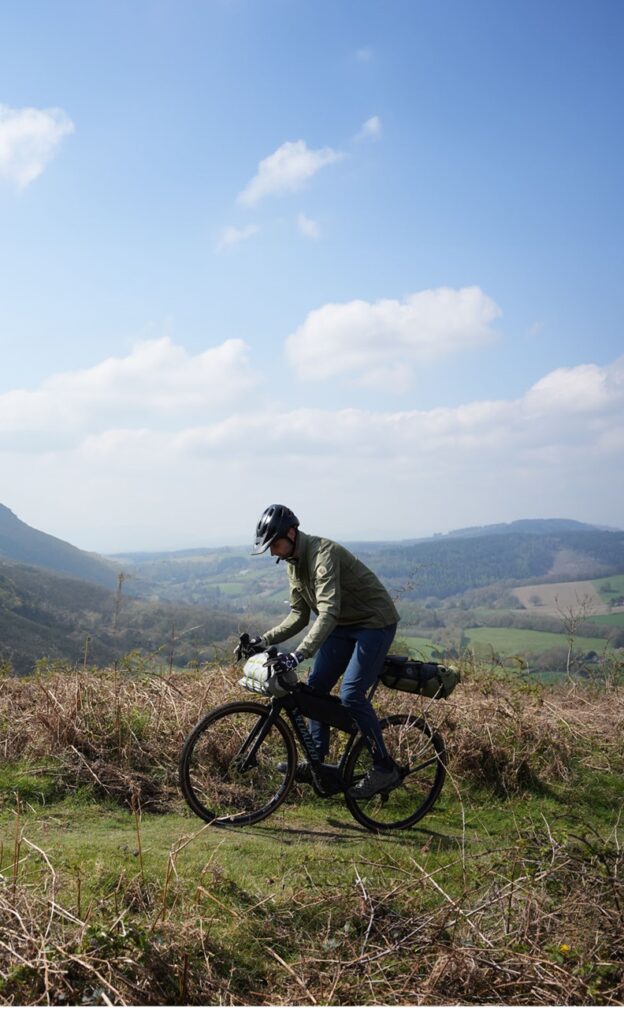
TREKITT’S TOP PICKS: BEST MOUNTAIN BIKING MIDLAYERS FOR WOMEN

Rab Womens Ascendor Summit Hoody
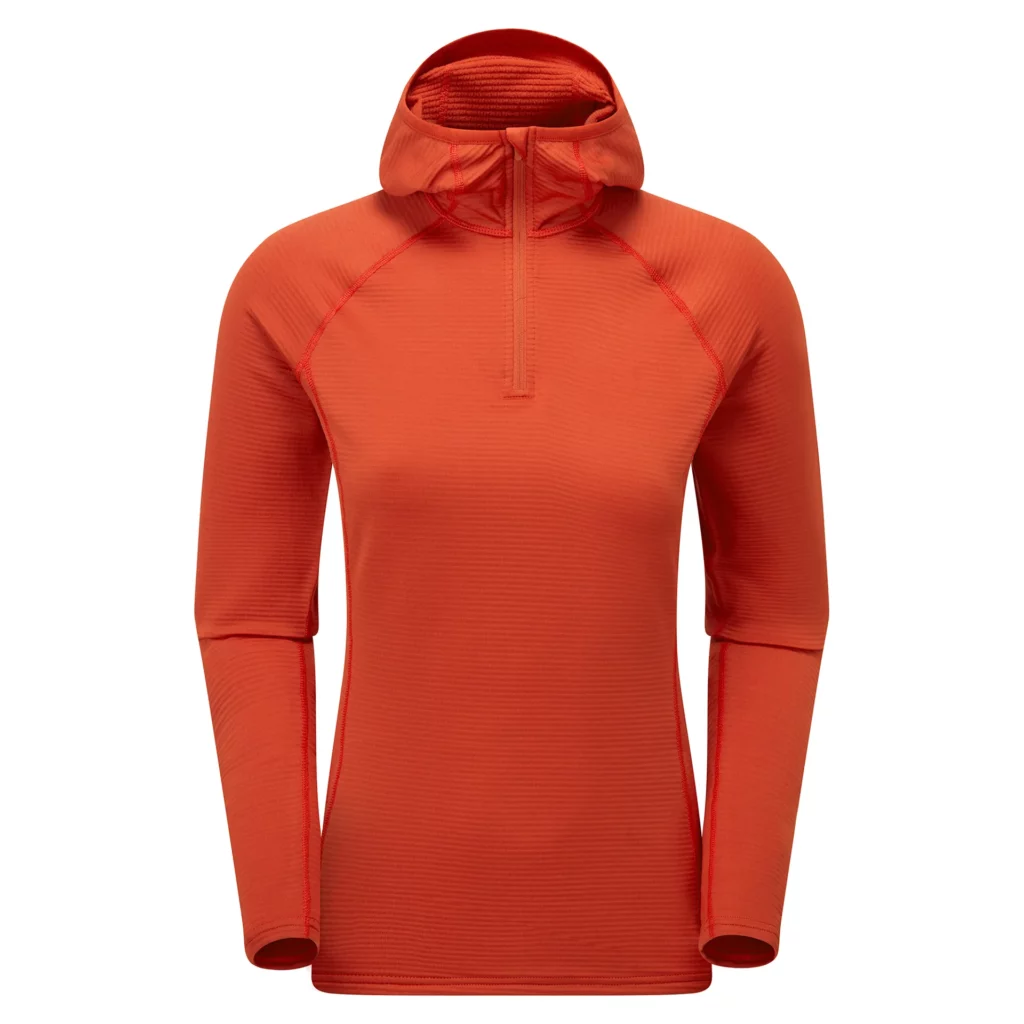
Montane Womens Protium Lite Hoodie
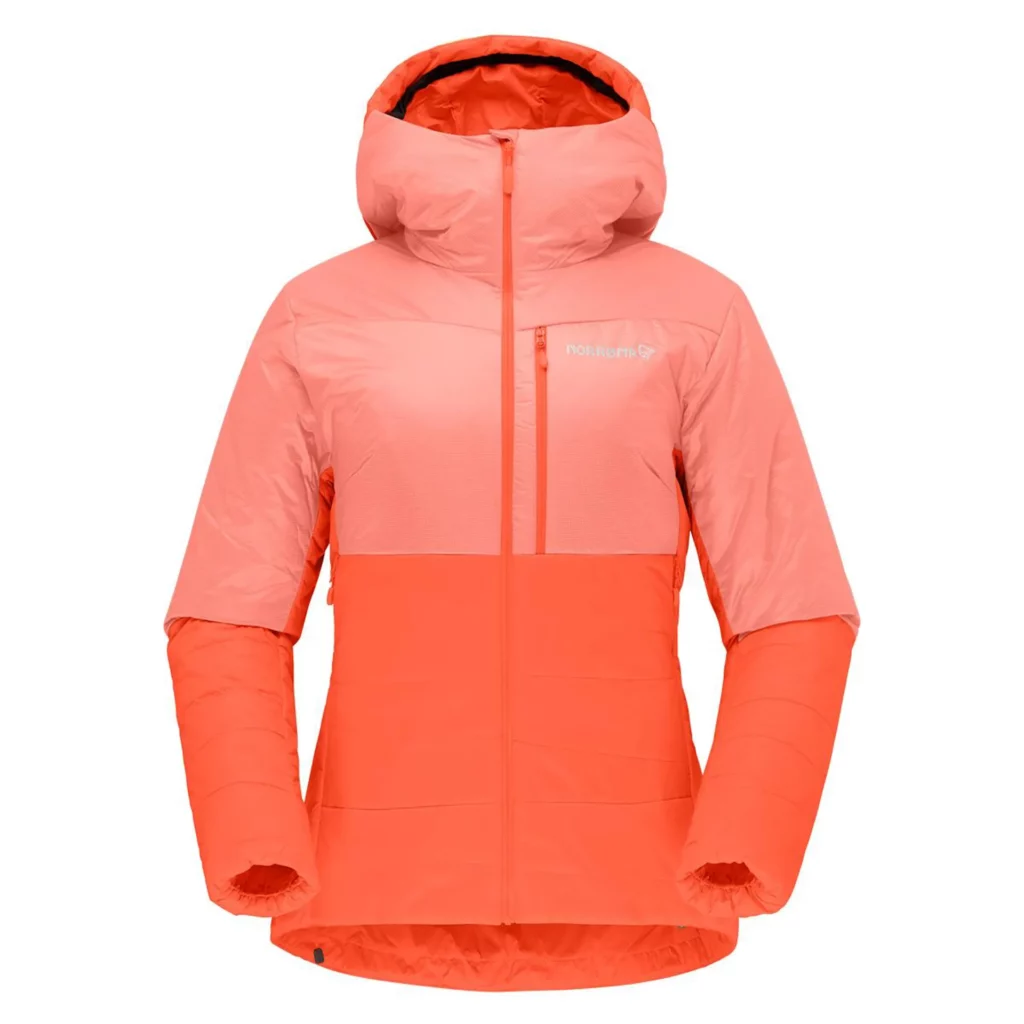
Norrona Women’s Falketind Thermo60

TREKITT’S TOP PICKS: BEST MOUNTAIN BIKING MIDLAYERS FOR MEN
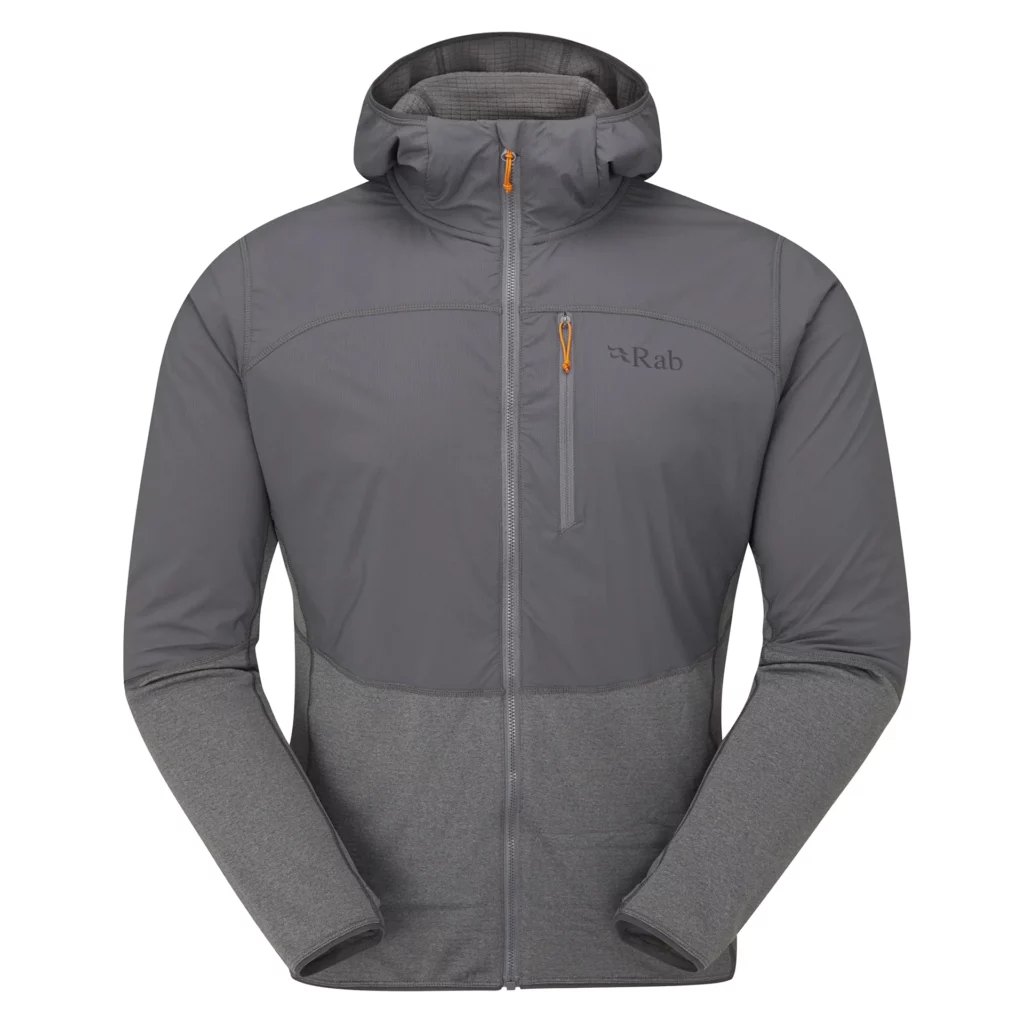
Rab Mens Ascendor Summit Midlayer
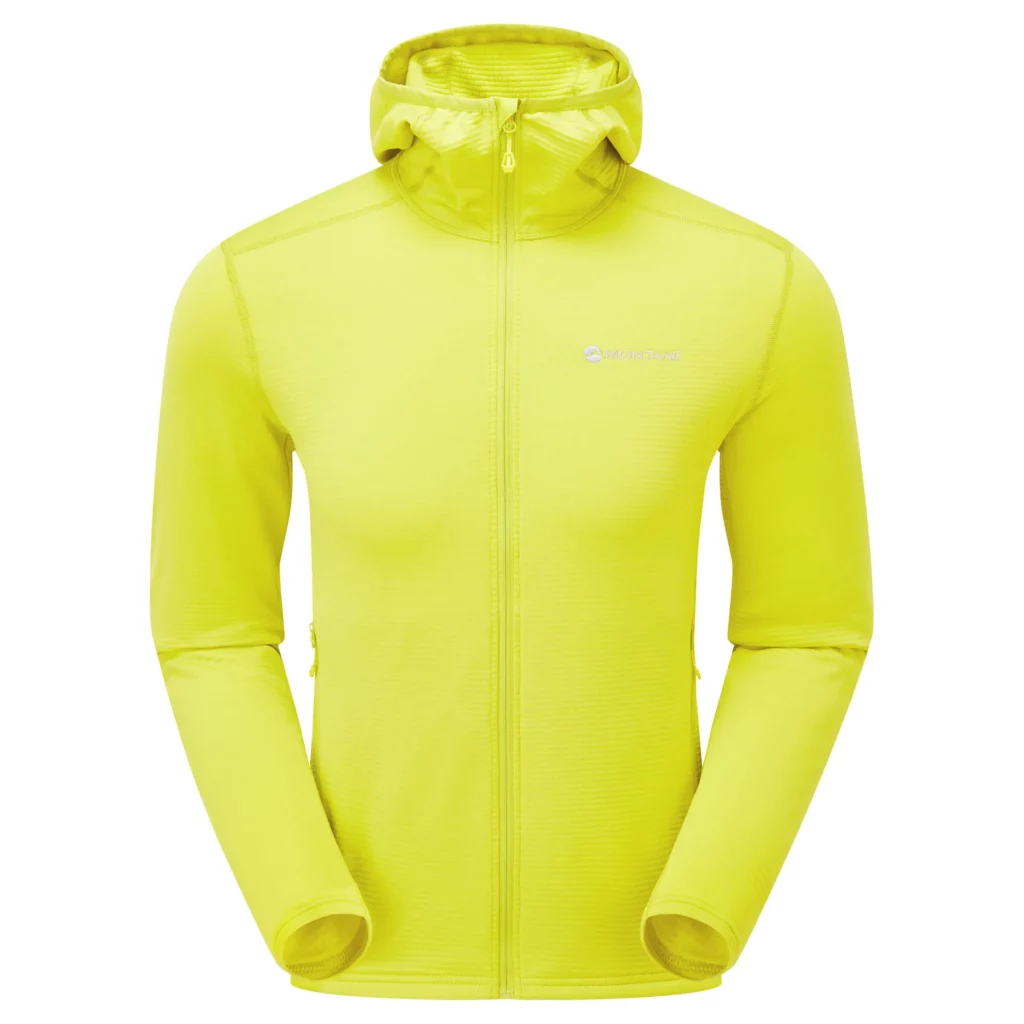
Montane Men’s Protium Lite Hoodie
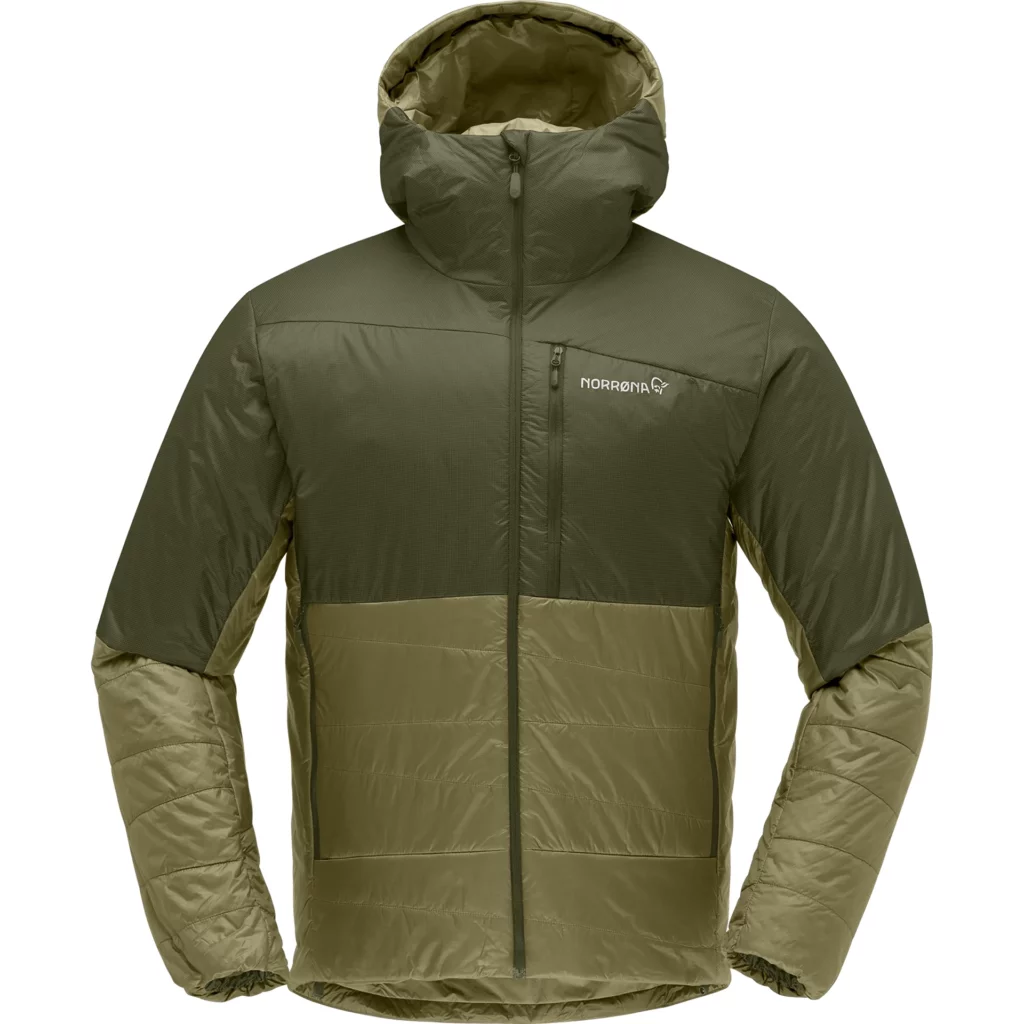
Norrona Men’s Falketind Thermo60
FEATURES TO LOOK FOR IN A MOUNTAIN BIKING MIDLAYER
Choosing the right midlayer is crucial to staying warm, dry, and comfortable while mountain biking. Whether powering up steep climbs, racing through forest trails, or braving unpredictable weather, your midlayer must perform under all conditions. Here’s a guide to the essential features of a mountain biking midlayer, from moisture-wicking abilities to ventilation and everything in between.
Moisture-Wicking for High-Intensity Rides
Mountain biking demands intense effort, and with that comes sweat. You’ll want a midlayer that efficiently wicks moisture away from your skin, keeping you dry and preventing overheating. Fabrics like merino wool or technical synthetic blends are ideal because they absorb sweat while maintaining breathability.
Zippered Vents for Temperature Control
Some advanced midlayers come with zippered vents, especially in the underarm or chest areas. These vents allow for quick adjustments when you need to cool down during a hard climb but don’t want to stop and take off layers. Opening or closing vents gives you control over your body temperature, which is particularly helpful on long rides where the weather and intensity of effort fluctuate.
Drop-In Pockets for Hydration or Tools
For longer rides where hydration or access to essential tools is critical, drop-in pockets on the back of the midlayer offer a great solution. These easy-to-reach pockets can hold a small water bottle, snacks, or multitools without needing a bulky pack.
Reflective Details for Low-Light Rides
Mountain biking often involves early morning or evening rides where light is limited, especially in shaded or wooded areas. Reflective detailing on your midlayer can improve your visibility to others, whether riding on trails, through urban environments, or crossing roads. These subtle but essential features increase safety by making you more visible in low-light conditions.
Abrasion Resistance for Rugged Terrain
Mountain biking often involves close contact with branches, rocks, and rough surfaces, so a midlayer with reinforced or abrasion-resistant fabric is a key feature. Look for tough materials to handle scrapes and impacts without tearing, particularly in high-wear areas like the shoulders and sleeves. This feature ensures that your midlayer remains durable through rough rides and accidental falls.
Multi-Panel Construction for Targeted Performance
A midlayer with multi-panel construction can enhance performance by using different fabrics in strategic zones. For example, you might have more breathable fabric under the arms and along the back, where heat builds up, while more insulated or wind-resistant fabric is used on the chest and shoulders, where you need more protection. This targeted approach helps regulate temperature, allowing the midlayer to perform better across varying conditions.
Helmet-Compatible Collar and Hood
Mountain biking often involves wearing a helmet, so it’s essential to have a midlayer with a helmet-compatible hood and a high collar. A snug hood that fits under your helmet without bunching up offers protection from wind and light rain, while a high collar shields your neck and chin from the elements. Look for adjustable hoods, allowing you to customise the fit as the weather changes.
BEST MIDLAYERS FOR MOUNTAIN BIKING – FAQ
When choosing a midlayer for mountain biking, look for a lightweight and breathable option that offers both warmth and moisture-wicking capabilities. Features like wind resistance, quick-drying fabric, and compatibility with your hydration pack can make a big difference on the trail. Also, consider practical details such as pockets for storage, reflective elements for visibility, and a longer back hem for coverage in riding positions. Durability and comfort are key, so choose a midlayer that can withstand rugged conditions while keeping you comfortable throughout your ride.
Thumb loops can be useful, especially in cooler weather. They keep the sleeves in place and provide extra warmth by covering part of your hands. Thumb loops also help with layering, ensuring that the midlayer stays tucked under gloves during cold rides.
A midlayer for mountain biking is designed with features specific to the sport, such as a longer back hem to accommodate a forward-leaning position, extra breathability for high-intensity effort, and stretch for unrestricted movement. It also often includes strategic pocket placement and enhanced durability to handle the rugged conditions of biking.
Midlayers with multi-panel construction are designed to use different fabrics in specific areas to optimise performance. For example, lighter, breathable fabrics might be placed where you sweat more (like the back and underarms). At the same time, more insulated or wind-resistant materials cover the chest and arms for added protection in key areas.
You can, but it depends on the temperature and the midlayer’s fabric. For cold-weather rides, wearing a base layer underneath improves moisture-wicking and insulation. Wearing the midlayer alone might be sufficient in mild conditions if it’s breathable and moisture-wicking.
Got questions?
Drop by our Service Centre or hit up our Customer Service team —we’re here to help!
WANT TO LEARN MORE? WHY NOT CHECK OUT OTHER GUIDES?
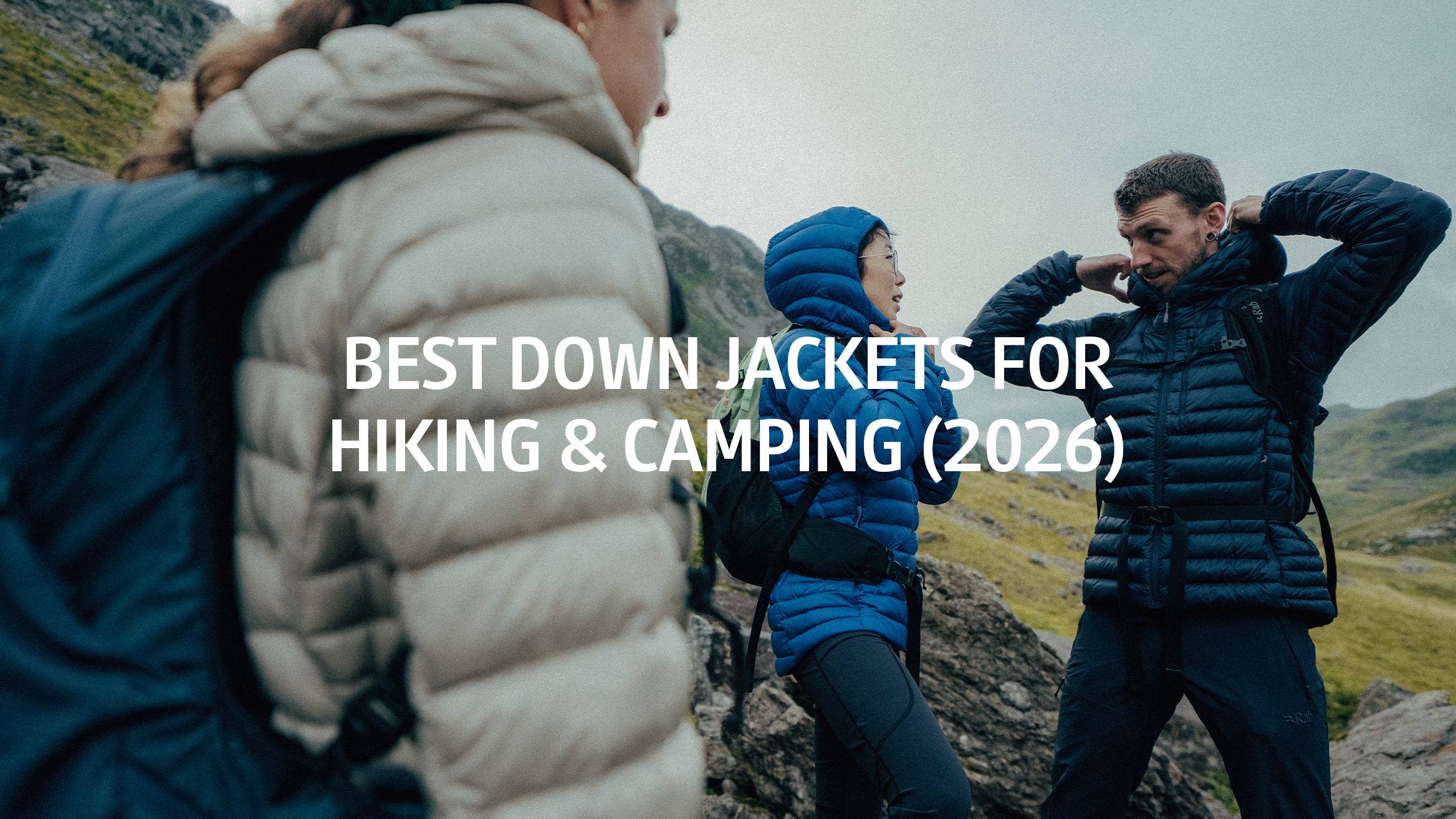
A good down jacket is one of those pieces of outdoor kit that quickly earns its place in your wardrobe. Lightweight, warm and impressively packable, down insulation can provide a lot of warmth without the weight and bulk of heavier winter clothing. However, the best down jacket for a fast day on the hills probably…
Continue Reading Best Down Jackets for Hiking & Camping (2026)
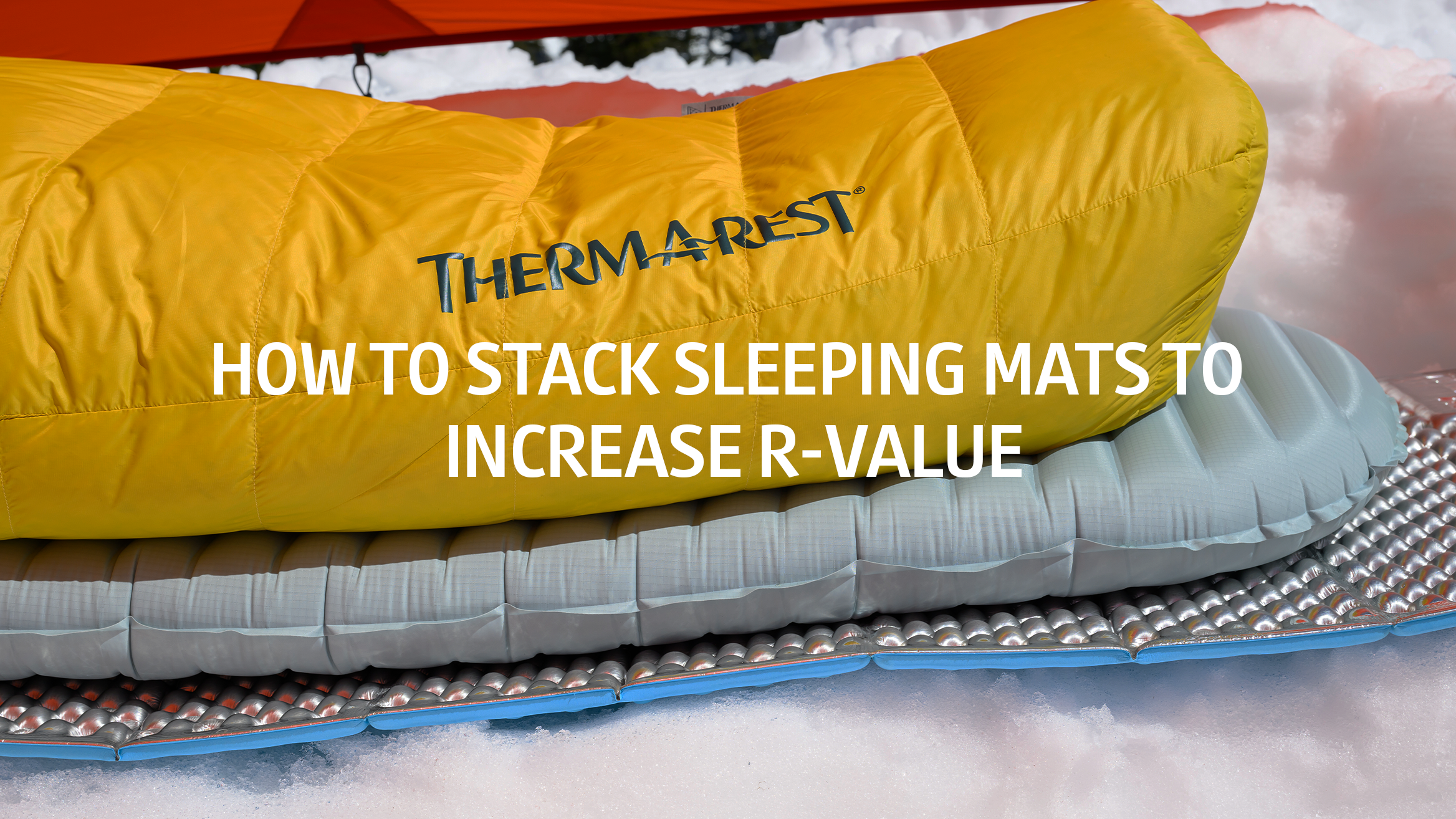
If your sleeping mat isn’t quite warm enough for colder conditions, you don’t necessarily need to replace it. Stacking a second sleeping mat on top or underneath can increase the total R-value of your setup, giving you more insulation from the cold ground. It’s a simple trick, but there are a few things worth knowing.…
Continue Reading How to Stack Sleeping Mats to Increase R-Value
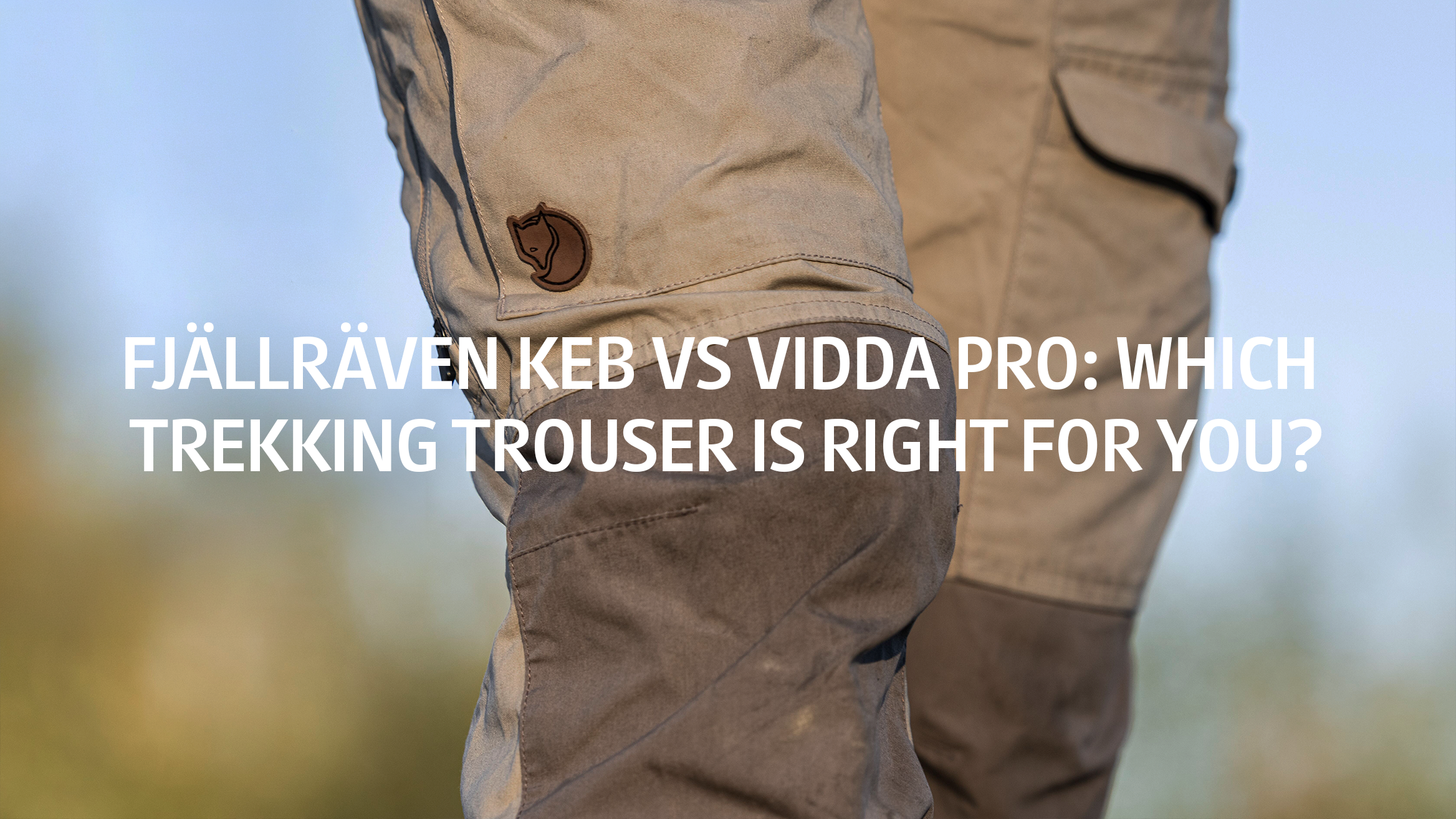
The Fjällräven Keb and Vidda Pro are two of Fjällräven’s best-known trekking trousers. Both are tough, practical and designed for serious outdoor use, but they go about the job quite differently. The Keb combines G-1000 with stretch panels to prioritise movement and ventilation. The Vidda Pro takes a more traditional approach, with extensive use of…
Continue Reading Fjällräven Keb vs Vidda Pro: Which Trekking Trouser Is Right for You?
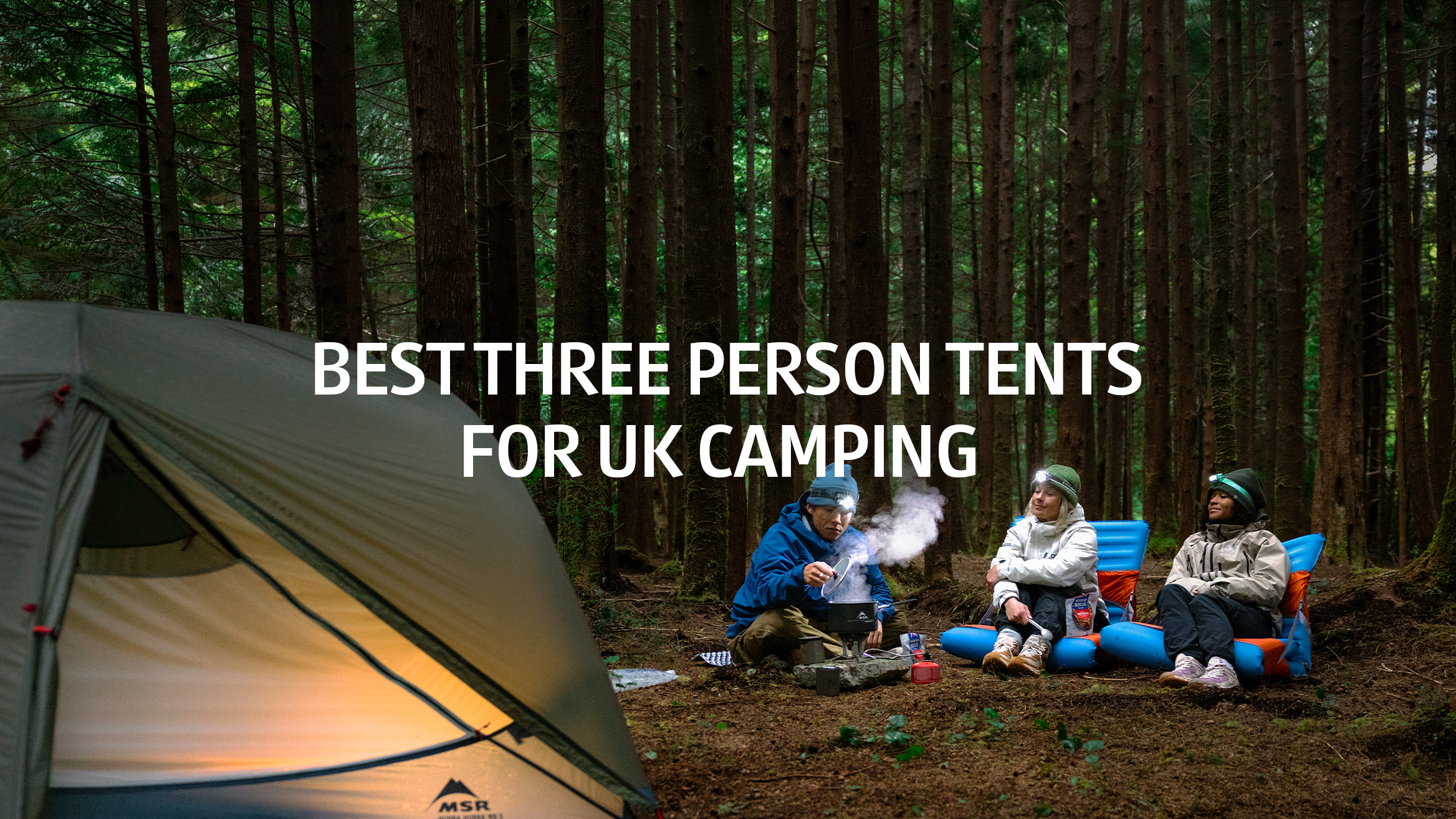
Three-person tents are surprisingly versatile. They can work for three friends travelling light, a small family heading to a campsite, or a couple who simply want more room to sleep and store their kit. The trick is finding one that suits how you actually camp. A lightweight backpacking tent might be perfect for carrying into…