
TREKITT’S TOP PICKS:
BEST MIDLAYERS FOR TRAIL RUNNING
BEST MIDLAYERS FOR:

GEAR UP FOR YOUR NEXT ADVENTURE WITH TREKITT’S TOP PICKS:
BEST MIDLAYERS FOR TRAIL RUNNING 🏃♀️
Whether you’re hitting the trails for a quick sprint, tackling long technical routes, or navigating changing weather on your runs, we have the best midlayers to keep you moving. Stay warm, lightweight, and breathable, knowing you can rely on gear that performs as hard as you do. We refresh our list of the best midlayers for trail running every season, ensuring you’re always equipped with the newest and most innovative options. Whatever the elements throw your way, our top picks will keep you comfortable and ready for your next trail adventure.
💡 Need help understanding insulation types, fabrics or fit? Read our How to Choose a Midlayer guide for expert advice.
TRAIL RUNNING MIDLAYERS
WHAT ARE BEST MIDLAYERS FOR TRAIL RUNNING?
Hybrid Insulated Midlayers
they combine insulation with breathability, keeping you warm without overheating. They wick moisture away, keeping you dry and comfortable. Lightweight and packable, they are easy to carry and store. Stretchy materials provide freedom of movement, essential for dynamic trail running. These midlayers also offer wind and water resistance, protecting you from the elements. Durable construction ensures they withstand the rigours of the trail.
High-performance grided fleece
They provide excellent breathability, moisture-wicking properties, and lightweight design. The grid pattern allows excess heat to escape, preventing overheating, while wicking away moisture to keep you dry and comfortable. Their stretchiness offers great flexibility for unrestricted movement, and their durable construction withstands rough terrains. Additionally, they provide warmth without bulk and feature wind and water resistance, ensuring comfort in varying weather conditions.
Technical Softshell Midlayers
They offer excellent breathability and moisture management, keeping you dry and comfortable during high-intensity activities. The stretch fabric provides flexibility and a full range of motion, essential for navigating rugged trails. Additionally, softshells typically provide wind resistance and some level of water repellency, protecting you from the elements without overheating. Their durability ensures they can withstand the abrasion of rough terrain, and their lightweight design makes them easy to layer or wear alone, making them ideal for varying weather conditions and trail running demands.
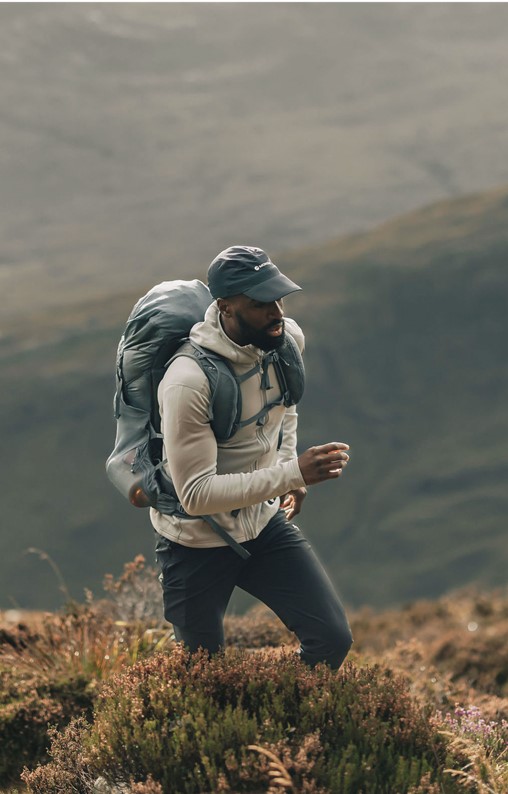
TREKITT’S TOP PICKS: BEST TRAIL RUNNING MIDLAYERS FOR WOMEN
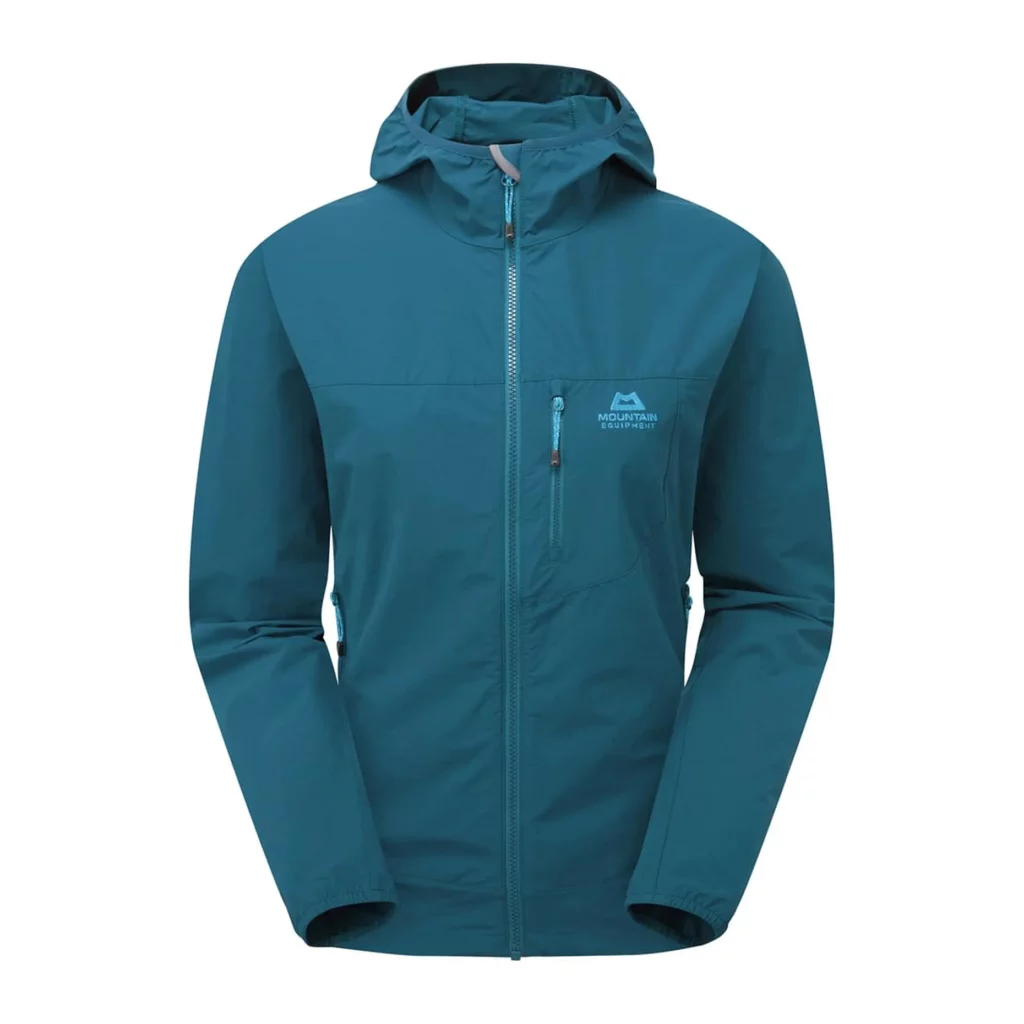
Mountain Equipment Womens Echo
Midlayer
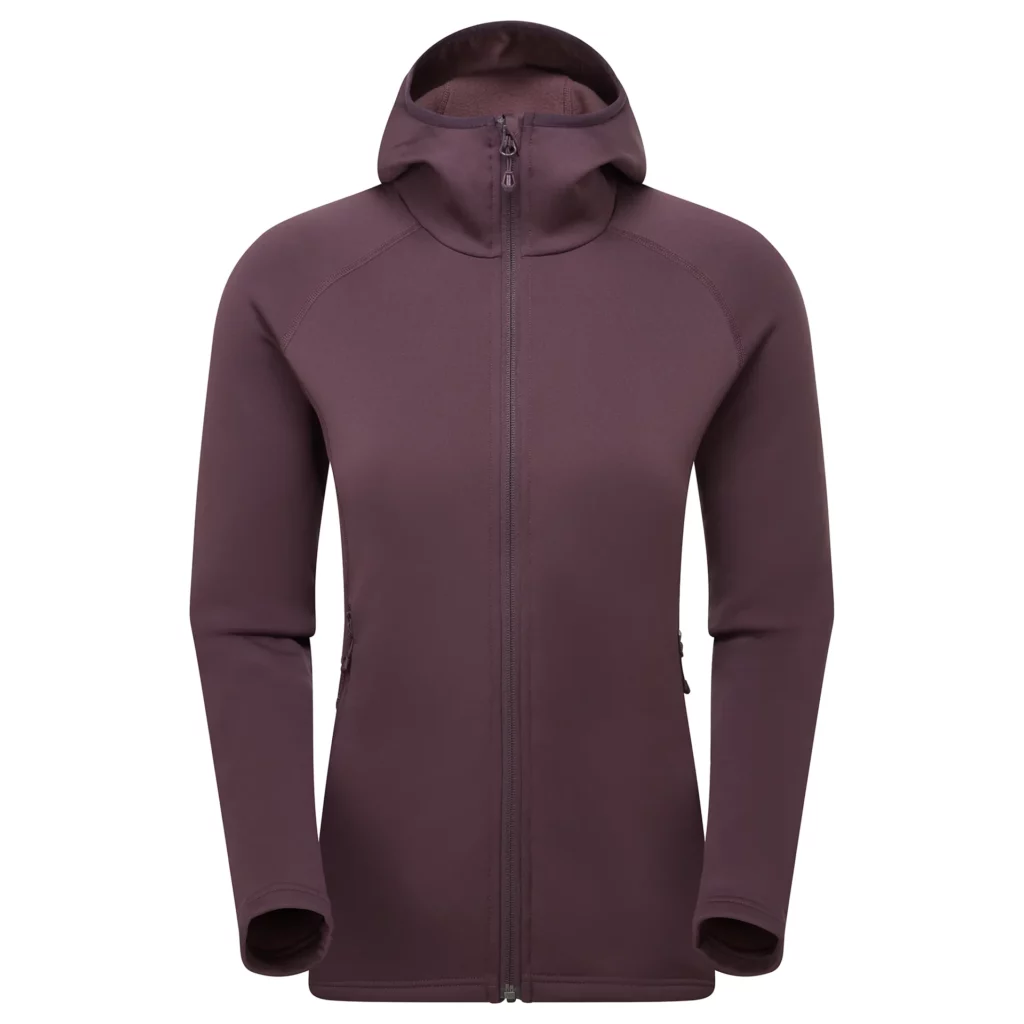
Montane Women’s Fury Lite Midlayer
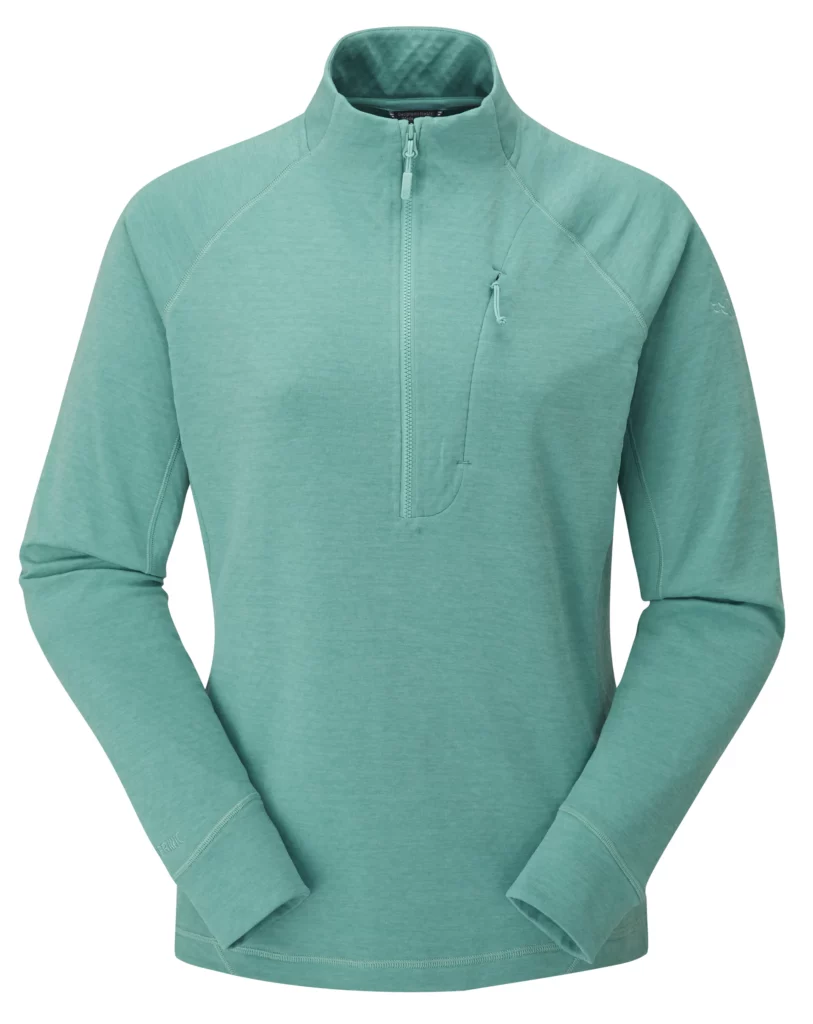
Rab Women’s
Nexus Pullon

TREKITT’S TOP PICKS: BEST TRAIL RUNNING MIDLAYERS FOR MEN
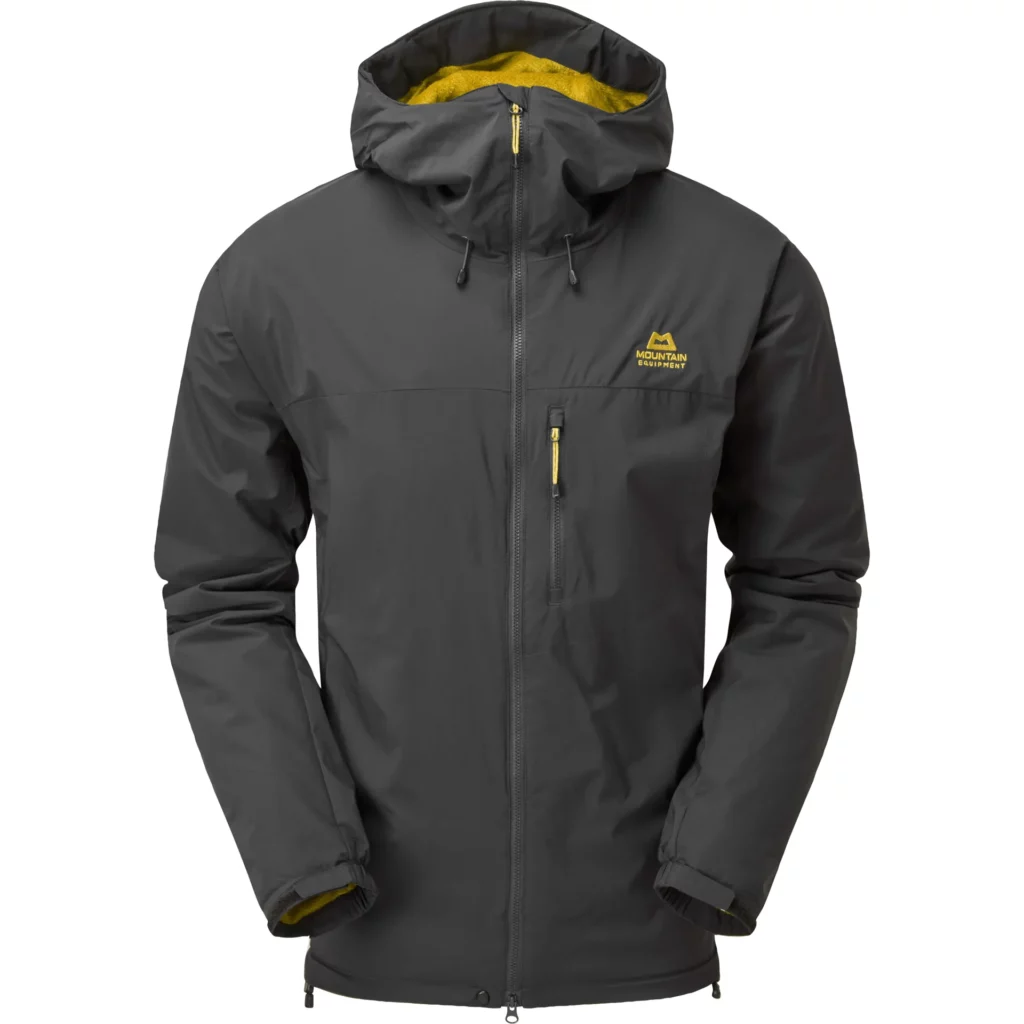
Mountain Equipment Mens Kinesis
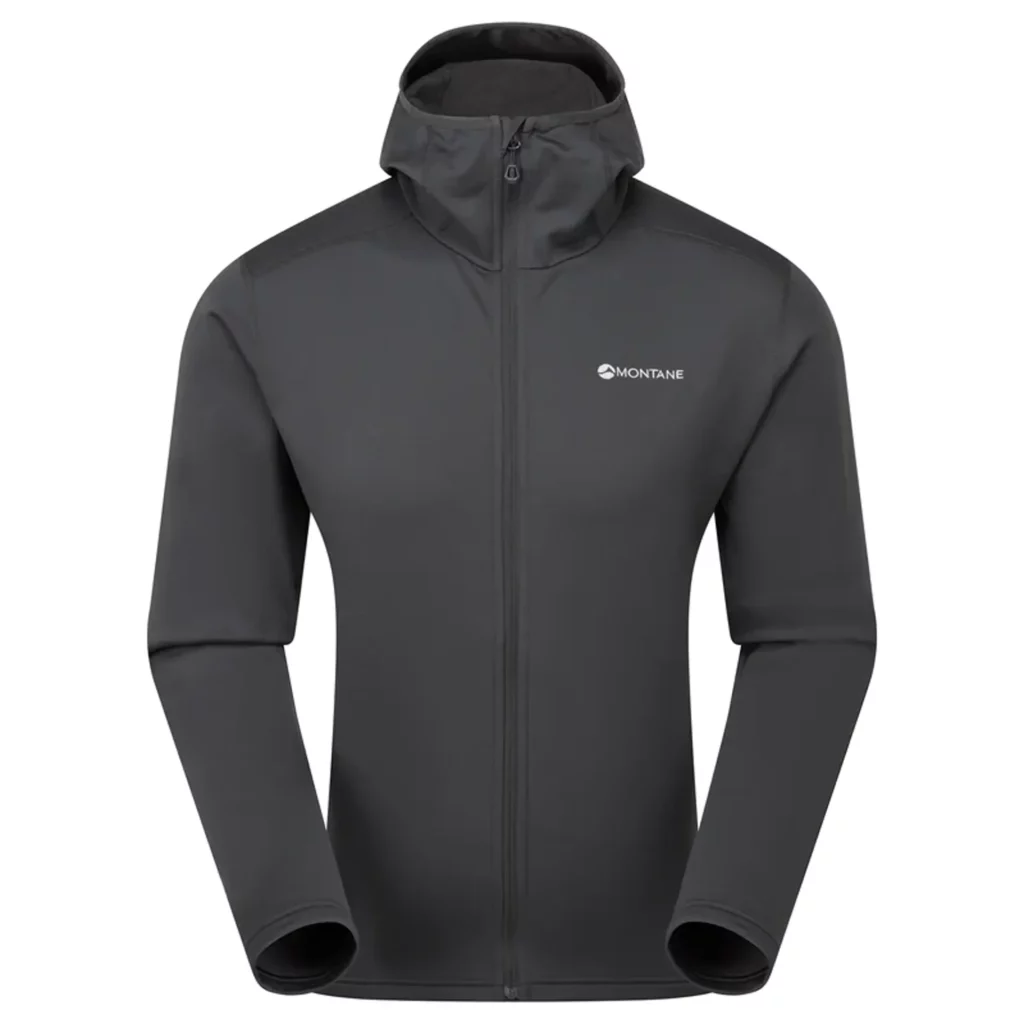
Montane Mens Fury Lite
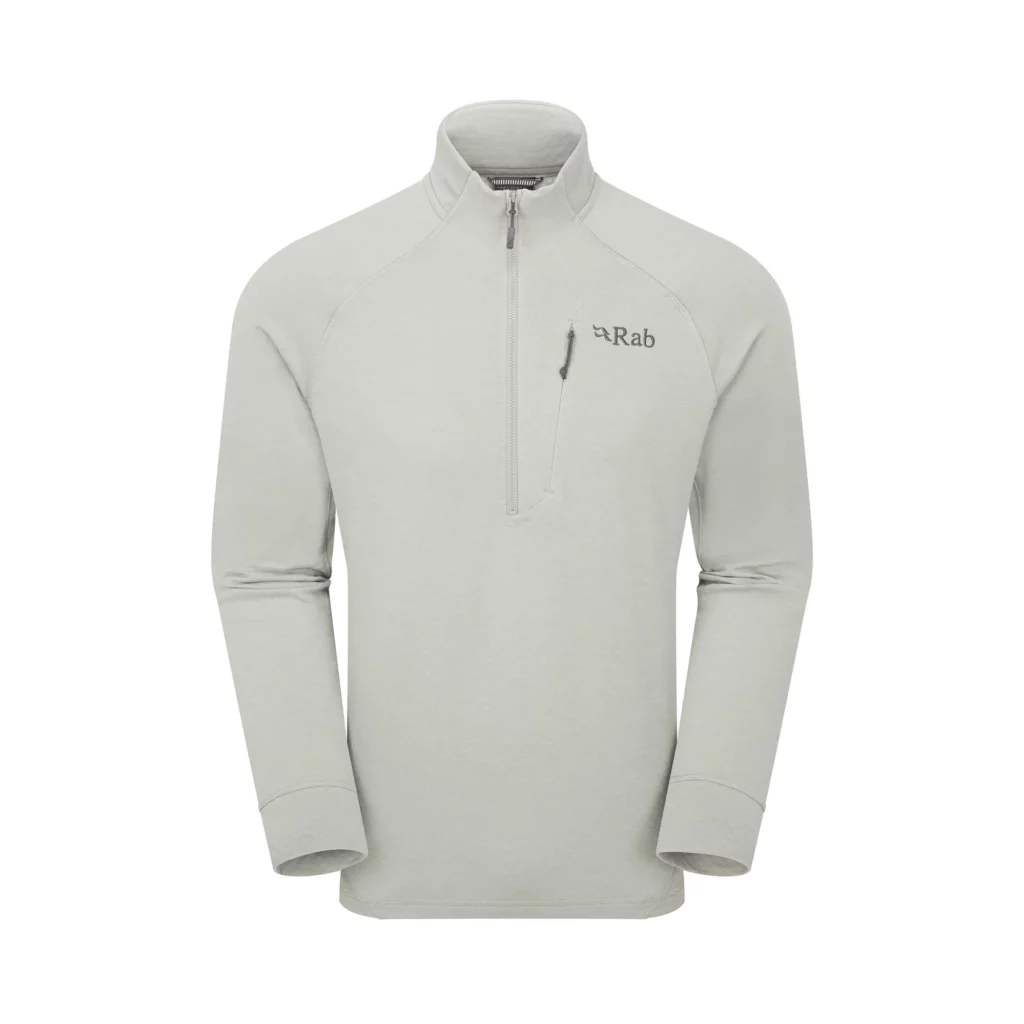
Rab Mens Nexus
Pullon
FEATURES TO LOOK FOR IN A TRAIL RUNNING MIDLAYER
Lightweight Stretch Fabric
You want a midlayer that moves with you. Look for lightweight, stretchy materials that give you total freedom of movement to scramble over rocks, power through inclines or navigate technical terrain without feeling restricted.
Minimalist Design
No one wants to carry extra weight on a run. Keep it simple with a slim, minimalist design that’s lightweight and easy to layer. Less bulk means more comfort, and you’ll appreciate that on the trails—especially when your running vest is already loaded with essentials.
Breathable Mesh Panels
Heat buildup is a real struggle during intense runs, so midlayers with strategically placed mesh panels or vented zones can be a game-changer. These panels let air flow where you need it most, like under the arms or across the back, to keep you cool while working hard.
Reflective Elements
Early morning or evening runs? You’ll need a midlayer with reflective details to help you stay visible in low light. A few reflective accents on the sleeves or chest can make a big difference when you’re running at dawn, dusk, or in the fog.
Zippered Chest Pocket
Need a place for your gels or car key? A zippered chest pocket is the perfect spot for keeping small essentials safe without extra baggage. It’s easy to access and won’t get in the way of your running rhythm or hydration pack.
Quick-Drying Materials
Wet midlayers are no fun, whether from sweat or an unexpected rain shower. Go for quick-drying fabrics so you do not feel damp and uncomfortable. Trust us—quick-dry tech will make all the difference on those long runs where conditions can change instantly.
UPF Protection
If you’re hitting sunny, exposed trails, UPF protection in your midlayer is a must. It adds extra defence against harmful UV rays, meaning you can spend more time enjoying the view and less time worrying about sunburn.
Anti-Odour Technology
Let’s face it, after hours of running, things can get… well, not so fresh. Midlayers with anti-odour treatments—like Polygiene or natural Merino wool—help keep you feeling fresh, even on those long multi-day trail adventures.
Length
For trail running, a midlayer that’s slightly longer in the back ensures coverage during dynamic movements. This prevents cold drafts and keeps the jacket in place when you’re sprinting up hills or bending low to navigate rugged terrain.
BEST MIDLAYERS FOR TRAIL RUNNING – FAQ
When choosing a midlayer for trail running, go for something lightweight, stretchy, and breathable to keep you comfortable. Look for moisture-wicking fabrics that dry quickly and designs that don’t add bulk. Ventilation panels, a snug fit, and reflective details are handy for staying cool and visible. Extras like zip pockets, anti-odour tech, and sun protection are great long-run bonuses.
Avoid heavy, bulky materials that limit your movement or add too much weight. Steer clear of non-breathable fabrics that can trap heat and moisture, making you overheat during your run.
Trail running midlayers are typically lighter, more form-fitting, and designed for higher-intensity activity, prioritising breathability and moisture-wicking. Additionally, these midlayers focus on packability, making it easy to stow them away when not needed, and may include minimalist designs with fewer pockets and zippers to reduce bulk and weight.
Yes, depending on the material. Lightweight, breathable midlayers are perfect for cooler mornings in the summer or for layering in the winter. You can easily adjust by layering up or down based on the weather and your activity level.
Very important! Since trail runners often need to adjust layers during a run, having a midlayer that can be easily packed down into a small pocket or vest pouch is a big plus. Look for options that are lightweight and compressible without sacrificing warmth or breathability. A packable midlayer ensures you can quickly layer up or down as the weather shifts, without adding bulk to your gear.
Got questions?
Drop by our Service Centre or hit up our Customer Service team —we’re here to help!
WANT TO LEARN MORE? WHY NOT CHECK OUT OTHER GUIDES?
A good down jacket is one of those pieces of outdoor kit that quickly earns its place in your wardrobe. Lightweight, warm and impressively packable, down insulation can provide a lot of warmth without the weight and bulk of heavier winter clothing. However, the best down jacket for a fast day on the hills probably…
Continue Reading Best Down Jackets for Hiking & Camping (2026)
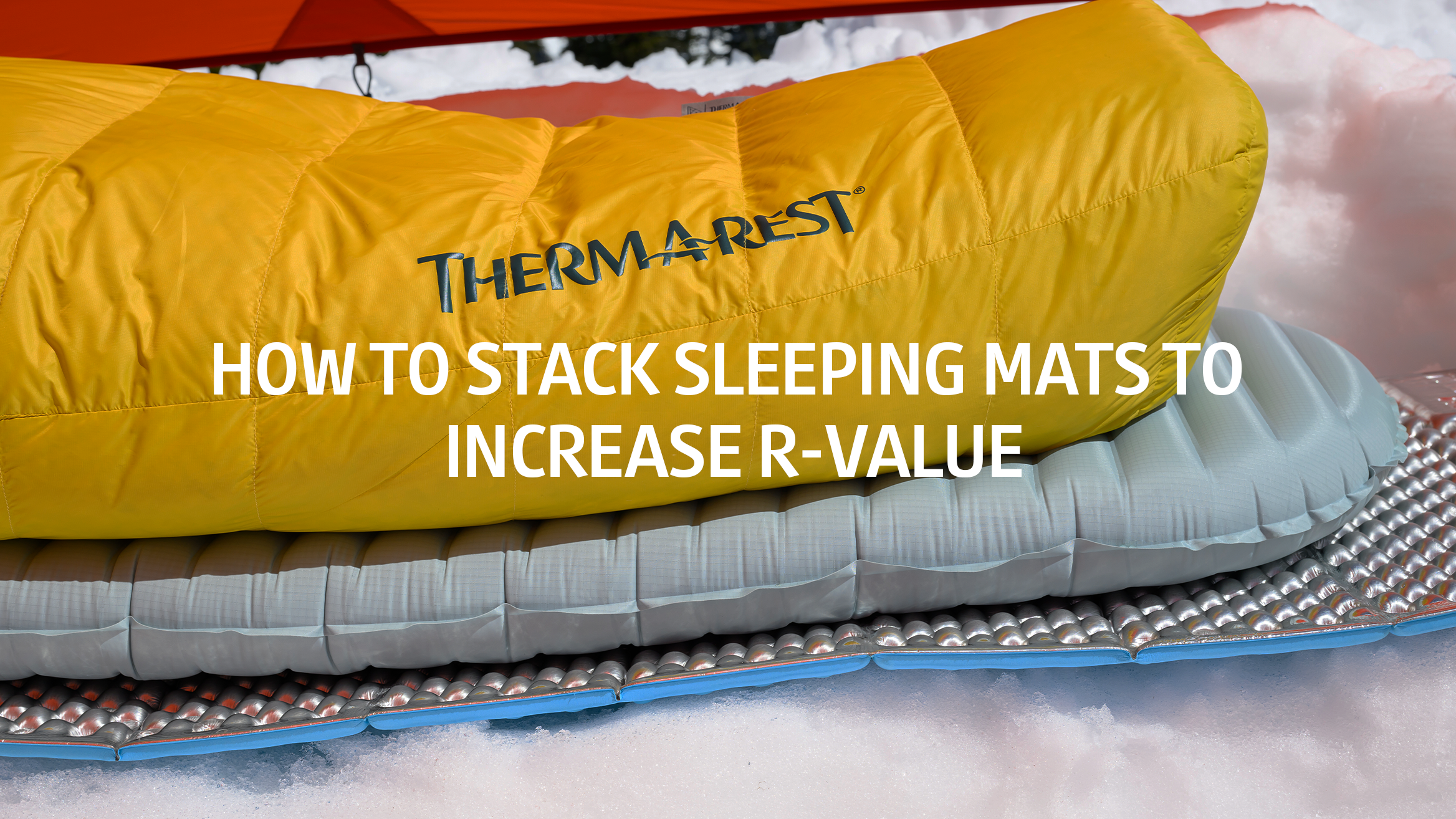
If your sleeping mat isn’t quite warm enough for colder conditions, you don’t necessarily need to replace it. Stacking a second sleeping mat on top or underneath can increase the total R-value of your setup, giving you more insulation from the cold ground. It’s a simple trick, but there are a few things worth knowing.…
Continue Reading How to Stack Sleeping Mats to Increase R-Value
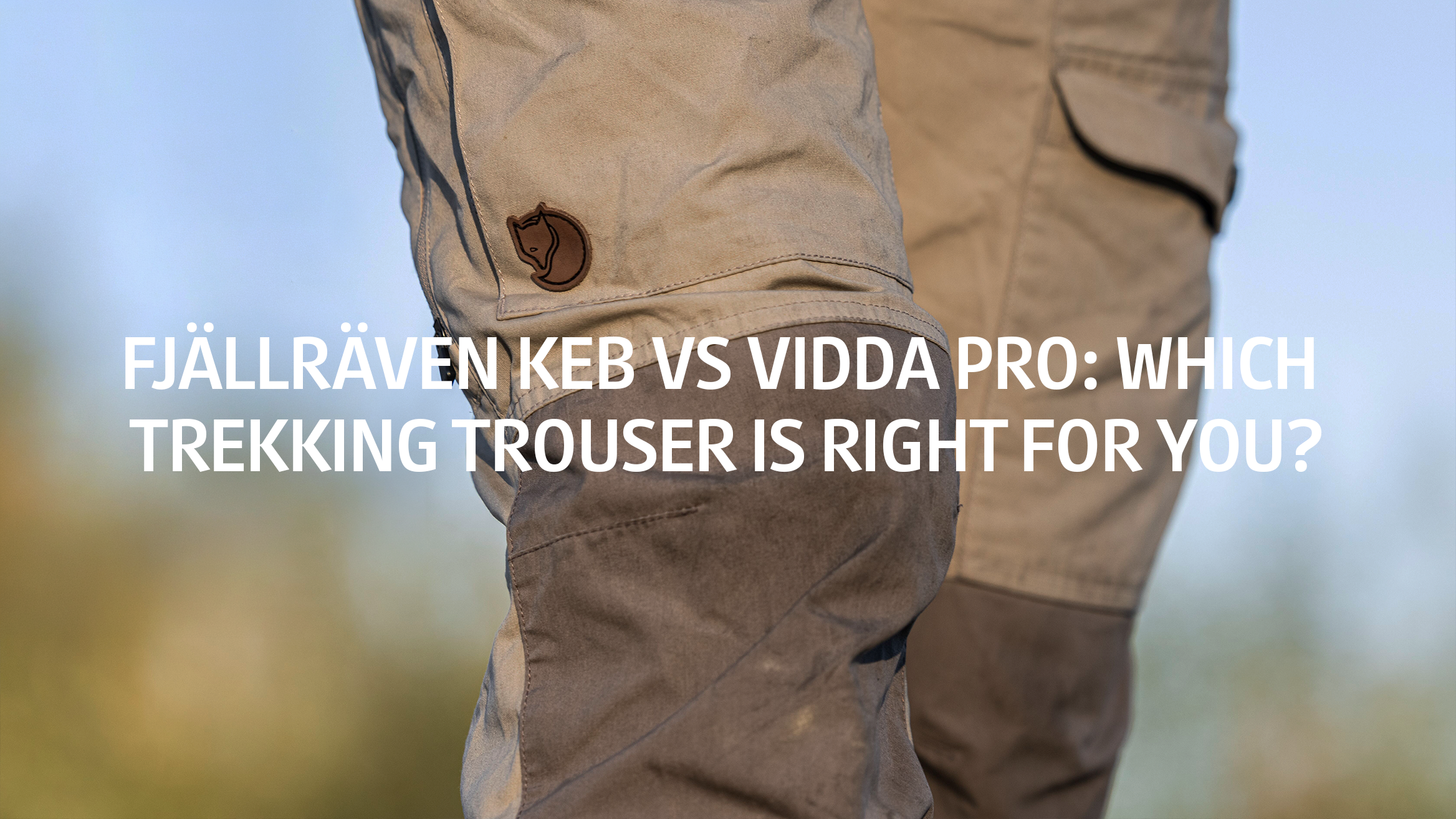
The Fjällräven Keb and Vidda Pro are two of Fjällräven’s best-known trekking trousers. Both are tough, practical and designed for serious outdoor use, but they go about the job quite differently. The Keb combines G-1000 with stretch panels to prioritise movement and ventilation. The Vidda Pro takes a more traditional approach, with extensive use of…
Continue Reading Fjällräven Keb vs Vidda Pro: Which Trekking Trouser Is Right for You?
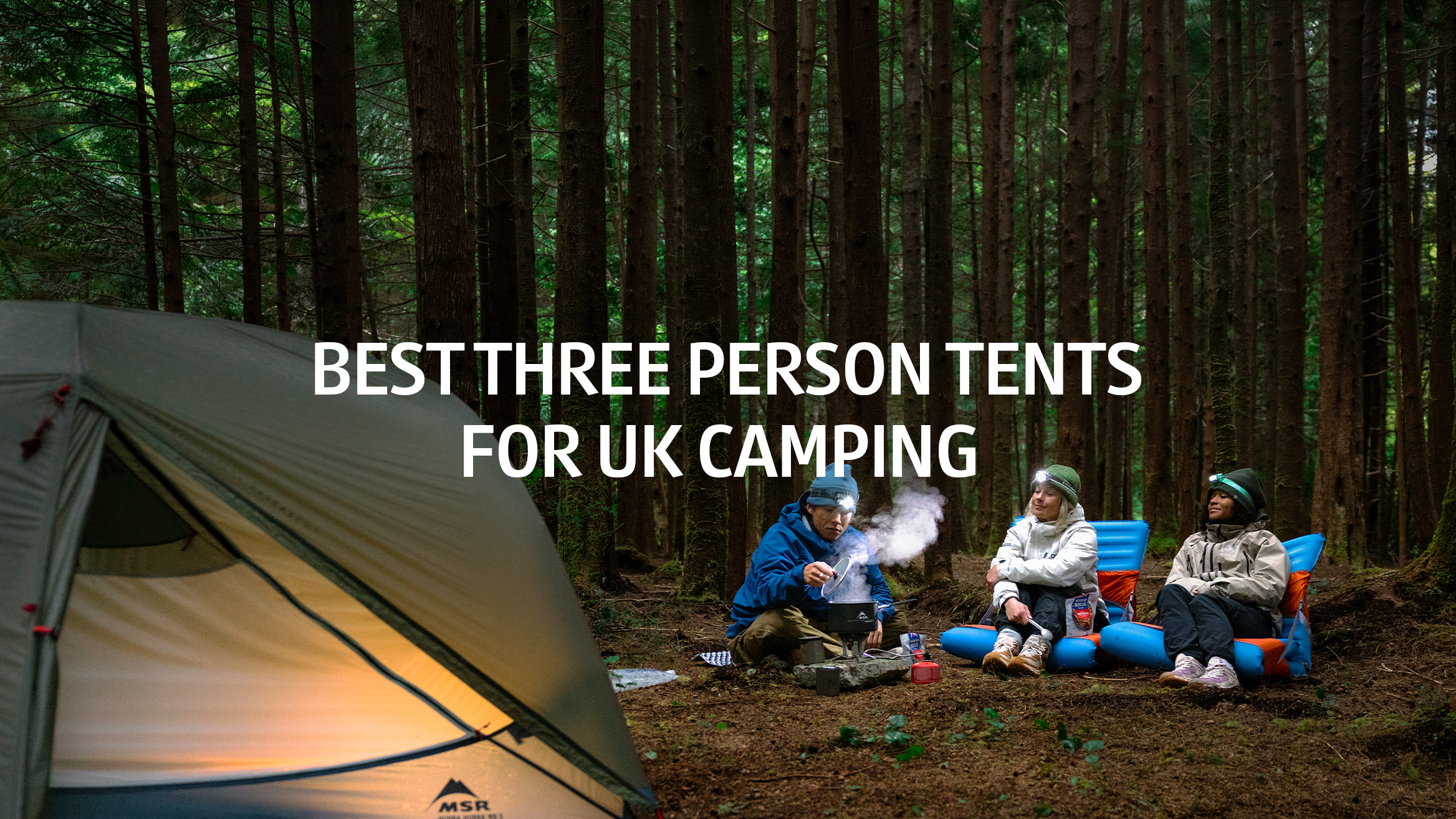
Three-person tents are surprisingly versatile. They can work for three friends travelling light, a small family heading to a campsite, or a couple who simply want more room to sleep and store their kit. The trick is finding one that suits how you actually camp. A lightweight backpacking tent might be perfect for carrying into…