

Author: Trekitt Gear Team
We’ve spent plenty of time outdoors in cold, wet and unpredictable British weather, so we know how important the right kit and preparation are when winter camping. In this guide, we share practical advice for beginners, covering everything from choosing the right tent and sleeping system to staying warm, packing essential gear and avoiding common mistakes. Our aim is to help you feel more confident, comfortable and prepared for your first winter camping adventure.
Unzip your tent to a frosty landscape, put the kettle on and watch the morning light creep across the hills. With quieter campsites and crisp air, winter camping gives you plenty of reasons to keep adventuring after summer has packed up.
Tempted, but wondering whether you will spend the whole night shivering? That is an understandable concern. Cold nights, kit choices and unpredictable weather can make that first trip feel like a big step. But winter camping for beginners can start small: one night at a sheltered, accessible campsite, with an easy way home.
Camping in the UK in winter takes preparation, and we will help you work through it. From choosing your pitch and sleeping setup to cooking dinner, managing condensation and staying safe, here is how to make your first winter night outdoors one to look forward to.
IN SHORT…
-
Winter Camping Basics: Discover what makes winter camping different and how to prepare for your first cold-weather adventure.
-
Essential Winter Camping Gear: Learn how to choose the right tent, sleeping bag, insulated mat and clothing to stay warm and comfortable.
-
How to Stay Warm When Winter Camping: Explore practical tips for layering, managing moisture, keeping your sleeping system warm and camping without electricity.
-
Winter Camping Safety & Common Mistakes: Find out how to choose a safe campsite, prepare for changing weather and avoid common beginner mistakes.
Short on Time? Start with Winter Camping Essentials
Planning your first chilly night outdoors? Here is a quick guide to the key equipment. Keep reading for advice on choosing each item, staying warm and getting comfortable at camp.
| Essential | What to look for | Explore the kit |
| Tent | Shelter suited to your campsite and expected weather, with secure pitching and ventilation. | Explore Camping Tents |
| Sleeping bag | A suitable comfort rating for the overnight forecast, with a margin for colder conditions. | Find Your Sleeping Bag |
| Insulated sleeping mat | Ground insulation suited to your trip. Check the R-value rather than judging warmth by thickness. | Explore Insulated Sleeping Mats |
| Stove and cookware | A stove and compatible fuel suited to the temperatures, plus simple cookware for meals and hot drinks. | Explore Camping Stoves and Cooking Equipment |
| Warm, dry layers | Insulation for time around camp and dry base layers and socks for bedtime. | Explore Insulated Jackets and Base Layers |
Choosing a Campsite for Your First Winter Camping Trip
A hilltop pitch might look brilliant in a photo, but the view loses some appeal when the wind steals your dinner and your tent flaps all night. Choose somewhere sheltered, comfortable and easy to leave if the weather changes.
For your first go at winter camping in the UK, an accessible, established campsite is a great starting point. Having your car nearby and toilets within walking distance makes it easier to get familiar with your kit.
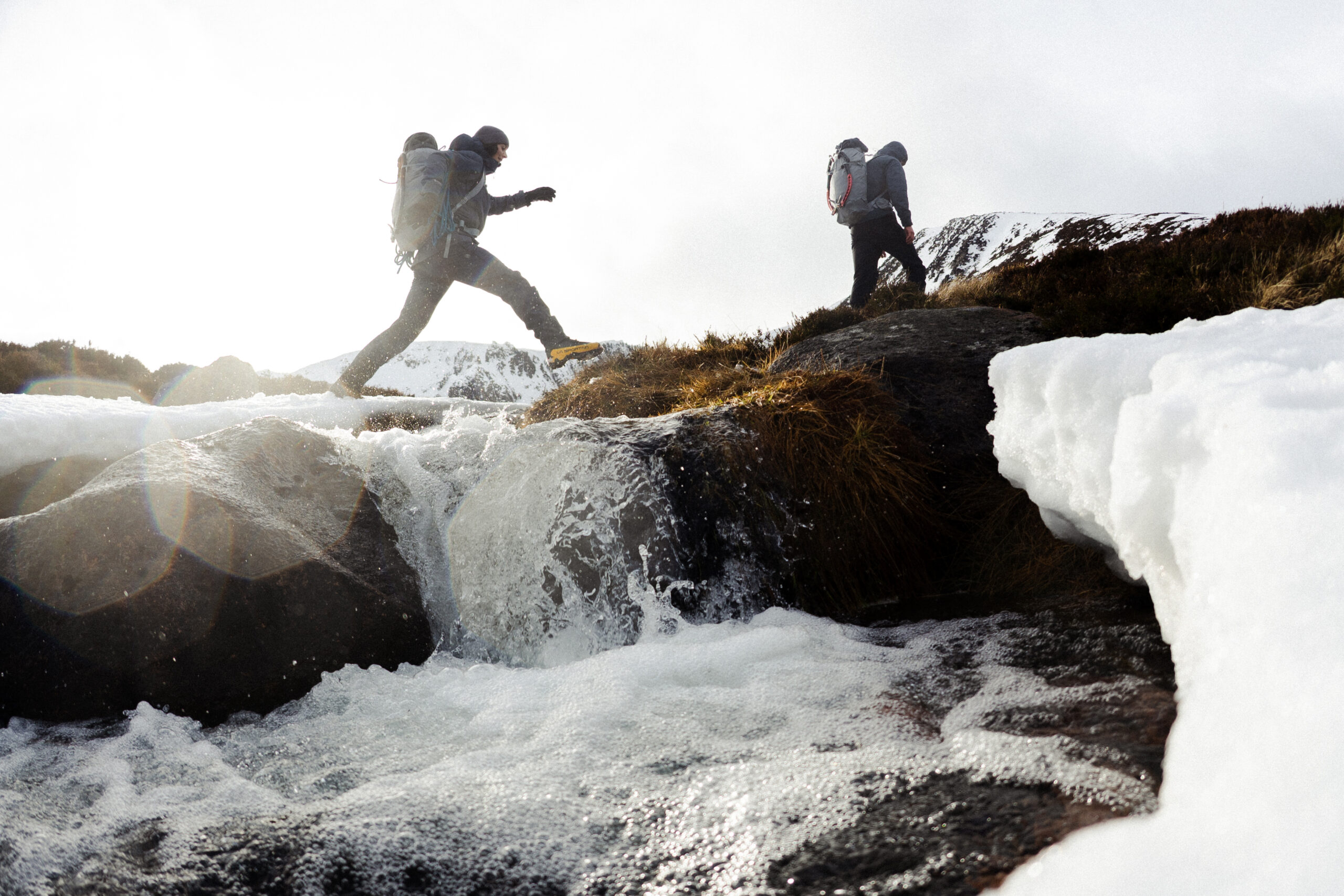
When choosing your pitch, look for level, well-drained ground with shelter from the wind. Give it a quick once-over before unpacking. That little hollow might look cosy, but would you want to sleep there after an hour of rain? Avoid exposed spots, ground where water collects, river edges and damaged trees or loose branches overhead.
One of our favourite winter camping tips for UK beginners? Arrive before dark. Finding the tent pegs is enough of a challenge without doing it by torchlight.
Before you book:
- Opening: Is the campsite open for your dates?
- Facilities: Will drinking water and toilets be available?
- Access: Can you get there and leave easily?
- Pitch conditions: Is there suitable, well-drained ground for your tent?
Do You Need a Four-Season Tent for Winter Camping?
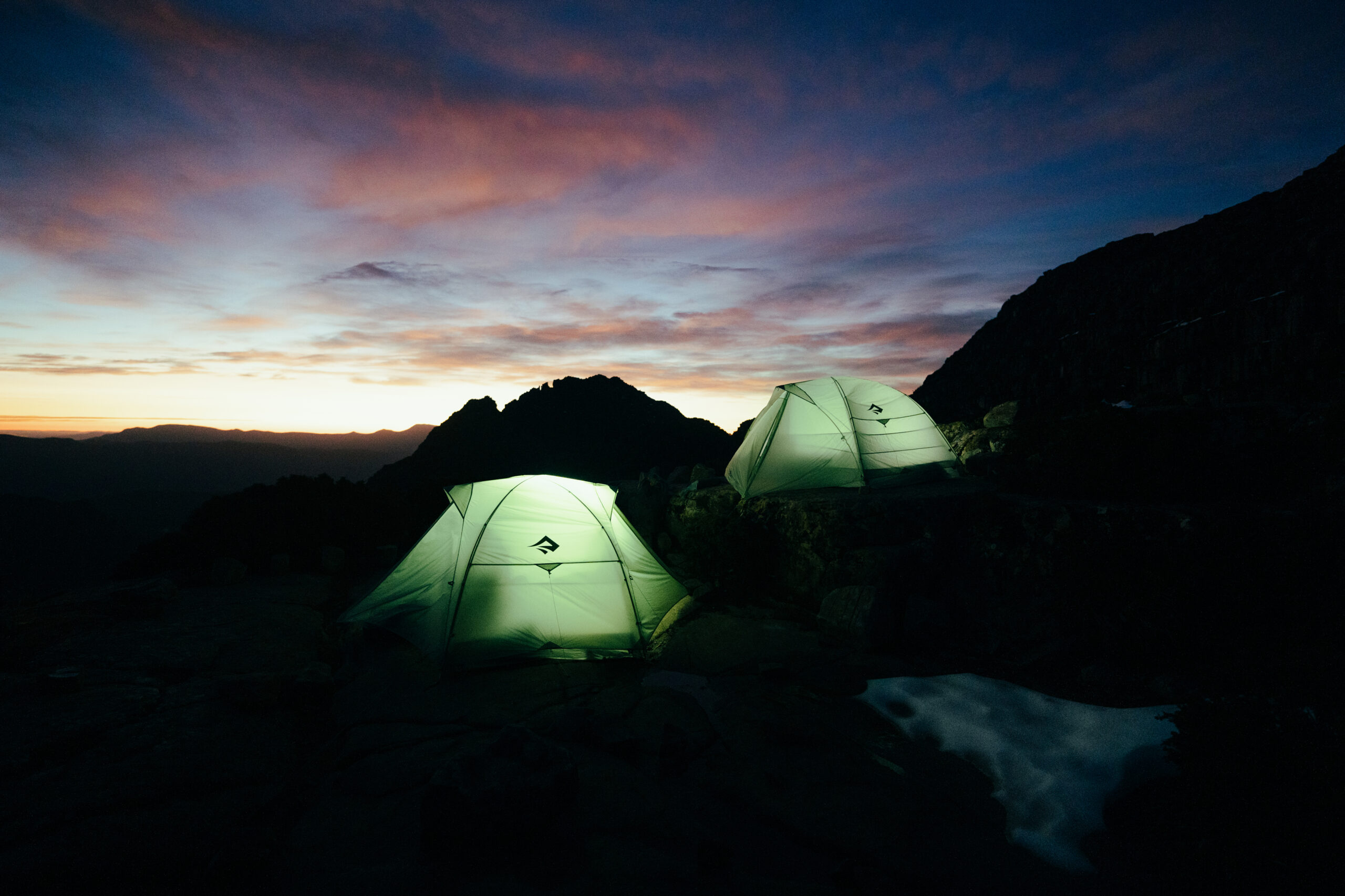
It depends on where you are going, what the forecast has planned and what your tent is designed to handle. A sheltered campsite in mild weather is a different proposition from an exposed pitch with strong winds and snow.
Four-season tents are built for more demanding conditions. Depending on the model, stronger poles and additional pole crossings help support the structure, while weather-resistant fabrics and secure guy points help it cope with rough weather. Some are designed to handle snow loading, too. Ventilation still matters, even when everything outside feels decidedly chilly.
But “four-season” is not a magic password that makes any pitch a good idea. Check the manufacturer’s intended use and limitations. A suitable three-season tent may work for a sheltered trip in settled winter weather, while tougher conditions require a more capable shelter and the experience to use it.
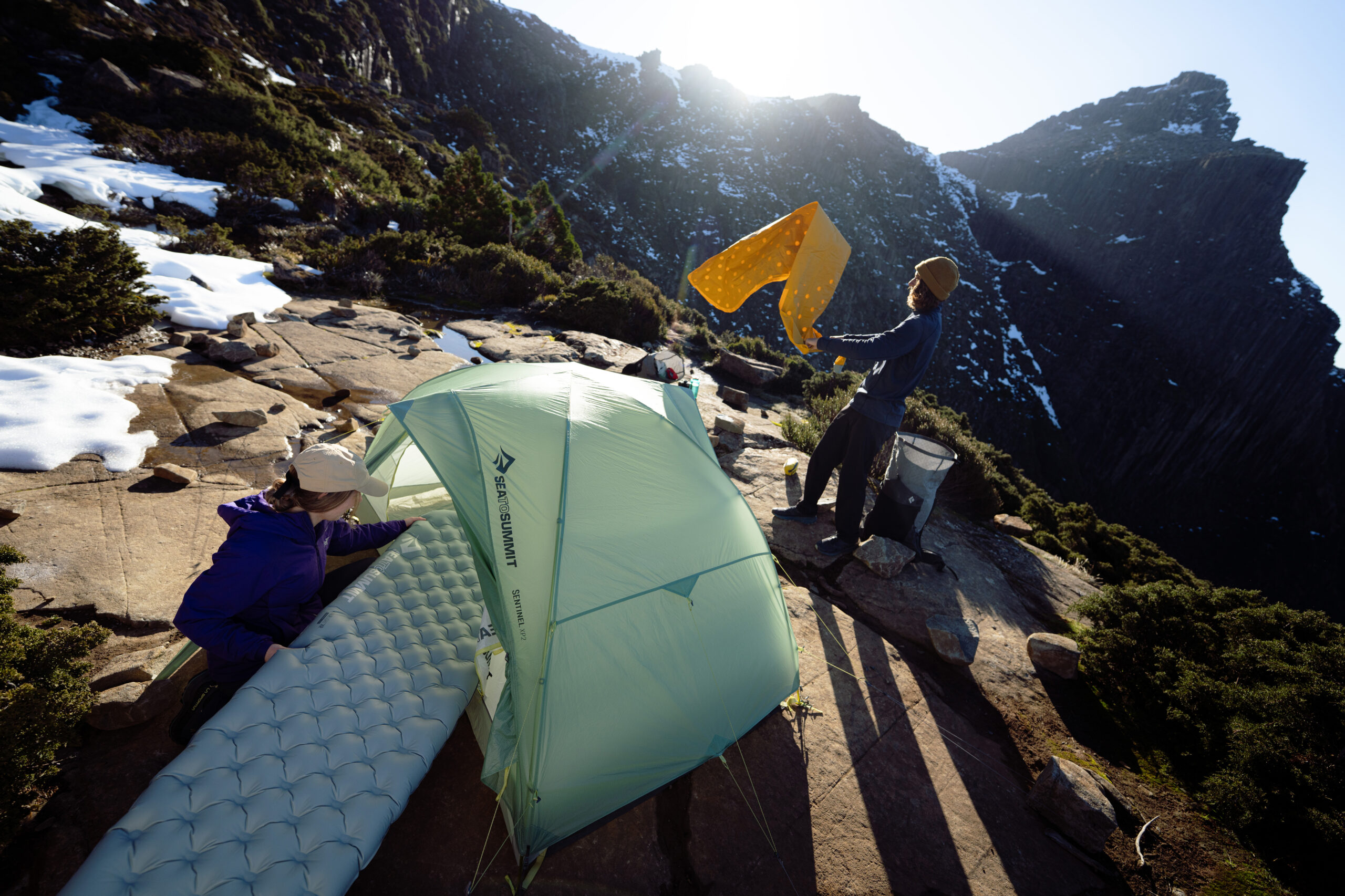
Can you stay warm in a tent in winter? With the right setup, yes. Your tent shelters you from the weather; your sleeping bag, mat and dry clothing provide most of your overnight insulation.
Before heading out, practise pitching at home. Learning how to camp in the winter is much more enjoyable when you already know which pole goes where. At camp, secure the pegs and relevant guylines properly.
Choosing a Sleeping Bag for Winter Camping
Your summer sleeping bag might be wonderfully packable, but will you still love it at 3am when the temperature drops? Start with the lowest overnight temperature expected at your campsite, then check the bag’s temperature ratings.
Temperature ratings explained:
- Comfort: A guide to the temperature at which a typical colder sleeper should feel comfortable.
- Limit: A guide to the temperature at which a typical warmer sleeper may remain comfortable, curled up.
- Extreme: An emergency survival rating with a risk of harm. Never use it to plan a comfortable night.
Choose a comfort rating below the expected overnight low to leave some breathing room for forecast changes and your own sensitivity to cold. So, how cold is too cold to sleep in a tent? There is no universal cut-off for camping in the UK. Equipment, experience, weather and personal needs all influence that decision.
Down offers excellent warmth for its weight and packs down neatly. Synthetic insulation is usually bulkier for comparable warmth, but generally handles damp conditions better.
Fit matters too. You need room to move without squashing the insulation, while excessive empty space can be harder to warm. A well-fitting hood and draught collar help keep warmth inside.
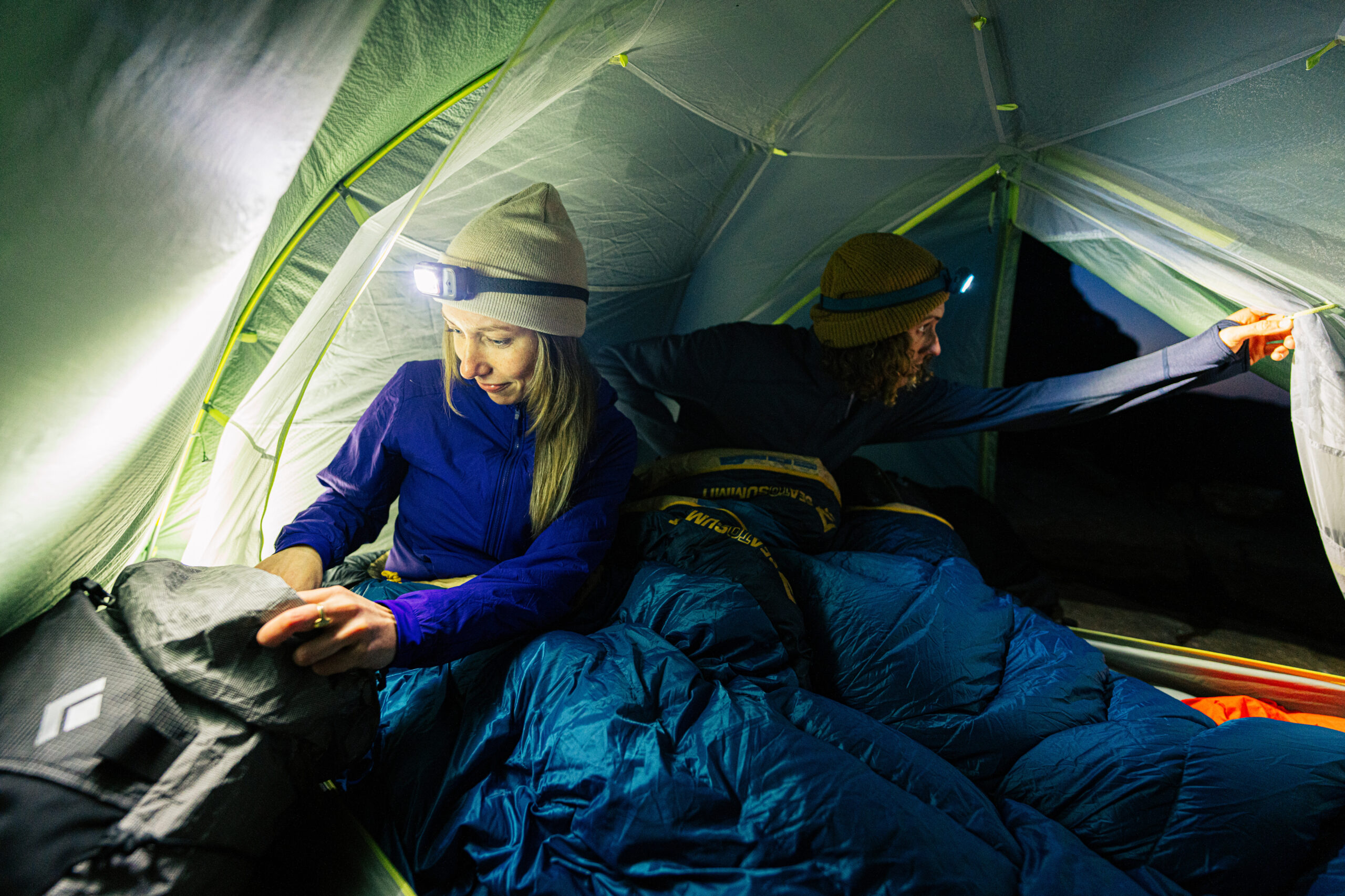
When planning how to stay warm while camping in the winter, protecting your bag is essential. Carry it in a waterproof dry bag, keep it away from damp tent walls and unpack it early so the insulation can loft, ready for bedtime.
Why an Insulated Sleeping Mat Matters in Winter
You have zipped yourself into a lovely warm sleeping bag, so why does your back still feel cold? The ground could be stealing your warmth. When you lie down, the insulation beneath you gets compressed, making your sleeping mat an essential part of keeping comfortable.
If you are wondering how to stay warm in a tent overnight without electricity, start with what is underneath you. An insulated mat helps reduce heat loss to the cold ground.
Check its R-value, which measures resistance to heat transfer. Higher values mean greater insulation. Compare ratings measured to the same standard where possible, and choose a mat suited to your expected conditions.
Thickness can be misleading. A deep, cushioned air mat might feel luxurious but offer little insulation. Think warmth and comfort when choosing your winter camping essentials for UK trips.
Your sleeping bag and mat work together: Your bag insulates around you, while your mat protects you from the cold ground.
For extra insulation, a foam mat can sit beneath an insulated inflatable mat, providing backup if it punctures. Pack a compatible repair kit and learn how to use it before heading out.
A warmer night starts with a sleep setup that works together. For more advice on choosing and combining your kit, read our guide to sleeping warm: layering, liners and winter sleep systems explained.
Cooking and Drinking Water When Winter Camping
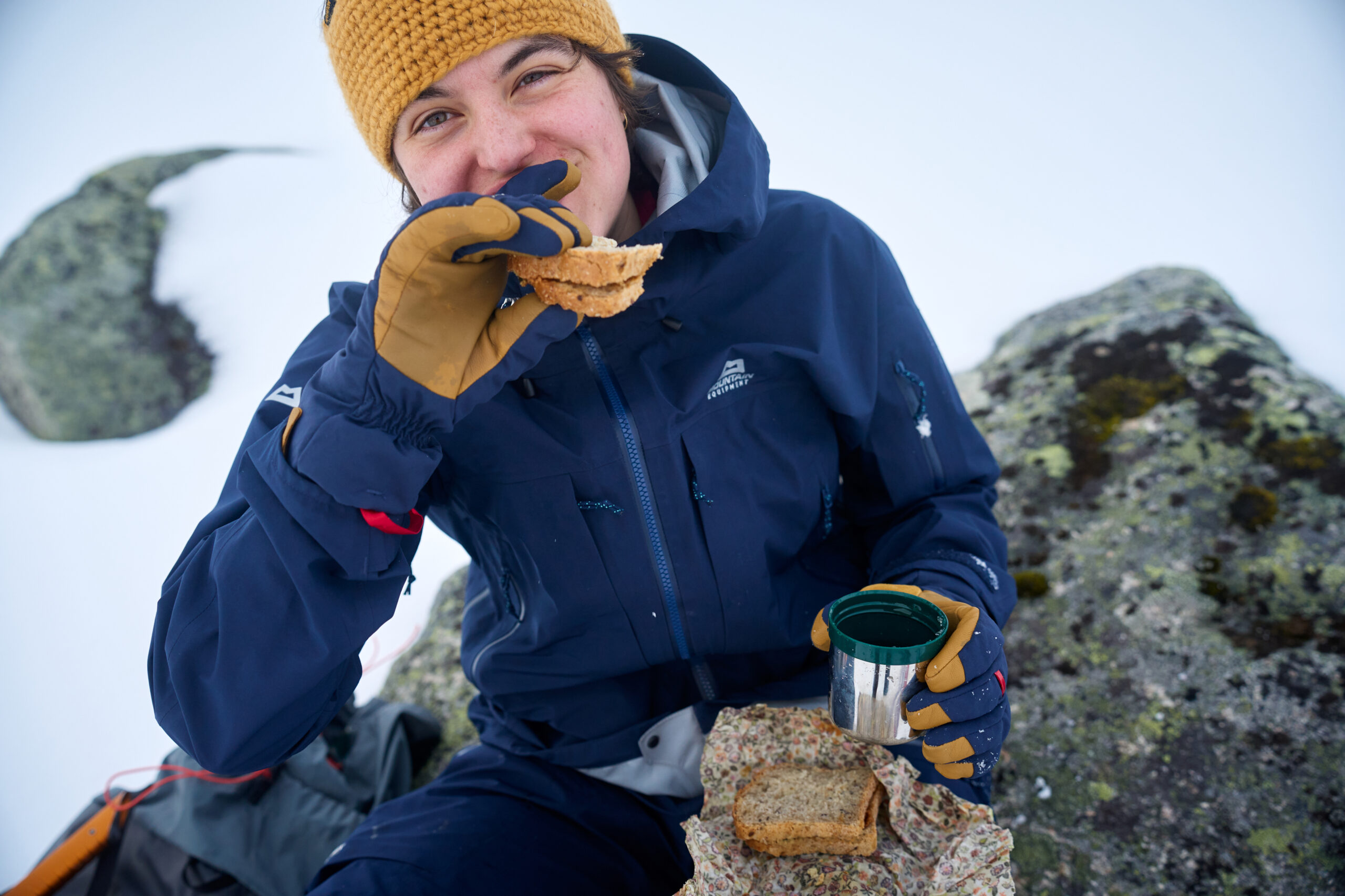
After pitching your tent with chilly fingers, dinner should be something to look forward to. Keep it simple: a one-pot meal or camping meal that only needs hot water means less preparation and washing up. Porridge makes an easy breakfast, while accessible snacks keep you going between meals.
If you’re new to camping, you might be surprised by how easy it is to enjoy a hot, satisfying meal outdoors. Lightweight, ready-to-eat camping meals are a convenient option, especially when you want something quick and filling after a long day. Explore our range of camping food and nutrition to find easy meal options for your next trip.
Check that your stove and fuel suit the forecast temperatures, follow the manufacturer’s guidance and test your setup beforehand. For a closer look at cold-weather performance, read our guide to How to Keep Your Camping Stove Working in Winter.
Cook outdoors on a stable, level surface, away from your tent and flammable equipment. Never use a fuel-burning stove inside your tent or enclosed porch, or to heat your sleeping space. Fire and carbon monoxide are serious risks.
Only use wind protection approved for your stove and never leave it unattended.
Water belongs on your winter camping essentials list for UK trips, too. Confirm a drinking water supply or carry enough. Protect bottles from freezing and bring an insulated flask for a welcome hot drink.
Food, fuel and water checklist:
- Food: Dinner, breakfast and easy snacks.
- Fuel: Suitable fuel and a compatible ignition source.
- Water: A confirmed supply or enough carried water.
- Cooking kit: Pot, spoon and mug.
How to Stay Warm in a Tent Without Electricity Overnight
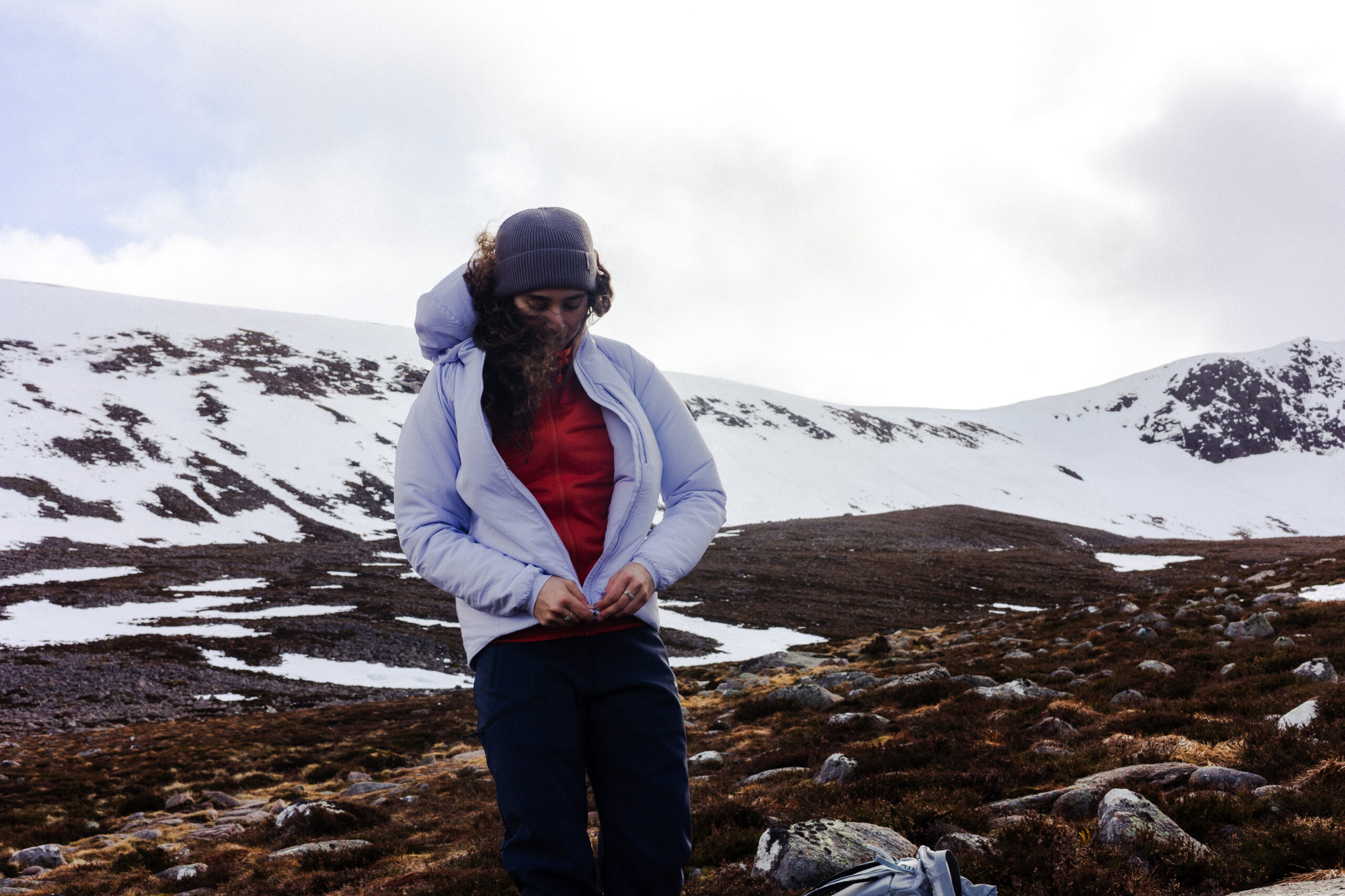
A cosy night starts before you zip up your sleeping bag. Once you stop walking or finish pitching, pull on an insulating layer while you still feel warm. Waiting until you are shivering makes getting comfortable much harder.
Next, deal with damp clothing. Those base layers might have felt fine on the walk in, but sweaty fabric is an unwelcome bedtime companion. Keep a dedicated set of sleeping clothes in a dry bag so they are ready when you need them.
Wondering what to sleep in when winter camping? Start with dry, comfortably fitting base layers and clean, dry socks. A warm hat can help if your head is exposed. Avoid layers so tight or bulky that they restrict circulation or squash your sleeping bag’s insulation.
Eat dinner, drink regularly, and, if you feel chilly before bed, try a little gentle movement. A short walk around camp can help you warm up without turning bedtime into a workout. Stop before you start sweating.
Once inside, adjust your sleeping bag’s hood and draught collar to reduce gaps, keeping your nose and mouth uncovered. Breathing into the bag introduces moisture that you want to keep out of the insulation.
Before you get into your sleeping bag:
- Put on dry sleeping layers and socks.
- Make sure your mat is properly inflated.
- Keep spare insulation and your headtorch within reach.
- Check that your sleeping bag is dry and lofted.
Managing Condensation When Winter Camping
Woken up to droplets inside your tent? Before you blame a leak, meet a familiar winter camping companion: condensation. It forms when moist air meets cold tent fabric, turning into water droplets. Your breath, wet boots and damp clothing all add moisture.
One of the most useful winter camping tips is to give that moisture somewhere to go. Keep the tent’s designed vents open and clear of equipment. Pitch the flysheet correctly, maintaining the gap between the inner and outer where the design requires it, and keep the wet kit separate from your sleeping bag.
Common mistake: Closing every vent to keep warm. It may feel tempting, but it traps moisture and can leave your sleeping space damp.
You cannot prevent condensation in every condition, but you can manage it. Wipe away droplets with a small cloth and dry your tent thoroughly after the trip.
For more practical advice, read our full guide to How to Reduce Tent Condensation in Winter.
Winter Camping Safety and Common Beginner Mistakes
The forecast for the nearest town might look lovely, but your campsite could have other ideas. Check the weather for your actual destination, including overnight temperatures, wind and rainfall. If you are heading into the hills, use a mountain forecast.
Choose terrain and conditions within your abilities. Your first winter camp is a chance to learn, so give yourself an accessible location and an easy route out. One of the most useful winter camping tips for beginners is to keep your plan flexible.
Tell someone where you are going, your intended route and when you expect to return. Agree on when they should seek help if they have not heard from you.
Before leaving, pack navigation equipment you know how to use, a charged phone, spare power, a headtorch with spare batteries, a first-aid kit, and emergency shelter. Revisit the sleeping equipment and cooking sections to check those setups, too.
Snow-covered mountain terrain adds hazards, including ice, hidden obstacles and avalanche risk. Tackling it requires appropriate skills and equipment, so build experience gradually.
Common mistakes to avoid:
- Taking sleeping equipment unsuited to the conditions.
- Having no dry clothing to change into.
- Arriving too late to pitch comfortably.
- Continuing when the weather worsens, or you cannot stay warm.
Changing plans is good judgment. If conditions exceed your abilities or equipment, leave while you can do so safely.
Finally, respect the location: follow campsite rules, avoid damaging vegetation and take every scrap of rubbish home. Leave the pitch ready for someone else’s adventure.
Final Word
Your first winter camping trip can be a one-night trip close to home, with a sheltered pitch and a promising forecast. Prepare carefully, choose suitable equipment, and build confidence one trip at a time.
Ready to keep planning? Explore our winter knowledge centres: Winter Camping Basecamp and Winter Gear and Apparel Deep Dives.
Then browse Trekitt’s camping equipment or ask our team for help choosing your setup. There is a whole quieter season out there to enjoy, starting with that first frosty morning and a well-earned brew.
FAQs
Start with mild, settled conditions at a sheltered campsite where you can leave easily. There is no universal temperature cut-off, so check that your sleeping bag and mat suit the forecast. Save colder, more demanding trips for when you have more experience.
Dry base layers and dry socks are a good starting point, with a warm hat if needed. Pack these separately so they stay dry, even if your walking clothes get wet. Choose comfortable layers that do not feel tight or squash your sleeping bag’s insulation.
Yes, with suitable equipment and a few good habits. Use an insulated sleeping mat and an appropriately rated sleeping bag, change out of damp clothing and add layers before you get chilled. Eat dinner and warm up gently before bed. Never use a fuel-burning stove to heat your tent.
Choosing an exposed pitch, taking unsuitable sleeping equipment, forgetting dry clothes and arriving after dark. Keep your first trip short, practise pitching beforehand and check the forecast. If you cannot stay warm or conditions worsen, heading home is a sensible decision.
Choose an established campsite that is open in winter, ideally with drinking water, toilets and your car nearby. A sheltered, accessible location lets you get familiar with your kit while keeping an easy way home.
One night is a great starting point. It gives you a chance to try your sleeping setup, cook a meal and learn what you would change next time. You can build up to longer trips once you feel comfortable.
It depends on your location, the forecast and your tent’s intended use. A suitable three-season tent may work at a sheltered campsite in mild, settled weather. Check the manufacturer’s guidance and choose conditions your shelter can handle.
Yes, ground insulation is an essential part of your winter sleeping setup. A warm sleeping bag alone cannot compensate for an inadequately insulated mat. Check the mat’s R-value and intended use rather than judging warmth by thickness.
Keep it easy: a simple one-pot dinner or camping meal, porridge for breakfast and snacks you can reach without unpacking everything. Check how much water and fuel your meals need, and remember your spoon. Cold fingers are no reason to attempt eating porridge with a tent peg.
Never use a fuel-burning stove inside your tent or enclosed porch. It creates fire and carbon monoxide risks. Plan a safe outdoor cooking location and bring food you can eat without cooking if conditions prevent you from using the stove safely.
Not necessarily. Condensation forms when moist air meets cold tent fabric. Keep designed vents open, separate the wet kit from the sleeping equipment, and avoid touching damp walls with your sleeping bag. Some condensation can still occur despite careful preparation.
Check for damp clothing, draughts or a mat that has lost air, and add dry insulation where needed. If you cannot get warm, move somewhere warm and end the trip. Your first winter camp should help you build confidence, and leaving early is perfectly reasonable.
Leave a Reply