
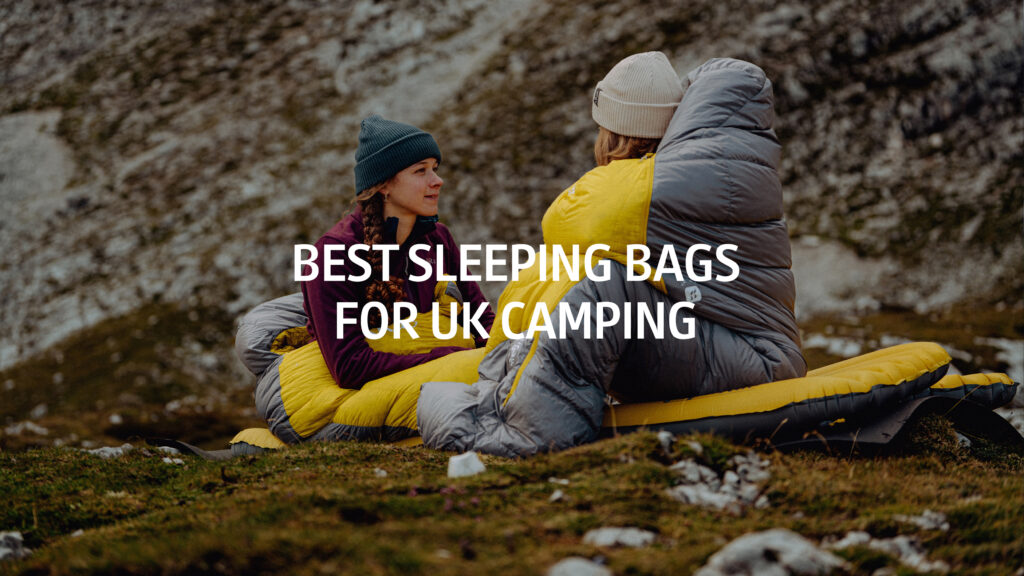
Best Sleeping Bags for UK Camping 2026
Author: Trekitt Gear Team
With years of hands-on experience testing sleeping bags in real UK camping conditions, our team understands how shape, insulation and fit affect warmth, comfort and overnight performance. From tapered mummy bags for backpacking to roomier spoon-shaped and rectangular options for campsite use, we know what genuinely makes a difference when choosing the right sleeping bag for UK adventures.
Choosing the right sleeping bag for UK camping isn’t just about temperature ratings. Damp air, changeable weather and overnight condensation mean your sleeping system needs to balance warmth, packability and moisture performance so you stay comfortable through real UK conditions, not just ideal ones.
For most UK adventures, a 3-season sleeping bag with a comfort rating around 0°C to −6°C is a reliable starting point. From there, the best choice depends on where you camp, when you head out in the season, and whether you prioritise a smaller pack, extra warmth, or overnight comfort.
Before we look at each recommendation in detail, here’s a quick overview of what this guide covers and how it can help you choose the right sleeping bag for UK camping in 2026.
Key Takeaways:
- Trekitt’s best sleeping bag options suited to different priorities, including lightweight backpacking, comfort-focused camping and ultralight setups
- A comparison between down and synthetic insulation for typical UK weather conditions
- An explanation of sleeping bag temperature ratings and what they mean in practice
- The differences between mummy bags, comfort-shaped bags and quilts
- Guidance on how your sleeping mat affects overnight warmth
This article is part of our 👉 Sleeping Bags Knowledge Centre, where you’ll find expert advice on choosing the right sleeping bag, understanding temperature ratings, comparing insulation types and building the perfect sleep system for UK conditions.ure.
Quick Comparison Table: Best Sleeping Bags for UK Camping (2026)
| Sleeping Bag | Best For | Season Use | Why We Recommend It |
| Rab Neutrino −6°C | Best overall UK choice | 3-season | Ideal warmth-to-weight balance for most trips |
| Rab Neutrino −12°C | Cold shoulder seasons | 4-season crossover | Extra protection for exposed camps |
| NEMO Disco 15 | Side sleepers | 3-season comfort | Spoon shape improves movement |
| Mountain Equipment Xenith II | Lightweight backpacking | Fast & light 3-season | Excellent packability |
| Rab Mythic Ultra −12°C | Premium ultralight | 4-season alpine | Exceptional warmth-to-weight |
| Sea to Summit Boab −1°C | Budget synthetic | Summer–autumn | Reliable in damp conditions |
| Rab Alpine −18°C | Winter camping | True 4-season | Serious cold-weather performance |
| Big Agnes Fly Creek UL Zip Quilt | Sleeping bag alternative | Ultralight summer | Flexible modular sleep system |
How We Chose the Best Sleeping Bags for UK Camping (2026)
These aren’t just the warmest or lightest sleeping bags on paper. They’re the ones that make sense after actual nights spent camping in places like the Lake District, Eryri (Snowdonia), the Peaks and the Scottish Highlands. In those places the forecast rarely tells the full story once the sun goes down.
If you’ve camped in the UK before, you’ll know how often the temperature drops further than expected overnight. A calm evening can turn cold surprisingly quickly, and condensation inside the tent is almost part of the experience. We’ve chosen sleeping bags here that cope well with those kinds of conditions, not just ideal summer campsite weather.
What Matters Most for Sleeping Well in the UK
Rather than just picking the most technical models available, we looked for sleeping bags that work reliably across the mix of damp air, shifting temperatures and exposed camps that are typical here.
That means focusing on:
- Comfort ratings that match real UK overnight conditions
- Insulation that still performs well when condensation builds overnight
- Pack sizes that make sense for backpacking trips
- Shapes that suit different sleeping styles and options that cover everything from summer wild camps through to colder Highland nights [LP1]
Because in the UK, a good sleeping bag isn’t just about how low the temperature might go. It’s about how comfortable you’ll still be when the forecast turns out slightly wrong.
Best Overall Sleeping Bag for UK Camping
Rab Neutrino -6C Sleeping Bag
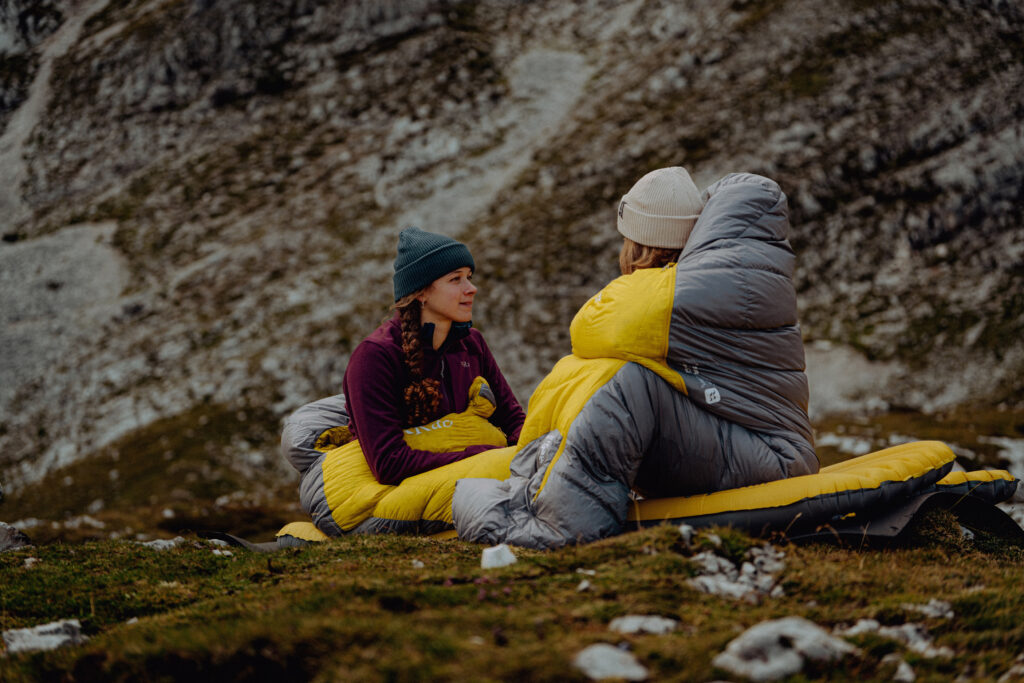
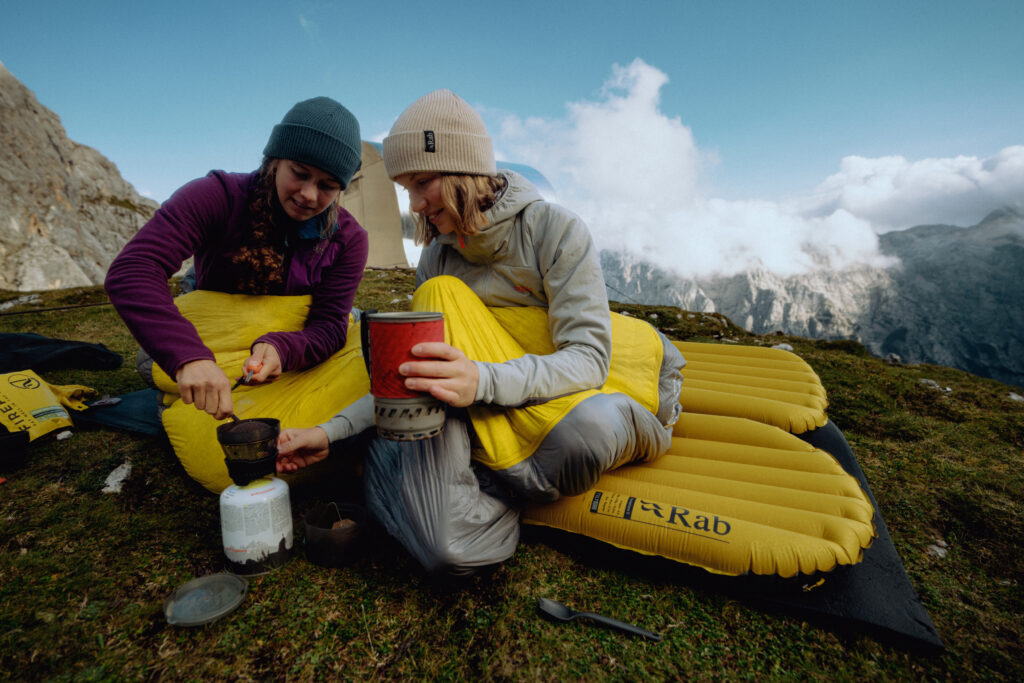
If you’re buying just one sleeping bag for UK camping, the Rab Neutrino −6°C is one of the safest and most dependable choices you can make. It sits right in that sweet spot for spring through autumn trips, but still has enough warmth in reserve for those colder shoulder-season nights when the temperature drops more than expected after sunset.
It’s the kind of bag that works just as well on a first wild camp in the Lakes or Snowdonia as it does on longer multi-day routes further north. Plenty of people head out thinking they’re packing for a mild overnight, only to wake up glad they brought something properly rated once the damp air settles in and the tent cools down.
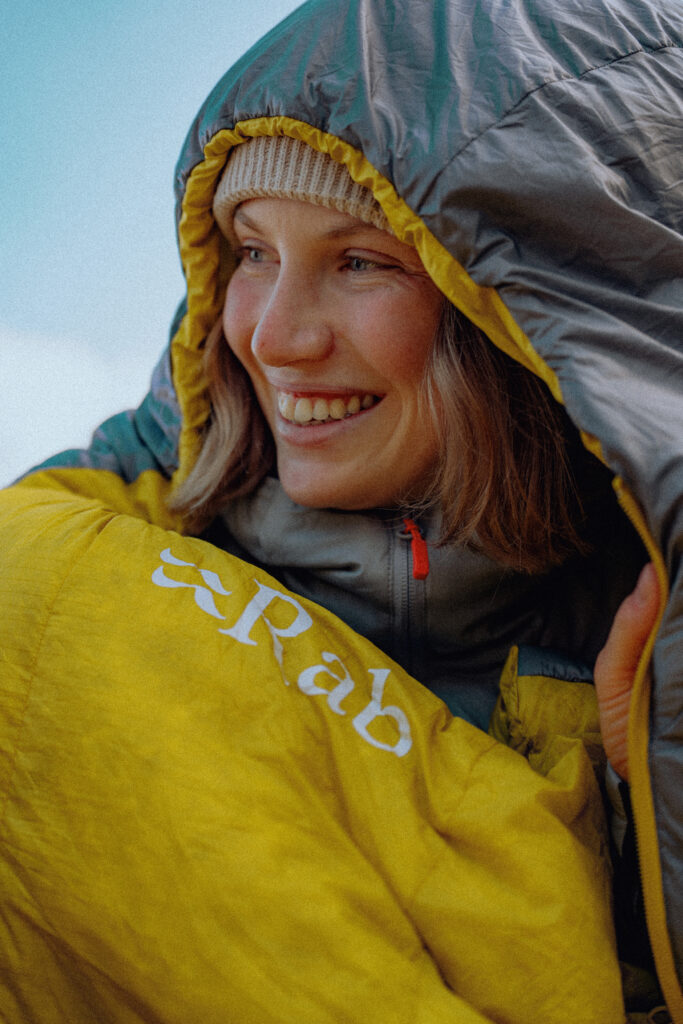
Filled with 800-fill-power hydrophobic goose down, the Neutrino delivers excellent warmth for its weight and packs down small enough to disappear easily into a backpack. The tapered mummy shape helps keep warmth where you need it without taking up unnecessary space in your pack.
Rab also uses a Pertex® Quantum outer fabric, which helps resist wind and overnight condensation. Something that makes a noticeable difference across typical UK camps, where moisture inside the tent is often part of the experience rather than the exception.
Why it’s the best all-round UK sleeping bag
Best for:
• Wild camping across the UK
• Backpacking and multi-day hiking trips
• Lightweight campsite setups
• Spring to autumn mountain use
• Cold sleepers needing a reliable 3-season option
If we had to recommend one sleeping bag that covers the widest range of UK trips without overthinking the forecast every time you head out, this would be it. It’s warm enough to feel reassuring when conditions shift overnight, but still light and packable enough to carry comfortably on longer walks.
Best Cold-Weather Upgrade Option
Rab Neutrino -12C Sleeping Bag
If your trips regularly extend into early spring, late autumn or Scottish mountain conditions, stepping up to the Neutrino -12 °C gives a noticeable boost in overnight comfort and safety.
This version keeps the same efficient Neutrino construction but increases insulation levels for colder camps where temperatures can drop below freezing overnight.
Best for:
- Shoulder-season mountain trips
- Exposed wild camps
- Colder sleepers
- Early-season Scottish routes
- Year-round backpackers wanting extra margin
Think of it as the extended-range version of the UK’s most versatile sleeping bag platform.
Best Sleeping Bag for Side Sleepers
NEMO Disco 15 Sleeping Bag
Traditional mummy sleeping bags are brilliant for warmth, but they’re not always the easiest to live with if you tend to sleep on your side or move around during the night. A lot of people only realise this after their first couple of wild camps, when staying warm is easy but getting properly comfortable isn’t.
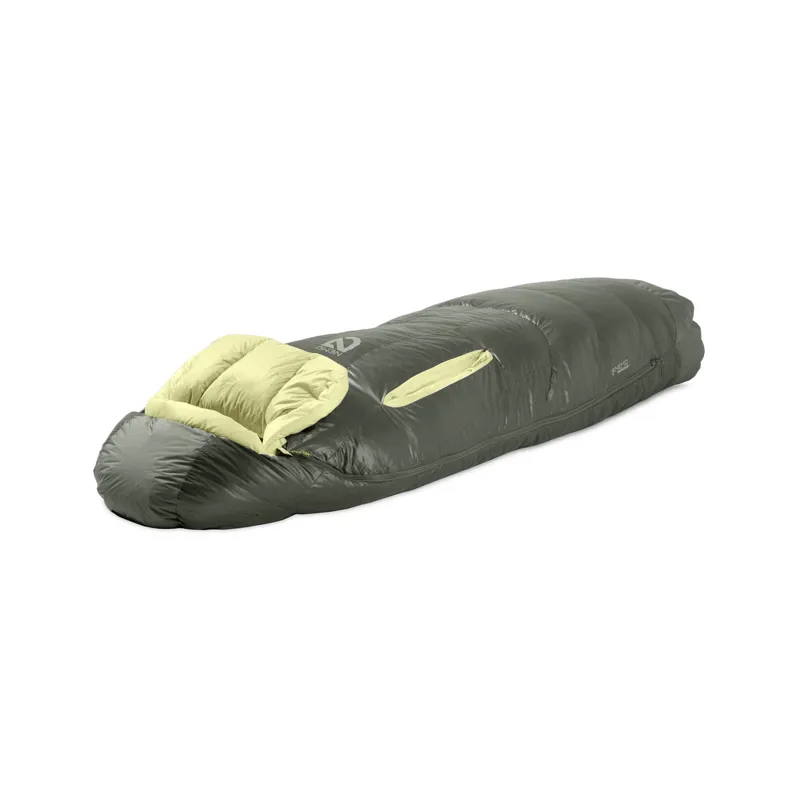
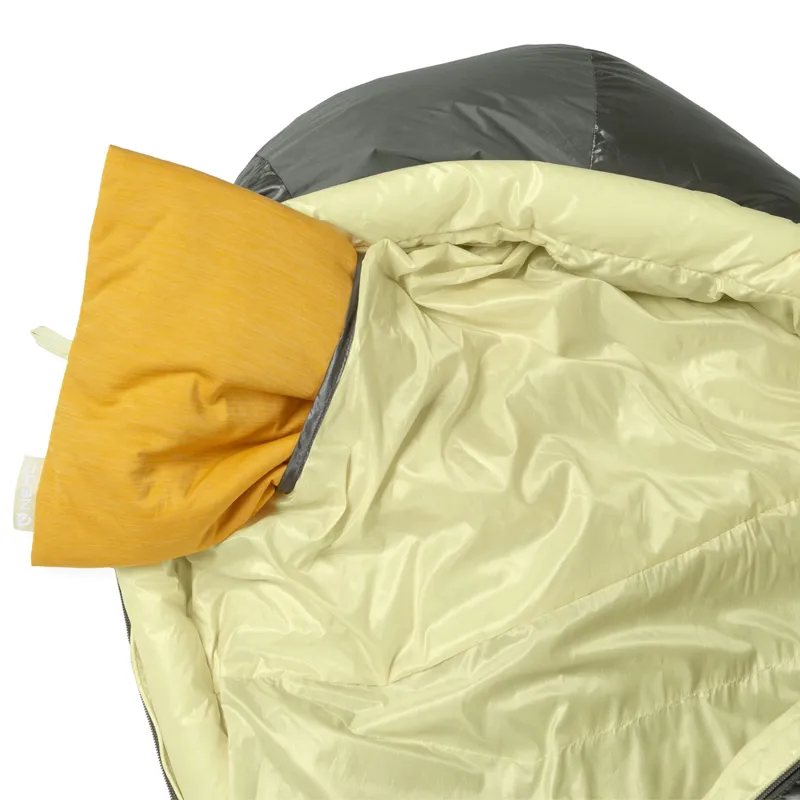
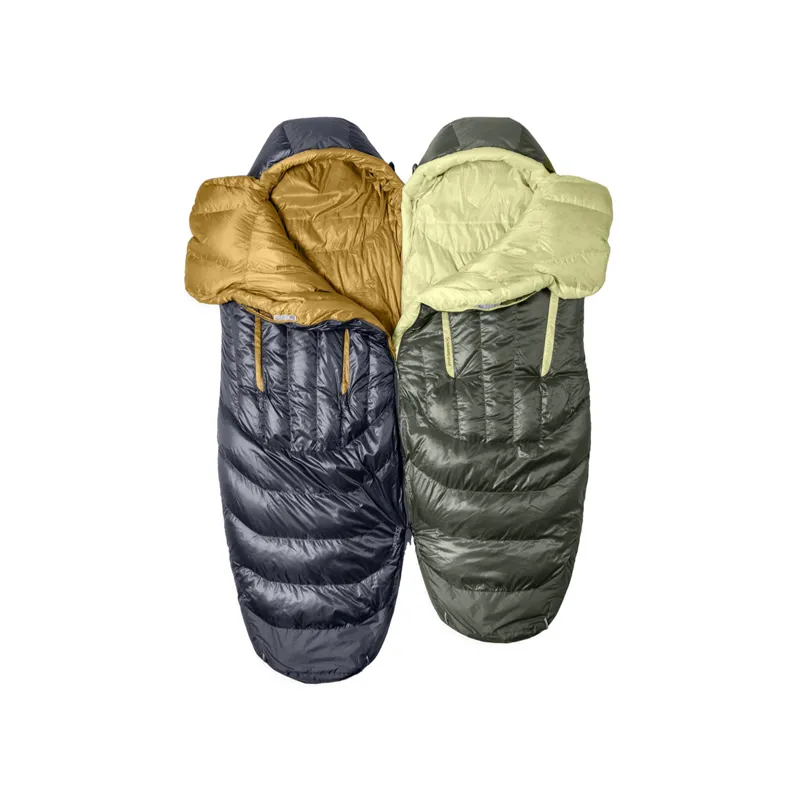
The NEMO Disco 15 is designed differently. Its Spoon™ shape adds extra space around the knees and elbows. It means you can shift position more naturally without compressing insulation or feeling restricted every time you roll over.
That extra room makes a noticeable difference on longer trips, especially after a full day on the hill when a good night’s sleep matters more than saving a few grams. It’s the kind of bag people often switch to after deciding they’re done fighting narrow mummy shapes on multi-night camps in places like the Lakes, Snowdonia or the Highlands.
It also includes Thermo Gills™ ventilation, which lets you release excess heat without opening the main zip. That’s particularly useful in the UK, where overnight temperatures can change quickly, and a bag that felt perfect at bedtime can feel surprisingly warm a few hours later.
A great choice if comfort matters as much as warmth
Best for:
• Side sleepers
• Restless sleepers
• Campers prioritising comfort over minimum weight
• Multi-night campsite trips
• Cold sleepers wanting improved insulation coverage
If you’ve ever spent half the night adjusting your sleeping bag instead of sleeping, the Disco is one of those designs that can quietly transform how comfortable nights outdoors feel.
Best Lightweight Backpacking Sleeping Bag
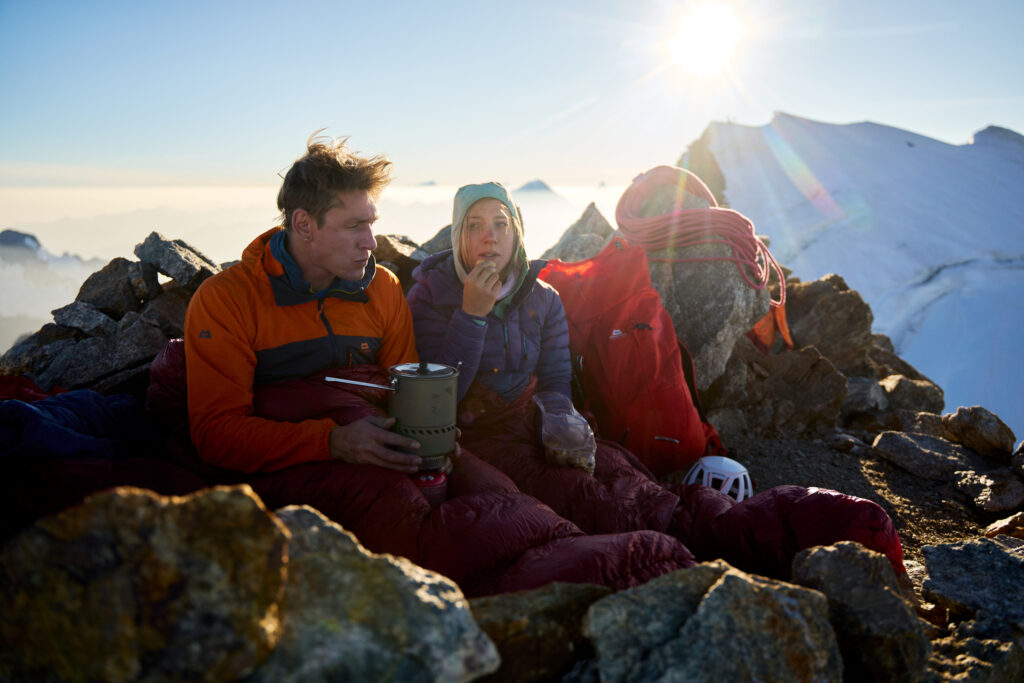
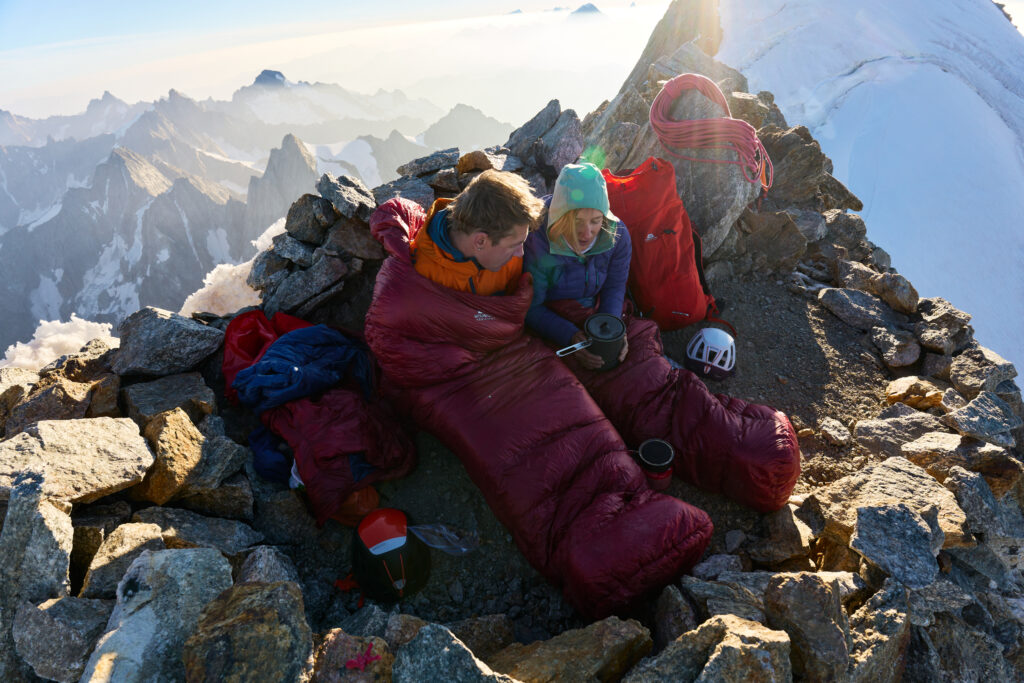
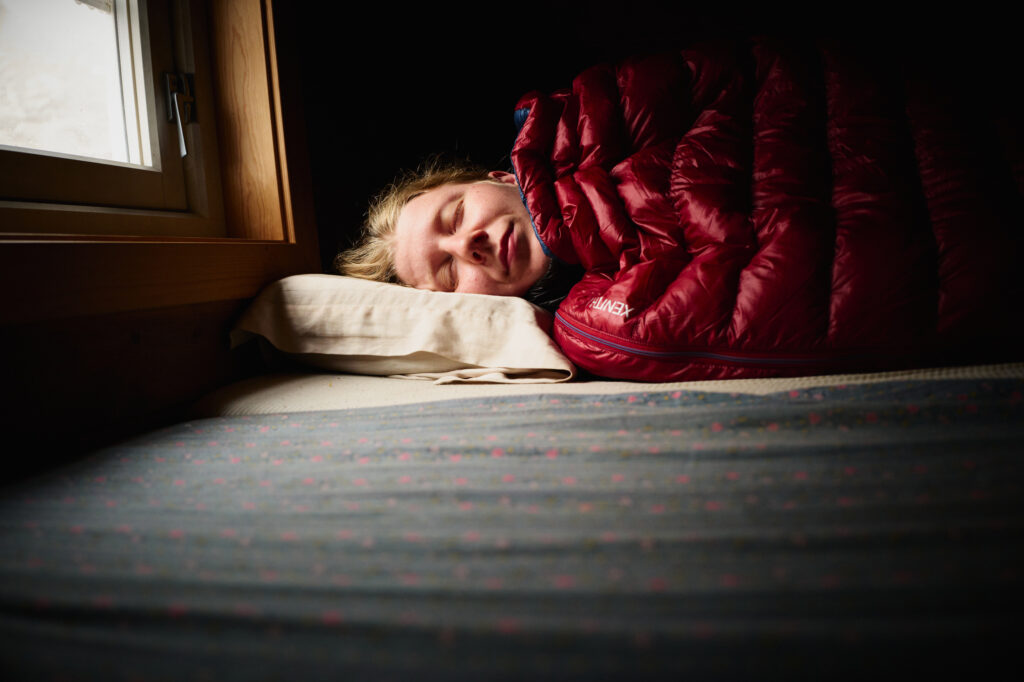
Mountain Equipment Xenith II Sleeping Bag
If you’re trying to keep pack weight down without stepping into summer-only territory, the Mountain Equipment Xenith II is one of those sleeping bags that makes a lot of sense for UK mountain trips. If you’re comparing several options in this category, our guide to the best lightweight backpacking sleeping bags explores how different ultralight models perform across typical UK routes and conditions.
It’s built for people who move a bit faster and carry a bit less. Whether that’s multi-day routes through the Lakes, Snowdonia or the Cairngorms, or longer journeys where every bit of space in your pack starts to matter by day two or three.
The Xenith II uses high-loft goose down and very lightweight shell fabrics to deliver impressive warmth for its size, but what sets it apart is that it still feels reassuring when conditions shift overnight. It’s not just a fair-weather ultralight option. Xenith II is designed for proper alpine use, which makes it far more dependable in typical UK mountain camps than many bags in this weight category.
It’s the kind of sleeping bag that starts to make sense once you’ve done a few longer trips and realised how much difference shaving weight from your sleep system can make to the overall feel of your pack.
A strong option when pack weight really matters
Best for:
• Multi-day backpacking routes
• Fastpacking setups
• Bikepacking trips
• Lightweight mountain camps
• Experienced campers reducing pack weight
If you’re looking to lighten your setup without giving up the confidence of a properly rated mountain sleeping bag, the Xenith II strikes a really nice balance between warmth, packability and reliability across typical UK conditions.
Best Premium Ultralight Sleeping Bag
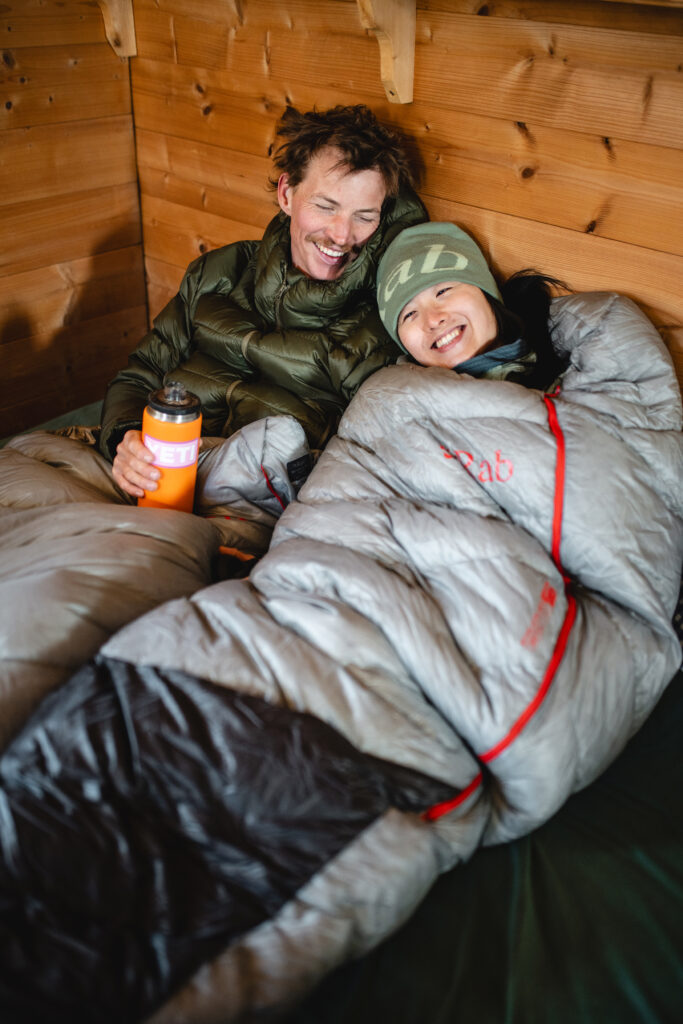
Rab Mythic Ultra −12°C Sleeping Bag
If you’re heading into colder mountain conditions but still want your pack to feel light on the walk in, the Rab Mythic Ultra −12°C sits right at the top end of what modern lightweight sleeping bags can do.
It’s designed for the kind of trips where weight matters all day, but warmth still matters all night. Whether that’s higher camps in the Cairngorms, colder shoulder-season routes in Glen Coe, or fast-moving multi-day trips where every bit of pack space counts.
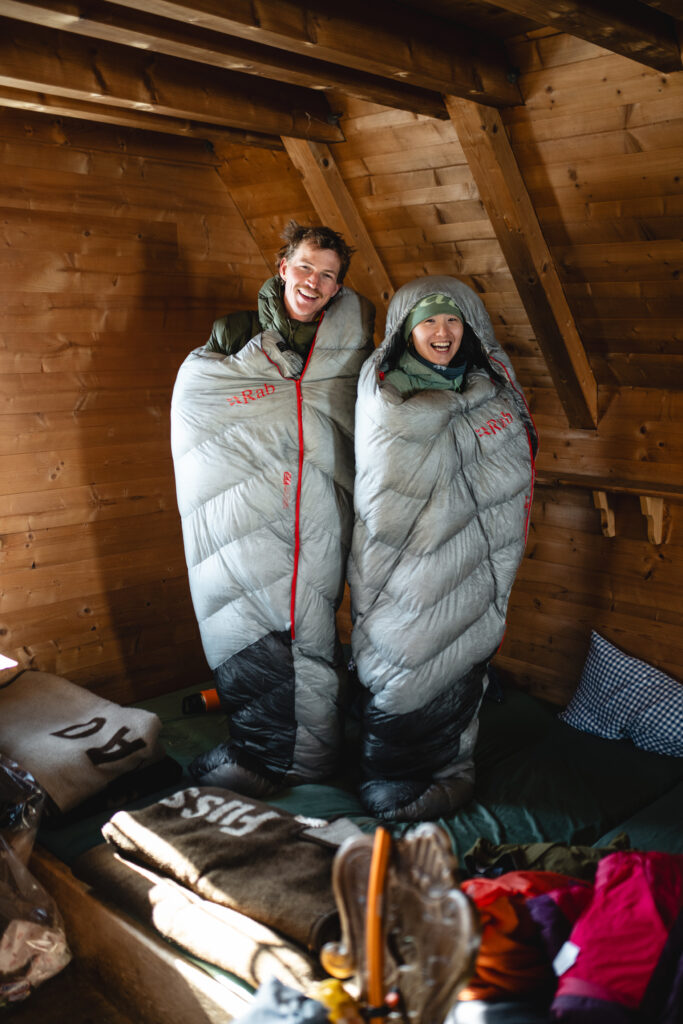
Rab uses TILT reflective lining technology inside the bag to help trap body heat more efficiently without adding extra bulk. Combined with high-quality goose down and a very lightweight construction, it delivers serious cold-weather performance in a package that packs down far smaller than you’d expect for this level of warmth.
This isn’t a general campsite sleeping bag. It’s the sort of bag people choose once they’ve started refining their kit and want something lighter without stepping back from proper mountain-ready insulation.
A top-tier option when warmth-to-weight really matters
Best for:
• Alpine backpacking
• Fast-and-light winter trips
• Minimalist mountain setups
• Experienced wild campers
• Weight-conscious expedition users
If you’re trying to keep your setup compact without compromising on warmth for colder UK mountain camps, the Mythic Ultra is one of the most efficient sleeping bags available in this temperature range.
Best Budget Synthetic Sleeping Bag
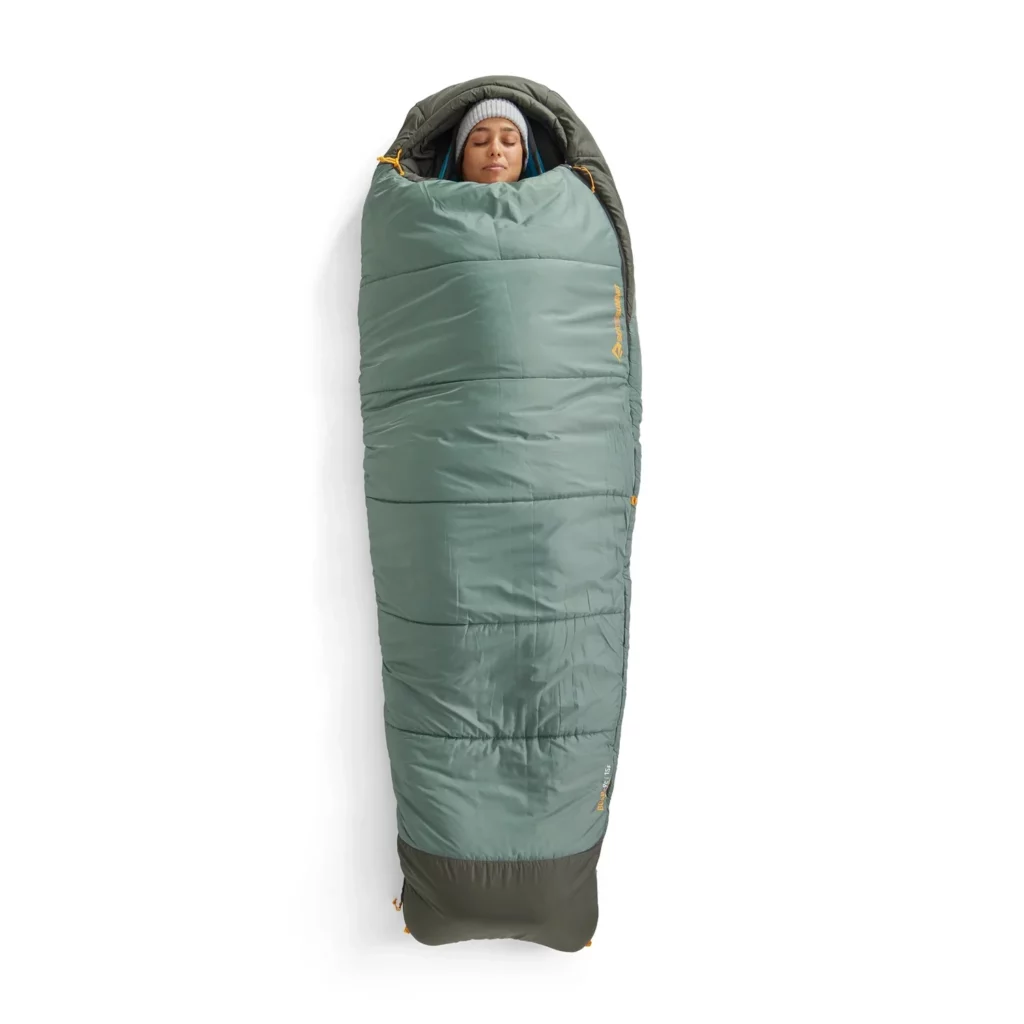
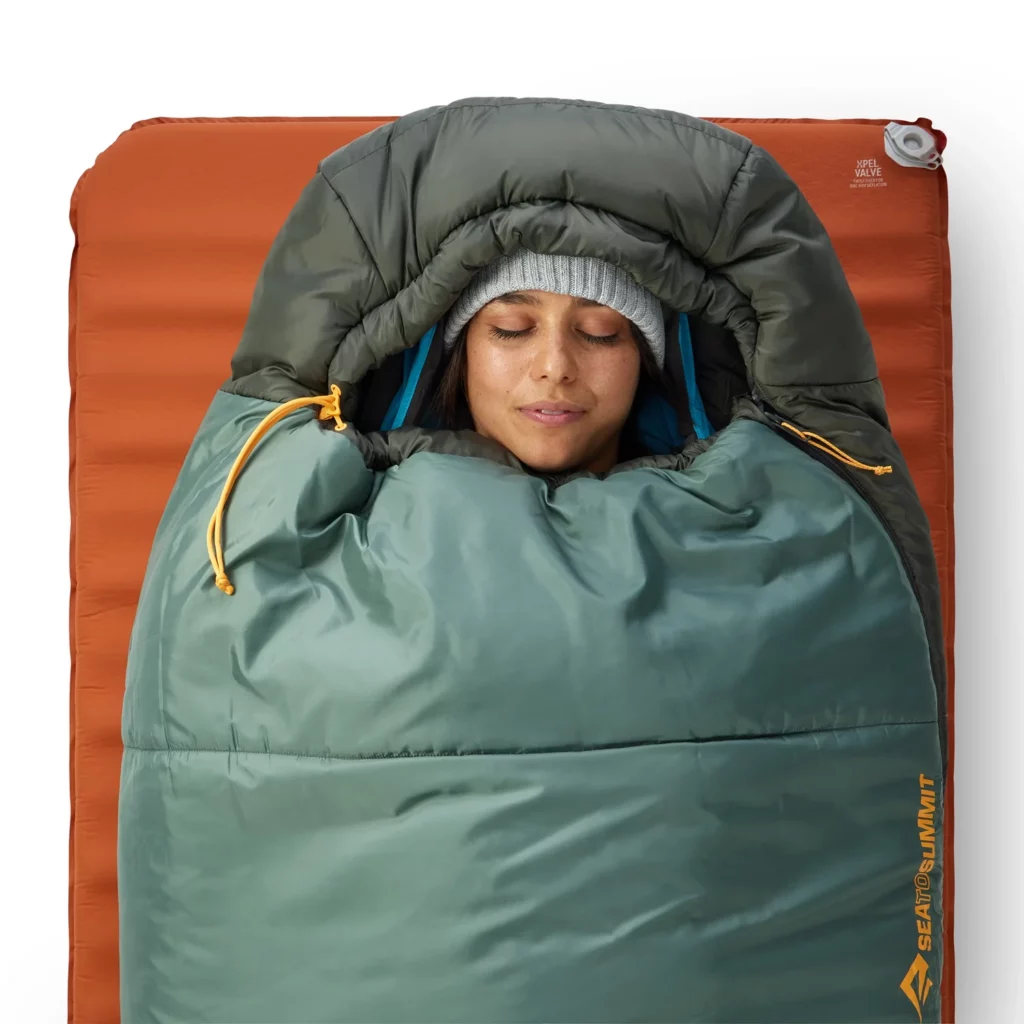
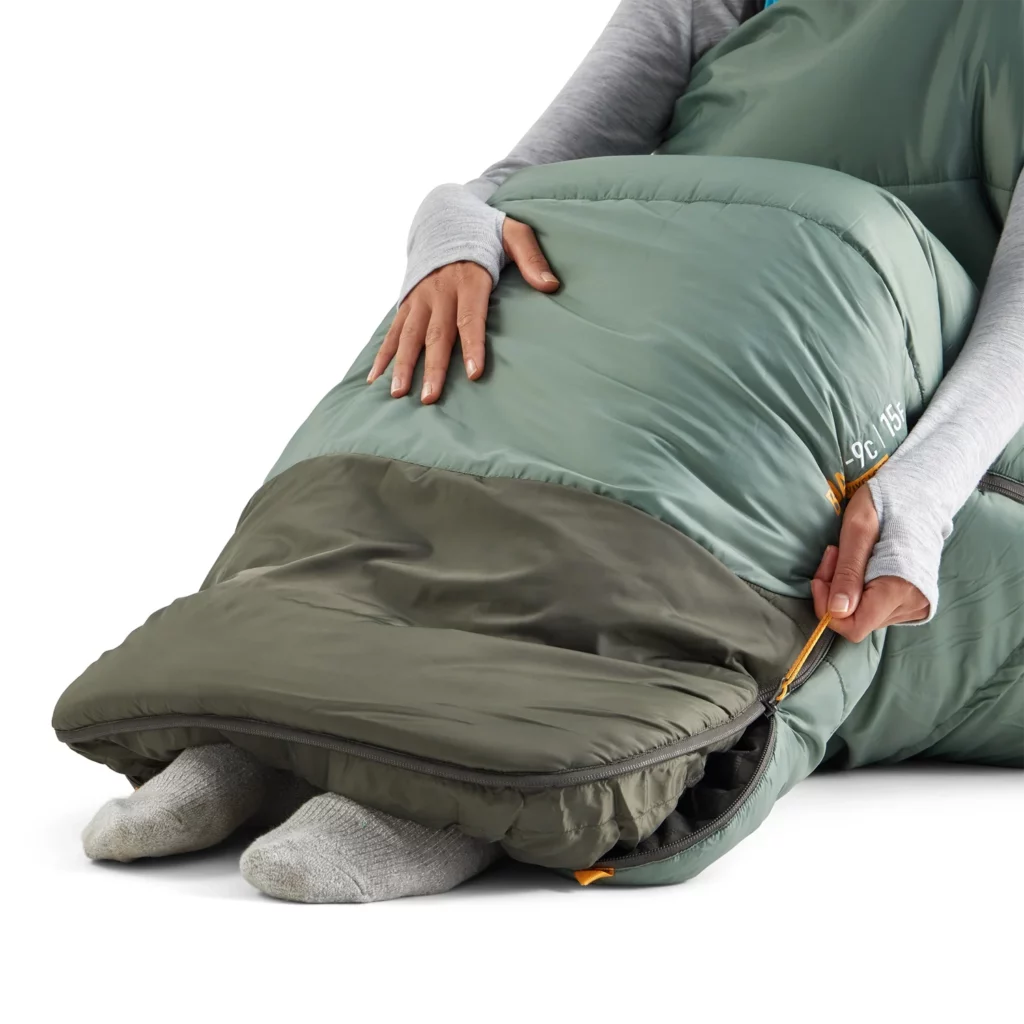
Sea to Summit Boab −1°C Sleeping Bag
If you’re just getting started with UK camping, or mostly heading out on warmer-season trips, the Sea to Summit Boab −1°C is a really sensible place to begin. It’s straightforward, comfortable, and reliable in the kind of damp overnight conditions common across UK campsites and lower-level wild camps.
One of the big advantages of the Boab is its synthetic insulation, which continues to perform even when moisture builds up inside the tent. That makes it especially reassuring on typical summer nights in places like the Peak District, the Lakes or coastal camps, where condensation can be part of the experience even when the forecast looks mild.
It also has a slightly roomier shape than many technical mummy bags, which makes it feel more relaxed and comfortable if you’re not trying to keep pack weight to an absolute minimum. For campsite trips, short overnighters or early wild camping plans, that extra comfort can make a bigger difference than saving a few grams.
A dependable option for warmer trips and first setups
Best for:
• Beginner campers
• Campsite use
• Summer to early autumn trips
• Damp environments
• Occasional wild camping
If you’re building your camping kit for the first time or want something simple and reliable for milder UK trips, the Boab is an easy sleeping bag to live with and a solid step into overnight camping without needing to invest in a premium down option straight away.
Best Winter Sleeping Bag
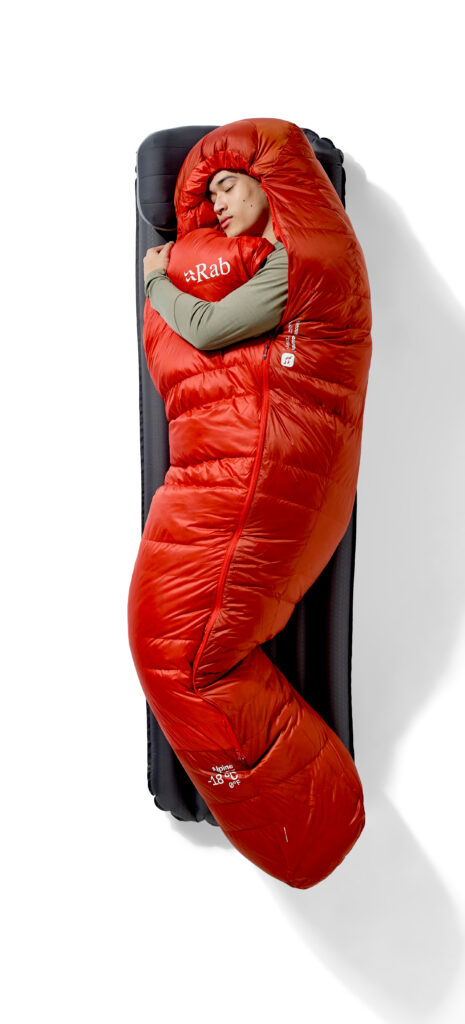
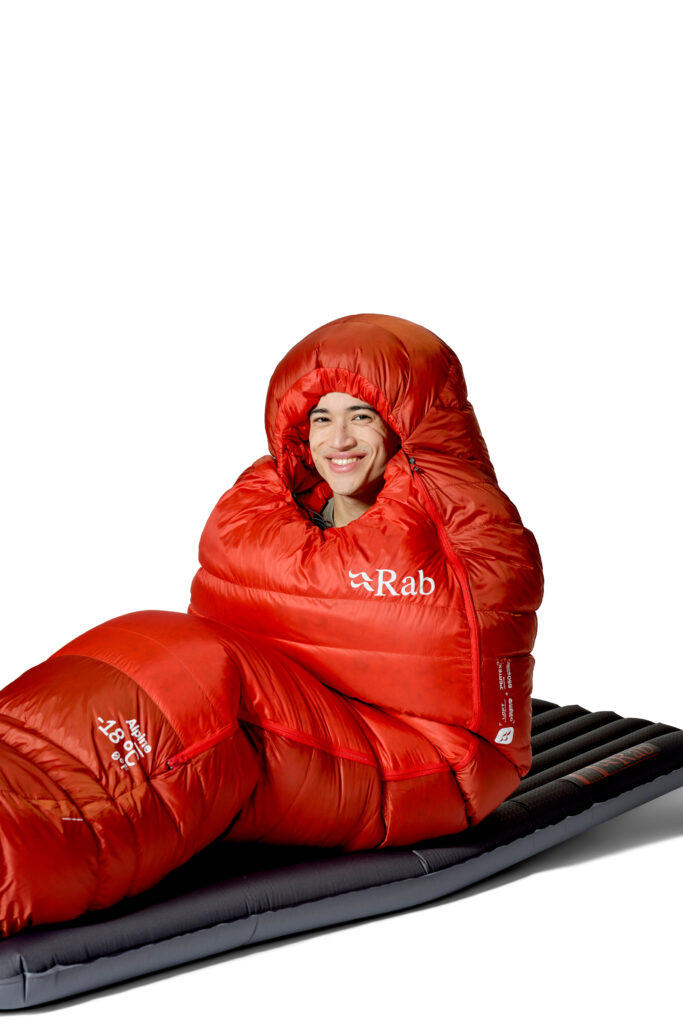
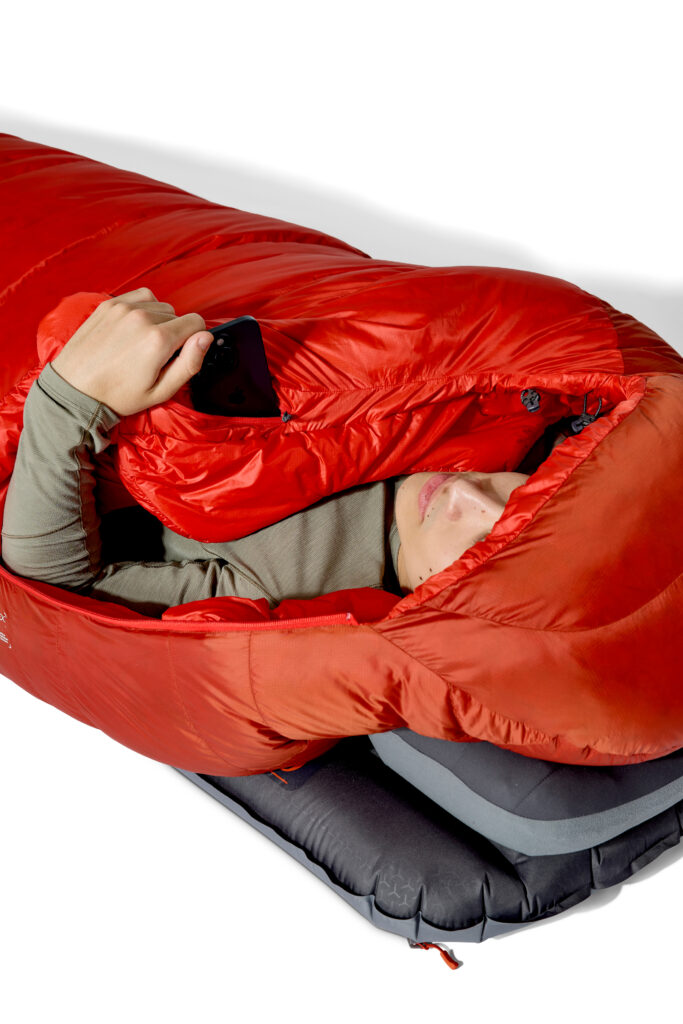
Rab Alpine −18°C Sleeping Bag
When you start camping in proper winter conditions in the UK, especially higher up in Scotland, a standard 3-season sleeping bag quickly stops feeling like enough. The Rab Alpine -18 °C is built for those colder nights when temperatures stay well below freezing, and the margin for error gets smaller.
It’s the kind of bag that makes sense for trips into places like the Cairngorms in winter, higher camps around Glen Coe, or snow-covered routes where you already know the temperature isn’t going to bounce back overnight. In those situations, having a sleeping bag designed specifically for cold conditions makes a noticeable difference to how well you rest and how comfortable mornings feel.
The Alpine uses high-quality down insulation and a close-fitting technical mummy shape to trap warmth efficiently, helping it perform reliably across exposed mountain camps where wind, frozen ground and long winter nights all play a part.
It’s not designed to be the lightest option in your pack. Instead, it’s built to be the one you’re glad you brought when conditions turn properly cold.
A reliable choice for serious winter conditions
Best for:
• Winter camping in Scotland
• Snow conditions
• High mountain camps
• Cold sleepers needing extra warmth
• Early-season mountaineering trips
If your trips regularly include sub-zero overnight temperatures, the Alpine -18 °C gives the kind of warmth and reassurance that makes winter camping far more comfortable and predictable across the UK’s colder mountain environments.
Best Alternative to a Sleeping Bag
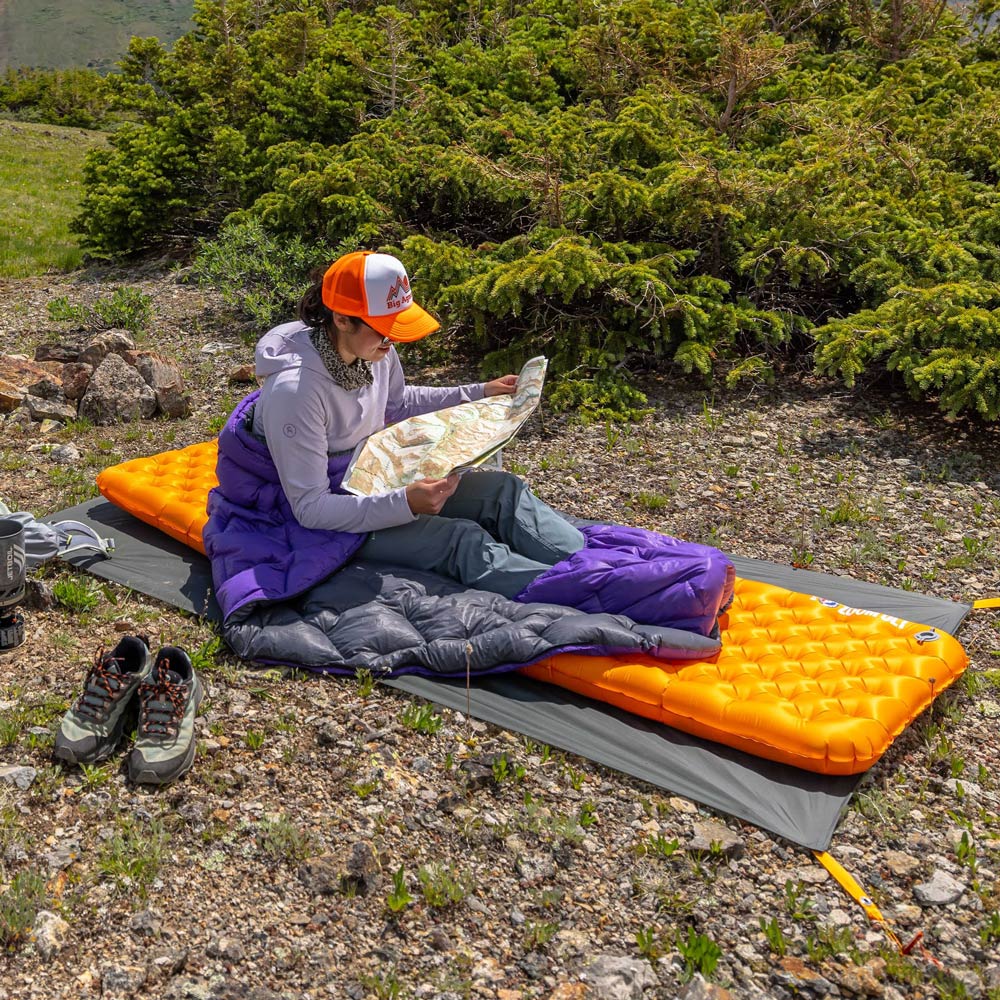
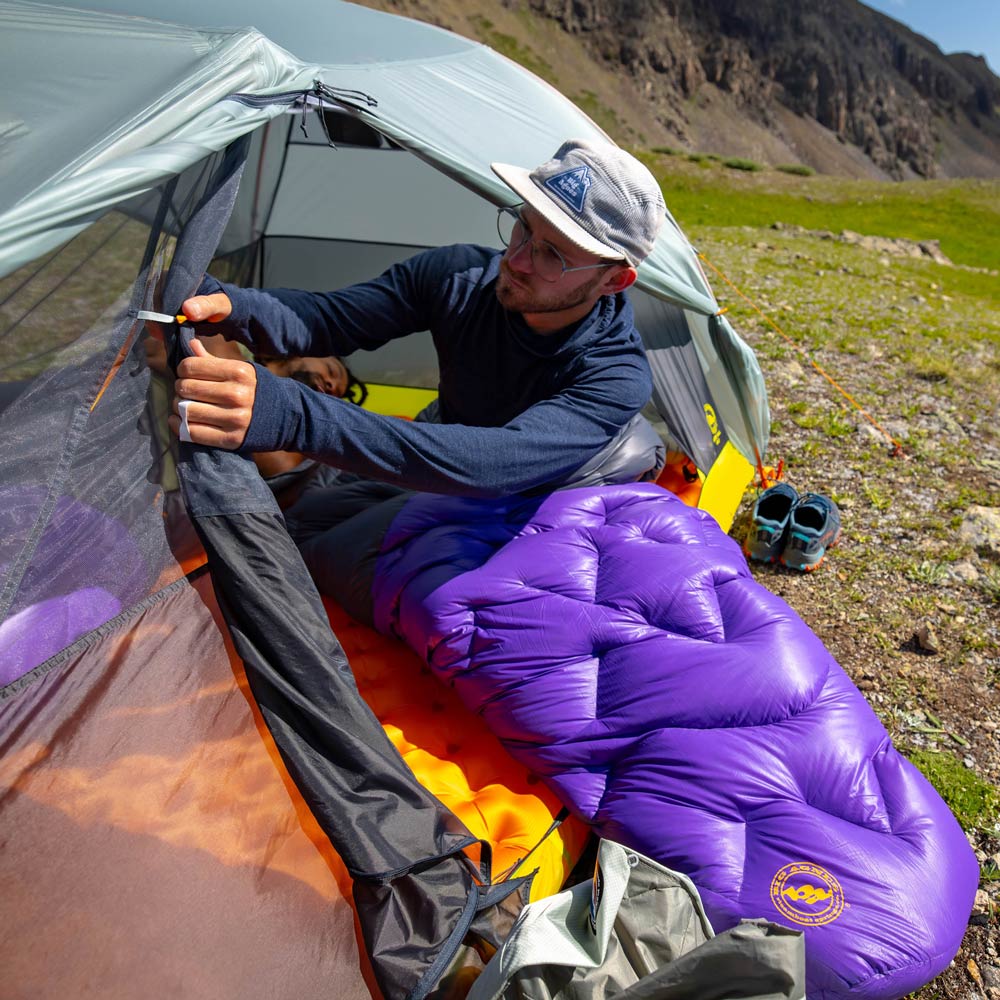
Big Agnes Fly Creek UL Zip Quilt
If you’re starting to refine your sleep setup and looking for ways to reduce pack weight without giving up comfort, a quilt like the Big Agnes Fly Creek UL Zip Quilt is an interesting option.
Quilts work differently from traditional sleeping bags. Instead of insulating underneath your body (where down gets compressed and does very little anyway), they rely on your sleeping mat for ground insulation and focus warmth where it counts. The result is a lighter, simpler sleep system that packs down smaller and feels less restrictive overnight.
That flexibility makes quilts especially appealing on summer wild camps in the Lakes or Snowdonia, fastpacking trips, or longer routes where shaving weight from your sleep system starts to make a noticeable difference after a few days on the move.
The Fly Creek quilt can be opened out on warmer nights or secured closer around you when temperatures drop, which works well in the UK, where overnight conditions often change more than expected between bedtime and morning.
A smart option for lighter, more flexible sleep systems
Best for:
• Ultralight backpacking
• Summer wild camping
• Fastpacking trips
• Hammock camping
• Experienced campers refining their sleep system
If you’re already using a properly insulated sleeping mat, switching to a quilt like this can be one of the easiest ways to make your pack feel lighter without giving up the warmth you need for typical UK summer and three-season trips.
How to Choose the Right Sleeping Bag for UK Camping
Above are the sleeping bags we recommend most often for UK camping in 2026, based on how they perform across real trips in places like the Lakes, Snowdonia and the Scottish Highlands.
If you’re still deciding which one makes the most sense for your own setup, the sections below explain how to choose the right temperature rating, insulation type and sleeping bag shape for the kind of camping you’re planning.
What Temperature Sleeping Bag Do You Need for UK Camping?
Choosing the correct temperature rating is one of the most important decisions when buying a sleeping bag for UK conditions.
If you’re unsure what the different ratings actually mean in real UK weather, our guide to what sleeping bag temperature rating you really need in the UK explains how comfort ratings translate into typical campsite, mountain and shoulder-season conditions.
Because overnight temperatures vary significantly across the UK depending on season, location and elevation, most campers benefit from choosing a sleeping bag suited to shoulder-season conditions rather than summer-only use.
As a general guide:
Summer UK camping
Typical overnight temperatures: 5°C to 10°C
Recommended sleeping bag rating:
Comfort rating around 0°C to +5°C
Spring and autumn UK camping (3-season use)
Typical overnight temperatures: 0°C to 5°C
Recommended sleeping bag rating:
Comfort rating around −3°C to −6°C
Cold shoulder-season mountain camping
Typical overnight temperatures: −5°C to 0°C
Recommended sleeping bag rating:
Comfort rating around −8°C to −12°C
Winter UK camping
Typical overnight temperatures: −10°C and below
Recommended sleeping bag rating:
Comfort rating around −15°C to −18°C
Sleeping Bag Temperature Ratings Explained
Sleeping bag temperature ratings can feel confusing at first. Most modern sleeping bags now follow EN or ISO testing standards, which makes comparisons much more reliable.
There are three key temperature figures to understand.
Comfort rating
The most useful number for most campers.
This is the temperature at which an average sleeper should remain comfortable overnight.
When choosing a sleeping bag for UK camping, always prioritise the comfort rating, not the lower limit rating.
Limit rating
The lowest temperature at which an average sleeper can remain warm while curled in a protective sleeping position.
This is not the temperature at which most people will sleep comfortably.
Extreme rating
This is a survival-only figure and should not be used when choosing a sleeping bag.
Trekitt tip
For most UK camping trips, choosing a sleeping bag with a comfort rating around −3°C to −6°C is the safest single-bag solution for three-season use.
Down vs Synthetic Sleeping Bags for UK Camping
One of the most common questions we hear in-store and online is whether down or synthetic insulation works better in UK conditions. Both perform well, but they suit slightly different camping styles. Below is a quick overview to help you compare them. Our guide to down vs synthetic sleeping bags explains the topic in much more detail if you’d like a deeper breakdown.
Down sleeping bags
Down insulation offers the best warmth-to-weight ratio, making it ideal for backpacking and wild camping where pack size matters.
Advantages:
• Lighter and more packable
• Warmer for the weight
• Longer lifespan when cared for properly
• Ideal for multi-day hiking trips
Modern hydrophobic down, used in sleeping bags like the Rab Neutrino range, also performs far better in damp UK conditions than older untreated down.
Best for:
• Backpacking
• Wild camping
• Mountain trips
• Reducing pack weight
Synthetic sleeping bags
Synthetic insulation performs better when exposed to moisture and is usually more affordable, which makes it a strong choice for beginners or campsite-based trips.
Advantages:
• Retains warmth when damp
• Lower cost
• Easier to maintain
• Good choice for humid environments
Best for:
• Campsite camping
• Summer trips
• Occasional use
• New campers building their kit setup
For many UK campers, synthetic options like the Sea to Summit Boab −1°C are a practical starting point before moving to down later.
Sleeping Bag Shapes Explained
The shape of a sleeping bag affects warmth, pack size, and overnight comfort more than many people expect.
Choosing the right shape often makes as much difference to sleep quality as choosing the right temperature rating.
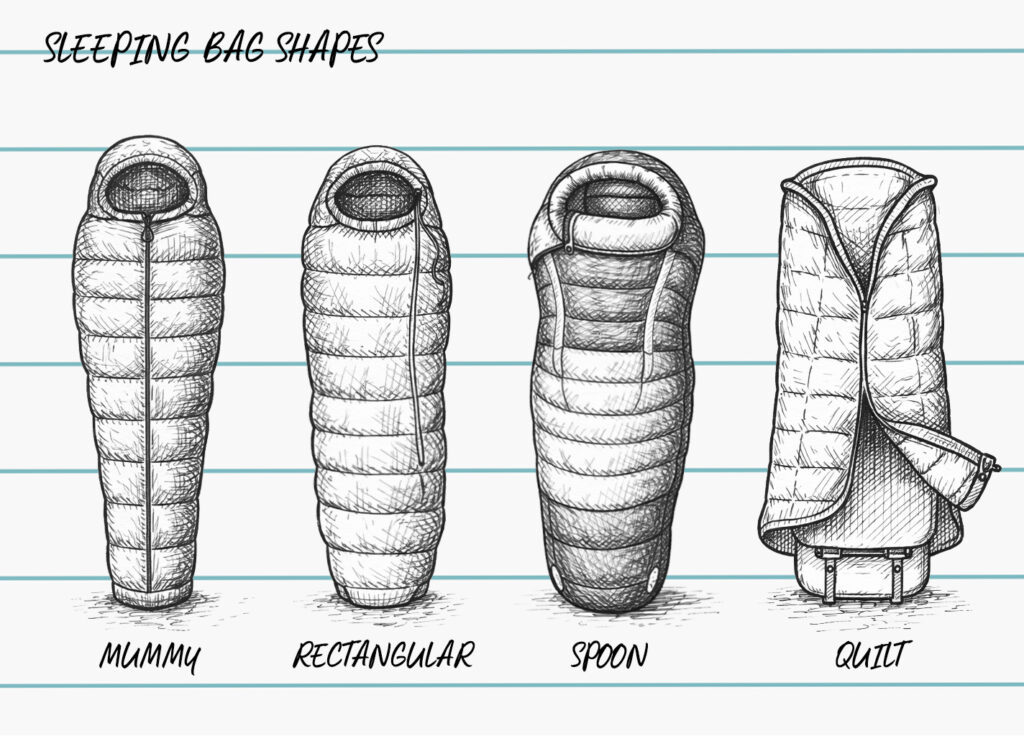
Mummy sleeping bags
Most technical sleeping bags use a tapered mummy shape because it delivers the best thermal efficiency.
Advantages:
• Warmest design
• Lowest weight
• Smallest packed size
• Best for backpacking
Examples in this guide:
Rab Neutrino
Mountain Equipment Xenith II
Rab Mythic Ultra
Spoon-shaped sleeping bags
Designed to improve comfort and movement rather than maximise thermal efficiency.
Advantages:
• Extra space at knees and elbows
• Better for side sleepers
• Improved overnight comfort
• Reduces insulation compression when moving
Example:
NEMO Disco 15
Quilts
Ultralight alternatives to traditional sleeping bags.
Advantages:
• Lighter
• More adaptable across seasons
• Less restrictive
• Ideal for experienced lightweight campers
Example:
Big Agnes Fly Creek UL Zip Quilt
Quilts rely more heavily on your sleeping mat for insulation underneath your body.
Should You Choose a Women’s or Men’s Sleeping Bag?
Sleeping bags labelled as men’s or women’s aren’t just different lengths. They’re shaped and insulated differently to match typical body proportions and sleeping patterns. It can make a noticeable difference to overnight comfort.
Women’s sleeping bags usually include:
• Extra insulation around the feet and torso
• A slightly narrower shoulder area
• A wider hip section
• Shorter overall length for improved thermal efficiency
Because of this, many colder sleepers also choose women’s versions regardless of gender, especially for shoulder-season or mountain trips in the UK.
Men’s sleeping bags typically offer:
• Longer lengths
• Broader shoulder fit
• Slightly less insulation for the same weight category
They’re often the better choice for taller users or those who prefer a roomier fit inside the bag.
If you’re unsure which option will suit you best, our guide to men’s vs women’s sleeping bags explains the real differences. It covers warmth, fit and comfort for UK camping conditions.
Why Your Sleeping Mat Matters as Much as Your Sleeping Bag
Even the warmest sleeping bag cannot keep you comfortable if your sleeping mat isn’t insulated properly.
Most heat loss during the night happens through the ground rather than the air around you, which means your sleeping mat plays a bigger role in overnight warmth than many people expect, especially during UK wild camps where the ground often stays cold long after sunset.
As a general guide:
Summer camping
Use a mat with an R-value of 1–2
3-season UK camping
Use a mat with an R-value of 3–4
Cold mountain conditions
Use a mat with an R-value of 4–5+
Winter camping
Use a mat with an R-value of 5+
Pairing something like the Rab Neutrino −6°C with a properly insulated sleeping mat often improves warmth more than switching to a heavier sleeping bag.
If you’re unsure which mat suits your setup, our guide to choosing a sleeping mat for camping explains how R-values work and how to match a mat to typical UK conditions.
Final Word
We hope this guide has helped you find the right sleeping bag for your UK camping plans. These Trekitt Top Picks for 2026 are the models we recommend most often because they perform reliably across real trips in places like the Lakes, Snowdonia and the Scottish Highlands.
The advice sections above are here to help you choose between them based on your trip style, the seasons you camp in, and how lightweight you want your setup to be.
If you’re still unsure which option will suit you best, our team at Trekitt is always happy to help. Whether you’re planning your first overnight trip or refining a lightweight mountain setup, feel free to get in touch. We’ll point you in the right direction. Happy Camping!
FAQ
For most UK camping trips, choose a sleeping bag with a comfort rating between −3°C and −6°C. This range works well for spring, summer and autumn conditions across most of England, Wales and lower-elevation Scotland.
Colder sleepers or mountain campers may prefer −8°C to −12°C comfort ratings.
Yes. A 3-season sleeping bag is suitable for most UK camping trips between March and October.
These sleeping bags typically have comfort ratings between 0°C and −6°C. It covers typical overnight temperatures across most UK campsites and wild camping locations.
Yes. Modern down sleeping bags perform well in UK conditions because many now use hydrophobic-treated down and moisture-resistant shell fabrics.
Down sleeping bags are lighter and pack smaller than synthetic alternatives, making them ideal for backpacking and wild camping.
Synthetic insulation performs better in persistently wet environments.
The comfort rating shows the temperature at which most people can sleep comfortably overnight.
The limit rating shows the lowest temperature an average sleeper can tolerate in a curled position.
Always choose a sleeping bag based on the comfort rating, not the limit rating.
Yes. Sleeping quilts are warm enough for UK camping when paired with an insulated sleeping mat with an R-value of 3 or higher.
Quilts remove compressed underside insulation and rely on the sleeping mat instead. It reduces weight while maintaining warmth in summer and three-season conditions.
Side sleepers benefit from sleeping bags with extra space around the knees and elbows.
Spoon-shaped sleeping bags provide improved movement and reduce insulation compression compared with traditional mummy-shaped designs.
Synthetic sleeping bags are usually better for beginner campers because they are more affordable, easier to maintain and perform better in damp conditions.
Down sleeping bags are lighter and more compact, making them better suited to backpacking and wild camping.
Yes. Camping in Scotland often requires a warmer sleeping bag because overnight temperatures are typically lower and exposure is higher than elsewhere in the UK.
Many campers choose sleeping bags rated −8°C to −12°C comfort for three-season Scottish trips.
Leave a Reply