
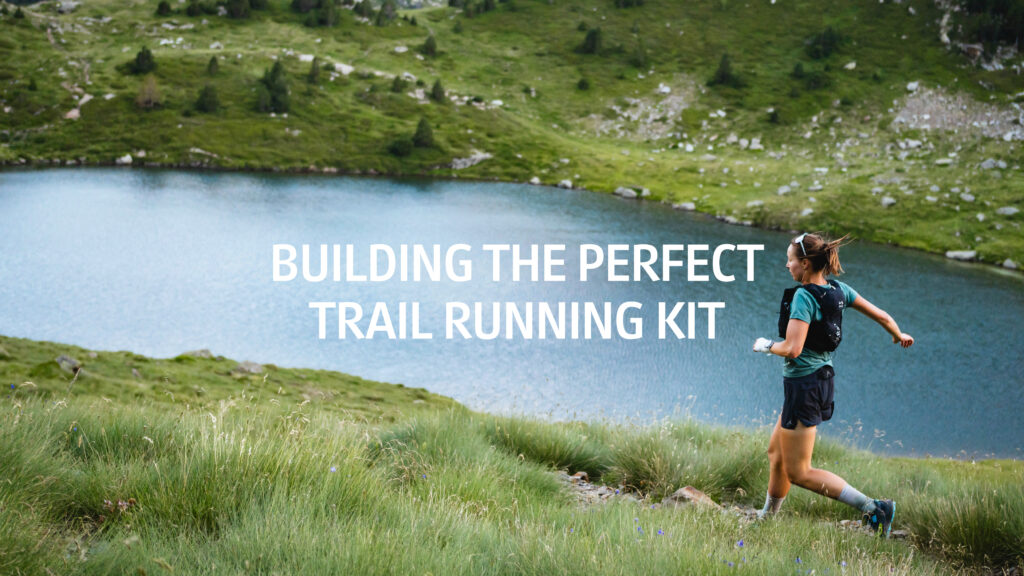
Building the Perfect Trail Running Kit

Author: Trekitt Gear Team
With years of experience trail running across the UK’s varied terrain, our team understands what makes a reliable trail running kit. From choosing your first trail shoes to building a complete setup for long-distance mountain runs, we’ve tested the gear ourselves and know what works when conditions become challenging.
Trail running is one of the most rewarding ways to explore the outdoors, combining fitness, adventure and freedom in a way few sports can match. But with so many shoes, vests, waterproofs, hydration systems and accessories available, knowing what you actually need can be surprisingly confusing.
Whether you’re heading out for your first woodland run, training for a trail marathon or planning mountain adventures in the UK’s ever-changing weather, having the right kit can make a huge difference to your comfort, confidence and safety.
This guide breaks down the essential trail running gear, explains when you need it, and helps you choose the best options for the type of running you enjoy. From shoes and running vests to hydration, waterproofs, poles and safety equipment, we’ll help you build a trail running kit that works in real-world UK conditions.
KEY TAKEAWAYS
- The essential trail running kit every beginner needs
- How to choose trail running shoes for UK terrain
- When you need a running vest, poles and waterproofs
- Hydration options explained
- Safety gear that could save your run
- Example kit lists for different distances
This article is part of our 👉 Trail Running Knowledge Centre, where you’ll find expert advice on trail running shoes, clothing, hydration systems and training tips. From choosing the right trail shoes for different terrain to understanding cushioning, grip, fit and running kit essentials, our guides are designed to help you run further, faster and more comfortably on the trails.
What Gear Do You Need for Trail Running?
One of the best things about trail running is that you don’t need a huge amount of gear to get started. However, the further you run, and the more remote your routes become, the more important it is to carry the right equipment.
A local woodland run might require little more than suitable shoes and a phone, while a mountain adventure could mean carrying waterproofs, hydration, navigation tools and emergency equipment. The table below provides a quick overview of essential trail-running kit for different types of runs.
| Kit | Short Runs (5–10km) | Long Runs (10–25km) | Mountain Runs (25km+) |
|---|---|---|---|
| Trail Running Shoes | ✓ | ✓ | ✓ |
| Technical Running Clothing | ✓ | ✓ | ✓ |
| Mobile Phone | ✓ | ✓ | ✓ |
| Emergency Contact Details | ✓ | ✓ | ✓ |
| Hydration | Optional | ✓ | ✓ |
| Nutrition / Energy Gels | Optional | Recommended | ✓ |
| Running Vest | Optional | ✓ | ✓ |
| Waterproof Jacket | Recommended | ✓ | ✓ |
| Headtorch | Optional | Recommended | ✓ |
| Spare Layer | No | Optional | ✓ |
| Gloves & Hat | No | Optional | Weather Dependent |
| Emergency Blanket | No | Optional | ✓ |
| Whistle | No | Optional | ✓ |
| Navigation Tools | No | Optional | ✓ |
| Trail Running Poles | No | Optional | Route Dependent |
There’s no need to buy everything at once. Start with a good pair of trail running shoes and gradually add extra kit as your distances, confidence and ambitions grow. Many experienced trail runners build their setup over time, choosing gear that suits the terrain, weather and type of running they enjoy most.
1. Trail Running Shoes: Your Most Important Piece of Kit
If there’s one piece of gear worth investing in, it’s a good pair of trail running shoes. The right shoes provide grip, protection and confidence on uneven terrain, helping you move comfortably across everything from muddy woodland paths to rocky mountain trails.
Before choosing a model, it’s worth understanding how trail shoes differ and which features matter most. If you’re new to the sport, our guide to choosing trail running shoes and our trail running shoe technologies guide explain everything from lug depth and cushioning to rock plates, grip compounds and waterproof membranes.
What Makes Trail Running Shoes Different?
Better Grip
Trail shoes use deeper, more aggressive lugs than road shoes to provide traction on mud, wet grass, loose gravel and rocky terrain. Different rubber compounds are designed to maximise grip in specific conditions.
More Protection
Many models include rock plates, reinforced toe bumpers and durable uppers to protect your feet from roots, rocks and trail debris.
Improved Stability
Trail shoes often feature wider platforms and terrain-specific cushioning to improve balance and control on uneven ground.
How to Choose Trail Running Shoes for UK Terrain
Best for Muddy Trails
Look for aggressive lug patterns of 5mm or more that can bite into soft ground and shed mud effectively.
Best for Mixed Trails
Most UK runners will benefit from versatile all-rounders with 3–5mm lugs that perform well across woodland paths, gravel tracks and occasional road sections.
Best for Rocky Terrain
Prioritise durable uppers, sticky rubber compounds and additional underfoot protection to improve grip and comfort on technical routes.
Trail Running Shoes We Recommend
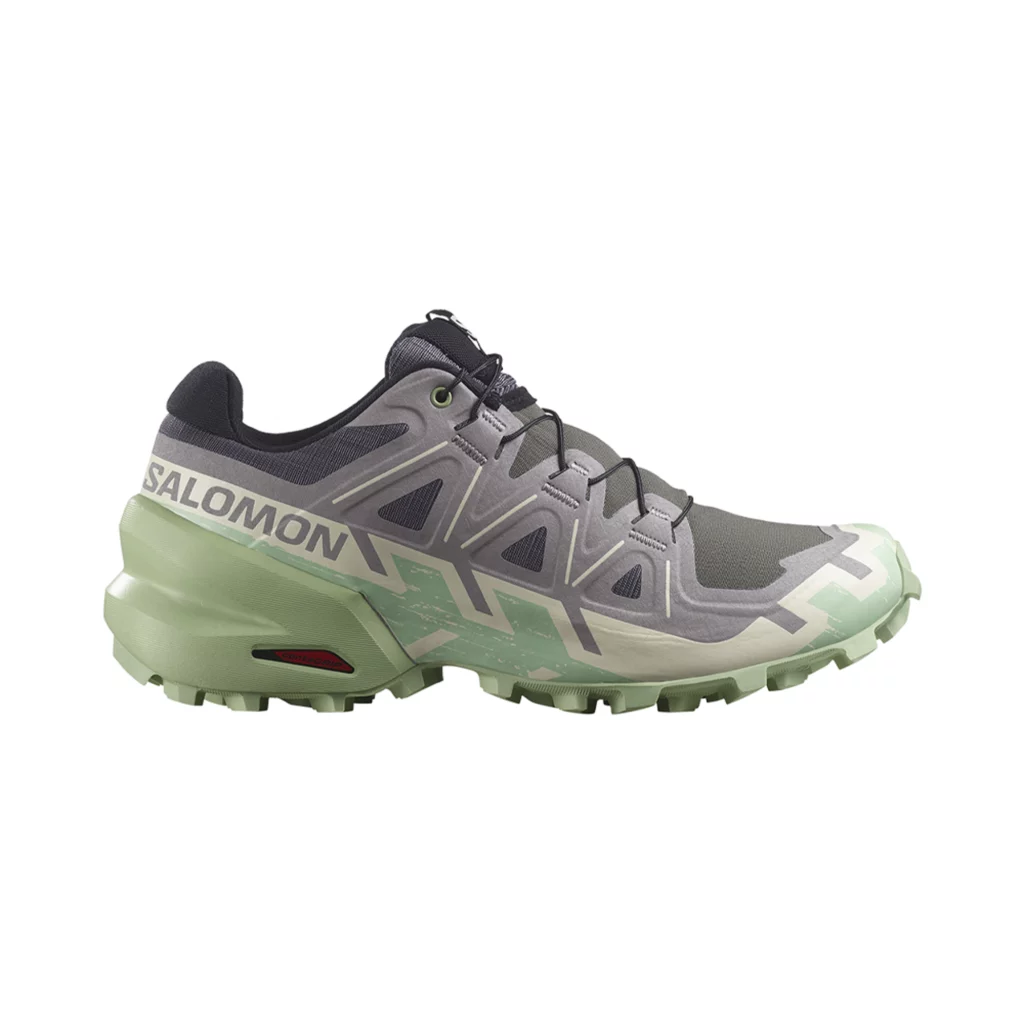
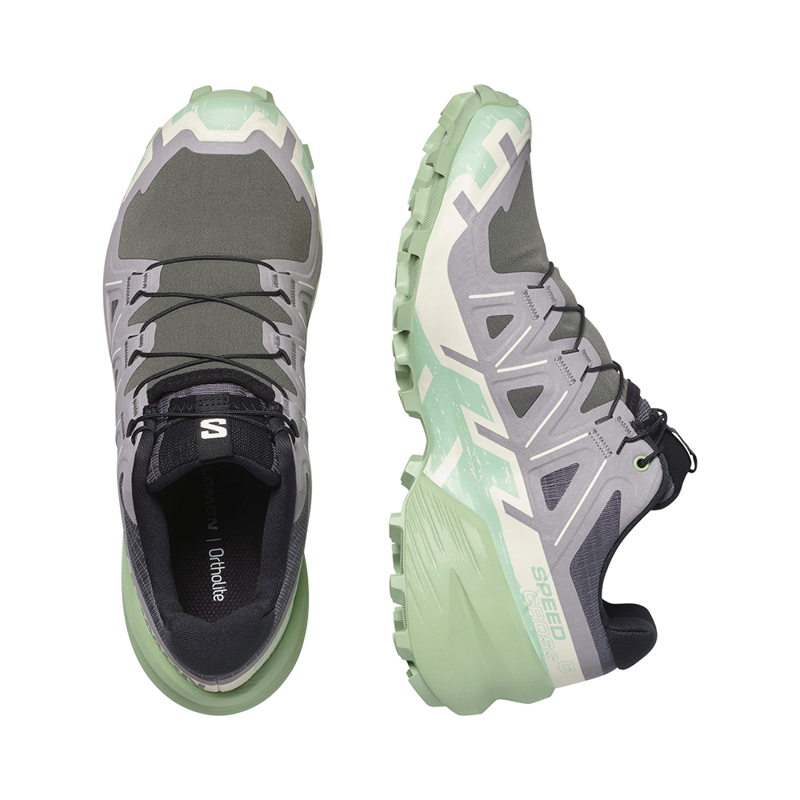
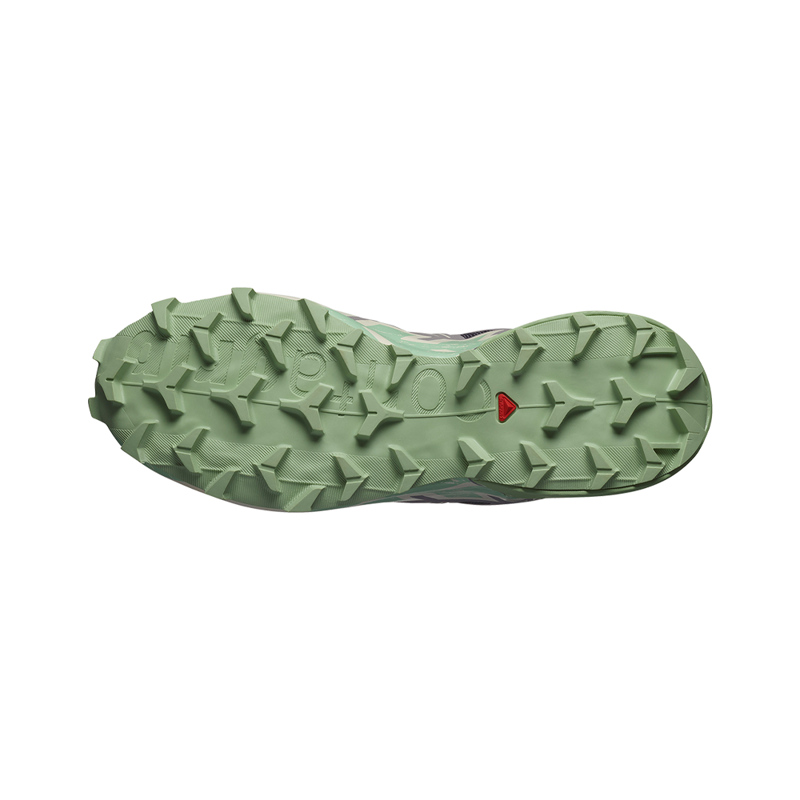
Best All-Rounder: Salomon Speedcross 6
The Speedcross has become a benchmark for UK trail running thanks to its aggressive grip, secure fit and ability to handle muddy, wet conditions. If you’re unsure where you’ll be running most often, it’s one of the safest choices for British trails.
Great for:
- Muddy trails
- Woodland running
- Mixed terrain
- Beginners and experienced runners alike
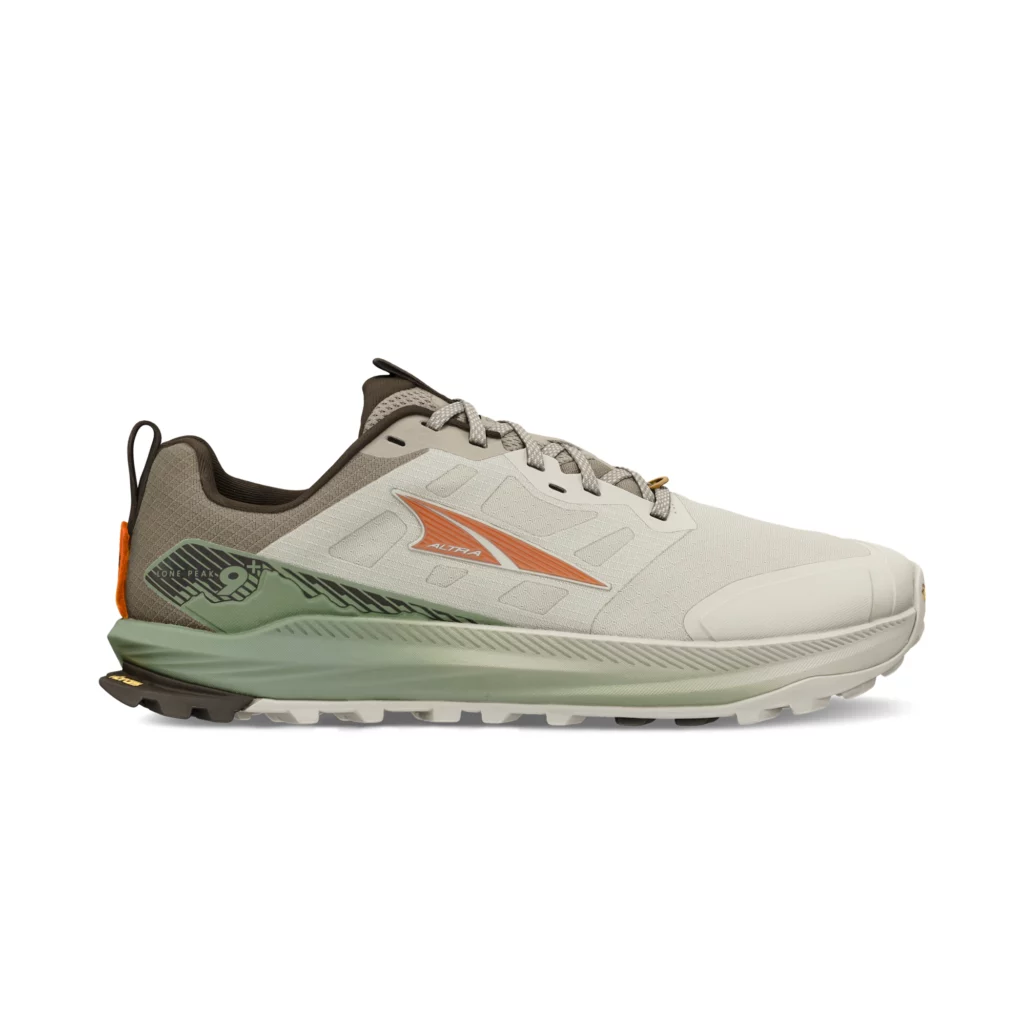
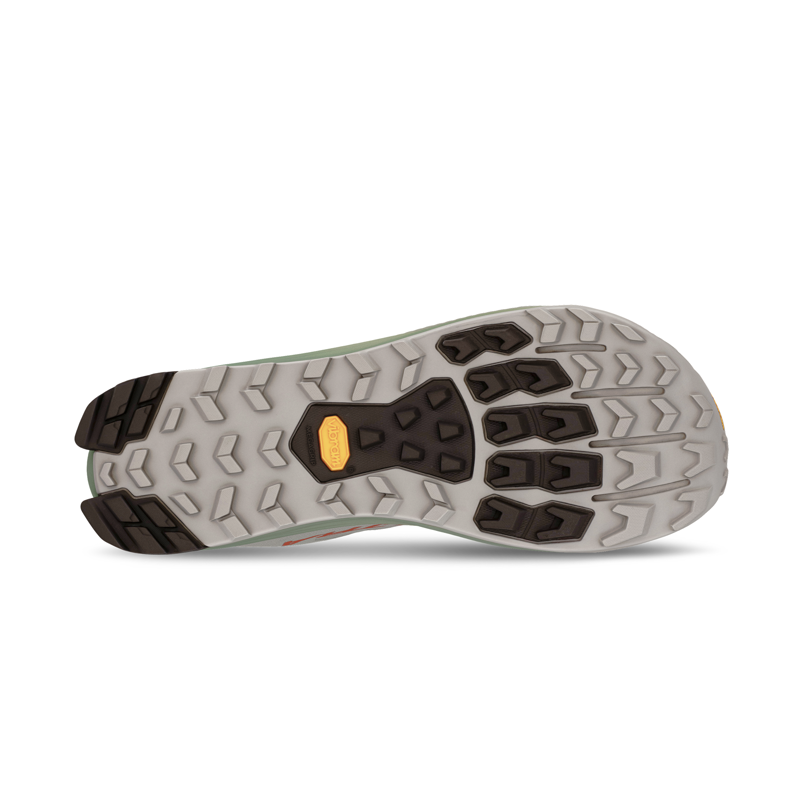
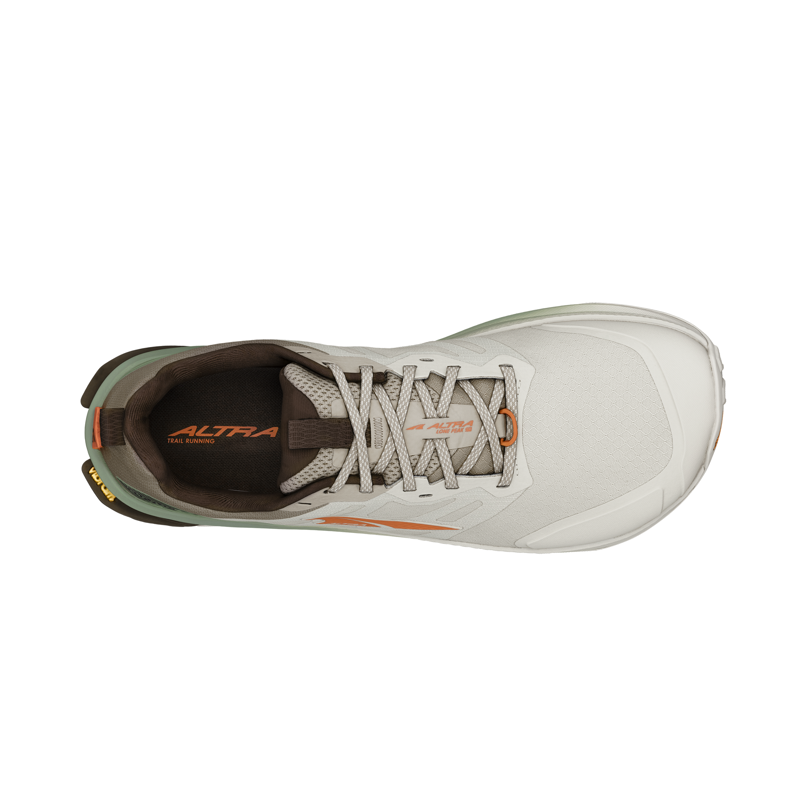
Best for Beginners: Altra Lone Peak 9+
The Lone Peak is one of the most approachable trail shoes on the market. Its spacious FootShape™ toe box allows your toes to spread naturally, while the moderate cushioning provides comfort without feeling unstable.
Great for:
- New trail runners
- Walking and running
- Long-distance comfort
- Wider feet
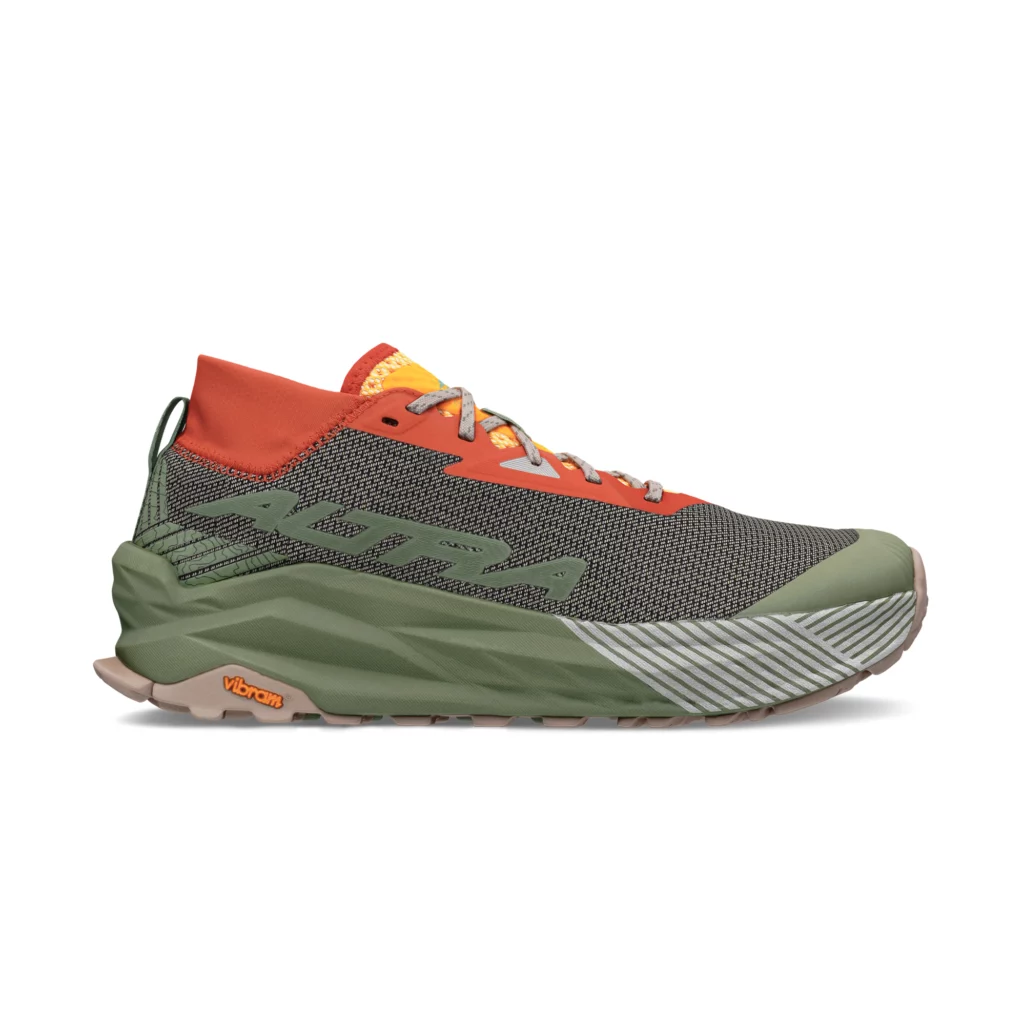
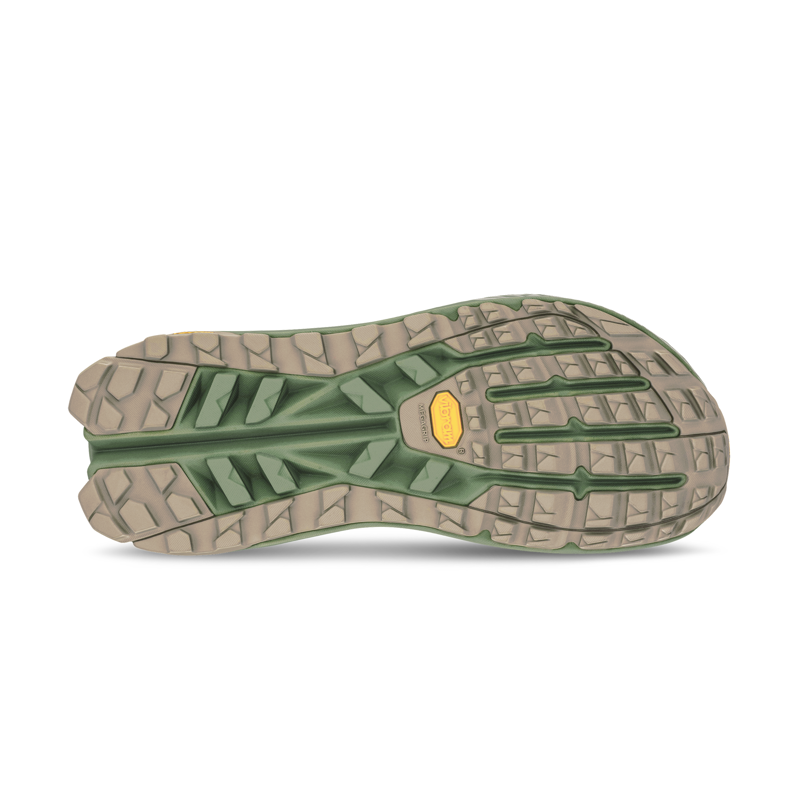
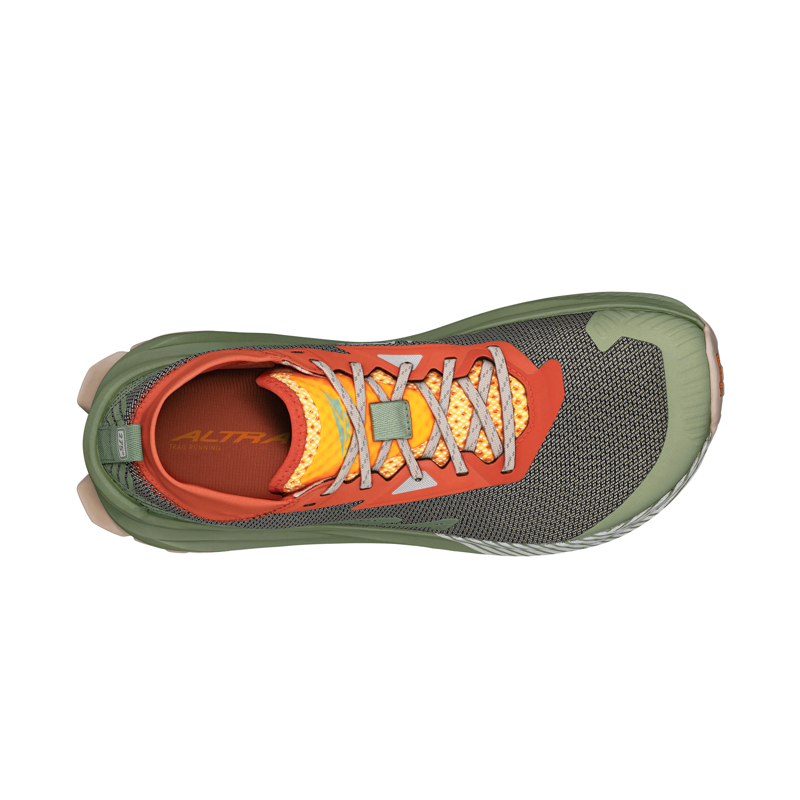
Best for Long-Distance Comfort: Altra Olympus 275
The Olympus offers Altra’s highest level of cushioning, making it ideal for ultra-distance runners and anyone prioritising comfort over long hours on the trail.
Great for:
- Ultra races
- Long training runs
- Recovery-focused running
- Runners wanting maximum cushioning
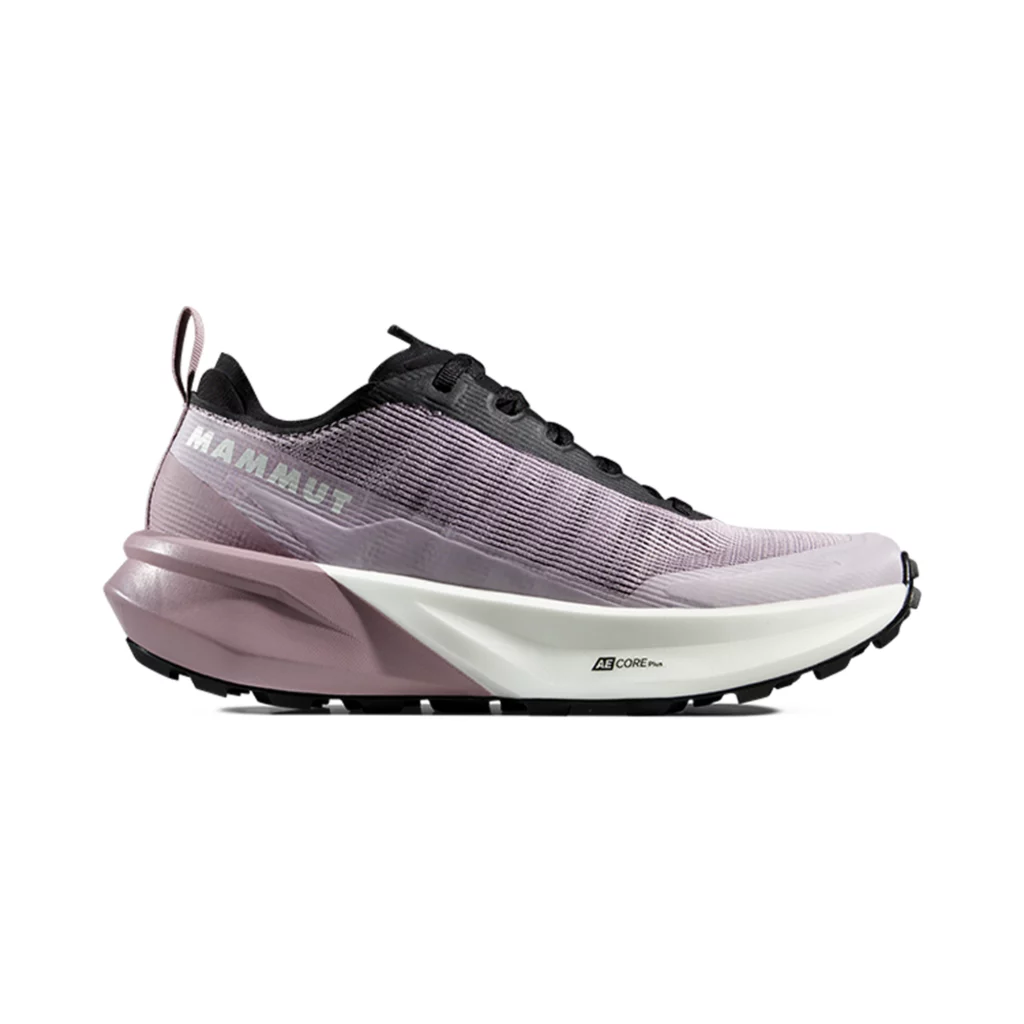
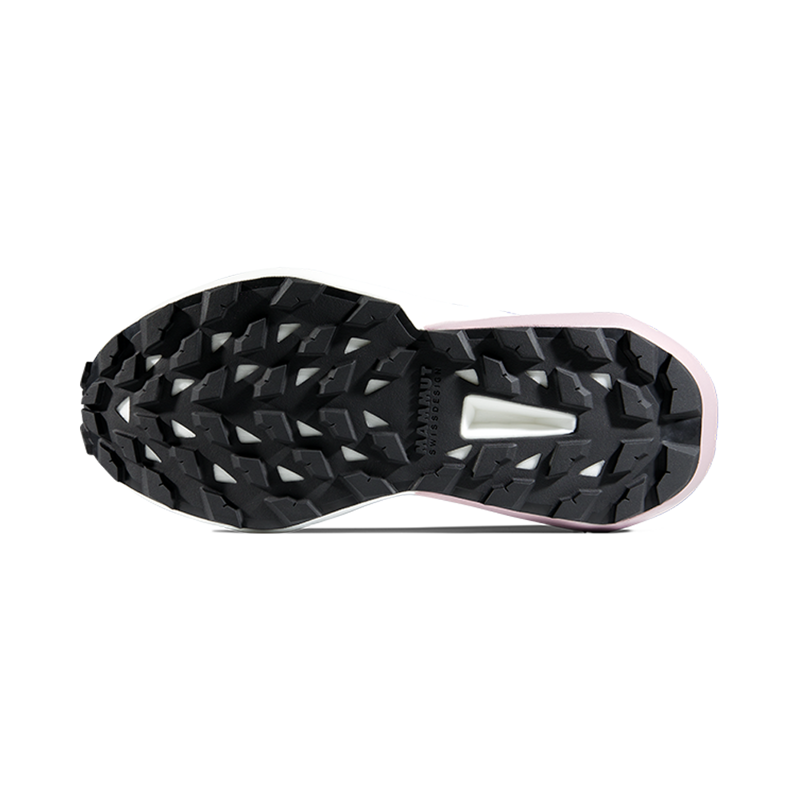
Best for Mountain Adventures: Mammut Aenergy Trail Low
The Aenergy combines cushioning, grip and protection for runners venturing into rougher terrain. It’s particularly appealing to those who also enjoy fast hiking and mountain days.
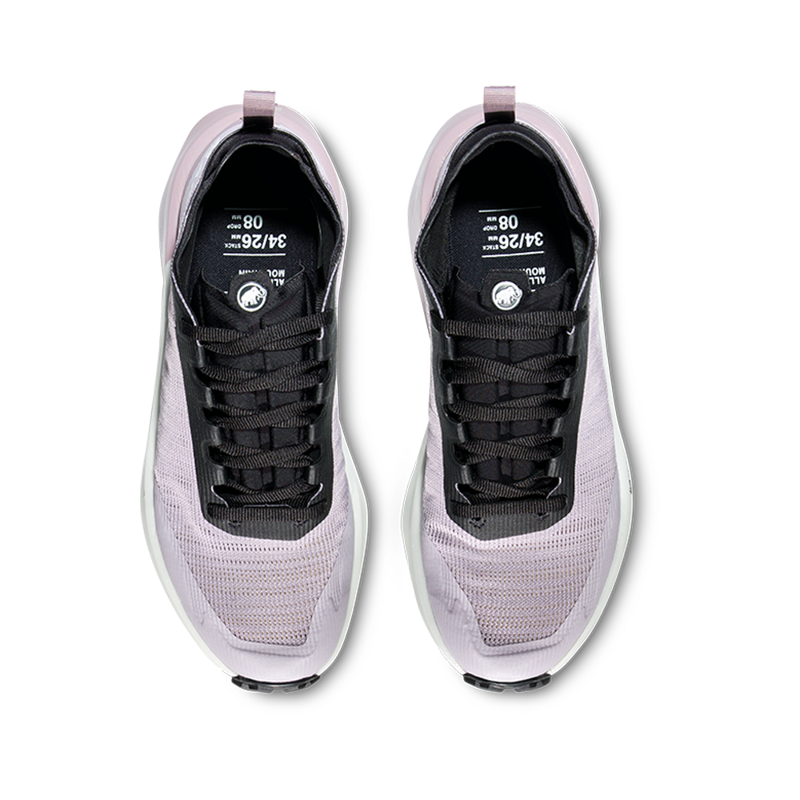
Great for:
- Mountain trails
- Technical terrain
- Mixed hiking and running
- Longer adventures
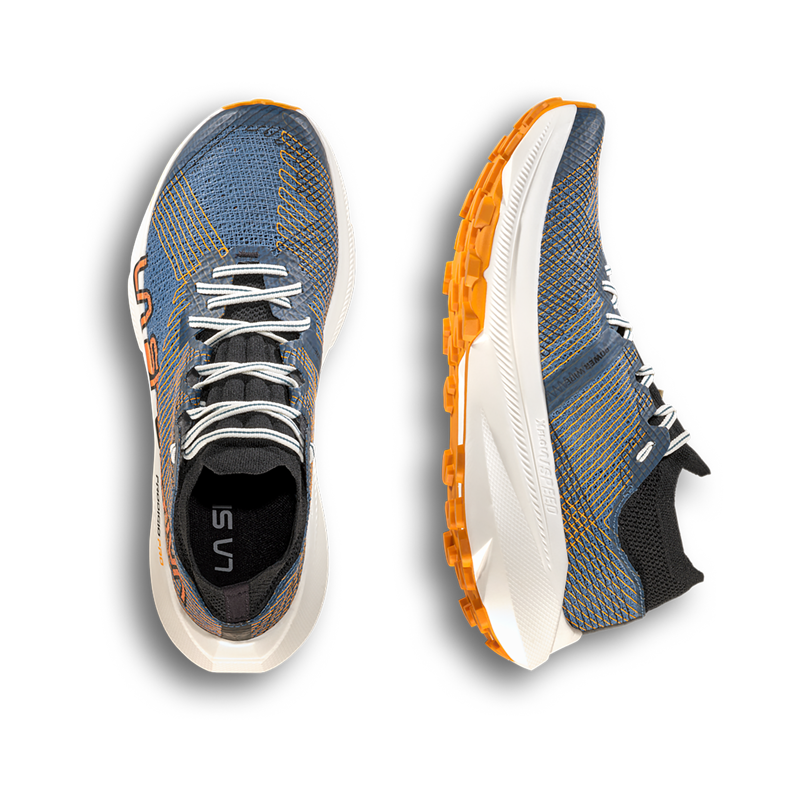
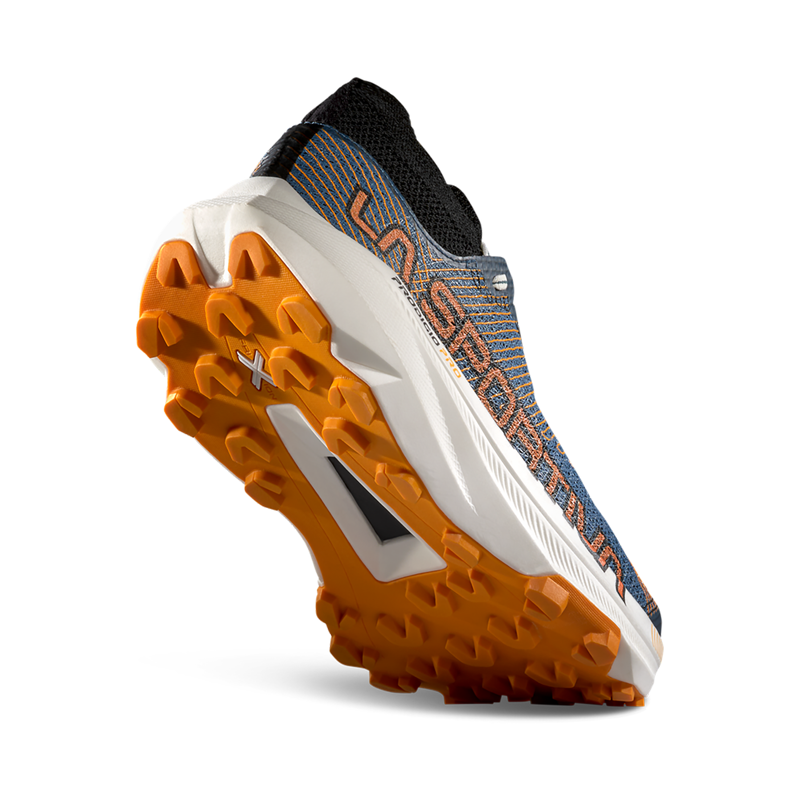
Best for Technical Terrain: La Sportiva Prodigio Pro
La Sportiva’s mountain expertise is immediately apparent in the Prodigio Pro. It offers excellent precision, traction, and protection for runners tackling steep, rocky terrain.
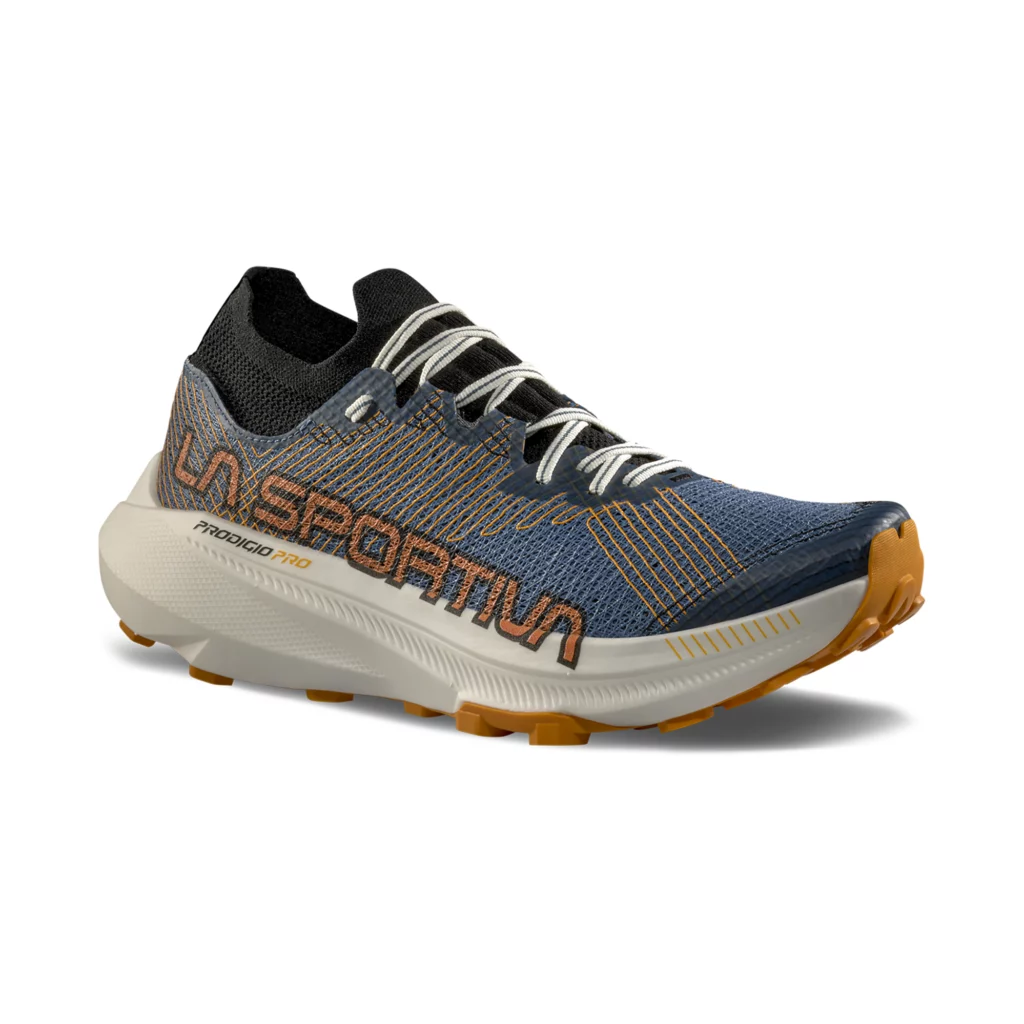
Great for:
- Rocky routes
- Mountain races
- Technical descents
- Alpine-style terrain
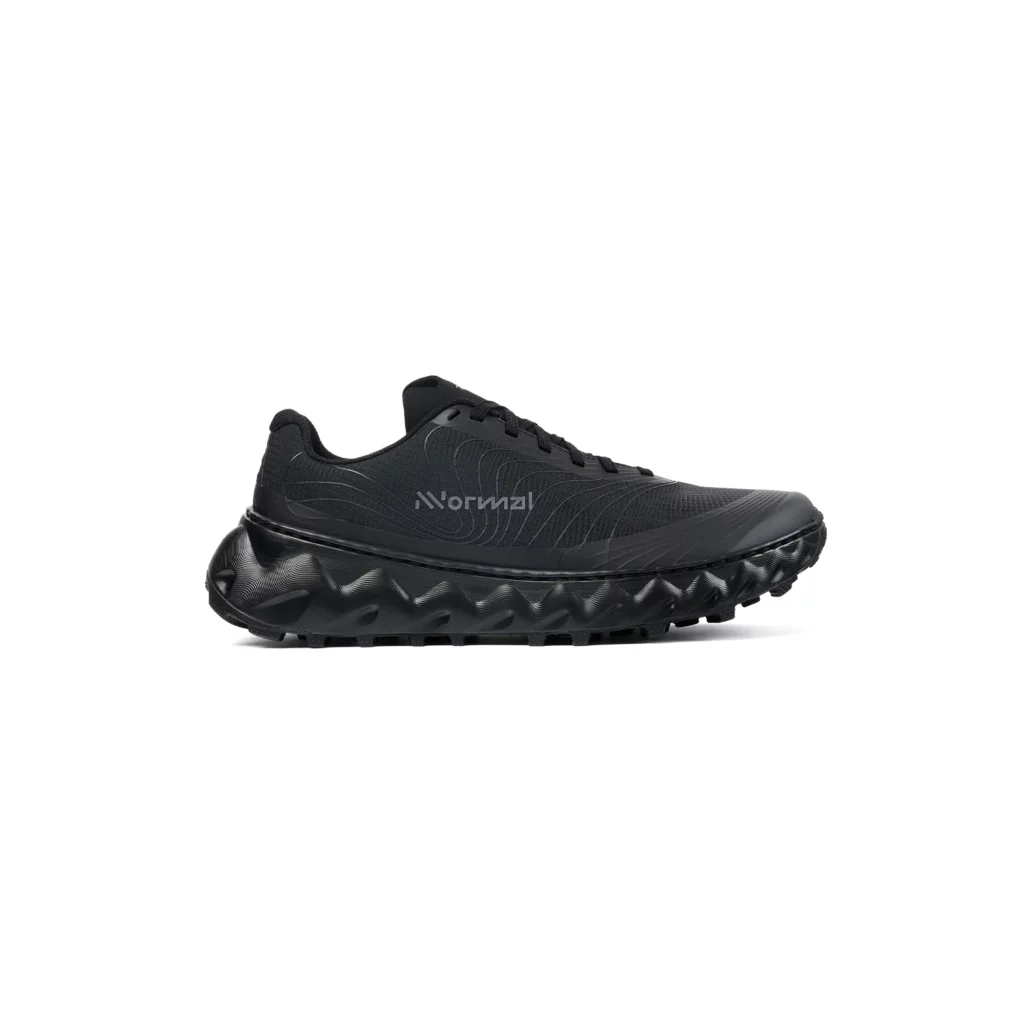
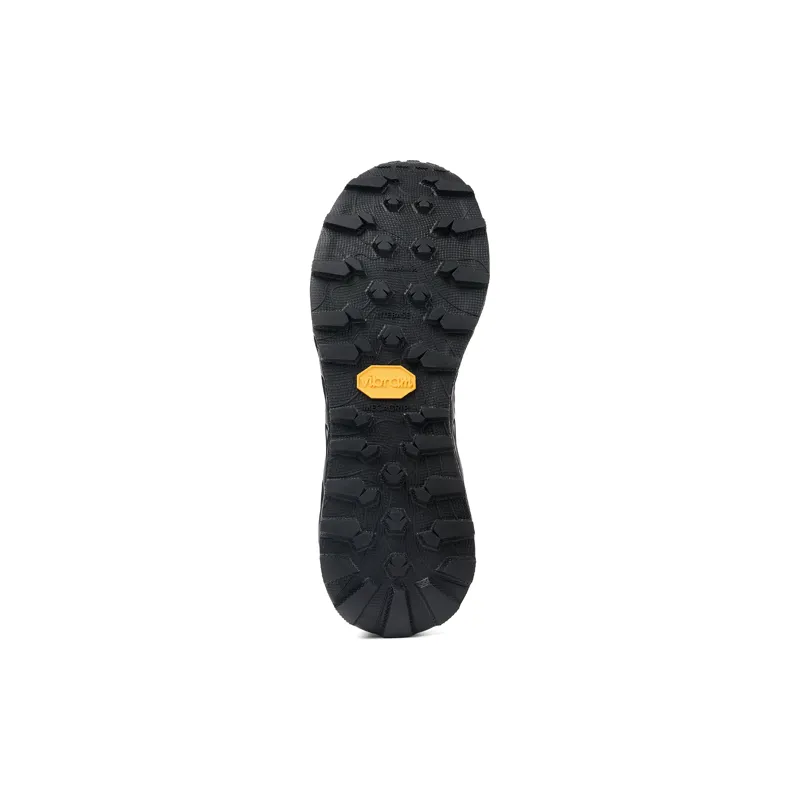
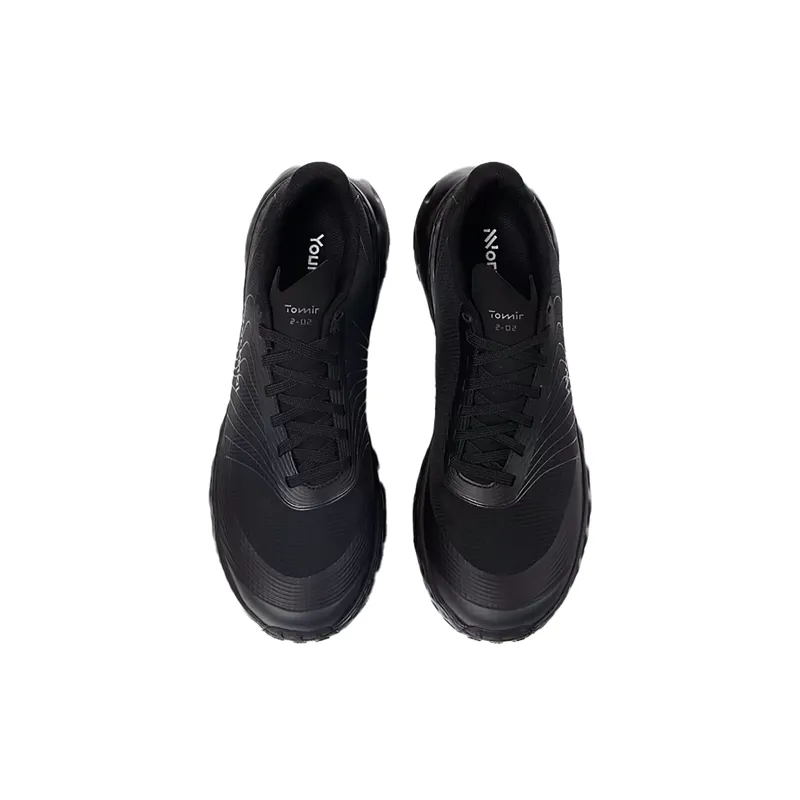
Best for Durability: NNormal Tomir 2.0
Built to withstand thousands of miles of use, the NNormal Tomir 2.0 prioritises longevity without compromising comfort or performance. It’s ideal for runners who want a dependable shoe that can handle frequent training and demanding terrain.
Great for:
- High-mileage runners
- Rocky terrain
- Daily trail training
- Mountain routes
- Long-term durability
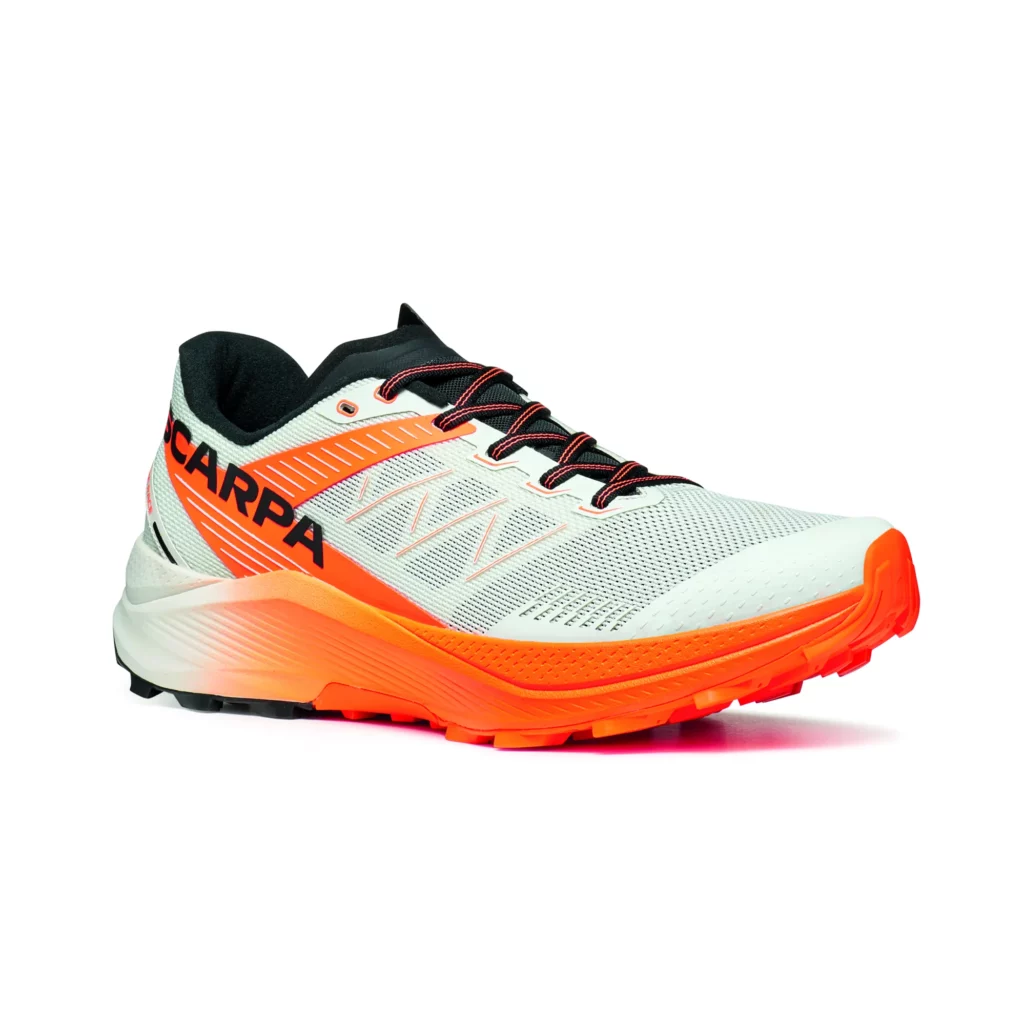
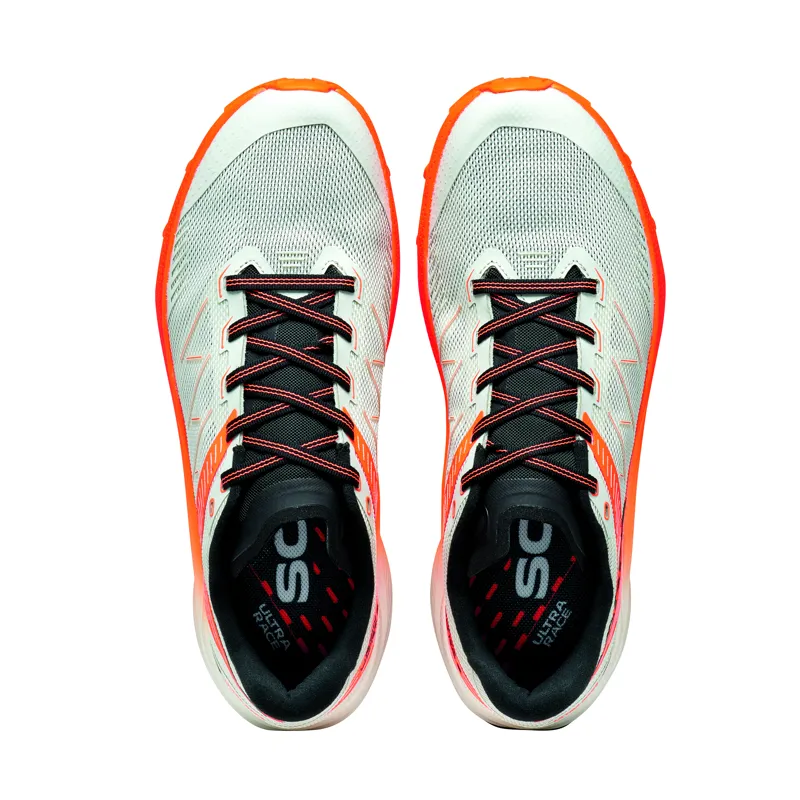
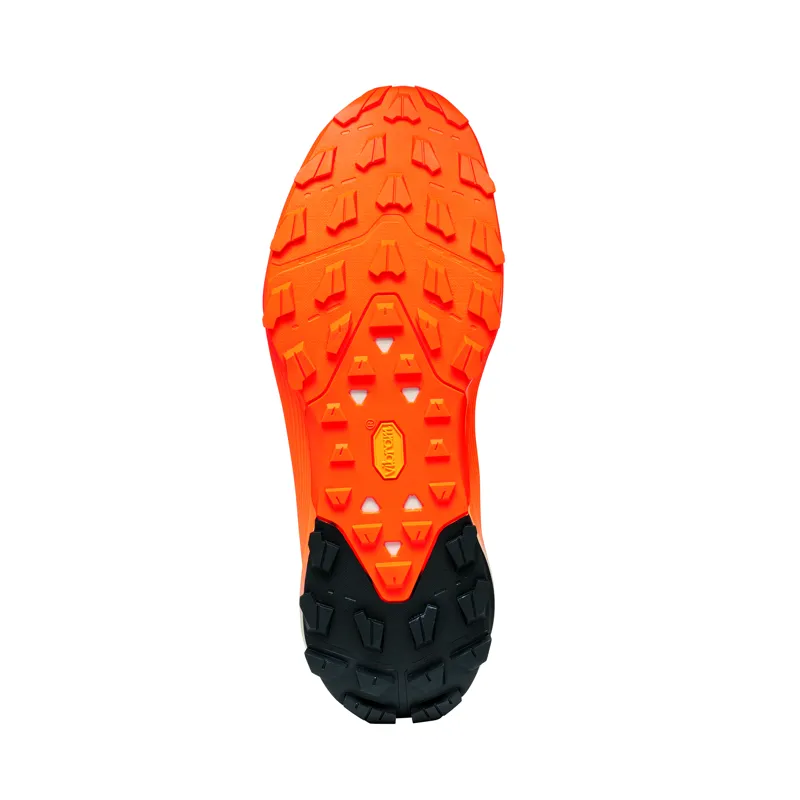
Best Lightweight Option: Scarpa Spin Ultra 2
The Spin Ultra 2 balances low weight, comfort and performance exceptionally well. It’s a great choice for runners looking to move quickly without sacrificing protection.
Great for:
- Trail marathons
- Fast-paced running
- Mixed terrain
- Long-distance racing
Which Trail Running Shoes Brand Is Best for You?
Altra
Best for runners who want plenty of room around the toes. Altra’s FootShape™ design has developed a loyal following among ultra runners and those who dislike restrictive footwear.
Salomon
One of the safest choices for UK conditions. Salomon excels at producing versatile trail shoes with excellent grip, secure fits and dependable performance across varied terrain.
NNormal
Ideal for runners seeking durability and efficiency. NNormal focuses on creating products that last longer while maintaining high performance levels.
La Sportiva
A favourite among mountain runners. If your routes involve steep climbs, rocky terrain and technical trails, La Sportiva is one of the strongest options available.
Scarpa
Well-suited to runners who want a blend of mountain capability and everyday comfort. Scarpa shoes often appeal to both trail runners and fast hikers.
Mammut
Particularly strong for mountain environments, offering robust construction, good protection and confidence-inspiring grip.
Adidas Terrex
A good option for runners who mix trail and road sections, with many models offering a smooth ride combined with excellent Continental™ rubber grip.
Keen
Ideal for runners who prioritise comfort, durability and a roomier fit, especially on less technical trails and longer adventure-focused outings.
2. Trail Running Vests: Why Most Trail Runners Use One
Once your runs start getting longer, a trail running vest quickly becomes one of the most valuable pieces of kit you can own. Unlike a traditional backpack, a running vest is designed to sit close to the body, minimising bounce while giving you easy access to hydration, nutrition and essential gear.
For many UK trail runners, a good vest becomes just as important as their shoes, especially when tackling longer routes, mountain terrain or races with mandatory kit requirements.
Why Use a Trail Running Vest?
Comfortable Hydration
Most running vests are designed around soft flasks or hydration reservoirs, making it easy to drink on the move without stopping.
Carry Extra Layers
UK weather can change rapidly. A vest lets you carry waterproofs, gloves, and spare layers without affecting your running form.
Store Safety Essentials
A phone, whistle, headtorch, emergency food, and first-aid supplies can all be carried comfortably and securely.
Improved Weight Distribution
Unlike conventional backpacks, trail running vests spread weight evenly around your torso, reducing bounce and improving comfort over long distances.
How to Choose a Trail Running Vest
Best for Daily Training & Short Races
Smaller vests and running belts offer enough storage for hydration, a phone and a few essentials without adding unnecessary bulk.
Look for:
- 4–6 litre capacity
- Lightweight design
- Easy-access flask pockets
Best for Most UK Trail Runners
A 10–12 litre vest provides the ideal balance between storage and comfort. It offers enough space for hydration, waterproofs, nutrition and mandatory kit while remaining streamlined.
Look for:
- 10–12 litre capacity
- Multiple front pockets
- Waterproof storage compartments
- Pole attachment options
Best for Ultra Distances & Mountain Adventures
Larger vests are useful for carrying additional clothing, safety equipment, and larger hydration systems.
Look for:
- 15 litres or more
- Expanded rear storage
- Multiple hydration options
- Enhanced organisation
Trail Running Vests We Recommend
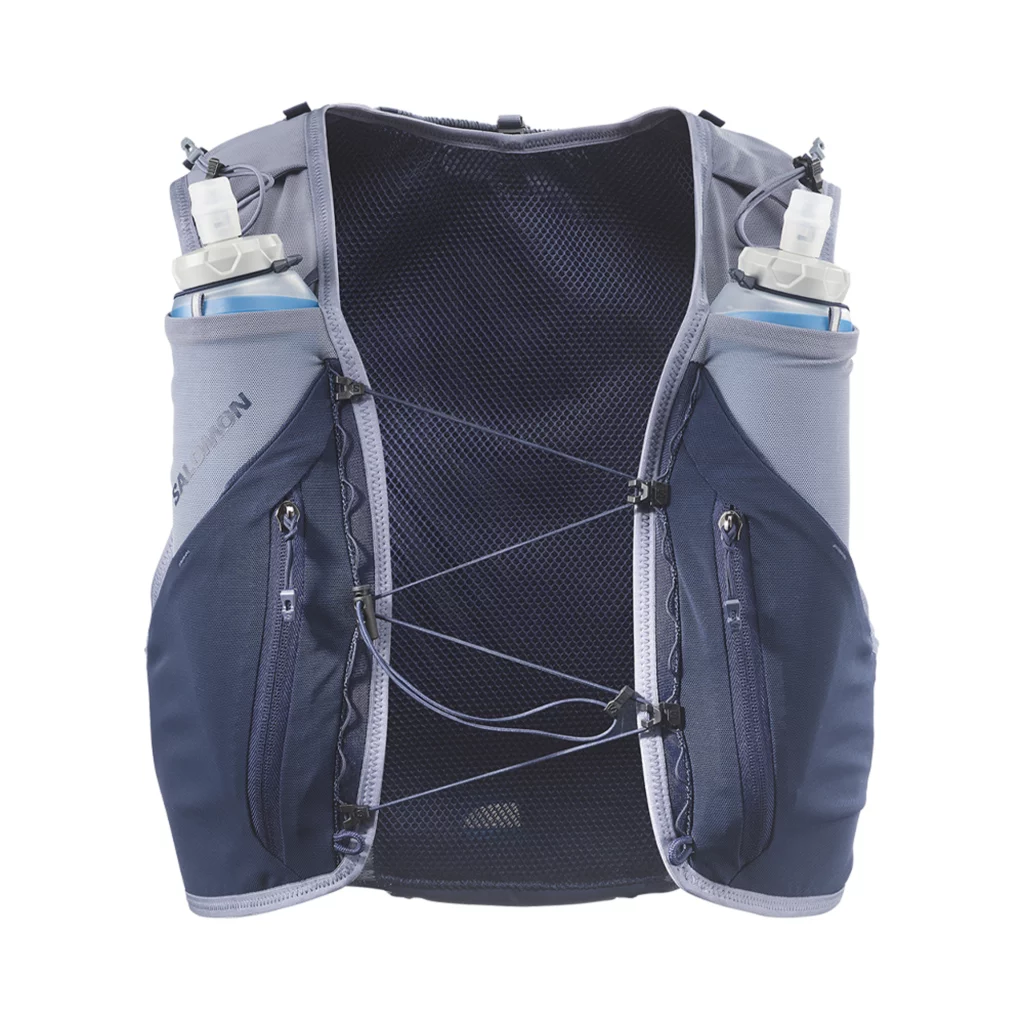
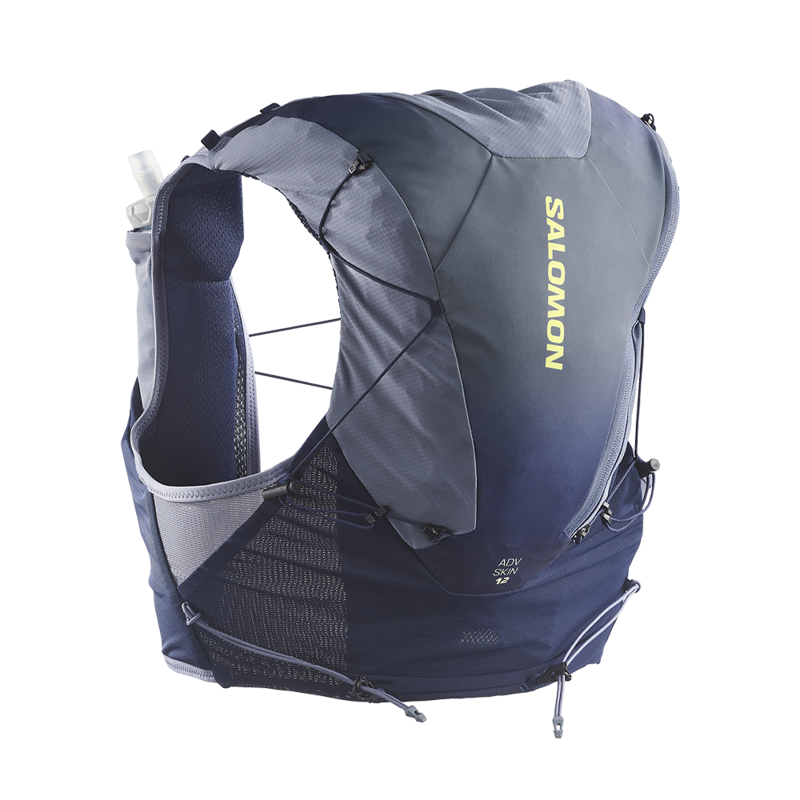
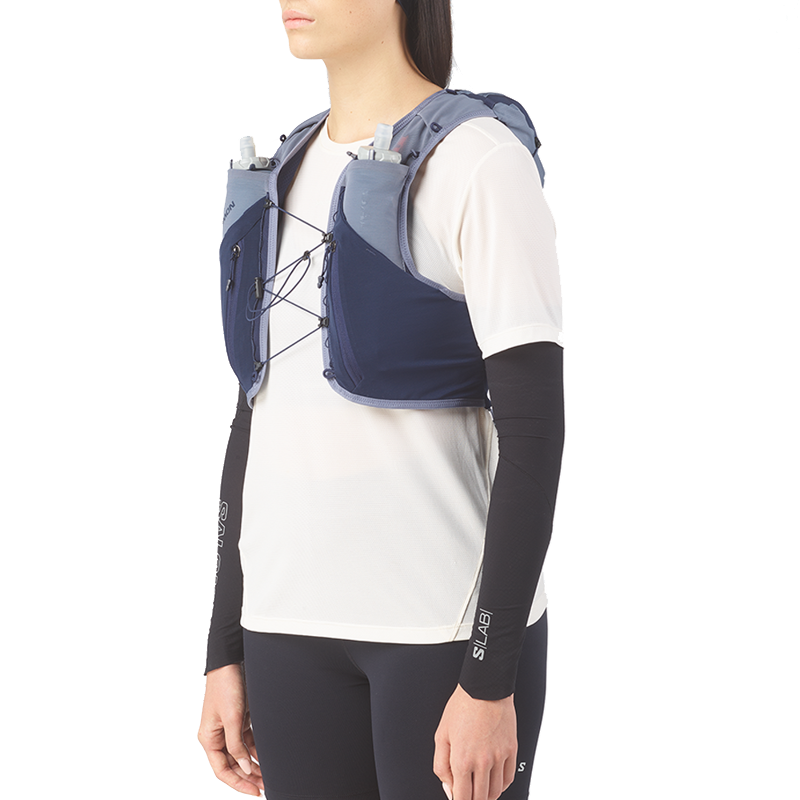
Best Overall: Salomon ADV Skin 12
One of the most popular trail running vests ever made. The ADV Skin 12 combines excellent comfort, outstanding stability and clever storage solutions that work equally well for training runs, races and mountain adventures.
Great for:
- Most trail runners
- Long-distance running
- Mountain days
- Ultra races
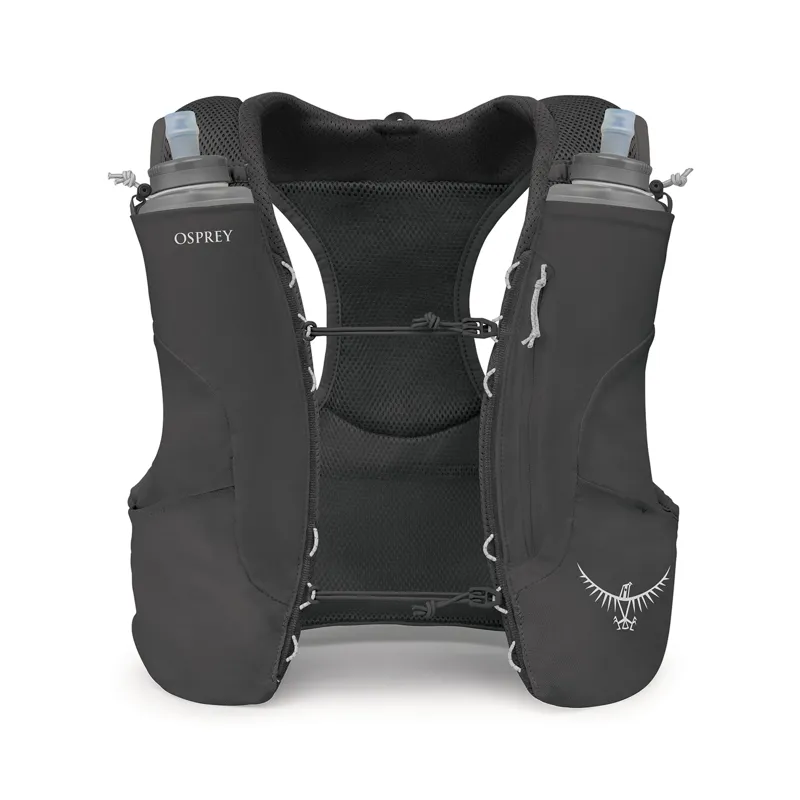
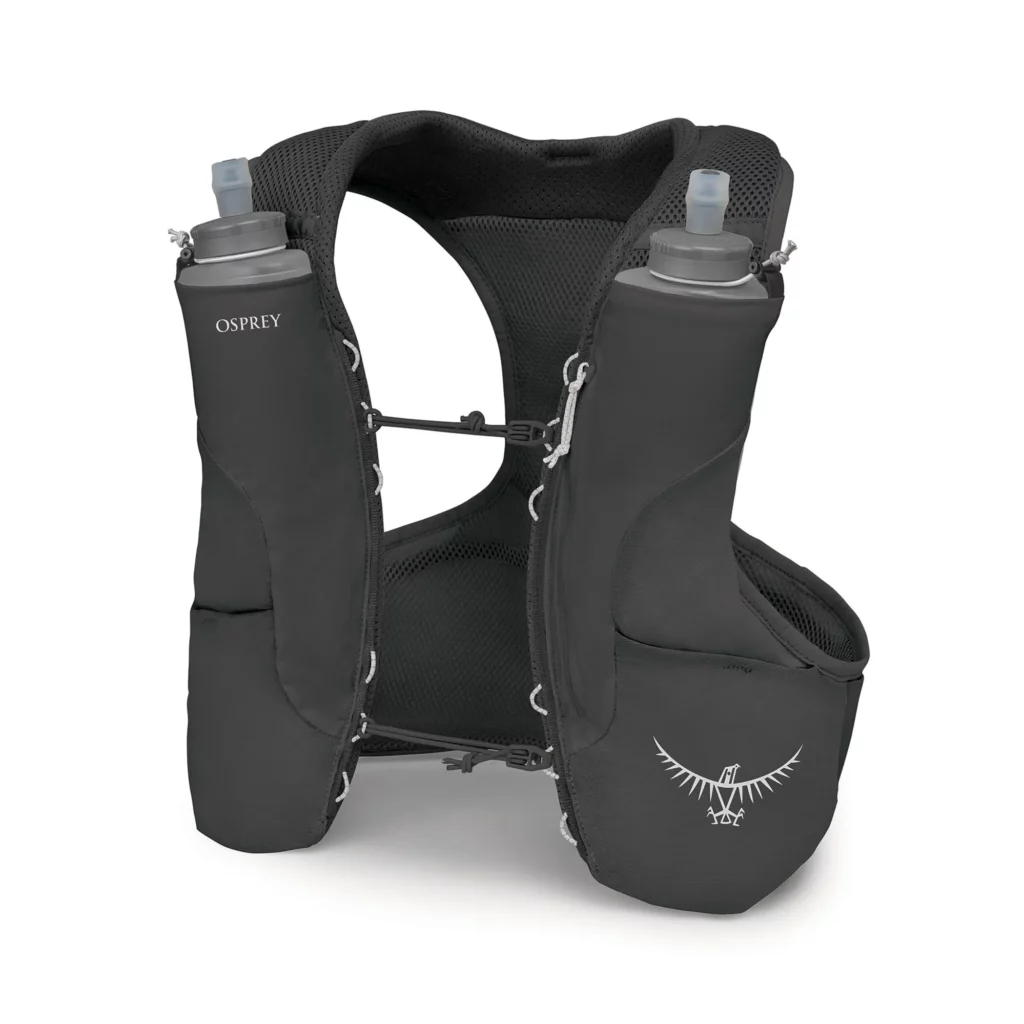
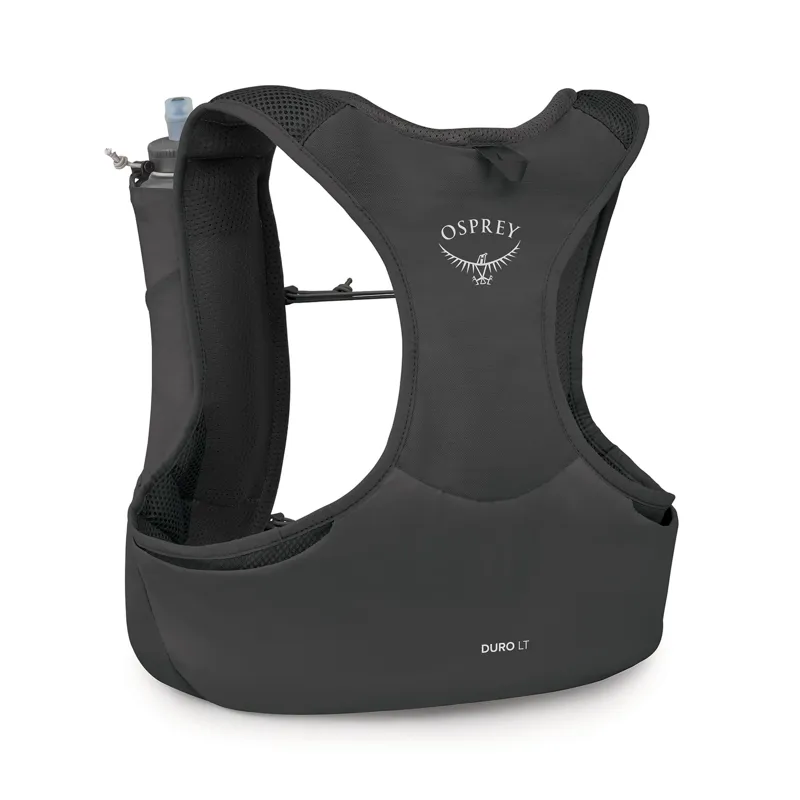
Best for Beginners: Osprey Duro LT / Dyna LT
Comfortable, easy to adjust and straightforward to use, making them excellent first running vests for those entering the sport.
Great for:
- New trail runners
- Daily training
- Shorter adventures
- Simplicity and comfort
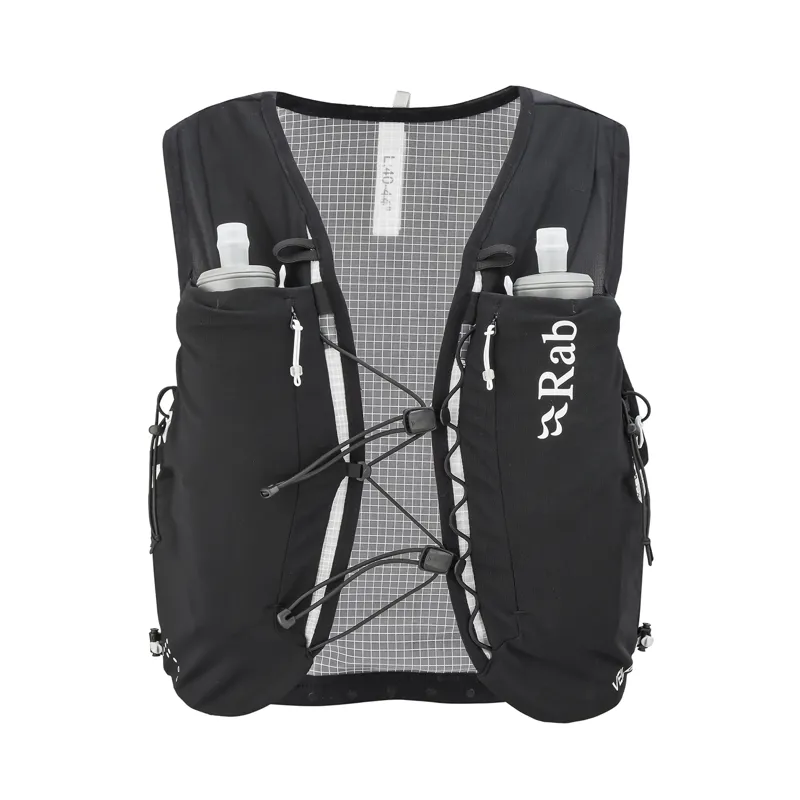
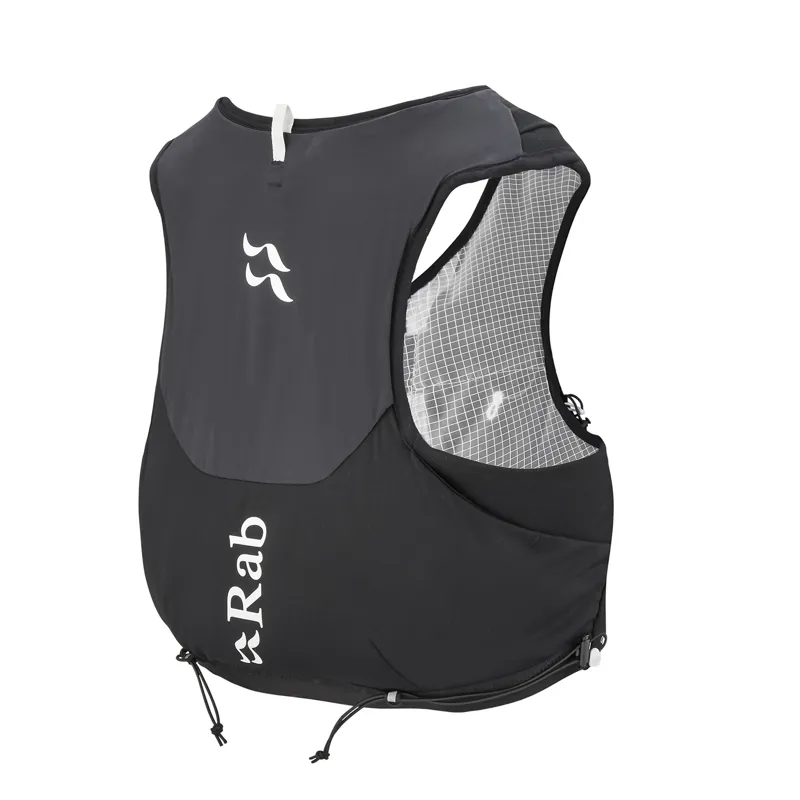
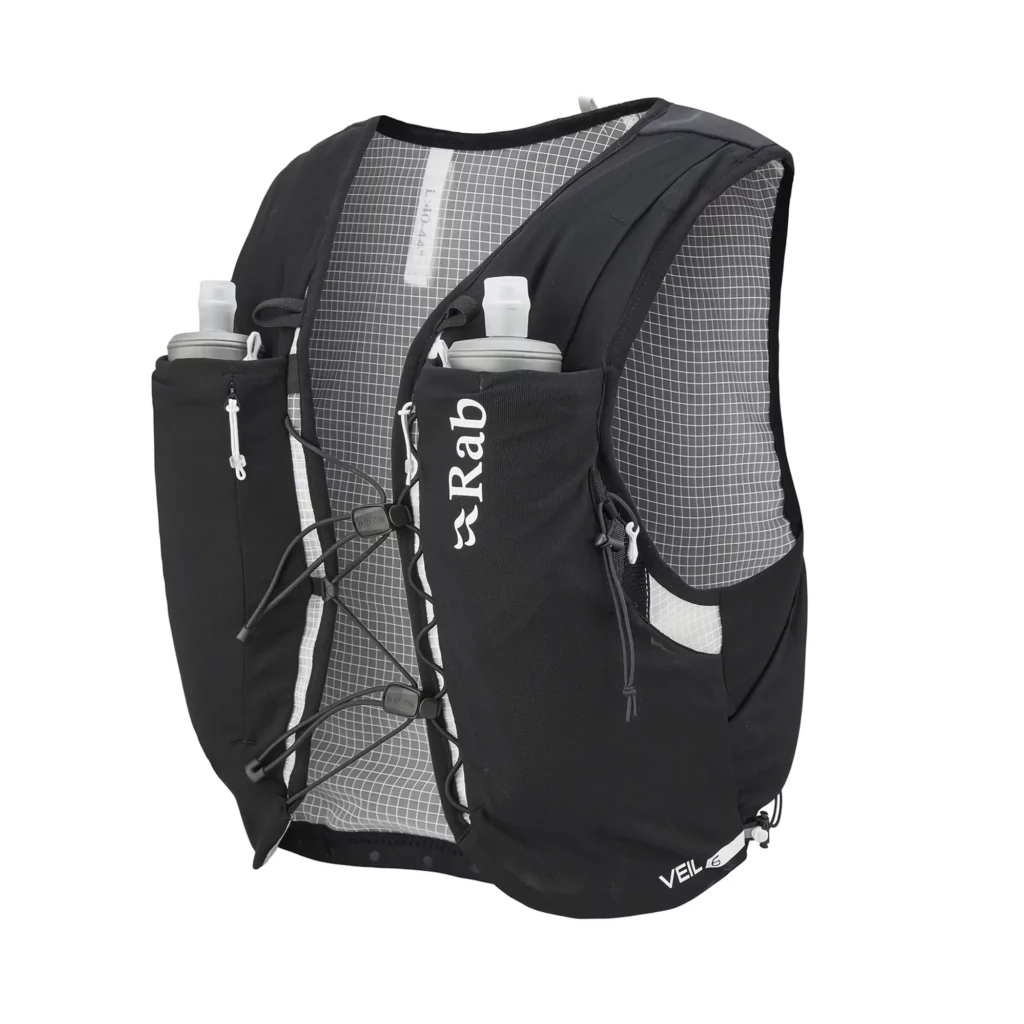
Best Lightweight Option: Rab Veil 6
The Veil 6 is ideal for runners wanting minimal weight and a close-fitting design without sacrificing storage for essentials.
Great for:
- Fast training
- Trail races
- Lightweight kit setups
- Summer running
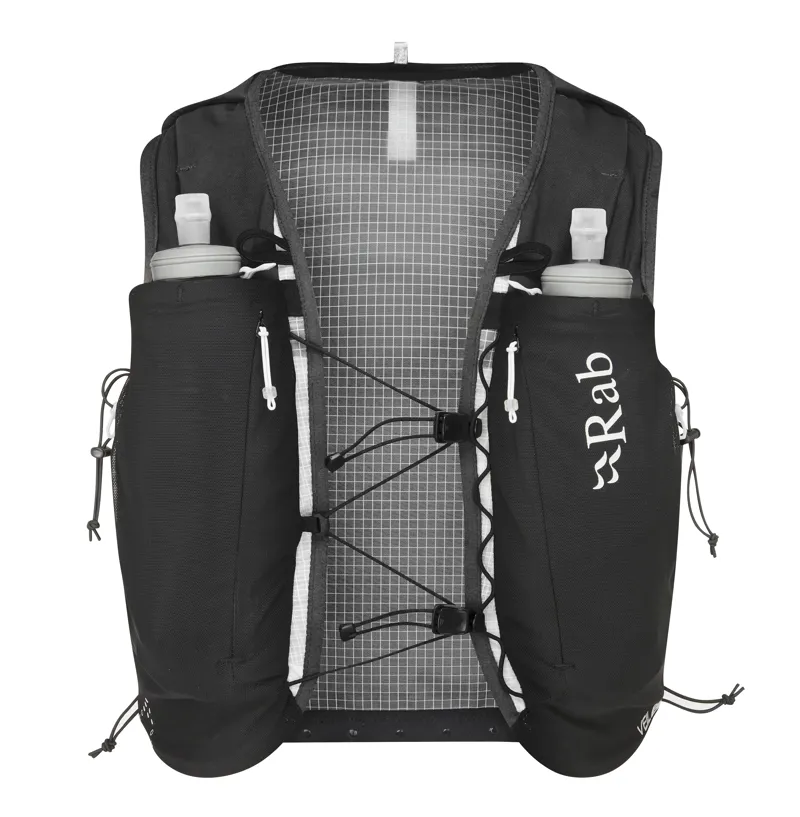
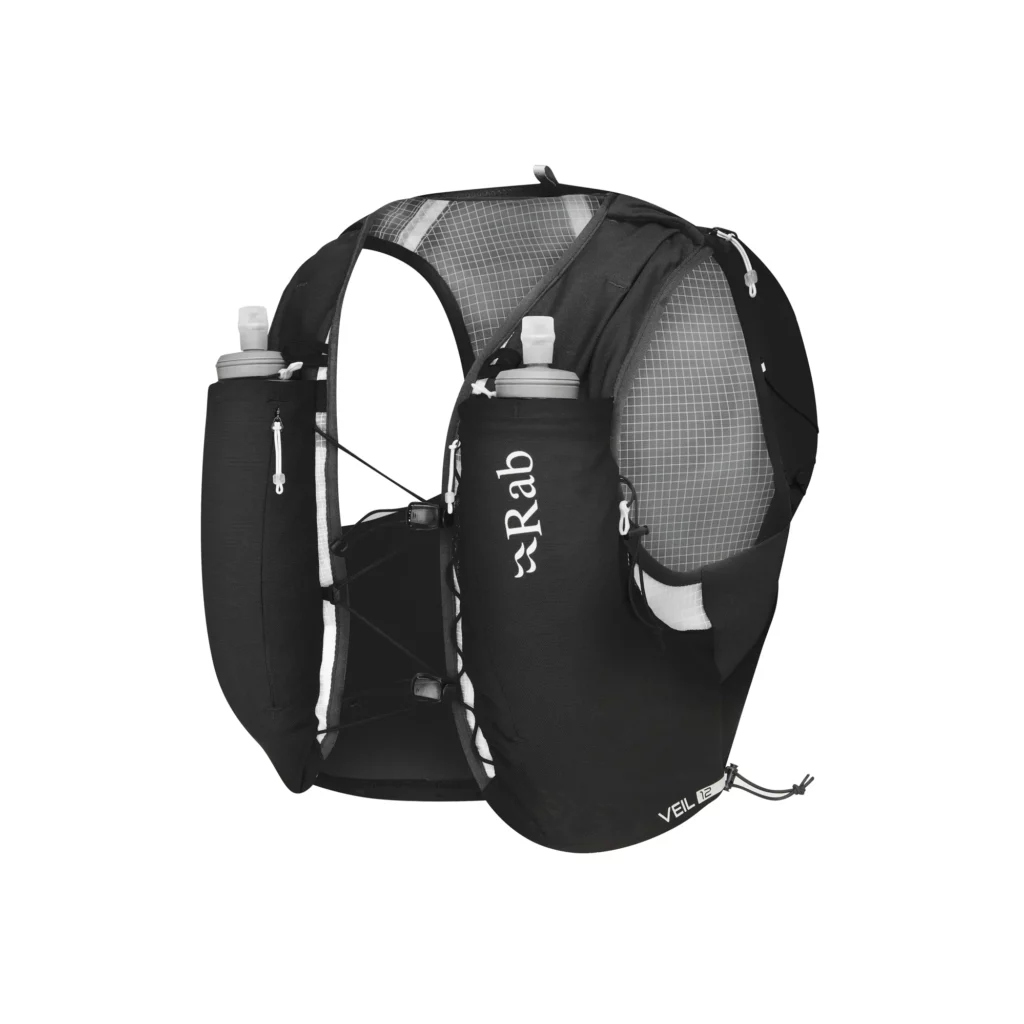
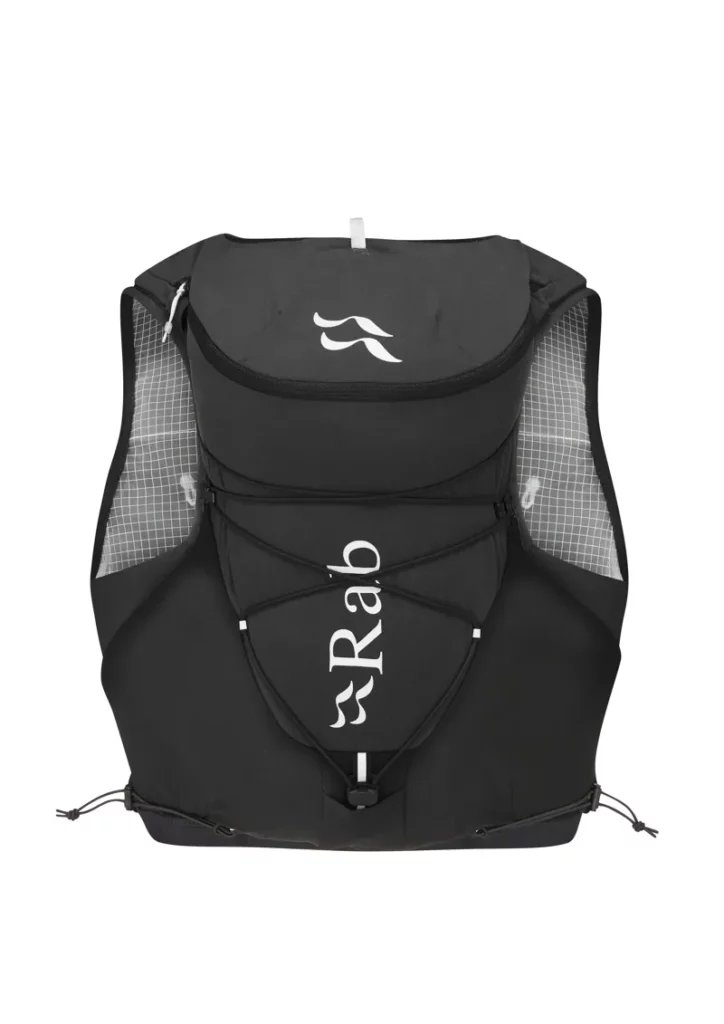
Best for All-Day Adventures: Rab Veil 12
A versatile vest offering enough space for hydration, waterproofs and safety equipment while remaining lightweight and highly breathable.
Great for:
- Long runs
- Mountain routes
- Trail marathons
- UK year-round running
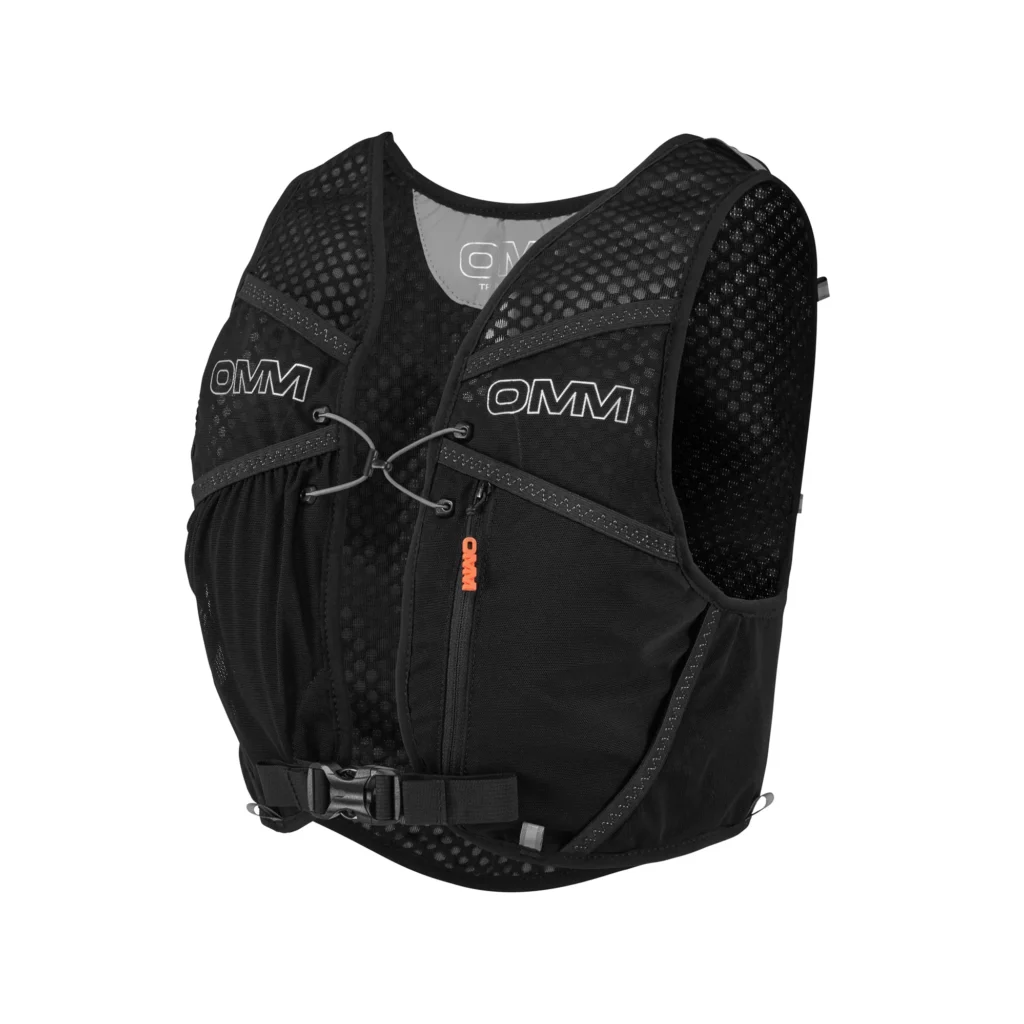
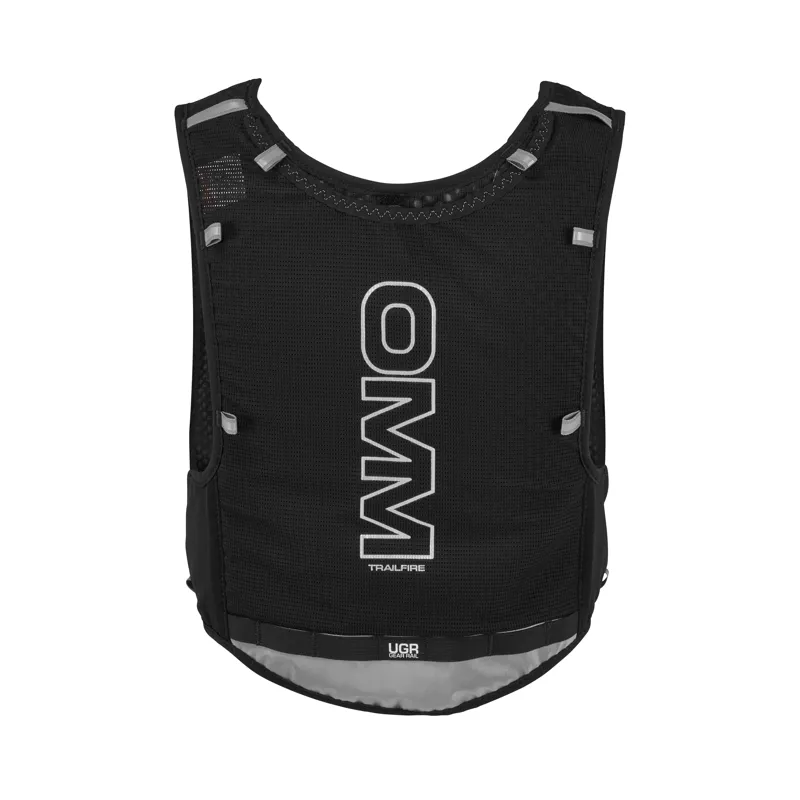
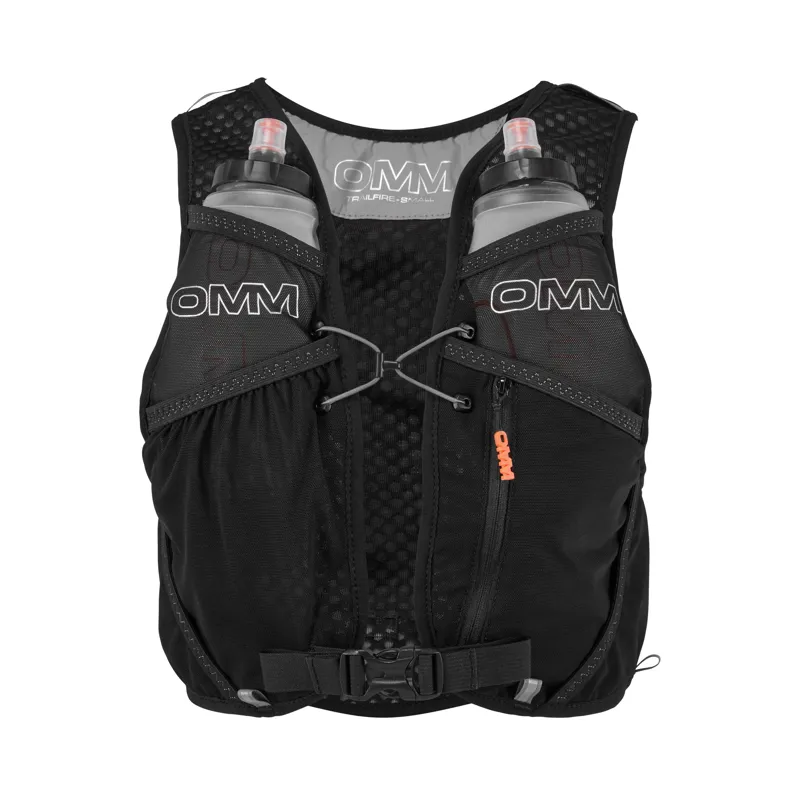
Best for Fell & Mountain Running: OMM TrailFire
Built with mountain conditions in mind, the TrailFire offers excellent storage, low weight and enough capacity for challenging days in remote terrain.
Great for:
- Fell running
- Mountain races
- Winter trail running
- Mandatory race kit
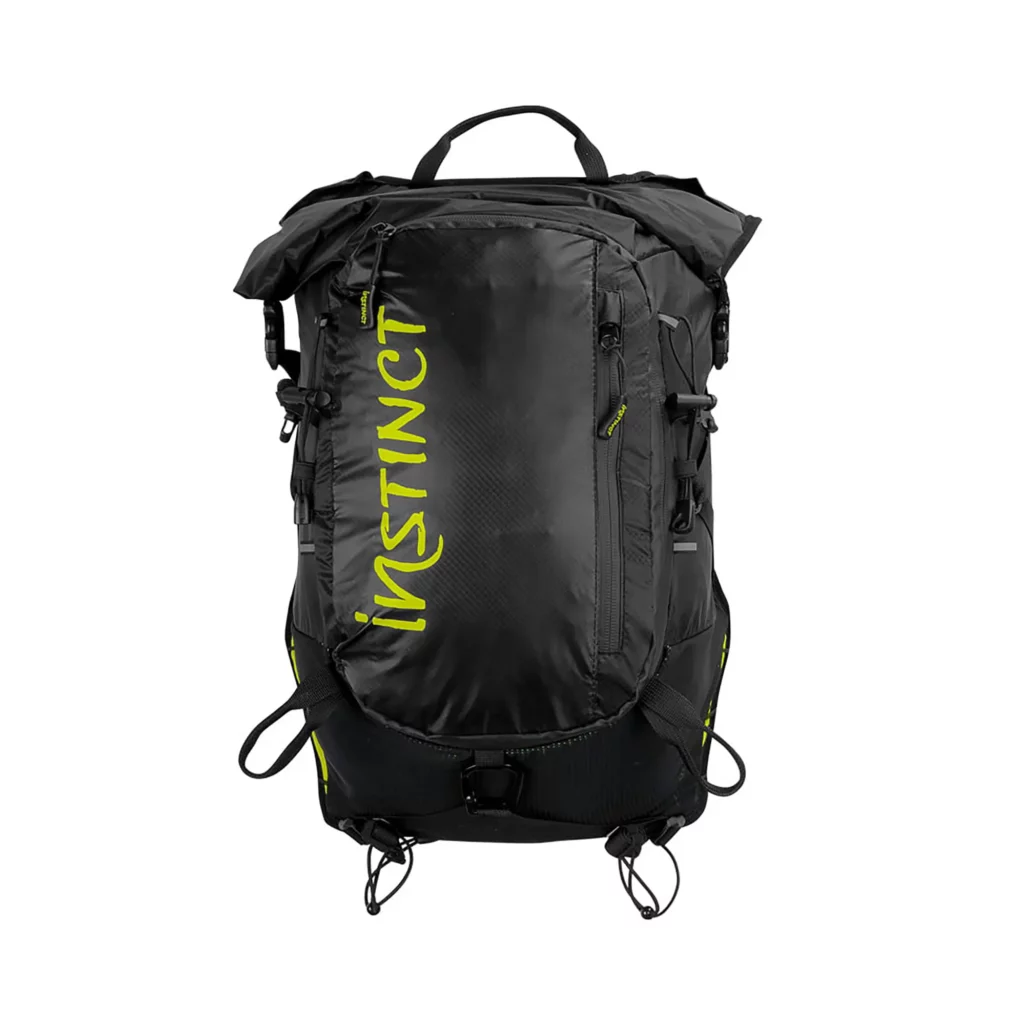
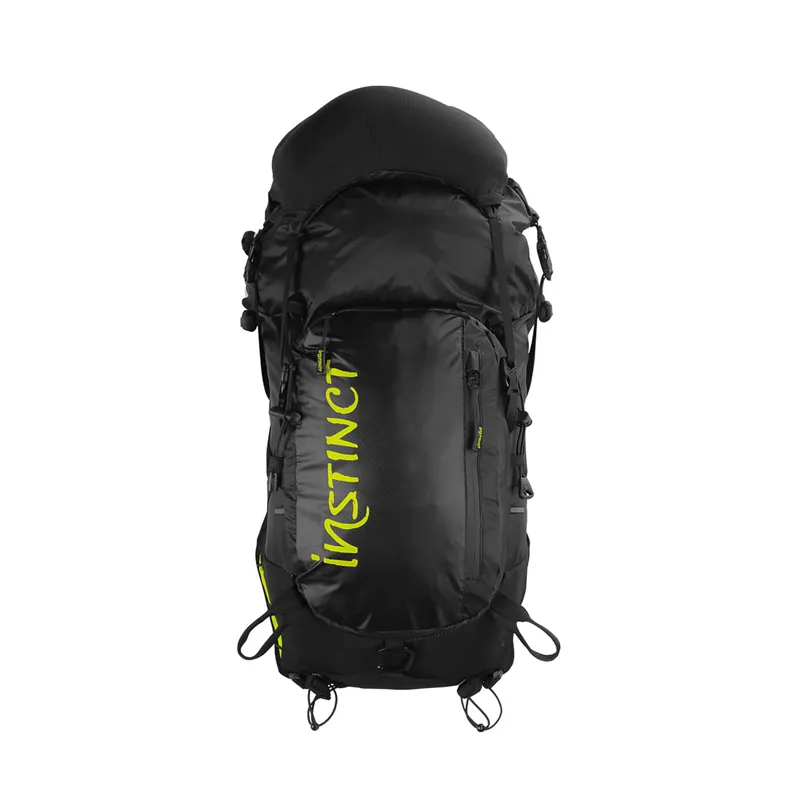
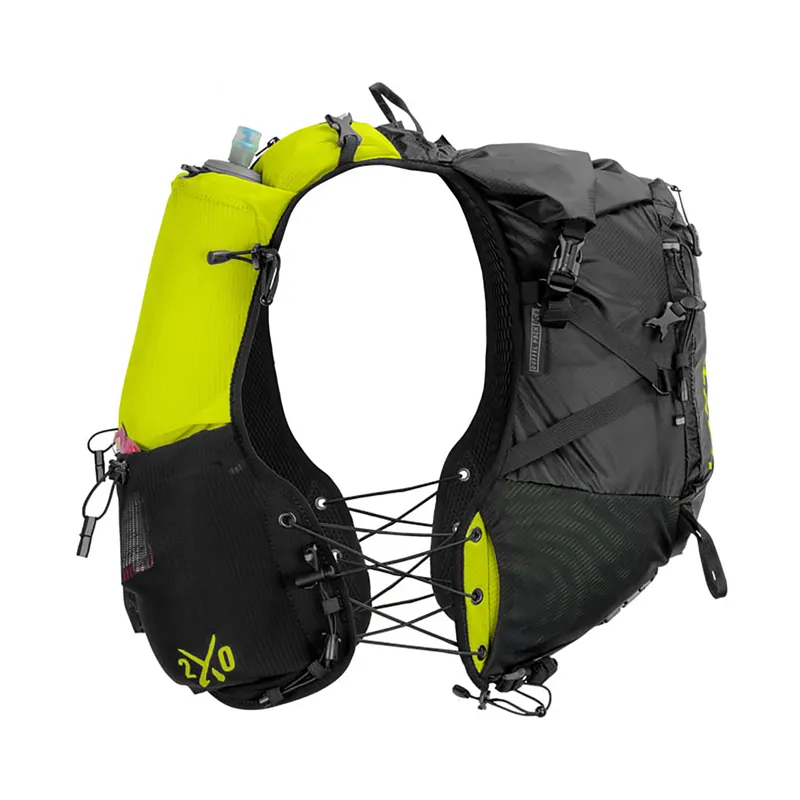
Best for Ultras: Instinct XX20
With a huge storage capacity and highly adaptable organisation, the XX20 is designed for runners tackling long distances, where carrying extra food, hydration, and safety equipment is essential.
Great for:
- Ultra-distance racing
- Self-supported adventures
- Mountain ultras
- Long training days
Which Running Vest Brand Is Best for You?
Salomon
Often considered the benchmark for trail running vests. Salomon excels at creating highly stable, comfortable packs with excellent pocket layouts and hydration systems.
Rab
Ideal for runners who spend time in the hills and mountains. The Veil series focuses on lightweight performance, breathability and all-day comfort.
Osprey
A great choice for beginners and runners prioritising comfort. Osprey’s Duro and Dyna ranges are particularly user-friendly and well organised.
OMM
Built around the needs of fell runners and mountain athletes. OMM products prioritise low weight, practicality and performance in challenging UK conditions.
Instinct
Popular among experienced ultra runners thanks to highly configurable storage systems and impressive carrying capacity.
Montane
Known for close-fitting designs that perform particularly well during fast-paced mountain running and racing.
3. Waterproof Running Jackets: Small Pack Size, Big Importance
A waterproof jacket is one of those pieces of kit you’ll hopefully use rarely, but when you need it, you’ll be glad you packed it.
For many UK trail runners, especially those heading into hills, mountains or remote terrain, a waterproof jacket is less about comfort and more about safety. Weather conditions can change quickly, temperatures can drop unexpectedly, and even a short period of exposure can become uncomfortable when you’re tired and wet.
Do You Need a Waterproof Jacket for Trail Running?
For short local runs in stable weather, you may decide to leave it behind.
However, for longer trail runs, mountain routes, races and remote adventures, carrying a lightweight waterproof is usually a sensible precaution. Many organised trail and ultra races also require one as part of their mandatory kit list.
What Should You Look For?
Reliable Weather Protection
Your jacket should be capable of handling prolonged rain and strong winds without becoming uncomfortable.
Good Breathability
Running generates a lot of heat. A breathable jacket helps reduce condensation build-up and keeps you more comfortable during hard efforts.
Low Weight & Packability
The best trail running waterproofs pack down small enough to disappear into a running vest until needed.
Running-Specific Fit
Look for a close-fitting hood, unrestricted arm movement and a design that won’t flap excessively in strong winds.
Choosing the Right Waterproof
Waterproof running jackets vary significantly in weight, breathability and weather protection. Some are designed primarily for racing and emergency use, while others are built for all-day mountain running and severe weather.
Rather than covering every waterproof technology and recommendation here, we’ve created a dedicated guide that explains everything in detail, including waterproof ratings, breathability, packability and our favourite models for different types of trail running. Take a look at our guide to Best Waterproof Jackets for Trail Running.
Which Waterproof Jacket Brand Is Best for You?
Montane
One of the most popular brands among UK trail runners. Montane specialises in lightweight, highly packable waterproofs that provide excellent protection without taking up valuable space in your running vest.
Rab
A trusted choice for runners who spend time in the hills and mountains. Rab waterproofs are known for balancing weather protection, breathability and packability, making them well-suited to demanding UK conditions.
OMM
Built around the needs of fell runners and mountain athletes. OMM jackets prioritise freedom of movement, lightweight performance and comfort during high-intensity efforts in challenging weather.
4. Hydration for Trail Running
Staying hydrated is one of the simplest ways to improve comfort, performance and recovery on the trail. The amount of water you need depends on the distance, terrain, weather and how hard you’re working, but carrying the right hydration system can make a huge difference on longer runs.
How Much Water Should You Carry?
Under 60 Minutes
For shorter runs, hydration is often optional, particularly in cooler weather or if you’re running close to home.
1–2 Hours
Most runners will benefit from carrying between 500ml and 1 litre of fluid, especially during warmer conditions or on hilly routes.
2+ Hours
Longer runs typically require 1–2 litres of hydration, with exact requirements depending on temperature, elevation gain and individual sweat rates.
Soft Flasks vs Hydration Reservoirs
Soft Flasks
They have become the preferred option for many trail runners thanks to their simplicity and ease of use. Carried in the front vest pockets, they let you monitor your fluid intake and refill easily during races or long adventures.
Best for:
- Most trail runners
- Racing
- Daily training
- Easy access while running
Hydration Reservoirs
Reservoirs store larger volumes of water inside your vest and are ideal when refill opportunities are limited. They can be particularly useful on mountain routes and all-day adventures.
Best for:
- Long adventures
- Remote routes
- Mountain running
- Maximum carrying capacity
Hydration Solutions We Recommend
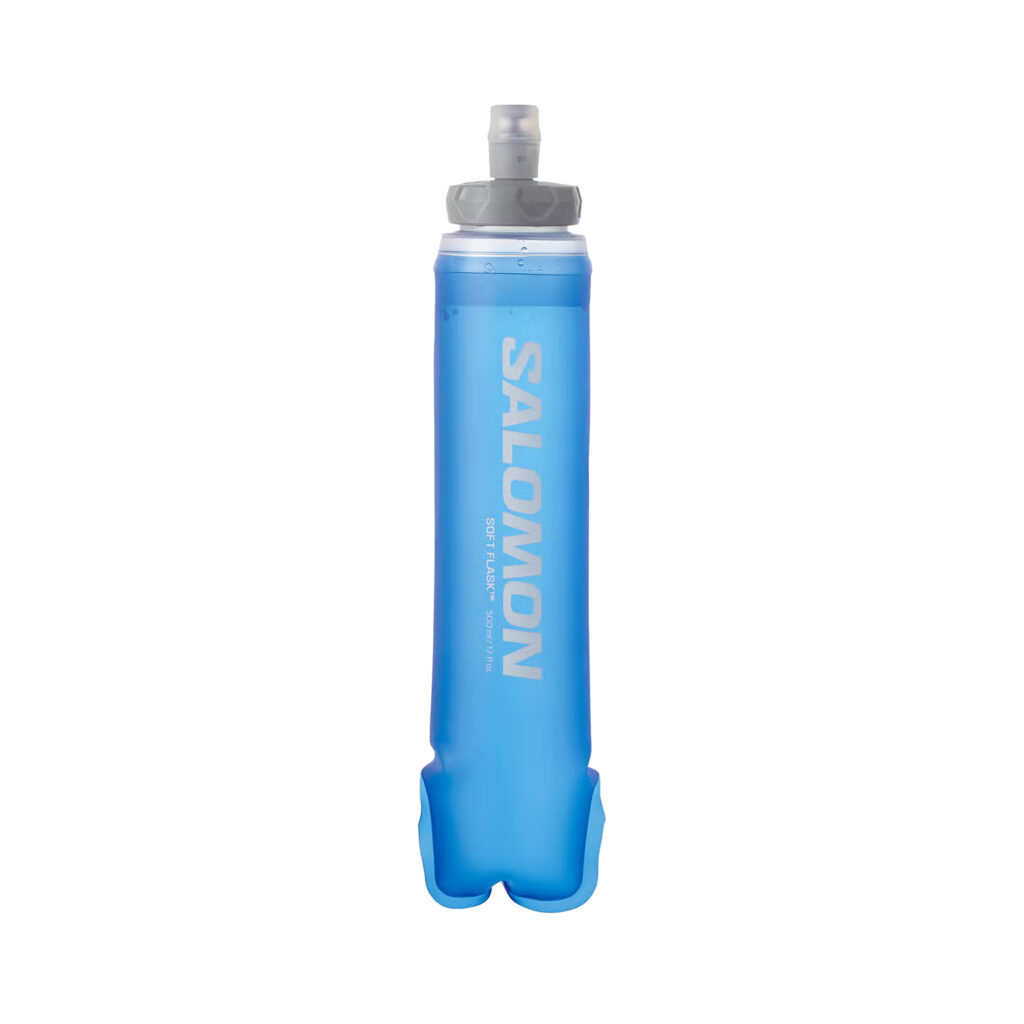
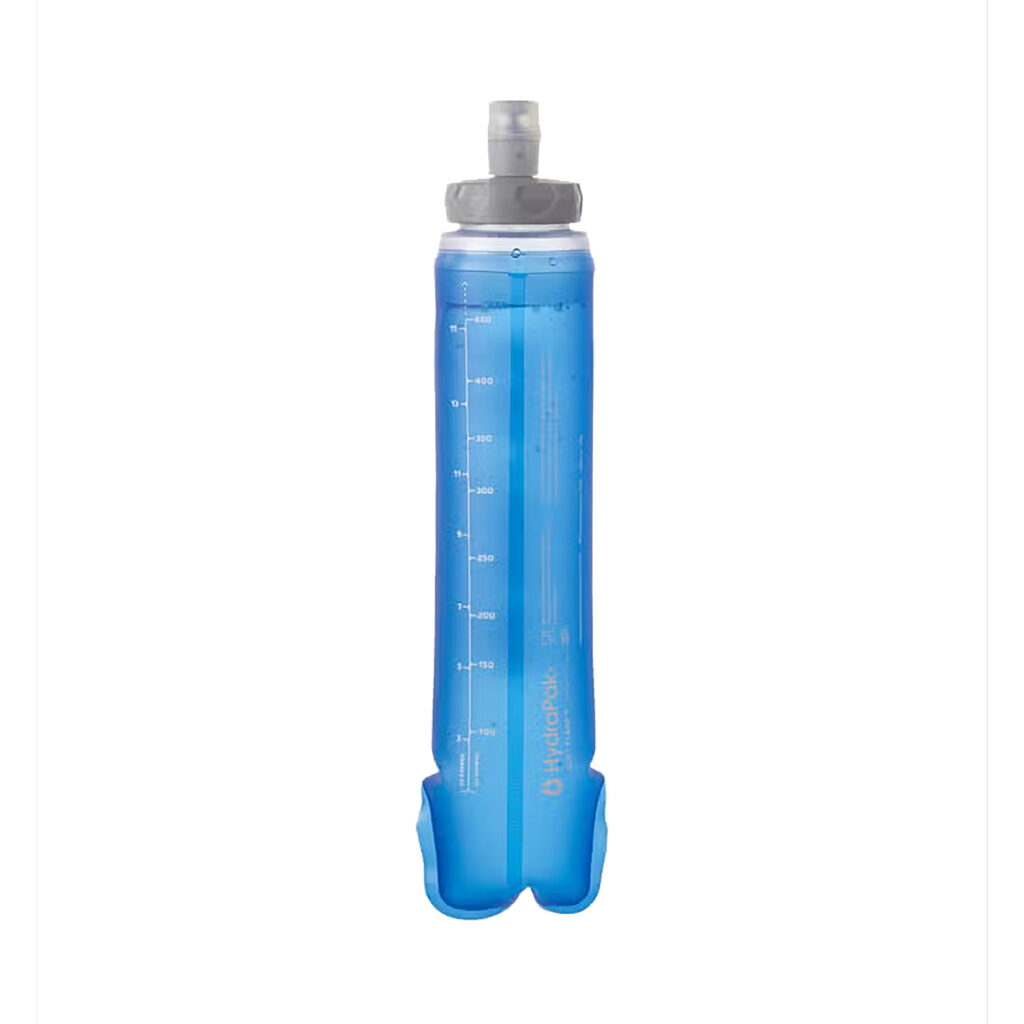
Best Overall: Salomon Soft Flask 500ml
A simple, reliable and highly popular choice among trail runners. The soft construction shrinks as you drink, reducing water movement and saving space in your vest.
Great for:
- Everyday training
- Trail races
- Running vests
- Most runners
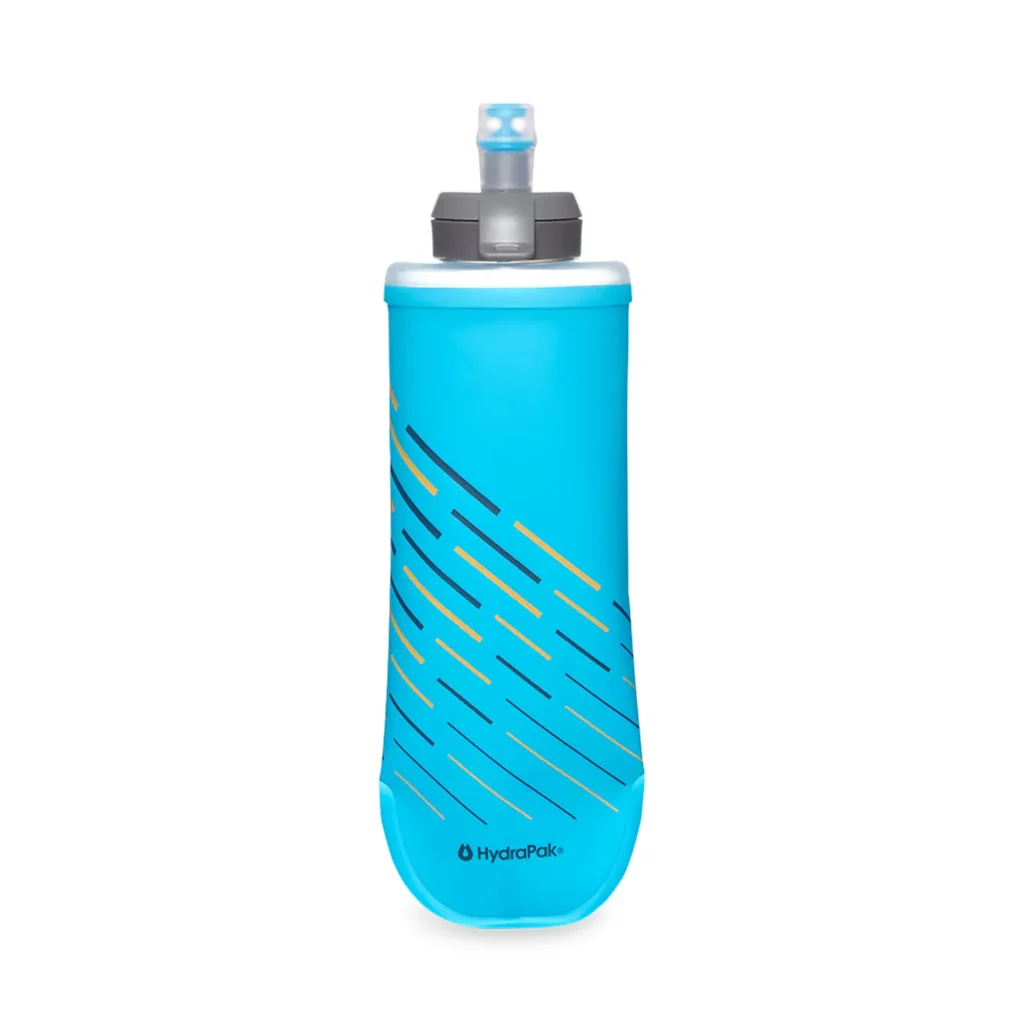
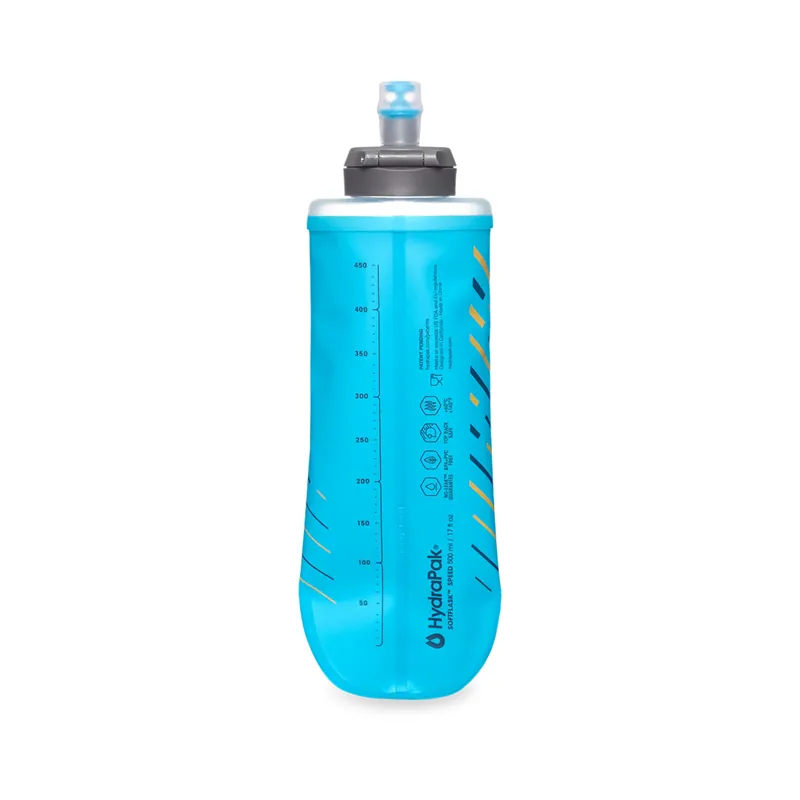
Best for Long Distances: HydraPak SoftFlask Speed 500ml
HydraPak has become one of the leading hydration brands in trail running. Their SoftFlask Speed bottles are lightweight, durable and compatible with many running vests.
Great for:
- Long-distance running
- Racing
- Fast hydration access
- Lightweight setups
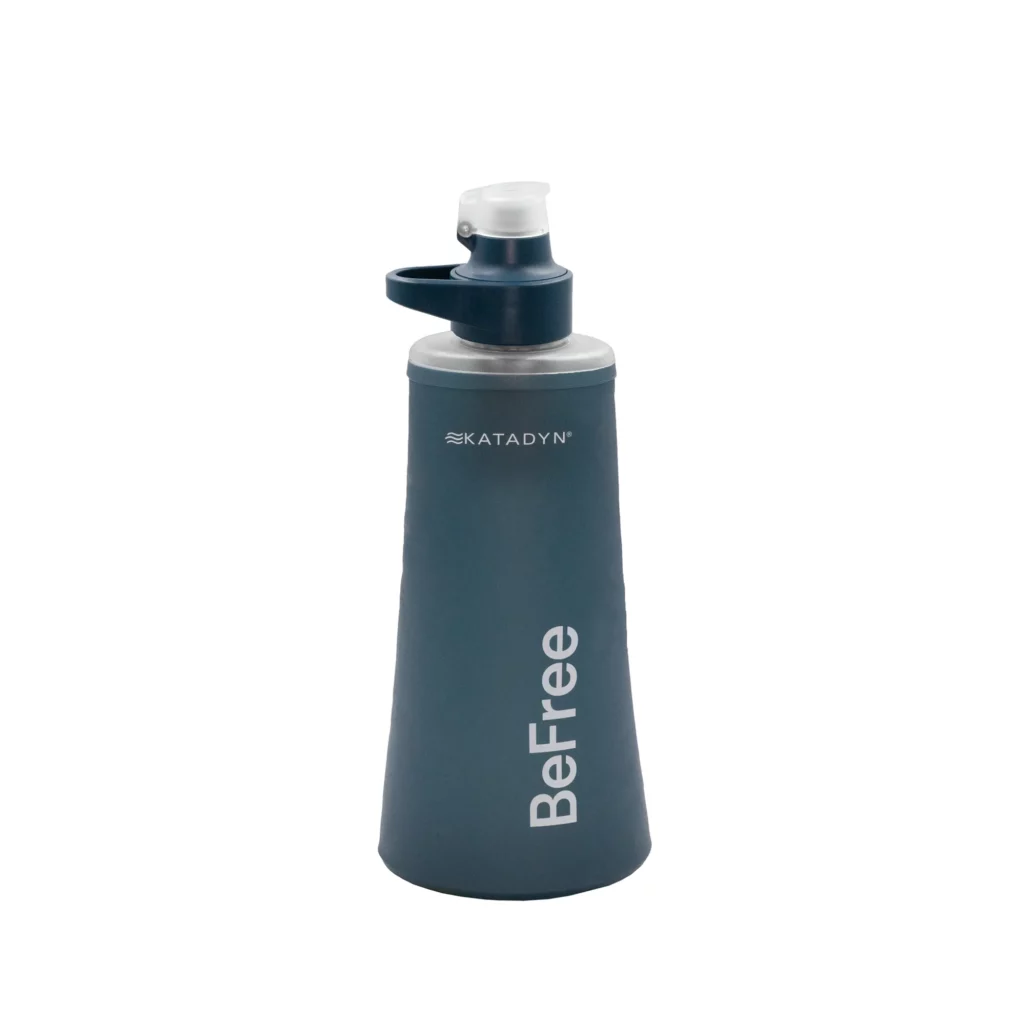
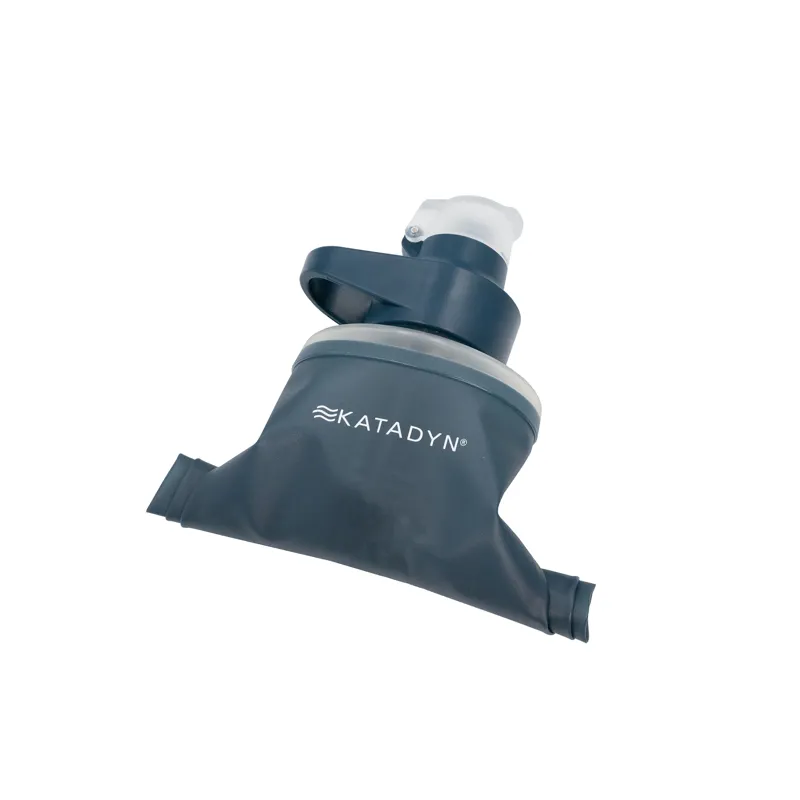
Best for Water Filtration: Katadyn BeFree AC
Perfect for runners heading into remote areas where natural water sources are available. The integrated filter allows you to safely refill from streams and rivers, reducing the amount of water you need to carry.
Great for:
- Mountain adventures
- Fastpacking
- Ultra-distance routes
- Remote terrain
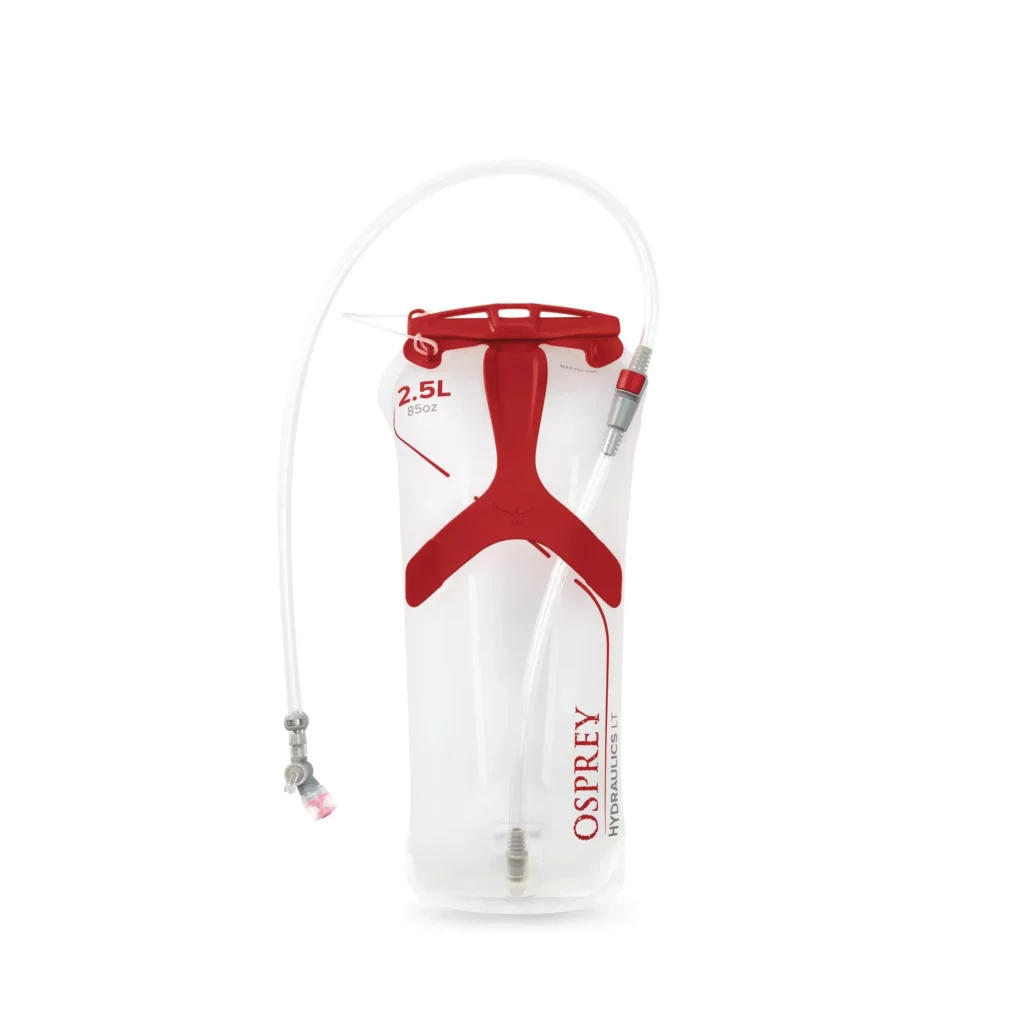
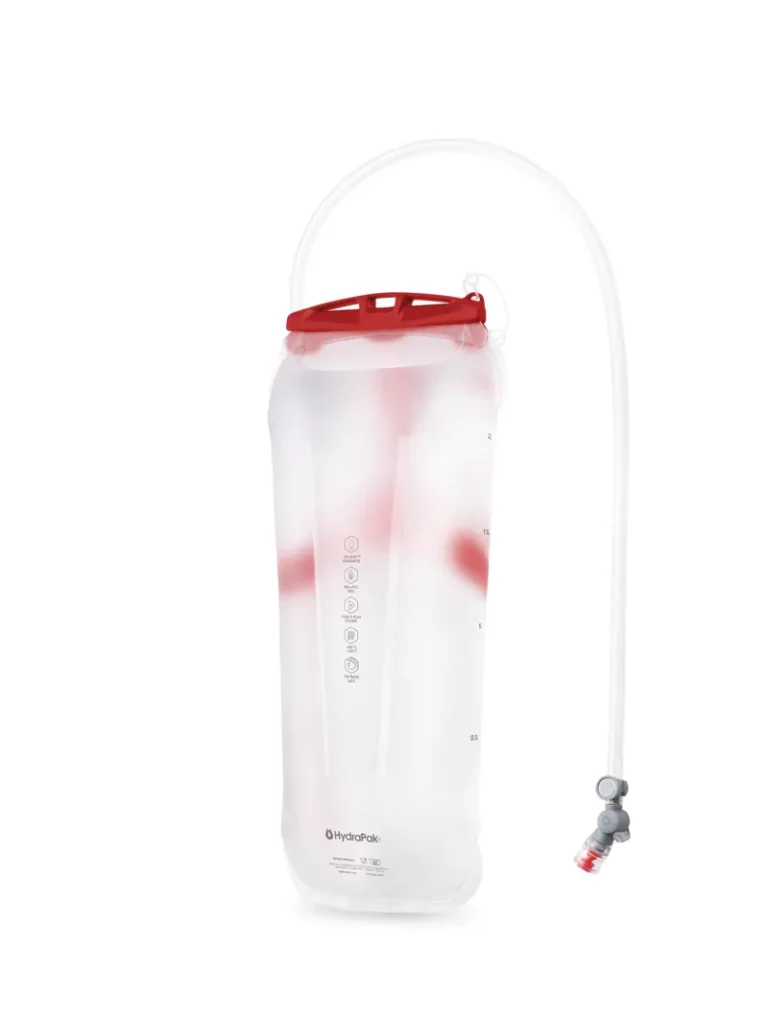
Best Reservoir: Osprey Hydraulics LT Reservoir
A dependable hydration reservoir designed for runners and fastpackers who need larger water capacity for longer days outdoors.
Great for:
- Long adventures
- Mountain running
- Large-capacity hydration
- Hot weather
Which Hydration Brand Is Best for You?
Salomon
One of the most trusted names in trail running hydration. Salomon soft flasks are lightweight, easy to use and designed to integrate perfectly with running vests.
HydraPak
Widely regarded as the industry leader in soft flask technology. HydraPak products are used by numerous running brands and are known for their durability, comfort and innovative designs.
Katadyn
Ideal for runners exploring remote areas where water resupply is uncertain. Katadyn’s filtration systems let you safely drink from natural water sources on long adventures.
Osprey
Best known for comfortable reservoirs and hydration systems designed for all-day use. Osprey products are particularly popular among runners tackling longer distances and mountain routes.
Montane
Offers lightweight, no-nonsense hydration solutions that suit runners looking to minimise weight and maximise packability.
For most trail runners, a pair of 500ml soft flasks carried in a running vest provides the ideal balance of convenience, comfort and hydration capacity, covering everything from daily training runs to trail marathons.
5. Trail Running Poles: Do You Need Them?
Not every trail runner uses poles, but once the terrain becomes steeper, more technical, or the distances become longer, they can be a genuine advantage. Trail running poles help transfer some of the workload from your legs to your upper body, reducing fatigue and improving efficiency on demanding routes.
They’re particularly popular among mountain runners, ultra-distance athletes, and anyone regularly tackling steep climbs.
When Do Trail Running Poles Become Useful?
Steep Climbs
Poles allow you to engage your upper body on long ascents, helping conserve leg strength and maintain a consistent rhythm.
Ultra-Distance Running
Over many hours, even small energy savings add up. Many ultra runners use poles to reduce fatigue and maintain efficiency late into races.
Mountain Routes
Poles provide additional stability on technical terrain, loose ground and steep descents, helping improve confidence in challenging conditions.
Folding vs Fixed Poles
Folding Poles
The most popular choice for trail runners. Folding designs pack down small enough to be stored in a running vest or dedicated pole quiver when not needed.
Advantages:
- Easy to carry
- Compact pack size
- Ideal for running vests
- Most versatile option
Fixed Poles
Fixed-length poles are often slightly lighter and simpler, but can be less practical to stow during a run.
Advantages:
- Lower weight
- Simpler construction
- Quick deployment
Trail Running Poles We Recommend
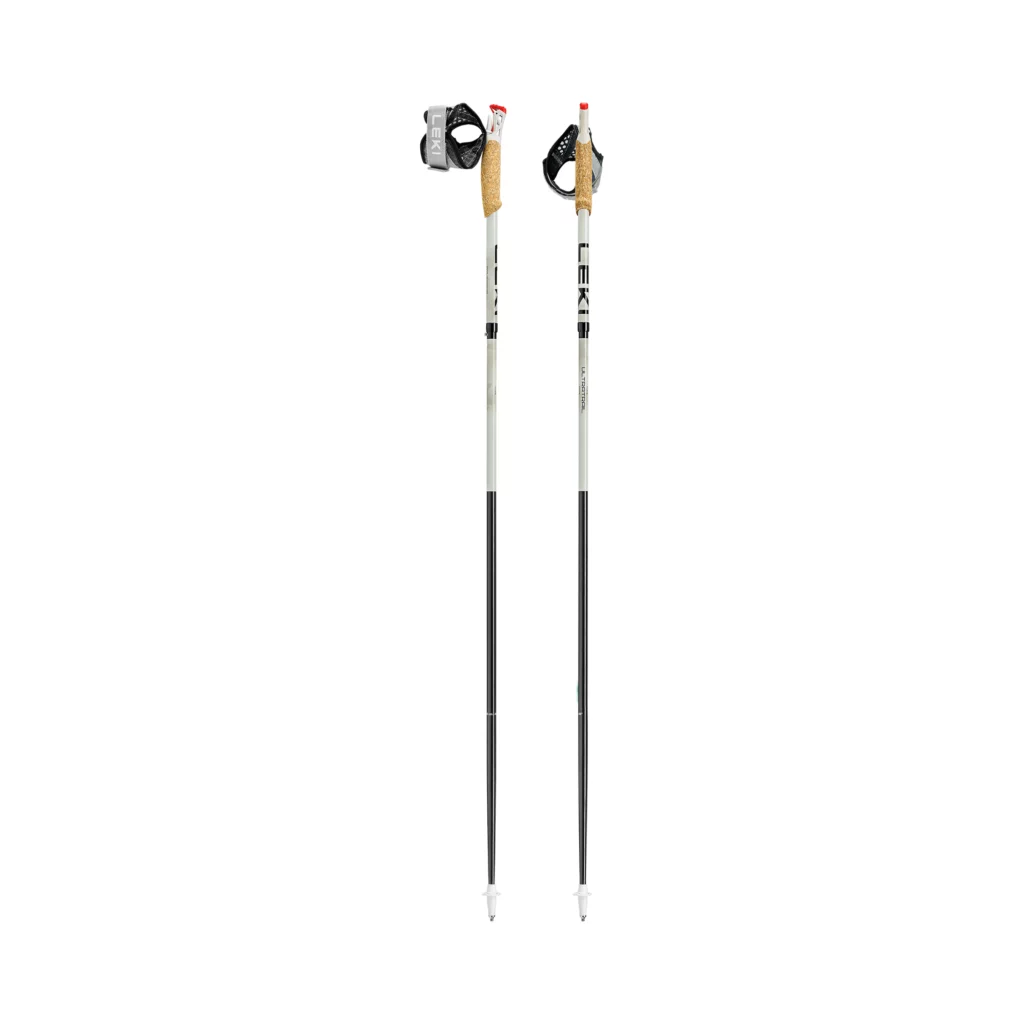
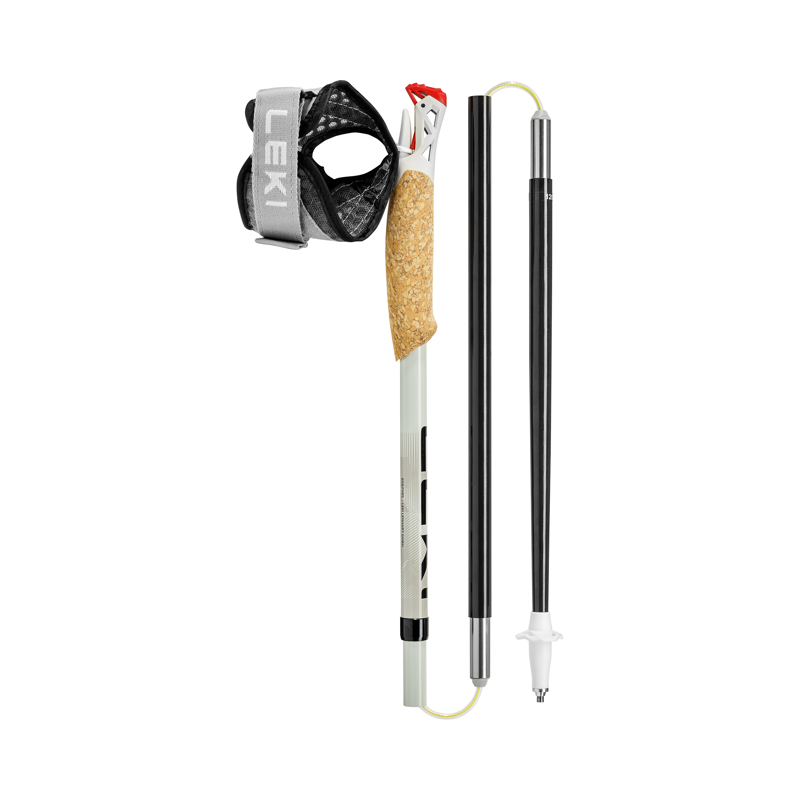
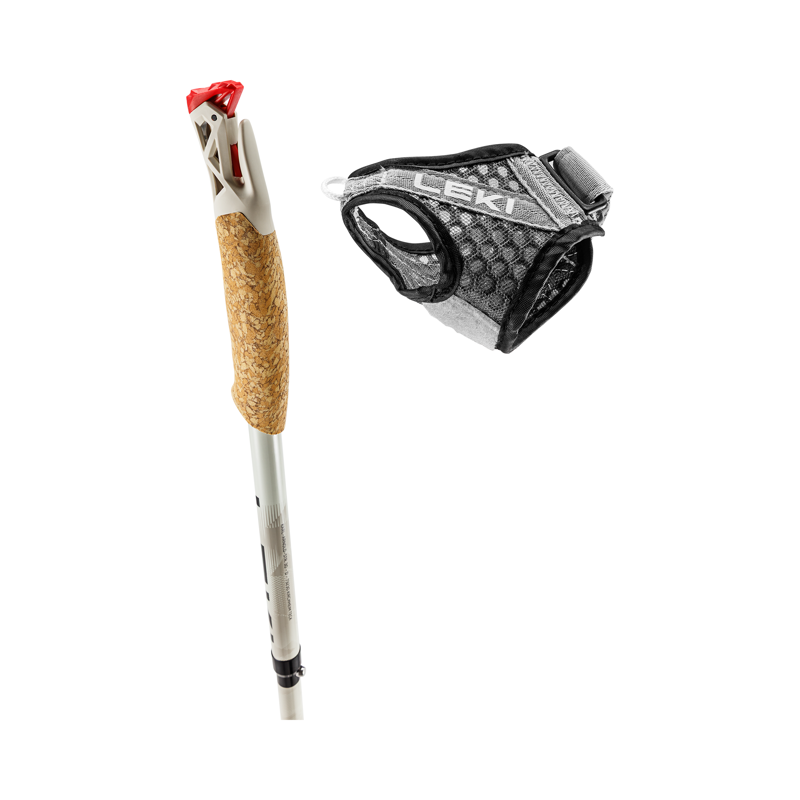
Best Overall: Leki Ultratrail FX.One
One of the most popular trail running poles available. Lightweight, fast to deploy and designed specifically for runners, the Ultratrail FX.One offers an excellent balance of performance, comfort and packability.
Great for:
- Mountain running
- Ultra races
- Trail marathons
- Technical terrain
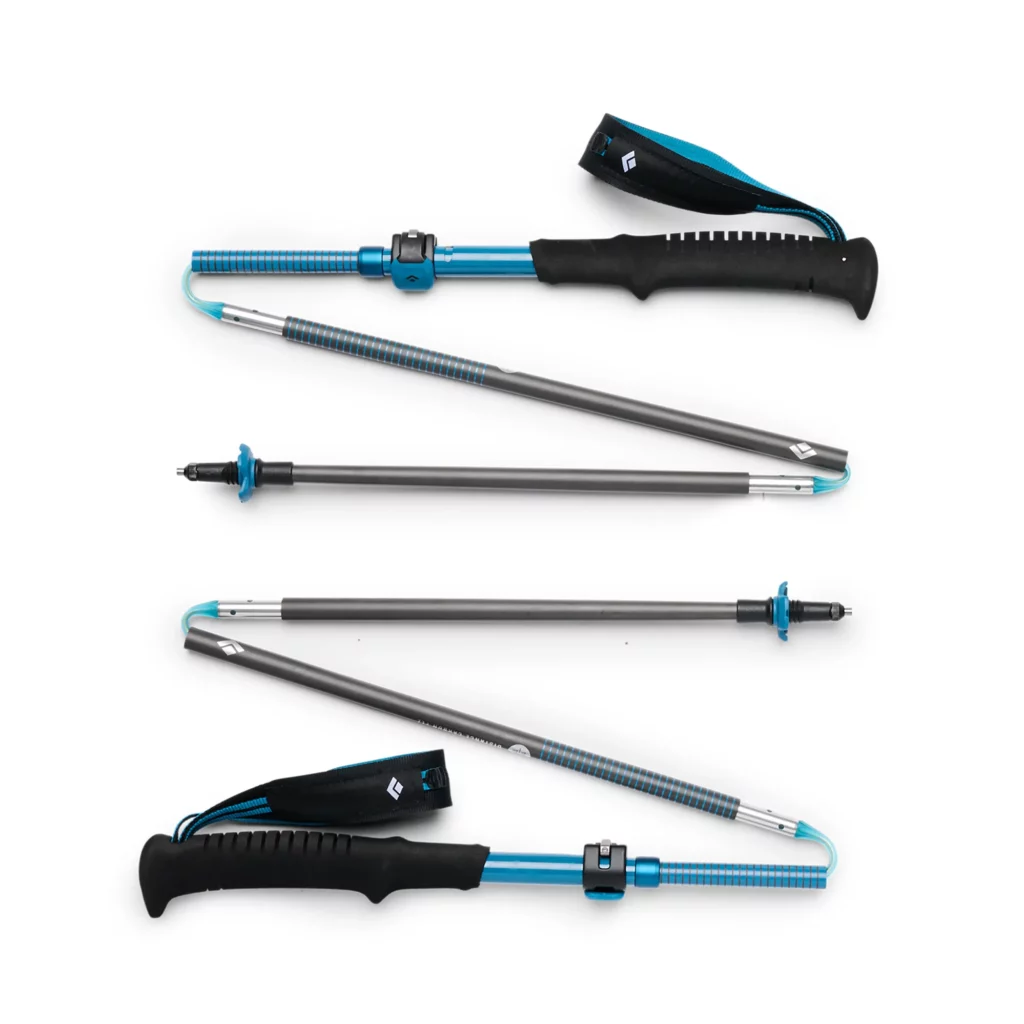
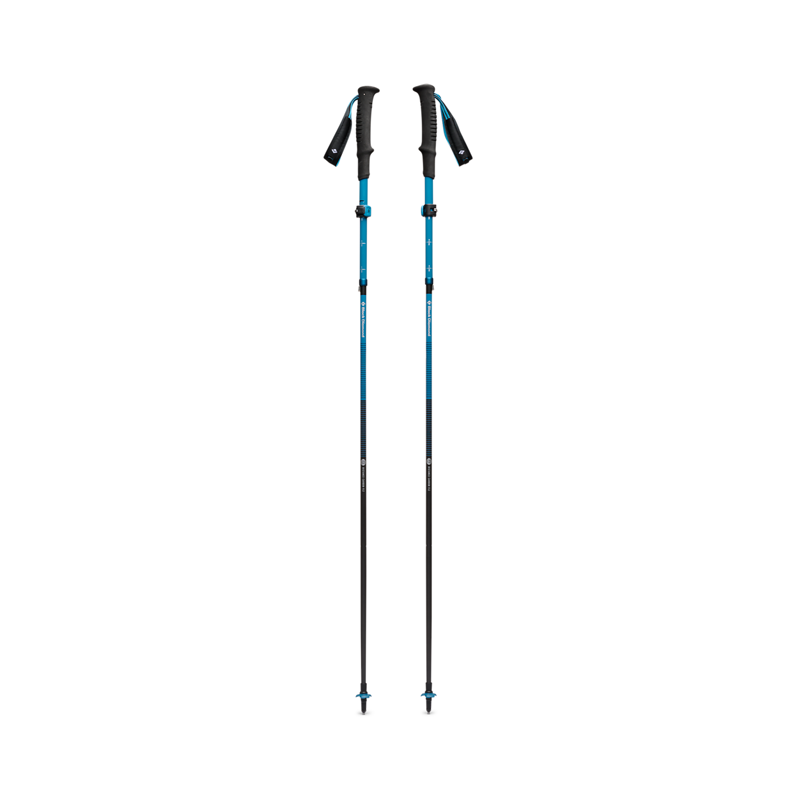
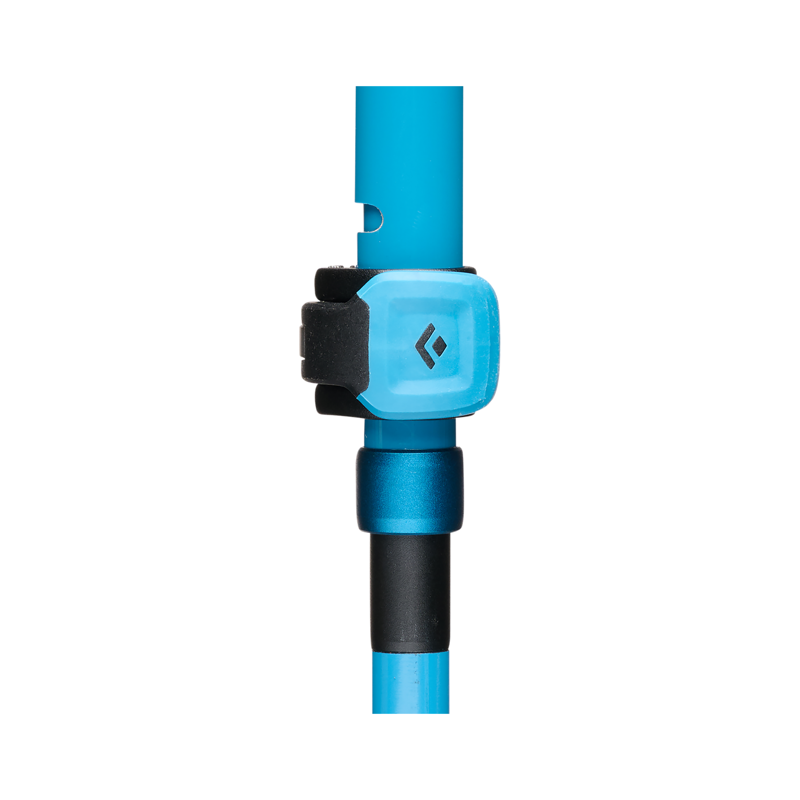
Best for Long-Distance Racing: Black Diamond Distance Carbon FLZ
Combining lightweight carbon construction with an adjustable folding design, the Distance Carbon FLZ is a favourite among runners tackling long mountain days and ultra-distance events.
Great for:
- Ultra-distance running
- Mountain adventures
- Variable terrain
- Lightweight setups
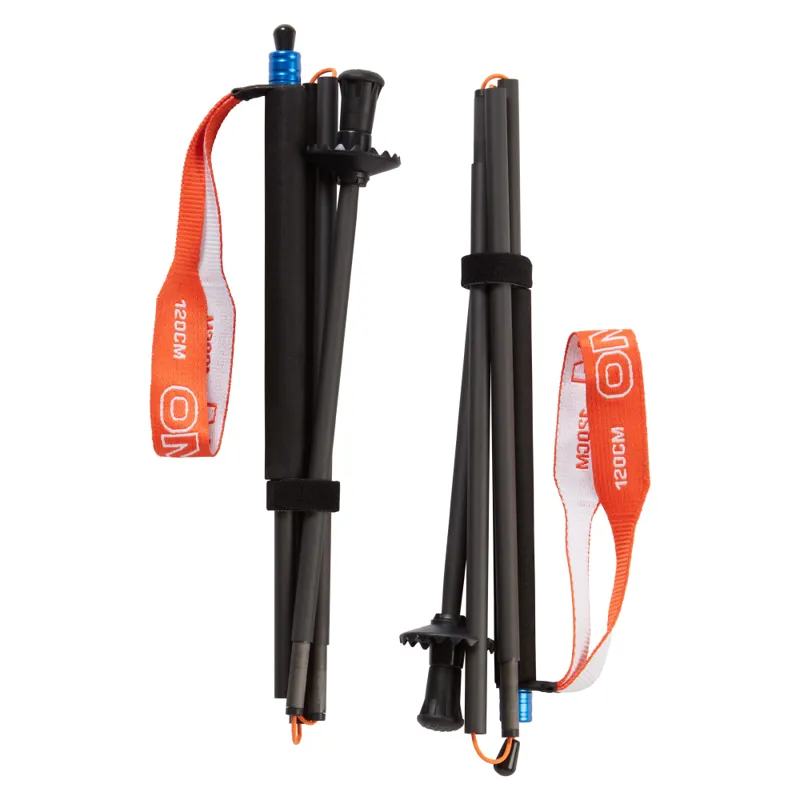
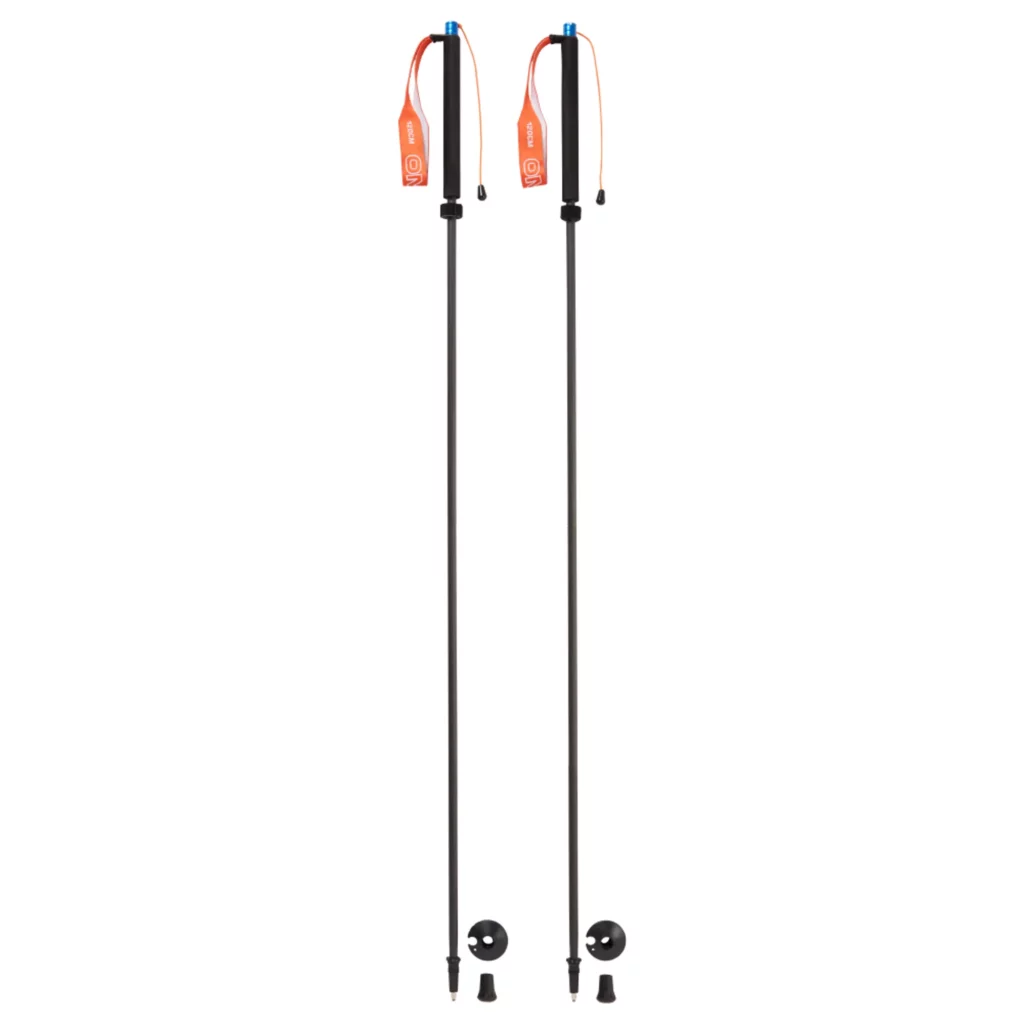
Best Value Option: OMM Z-Lite Carbon
Designed with simplicity and low weight in mind, the Z-Lite Carbon provides excellent performance for runners who want a dependable pole without unnecessary complexity.
Great for:
- Fell running
- Mountain races
- Lightweight kits
- Budget-conscious runners
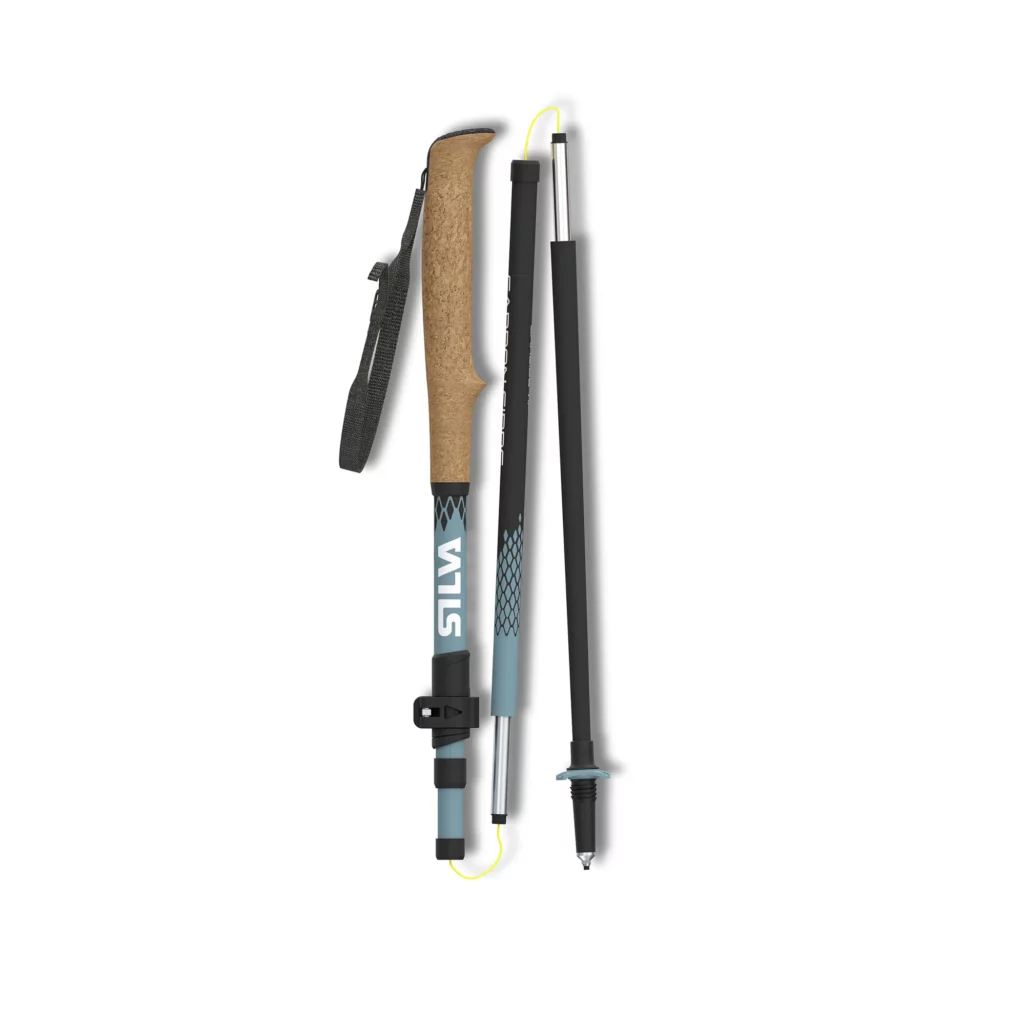
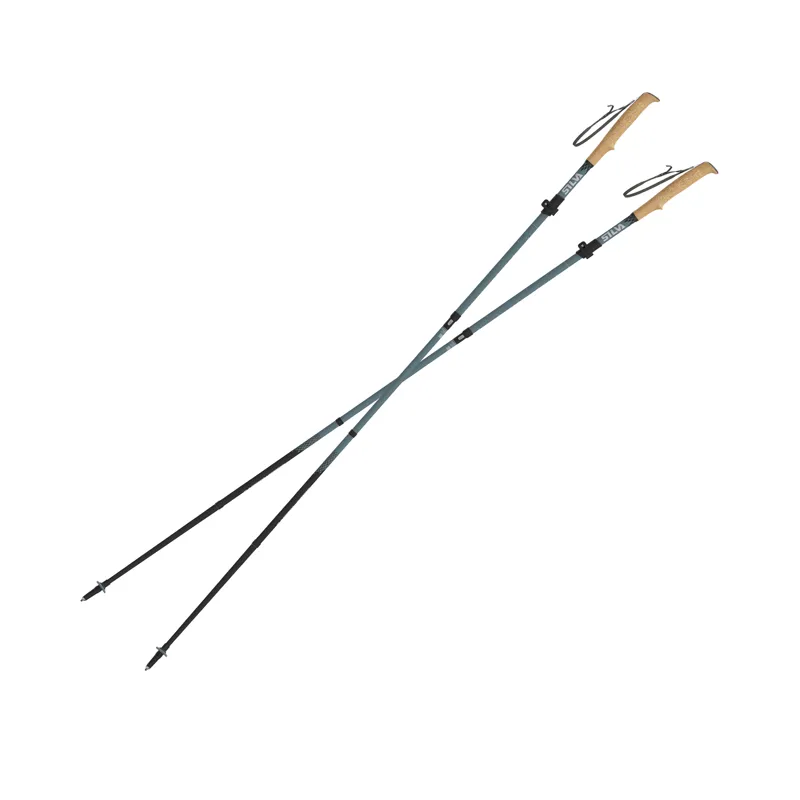
Best for Beginners: Silva Trek Pole Carbon Z
A lightweight folding pole that’s easy to use and ideal for runners looking to experiment with poles for the first time.
Great for:
- New pole users
- Trail running
- Fast hiking
- General mountain use
Which Pole Brand Is Best for You?
Leki
Often considered the benchmark for trail running poles. Leki’s running-specific grips, lightweight carbon construction and rapid deployment systems make them a favourite among mountain and ultra runners.
Black Diamond
Known for producing durable, high-performance poles that balance low weight with excellent reliability. Particularly popular among runners who also hike, trek or fastpack.
OMM
Built around the demands of British fell and mountain running. OMM poles prioritise simplicity, low weight and practicality in challenging conditions.
Silva
A trusted outdoor brand offering lightweight poles that appeal to runners seeking reliable performance and excellent value.
6. Trail Running Safety Essentials
Trail running often takes you further from roads, buildings and other people than traditional road running. While most outings pass without incident, carrying a few key safety items can make a significant difference if conditions change, you take a wrong turn or an unexpected situation arises.
The further you run from civilisation, the more important your safety kit becomes.
What Safety Kit Should Every Trail Runner Carry?
Always Carry
Regardless of distance, there are a few items every trail runner should consider carrying.
Mobile Phone
Essential for navigation, weather updates and emergency communication.
Emergency Contact Details
Store them in your phone and consider carrying a physical emergency contact card during races and longer runs.
Waterproof Layer
Even if the forecast looks favourable, UK weather can change rapidly, particularly in upland and mountain environments.
Basic First Aid Items
A small blister plaster, dressing or strip of tape weighs very little but can prove invaluable if something goes wrong.
Recommended for Remote Routes
As distances increase and routes become more remote, additional safety equipment becomes increasingly important.
Headtorch
Useful if your run takes longer than expected or visibility deteriorates.
Spare Layer
A lightweight insulated or thermal layer can help maintain body temperature if you’re forced to stop moving.
Gloves
Small, lightweight and often overlooked, gloves can make a huge difference in cold or windy conditions.
Emergency Blanket
Provides emergency protection from wind and cold while waiting for assistance.
Whistle
A simple way to attract attention if assistance is required.
Safety Equipment Brands Worth Considering
Silva
One of the most respected names in navigation and headtorches. Silva products are particularly popular among fell runners and mountain athletes who need reliable equipment in challenging conditions.
Black Diamond
Known for dependable headtorches and mountain equipment designed for demanding outdoor environments.
OMM
Built around the realities of mountain racing and fell running. OMM produces lightweight safety-focused equipment designed specifically for runners moving fast in remote terrain.
Montane
Offers lightweight emergency layers and mountain-ready clothing that can easily be carried as part of a mandatory kit setup.
Rab
A favourite among mountain runners thanks to its protective clothing, gloves and lightweight insulation layers.
While you may rarely need to use your safety equipment, carrying the right kit allows you to run with confidence, knowing you’re prepared if conditions change or plans don’t go exactly as expected. For most UK trail runners, a small amount of preparation adds very little weight but can make a huge difference when it matters most.
Example Trail Running Kits for Different Distances
One of the most common mistakes new trail runners make is carrying either far too much gear or not enough. The kit you need should reflect the distance, terrain, weather and how remote your route is. A short local run requires very little equipment, while a mountain adventure may demand waterproofs, navigation tools and emergency gear.
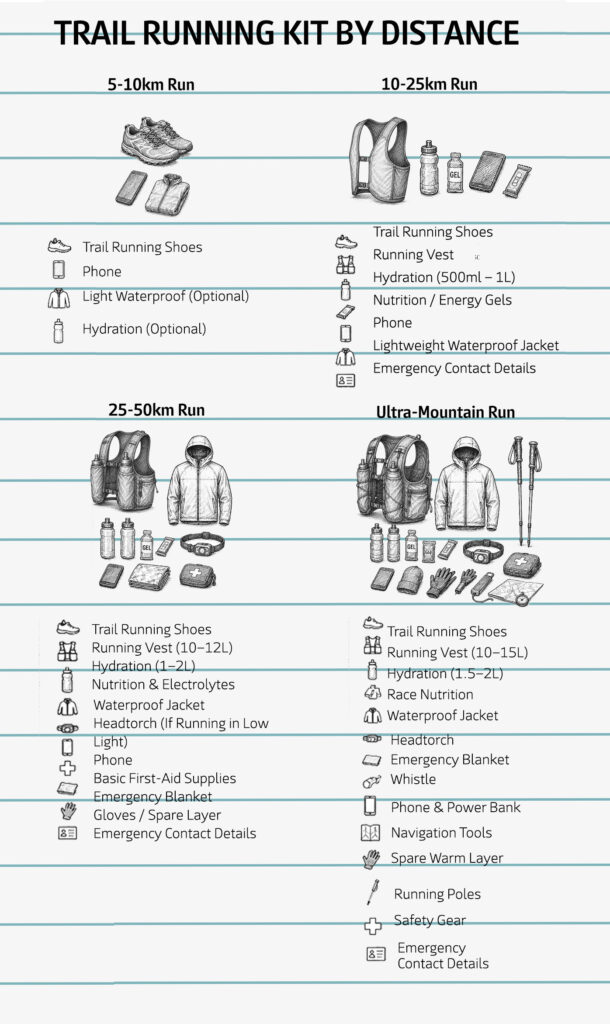
5–10km Trail Run
Perfect for local trails, parks and woodland routes close to home.
Typical Kit
- Trail running shoes
- Technical running clothing
- Mobile phone
- Small amount of water (optional)
- Lightweight waterproof if conditions are uncertain
10–20km Trail Run
As your time on the trail increases, hydration and weather protection become more important.
Typical Kit
- Trail running shoes
- Running vest or belt
- 500ml–1L hydration
- Energy snacks or gels
- Mobile phone
- Lightweight waterproof jacket
- Emergency contact details
20–50km Trail Run
Longer routes often involve changing weather, more remote terrain and greater energy demands.
Typical Kit
- Trail running shoes
- 10–12L running vest
- 1–2L hydration
- Nutrition and electrolytes
- Waterproof jacket
- Headtorch (if daylight is limited)
- Mobile phone
- Basic first-aid supplies
- Emergency blanket
- Gloves or a spare layer, depending on conditions
50km+ Ultra Distance Running
Ultra-distance events and mountain adventures require a more comprehensive setup. Many races also have mandatory kit requirements.
Typical Kit
- Trail running shoes
- 10–15L running vest
- 1.5–2L hydration
- Race nutrition and electrolytes
- Waterproof jacket and trousers (if required)
- Headtorch and spare batteries
- Emergency blanket
- Whistle
- Mobile phone and power bank
- Navigation tools
- Spare warm layer
- Trail running poles (route dependent)
The key is to carry enough kit to remain safe and comfortable without overloading yourself. Start simple, then add equipment as your distances increase and your adventures take you further from civilisation.
Final Thoughts
Building the perfect trail running kit isn’t about buying the most expensive gear or carrying everything you might possibly need. It’s about choosing the right equipment for your distance, terrain, weather conditions and personal running style.
Start with the essentials, gain experience on the trails, and gradually refine your kit as you learn what works best for you. The right combination of shoes, clothing, hydration and safety equipment can make every run more comfortable, enjoyable and confident, whether you’re exploring local woodland paths or tackling big mountain adventures.
If you’re unsure where to start, visit our Hereford store to chat with our experienced team and try on gear in person. If you can’t make it to the shop, our customer service team is always happy to help with advice on choosing the right trail running shoes, running vest, waterproof jacket or any other kit for your next adventure. Happy running, and we’ll see you on the trails! 🏃♀️⛰️
FAQ
At a minimum, you’ll need a good pair of trail running shoes, comfortable running clothing and a mobile phone. As your runs become longer or more remote, you may also want a running vest, a waterproof jacket and a hydration system. 
A versatile trail shoe, such as the Altra Lone Peak 9+ or Salomon Speedcross 6, combined with technical clothing and hydration for longer runs, is an excellent starting point for most UK trail runners.
Not necessarily. For shorter local runs, a vest may be unnecessary. However, once you start carrying water, food, waterproofs or safety equipment, a running vest quickly becomes one of the most useful pieces of trail running kit.
For runs under an hour, water is often optional. For runs lasting 1–2 hours, carry approximately 500ml–1 litre. Longer runs may require 1–2 litres depending on weather, terrain and your personal hydration needs.
For many runners, poles become worthwhile on steep climbs, mountain routes and ultra-distance events. They help reduce fatigue and improve stability on technical terrain.
You can run well-maintained dry paths, but trail running shoes provide significantly better grip, stability and protection on uneven, muddy or technical terrain.
You can get started for around £150–£250 with a quality pair of trail running shoes and suitable clothing. More advanced setups involving vests, waterproofs, poles and safety equipment can easily exceed £500, particularly for mountain running and ultra-distance events.
Leave a Reply