
Early Season Camping – What Gear Do You Need?
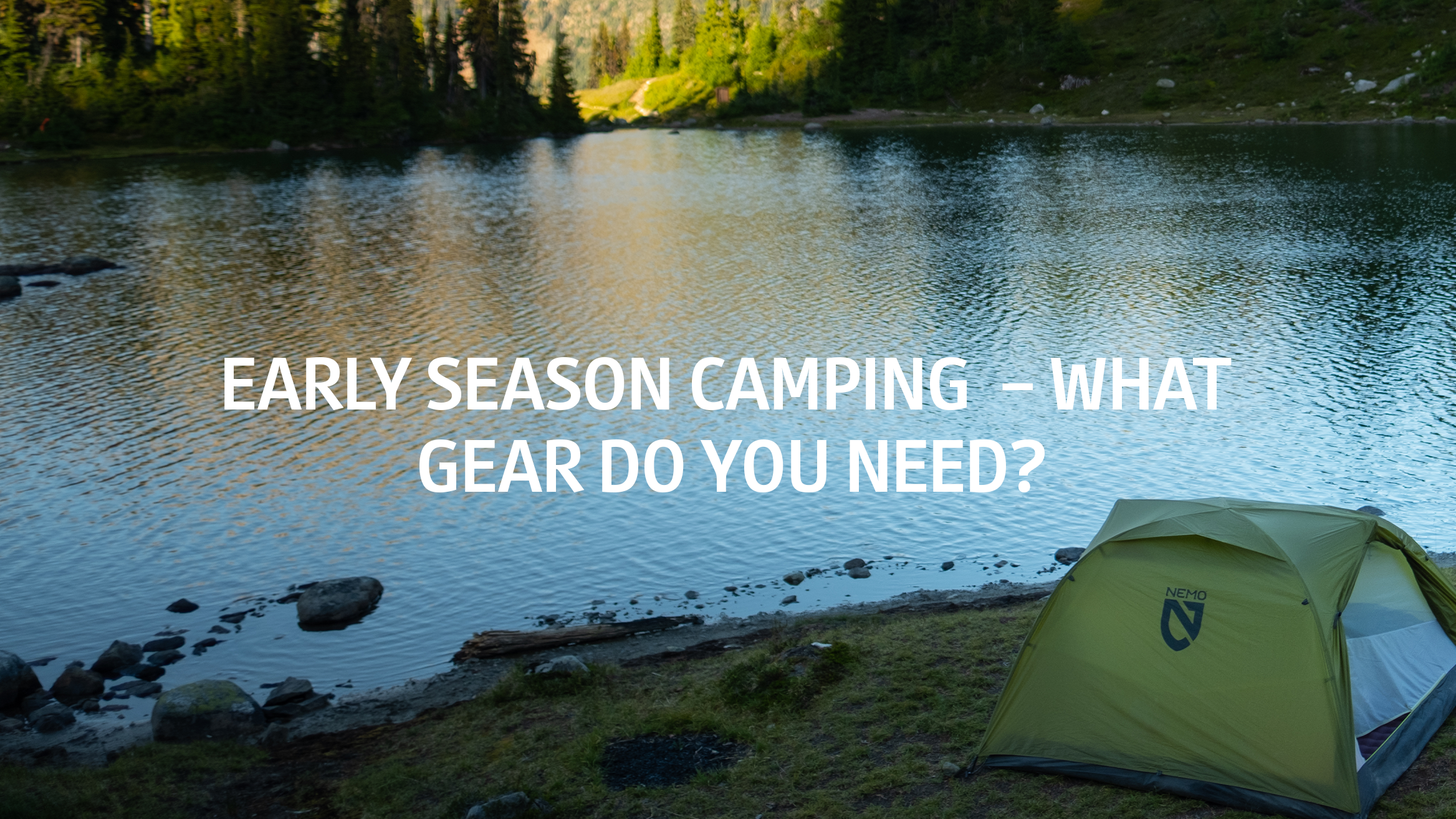
Early season camping can be one of the most rewarding times to spend a night in the hills. The trails are quieter, campsites feel wilder and the landscapes often carry that fresh, just-awakened feel that comes with the change from winter into spring.
However, early season conditions in the UK bring their own set of challenges.
Cold nights, damp ground, lingering winter weather and rapidly changing conditions mean that your gear needs to be chosen carefully. It is very different from packing for a midsummer overnight trip where mild temperatures and dry ground are more predictable.
At Trekitt we spend plenty of time camping through the early months of the year, particularly across the Brecon Beacons, Eryri and the Scottish Highlands. It is a brilliant time to get outside, but comfort and safety come down to preparation and the right equipment.
IN SHORT…
-
Understand early season conditions: Learn why spring camping in the UK can be unpredictable, from cold nights and damp ground to sudden weather changes. Knowing what to expect helps you pack more appropriately.
-
Build a reliable sleep system: See how sleeping bags, insulated sleeping mats and dry sleep clothing work together to keep you warm overnight when temperatures drop close to freezing.
-
Choose shelter and manage moisture: Discover what to look for in a tent that can handle wind, rain and condensation, and how simple organisation with dry bags helps keep essential gear protected.
-
Layer clothing for changing temperatures: Understand how base layers, mid layers, insulated jackets and waterproof shells allow you to stay comfortable as conditions shift throughout the day.
-
Bring the right camp essentials: Learn why small additions like a stove, hot food and reliable lighting can make early season evenings far more comfortable.
Understanding Early Season Conditions
Before diving into the gear itself, it helps to understand what makes early season camping different from summer trips.
Spring weather across the UK is rarely stable. You can experience several seasons in a single day. A warm afternoon can quickly turn into a cold evening once the sun drops below the horizon.
Common early season conditions include:
- Overnight temperatures around 0°C
- Damp or waterlogged ground
- Strong winds on exposed hills
- Heavy morning condensation
- Occasional late frost
This combination of cold and moisture is what makes early season gear selection so important. Your kit needs to manage both insulation and water resistance effectively.
One of the most common mistakes we see is people packing for what they hope the weather will be like rather than what it probably will be. Unfortunately, spring in the hills is not known for being particularly cooperative.
With the right equipment though, early season camping becomes incredibly enjoyable.
Building a Reliable Sleep System
Your sleep system is the single most important element of early-season camping. If you sleep well, everything else about the trip becomes easier. Sleep badly, though, and suddenly the walk out the next morning feels a lot longer.
A good system usually comes down to three things working together:
- A warm sleeping bag
- An insulated sleeping mat
- Dry, comfortable pyjamas
Choosing the Right Sleeping Bag
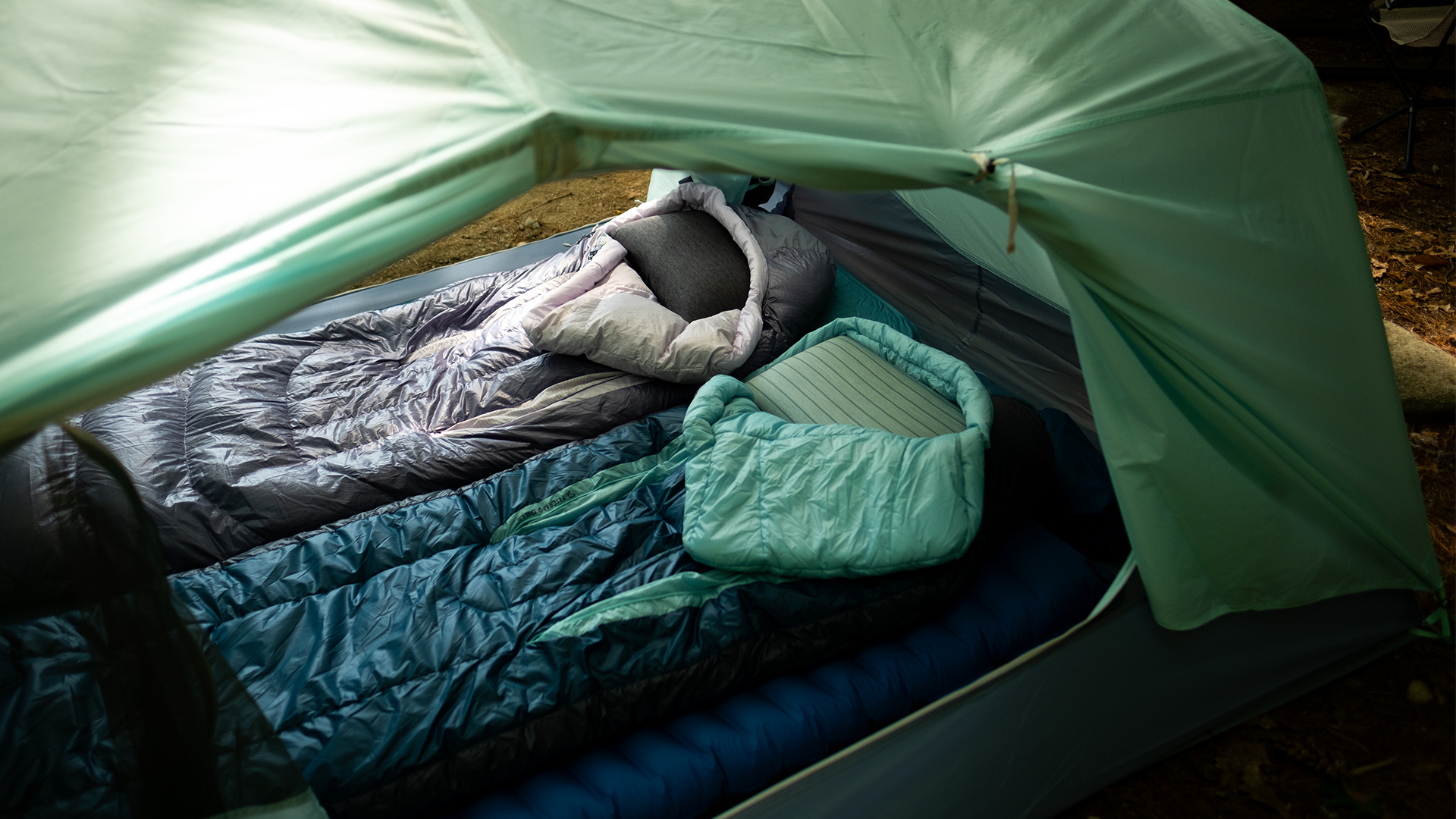
Sleeping bags are where many people underestimate early season conditions. We’ve all had that moment where the sun sets, the temperature drops and you realise your sleeping bag might be a little more “summer picnic” than “mountain wild camp”.
Even in late April or May, overnight temperatures in the hills can drop close to freezing. A lightweight summer bag simply will not provide enough insulation.
For most early season trips we recommend a sleeping bag with a comfort rating around 0°C or slightly below.
Features worth looking for include:
- A well fitted hood that traps warm air
- A full draft collar around the neck
- A full-length zip baffle to block cold air
- Quality insulation that maintains loft
Down sleeping bags offer excellent warmth to weight performance, which makes them ideal for backpacking trips where pack size matters.
Synthetic insulation still performs well in damp conditions and is often a good choice if you expect persistent moisture.
Brands like Rab and Mountain Equipment have built strong reputations for realistic temperature ratings and well-designed bags suited to UK conditions.
If you want a deeper look at how temperature ratings actually work and how to choose the right bag for UK conditions, our guide What Sleeping Bag Temperature Rating Do You Really Need in the UK? breaks it down in detail.
The Importance of an Insulated Sleeping Mat
While sleeping bags get most of the attention, your sleeping mat actually plays an equally important role.
When you lie down, the insulation beneath your body compresses. That reduces its ability to trap warm air, which means the cold ground can pull heat away surprisingly quickly.
This is where the R value of a sleeping mat becomes important.
R value measures insulation against cold ground. For early season camping we normally suggest a mat with an R value between 4 and 5.
This level of insulation works well for:
- Chilly ground temperatures
- Early morning frost
- Camps above valley level
Inflatable sleeping mats offer excellent comfort and insulation while still packing down small. Foam mats remain incredibly reliable and can be useful as a backup on rough terrain.
If you are unsure what R value you actually need or how different mat designs compare, our guide on How to Choose a Sleeping Mat explains everything from insulation ratings to comfort and pack size.
Pyjamas Matters More Than You Think
A dedicated set of dry clothing for sleeping can significantly improve comfort.
After a full day of walking, your hiking clothes are usually carrying some level of sweat, moisture or general trail grime. Changing into dry base layers inside the tent feels surprisingly luxurious and helps your sleeping bag work far more effectively.
Merino base layers are particularly comfortable for this role. They regulate temperature well and remain comfortable against the skin even during cooler nights.
Shelter That Handles Wind and Rain
Your tent becomes your protective bubble once the sun goes down. During early season trips it needs to manage wind, rain and condensation effectively.
Many three-season backpacking tents work perfectly well for spring conditions. However, the design features matter just as much as the season rating itself.
Key characteristics to look for include:
- A strong pole structure for windy conditions
- A durable waterproof flysheet
- Good ventilation to reduce condensation
- A bathtub style groundsheet to block ground moisture
Solid inner tent panels can also help reduce cold drafts compared to mesh heavy summer designs.
Spring weather often produces clear nights followed by heavy condensation in the morning. A well ventilated tent helps manage this moisture and keeps the interior comfortable.
If you are still deciding what type of tent suits your trips best, our Tent Buying Guide walks through the different styles of shelters and what works best for UK conditions.
Layering for Spring Conditions
Early season camping often involves dramatic temperature swings.
You might start walking in mild sunshine and finish the day in biting wind as temperatures drop after sunset.
A flexible layering system helps you adapt quickly.
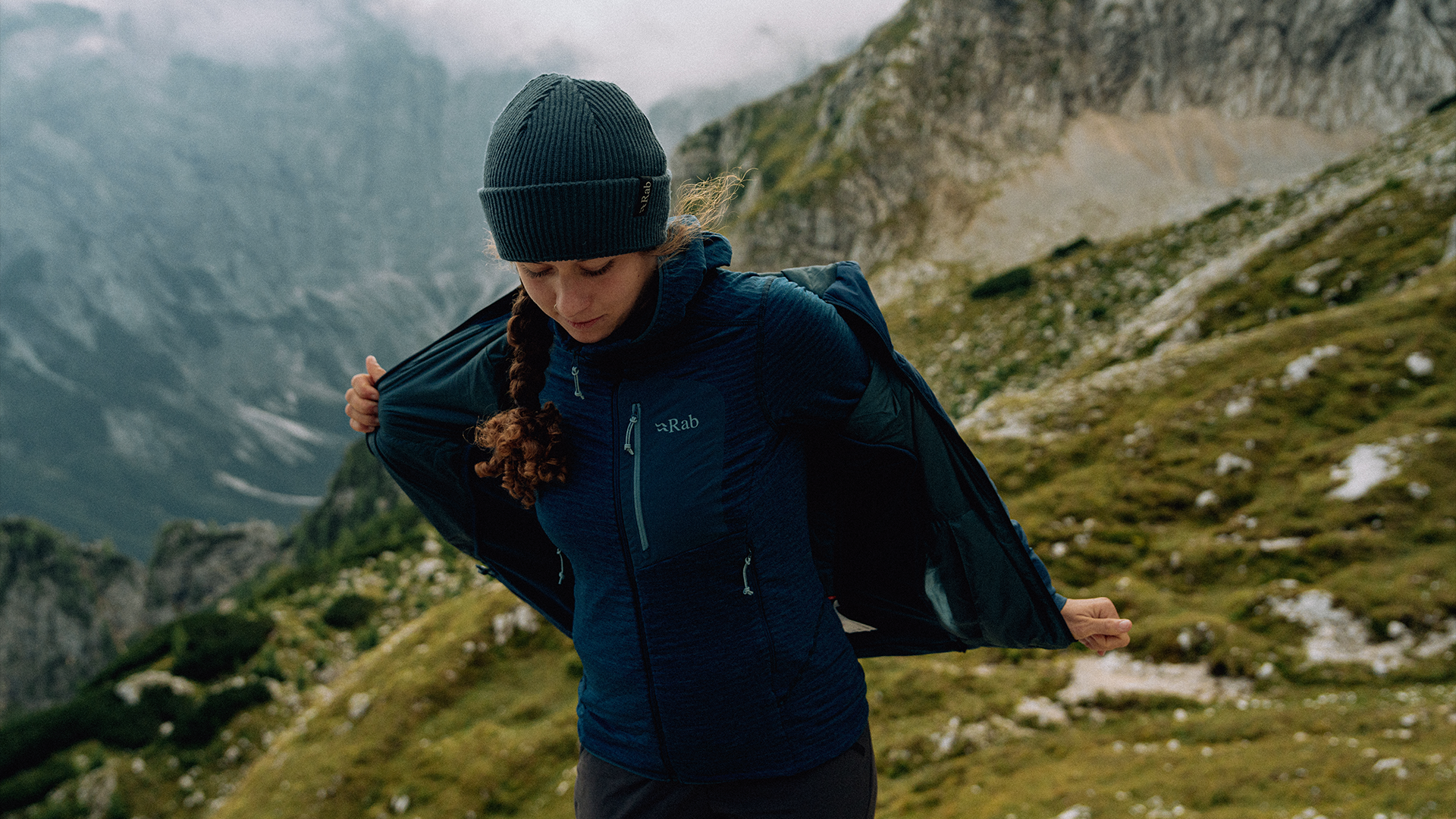
Base Layers
Base layers regulate temperature and manage moisture.
Merino wool base layers are particularly popular for multi-day trips because they remain comfortable over longer periods and resist odour buildup.
Mid Layers
Mid layers provide additional insulation.
Fleece jackets are often the most versatile option. They breathe well while walking but still add warmth when temperatures begin to drop.
Insulated Jackets
An insulated jacket becomes essential once you stop moving.
Down jackets provide excellent warmth for their weight and pack size, while synthetic jackets retain performance better in damp conditions.
Waterproof Shells
Spring in the UK almost always includes rain.
A dependable waterproof shell should always be accessible in your pack. Good waterproof jackets balance weather protection with breathability so that moisture from exertion can escape.
Down jackets provide excellent warmth for their weight and pack size, while synthetic jackets retain performance better in damp conditions.
Cooking and Staying Warm Around Camp
Hot food becomes significantly more important when temperatures drop.
Even a simple stove setup can transform a cold evening into a comfortable one.
Warm meals help maintain body temperature and improve energy levels after a long day outdoors.
Typical early season camp meals include:
- Instant noodles or pasta meals
- Dehydrated expedition meals
- Soup or broth based dishes
- Porridge for breakfast
A hot drink before bed can also help warm you up before climbing into your sleeping bag.
Lightweight gas stoves are usually the simplest option for most backpacking trips.
If you are unsure which type of stove works best for your trips, our guide on How to Choose a Camping Stove compares the different options and explains what to look for.
Lighting for Longer Nights
During early spring the nights are still relatively long.
Sunset can arrive earlier than expected, you have just started cooking and suddenly realise you can’t see what you’re doing anymore.
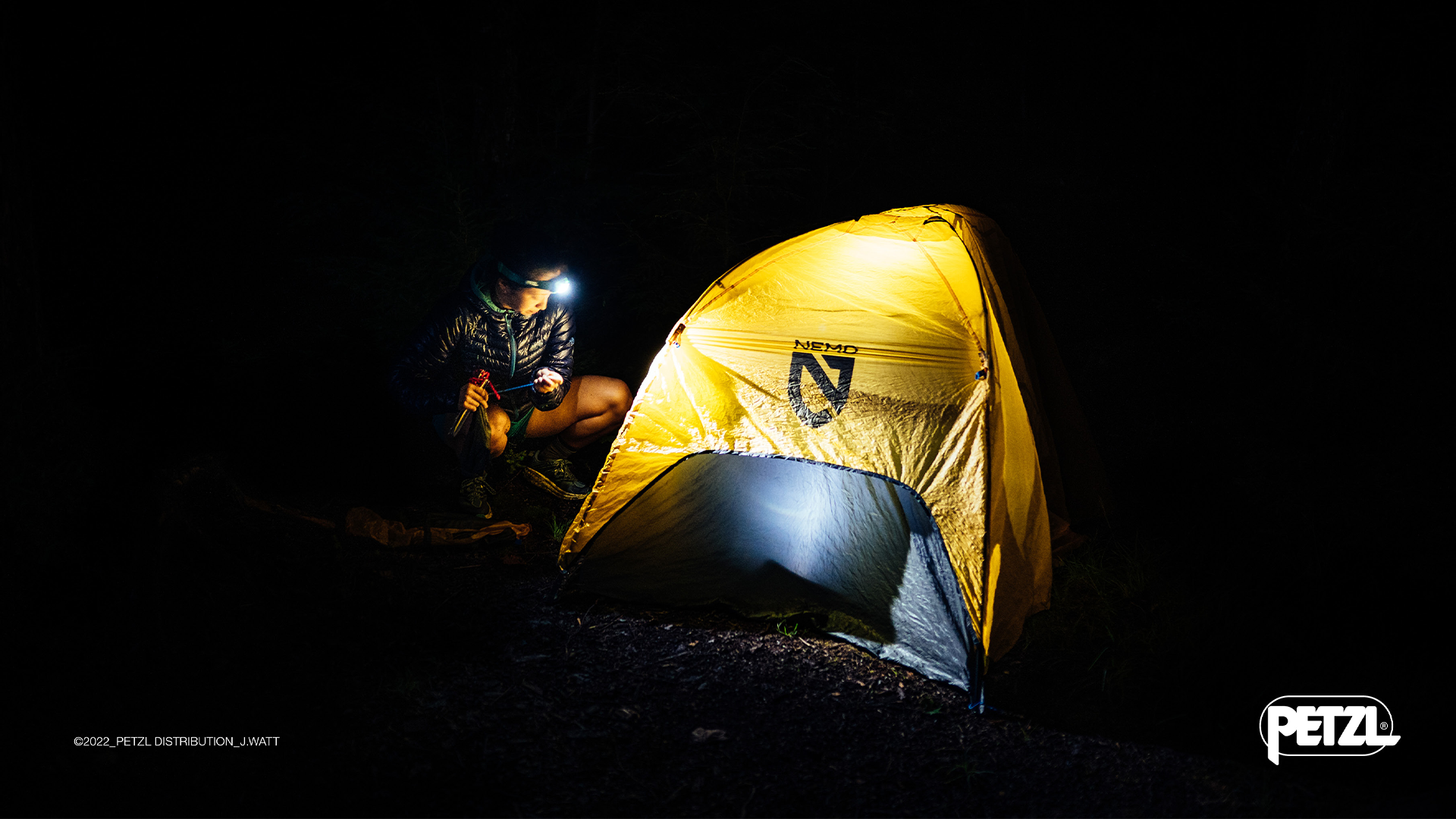
A reliable head torch allows you to cook, organise gear and move around camp safely.
Key features to consider include:
- Around 300 to 500 lumens of brightness
- Multiple brightness settings
- A red light mode for night vision around camp
- Good battery life
Many campers also carry a small backup torch in case their primary light runs out of power.
Managing Moisture and Wet Gear
Spring camping often means dealing with damp gear.
Rain, condensation and wet ground can all introduce moisture into your pack. Protecting key items becomes essential.
Dry bags are one of the simplest solutions. If you want a closer look at how dry bags help protect gear and organise your pack, our guide Why Use Dry Bags for Backpacking? explains why they are one of the simplest upgrades you can make to your camping setup.
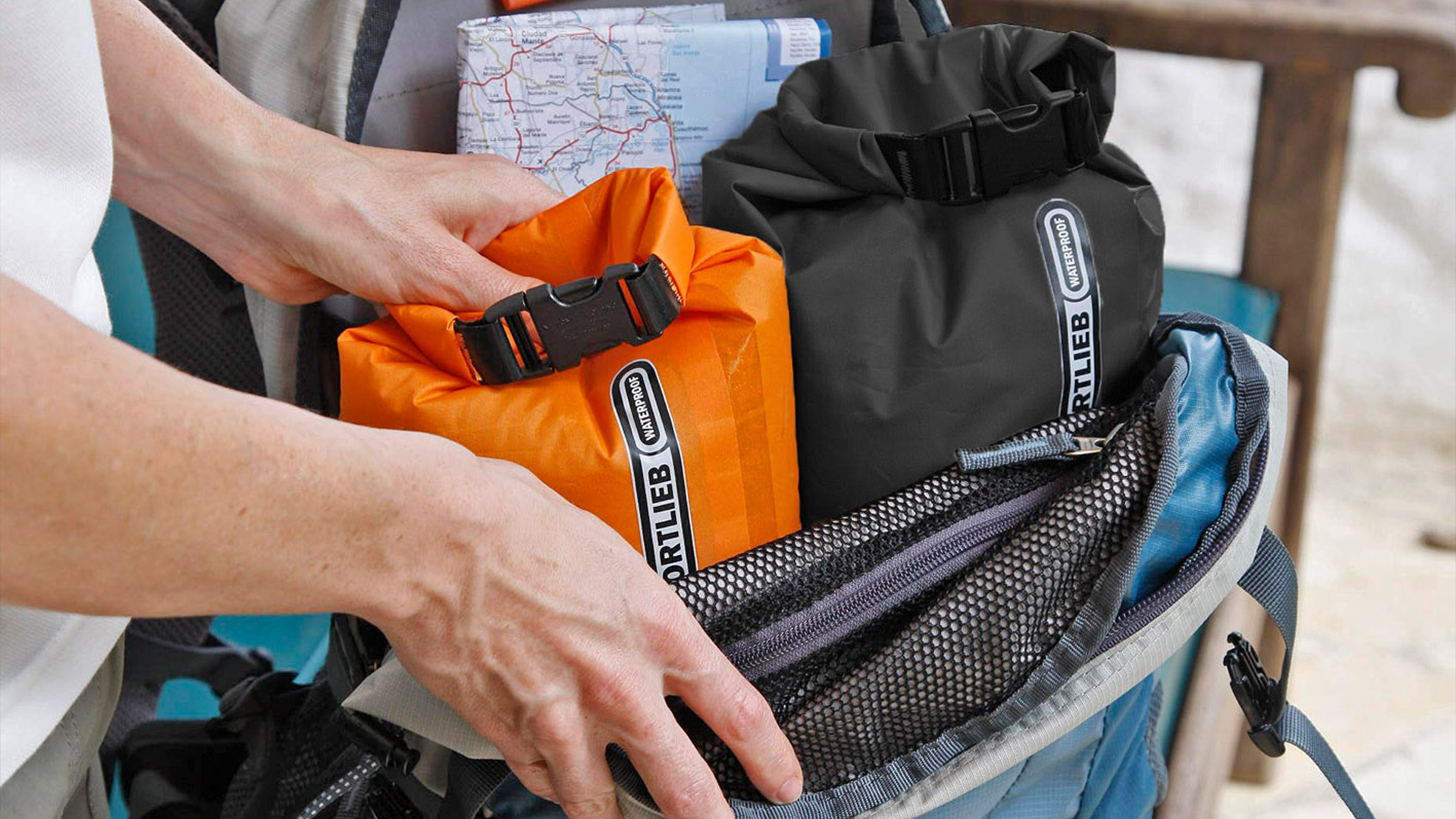
We normally recommend separating items like this:
- Sleeping bag in its own waterproof dry bag
- Spare clothing in a separate dry bag
- Electronics and batteries in a small, sealed pouch
This simple organisation ensures that your most important gear stays dry even during prolonged rain.
Small Extras That Improve Comfort
Some of the smallest bits of kit often end up being the things you appreciate the most once you reach camp.
- A sit mat – a lightweight foam sit mat gives you a dry insulated place to sit while cooking or resting around camp.
- Warm hat and gloves – even in spring, temperatures can drop quickly once the sun disappears. A lightweight beanie and thin gloves add warmth for very little weight.
- Spare Socks – dry socks before bed make a huge difference to warmth and comfort.
- A Thermos Flask – carrying hot tea or coffee into camp is one of those simple luxuries that feels incredibly rewarding after a long walk.
Key Takeaways
Early season camping can be one of the best times of year to spend a night in the hills. Quieter trails, crisp air and beautiful spring mornings make it a brilliant time to get outside.
The key to enjoying it is simply being prepared for the conditions. Nights are often colder than expected, and damp ground and changing weather mean your gear needs to work a bit harder than it might in summer.
Focus on a reliable sleep system first. A warm sleeping bag and an insulated sleeping mat will make the biggest difference to your comfort overnight. From there, make sure your tent can handle wind and moisture, and pack a flexible layering system so you can adapt as temperatures change throughout the day.
If you are ever unsure about what gear you need, we are always happy to help. You can contact the team at Trekitt by emailing [email protected] or calling 01432 263335.
Even better, if you’re nearby, pop into our Hereford Service Centre, where the team can talk through gear options and help you build a setup that works for your trips.
FAQs
Yes, it can be. Overnight temperatures in early spring frequently drop close to freezing, particularly in upland areas.
A sleeping bag with a comfort rating around 0°C usually works well for most UK early season conditions.
Yes. Ground insulation is one of the biggest factors in staying warm while sleeping outdoors.
Not for most trips. A well designed three season backpacking tent is normally sufficient for early spring camping in the UK.
Choose well ventilated campsites, open tent vents where possible and avoid cooking inside the tent.
A flexible layering system including base layers, mid layers, an insulated jacket and a waterproof shell works best.
Yes. It can be an excellent introduction to camping if you prepare properly and carry the right gear.
Leave a Reply