
Short Winter Overnight Backpacking Ideas
Winter backpacking in the UK doesn’t need to mean long distances or extreme conditions. A simple one-night trip can offer quiet trails, dramatic scenery, and a genuine sense of escape, all without needing days off work or elaborate travel plans.
Shorter routes mean you can carry less, move faster, and still experience the raw beauty of winter: frozen ground underfoot, clear air, and the kind of stillness that’s hard to find in summer.
Whether you’re squeezing in a midweek wild camp, dodging busy weekend trails, or chasing dramatic light for photography, these short winter overnighters can deliver real adventure in a manageable timeframe. Below are five routes that offer just that, varied in terrain, tone and challenge.
This article is part of our Winter Camping Basecamp, where you’ll find expert layering advice, technical gear deep dives and practical cold-weather tips.
Why Winter Overnight Backpacking Works in the UK
Winter backpacking strips things back. With the crowds gone and the landscape hushed, even familiar routes feel fresh. Frost glistens on moorland grass, mist lingers in valleys, and snow or ice can transform paths and peaks. There’s a rawness to it, a clarity.
That said, winter also demands more of you. Less daylight, colder nights, icy ground, frozen water sources, and unpredictable weather all require extra care. What’s a simple overnight in summer becomes more technical in winter.
Why it’s worth it:
- Fewer people and quieter trails
- Frosty landscapes, low golden light, clear air
- A sense of adventure even on short routes
- Real rewards without needing days off work
What to be prepared for:
- Short daylight hours
- Cold, damp or frozen ground
- The need for proper shelter, insulation, and food
- Navigation challenges and emergency planning
Packing for a Winter Overnighter
Aim for a total pack weight of around 10 to 16 kg, enough to keep you safe, warm and fed, but light enough to move comfortably.
Core gear (8-12 kg):
- Shelter: lightweight tent or tarp/bivi, ideally a 3‑season or sturdy 4‑season (if you expect snow or heavy wind).
- Sleeping system: 3‑season sleeping bag (comfort to around -2 °C to +5 °C), insulated sleeping mat with an R rating of over 5.
- Stove and cookware: small stove, pot, fuel, water may be scarce or frozen.
- A spare base layer and a spare pair of socks.
Consumables and extras (2-4 kg):
- Food: calorie‑dense meals (winter cold burns more calories), hot drinks, snacks.
- Water: either extra capacity or a way to melt/filter water. It’s worth considering that some UK streams may be low or frozen.
- Safety & navigation: headtorch, map, compass/GPS, first‑aid kit, emergency shelter/foil, whistle.
- Optional seasonal gear: crampons & ice axe (mountains), waterproof/skirted outerwear (coast/forest), extra dry sacks, thermos, maybe even a flask of something warming for after the sun goes down.
For a more detailed breakdown of kit choices, including what to bring, what to leave behind, and why, have a read of our full guide on What to Pack for a UK Winter Backcountry Walk.
Pro tip: before committing to the pack, lay everything out on the floor. If you cringe at lifting it, you might have too much. Less is more, especially if you’ll be carrying it uphill and want light, nimble movement.
What to wear?
- Your favourite pair of socks
- Waterproof boots (with gaiters if needed)
- Base layer
- Mid-layers
- Insulation layer
- Outer layers
- Warm hat, gloves and a buff
Not sure how to build a winter layering system that actually works in the UK? Check out our post on Layering Strategies for Wet UK Winters, it’ll help you stay warm without overheating or getting soaked.
A Quick Word on Wild Camping Laws
Wild camping in the UK depends on where you are. The rules can be confusing, so we’ve broken it all down in our Winter Wild Camping in the UK blog – check it out if you’re unsure where or what’s allowed.
In short:
- In Scotland, wild camping is broadly permitted under the Scottish Outdoor Access Code.
- In England and Wales, it’s technically not allowed without landowner permission, though in upland areas like the Lake District and Snowdonia, it’s often tolerated if you’re discreet.
- Dartmoor allows wild camping in designated areas only.
Wherever you go, always follow low-impact principles: camp late, leave early, stay one night, and leave no trace.
Top Short Winter Overnight Backpacking Ideas
Wild camping in the UK depends on where you are. The rules can be confusing, so we’ve broken it all down in our Rules of Winter Wild Camping in the UK blog – check it out if you’re unsure where or what’s allowed.
Helvellyn – Lake District ridgeline magic
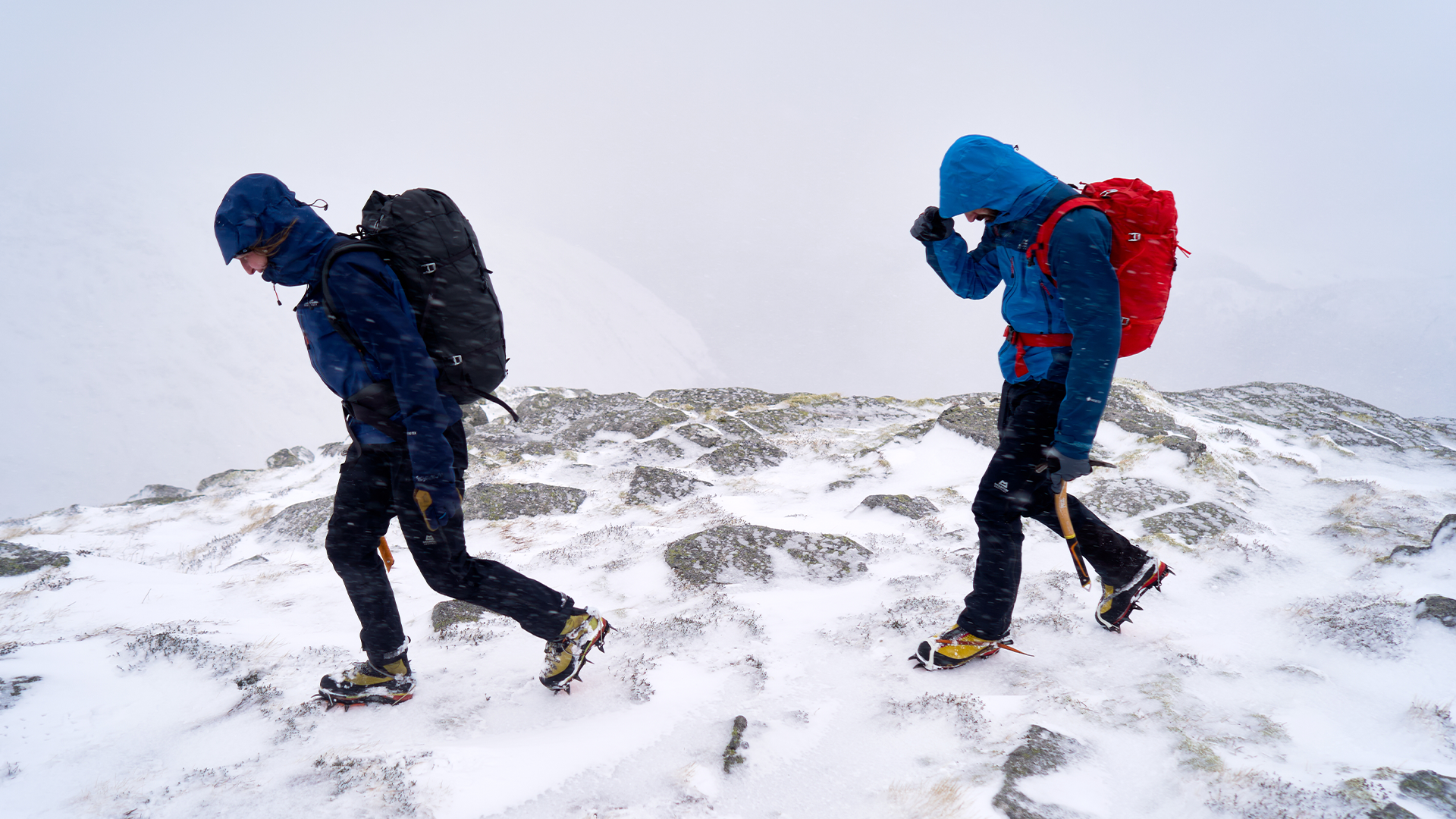
Helvellyn is a classic winter objective. Its ridges can be dramatic under snow, and the tarns below often freeze into surreal mirrors. Striding Edge adds exposure and excitement, while Grisedale or Miresbeck offer safer access.
If you’re packing light (say 11-14 kg), you’ll have room for a 3‑season tent (or bivi), a warm sleeping bag, stove, spare layers, and perhaps crampons and an ice axe if there’s snow or ice (do check conditions carefully). The payoff? A summit panorama drenched in low‑winter sun, with snow‑dusted ridges or even a chance of frost on the tarns.
This kind of trip works best if you’re comfortable switching between “walk” and “camp” mindsets, ascent, evening calm, a chilly night, then an early morning reward. The ridgeline travel means shorter daylight and potential ice, so ditch the “I’ll wing it” attitude, plan your route and retreat carefully.
Camping info: Wild camping is technically not allowed in the Lake District, but discreet one-night bivvies in high, remote areas are often tolerated. Be invisible, respectful, and low-impact.
Ben Nevis (via Glen Nevis/CIC Hut) – Scotland’s classic winter milestone
This is for those of you that are wanting a true winter challenge. Approach Ben Nevis from Glen Nevis or the North Face and spend a night out before an early summit push. With snow on the slopes and ice on the wind, this feels big even if it’s only one night.
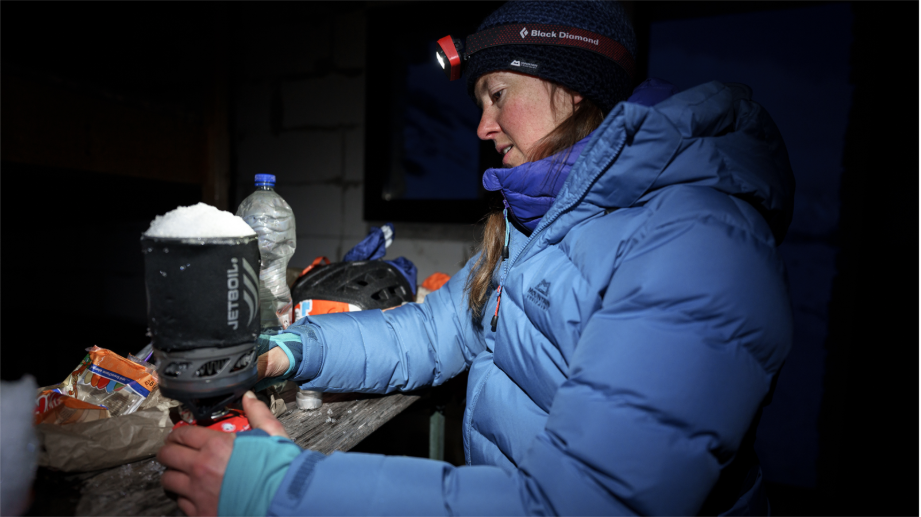
If you start late afternoon, lug your overnight gear, and set up base camp (or bunk in a hut like CIC Hut, assuming availability), you can tackle the summit early the next morning for sunrise or late afternoon for that golden‑hour glow. With a pack weight north of 12-16 kg, thanks to a winter-grade tent or bivi, warmer sleeping bag, snow gear (crampons, ice axe, waterproofs), stove, plus extra layers, you’re carrying what you need.
The climb isn’t long by mountaineering standards, but winter on Ben Nevis is serious. Snow, ice, unpredictable weather, and sweeping winds make navigation and conditions demanding. Many seasoned walkers treat it as a full‑on winter climb, even for a short overnight. But with care, planning and respect for the mountain, you can enjoy a dramatic, satisfying one‑night adventure, and come down with stories worth writing (or texting) home about.
Dunkery Beacon – Exmoor’s moorland under winter skies
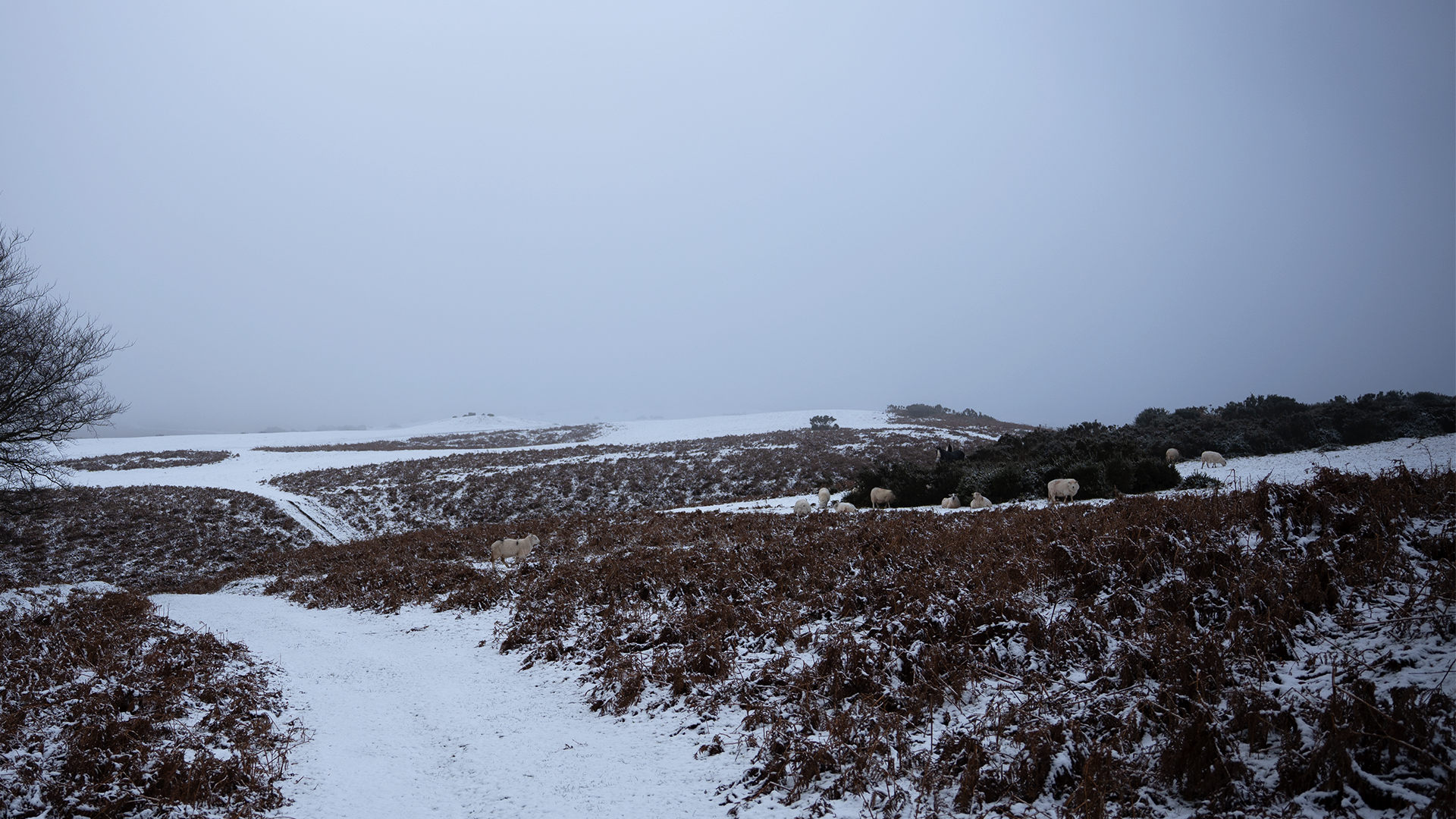
If mountains don’t call to you, sometimes a mellow moorland night under brooding skies feels like the perfect escape. Dunkery Beacon, the highest point of southern England outside Dartmoor, offers just that: moors, open skies, wind‑swept solitude, and that quiet hush winter moorland brings.
Camping info: Wild camping isn’t officially allowed in Exmoor, but high, quiet moorland areas have seen responsible use. Stay invisible and follow leave-no-trace principles.
Pack weight here can stay light: 9-12 kg will do the job. A lightweight tent or tarp, warm sleeping bag, a good insulating sleeping mat (moorland ground can be cold and damp), a stove, and layered clothes for wind and chill, that’s enough. Winter storms might hit, so weatherproof outer layers are wise.
As you settle down, the sky overhead is often vast and broody, maybe heavy with rain clouds, or the odd clear break to reveal stars. It’s low‑impact, quiet, simple. A great “starter winter overnight” for those newer to cold‑weather backpacking, or anyone wanting peaceful moorland solitude.
Gower Peninsula – Coastal winter overnight (for the brave)
A wild coastal camp in winter? It’s not for everyone, but the Gower can deliver an atmospheric overnighter of sea-spray, clifftop trails and chilly breezes.
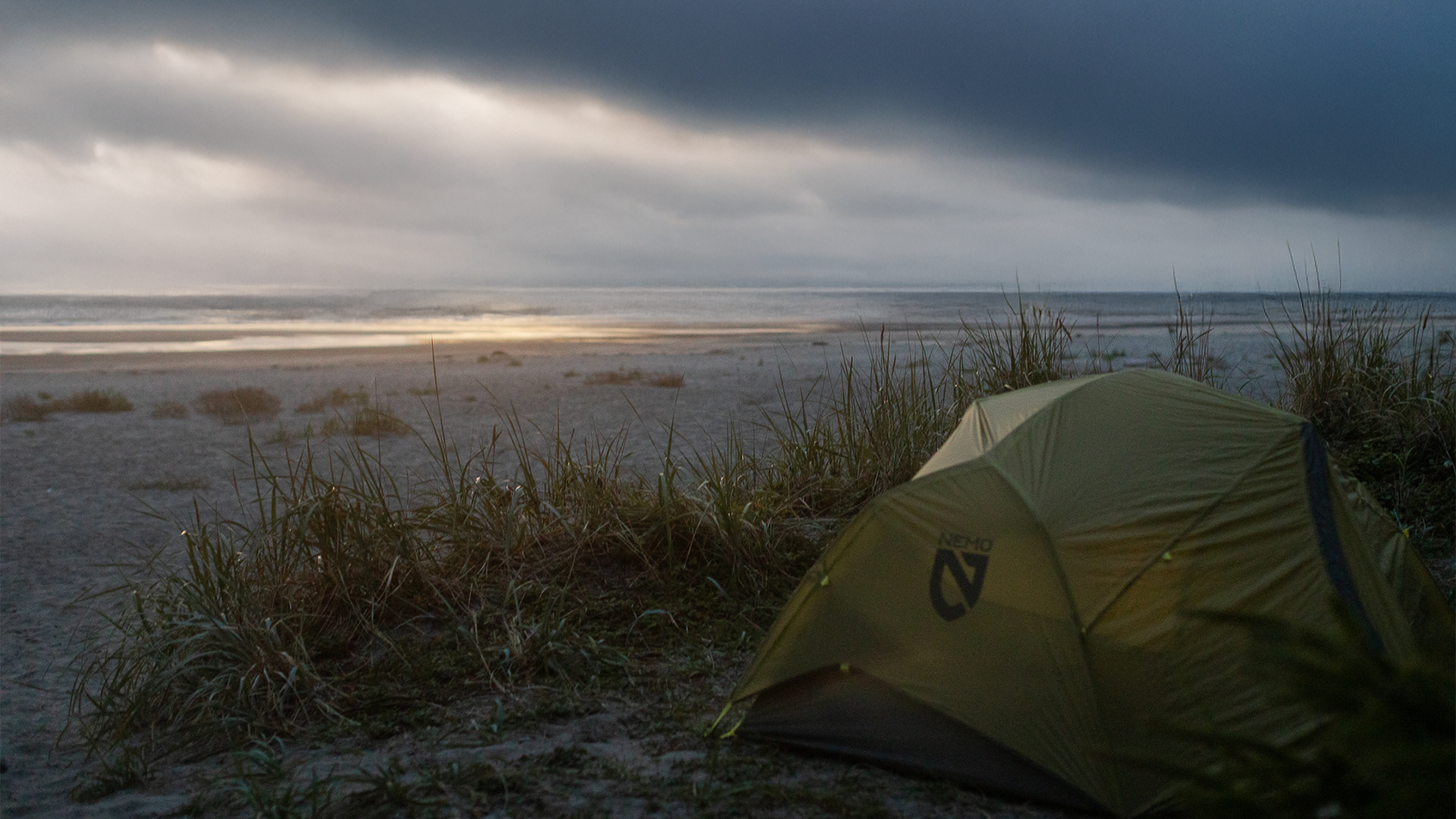
Start from Caswell Bay in the afternoon and follow the coastal path as daylight fades. If the weather plays ball, you might catch a moody sunset over the sea before dropping into a sheltered spot near Pwlldu Bay or a quiet clifftop. The sound of waves, salty air, and a night under the stars make for a rugged but rewarding winter camp.
Camping info: Wild camping here is not officially allowed, but if you camp late, leave early, and respect access, it has been tolerated. Coastal weather changes fast, so ensure you check tide times and forecasts.
A pack of around 10-13 kg is a good balance: a weatherproof tent or tarp, solid ground insulation (sand can get very cold), warm sleeping kit, weatherproofs, and extra protection against dampness. Be ready for damp sand, wind, and maybe a bracing night, but also for sunrise over water, seabirds, and a VERY refreshing sea breeze.
A Few Tips for Winter Overnight Backpacking in the UK
Winter trips require a bit more thought, but with a little care, you can get a lot of reward.
- Embrace the early alarm. I am by no means a morning person, but all of my favourite mountain days have been those that start before sunrise. You really can’t beat a sunrise on a chilly winter morning.
- Dress like an onion. Layers = warmer… but make sure you can still move. If you look like a Michelin Man but can barely lift your knees, you’ve overcooked it.
- Accept the possibility of being cold and damp. That’s part of the charm. Especially if you’ve got hot food, a snug bag and a great view waiting for you.
- Check daylight hours and weather forecasts. Winter conditions can change fast, especially in the hills. Look at multiple forecasts (like MWIS and Met Office), pay attention to wind speeds, freezing levels and visibility, and plan your timings around limited daylight.
- Use a headtorch and keep batteries warm. With early sunsets and long nights, a reliable headtorch is essential. Cold can drain batteries quickly, so keep spares in an inner pocket where they’ll stay warm and ready.
- Know your route and carry a map and compass (not just a phone). Batteries die fast in cold weather, so always carry physical navigation tools, and know how to use them. Don’t rely solely on GPS or smartphone apps.
- Bring more food than you think you’ll need. Cold weather burns more energy, even when you’re standing still. Pack extra snacks and hot drinks so you can keep fuelled and warm throughout the night.
- Dry feet and hands are the difference between comfort and misery. Wet socks or gloves in winter can end a trip early. Bring spares, keep them dry, and change out of damp kit before setting up camp.
- Let someone know where you’re going and when you’ll return. Always leave your route and estimated return time with a friend or family member. It’s a simple step that makes a big difference if things go wrong.
- Leave no trace.
Final Thoughts: Why Winter Overnighters Are Worth It
Summer brings long days and busy trails, but winter offers something different. The hills are quieter, the air is sharper, and the sense of space feels more real. Even a single night out can give you that feeling of proper escape.
You don’t need big miles or dramatic peaks. With a good plan and the right kit, a short winter trip can offer everything that makes backpacking special: solitude, scenery, and time to slow down. Whether you’re camping above the sea, tucked behind a moorland ridge, or under frost-covered slopes, winter lets you see familiar landscapes in a whole new light.
These trips aren’t about big achievements; they’re about being out there on your own terms. With a bit of preparation and a light, reliable setup, a winter overnight can feel just as rewarding as a week-long summer trek.
Ready to Give It a Go?
If you’re feeling inspired to plan your own winter overnighter, we’re here to help. Whether you’re after gear advice, layering tips, or just want to talk through route ideas, get in touch with our customer service team via email [email protected] or give us a call on 01432 263335.
You can shop our full range of winter-ready gear here or visit our Hereford store to seek hands-on advice.
And if you’ve already had a memorable winter night out, we’d love to hear about it, tag us on social or drop us a message @trekittmountainsports.
FAQs
In Scotland, yes, it’s broadly permitted on unenclosed land. In England and Wales, it’s only legal with landowner permission, although some areas tolerate discreet one-night wild camping. Dartmoor allows it in specific zones.
Aim for 10-16 kg depending on your shelter, food, and clothing. Insulation and weatherproofing are key.
Only if you’re in high mountains and snow/ice is present – always check conditions. If in doubt, don’t go high.
Camp late, leave early, stay out of sight, avoid livestock, and always follow leave-no-trace principles. You can always reach out to the landowners, too, if you’re unsure.
Yes, but make sure you’ve got insulation underneath you. The cold comes up from the ground quickly, so a good sleeping mat and bag are essential.
Leave a Reply