
Winter Wild Camping in the UK
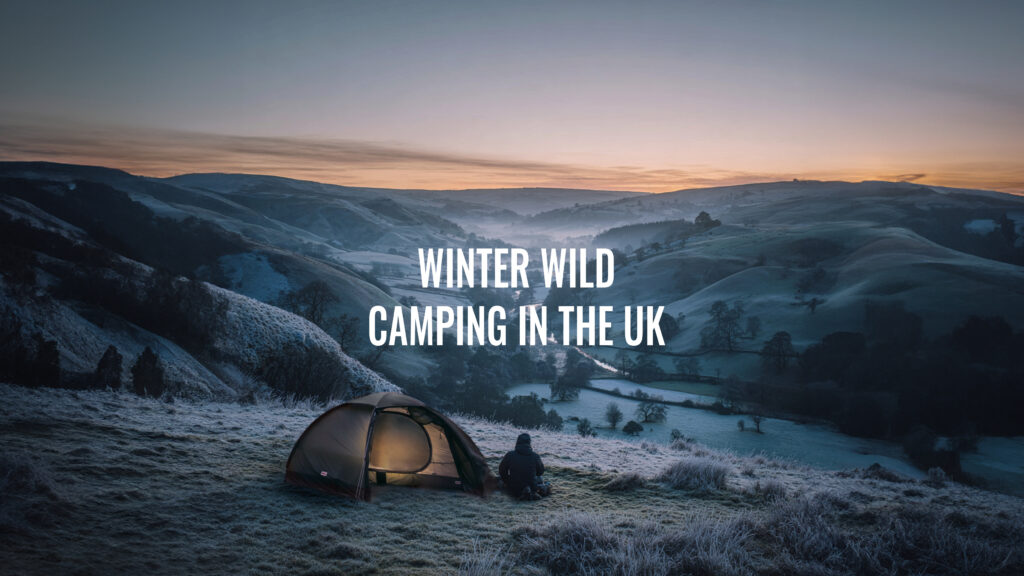
There’s a special kind of magic in unzipping your tent to a world dusted in frost — breath hanging in the air, the first light spilling over silent ridgelines, and the crunch of frozen grass beneath your boots. Winter wild camping in the UK isn’t for everyone; it’s cold, challenging, and if not properly prepared, uncomfortable. But for those who seek solitude and the raw, untamed beauty of the hills, it’s an experience that lingers long after the thaw.
Before packing your four-season tent, it’s essential to know where you can legally wild camp, how to do it responsibly, and what gear you’ll need to stay warm and safe.
In SHORT…
-
How to plan: Choose suitable locations, check weather forecasts, and understand local camping regulations.
-
How to pack: Select the right cold-weather gear — from four-season tents to insulated sleeping systems.
-
How to camp safely: Manage condensation, cook efficiently, and stay warm through proper layering and site setup.
This article is part of our Winter Camping Basecamp, where you’ll find expert layering advice, technical gear deep dives and practical cold-weather tips.
What Makes Wild Camping Different?
Wild camping is the art of setting up camp away from established campsites — often high in the hills, beside a quiet tarn, or tucked into a hidden valley. It’s about self-reliance, minimalism, and immersion in nature’s rawest state.
Unlike winter camping on organised sites, wild camping means no facilities, no neighbours, and no safety net beyond what you carry. You choose your own spot, leave no trace of your stay, and move silently through landscapes that feel untouched.
It’s a practice built on trust — the freedom to roam balanced with the responsibility to leave nothing but footprints in the snow.
Is Wild Camping Legal in the UK?
England and Wales
In England and Wales, wild camping without the landowner’s permission is technically illegal under trespass law. That said, it’s often tolerated in remote upland areas if you’re discreet and respectful.
There’s one key exception — Dartmoor National Park. Following a 2023 legal settlement, wild camping is once again permitted in specific mapped zones without needing individual permission. You must:
- Camp in a small, lightweight tent for one or two nights.
- Stay within the designated zones shown on Dartmoor’s interactive camping map.
- Follow Leave No Trace principles at all times.
In all other areas, you should obtain permission from the landowner before camping. If you’re discreet, arrive late, leave early, and leave no sign of your stay, most landowners and rangers won’t mind.
Scotland
Wild camping is legal in Scotland under the Land Reform (Scotland) Act 2003, provided you follow the Scottish Outdoor Access Code.
That means you can pitch your tent almost anywhere that’s not fenced, cultivated, or privately occupied — as long as you:
- Camp in small groups (2–3 nights max in one place).
- Avoid enclosed farmland and gardens.
- Leave no litter or waste.
- Respect wildlife and other people.
Northern Ireland
Wild camping is generally not permitted without landowner consent, although some estates and National Trust areas (like parts of the Mourne Mountains) allow it informally with permission.
The Wild Camping Code of Conduct
Even where wild camping is legal or tolerated, it must be done responsibly. Follow this code, and you’ll keep both the environment and wild camping’s reputation in good shape.
Choose your spot carefully
- Camp on durable ground, such as short grass, gravel, or snow.
- Stay at least 100 metres from paths, buildings, and water sources.
Arrive late, leave early
- Pitch after dusk and pack up at sunrise to stay discreet.
- Keep noise to a minimum and avoid bright lights that can be seen from the valleys.
Leave No Trace
- Pack out everything, including tissues and tea bags.
- Never bury or burn rubbish.
No open fires
Use a gas or liquid fuel stove. Heather moorland is highly flammable — even in winter.
Respect wildlife
Avoid nesting areas and keep your distance from deer, birds, and livestock.
Be polite if challenged
If a landowner asks you to move on, do so calmly and respectfully.
The Challenges of Wild Camping (and What Makes It So Rewarding)
Wild camping is freedom at its purest — no booking systems, no campsite lights, no waiting for showers in the morning. It’s just you, your kit, and whatever the land has to offer. However, that freedom comes with its own set of challenges — the kind that tests your awareness, resilience, and respect for the outdoors.
1. Complete Self-Sufficiency
When you wild camp, there’s no reception desk or tap around the corner. Everything you need — food, water, shelter, light — you carry in and carry out.
The challenge: striking a balance between weight and preparedness. Forget something, and you can’t just nip back to the car or borrow from a neighbour.
The reward: you learn how little you actually need to live comfortably outdoors, and that self-reliance builds quiet confidence with every trip.
2. Finding the Right Pitch in Winter
There’s an art to reading the land — and in a British winter, it’s rarely straightforward. Frozen turf, saturated ground, and relentless wind can make pitching a tent feel like a puzzle. Flat, dry spots are rare; often, you’re balancing the need for shelter against the risk of waking up in a puddle.
The challenge: finding ground that’s level and firm enough to hold pegs, but not waterlogged. Avoid areas where cold air and dampness collect overnight, such as valleys, hollows, or dips — these can become frost pockets that chill your sleep system from below. Instead, aim for a slightly elevated spot with good drainage.
If the forecast warns of strong winds, seek natural shelter behind banks, ridgelines, or boulders — but steer clear of trees, especially after storms, as falling branches can pose a real hazard.
Trekitt Top Tips:
- Avoid pitching on frozen ground if possible — pegs won’t grip properly, and thawing can loosen your setup overnight.
- Don’t pitch directly on summits or open plateaus — the views might be stunning, but exposure to wind chill and spindrift can make for a miserable night.
- Stay back from streams and boggy areas — cold, damp air lingers there, increasing condensation and lowering perceived temperature.
- Check the ground for drainage by scraping the top layer of turf — if water pools immediately, move on.
- Cold air sinks — avoid valley floors, riverbanks, or basins where temperatures plummet at night.
Condensation can be also a real issue in cold, damp conditions. Even well-ventilated tents will collect moisture from breath and frost, especially on still nights. Leave vents open where possible, avoid pitching too close to streams or boggy ground, and shake off ice before packing up in the morning.
For more advice on reducing moisture build-up inside your tent, read our How to Deal with Tent Condensation in Winter blog.
The reward: when you find that tucked-away patch of frosty grass, sheltered from the wind and overlooking a quiet, misty valley, the effort feels worthwhile. It’s that moment of calm — a still corner of wild country that feels entirely your own, even just for one cold, perfect night.
3. No Facilities (and No Backup Plan)
Wild camping means there are no toilets, no bins, and no creature comforts waiting when you wake up. Everything you bring in must go out again — including your waste — and in winter, managing that responsibility comes with a few extra challenges.
The challenge: frozen or waterlogged ground makes digging a toilet hole tricky, and shorter days can make it harder to find a discreet spot in daylight. Hygiene also becomes more important as cold weather slows decomposition, and running water sources can freeze or flood.
Tips for winter conditions:
- Choose a spot at least 50 metres from any water source — streams often swell with snowmelt and rain.
- If the ground is frozen solid, carry waste bags or a portable toilet system to pack waste out (it’s lighter than you think, and far more responsible)
For a comprehensive guide on how to manage hygiene and human waste responsibly, read our ‘How to Go to the Toilet in the Wild’ blog — it covers the proper techniques, tools, and environmental precautions in detail.
The reward: dealing with everything yourself builds a deeper respect for the wild. You begin to see how delicate these places really are — how easily they can be spoiled, and how meaningful it is to leave them exactly as you found them.
4. Solitude and Silence
Wild camping always brings solitude, but in winter it feels deeper — more absolute. The hills empty out, the light fades early, and by late afternoon, the world slips into darkness and frost. You hear everything: the sigh of the wind against the flysheet, the creak of frozen grass, the quiet drip of condensation turning to ice.
The challenge: long, dark evenings can feel endless when you’re alone, and the cold makes every small task — cooking, changing layers, waiting for sleep — slower and heavier.
The reward: peace. The kind that only arrives when the world goes still and you realise you’re part of it, not apart from it. Under a sky scattered with winter stars, the silence feels vast, ancient, and alive — the very reason you came.
5. Navigating in Wild, Winter Conditions
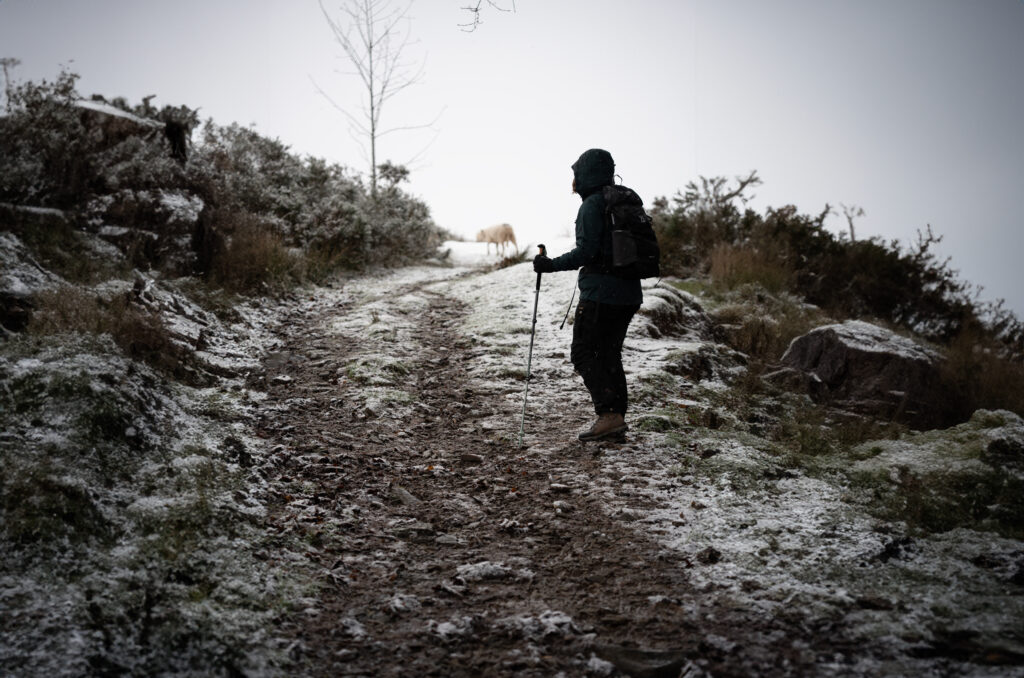
Navigation is at the heart of wild camping — and in winter, it becomes both the biggest challenge and the most vital skill. Paths vanish under snow or boggy ground, mist rolls in without warning, and daylight can fade before you’ve even found a pitch.
The challenge: staying found when landmarks disappear and visibility drops to a few metres. Batteries drain faster in cold weather, and GPS devices are only as reliable as your backup plan.
Winter tip: Always carry a map and compass — and know how to use them effectively. Mark safe routes, potential pitches, and escape points before setting out, and practise navigating in poor light or bad weather.
For detailed techniques on staying on course when the hills turn white or fog closes in, read our How to Navigate in Winter and Poor Visibility(need to cover first) blog.
The reward: the quiet confidence of knowing exactly where you are — and the calm that comes with trusting your own sense of direction, even when the world is cold, grey, and still.
Winter Camping vs. Winter Wild Camping: What’s the Difference in Gear?
At first glance, winter camping and winter wild camping sound similar — both cold, both outdoors, both involving a fair bit of layering and hot drinks. But once you step away from a campsite and into the backcountry, everything changes. You’re not just camping anymore — you’re surviving comfortably in whatever the hills decide to throw at you.
If you’ve already read our Winter Camping Tips guide, you’ll be familiar with the basics of staying warm, layering up, and sleeping comfortably in the cold. Here’s how the two compare. 👇
| Category | Winter Camping | Winter Wild Camping |
| Shelter | Usually sheltered, level ground; a sturdy 3-season tent is often enough. Facilities or cars nearby offer backup. | Exposed terrain means strong winds and frozen or uneven ground. You’ll need a 4-season or mountaineering tent with a geodesic design and reinforced poles to handle storms. E.g. Hilleberg Nallo 2 GT, Nemo Kunai, MSR Access. |
| Pitching | Level pitches available, often with drainage or hardstanding. | You’ll need to read the landscape: avoid hollows where cold air collects, seek natural windbreaks, and watch for waterlogged ground. Frozen soil may need mixed pegs (snow, sand, or Y-stakes). |
| Sleep System | Focused on comfort — thicker mats, liners, and possibly even camp beds. Easy to retreat to shelter if cold. | Needs to be lighter, warmer, and fully reliable. Use a bivvy for extra weather protection, and air your bag to manage condensation and frost. E.g. Mountain Equipment Helium 600, Rab Ascent 900, Therm-a-Rest NeoAir XTherm NXT. |
| Cooking & Hydration | You can refill water from taps and cook under shelter. Gas stoves work fine. | Every drop of water and every meal is self-managed. Choose a liquid fuel or propane/iso-butane stove for cold performance. Keep canisters insulated, and plan for frozen or flooded water sources. |
| Clothing & Layers | Can bring extra bulk and spares; wet kit can be dried or changed easily. | Weight, breathability, and drying time matter more. Choose technical fabrics that work when damp. Keep a sealed dry base layer just for sleep. E.g. Montane Protium XPD Hoody, Rab Ascendor, ME Lhotse, Rab Kangri GTX. |
| Accessories | Lights, lanterns, gloves, hats, and drybags make camp life easier. | The same, but every item does double duty — drybags for organisation and protection, lanterns as morale boosters, spare socks to prevent frostbite. Keep everything waterproofed and ready for wet ground. |
| Cooking Area | Cook near the tent or at sheltered benches. | You may have to cook in wind or sleet — use rock windbreaks, a low stove profile, and stable cookware to avoid spills. |
| Power & Lighting | Can be recharged from a car or mains power. | Fully off-grid: keep batteries warm inside your sleeping bag. Carry spare headtorch batteries and a power bank for navigation and phones. E.g. Silva Terra Scout Headlamp, BioLite AlpenGlow Lantern, Goal Zero Flip 24. |
| Hygiene | Toilets or sinks available at the site. | You’re on your own — follow Leave No Trace principles and dispose of waste responsibly. Frozen ground may require waste bags. Read: How to Go to the Toilet in the Wild. |
| Condensation | Easier to control with large tents or sheltered pitches. | A constant battle in damp cold. Always vent your tent, avoid pitching too close to water, and shake off frost before packing. Watch: How to Deal with Tent Condensation. |
| Weight & Packability | Comfort over weight — car storage available. | Every gram counts. Gear must be light, durable, and multipurpose — the less you carry, the farther and safer you’ll go. |
| Safety & Backup | Help and other campers nearby. | Total self-reliance: carry map, compass, GPS, and emergency bivvy. Always share your route plan before heading out. |
| Overall Focus | Comfort and warmth in cold conditions. | Self-sufficiency, safety, and minimal impact on the landscape. Master the basics first — then take them off-grid. |
Trekitt’s Wild Winter Camping Gear Kit List
When the frost sets in and you’re miles from the nearest road, your kit isn’t just about comfort — it’s about survival, safety, and making the experience unforgettable (for the right reasons).
Here’s our tried-and-tested Trekitt Wild Winter Camping Kit List, built for British conditions and refined by years of cold-weather adventures.
Shelter
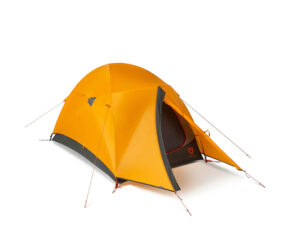
Your tent is your fortress. Select one designed to withstand storms, snow, and frozen ground. When choosing, look for a Four-season tent — these are built for harsh winter conditions, with stronger poles, steeper walls to shed snow, and reinforced guyline points. A durable, full-coverage flysheet is essential for blocking wind and preventing snow ingress. Double-pole capability or crossed-pole designs add crucial stability in high winds and heavy snowfall. Check for robust zippers, snow flaps, and the ability to stake down on frozen ground securely. Ventilation is also key — ensure there are adjustable vents to reduce condensation without sacrificing warmth.
Recommended:
- Nemo Kunai – a lightweight, four-season all-rounder for mixed weather.
- MSR Access 2 – perfect balance of low weight and winter protection.
Extras:
- Mixed pegs for hard or frozen soil.
- Small repair kit and extra guy lines.
Sleep System
A warm night’s sleep is your first line of defence against the cold. Aim for a comfort rating of at least– 5°C and an R-value of 4 or higher for your mattress.
Recommended:
- Mountain Equipment Helium 600 or Rab Ascent 900 – down-filled warmth with reliable performance in damp conditions.
- Therm-a-Rest NeoAir XTherm NXT – the benchmark for insulation and packability.
- Rab Solar Eco 4 – synthetic alternative for wet climates.
- Foam mat or Therm-a-Rest Z Lite Sol underneath adds extra insulation.
Cooking & Hydration
Cold weather changes everything — stoves lose pressure, fuel burns slower, and water freezes fast.
Recommended:
- MSR WhisperLite Universal Stove – reliable liquid fuel for deep winter use.
- Jetboil MiniMo – quick, compact, and excellent for fast meals on the go.
- Nalgene Wide Mouth Bottle – won’t crack or freeze shut.
- HydraPak Seeker – collapsible water storage that fits neatly in your pack.
Pro Tip: Store your gas and water bottles upside down overnight — the bottoms freeze last.
Clothing & Layers
Stay dry, stay warm, and manage moisture. In winter wild camping, you can’t dry gear easily — so every layer needs to work hard.
Recommended:
- Base: Devold Expedition Merino or Rab Forge LS Crew
- Midlayer: Rab Ascendor Hoody
- Shell: Mountain Equipment Lhotse Jacket or Rab Kangri GTX
- Insulation: Rab Neutrino Pro (down) or Norrona Falketind Thermo40 (synthetic)
- Accessories: Rab Power Stretch Contact Gloves, Montane Prism Mitts, and a warm beanie.
Tip: Keep one dry set of baselayers sealed for sleeping — it’s your “luxury” at the end of the day.
Lighting and Power
With darkness falling before 5pm, light becomes your best friend.
Recommended:
- Black Diamond Distance LT 1100 Headlamp– long-range output, useful for snowy terrain
- BioLite AlpenGlow Lantern – perfect for soft, warm camp lighting.
- Nebo Rambler 100 Power Bank – Long expeditions, multi-day off-grid use, powering multiple devices
Tip: Keep batteries and power banks inside your sleeping bag — the cold saps charge faster than you think.
Navigation and Safety
You can’t rely solely on tech when batteries freeze. Always carry analogue navigation as backup.
Recommended:
- Silva Expedition 4 Compass – a winter classic for precise navigation.
- OS Explorer Maps – waterproof versions for your chosen area.
- Lifesystems Heatshield Bivvy – emergency protection if things go wrong.
- Lifesystems Mountain First Aid Kit – small, comprehensive, and trail-ready.
Tip: Mark safe descent routes on your map before you leave — whiteouts can happen fast.
Extras That Make All the Difference
- Sea to Summit Dry Sacks – separate and protect gear from frost and snow.
- MSR Spoon & Mug – lightweight, durable, and glove-friendly.
- Nalgene Hot Water Bottle Trick: Fill before bed and stuff it in your sleeping bag — it’ll keep you toasty all night and provide unfrozen water in the morning.
- Bothy Bag (2-person) – for shelter, lunch stops, or emergency warmth
Respectful Locations for Winter Wild Camping
Wild camping in winter isn’t about chasing the most remote grid reference — it’s about seeking solitude responsibly. You’re stepping into fragile environments where weather, wildlife, and access laws all demand extra respect. When done right, winter wild camping in the UK can be an unforgettable experience — raw, quiet, and humbling.
Scotland:
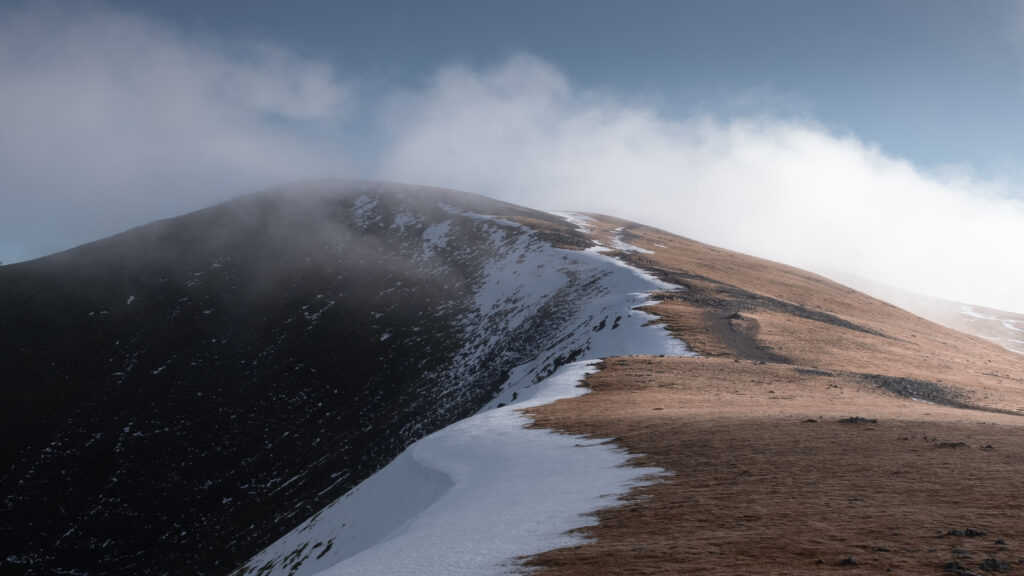
With open access laws, Scotland remains the heartland of wild camping. The Cairngorms, Torridon, and Glencoe offer vast, dramatic landscapes that feel truly wild — but they also demand serious preparation. Expect deep snow, sudden weather changes, and freezing winds. Always check avalanche and mountain forecasts, carry a map and compass, and know how to use them. Mountain rescue teams are stretched in winter, so the responsibility is yours.
England:
Dartmoor is the only place in England where wild camping is legally permitted, and even then, only within specific areas marked on the official Dartmoor camping map. Elsewhere — including the Lake District and Snowdonia — discreet wild camping is tolerated if you pitch high, away from paths and buildings, and stay only one night. Arrive late, leave early, and keep your group small. If in doubt, ask local landowners or rangers for advice before heading out.
Wales:
The Bannau Brycheiniog (Brecon Beacons) and the rugged Rhinogs offer some of Wales’ most rewarding wild camping terrain. Both regions are beautiful but exposed — expect strong winds, icy bogs, and limited shelter. Plan conservatively, pack light but smart, and always carry extra insulation and navigation tools.
Winter Wild Camping in the UK: Final Thought
Wild camping in winter is about balance — between freedom and responsibility, between challenge and comfort. With the right kit, a good forecast, and a little grit, those frozen mornings and frosty views become something you’ll crave year after year.
FAQ
Look for shelter first, view second. Check OS maps for natural windbreaks like contour dips or small ridges, and always avoid hollows where cold air pools overnight. Apps and blogs can inspire ideas, but avoid sharing or relying on exact coordinates — discovering your own quiet pitch is part of the magic (and keeps wild spots wild).
No — even in winter, open fires damage fragile vegetation and can scar the ground. Use a stove instead; liquid fuel or cold-rated gas is reliable below freezing. For atmosphere, a small lantern or candle inside a snow wall gives a beautiful glow without harm.
Go for high-calorie, easy-to-prepare meals that warm you fast: porridge, pasta, dehydrated meals, and plenty of snacks you can eat with gloves on. Avoid complex cooking — the less time you spend fiddling with fuel and frozen fingers, the better. Keep snacks in pockets to stop them from freezing solid.
Yes, but only with experience. Always tell someone your route, carry a map and compass (plus GPS backup), and set a cut-off time — if conditions worsen, descend before dark. Solo winter camping is deeply rewarding, but it demands more self-awareness and preparation than summer trips.
Overpacking for comfort or underestimating the cold. Heavy gear slows you down; minimal gear without warmth risks your safety. The balance is in choosing reliable, efficient kit that works in the wild — not just at a campsite. Test your setup in milder conditions before heading into deep winter.
You can, but plan carefully. Dogs feel the cold too — bring a mat, an insulated jacket, and a way to dry them off. Keep them inside the tent at night, and pack extra food and a towel. Avoid frozen lakes or steep icy ground where paws can slip.
Leave a Reply