
Winter Hiking Clothing Guide: Everything you need to stay warm

Author: Trekitt Gear Team
We’ve spent plenty of time outdoors in cold, wet and unpredictable British weather, so we know how much the right clothing matters on a winter hike. In this guide, we share practical advice on building a layering system, choosing suitable footwear and accessories, and staying warm without overheating. Our aim is to help you feel comfortable, confident and prepared for changing conditions on the trail.dent, comfortable and prepared for your first winter camping adventure.
Winter hiking in the UK is rarely as simple as wrapping up warm and heading out the door. You might start your walk on a crisp, frosty morning, find yourself sweating halfway up a hill and reach the summit just in time for the wind and rain to make an appearance.
The tricky part isn’t necessarily staying warm. It’s staying comfortable when the conditions, terrain and your activity level keep changing. Too many layers and you’ll overheat on the climbs. Too few and you’ll soon feel the cold when you stop for a snack. And that lovely thick jacket is not always your best friend when you’re working hard uphill.
That’s where a good winter hiking clothing system comes in. With the right combination of breathable base layers, insulating midlayers, reliable waterproofs and a few well-chosen accessories, you can adapt to whatever the weather throws your way.
In this blog, we’ll help you figure out what to wear when hiking in winter, which features to look for, and how to put together a practical outfit for different UK conditions. We’ll also share some of our favourite kit recommendations to make choosing your next winter layers a little easier.graphs to create extra space.
IN SHORT…
-
Layer up, not bulk up: Learn how to combine base layers, fleeces, insulation and waterproofs without overheating.
-
Ready for British weather: Choose clothing for cold winds, persistent rain and everything in between.
-
From waist to toe: Find the right trousers, socks and footwear for winter trails.
-
Small extras, big difference: Discover why gloves, hats and gaiters deserve a place in your kit.
-
Avoid the usual mistakes: Find out what not to wear and why warmer isn’t always better.
-
Dress for the conditions: Explore practical clothing combinations for mild, cold and freezing winter hikes.
Short on Time? Winter Hiking Clothing Essentials
Short on time? We’ve pulled together the winter hiking clothing essentials, what to look for and some of our favourite kit recommendations in one handy table. We’ll explore each category in more detail further down, but if you’re in a rush, here’s everything you need at a glance.
| Clothing | What to look for | Our recommendations |
| Base layers | Moisture-wicking fabrics, comfortable fit and warmth suited to your activity level. | Devold Expedition Merino 235 Zip / Devold Breeze |
| Midlayers | Breathable insulation that keeps you comfortable without trapping too much heat. | Rab Nexus Hoody / Montane Protium CP Hoody |
| Insulated jackets | Warmth without unnecessary bulk, with breathable options for active use and extra insulation for stops. | Patagonia Nano-Air Light Hoody / Rab Xenair Alpine Light |
| Waterproof jackets | Reliable rain and wind protection, breathable fabrics and adjustable ventilation. | Rab Namche GTX / Patagonia Triolet |
| Trousers | Freedom of movement, weather resistance and room for thermal layers when needed. | Rab Torque Winter Pants / Montane Khamsin Lite Pants |
| Gloves | Wind protection, suitable warmth and enough dexterity for handling kit. | Montane Khamsin Lite Gloves / Rab Analyst Windstopper Gloves |
| Hats | Comfortable insulation, breathability and protection for your ears in cold winds. | Klättermusen Huld Beanie / Black Diamond Distance Winter Cap |
| Socks | Moisture management, suitable cushioning and a comfortable fit inside your boots. | Darn Tough Hiker Micro Crew Cushion / Darn Tough Mountain Sock Extra Cushion |
| Footwear | Reliable grip, weather protection, comfortable support and suitability for the terrain. | Scarpa Ribelle TRK GTX / Mammut Aenergy MTN Mid GTX |
| Accessories | Extra protection against wind, rain, mud and snow without adding unnecessary bulk. | Buff Merino Neckwear / Waterproof Walking Gaiters |
You won’t necessarily need every layer at once. The right combination depends on the weather, terrain and how hard you’re working. Carry additional insulation and waterproof protection as conditions require.
Understanding Winter Hiking Layering in 2026
If there’s one thing worth getting right before heading out on a winter hike, it’s your layering system. UK winter weather rarely stays consistent, and what feels comfortable in a sheltered valley can be a completely different story once you’re climbing an exposed hillside.
The idea is simple: wear several layers that work together rather than relying on a single thick jacket. This gives you more control over your temperature and makes it easier to adapt when the weather changes.
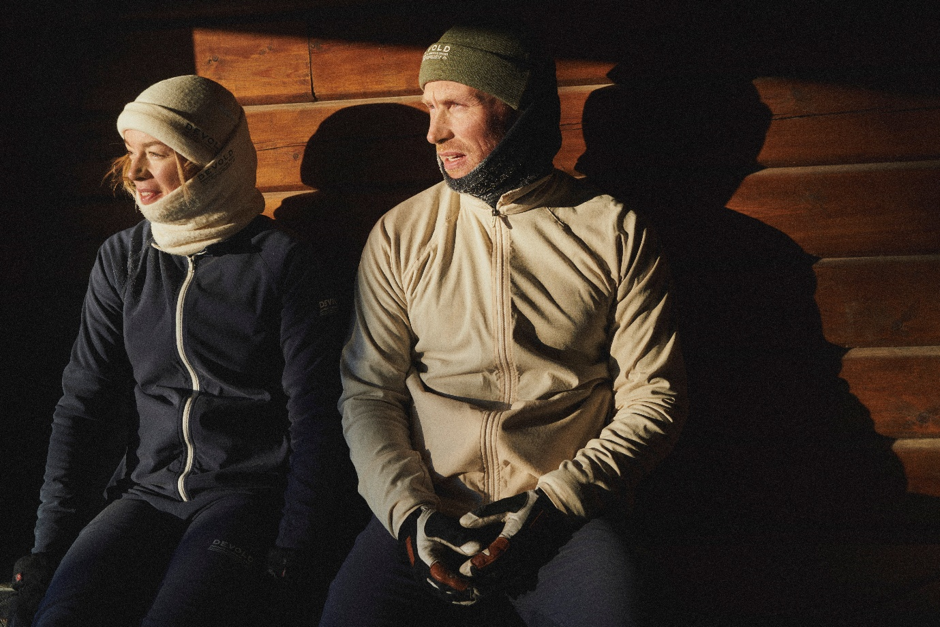
A typical winter hiking layering system consists of three main layers:
- Base layer: Sits next to your skin, helping move moisture away from your body to keep you comfortable as you work up a sweat.
- Midlayer: Provides insulation by trapping warm air while allowing excess heat and moisture to escape. Fleeces and breathable insulated jackets are popular choices.
- Outer layer: Protects you from wind, rain and snow. A reliable waterproof shell is particularly important when hiking in the UK’s often wet and unpredictable winter conditions.
How to Adjust Your Layers During a Winter Hike
Having the right layers is only half the story. Knowing when to wear them matters just as much.
You might feel chilly standing in the car park, but ten minutes into a steep climb, you’ll probably be reaching for a zip. Leave too many layers on, and sweat can build up, leaving you damp and potentially cold when you stop moving.
Start with enough clothing to feel slightly cool before setting off, adjust your layers as you warm up and use ventilation to release excess heat. Just make sure you’re adequately protected if conditions are particularly cold or exposed.
Why Breathability Matters as Much as Warmth
It’s tempting to focus entirely on insulation when dressing for winter, but staying dry on the inside is equally important.
Hiking generates heat and moisture, even when it’s freezing outside. If your clothing traps too much sweat, damp layers can quickly leave you feeling cold once your pace slows or the wind picks up.
Breathable fabrics and moisture-wicking base layers help manage this build-up, while features such as ventilation zips make it easier to regulate your temperature without constantly changing clothes.
Don’t Forget Extra Warmth for Rest Stops
The layers that keep you comfortable while walking might not provide enough warmth when you’re standing still, especially on an exposed summit or during a lunch break.
That’s why it’s worth carrying an extra insulated jacket to throw on whenever you stop. It can make a big difference to your comfort and provide essential extra warmth if your plans change or you’re delayed.
Ultimately, there’s no single layering combination that works for every winter hike. Temperature, wind, rain, terrain and how hard you’re working all influence what you’ll need. The trick is to choose versatile layers and make small adjustments before you become too hot, sweaty, or cold.
Want to explore layering in more detail? Take a look at our Layering Strategies for Wet UK Winters guide for advice tailored to British weather, or read How to Layer Outdoor Clothing for a closer look at how each layer works.
Choosing Your Base, Mid and Outer Layers
Now that we’ve covered the basics of layering, let’s look at the clothing itself. From moisture-wicking base layers to reliable waterproof shells, each piece has a job to do. The trick is finding the right combination for the conditions, without carrying half your wardrobe.
Baselayers: Staying Warm and Managing Moisture
Merino wool and synthetic fabrics are the most popular choices, but they offer slightly different benefits:
Your base layer sits next to your skin, helping move sweat away from your body and regulate comfort as your activity level changes.
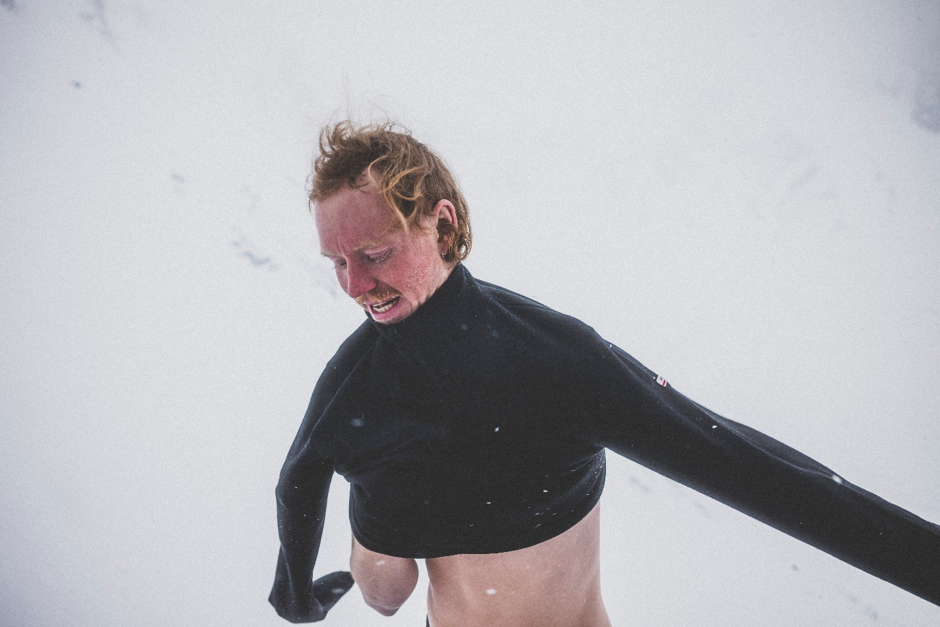
- Merino wool: Comfortable, naturally odour-resistant and effective at regulating temperature, although generally slower to dry.
- Synthetic fabrics: Quick-drying, durable and particularly useful for high-output activities.
- Merino blends: Combine the benefits of different fibres, balancing comfort, moisture management and durability.
Avoid cotton, which absorbs moisture and dries slowly, potentially leaving you cold when you stop moving.
Lightweight or Heavyweight?
Lightweight base layers are often more comfortable for active hiking or milder winter days, while heavier options provide additional warmth in colder conditions. Consider your activity level and the forecast, and choose a close, comfortable fit that won’t bunch beneath other layers.
Our recommendations:
- Devold Expedition Merino 235 Zip: A warmer merino option for colder conditions or lower-intensity walks, with a zip neck for ventilation.
- Devold Breeze Merino Base Layer: A lighter alternative for active hiking, milder temperatures and those who tend to run warm.
For more advice, explore our Best Merino Wool Base Layers Guide.
Midlayers: Finding the Right Balance of Warmth and Breathability
Your midlayer provides insulation while allowing excess heat and moisture to escape. For UK winter hiking, technical fleece is particularly useful because it’s breathable, quick-drying, and retains insulation when damp.
Lightweight fleeces work well for active hiking, while thicker options provide more warmth for colder days or slower-paced walks. Textured and grid fleece constructions can help balance insulation, breathability and weight.
Look for a comfortable fit beneath your waterproof jacket, breathable fabrics and practical ventilation features.
Our recommendations:
- Rab Nexus Hoody: A lightweight, breathable technical fleece that’s easy to layer and ideal for active winter walking.
- Montane Protium CP Hoody: A versatile technical fleece offering comfortable insulation without excessive bulk.
Insulation: Active Warmth Versus Rest-Stop Warmth
When a fleece isn’t quite enough, an insulated jacket adds extra warmth. However, not all insulation is designed for the same purpose.
Active insulation balances warmth and breathability, making it useful during movement. Conventional insulated jackets focus more on retaining heat, making them particularly valuable during breaks or when temperatures drop.
- Synthetic insulation: Handles damp conditions well, dries relatively quickly and generally retains useful warmth when wet.
- Down insulation: Offers excellent warmth for its weight and packs down small, but requires more protection from moisture.
For Britain’s often wet winter conditions, breathable synthetic insulation can be particularly practical while hiking. A warmer jacket carried in your pack provides extra protection when you stop.
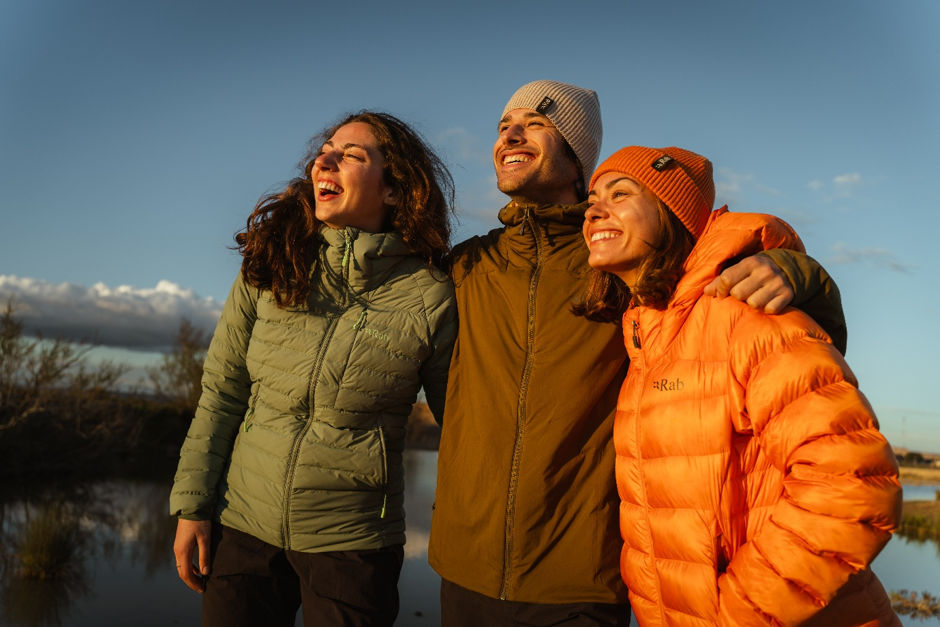
Our recommendations:
- Patagonia Nano-Air Light Hoody: Breathable active insulation for sustained movement in colder conditions.
- Rab Xenair Alpine Light Jacket: Lightweight synthetic insulation designed to balance warmth and breathability during active use.
Trekitt Tip: Always consider carrying an additional warm jacket for rest stops and unexpected delays. The insulation that keeps you comfortable while walking might not be enough when you’re standing still on an exposed hillside.
Explore our insulated jacket collection for more options.
Waterproof Outer Layers: Protection Against UK Winter Weather
A reliable waterproof jacket is essential for UK winter hiking, helping protect your insulating layers from persistent rain and strong winds.
When choosing a waterproof, look beyond the label and consider:
- Waterproof membrane: Prevents liquid water from entering while allowing some moisture vapour to escape.
- Hydrostatic head: Measures resistance to water pressure, although overall protection also depends on construction.
- Breathability and ventilation: Help manage heat and moisture during strenuous climbs.
- Adjustable hood, cuffs and hem: Improve protection against driving rain and wind.
- Fit and durability: Allow comfortable layering and suit the demands of your chosen terrain.
For general winter hillwalking, a comfortable, breathable waterproof is often sufficient. More technical mountain shells offer additional protection and features for exposed, demanding routes.
Remember, a waterproof shell primarily provides weather protection, not warmth, so suitable insulation underneath is still important.
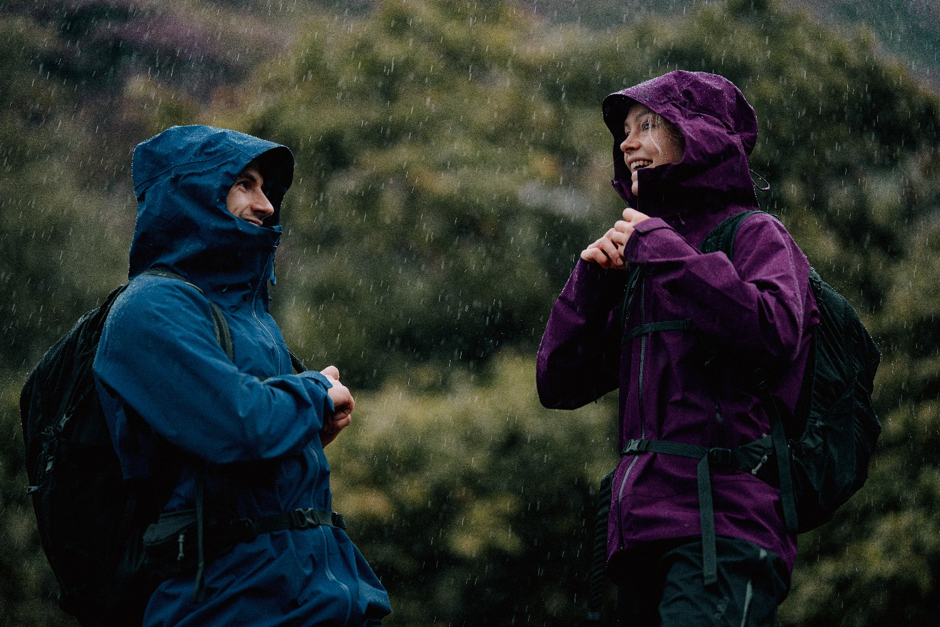
Our recommendations:
- Rab Namche GTX Jacket: A versatile waterproof option for everyday UK winter hiking and wet-weather hillwalking.
- Patagonia Triolet Jacket: A more technical mountain shell for exposed terrain and challenging conditions.
Explore our waterproof jackets collection.
Winter Hiking Legwear: Keeping Your Legs Warm and Dry
Your jacket might get most of the attention, but choosing the right trousers is just as important when winter hiking in the UK. Cold winds, muddy trails and persistent rain can quickly make uncomfortable legwear the least enjoyable part of your day.
For milder winter walks, standard hiking trousers may be perfectly adequate, particularly when you’re moving at a steady pace. However, winter-specific trousers and softshell designs offer additional protection when temperatures drop, or the wind picks up.
What to Look for in Winter Hiking Trousers
- Softshell fabrics: Provide a useful balance of breathability, stretch and wind resistance, with some protection against light showers.
- Warmth: Winter-specific trousers may use thicker fabrics or brushed linings for additional insulation.
- Fit and mobility: Articulated knees, stretchy materials and a comfortable waistband help maintain freedom of movement on steep or uneven terrain.
- Ventilation: Breathable fabrics and ventilation openings help prevent overheating during strenuous climbs.
- Layering compatibility: Enough room for thermal leggings when extra warmth is needed.
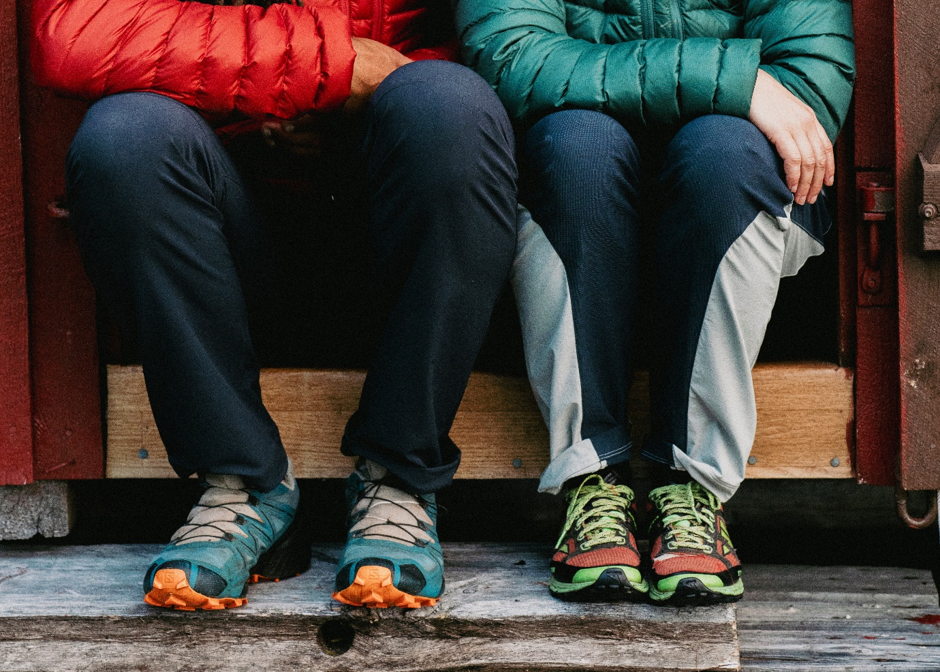
What about waterproof trousers? Even weather-resistant softshells can become saturated in prolonged rain. Carrying waterproof overtrousers is a sensible precaution for UK winter hikes, particularly in exposed areas where wet clothing and strong winds can quickly leave you feeling cold.
Thermal leggings can also be useful in freezing conditions, although they’re not always necessary for active walking. Choose them based on the forecast, your activity level and how easily you feel the cold.
Our Winter Hiking Trouser Picks
Rab Torque Winter Pants
Designed for colder mountain conditions, these winter-focused trousers are a strong choice when you need additional warmth, freedom of movement and protection from chilly winds.
Montane Khamsin Lite Pants
A technical trouser option worth considering for active hiking, where comfort and mobility are priorities.
Explore our walking trousers and waterproof trousers collections to find suitable options for your next winter adventure.
Gloves and Hats for Winter Hiking
Cold hands and ears can make even a short winter walk feel considerably longer. The right accessories help keep you comfortable without leaving you overheating or struggling to handle your kit.
Choosing Winter Hiking Gloves
Not every winter hike calls for thick, heavily insulated gloves. For active walking in milder conditions, lightweight or wind-resistant gloves may be enough, while colder, wetter days call for additional insulation and waterproof protection.
When choosing gloves, consider:
- Warmth: Lightweight gloves suit active use, while insulated options provide more protection when temperatures fall.
- Weather resistance: Wind-resistant gloves help reduce heat loss, but waterproof gloves are more appropriate for persistent rain or wet snow.
- Dexterity and grip: You should still be able to adjust zips, handle walking poles and access your kit comfortably.
- Layering: Thin liner gloves can work beneath warmer outer gloves, providing flexibility as conditions change.
One thing worth remembering is that wet gloves can quickly become cold gloves, especially in strong winds. Carrying a spare dry pair is a simple precaution that can make a big difference. To learn more, read our blog “why you should carry multiple pairs of gloves”

Our Winter Hiking Glove Picks
Montane Khamsin Lite Gloves
A versatile option for active winter hiking, offering comfortable hand protection without the bulk of heavily insulated mountain gloves.
Rab Analyst Windstopper Gloves
A wind-resistant option for exposed trails and breezy conditions, particularly when you want to maintain dexterity. For prolonged rain, consider carrying fully waterproof gloves as well.
Explore our gloves collection for more options.
Choosing the Right Winter Hiking Hat
A good winter hat should provide enough warmth without trapping unnecessary heat, particularly when you’re working hard uphill.
Merino wool and synthetic beanies are popular choices thanks to their comfort, insulation and moisture-management properties. Warmer beanies work well in colder conditions, while lightweight caps can be more comfortable during active walking.
Look for a comfortable fit that covers your ears when needed, works beneath your waterproof hood and doesn’t become uncomfortable after several hours on the trail.
Our Winter Hiking Hat Picks
Klättermusen Huld Beanie
A practical choice for colder winter days when you want comfortable head insulation beneath your jacket hood or on exposed trails.
Black Diamond Distance Winter Cap
A lighter alternative for active hiking, offering head protection without the warmth of a thicker beanie. Particularly useful during milder winter conditions or higher-intensity walks.
Explore our hats and headwear collection to find your preferred style.
Choosing the Right Winter Hiking Socks
A good pair of hiking socks can make a surprising difference to your comfort on winter trails. The right combination of warmth, cushioning, and moisture management helps protect your feet from blisters, cold spots, and the unpleasant feeling of walking in damp socks.
What to Look for in Winter Hiking Socks
- Merino wool: Naturally odour-resistant, temperature-regulating and comfortable in changing conditions.
- Synthetic fibres: Help improve durability, stretch and moisture management, making them useful in technical hiking socks.
- Cushioning: Lightly cushioned socks suit active walking and snug-fitting boots, while additional padding can improve comfort and insulation in colder conditions.
- Fit: Socks should sit smoothly against your feet without bunching, slipping or creating pressure points.
Are thicker socks always warmer? Not necessarily! If your socks are too thick for your boots, they can restrict circulation and leave your feet feeling colder. A comfortable fit with enough room for your toes to move is more important than maximum thickness.
It’s also worth packing a spare dry pair, particularly on longer winter walks. Changing into dry socks can make a big difference if your feet become wet.
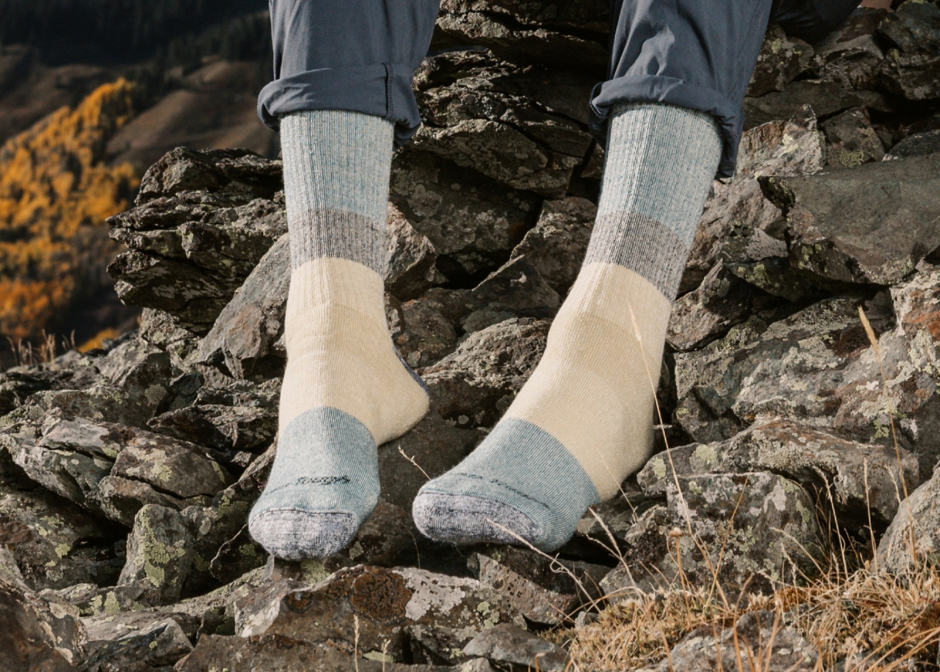
Our Winter Hiking Sock Picks
- Darn Tough Hiker Micro Crew Cushion Socks: A versatile choice for everyday winter hiking, offering comfortable cushioning without unnecessary bulk.
- Darn Tough Mountain Sock Micro Crew Extra Cushion: A more heavily cushioned option for colder conditions, provided your boots have enough room to accommodate the extra thickness.
Explore our hiking socks collection to find the right fit for your footwear.
Winter Hiking Footwear: Choosing the Right Boots
Winter hiking footwear needs to handle more than just cold temperatures. Wet grass, muddy paths, slippery rocks and occasional snow all place different demands on your boots.
For most UK winter walks, waterproof hiking boots with reliable grip and a comfortable fit are a sensible starting point. However, the best choice depends on the terrain and conditions you’re expecting.
What to Look for in Winter Hiking Boots
- Waterproof protection: Waterproof membranes help keep rain and wet ground out, while non-waterproof footwear may dry faster and feel more breathable in suitable conditions.
- Grip: Look for durable outsoles with a tread pattern suited to muddy, rocky and uneven terrain. Remember, ordinary hiking soles cannot guarantee traction on ice.
- Support and construction: A secure fit, stable sole and suitable boot stiffness help on rough ground. Higher ankle cuffs offer additional coverage, although they don’t automatically prevent ankle injuries.
- Materials: Leather offers durability and protection but often requires more maintenance and drying time. Synthetic materials can be lighter and quicker drying.
- Fit: Allow room for your hiking socks and natural toe movement without excessive heel lift or pressure points.
Try boots with the socks you intend to wear, ideally allowing time to test them before a longer winter hike. Even an excellent boot can become uncomfortable if the fit isn’t right.
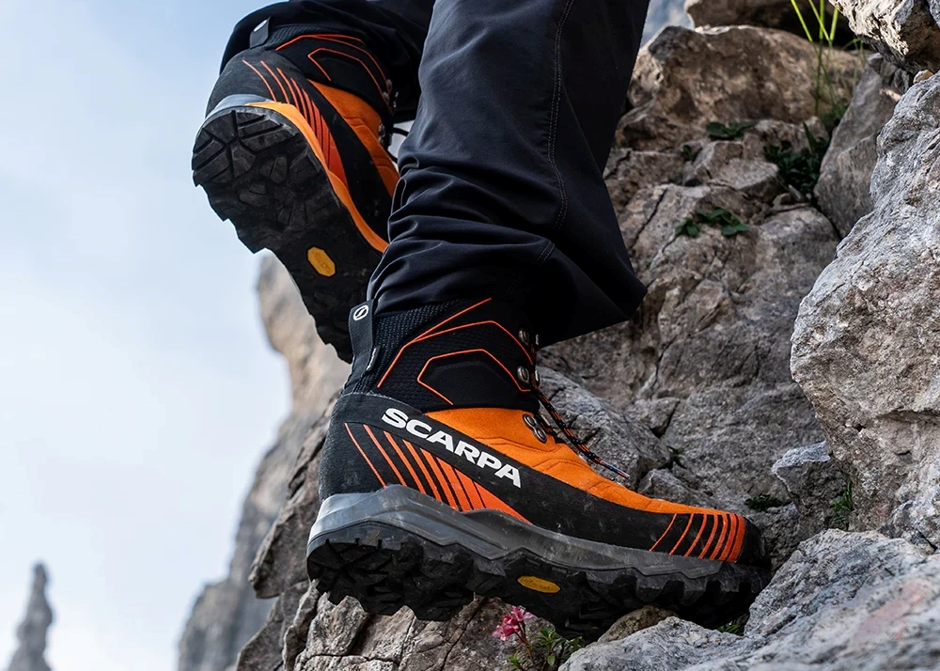
Our Winter Hiking Footwear Picks
Scarpa Ribelle TRK GTX Hiking Boots
A supportive, technical trekking boot for demanding trails and uneven mountain terrain. A strong choice for hikers seeking durable construction and waterproof protection on challenging walks.
Mammut Aenergy MTN Mid GTX
A lighter, more agile waterproof option for active hiking, offering a balance of protection, mobility and comfort on varied terrain.
What About Snow and Ice?
Waterproof hiking boots are useful for wet and muddy winter trails, but they aren’t automatically suitable for technical winter mountaineering.
Hard snow, steep, icy slopes, and exposed winter routes may require specialist mountaineering boots, appropriate crampons, and additional equipment. Crampon compatibility depends on the boot’s construction and stiffness, so always check the manufacturer’s guidance rather than assuming a hiking boot will work with crampons.
For ordinary icy paths, suitable traction aids may help in some conditions, but they aren’t a substitute for mountaineering equipment on technical terrain.
Explore our hiking footwear collection for more options.
Essential Winter Hiking Accessories
Sometimes it’s the smaller pieces of kit that make the biggest difference. A neck gaiter, waterproof walking gaiters or a spare pair of gloves might not seem particularly exciting, but you’ll certainly appreciate them when the weather turns!
Neck Gaiters and Buffs
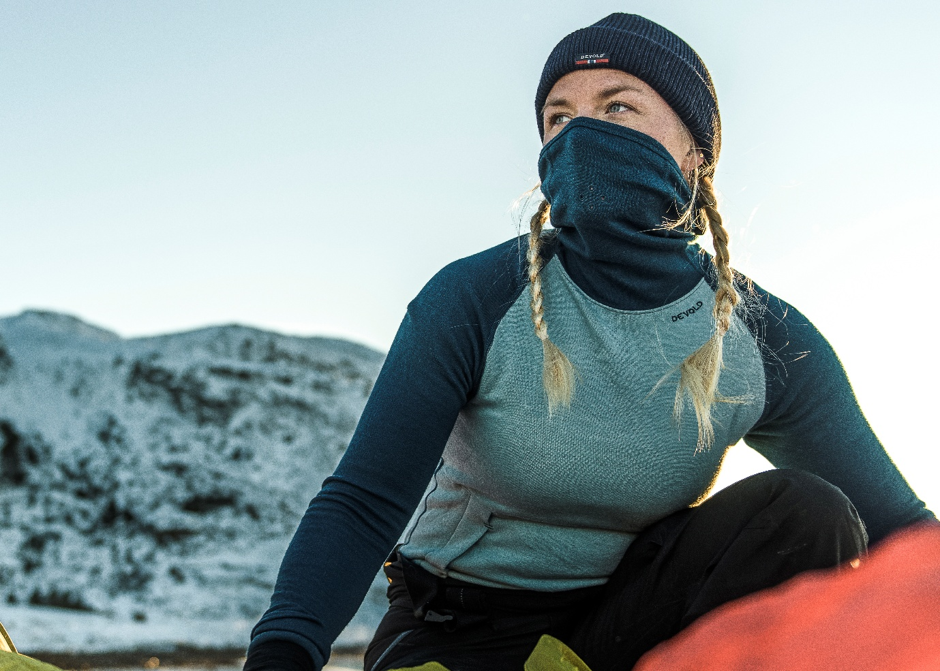
A neck gaiter is one of the most versatile accessories you can carry. It helps protect your neck and lower face from chilly winds and can often double as a headband or lightweight hat.
Lightweight merino or synthetic neckwear works well for active hiking, while thicker materials provide additional warmth when temperatures drop.
Popular Trekitt options:
- BUFF Merino Lightweight Neckwear: A breathable, lightweight merino option for cooler walks and changing conditions.
- Devold Breeze+ Merino 200 Neck Gaiter: A warmer merino alternative that can be worn around your neck, over your face or as a head covering.
Explore the BUFF collection for more options.
Walking Gaiters: Keeping Mud, Rain and Snow Out
Walking gaiters cover the gap between your trousers and footwear, helping prevent water, mud, debris and shallow snow from entering your boots.
Shorter, lightweight gaiters are useful for muddy paths and active walking, while longer waterproof designs provide greater coverage in persistent rain, deep mud or snowy conditions.
Look for durable fabrics, secure underfoot straps and a fit that works comfortably with your boots.
Popular Trekitt options:
- Montane Trail Lite Gaiters: A lightweight option for active walking and keeping trail debris out of footwear.
- Rab Latok Alpine Gaiter GTX: A waterproof, more protective design for wet mountain conditions.
Explore our walking gaiters collection for more styles.
Other Winter Hiking Essentials Worth Packing
A few additional items can make winter walks more comfortable and help you deal with unexpected changes in the weather:
- Spare gloves and socks: Wet gloves can quickly become cold gloves, especially in strong winds. Carrying a spare dry pair is a simple precaution that can make a big difference. For more advice on glove layering and choosing the right combination for changing conditions, read our Why Should You Carry Multiple Pairs of Gloves? guide.
- Waterproof dry bags: Protect spare clothing and insulation inside your rucksack. The Sea to Summit Lightweight Dry Bag range offers practical storage options in different sizes.
- Sunglasses: Bright winter sunshine and snow reflection can be surprisingly intense. The Julbo Shield Spectron 4 Sunglasses are an example designed for exceptionally bright mountain conditions. Category 4 lenses are not suitable for driving.
- Additional insulation: Carry a warm jacket in your daypack for rest stops, exposed summits and unexpected delays.
Trekitt Tip: Keep spare clothing in a waterproof bag rather than relying solely on your rucksack’s raincover. It provides extra protection when the weather is particularly wet.
A few well-chosen accessories won’t take up much room in your pack, but they can make a considerable difference when British winter weather decides to test your preparation.
Common Winter Hiking Clothing Mistakes (And How to Avoid Them)
Even experienced hikers can get their clothing choices wrong occasionally, especially when British winter weather has other plans. The good news? Most mistakes are easy to avoid with a little preparation.
Wearing Too Many Layers From the Start
It’s tempting to wrap up in everything you’ve packed before leaving the car park, but you’ll soon warm up once you start climbing. Overheating leads to sweating, which can leave your clothing damp and make you feel colder when you stop.
What to do instead: Start with suitable protection for the conditions, then adjust your layers as you move. Open ventilation zips or remove a midlayer before you become too warm.
Choosing Warmth Over Breathability
The thickest fleece or warmest insulated jacket isn’t always the best choice for active hiking. Clothing that traps too much heat and moisture can become uncomfortable surprisingly quickly.
What to do instead: Choose breathable layers that match your activity level. Save heavier insulation for slower walks, rest stops and particularly cold conditions.
Relying on Water-Resistant Clothing in Heavy Rain
Softshell jackets and trousers can handle wind and occasional showers, but they’re not a replacement for fully waterproof clothing during prolonged rain.
What to do instead: Check the forecast and carry a reliable waterproof jacket and overtrousers when wet conditions are possible. Keeping your insulating layers dry is much easier than trying to warm up once they’re soaked.
Wearing Cotton or Poorly Fitting Socks
Cotton holds moisture and dries slowly, making it unsuitable for cold, wet hiking. Equally, socks that bunch up or make your boots too tight can lead to blisters, discomfort and cold feet.
What to do instead: Choose moisture-managing hiking socks that fit comfortably inside your boots, and carry a spare dry pair for longer walks.
Forgetting Extra Warmth for Breaks
You might feel perfectly comfortable while walking uphill, but your body produces considerably less heat when you stop. Add a chilly wind and a quick lunch break, and it can become rather uncomfortable.
What to do instead: Carry an extra insulated jacket to put on as soon as you stop, especially on exposed routes or in freezing conditions.
Underestimating the Weather at Higher Elevations
A mild forecast in the valley doesn’t necessarily mean comfortable conditions on the summit. Wind, rain, snow and lower temperatures can make exposed terrain feel considerably harsher.
What to do instead: Check a mountain-specific weather forecast, plan for the conditions at your highest point and pack suitable protection. If snow or ice is expected, consider whether the route requires specialist equipment and experience.
What to Wear Hiking in Different Winter Temperatures
There’s no single outfit that works for every winter hike. A calm, sunny day at 2°C can feel very different from a wet and windy walk at 8°C, especially when you’re heading uphill or stopping on an exposed summit.
The combinations below are a useful starting point for typical UK winter conditions. Adjust them according to the wind, rain, terrain, your activity level and how easily you feel the cold.
Winter Hiking Clothing Systems at a Glance
| Clothing | Mild Winter (5–10°C) | Cold Winter (0–5°C) | Freezing Conditions (Below 0°C) |
| Base layer | Lightweight merino or synthetic | Midweight merino or synthetic | Warmer base layer suited to activity level |
| Midlayer | Lightweight fleece | Technical fleece | Warmer fleece or suitable active insulation |
| Insulation | Lightweight jacket for stops | Active insulation if needed, plus warm jacket for stops | Suitable active insulation and additional warm jacket for stops |
| Outer layer | Waterproof shell for rain and wind | Waterproof, windproof shell | Protective shell suited to the conditions |
| Trousers | Standard hiking or lightweight softshell trousers | Winter softshell trousers | Winter trousers with thermal leggings if needed |
| Gloves | Lightweight or wind-resistant | Warmer gloves with waterproof protection available | Insulated gloves, waterproof protection and spare pair |
| Hat | Lightweight beanie or cap | Warm beanie covering the ears | Warm hat with additional face and neck protection |
| Socks | Lightweight or midweight hiking socks | Cushioned merino-blend socks | Warm hiking socks that fit comfortably inside boots |
| Footwear | Grippy hiking boots or suitable trail footwear | Waterproof hiking boots with reliable grip | Boots appropriate to the terrain, snow and ice conditions |
5–10°C: Mild, Wet Winter Walks
Milder winter temperatures can still feel surprisingly cold when persistent rain and strong winds are involved.
Focus on breathability and reliable waterproof protection rather than heavy insulation. A lightweight base layer, breathable fleece and waterproof shell will often provide enough flexibility for active walking.
Keep an additional insulated jacket in your pack for breaks, and don’t overlook waterproof overtrousers if prolonged rain is expected.
0–5°C: Cold and Windy Hillwalking
As temperatures approach freezing, a little more insulation becomes useful, particularly on exposed trails.
A midweight base layer, technical fleece and protective waterproof shell make a versatile starting combination. Active insulation can provide additional warmth when needed, while winter softshell trousers and warmer gloves help protect against chilly winds.
Remember: You may still overheat on steep climbs, so choose layers that are easy to adjust rather than wearing everything at once.
Below 0°C: Freezing and Exposed Conditions
Freezing temperatures require more careful preparation, particularly when wind, snow or ice are involved.
Choose insulating layers that provide sufficient warmth without trapping excessive moisture, and carry additional protection for your hands, head and face. Thermal leggings may be useful beneath winter trousers, while a warmer insulated jacket is important for stops and unexpected delays.
Footwear deserves particular attention. Ordinary hiking boots may be unsuitable for hard snow, steep icy ground or technical winter routes. These conditions can require specialist mountaineering boots, compatible crampons, an ice axe and the skills to use them safely.
A Few Things Worth Remembering
- Wind and rain matter as much as temperature. Wet clothing and strong winds can considerably increase heat loss.
- Your pace changes what you need. Fast uphill walking generates more heat than slow movement or standing still.
- Carry spare warmth. Pack enough insulation for rest stops, unexpected delays and deteriorating conditions.
- Check mountain forecasts. Conditions at higher elevations can be very different from those in the valley.
- Adjust early. Open a zip or change a layer before you become too hot, sweaty or cold.
Trekitt Tip: Think of these combinations as a starting point, not a fixed formula. The best winter hiking outfit is one you can adjust throughout the day as the weather, terrain and your activity level change.
Final Thoughts: Ready for Your Next Winter Hike?
Dressing for winter hiking in the UK doesn’t have to be complicated. The key is choosing breathable, comfortable layers that work together, keeping you warm and protected without overheating on every climb.
Remember, the warmest clothing isn’t always the best choice. Focus on versatility, check the forecast and carry extra protection for when the weather has other plans. With the right kit, even a chilly British winter day can turn into a fantastic adventure!
Need a little help choosing your winter hiking kit? Pop into our Trekitt shop in Hereford, where our friendly, knowledgeable team will be happy to help you find the right clothing and footwear for your adventures. Can’t make it to the shop? Give us a call! We’re always happy to offer advice and help you get ready for your next adventure.
FAQs
Start with a moisture-wicking base layer, add a breathable fleece or insulated midlayer and carry a reliable waterproof jacket. Choose weather-resistant trousers, suitable hiking boots, warm socks, gloves and a hat. Adjust your layers according to the temperature, wind and your activity level. 
Thermal leggings can provide useful insulation beneath hiking trousers, particularly in freezing conditions. However, leggings alone may not offer enough protection against strong winds, persistent rain or rough terrain.
Both work well. Merino wool offers excellent comfort, temperature regulation and natural odour resistance, while synthetic fabrics generally dry faster and are particularly useful for high-intensity activities. The best choice depends on your preferences and how hard you’ll be working.
Not necessarily. Breathable synthetic insulation is often more practical during active hiking, particularly in damp UK conditions. Down jackets can be excellent for additional warmth during rest stops, provided they’re protected from moisture.
Yes, for many wet, muddy or cold winter trails, provided they offer suitable grip, protection and a comfortable fit. However, steep icy terrain and hard snow may require specialist mountaineering boots, compatible crampons and appropriate winter skills.
Waterproof overtrousers are highly recommended when prolonged rain, wet snow or strong winds are expected. They help keep your insulating layers dry and can be packed away when conditions improve.
Three main layers are a useful starting point: a base layer, an insulating midlayer and a protective outer layer. However, you won’t always need to wear all three at once. Adjust your clothing to suit the conditions and carry additional insulation for rest stops.
Leave a Reply