
Camping Essentials Checklist: What to Pack for a UK Trip

Author: Trekitt Gear Team
With years of experience camping across the UK’s countryside, mountains and coastlines, our team knows what you really need to enjoy a comfortable trip outdoors. From first-time campers to seasoned backpackers, we’ve tested camping gear in a wide range of conditions and understand which essentials make the biggest difference. In this guide, we share a practical camping essentials checklist, explain what to pack for different types of trips and help you prepare for your next UK camping adventure.
Planning your first camping adventure or a weekend escape into the countryside? This Camping Essentials Checklist: What to Pack for a UK Camping Trip covers everything you need to stay comfortable, organised and prepared for Britain’s unpredictable weather. From must-have camping gear to useful extras, we’ll help you pack with confidence so you can spend less time worrying about what you’ve forgotten and more time enjoying the outdoors.
Not every camping trip needs the same equipment. A lightweight backpacking adventure calls for different gear than a family campsite or a car camping weekend. In this guide, we’ll walk you through the camping essentials and recommend the right gear for different styles of camping.
Key Takeaways
- Discover the camping essentials you really need for a comfortable UK camping trip.
- Learn what to pack for car camping, backpacking and weekend adventures.
- Understand how to build a practical camping kit without overpacking.
- Explore the key differences between essential gear and optional comforts.
- Find expert packing tips to help you stay organised, prepared and ready for the outdoors.
Quick Camping Essentials Checklist
Short on time? This quick, easy-to-scan checklist covers the essential camping gear you’ll need for most camping trips. It’s perfect for a last-minute packing check or a quick screenshot before you head out.
Further down this guide, we’ll explain each category in more detail, recommend the right gear for different camping styles, and share packing tips to help you avoid taking too much or forgetting something important.
| Category | Essentials |
| Shelter | Tent, tent pegs, guylines |
| Sleeping | Sleeping bag, sleeping mat |
| Cooking | Stove, fuel, pot or cookware, lighter (if cooking) |
| Food & Water | Water bottle, food |
| Clothing & Footwear | Waterproof jacket, warm layer, spare socks, suitable footwear |
| Lighting | Head torch or lantern |
| Navigation & Power | Mobile phone, power bank, paper map |
| Safety | First aid kit, sunscreen, insect repellent |
| Personal Items | Toiletries, medications, toilet paper |
| Comfort (Optional) | Pillow, camping chair, blanket, book, cards |
3. Camping Essentials Explained
A quick checklist is great for packing, but understanding why each item matters will help you choose the right gear. Below, we’ll explain the purpose of each camping essential and recommend some of our favourite Trekitt products.
Shelter Essentials
Your shelter protects you from the weather and provides a comfortable place to sleep. The right setup depends on your camping style, from a lightweight bivy bag for solo adventures to a spacious family tent for campsite holidays.
What you’ll need
- Shelter – Choose a tent, tarp, bivy bag or hammock setup that suits your trip.
- Footprint (if applicable) – Helps protect the floor of your shelter and can extend its lifespan.
- Tent pegs and guylines – Secure your shelter, especially in windy conditions.
- Repair kit – Handy for quick repairs if something gets damaged.
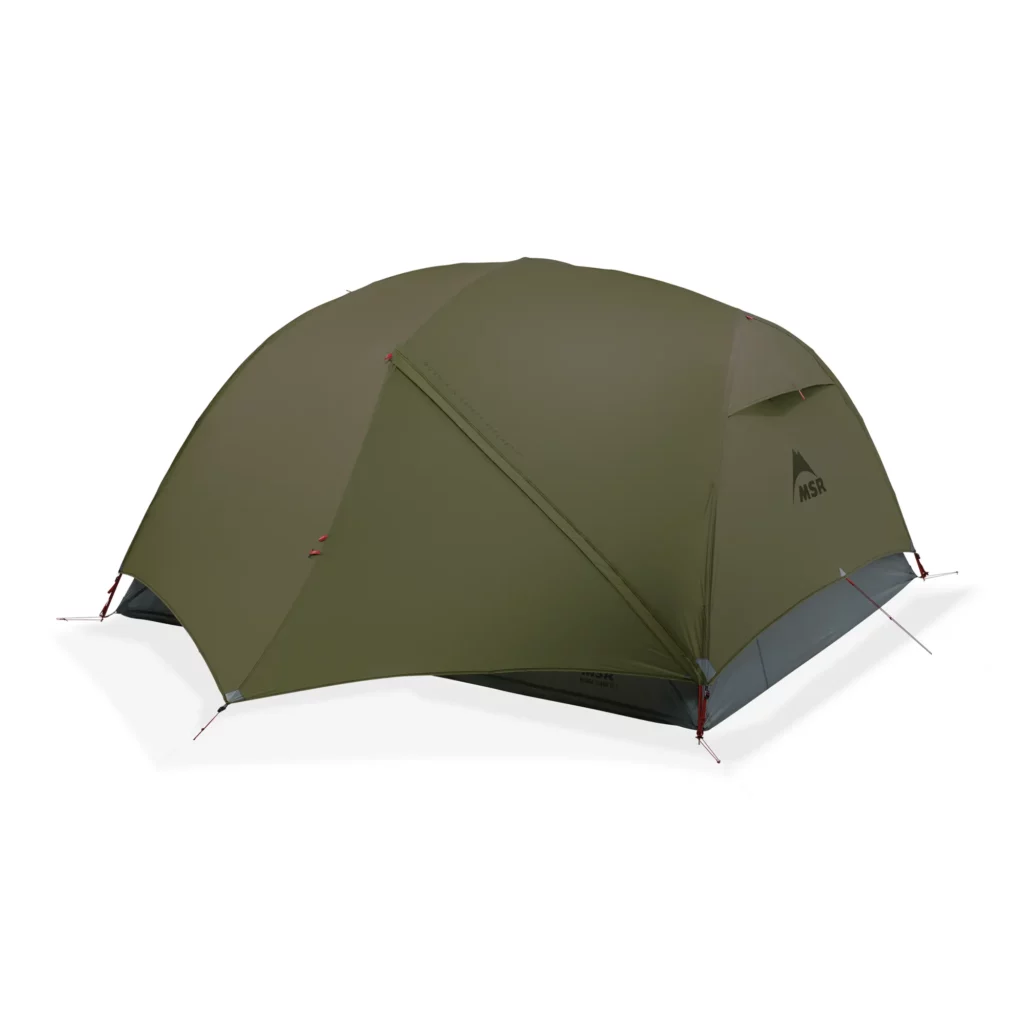
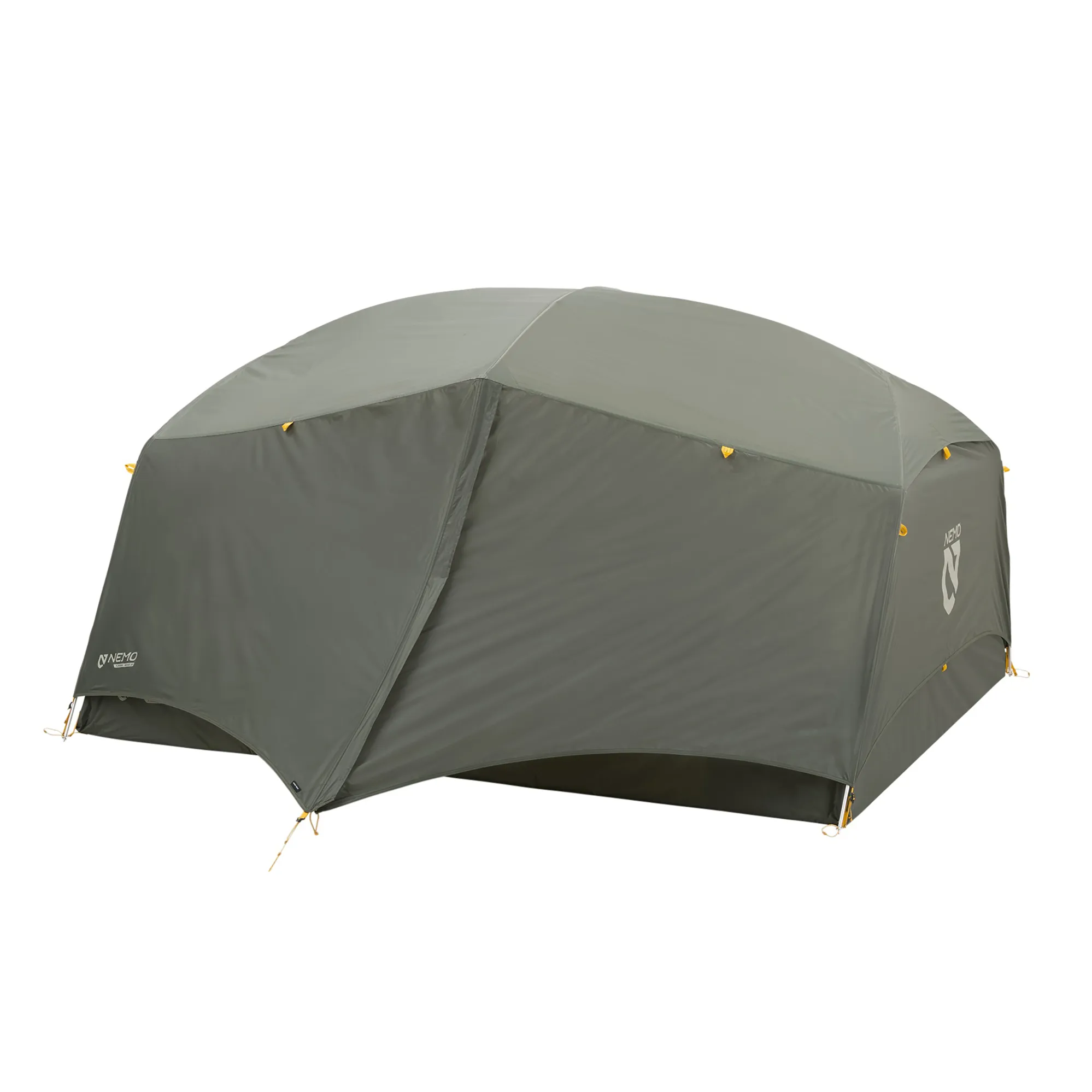
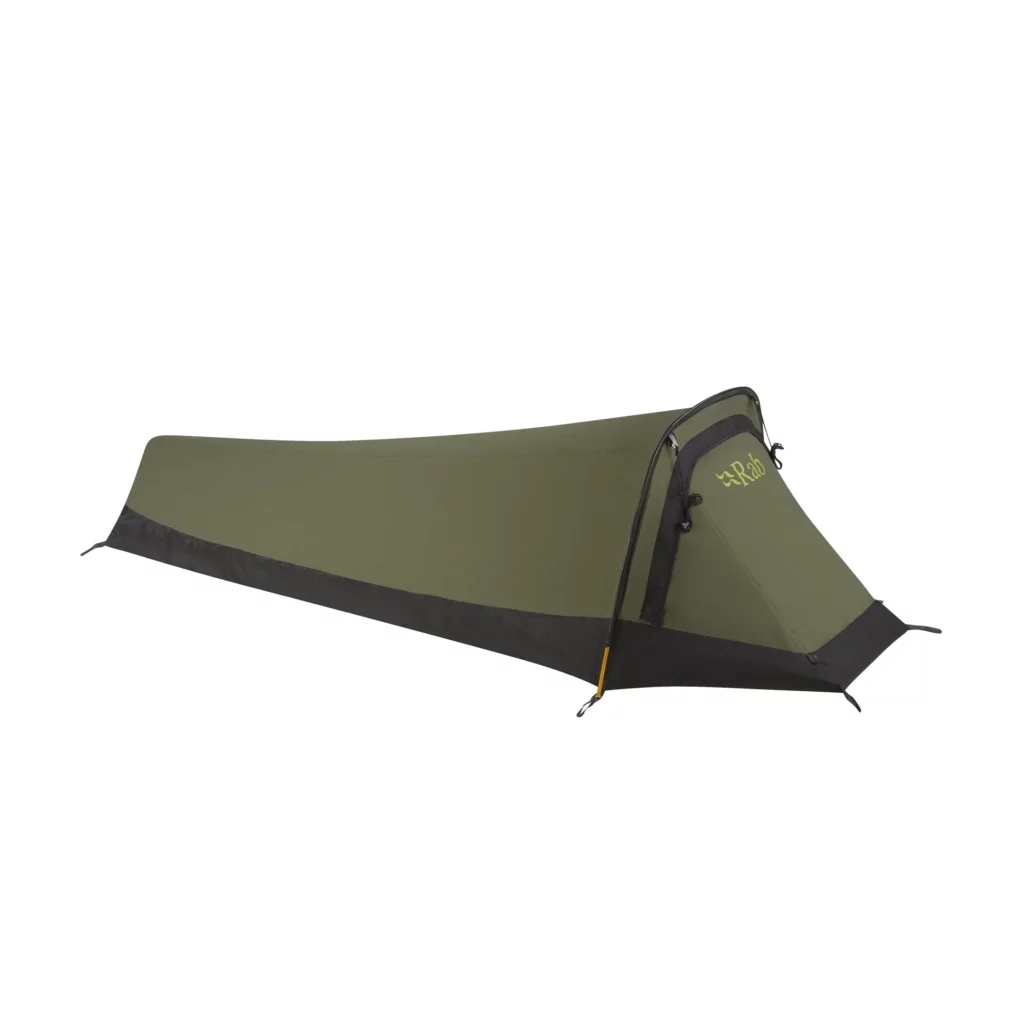
Not sure which tent is right for your adventures? Our guides cover everything from choosing the right tent size to understanding the different styles and features, helping you find the perfect shelter for your next camping trip.
Read our guides:
Sleeping Essentials
A good sleep system can make the difference between waking up refreshed and counting down the hours until sunrise. Focus on staying warm, comfortable and insulated from the cold ground.
What you’ll need
- Sleeping bag – Choose one with the right temperature rating for the season.
- Sleeping mat – Provides cushioning and insulation from the ground. Select the correct R-Value depending on conditions.
- Pillow (optional) – Adds comfort and helps you sleep better.
- Sleeping bag liner (optional) – Can add warmth and help keep your sleeping bag clean.
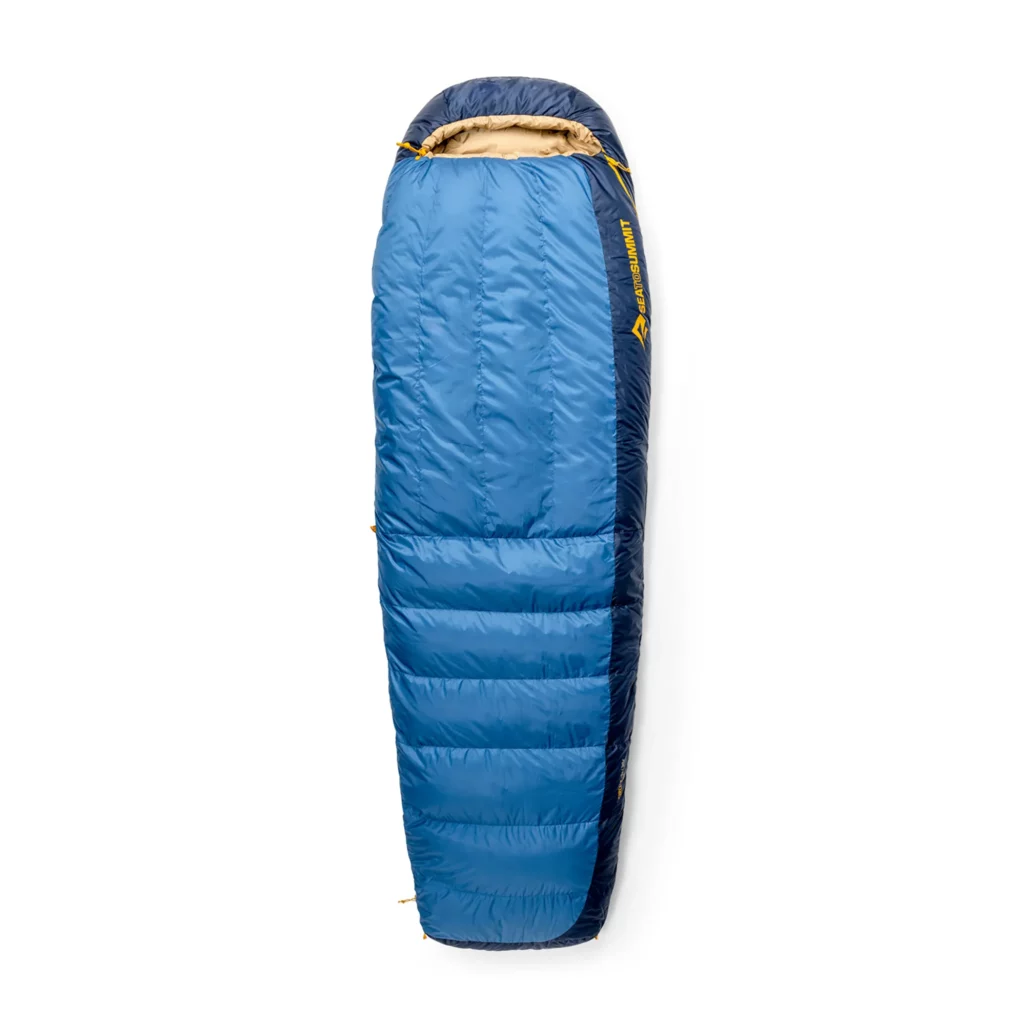
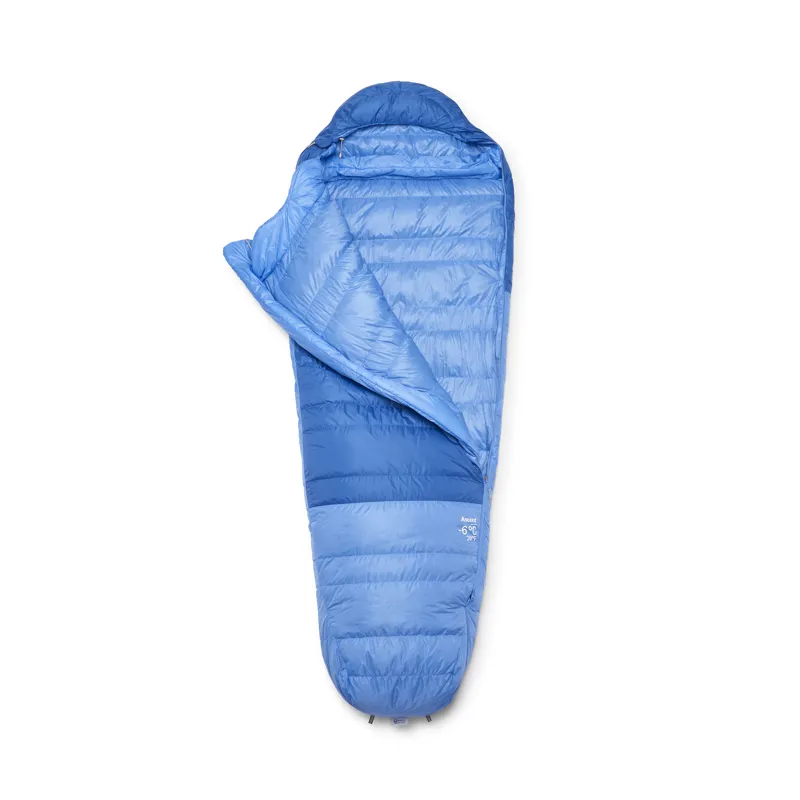
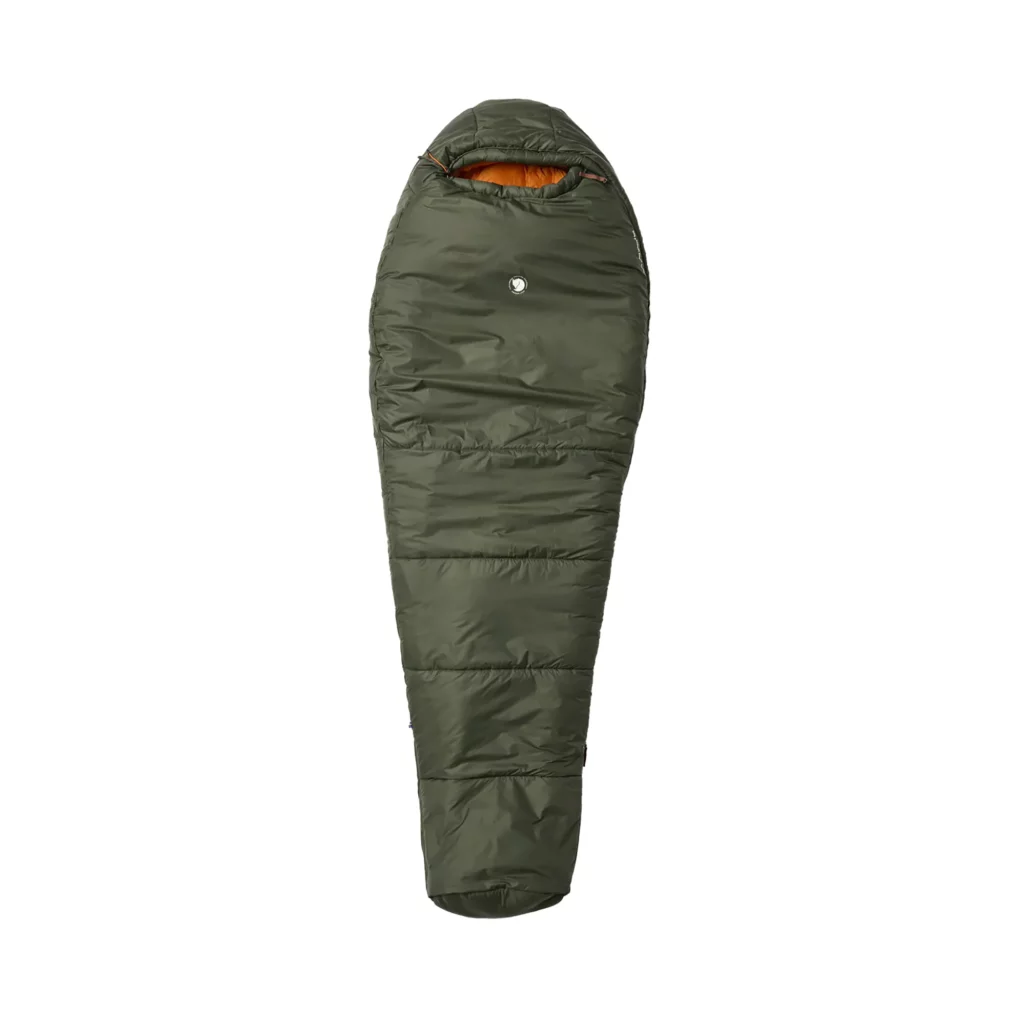
If you’d like to learn more about building the perfect camping sleep system, read our Complete UK Camping Sleep System Guide, where we explain how to choose the right tent, sleeping bag and sleeping mat for your adventures.
Cooking Essentials
You don’t need a full outdoor kitchen to enjoy good food at camp. A simple cooking setup is enough for everything from a morning coffee to a hot evening meal.
What you’ll need
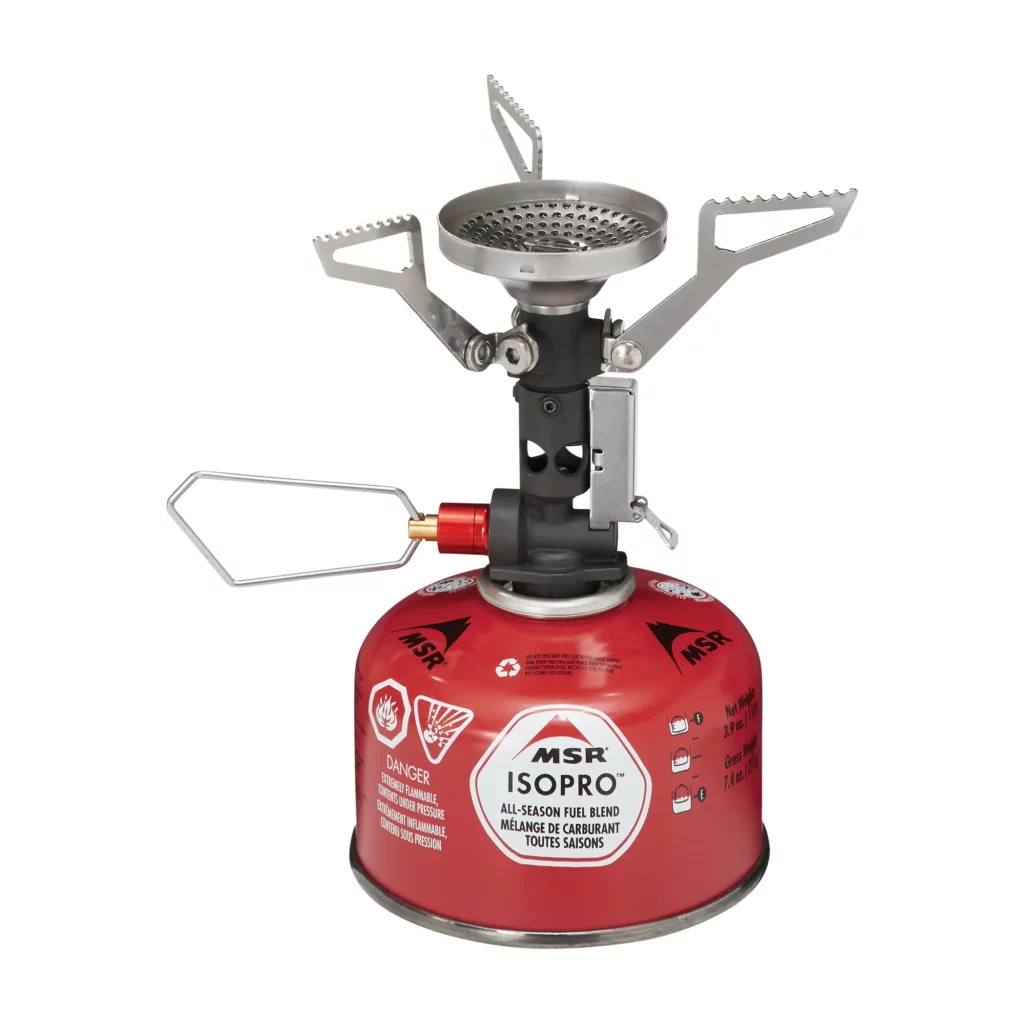
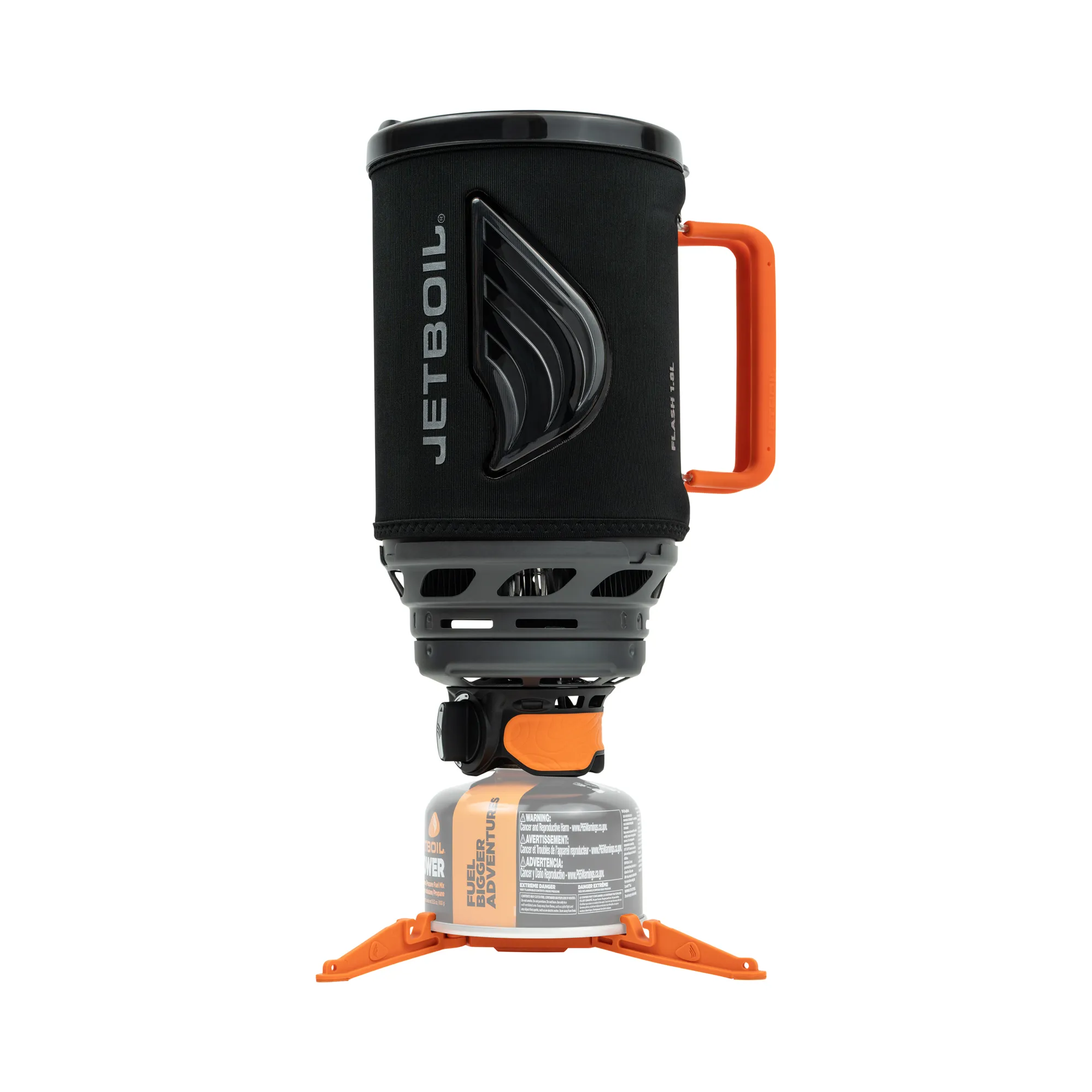
- Camping stove – A compact gas stove suits most camping trips.
- Fuel – Make sure you pack the correct fuel for your stove.
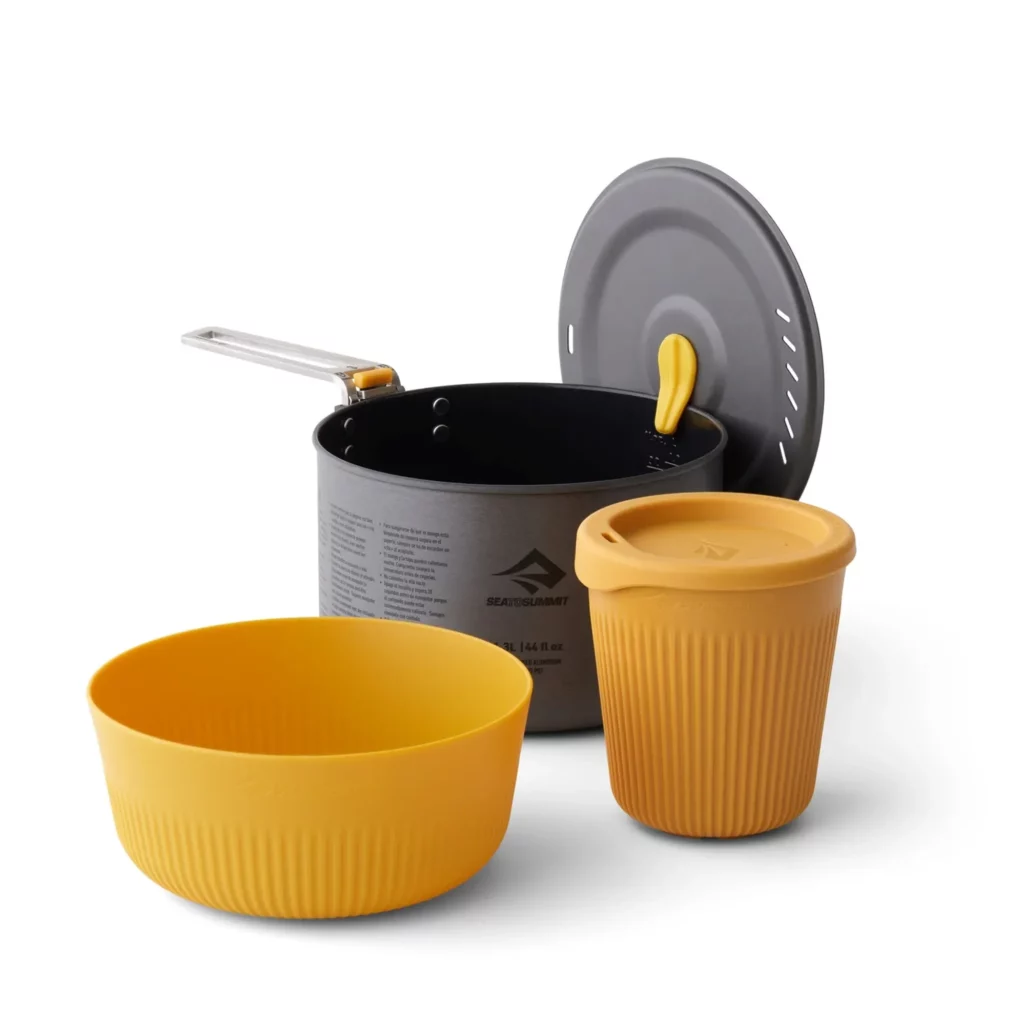
- Cookware – One pot is enough for many campers, while larger groups may prefer a complete cook set.
- Mug, bowl and cutlery – Lightweight camping versions save space.
- Lighter or matches – Always pack a reliable way to light your stove.
- Washing-up kit – A small sponge and biodegradable soap make cleaning up easy.
Clothing & Footwear Essentials
The UK’s weather can change quickly, so layering is the easiest way to stay comfortable throughout your trip. Pack clothing that keeps you warm, dry and ready for changing conditions.
What you’ll need
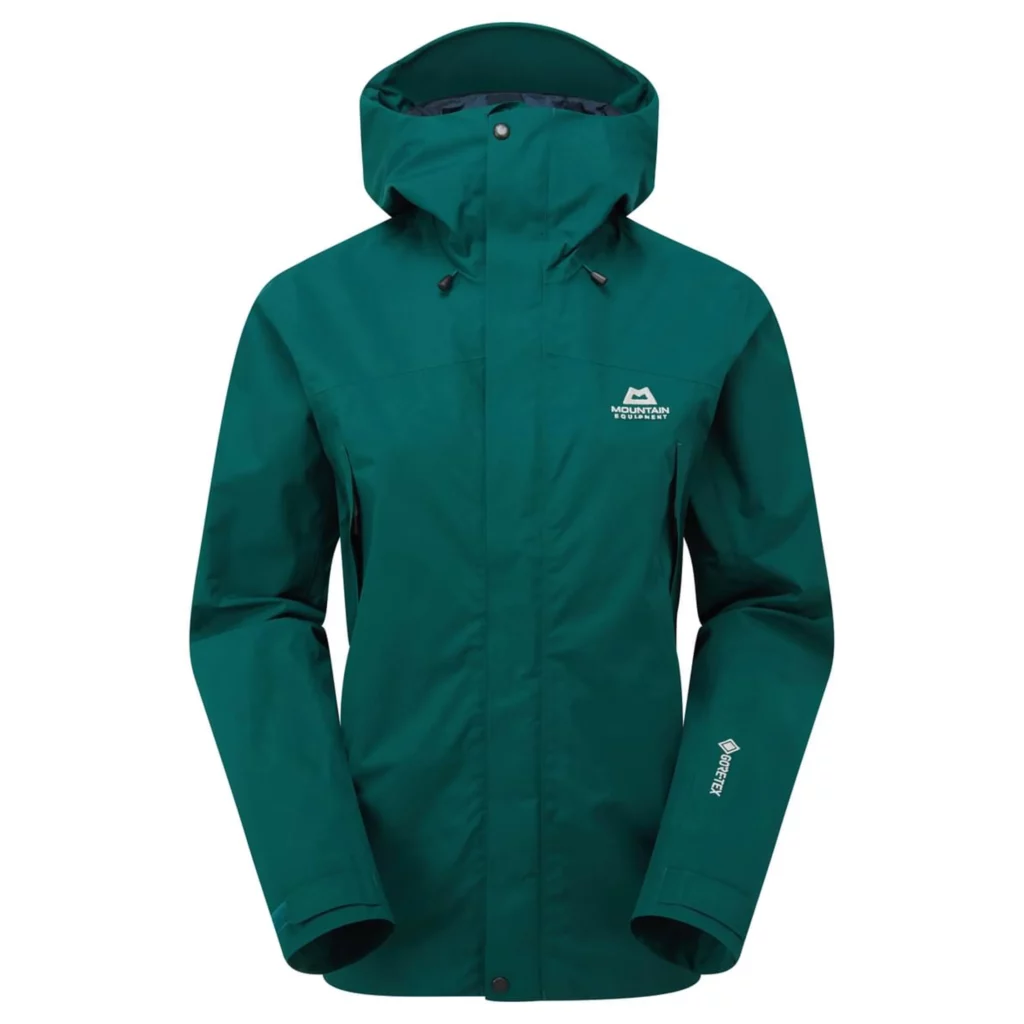
- Waterproof jacket – Essential protection if the weather turns.
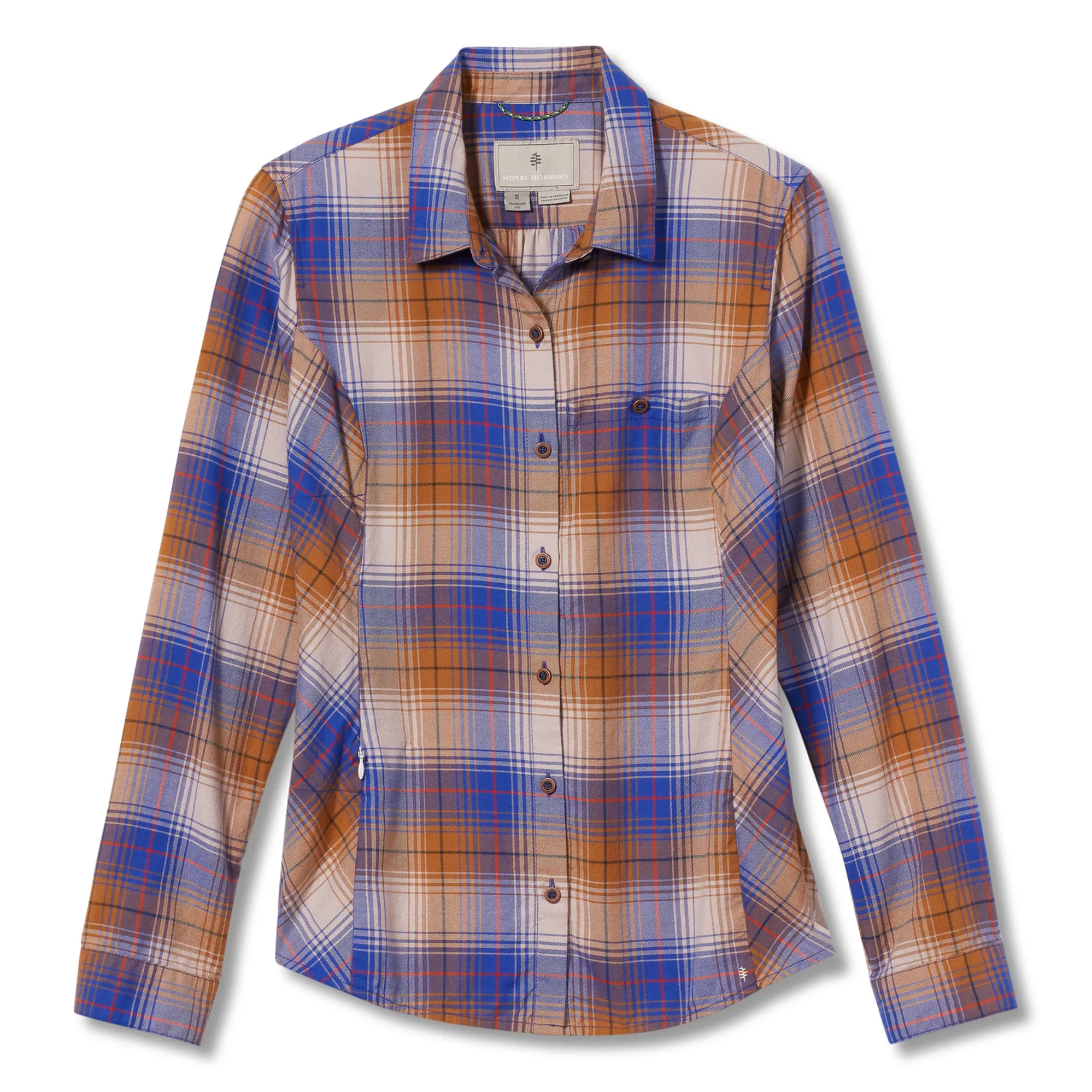
- Warm midlayer – A fleece or lightweight insulated jacket adds warmth when temperatures drop.
- Baselayer – Helps regulate your temperature throughout the day.
- Walking trousers or shorts – Choose clothing that suits the forecast and terrain.
- Spare socks and underwear – Dry feet are happy feet.
- Hat and gloves – Worth packing outside the warmer summer months.
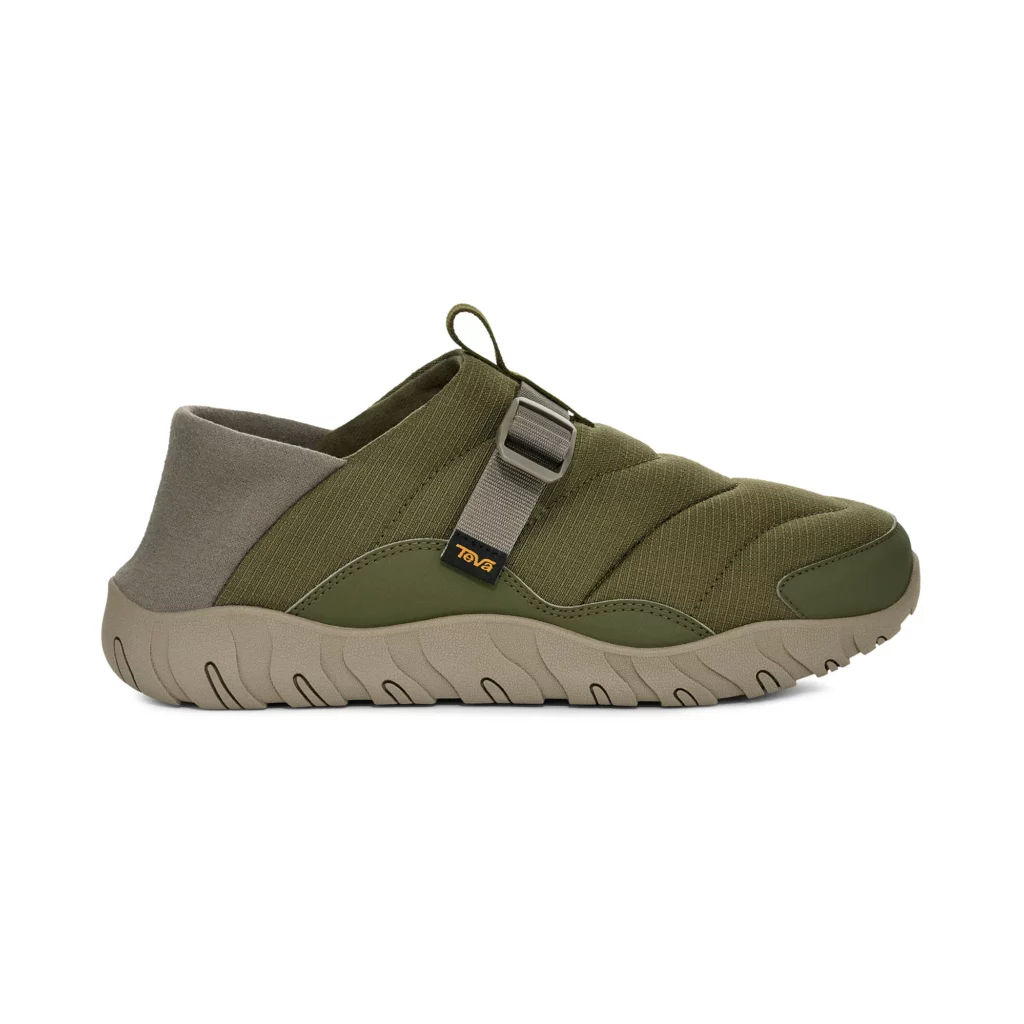
- Footwear – Bring camp shoes, sandals or warm camp slippers, depending on the weather, to give your feet a well-earned break after hiking.
Food & Water Essentials
Staying fuelled and hydrated is just as important as having the right camping gear. Plan your meals before you leave and always carry enough drinking water for your trip.
What you’ll need
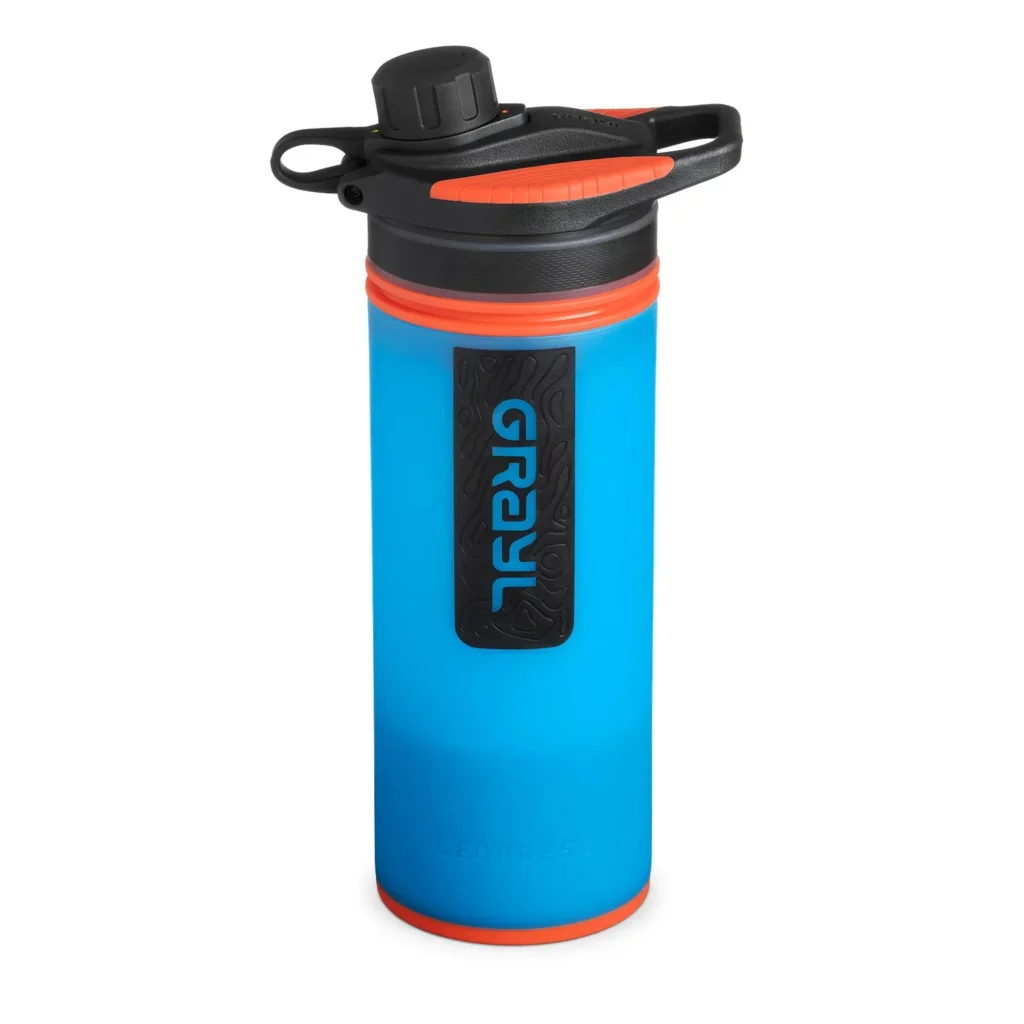
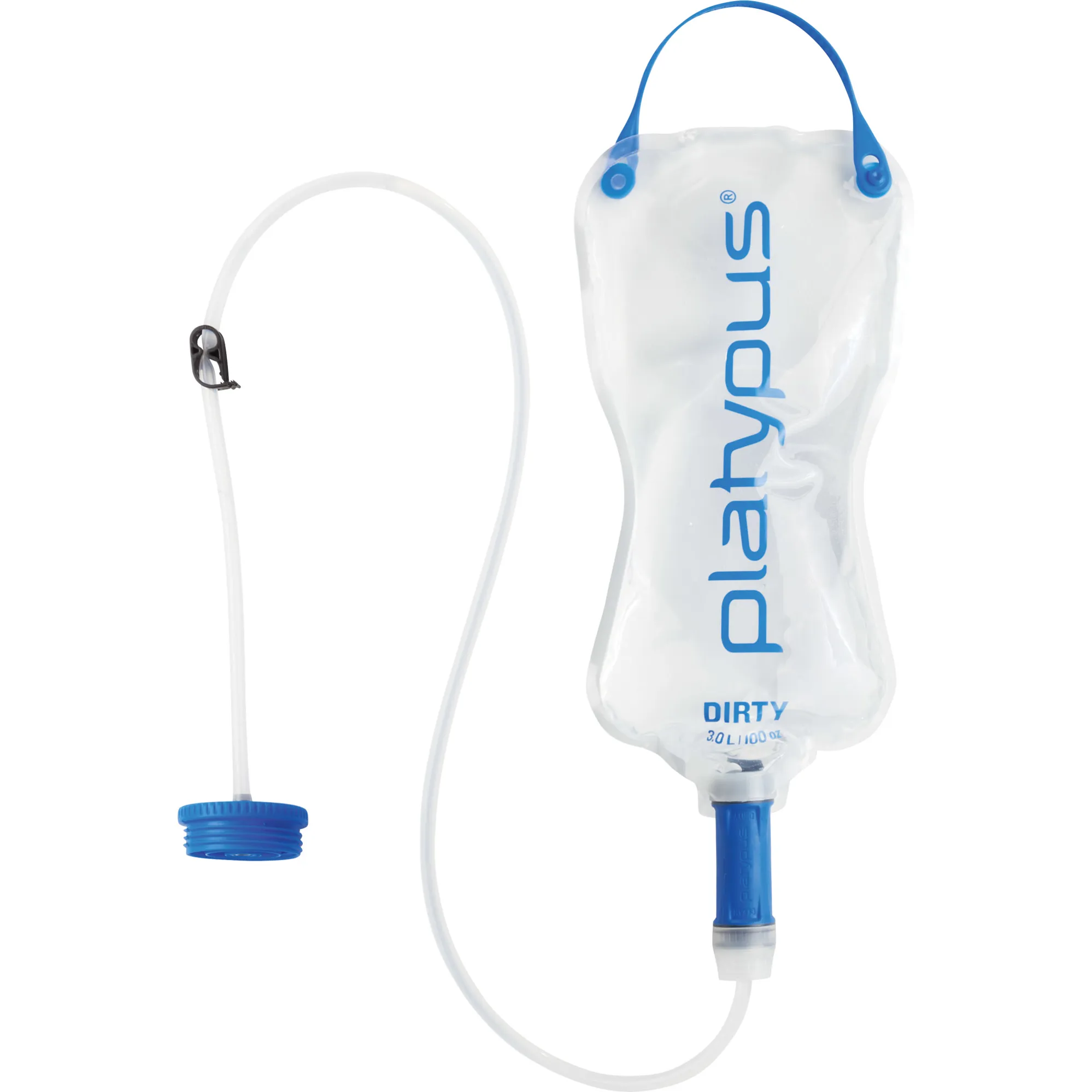
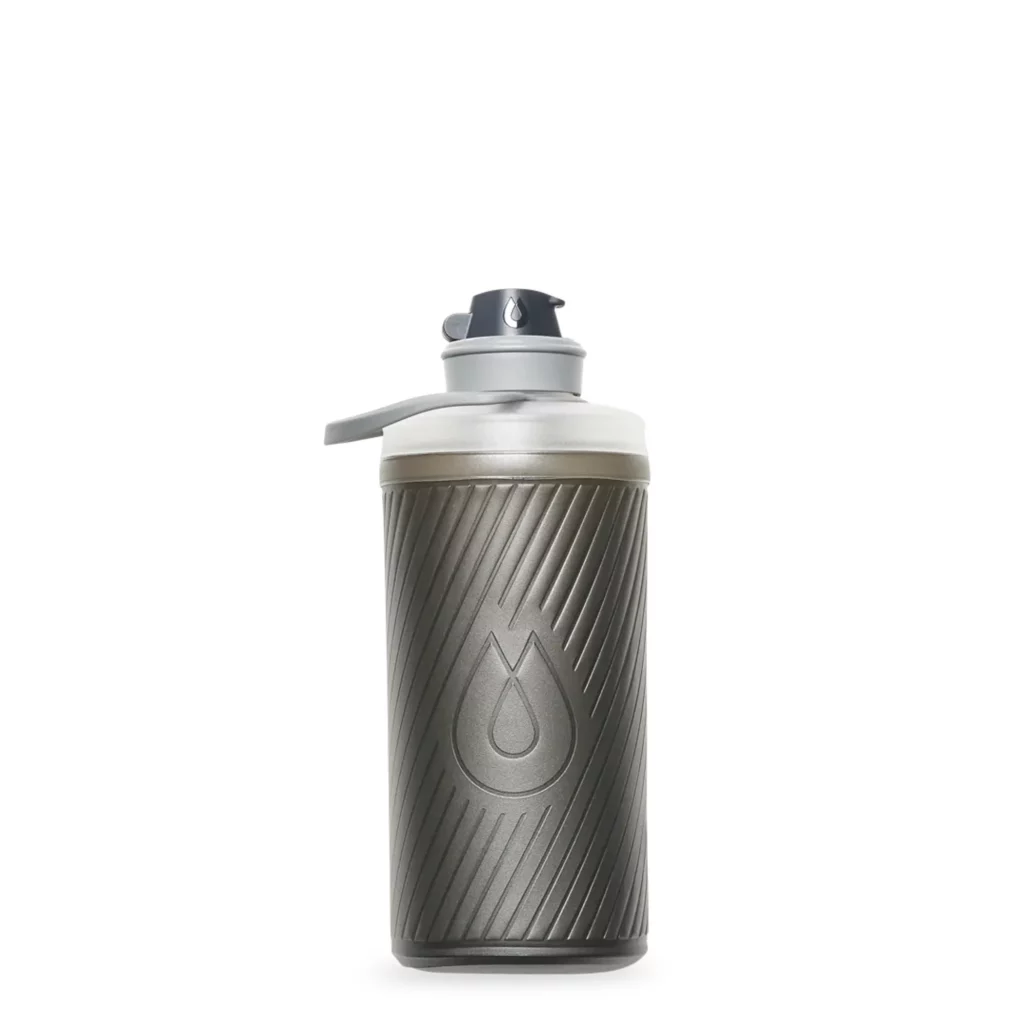
- Water bottle or hydration reservoir – Carry enough water for the day.
- Food and snacks – Pack meals that are easy to prepare and store.
- Water filter (optional) – Useful for wild camping or longer trips away from campsites.
- Cool bag or cool box (optional) – Ideal for car camping and family holidays.
Lighting & Power Essentials
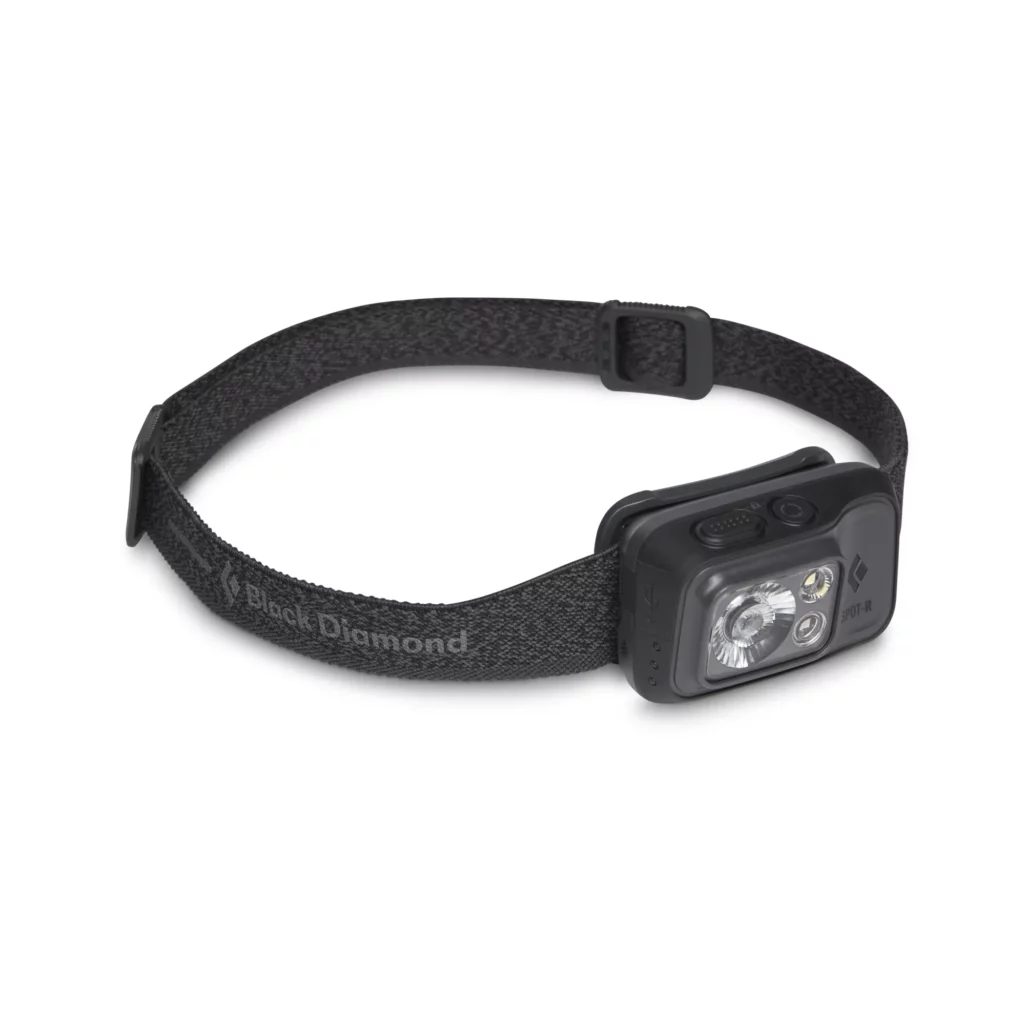
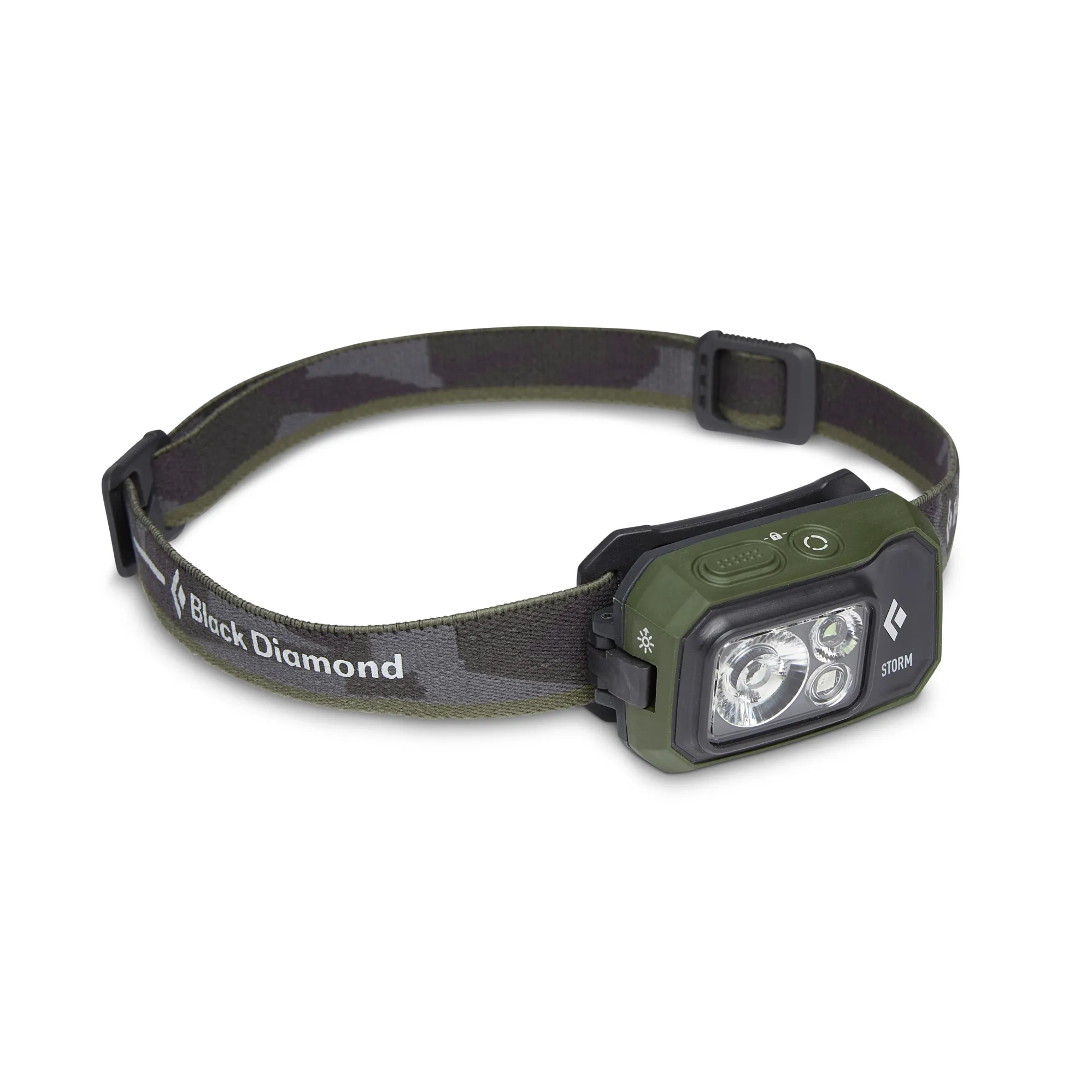
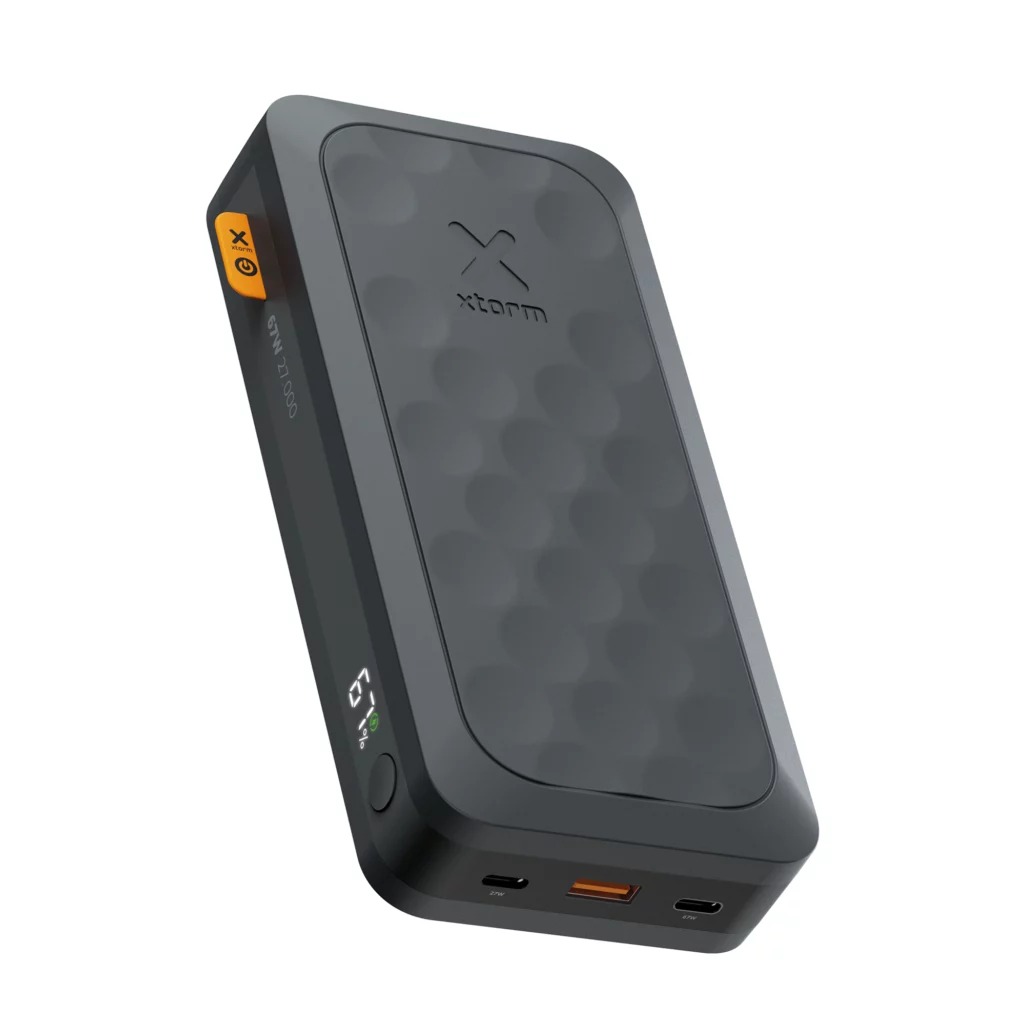
Good lighting makes evenings around camp much easier, while a power bank helps keep your phone or GPS running if you’re away for several days.
What you’ll need
- Head torch – The most useful lighting option for camping.
- Camping lantern (optional) – Great for lighting larger areas around camp.
- Power bank – Keeps essential devices charged.
- Charging cables – Easy to forget, but just as important as the power bank itself.
- Spare batteries (if required) – Don’t get caught out if your torch uses replaceable batteries.
Safety & Personal Essentials
Most of these items are small, lightweight and easy to pack, but they’re invaluable if something doesn’t go to plan.
What you’ll need
- First aid kit – A basic kit is essential for every camping trip.
- Navigation – A map, compass or GPS is recommended if you’re camping in remote areas.
- Sun protection – Sunscreen and sunglasses aren’t just for summer holidays.
- Insect repellent – Particularly useful near lakes, rivers and woodland.
- Multi-tool – Handy for cooking, repairs and everyday campsite tasks.
- Repair tape – Useful for quick fixes to tents, sleeping mats and other equipment.
- Personal toiletries and medications – Pack everything you’ll need for the duration of your trip.
4. Camping Checklists for Different Camping Styles
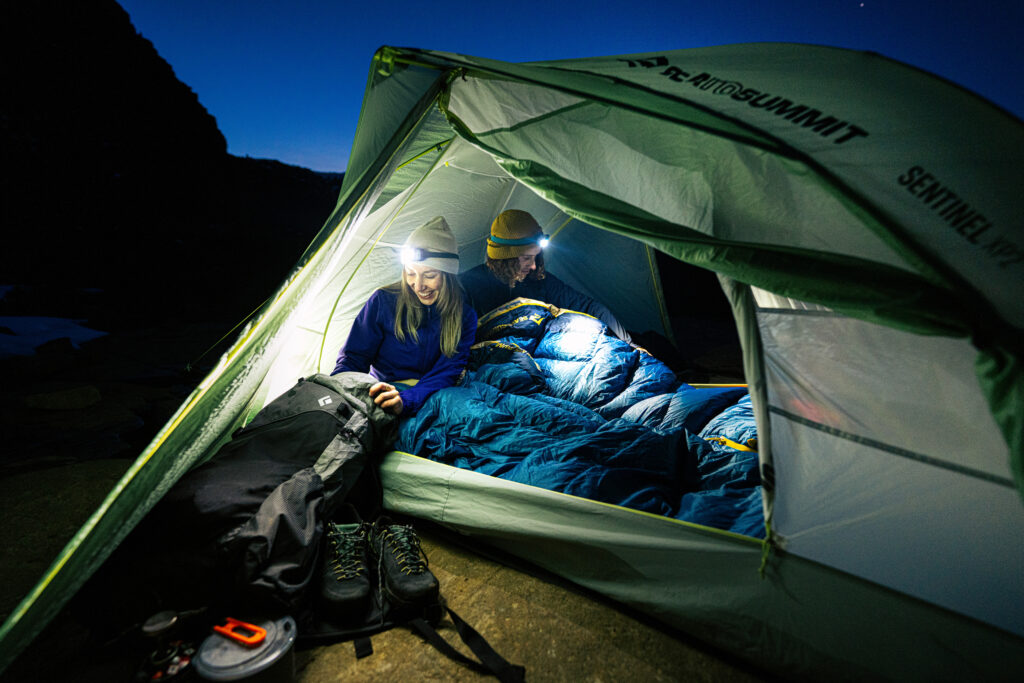
The essentials are the same for every camping trip, but the way you pack can vary considerably. A first-time camper doesn’t need the same setup as a family heading to a campsite, and someone car camping can afford to bring far more comfort than someone carrying everything on their back. Use the checklists below as a guide for your next adventure.
First-Time Camping
Your first camping trip should be about keeping things simple. There’s no need to invest in lots of specialist gear or pack for every possible situation. Instead, focus on reliable essentials that are easy to use, comfortable and appropriate for the conditions and time of year you’re camping. After a few trips, you’ll quickly discover which extras are worth adding to your kit.
Pack these essentials
- Shelter suitable for your trip
- Sleeping bag
- Sleeping mat
- Camping stove and fuel
- Pot, mug and cutlery
- Water bottle
- Head torch
- Waterproof jacket
- Warm midlayer
- Spare socks
- Toiletries
- First aid kit
Weekend Camping
For a short one or two-night trip, you can travel relatively light without sacrificing comfort. You won’t need lots of spare clothing or a huge food supply, but a few small luxuries, like a proper coffee setup or a comfortable chair, can make your campsite much more enjoyable.
Pack these essentials
- Shelter
- Sleeping system
- Compact cooking kit
- Food for the trip
- Plenty of drinking water
- Small cooler (if needed)
- Coffee or tea kit
- Camp chair
- Waterproof clothing
- Warm evening layer
- Head torch
- Power bank
Family Camping
Camping with family is all about comfort, convenience and being prepared. You’ll usually need more space, larger cooking equipment and enough clothing and bedding for changing weather. It’s also worth packing a few entertainment options to keep everyone busy between adventures.
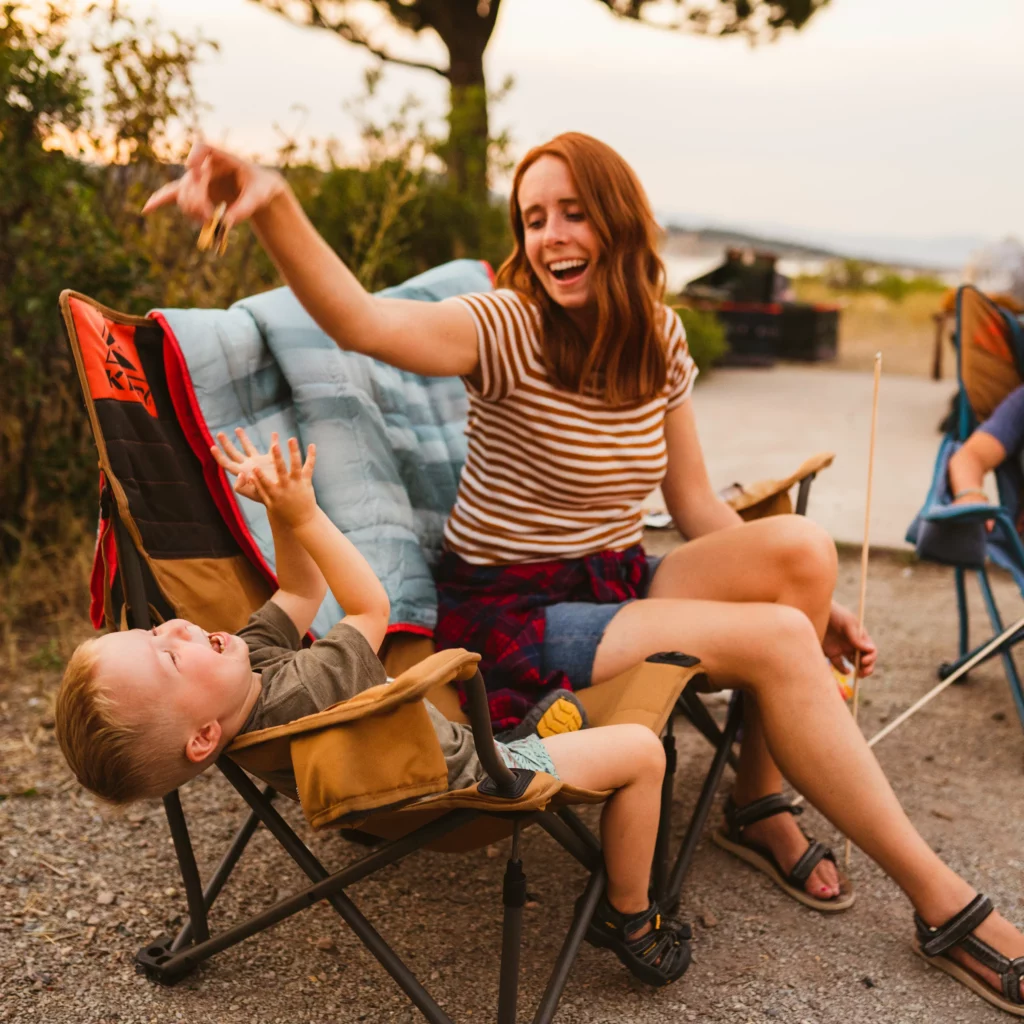
Pack these essentials
- Spacious shelter suitable for your group
- Sleeping bags and mats for everyone
- Pillows and extra blankets
- Larger stove or cooking system
- Bigger pots and cookware
- Cooler for fresh food
- Camping table and chairs
- Head torches or lanterns
- Spare clothing for everyone
- Games, books or outdoor toys
- First aid kit
- Toiletries and towels
Car Camping
If you’re camping close to your vehicle, weight and pack size are far less important. Instead of focusing on lightweight equipment, you can prioritise comfort and bring the kind of gear that makes the campsite feel more like home. It’s a fantastic option for beginners and anyone looking for a more relaxed camping experience.
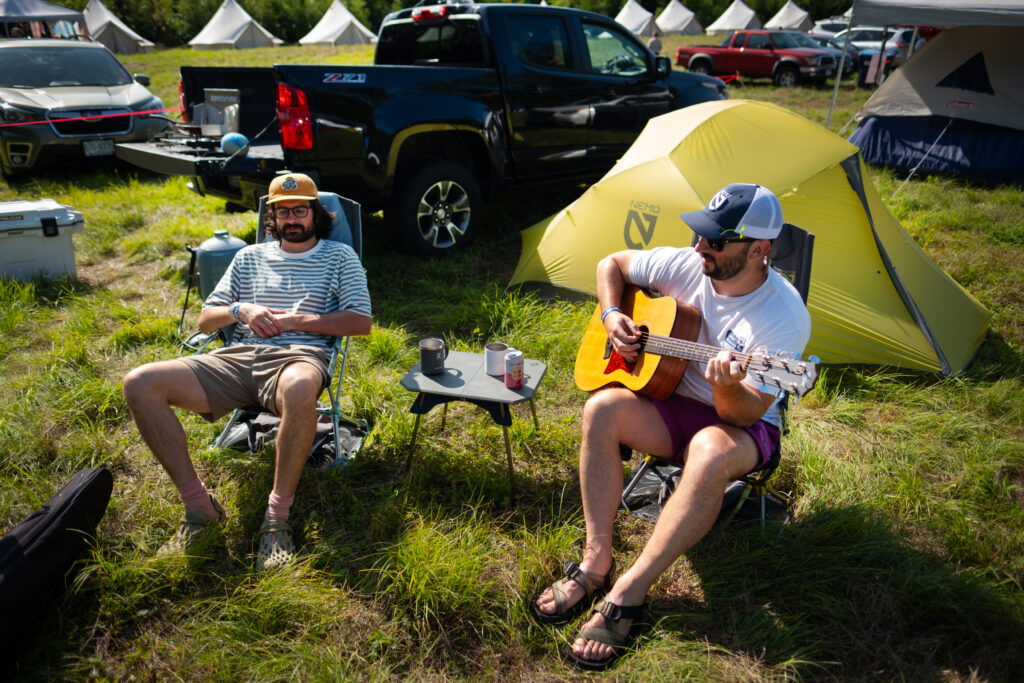
Pack these essentials
- Spacious shelter
- Thick sleeping mat or camping bed
- Comfortable pillow
- Extra blankets
- Full cooking setup
- Cooler or cool box
- Camping table
- Folding chairs
- Lantern
- Extra food and drinks
- Power bank or campsite charging accessories
- Comfort items such as books, games or a hammock
5. How to Avoid Overpacking
It’s easy to throw in a few “just in case” items, but they soon add unnecessary weight and take up valuable space. Packing smarter not only makes travelling easier, but also helps you stay organised once you’re at camp.
Here are a few simple ways to keep your camping kit light without leaving behind the essentials.
| Tip | Why it helps |
| Check the weather forecast | Pack for the conditions you’ll actually face instead of every possible scenario. |
| Avoid duplicate clothing | One warm layer and one waterproof jacket are usually enough for most trips. |
| Share equipment | If you’re camping with others, share stoves, cookware and other communal gear instead of packing duplicates. |
| Choose versatile clothing | Layers that work for hiking, relaxing around camp and cooler evenings save both weight and space. |
| Leave “just in case” items at home | If you’re unlikely to use it, it probably doesn’t need to come with you. |
| Lay everything out before packing | Seeing all your gear together makes it much easier to spot unnecessary items. |
| Test your gear at home | Check that everything works and make sure you know how to use it before you leave. |
Top tip: If you’re struggling to fit everything into your rucksack or car, it’s often a sign you’ve packed more than you need. Start with the essentials, then only add items that will genuinely make your camping trip more comfortable or enjoyable.
6. Optional Comfort Items
Once you’ve packed the essentials, it’s the little luxuries that can turn a good camping trip into a great one. These aren’t items you need, but they’re often the first upgrades campers make after a few adventures. While many are ideal for car camping or longer stays at one campsite, some, such as lightweight camp slippers, compact pillows or camping chairs, can also be great additions to backpacking trips if weight and pack space allow.
Camping Chair
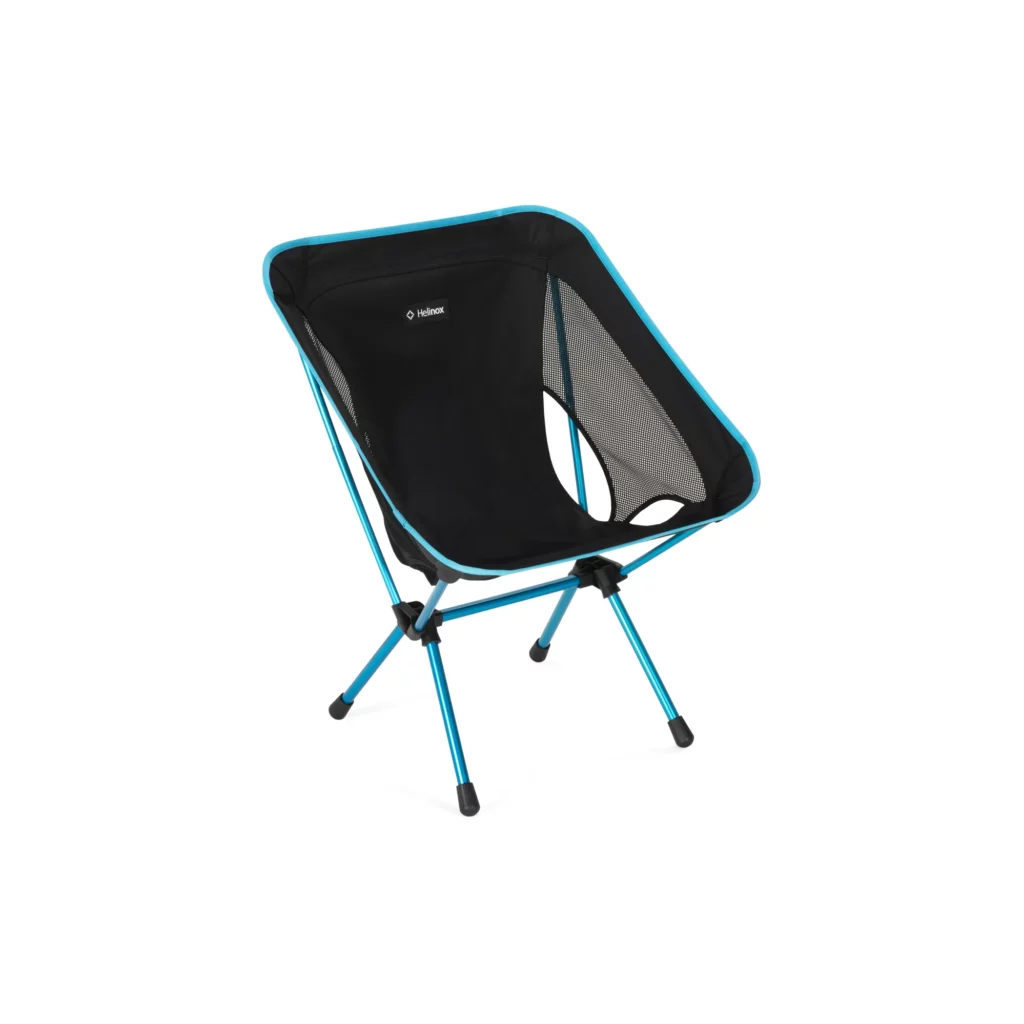
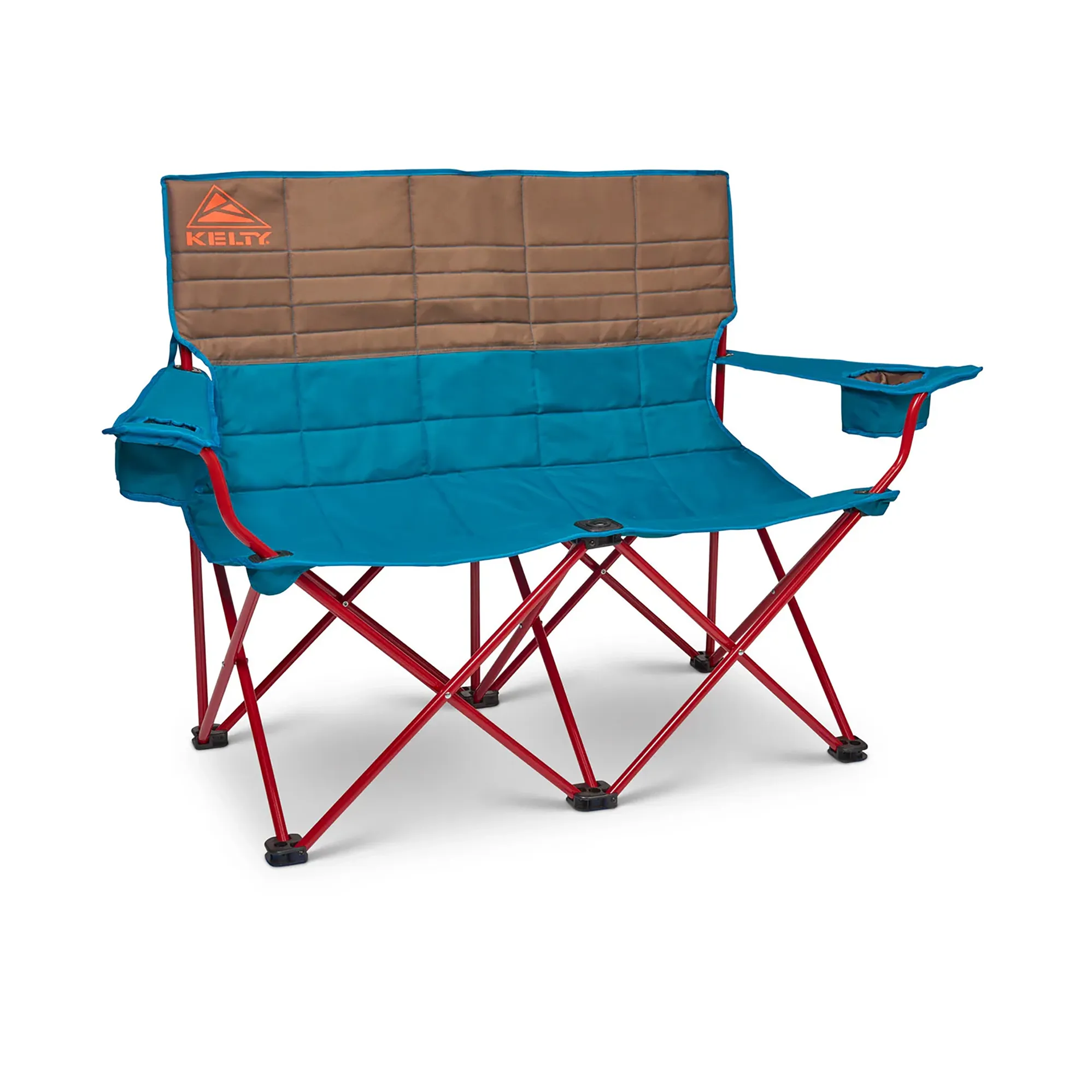
After a long day on the trail, there’s nothing better than sitting back with a hot drink and enjoying the evening. A quality camping chair provides a comfortable place to relax, cook, eat, or simply admire the view. If comfort is your priority, the NEMO Stargaze EVO-X is one of the most luxurious camping chairs available, with its unique swinging and reclining design that’s perfect for longer stays and car camping. If you’d prefer something lighter and more compact, the Helinox Chair One is an excellent all-round choice that packs down surprisingly small.
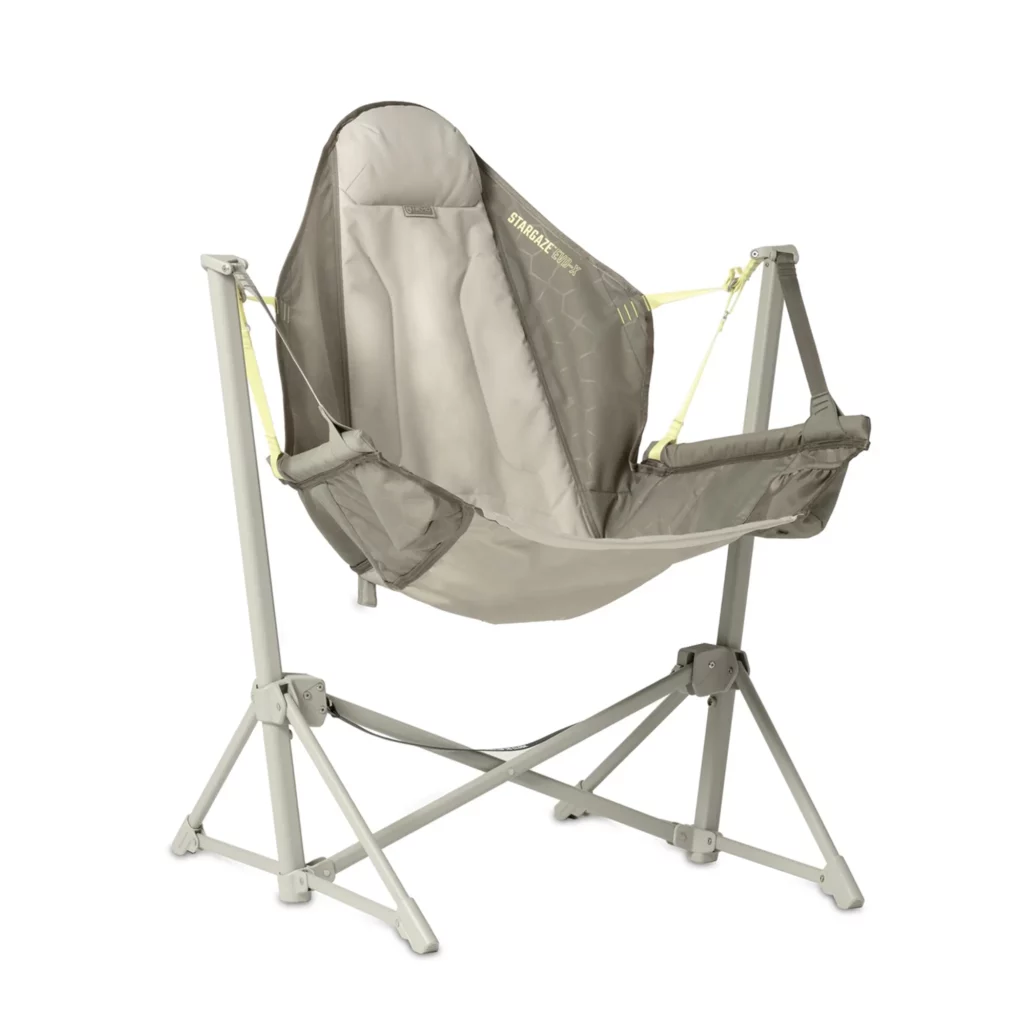
Our team has spent plenty of time relaxing in the NEMO Stargaze EVO-X, and we’ve shared our honest thoughts in a detailed review. Find out what makes this unique swinging chair so comfortable, who it’s best suited for and whether it’s worth the investment.
Folding Table
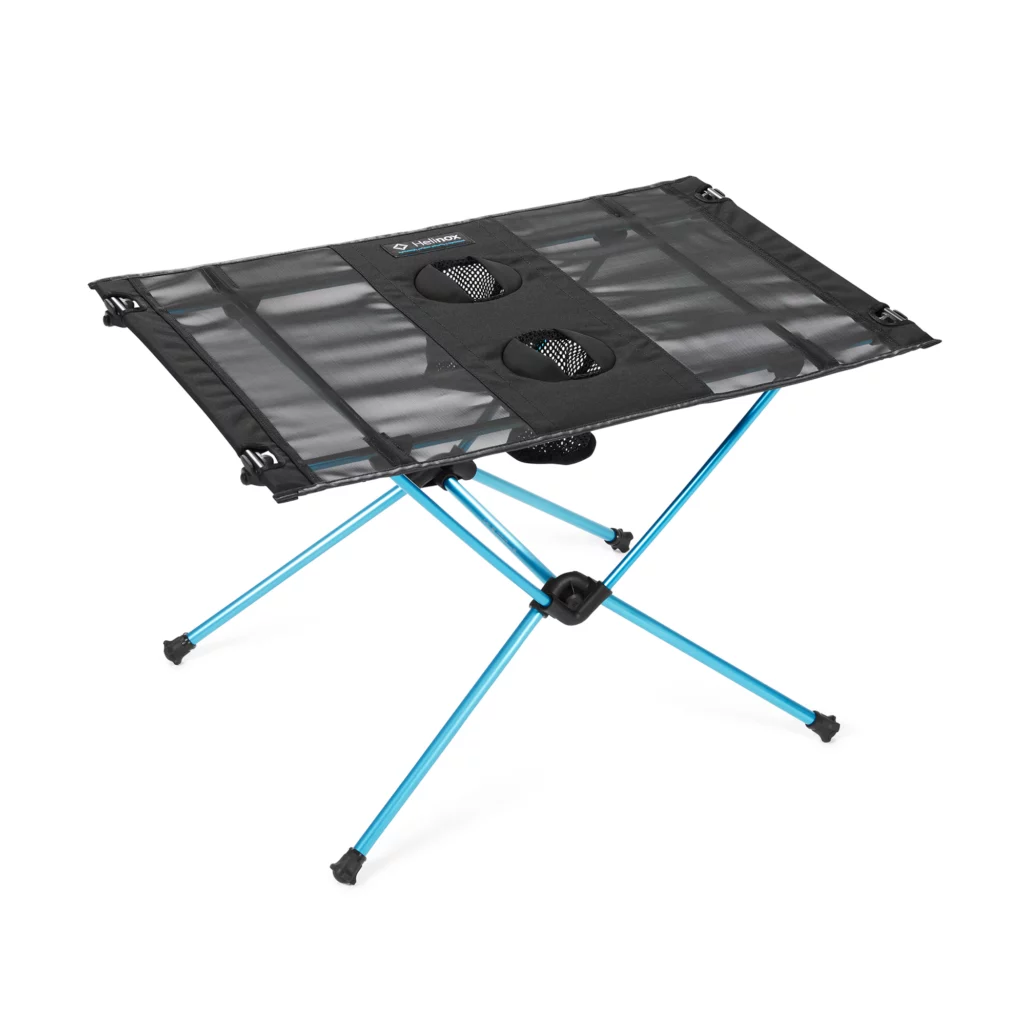
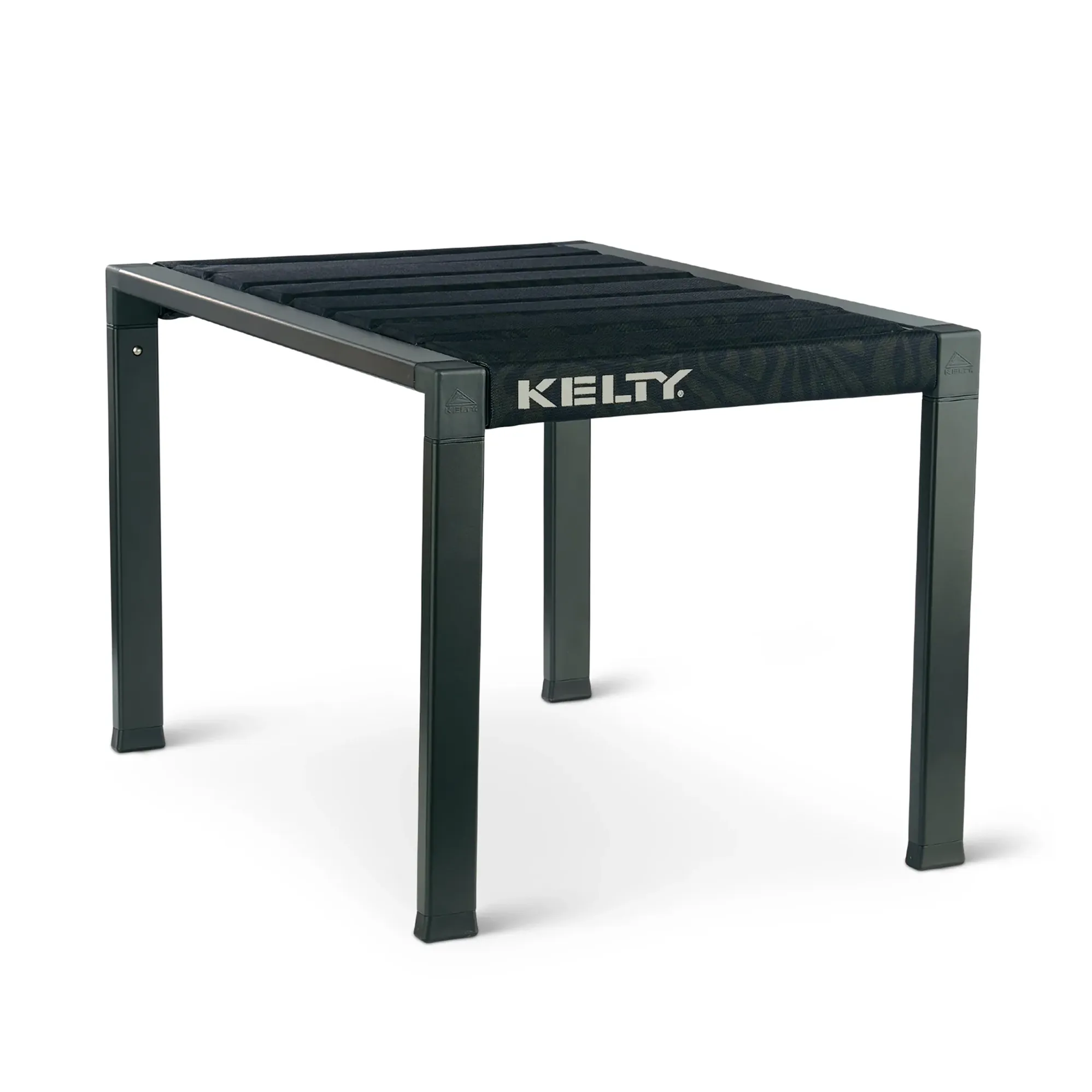
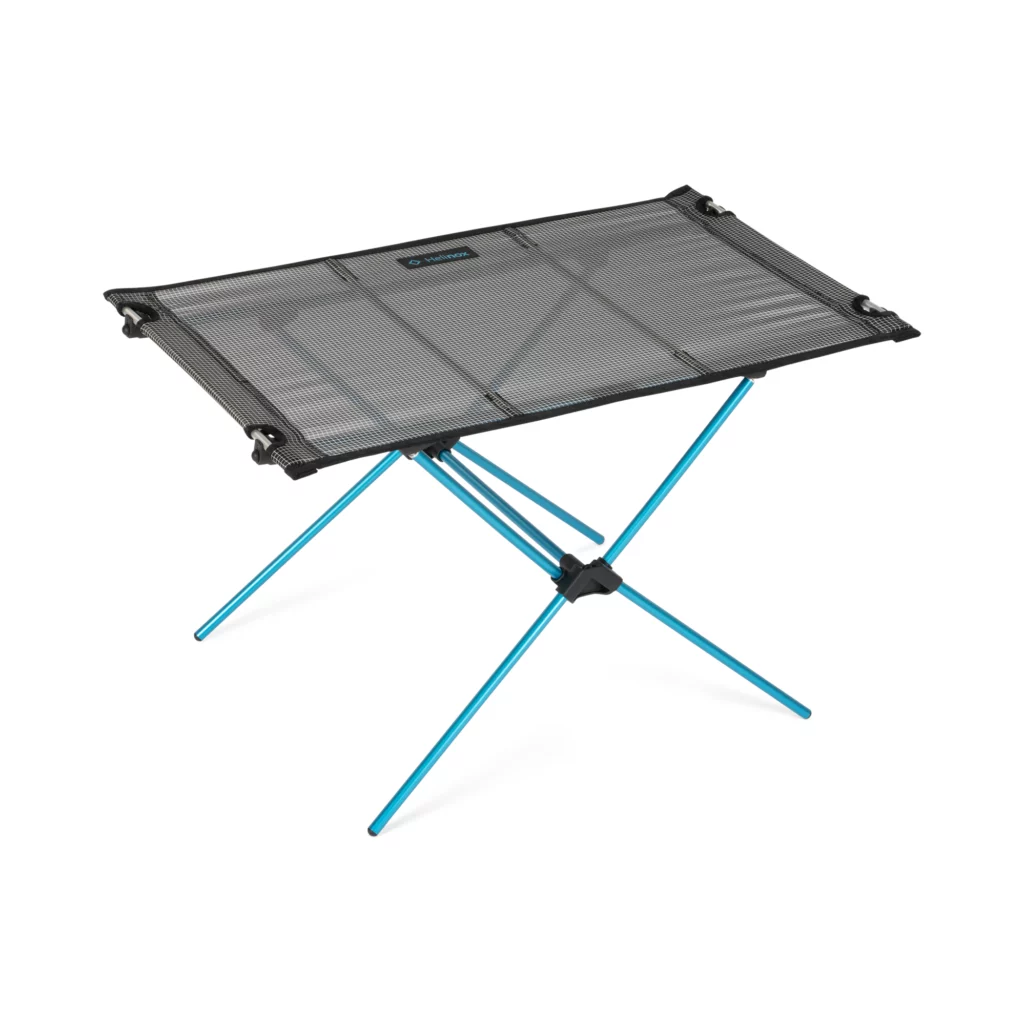
A folding table might seem like a luxury, but it quickly becomes one of the most-used items around camp. It provides a stable surface for preparing meals, eating breakfast, playing cards or keeping your gear organised instead of leaving everything on the ground. Lightweight options like the Helinox Table One are easy to transport while still providing plenty of space for campsite essentials.
Blanket & Pillow
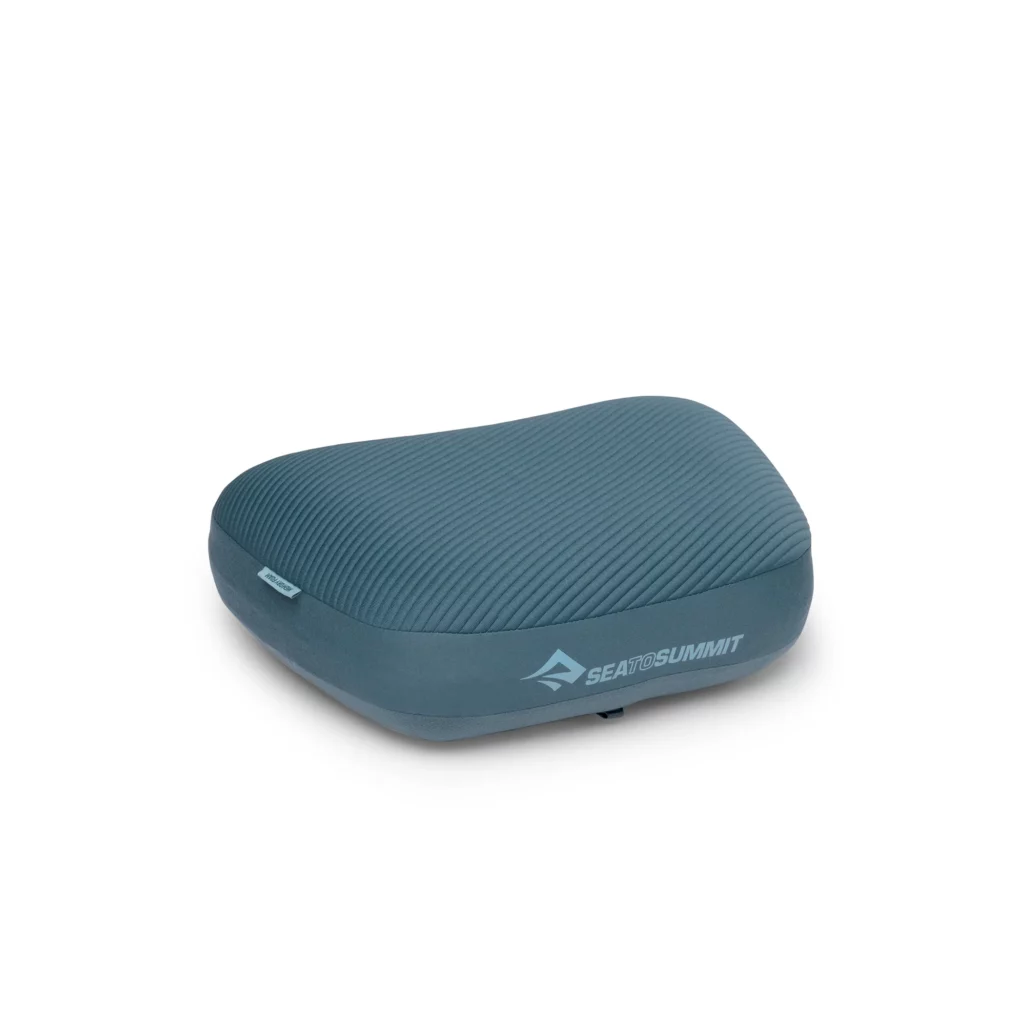
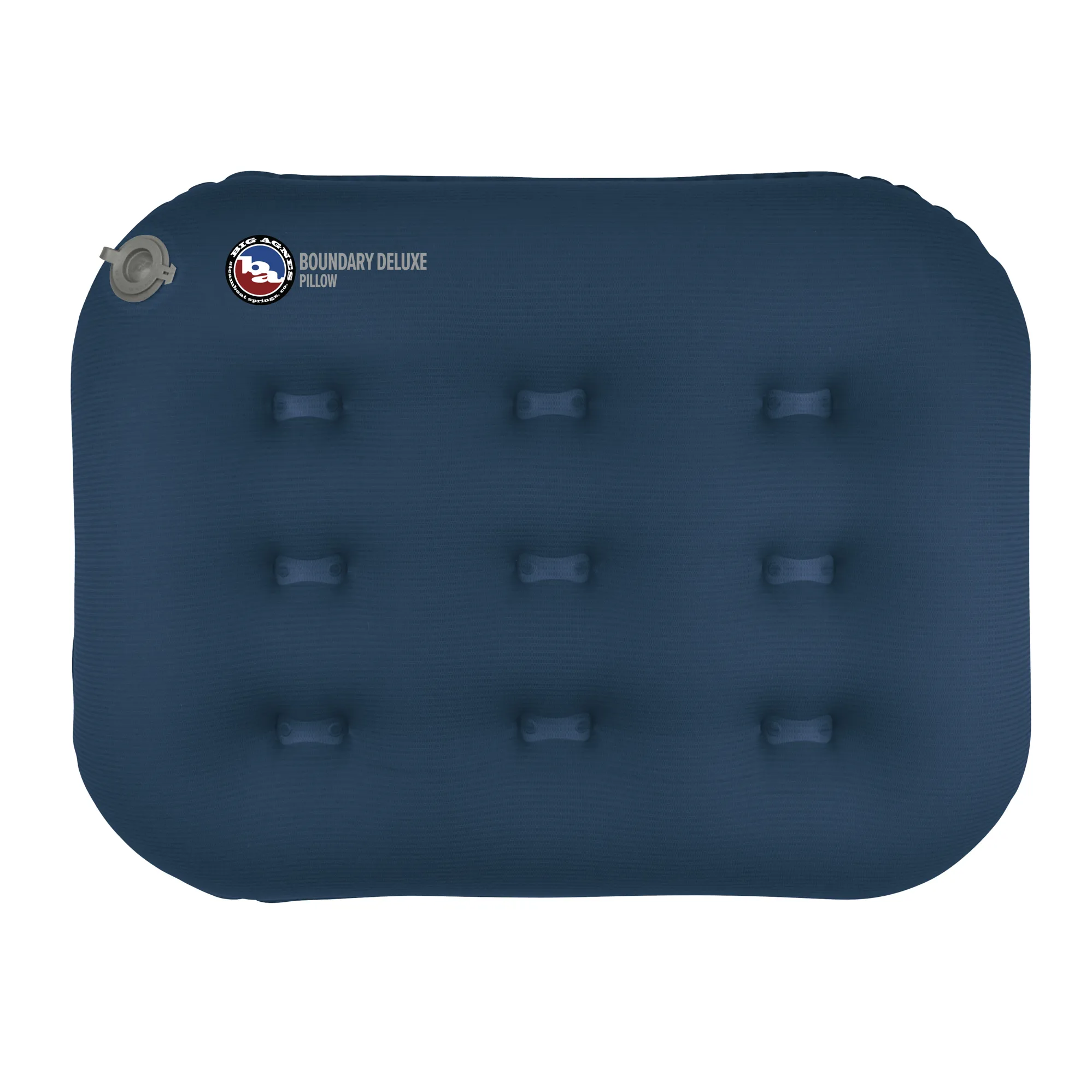
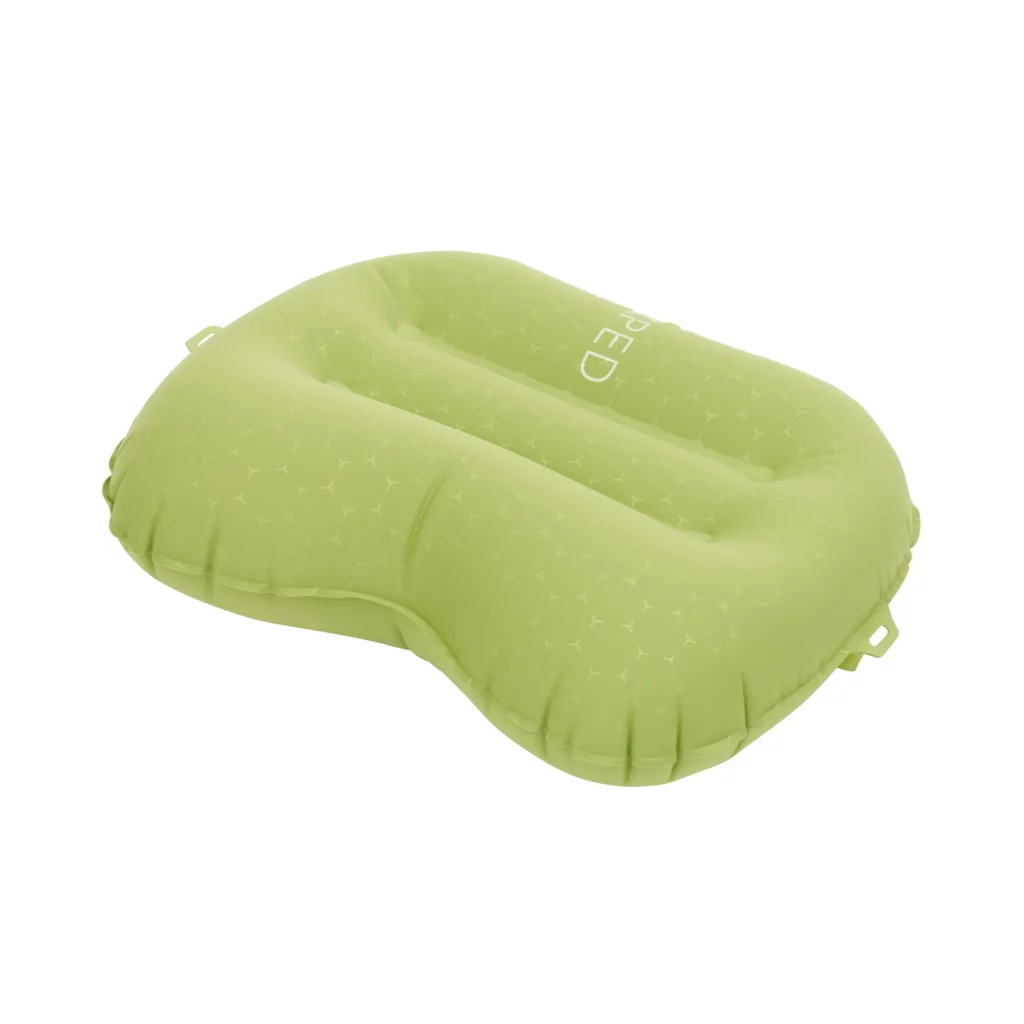
A camping pillow packs smaller than your pillow from home while providing much better support than stuffing clothes into a dry bag. An extra blanket is equally useful, keeping you warm while sitting outside after sunset or adding another layer on colder nights. These simple additions can make your campsite feel much more like home.
Hammock
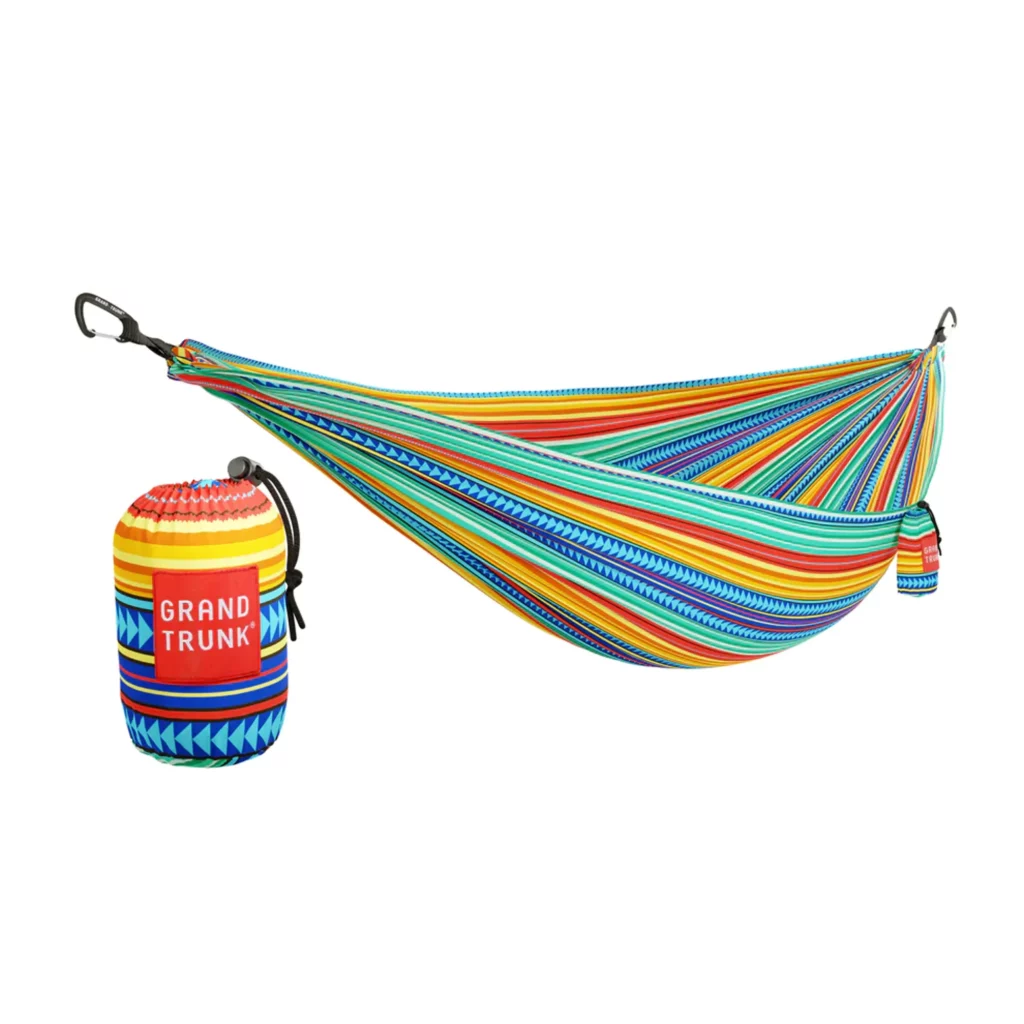
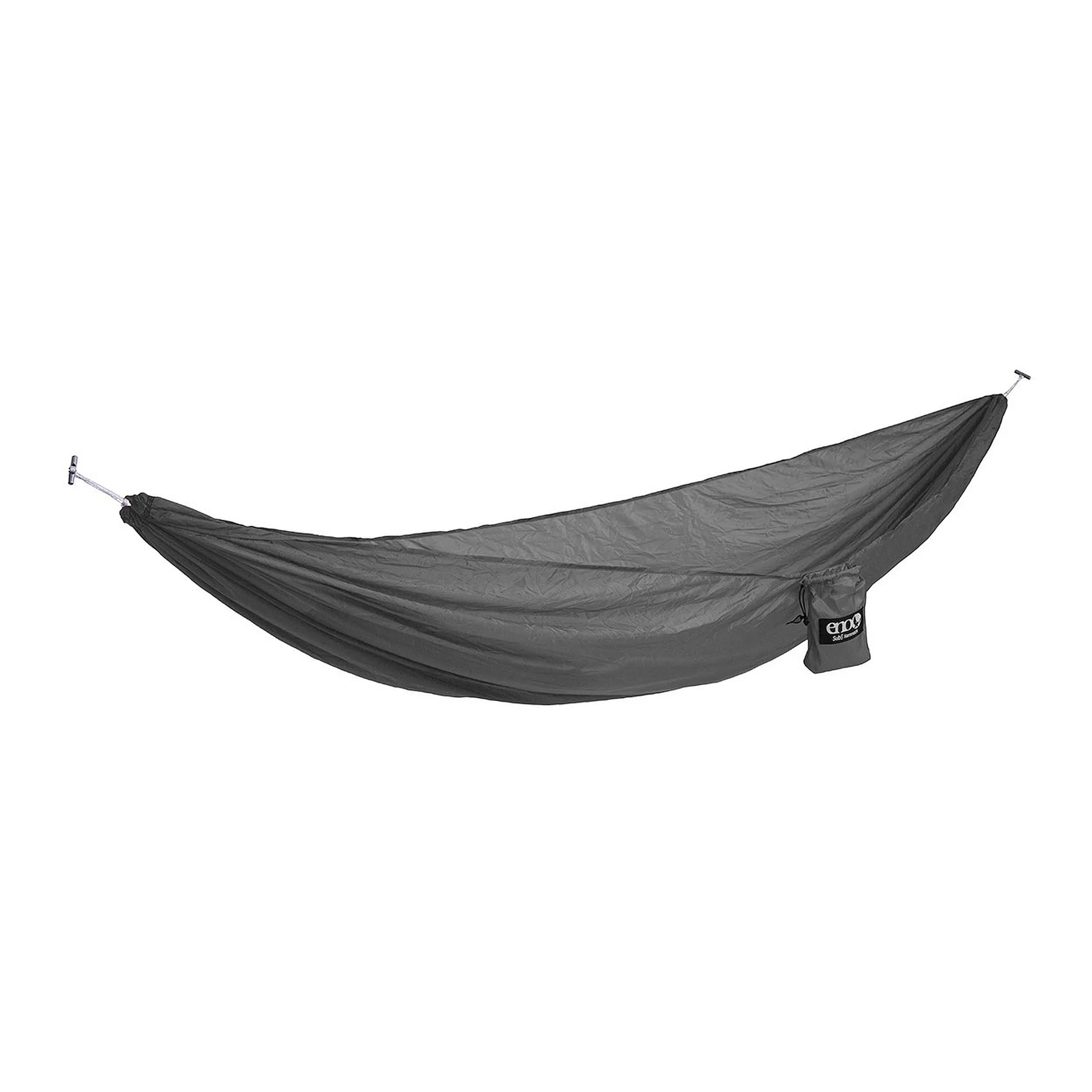
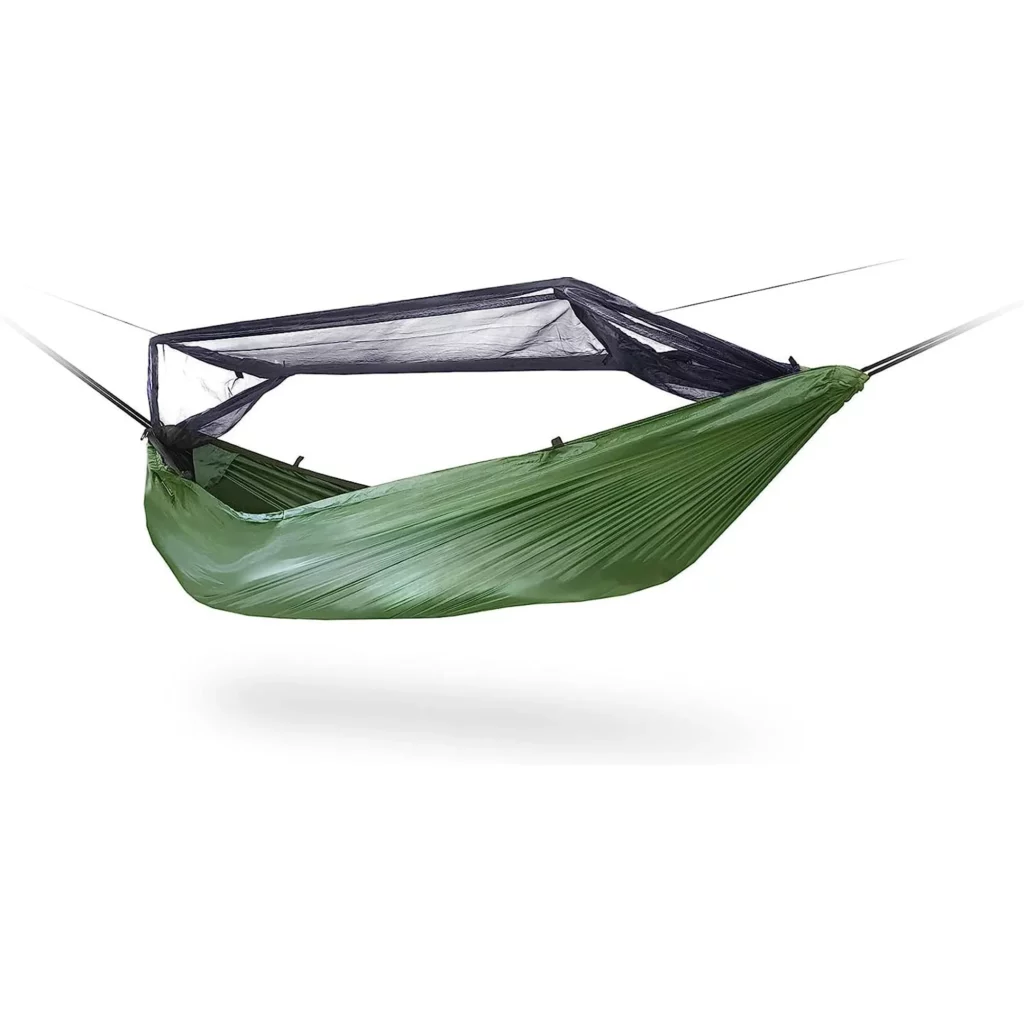
If you’re camping somewhere with suitable trees, a hammock is one of the best ways to slow down and enjoy the outdoors. It’s perfect for reading, taking an afternoon nap or simply relaxing while dinner cooks. Lightweight camping hammocks pack surprisingly small, making them an easy luxury to justify.
Coffee Kit
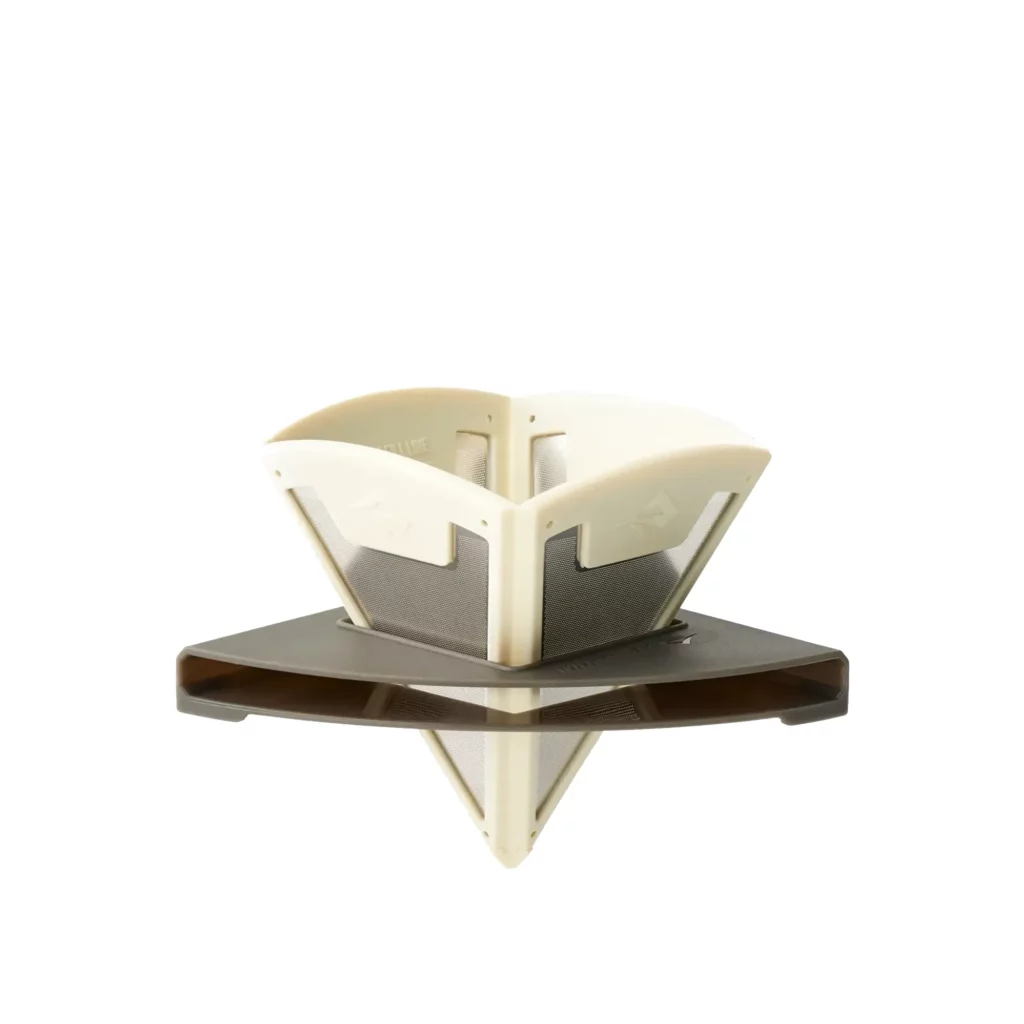
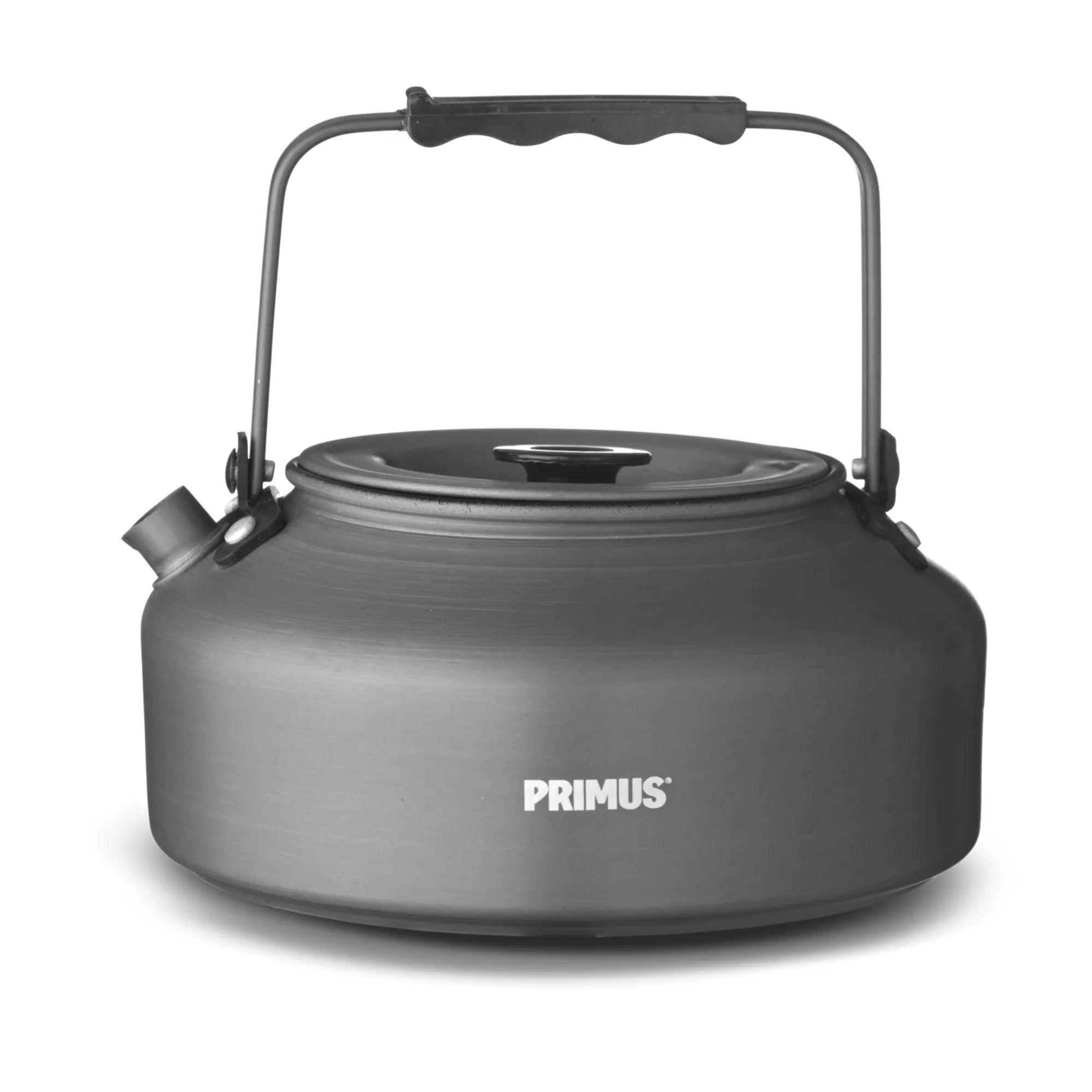
For many campers, a proper cup of coffee is part of the morning routine. Instead of relying on instant coffee, a lightweight brewing kit lets you enjoy fresh coffee wherever you’ve pitched camp. The Sea to Summit Frontier Pour Over is compact enough for backpacking, while an MSR Coffee Press is a great addition to compatible stove systems.
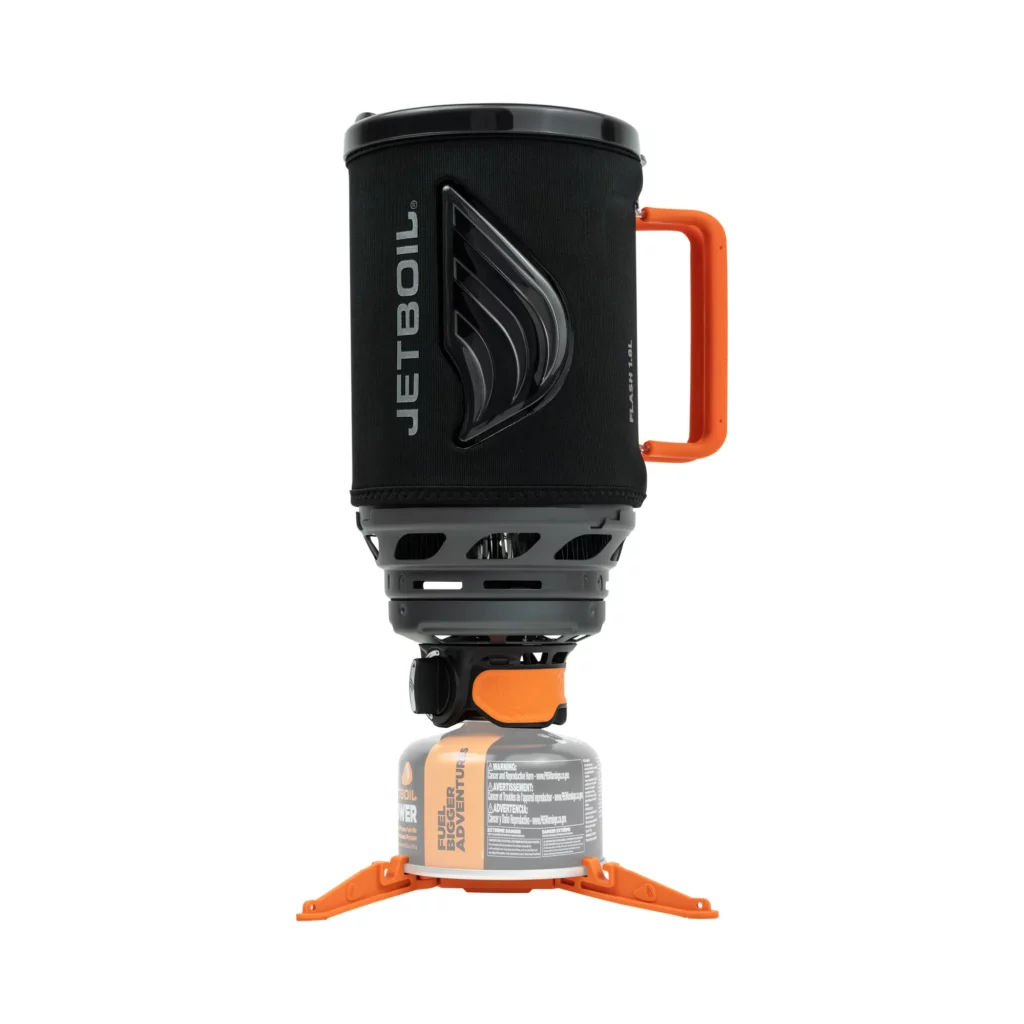
Camp Lighting
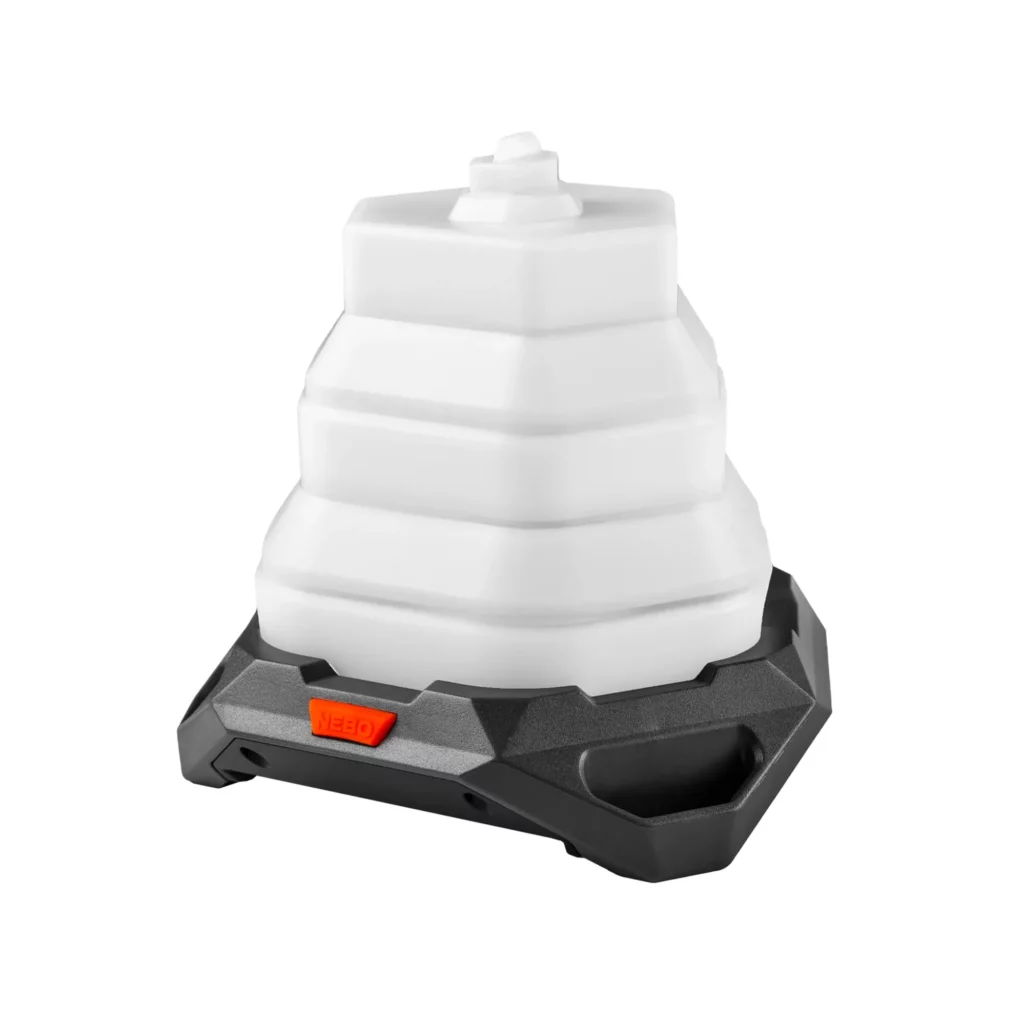
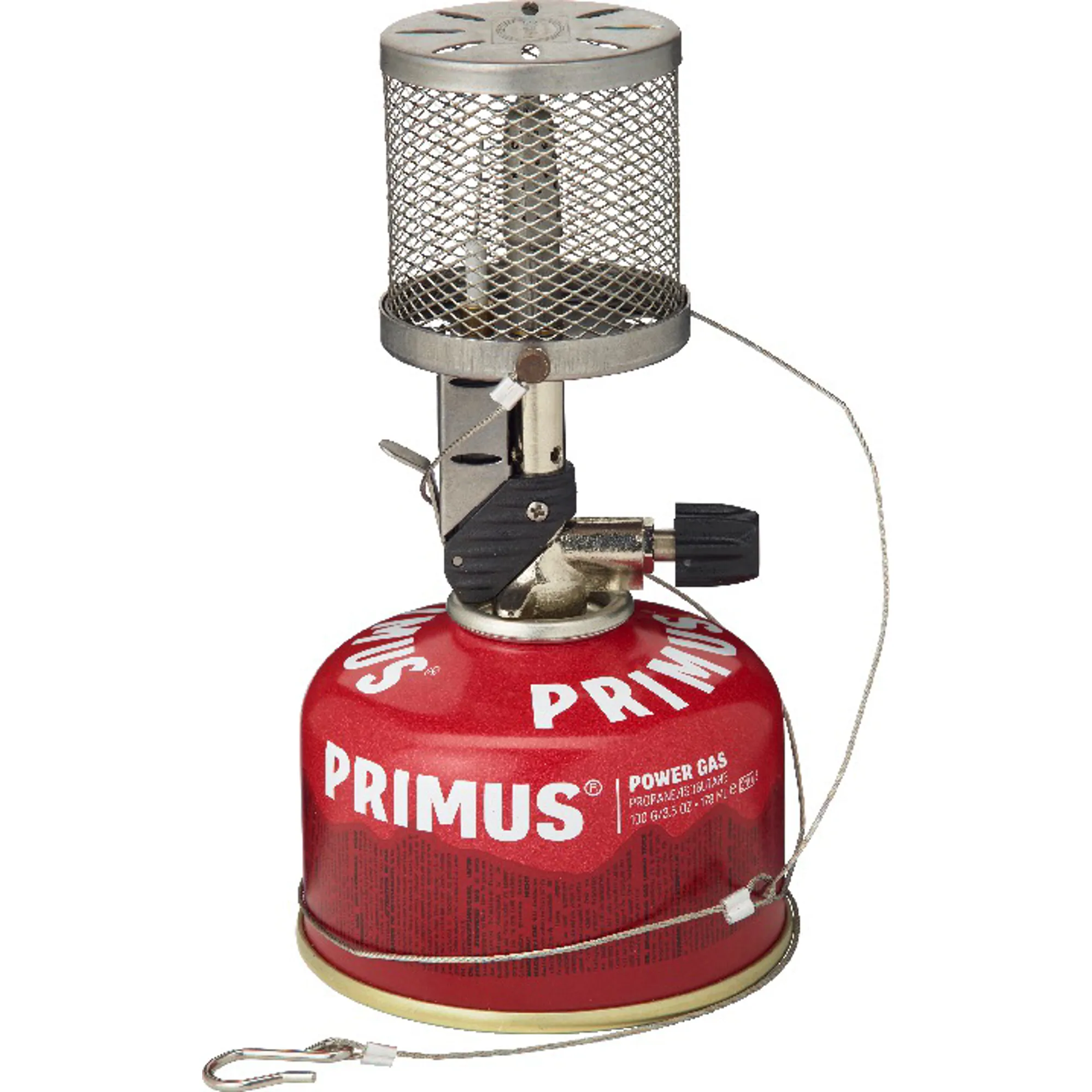
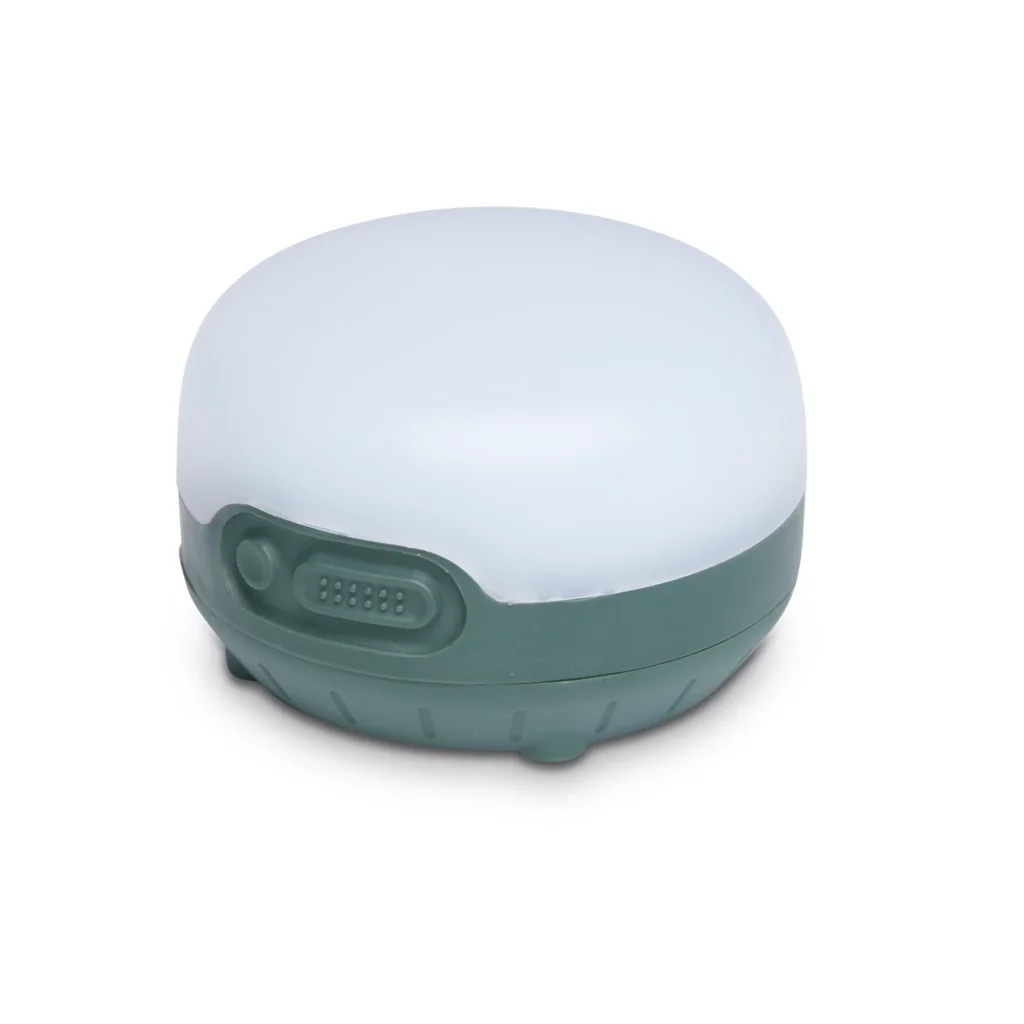
A head torch is essential, but additional lighting can completely change the feel of your campsite. A lantern or string of solar lights creates a warm atmosphere for cooking, eating and relaxing after dark without relying solely on the beam of a head torch.
Dry Bags
Dry bags are one of those pieces of kit you don’t realise you need until you own one. They keep spare clothing, sleeping gear and electronics protected from rain, mud and damp conditions while making it much easier to organise your equipment inside your rucksack or car.
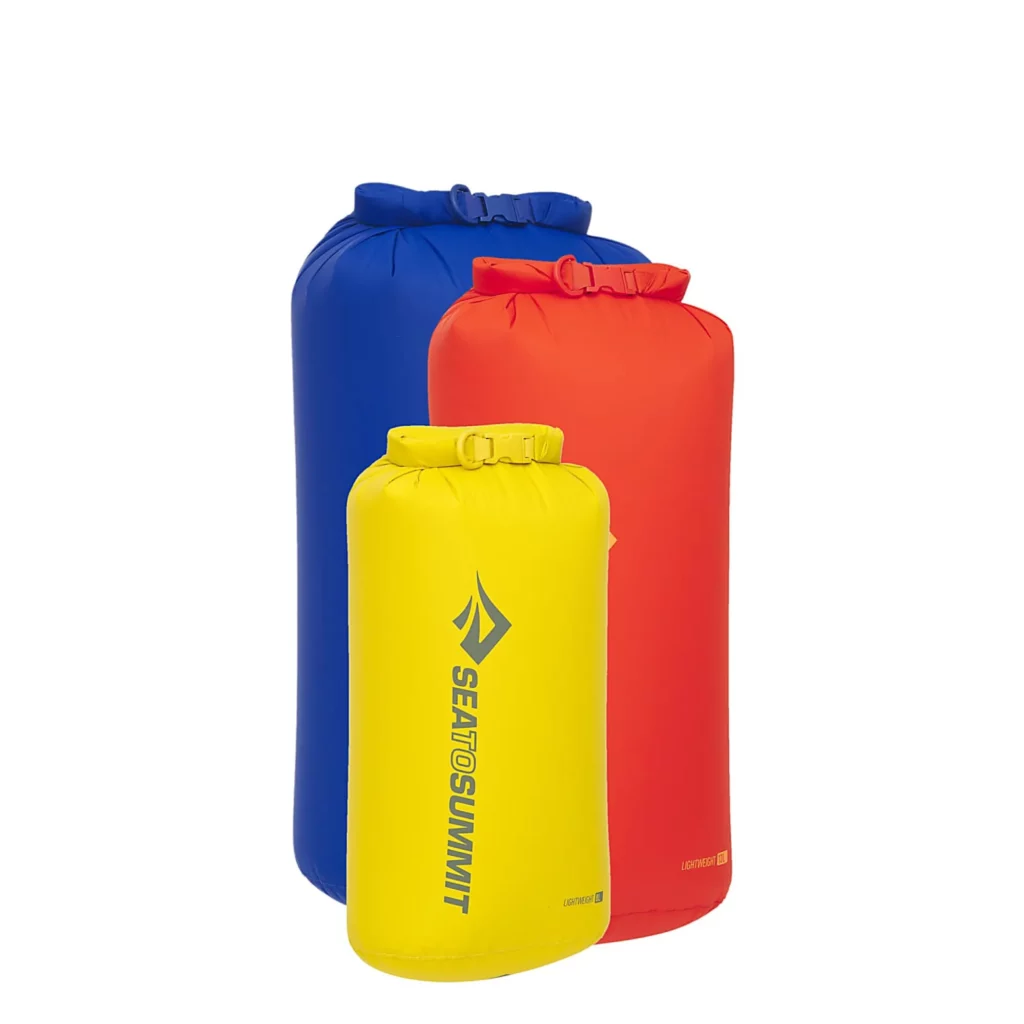
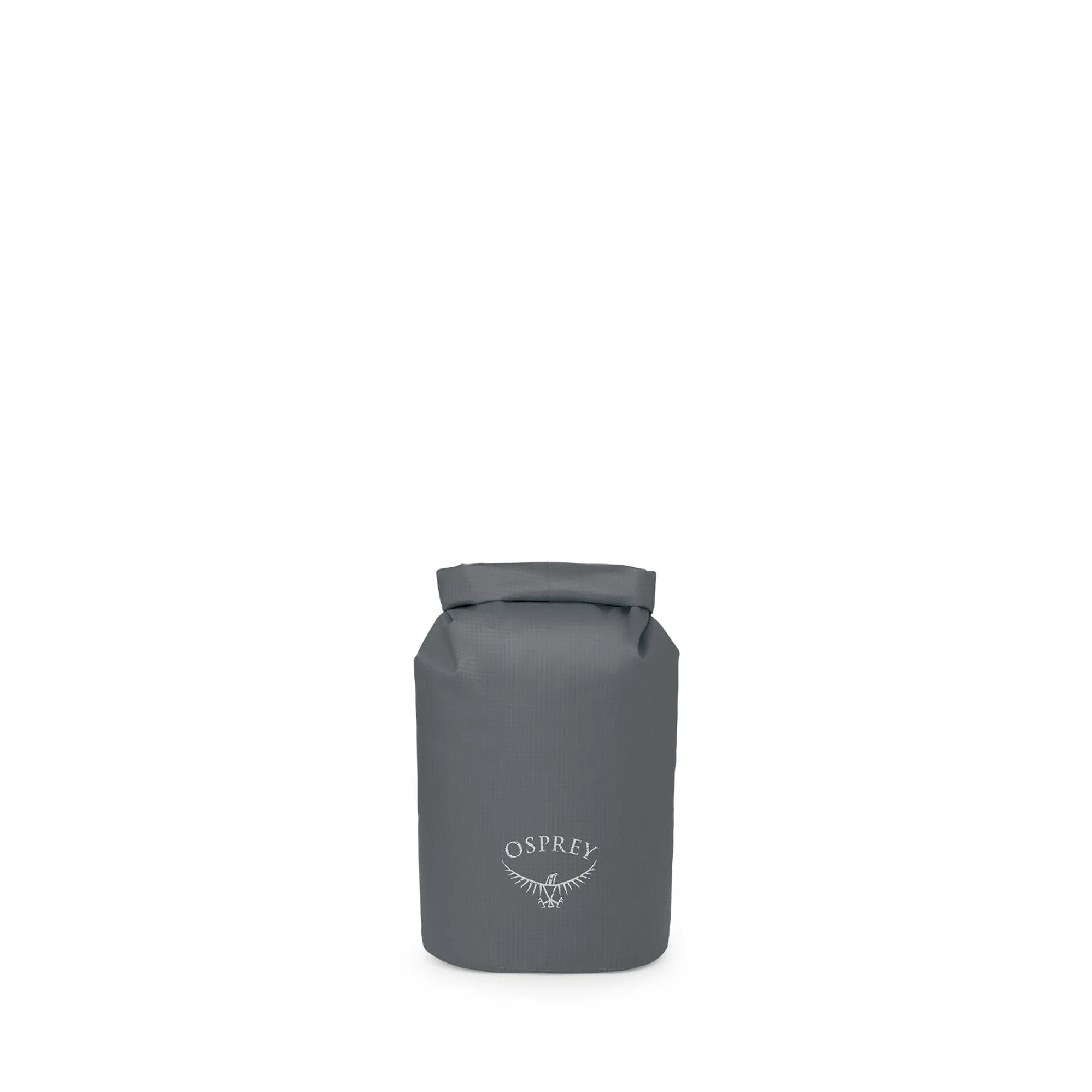
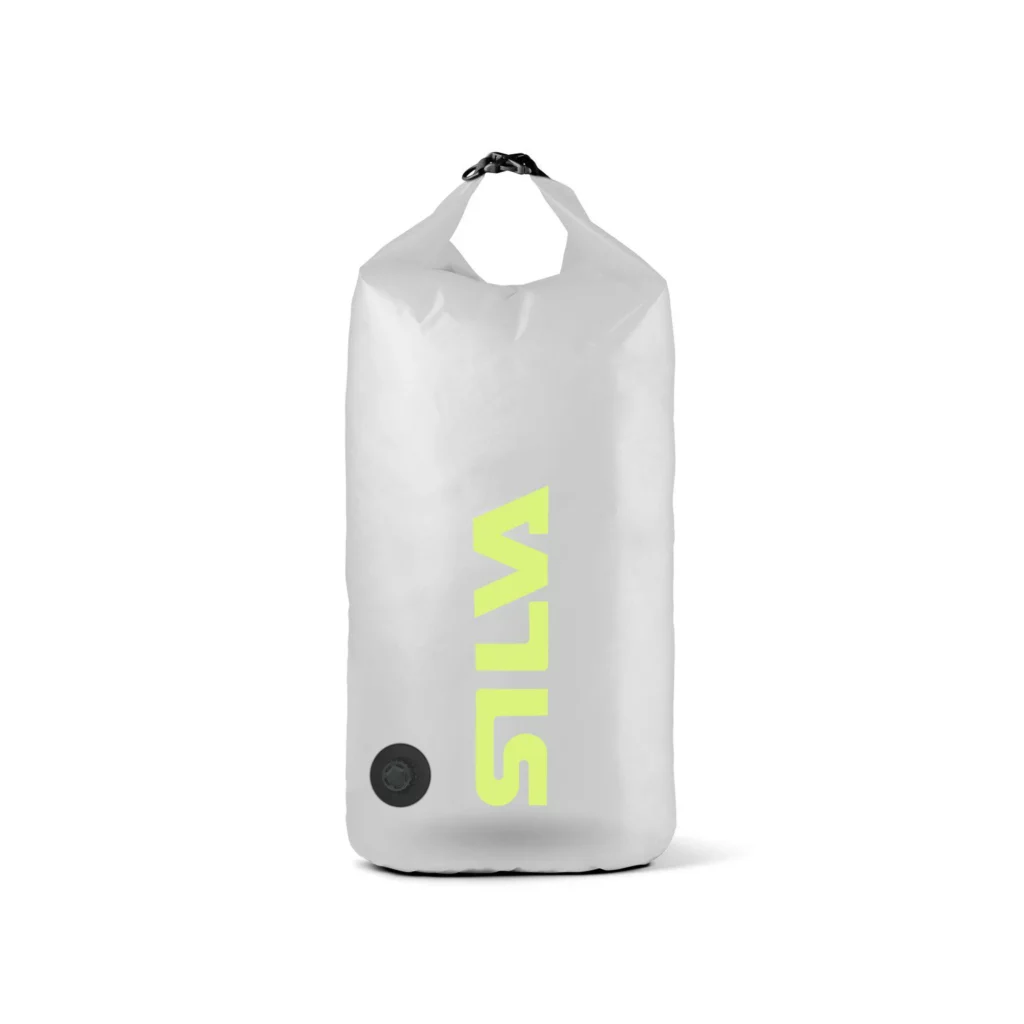
Dry bags do much more than keep your gear dry. They’re one of the easiest ways to organise your camping kit, protect clothing and electronics from the weather, and make packing and unpacking far less stressful. If you’re not sure which size to choose or how to get the most from them, our guide covers everything you need to know. Why to Use Dry Bags?
Camp Footwear
After spending the day in walking boots, changing into a comfortable pair of camp slippers is a simple luxury your feet will thank you for. They’re perfect for walking around the campsite, making a late-night trip to the facilities or simply relaxing outside your shelter without putting your boots back on.
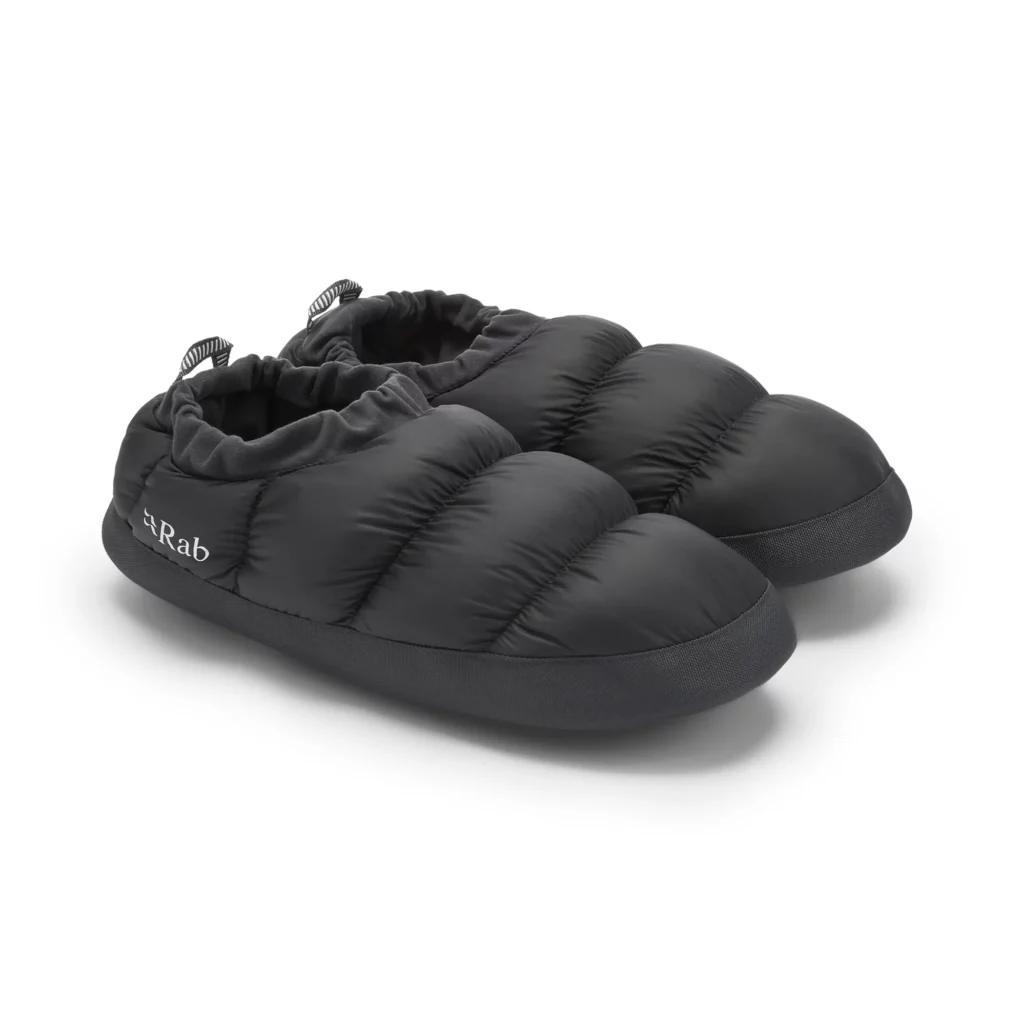
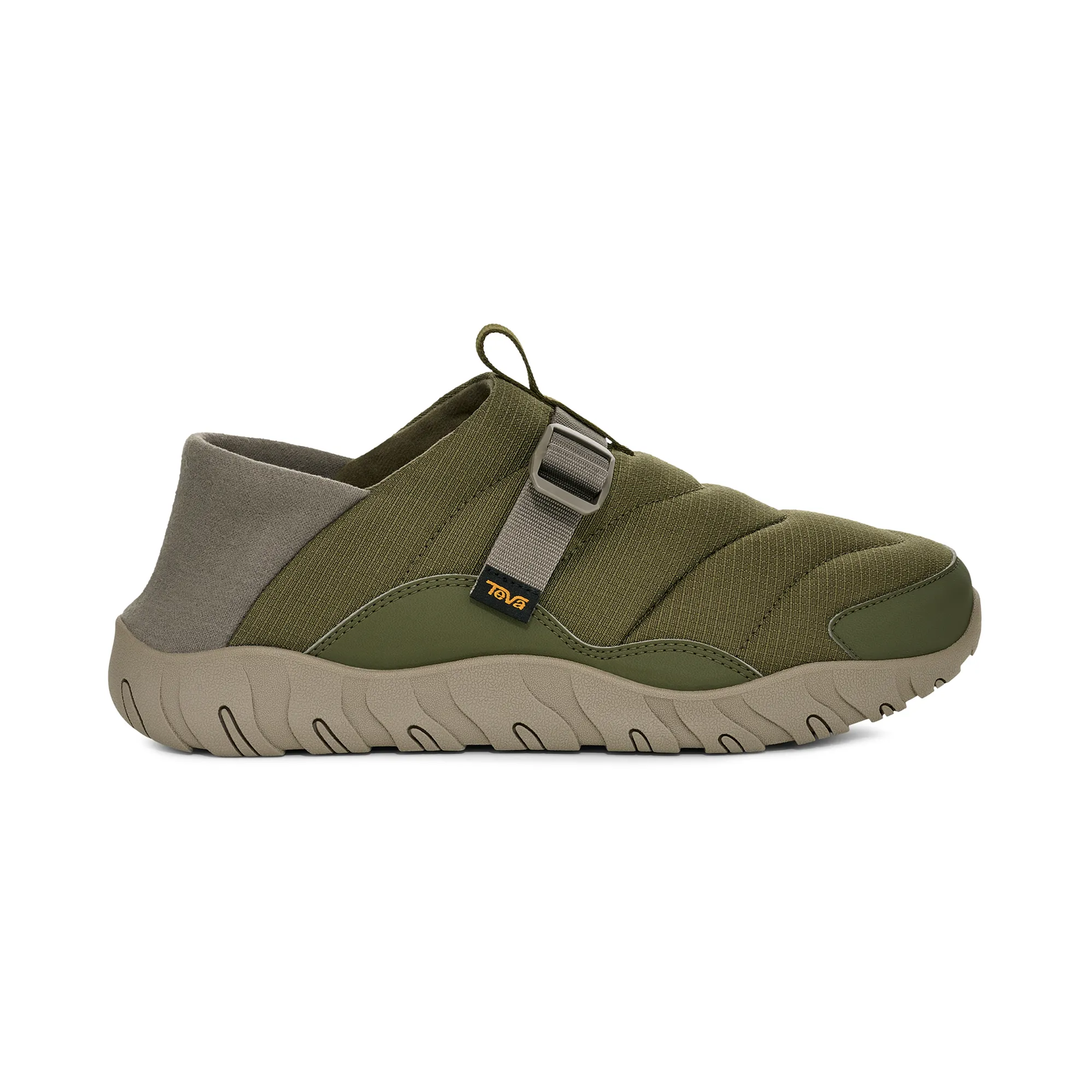
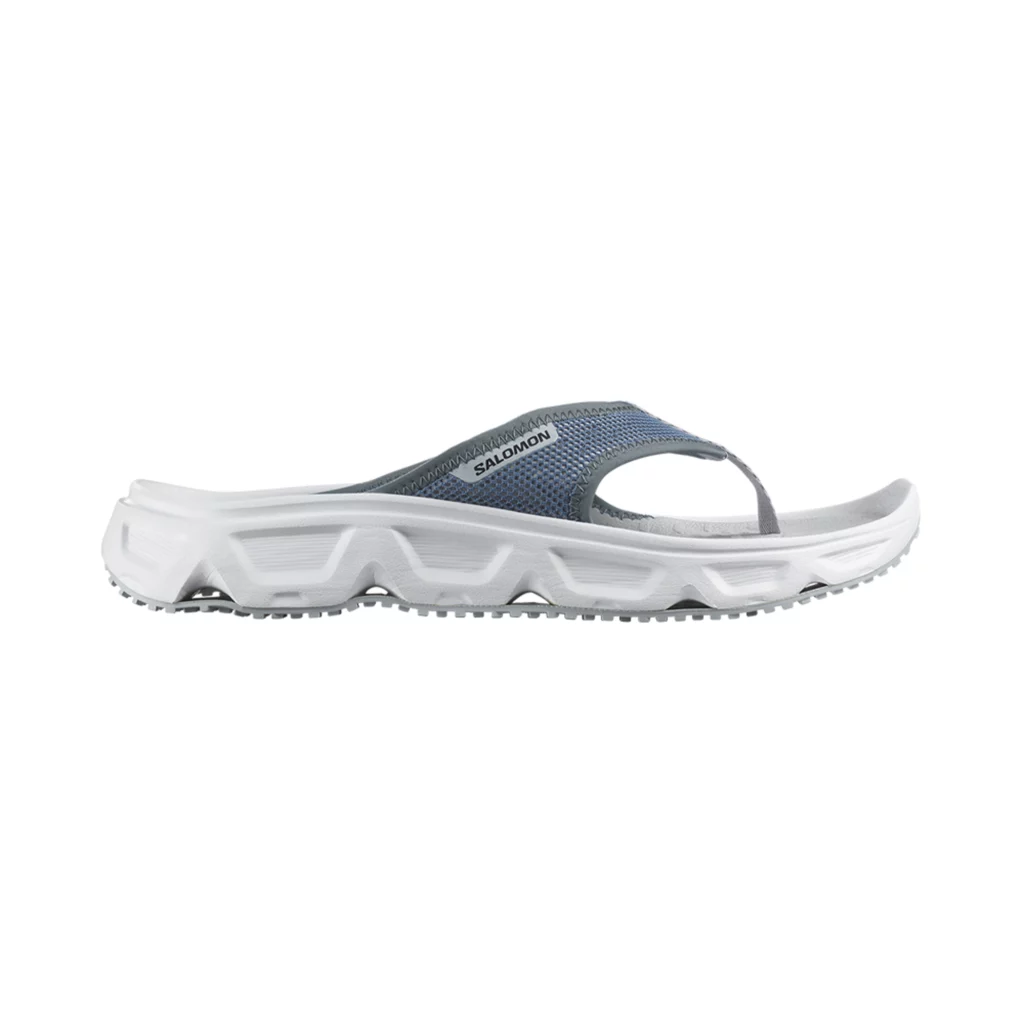
These comfort items aren’t essential for every camping trip, but they’re often the upgrades campers appreciate most. Start with the basics, then gradually add a few luxuries that suit the way you like to camp.
7. Browse Our Complete Camping Collection
Ready to build your camping kit? Whether you’re replacing old favourites, preparing for your very first trip or upgrading your setup for longer adventures, you’ll find everything you need in one place at Trekitt. From lightweight backpacking equipment to comfortable campsite essentials, our carefully selected range is built to help you get the most from every night outdoors.
Explore our camping collections:
Visit Our Hereford Shop
If you’d like to see the gear before you buy, we’d love to welcome you to our Hereford store. It’s the perfect place to compare products, get a closer look at the latest camping equipment and speak to our friendly team of outdoor experts.
FAQ
The basic camping essentials include a shelter, sleeping bag, sleeping mat, stove, fuel, cookware, water bottle, head torch, waterproof clothing, first aid kit and appropriate clothing for the weather. These items will cover the needs of most camping trips in the UK. 
Pack the essentials first, including your shelter, sleeping system, cooking equipment, food, water, clothing, lighting and personal items. You can then add comfort items such as a camping chair, pillow or blanket if you have the space.
The UK’s weather can change quickly, so it’s important to pack waterproof clothing, warm layers and a reliable shelter, even during summer. A good sleeping bag, insulated sleeping mat and head torch are also recommended for comfortable nights outdoors.
The camping gear you’ll need depends on the type of trip you’re planning. Most campers should bring a shelter, sleeping bag, sleeping mat, cooking equipment, suitable clothing, lighting, food, water and a basic first aid kit.
Start by dividing your packing list into categories such as shelter, sleeping, cooking, clothing, food and water, lighting and safety. Tick off each item as you pack to reduce the chance of forgetting something important.
For a typical weekend, one hiking outfit, one set of clothes for camp, spare underwear and socks, a warm midlayer and a waterproof jacket are usually enough. Pack extra clothing if wet or cold weather is expected.
Choose food that’s easy to prepare and store. Pasta, rice, noodles, dehydrated meals, porridge, snacks and hot drinks are all popular options. If you’re car camping, you can also bring fresh food in a cooler.
Some of the most commonly forgotten items include a head torch, fuel for your stove, tent pegs, toiletries, a power bank, a lighter and spare socks. Checking your packing list before leaving can help avoid last-minute surprises.
Yes. A sleeping mat provides cushioning for a more comfortable night’s sleep, but more importantly, it insulates you from the cold ground. Even the warmest sleeping bag won’t perform properly without suitable insulation underneath you.
If you’re planning to cook hot meals or make drinks, a camping stove is the simplest and most reliable option. For campsite holidays with cooking facilities, you may not need one, but most campers find a compact stove incredibly useful.
Leave a Reply