
Trekitt’s Essential Hiking Gear Checklist
A good day on the hill usually comes down to two things. Reasonable weather and having the right kit.
Unfortunately, we can’t help much with the first one.
What we can help with, though, is making sure you’ve got the right kit once the weather inevitably does what British weather does best.
At Trekitt we spend a lot of time hiking in classic UK conditions. Sideways rain in the Brecon Beacons, boggy Lake District trails, windy ridgelines in Scotland and the occasional “it said sunny on the forecast” disaster. Over the years, we’ve learnt that the right gear makes a massive difference, not just to comfort but confidence too.
This guide is designed as a hiking gear checklist for UK walkers, but with a bit more substance than the usual “pack a coat and some water” advice.
IN SHORT…
-
Understand what makes good hiking gear: We’ll explain the features and technologies that genuinely matter once UK conditions become wet, windy and unpredictable.
-
Learn how to choose the right core kit: From waterproof jackets to hiking footwear, we’ll cover the essentials that form the foundation of any hiking setup.
-
Build a layering system that actually works: You’ll learn how base layers, fleeces and insulation pieces work together to keep you comfortable outdoors.
-
Improve comfort on the trail: We’ll look at backpack fit, packing essentials and the smaller pieces of kit that make a surprisingly big difference.
-
Prepare for changing conditions: From summer walks to winter hillwalking, we’ll cover how your gear choices should adapt throughout the year.
This article is part of our 👉 Hiking Knowledge Centre, where you’ll find expert advice on hiking footwear, clothing, backpacks and outdoor skills.
The Essential Hiking Gear Checklist
Waterproof Jacket
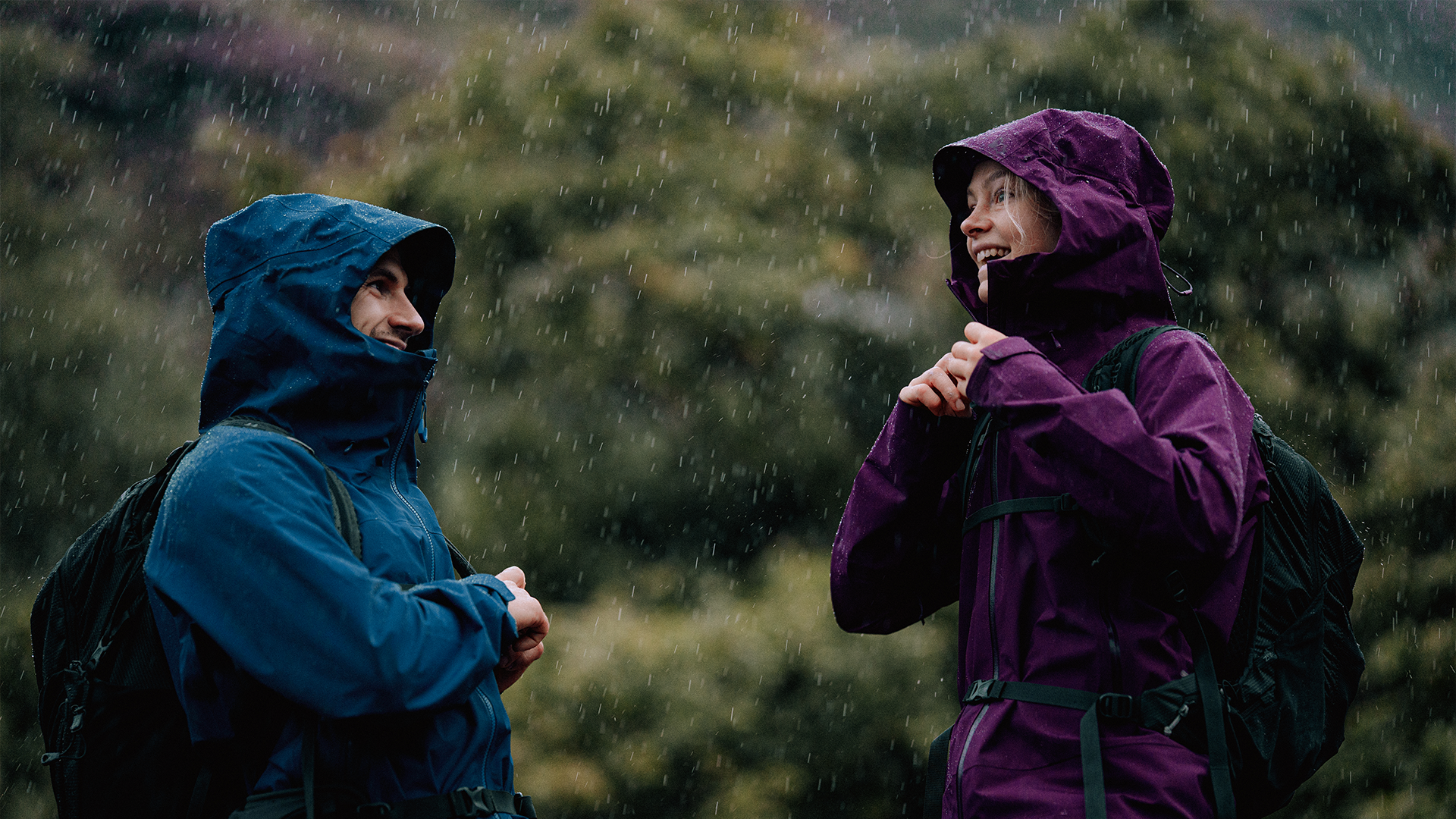
If there’s one piece of kit worth investing in properly, it’s your waterproof jacket.
A good waterproof can completely change your experience on the hill, especially in the UK where conditions can shift from sunshine to sideways rain remarkably quickly. The right shell keeps you protected, comfortable and able to keep moving when the weather inevitably turns.
For UK hiking, we’d recommend looking for:
- Hydrostatic head of 20,000mm or higher
- RET rating below 12 for decent breathability
- Fully taped seams
- Good hood adjustment
- Pit zips for ventilation
- Durable face fabrics that can handle pack straps
A technically brilliant waterproof still needs enough room for layering underneath without restricting movement, especially once temperatures drop or conditions worsen.
Why Hydrostatic Head Matters
Hydrostatic head measures waterproofing performance. The higher the number, the more water pressure the fabric can resist before leaking.
As a rough guide:
- 10,000mm = fine for lighter use
- 20,000mm+ = proper mountain-ready performance
- 28,000mm+ = excellent protection in prolonged rain
For regular UK hillwalking, especially in exposed areas, lower ratings can start to struggle once rain and wind combine.
And What About RET Ratings?
RET measures breathability. Lower numbers are better.
Because even the most waterproof jacket in the world becomes unpleasant if you feel like you’re hiking inside a steamed-up greenhouse.
- RET under 6 = exceptionally breathable
- RET 6 to 12 = ideal for active hiking
- RET 13 to 20 = acceptable
- RET above 20 = noticeably clammy during exertion
If you’re currently weighing up different shell options, check out our collection of Best Waterproof Jackets for Hiking where we break down the top performers for UK conditions, from lightweight summer shells to serious mountain-ready waterproofs.
Hiking Boots or Hiking Shoes
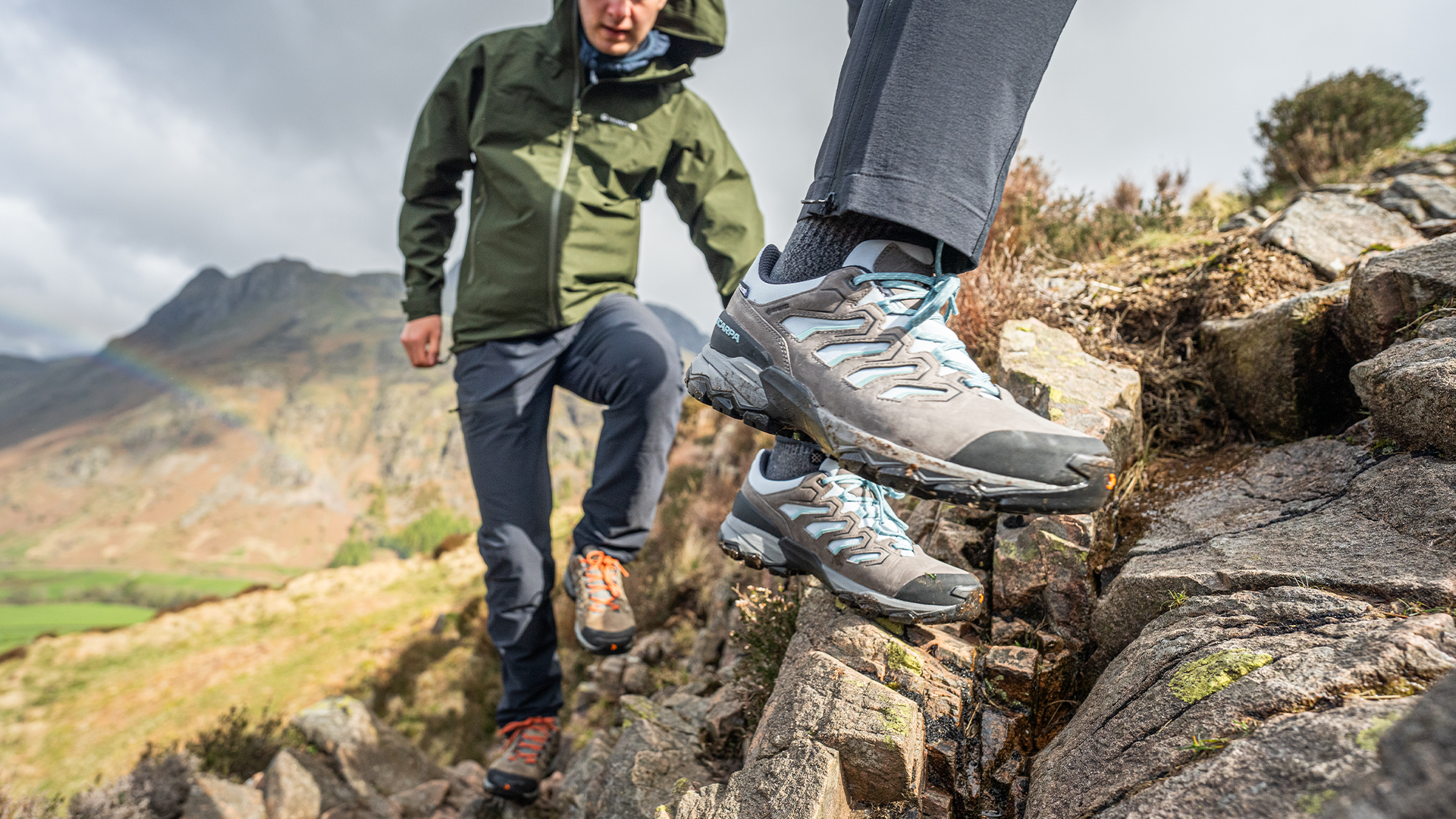
This is the classic hiking debate.
Boots or shoes?
Honestly, both are excellent. The trick is choosing the right tool for the terrain and your walking style.
Choose Boots If You:
- Hike regularly in wet, muddy conditions
- Carry heavier packs
- Spend time on rough mountain terrain
- Prefer extra protection around the ankle
Choose Shoes If You:
- Prioritise lightweight comfort
- Walk quickly
- Mainly stick to maintained trails
- Want better breathability in warmer weather
If you’re still unsure which route to go down, our Hiking Boots vs Hiking Shoes guide breaks down the pros, cons and ideal use cases for both, including which option tends to work best in typical UK conditions.
A Quick Word on Grip
Not all outsole rubber performs equally, especially on wet British rock, which has humbled many hikers over the years.
Look for footwear using proven outsole technologies such as Vibram, particularly if you regularly hike on mixed or technical terrain. Vibram soles are popular for a reason, offering reliable grip, durability and traction across everything from muddy trails to slippery rock slabs.
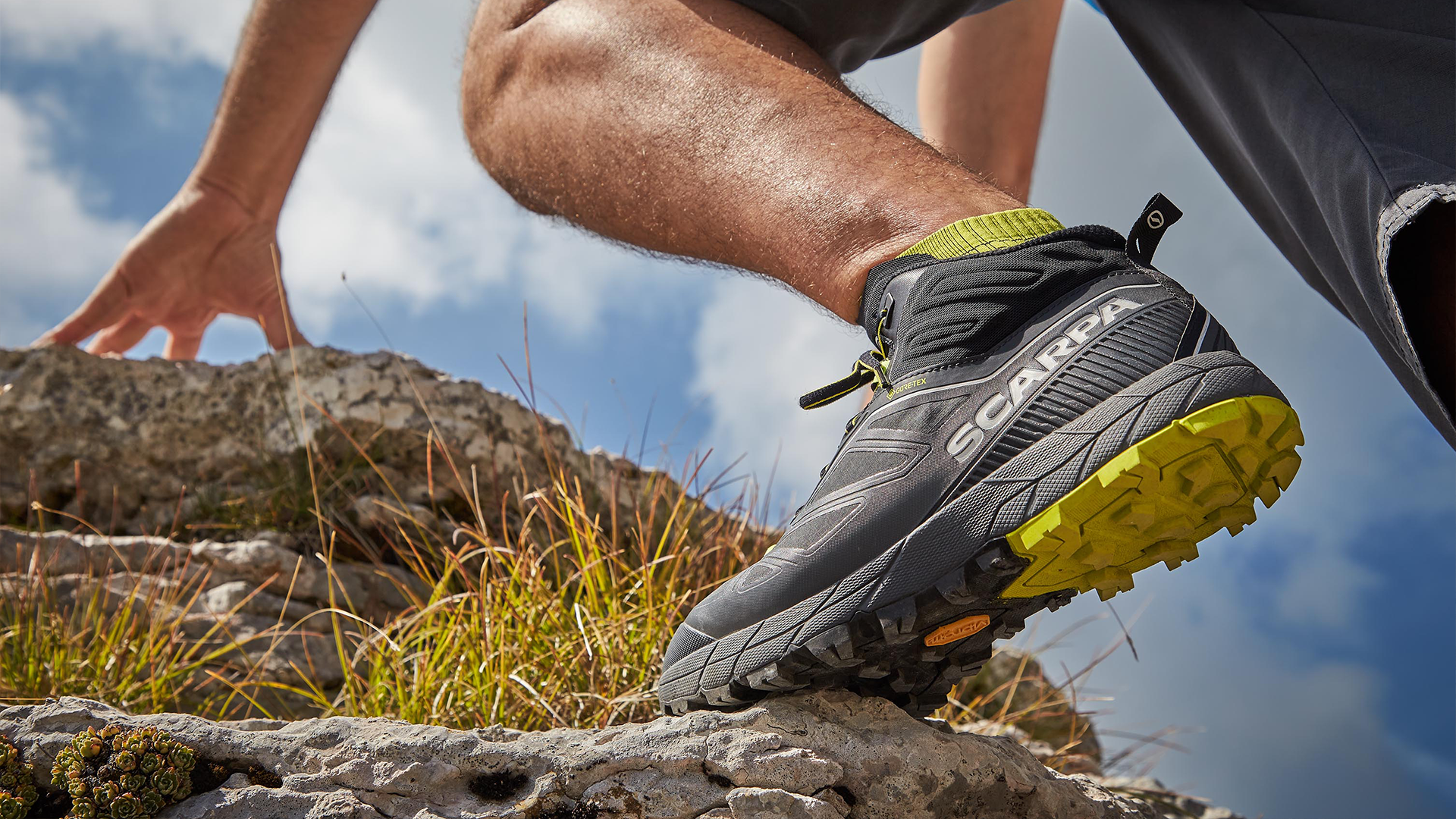
It’s also worth paying attention to lug depth depending on where you hike most often.
- Deep lugs perform better in mud and softer ground
- Sticky rubber compounds improve grip on wet rock and hard-packed trails
A good outsole can make a huge difference once conditions get properly greasy underfoot.
Waterproof Footwear Membranes
Most hiking footwear now uses waterproof membranes such as Gore-Tex.
They work well in wet grass, puddles and prolonged rain, but they aren’t magic. Once water comes over the top of the boot, you’ve essentially created a very expensive bucket.
Hiking Socks
Good hiking socks matter more than many people realise too. Merino blends are particularly popular because they help regulate temperature, manage moisture and reduce friction far better than standard cotton sports socks.
Base Layers
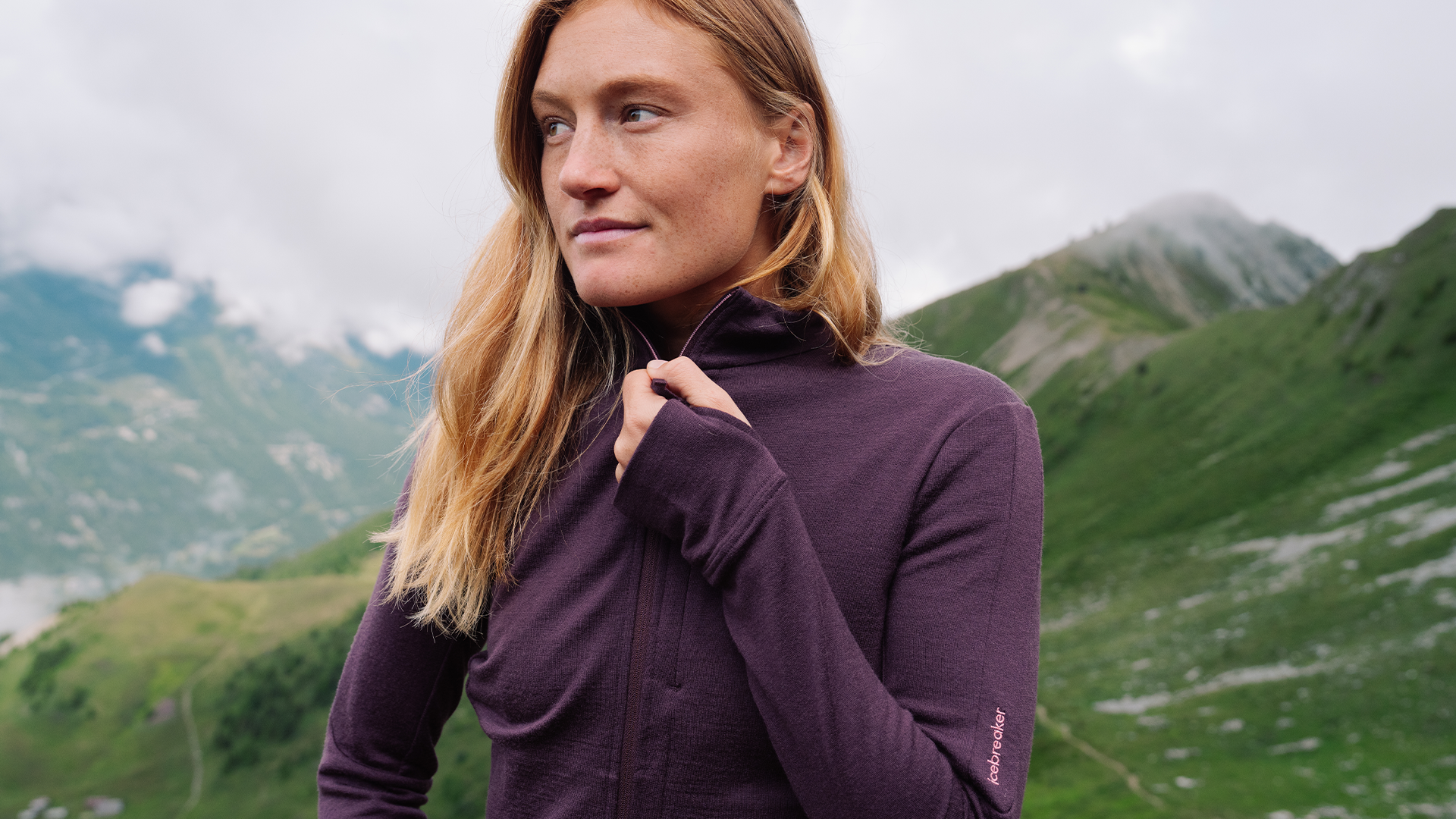
Your base layer’s job is simple. Move sweat away from your skin before you turn cold and miserable.
This is why cotton is usually a terrible idea for hiking. Once wet, it stays wet.
Instead, look for:
- Merino wool for comfort and odour resistance
- Synthetic fabrics for fast drying performance
- Hybrid blends for all-round versatility
Merino is brilliant for cooler conditions and multi-day use. Synthetic layers tend to perform better during high-output hikes where moisture management matters most.
Midlayers and Insulation
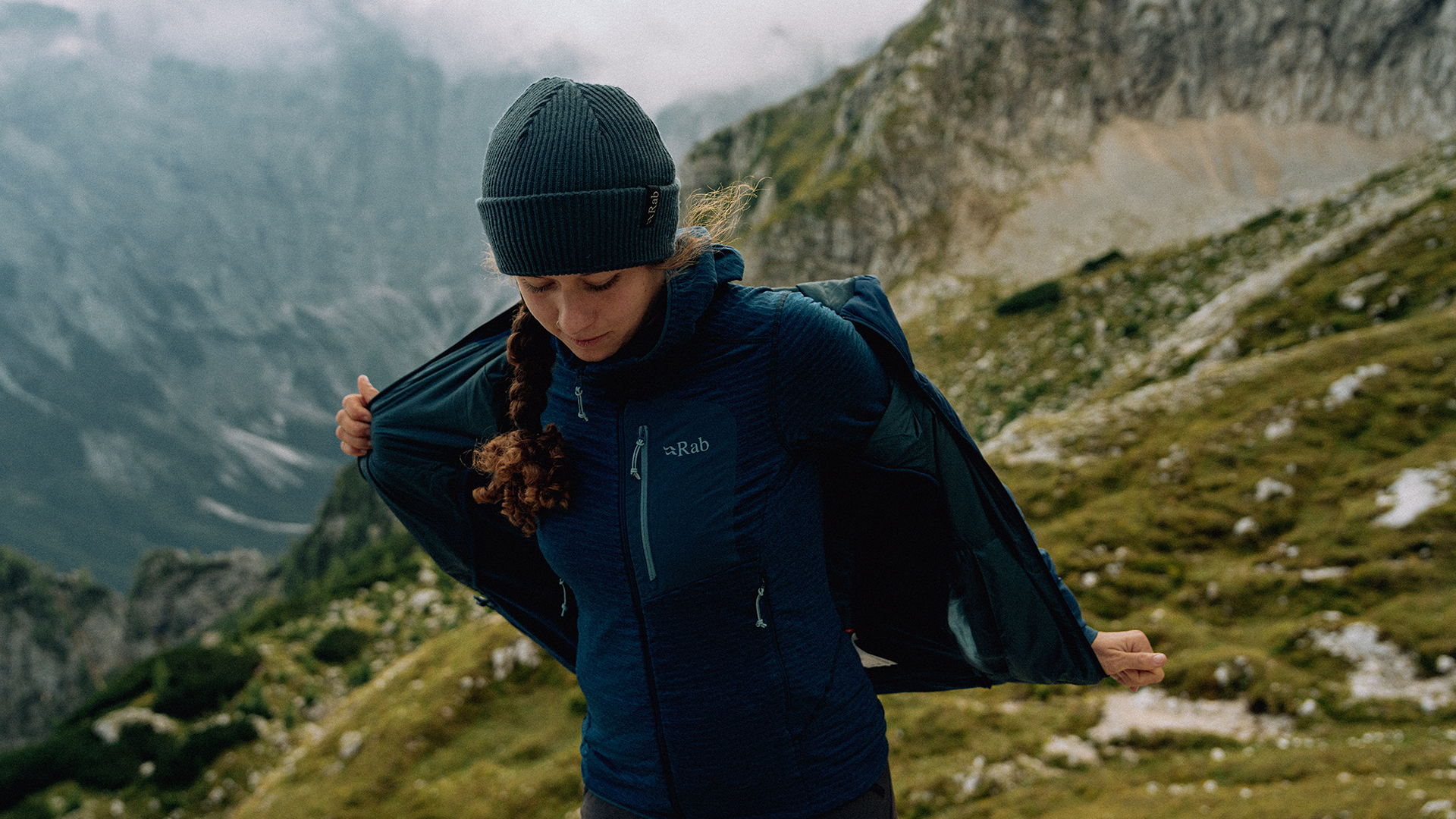
This is your warmth layer.
And no, the giant bulky fleece from 2007 is not necessarily the pinnacle of insulation technology, although we all seem to own one.
Fleeces
Still one of the best options for UK hiking.
Why?
Because fleece keeps working when damp, breathes brilliantly and handles stop-start hiking well.
Grid fleeces are especially good for active use because they release excess heat more efficiently during climbs.
If you’re looking for something versatile for UK hillwalking, have a browse through our collection of Best Midlayers for Hiking where we’ve picked out some of our favourite fleeces, active insulation layers and lightweight midlayers.
Synthetic Insulation
Synthetic insulated jackets are excellent for damp British weather.
Technologies like PrimaLoft and Polartec Alpha continue insulating even when moisture builds up, making them ideal for unpredictable conditions.
Down Insulation
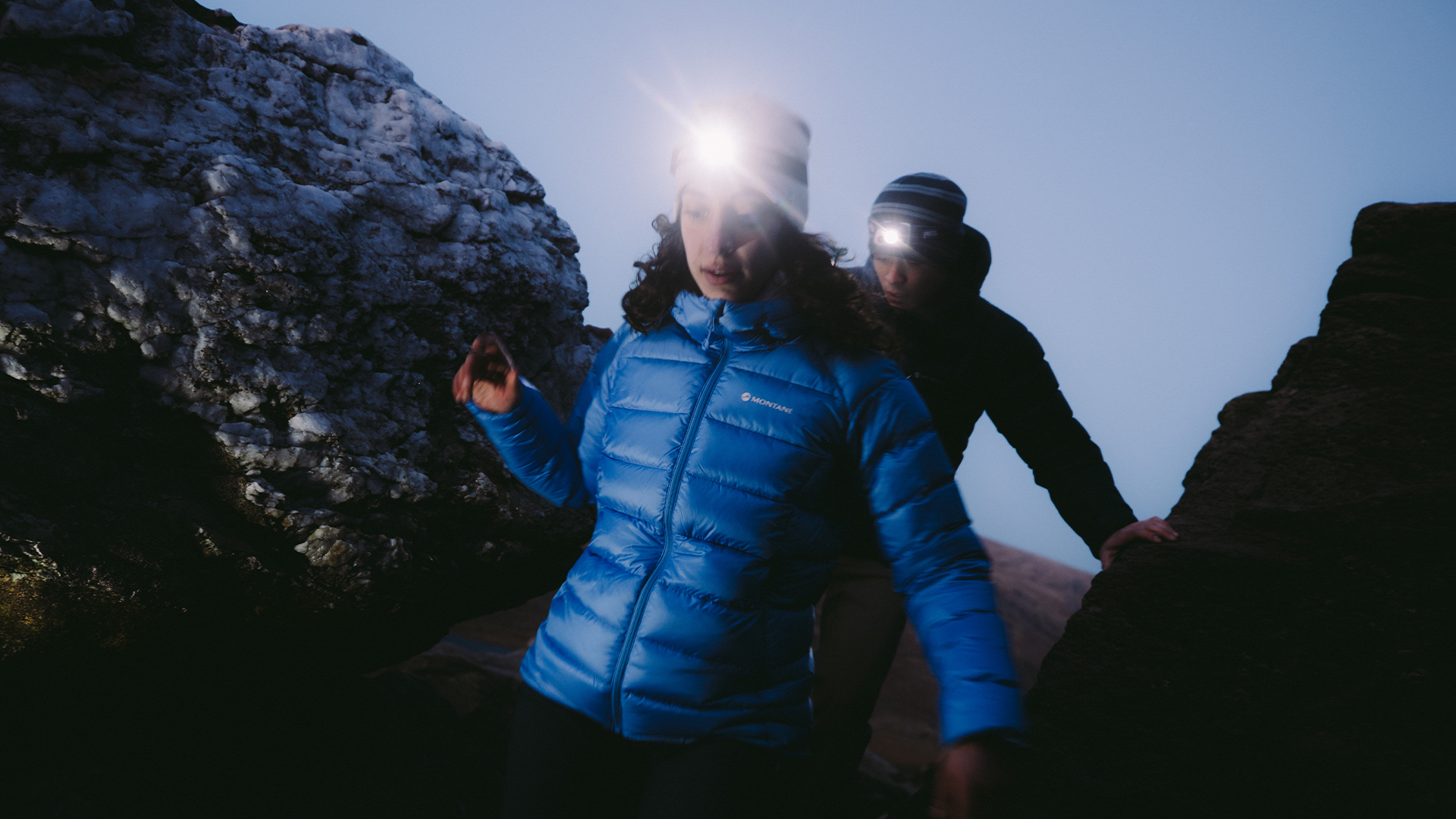
Down offers incredible warmth for very low weight.
Higher fill power down, such as 800-fill or above, traps more warmth for less bulk.
The downside (no pun intended…)? Down and persistent moisture are not best friends.
If you’re unsure which insulation type suits your hiking best, our Down vs Synthetic guide explains the strengths and weaknesses of both in real UK conditions.
Hiking Backpack
A good backpack should disappear into the background while you hike.
A bad one will remind you it exists every five minutes.
For most day hikes, we’d suggest somewhere around 20 to 30 litres.
Enough room for:
- Waterproofs
- Spare layers
- Food
- Water
- Emergency kit
- The snacks you swore you wouldn’t pack but absolutely did
Most hikers eventually learn the same lesson. If you pack for every possible scenario, your backpack quickly starts weighing as much as a small child.
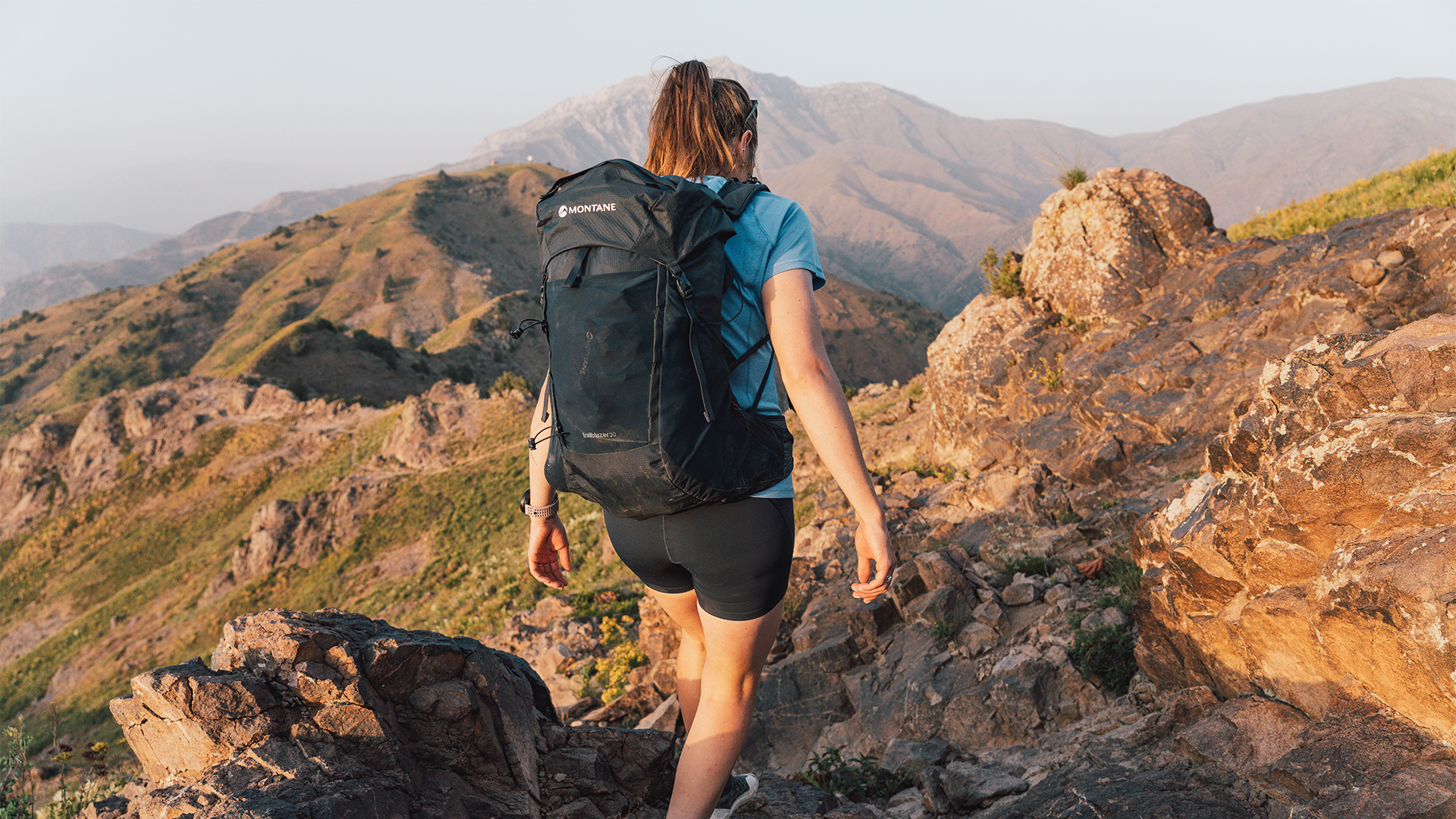
What Actually Matters in a Pack?
Proper back length fit
- Supportive hip belt
- Stable load transfer
- Ventilation
- Easy-access pockets
Ventilated back systems are great in warmer weather but sometimes carry slightly less securely on technical terrain compared to close-contact designs.
If you’re looking for something in that sweet spot for day hikes and hillwalking, our Best Daypacks for Hiking guide covers some of our favourite 20 to 30 litre packs for everything from summer trails to full mountain days.
Dry Bags Are Worth It
Even “waterproof” backpacks can eventually let moisture in during sustained rain.
Dry bags weigh very little and stop your spare layers from becoming damp.
If you’ve never used them before, our Why Use Dry Bags? guide explains exactly why they’re one of the simplest but most useful additions to any hiking kit list, especially in classic British rain.
Navigation and Safety Essentials
Map and Compass
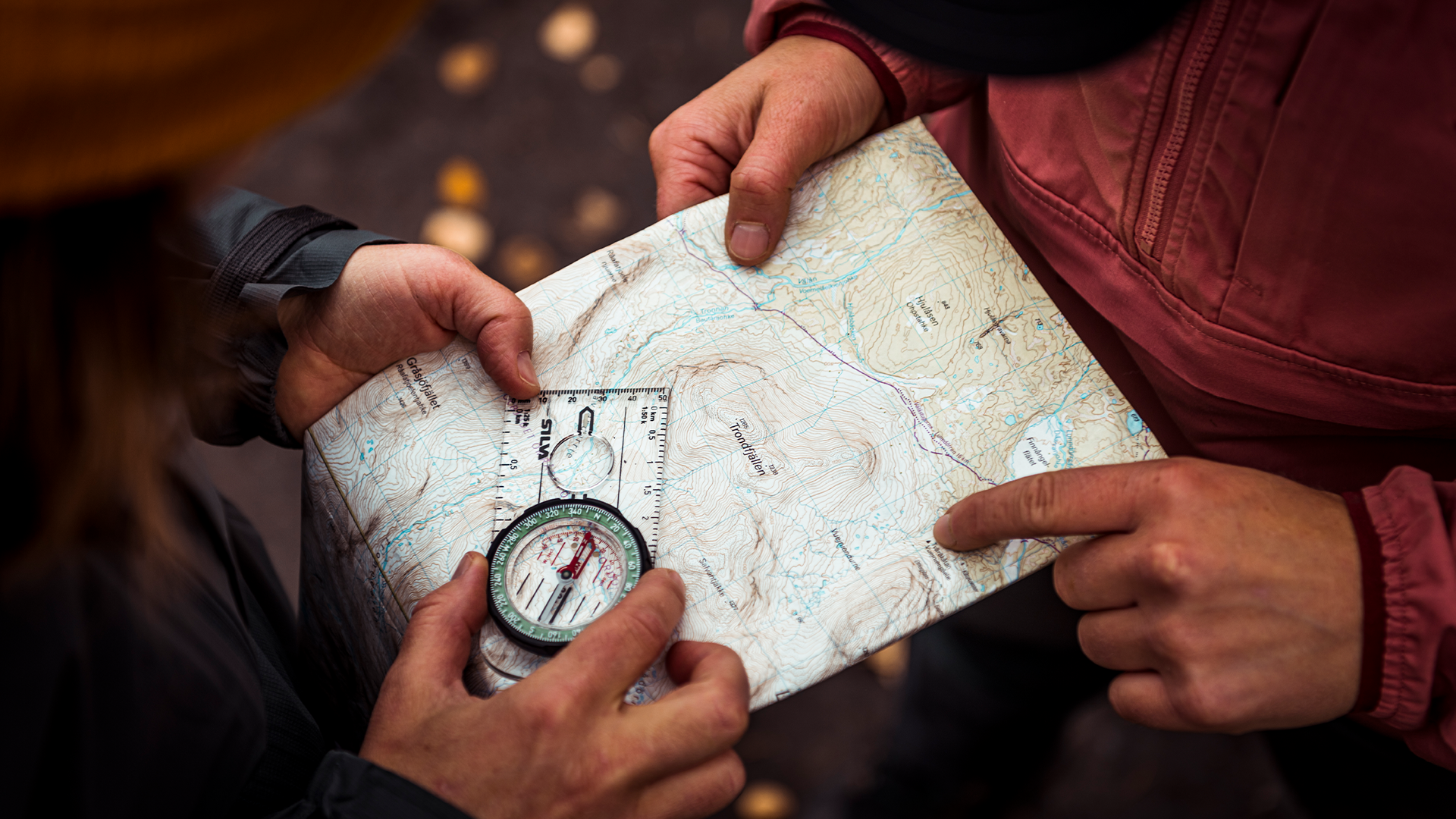
Yes, your phone is useful.
No, it should not be your only navigation method in the mountains.
Cold weather destroys battery life surprisingly quickly and signal coverage in remote UK terrain can still be unreliable.
At minimum, carry:
- Paper map
- Compass
- Fully charged phone
- Backup battery pack
Headtorch
Always carry one.
Even if you’re “only going for a short walk”.
Because short walks have an amazing ability to become very long walks once weather, navigation or snack stops get involved.
Look for:
- IPX4 weather resistance or higher
- Rechargeable batteries
- Around 300 to 500 lumens for general hiking use
Trekking Poles
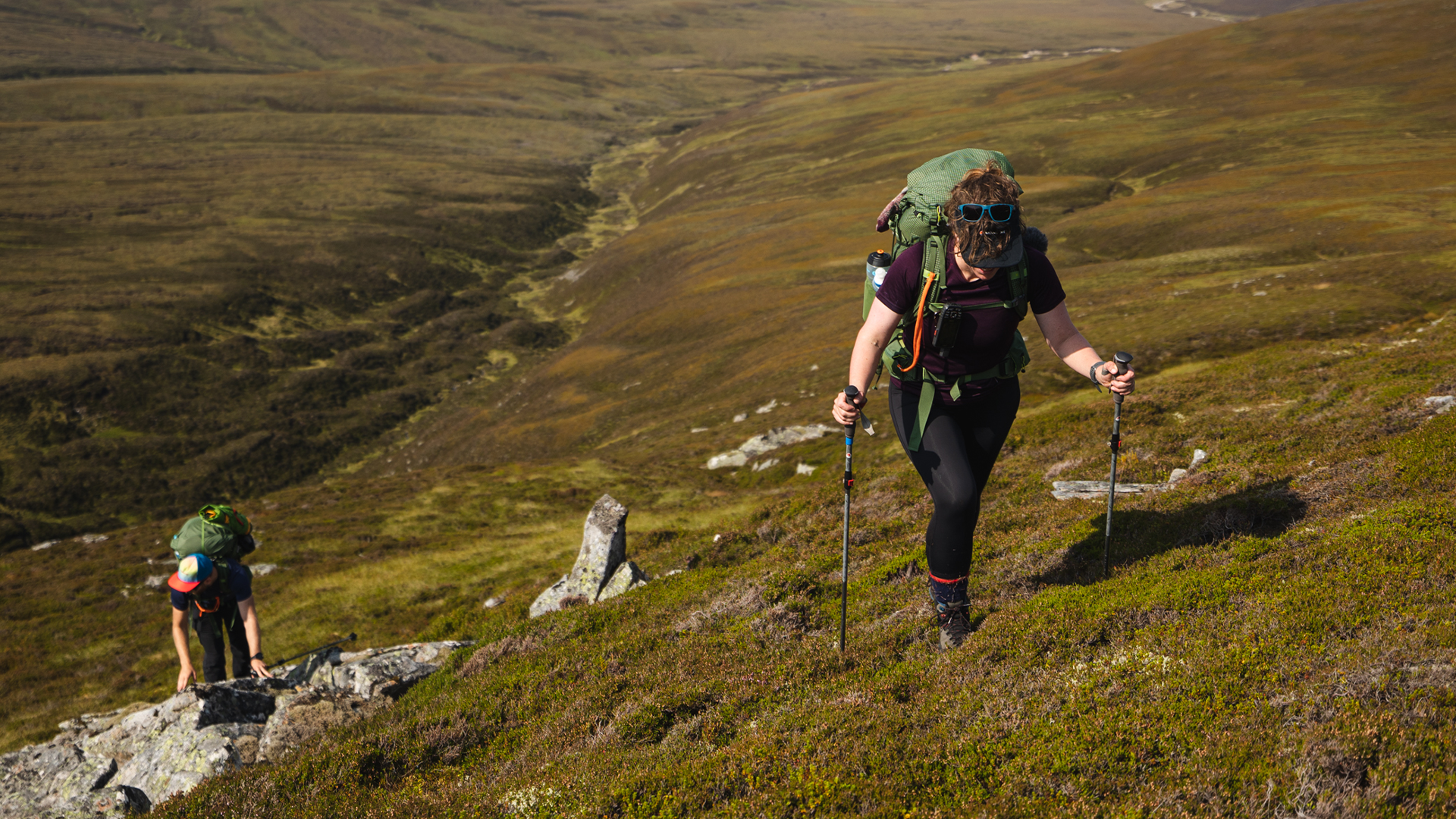
Trekking poles can make a huge difference on longer hikes, particularly when carrying heavier loads or travelling on steep terrain. Modern lightweight poles also help reduce knee fatigue and improve stability when conditions become slippery underfoot.
Emergency Shelter
For mountain days, a lightweight bothy bag or emergency shelter is one of the smartest safety items you can carry.
Hopefully it stays in your pack forever unused.
But if things go wrong, it becomes invaluable very quickly.
Food and Hydration
Water
Hydration matters year-round, including winter.
Carry:
- Water bottles
- Soft flasks
- Or a hydration reservoir
In colder weather, insulated bottles help prevent freezing.
Snacks
Never underestimate morale food.
Some hikers measure routes in kilometres or miles. Others, like myself, measure them in flapjack intervals.
High-energy, easy-to-eat snacks are ideal:
- Nuts
- Trail mix
- Flapjacks
- Energy bars
- Sandwiches
Seasonal Extras
Summer Hiking
You’ll usually want:
- Sunglasses
- Sunscreen
- Lighter layers
- More water capacity
And yes, still a waterproof jacket. This is the UK after all.
Winter Hiking
Winter hillwalking is a completely different environment.
Additional kit may include:
- Insulated gloves
- Spikes or crampons
- Ice axe
- Goggles
- Heavier insulation
Winter conditions should never be underestimated, particularly in Scottish mountain environments. If you’re planning to head into the hills during colder months, our Top 10 Winter Walking Tips guide covers the extra preparation, gear and safety considerations worth knowing before you go.
Final Thoughts
The best hiking kit is not necessarily the lightest, most expensive or most technical. It’s the gear that keeps you comfortable when conditions turn properly British.
At Trekitt, we’d always recommend focusing on the fundamentals first. Good waterproofs, comfortable footwear and an effective layering system will improve almost every walk you do.
After that, you can fine-tune things depending on how and where you hike.
And remember, every experienced hiker has made gear mistakes. Usually, while standing in sideways rain, wondering why they trusted the forecast.
If you’re still unsure what gear is right for you, feel free to get in touch with the team. You can email us at [email protected], give us a call on 01432 263335 or pop into our Hereford service centre, where we’re always happy to talk through kit, layering systems and hiking setups in a bit more detail.
FAQs
For regular UK hillwalking, we’d recommend at least 20,000mm hydrostatic head for reliable waterproof protection in prolonged rain. Lower ratings can work for occasional summer use but may struggle in harsher conditions.
An RET rating below 12 is generally considered very breathable and ideal for active hiking. Lower ratings help reduce that clammy feeling during steep climbs or humid conditions.
Not always. Boots offer more support and protection on rough terrain, while hiking shoes are lighter, cooler and often more comfortable for faster walking.
For many hikers, yes. Gore-Tex remains one of the best all-round waterproof technologies for balancing weather protection, breathability and durability.
Avoid cotton and denim where possible because they absorb moisture and dry slowly. Technical synthetic fabrics or merino wool are far better for managing sweat and temperature.
Yes, especially in remote areas where signal and battery life can become unreliable. A paper map and compass are still essential backup tools for mountain walking.
Synthetic insulation is usually the better choice for damp UK conditions because it continues insulating when wet. Down is warmer for its weight but performs best in colder, drier weather.
For most UK day hikes, a 20 to 30 litre backpack is ideal. That gives you enough space for waterproofs, layers, food and emergency essentials without encouraging unnecessary overpacking.
Leave a Reply