
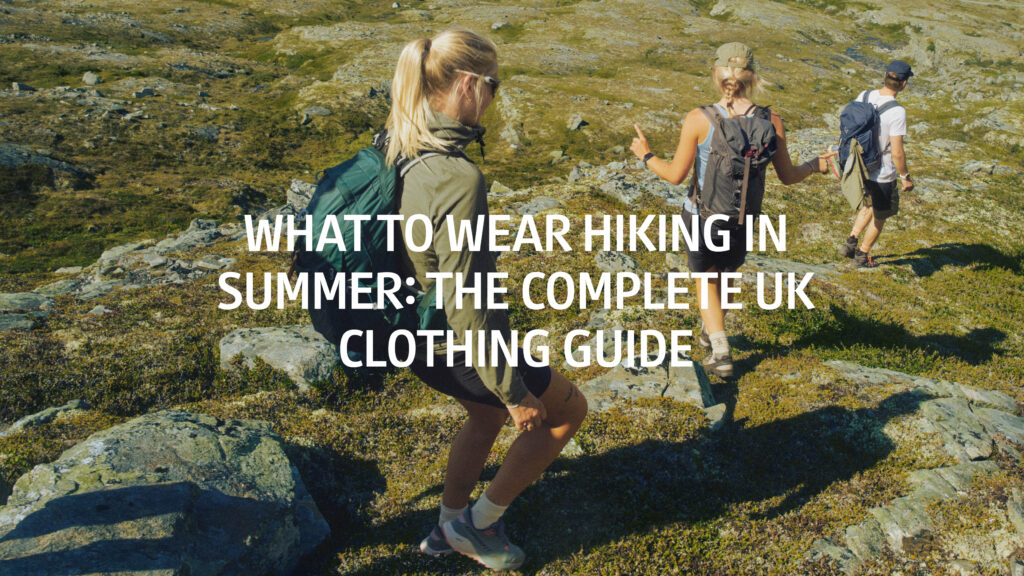

Author: Trekitt Gear Team
With years of experience hiking, hillwalking and exploring the UK’s mountains and trails, our team knows what clothing performs best when the temperature rises. We’ve tested summer hiking gear across a wide range of conditions, from gentle countryside walks to long mountain days, and understand which fabrics, layers and footwear keep you comfortable without compromising protection. In this guide, we explain what to wear hiking in summer, share our top clothing recommendations and help you choose the right outfit for your next warm-weather adventure.
Summer is one of the best times to get out on the trail. Longer days, dry paths and clear mountain views make everything from local woodland walks to big days in the hills even more enjoyable. The only challenge? British weather rarely sticks to the script. You might leave the car park in warm sunshine, pull on a waterproof during a passing shower, then reach a breezy summit wishing you’d packed an extra layer.
That’s why dressing for summer hiking isn’t simply about wearing less. The best hiking outfit is lightweight, breathable, and easy to adapt to as conditions change. Choosing the right fabrics, layers and footwear will help you stay comfortable whether you’re enjoying an easy countryside walk, tackling a mountain route or heading out on a multi-day adventure.
In this guide, we’ll show you exactly what to wear for summer hiking in the UK, from baselayers and sun hoodies to hiking trousers, footwear and rucksacks. If you’re also looking for advice on hydration, staying cool in hot weather and managing heat on the trail, be sure to read our How to Stay Cool on Summer Hikes guide alongside this one.
Key Takeaways
- Learn how to build the perfect summer hiking outfit for UK conditions.
- Discover the best baselayers, footwear and fabrics for warm-weather hiking.
- Find out when to wear shorts, trousers, hiking shoes or trail running shoes.
- Understand why layering and carrying a lightweight waterproof are essential.
- Choose the right accessories, including hats, sunglasses, socks and rucksacks.
- Dress confidently for everything from countryside walks to mountain adventures.
Quick Summer Hiking Clothing Checklist
If you’re short on time, this checklist covers the essentials for most UK summer hikes. Your exact clothing will depend on the weather, terrain and the length of your walk, but these are the items we’d recommend packing or wearing before setting off.
| Clothing | Our Recommendation |
| Baselayer | Lightweight technical T-shirt or sun hoodie |
| Midlayer | Lightweight fleece (pack if conditions are cool or you’re heading into the mountains) |
| Waterproof | Lightweight waterproof jacket |
| Legs | Hiking shorts or lightweight hiking trousers |
| Socks | Merino wool or technical hiking socks |
| Footwear | Breathable hiking shoes or trail running shoes |
| Hat | Running cap, sun hat or sun hood |
| Sunglasses | UV400 protection |
| Pack | 20 to 30-litre ventilated daypack |
This is a great starting point for everything from gentle countryside walks to full days in the hills. In the sections below, we’ll explain how to choose each item and when you might want to adapt your clothing for hotter weather, mountain routes or longer adventures.
How to Dress for Summer Hiking in the UK
One of the biggest mistakes people make is assuming summer hiking means wearing as little as possible. In reality, the best outfit is one that adapts to changing weather. A walk that starts in warm sunshine can quickly become cooler on an exposed ridge or interrupted by one of Britain’s famous summer showers.
Instead of relying on a single layer, think of your clothing as a lightweight system that you can adjust throughout the day. This approach helps you stay comfortable from the valley to the summit, whether you’re enjoying a short countryside walk or tackling a full day in the mountains.
Start with a Lightweight Baselayer
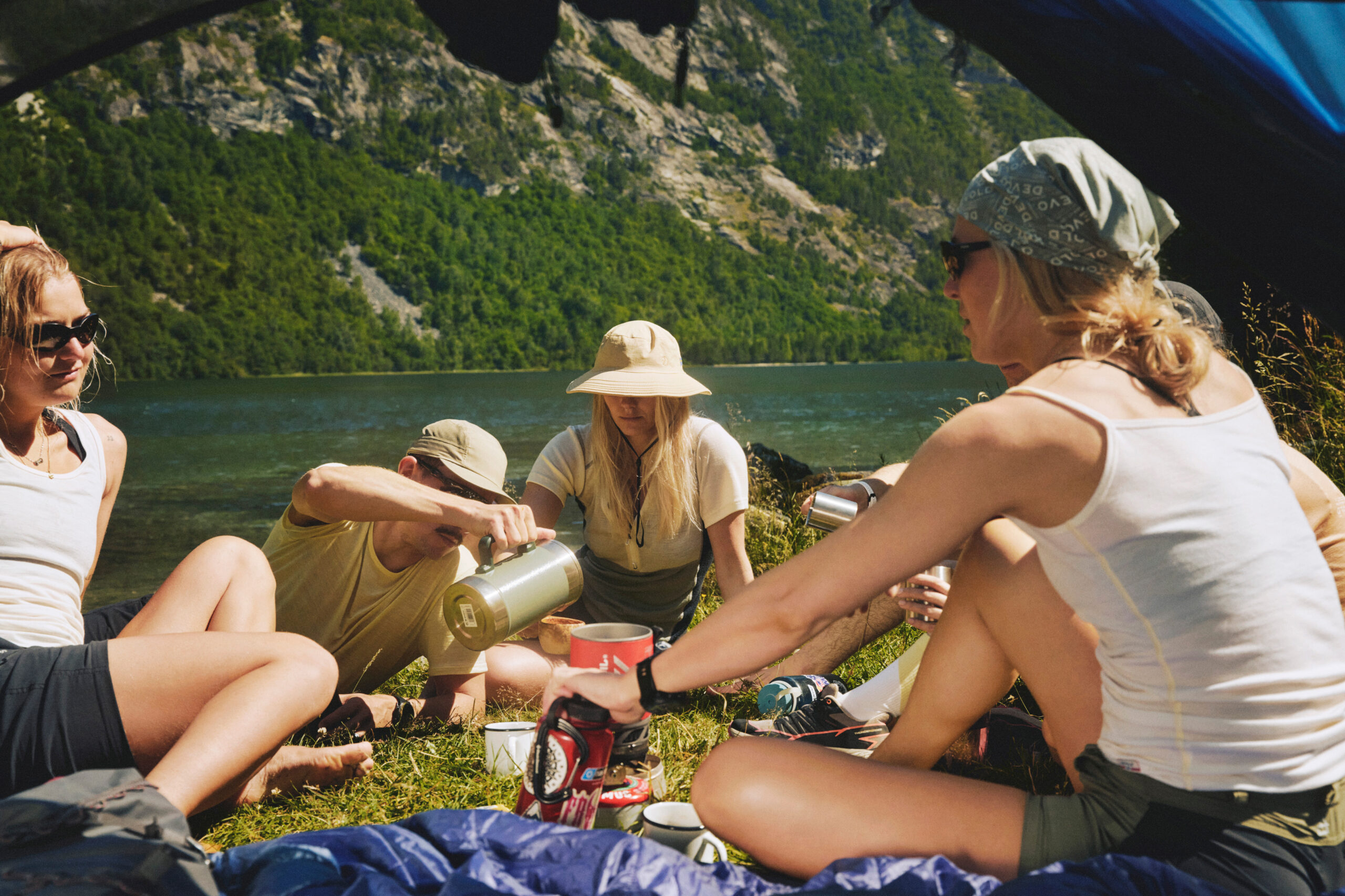
Your baselayer sits next to your skin, so it’s worth choosing one designed for active use. Lightweight technical T-shirts are a popular choice for warm-weather hiking because they’re breathable, dry quickly and stay comfortable during long days on the trail. If you’re expecting strong sunshine or spending hours above the tree line, a lightweight sun hoodie provides additional coverage without weighing you down.
Merino wool baselayers are another excellent option, especially for longer trips where you’ll wear the same clothing for several days. They naturally regulate temperature and resist odours, while synthetic fabrics generally dry a little faster and are often preferred for higher-output activities.
Add Insulation Only When You Need It
Even in the middle of summer, temperatures can be surprisingly cool early in the morning, on exposed summits or once the sun begins to set. Rather than wearing a warm layer all day, it’s usually better to pack a lightweight fleece to pull on during breaks or when conditions change.
A thin fleece adds very little weight to your rucksack but can make a huge difference if the temperature drops or the wind picks up.
Always Carry a Lightweight Waterproof
British weather has a habit of changing when you least expect it. A clear forecast doesn’t always guarantee a dry day, particularly in mountainous areas where showers can develop quickly.
A lightweight waterproof jacket is one item we’d recommend carrying on every summer hike. Modern shells pack down small, weigh very little and provide reliable protection if the weather takes a turn for the worse.
Adapt Your Layers Throughout the Day
The best-dressed hikers aren’t necessarily wearing the most clothing; they’re simply wearing the right clothing at the right time. Don’t be afraid to stop for a minute to remove your fleece as the day warms up or pull on your waterproof when the wind starts to bite. Small adjustments like these help keep you comfortable throughout your walk without carrying unnecessary bulk.
By building your outfit around lightweight, versatile layers, you’ll be prepared for everything a typical British summer can throw at you, from sunny valley paths to breezy mountain summits.
What Are the Best Fabrics for Summer Hiking Clothing in the UK?
The best summer hiking clothing starts with choosing the right fabric. It affects how comfortable you’ll feel throughout the day, how quickly your clothing dries and how well it performs as the weather changes. Fortunately, you don’t need dozens of different materials. For most UK hikes, there are three excellent options.
Synthetic Fabrics
Synthetic fabrics such as polyester and nylon are the most popular choice for summer hiking. They’re lightweight, breathable and quick to dry, making them ideal for active days on the trail. They’re also durable, easy to wash and often more affordable than natural alternatives. Many outdoor brands enhance their synthetic fabrics with their own moisture-management technologies. You’ll often come across Rab’s Motiv, Montane’s Apex PK, or Patagonia’s Capilene. While each uses a slightly different construction, they all aim to move moisture away from the skin, improve breathability and help garments dry quickly after hard efforts.
Best for:
- Day hikes
- Fast hiking
- Trail walking
- Warm summer conditions
Merino Wool
Merino wool is well known for its comfort and versatility. Lightweight merino baselayers feel soft against the skin, naturally resist odours and perform well across a wide range of temperatures. They’re an excellent choice if you’re planning a multi-day adventure or simply prefer natural fibres.
Best for:
- Multi-day backpacking
- Hillwalking
- Travel
- Everyday outdoor wear
If you’d like to learn more, read our Best Merino Wool Baselayers for Hiking guide, where we compare our favourite models and explain which fabric weights work best for different adventures.
Merino Blends
Many modern baselayers combine merino wool with synthetic fibres to create the best of both worlds. These blends retain much of merino’s natural comfort while improving durability and drying speed, making them a popular option for regular hikers who want a versatile layer for a wide range of conditions.
Best for:
- Regular hiking
- Hillwalking
- Three-season adventures
- Active outdoor use
Fabrics to Avoid
Cotton might feel comfortable at the start of a walk, but it isn’t the best choice for hiking. It absorbs moisture, takes much longer to dry and can quickly become heavy and uncomfortable if you work up a sweat or get caught in a shower.
For most summer hikes in the UK, a lightweight synthetic or merino baselayer will provide far better comfort and performance from the first mile to the last.
Choosing the Right Summer Baselayer
A good baselayer is one of the most important pieces of clothing for summer hiking. Worn next to your skin, it helps keep you comfortable throughout the day, whether you’re enjoying an easy countryside walk or tackling a demanding mountain route.
The best choice depends on how and where you hike. Some hikers prioritise lightweight performance for fast-paced adventures, while others prefer all-day comfort or clothing that works well on multi-day trips.
If you’re unsure which type is right for you, our Which Baselayer Should You Choose? guide explains the differences between the main fabric options, when each one performs best and how to choose the right baselayer for your adventures. You can also explore our full Baselayer Collection to browse the latest technical and merino styles.
Are Sun Hoodies Worth It?
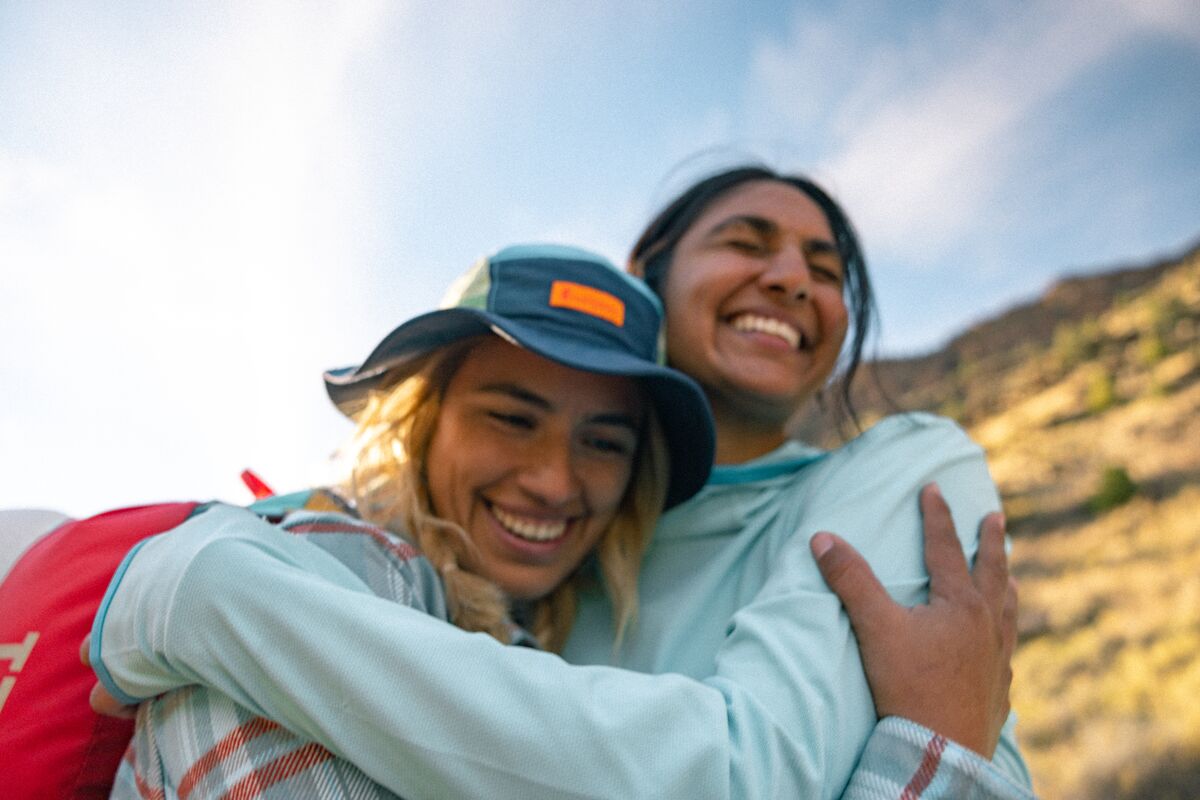
Sun hoodies have become increasingly popular with hikers, backpackers and trail runners, and it’s easy to see why. Rather than leaving your arms and neck exposed, they provide lightweight coverage while remaining breathable enough for active use. They’re particularly useful on long, exposed routes where you’ll spend hours in direct sunshine, whether you’re exploring the Lake District, hiking in Snowdonia or heading overseas to warmer climates.
Short Sleeve or Long Sleeve?
For many UK summer walks, a lightweight short-sleeved baselayer is all you’ll need. It offers excellent freedom of movement and keeps your clothing system simple on warm days.
Long-sleeved baselayers come into their own when you want extra protection from the sun, cool summit breezes or scratchy vegetation. They can often be just as comfortable as short sleeves when made from lightweight technical fabrics, making them a great choice for mountain days and longer adventures.
Ultimately, there’s no single right answer. Many experienced hikers own both short- and long-sleeved baselayers, choosing the one that best suits the forecast, terrain, and the type of walk they have planned.
Lightweight Waterproof Jackets for Summer Hiking
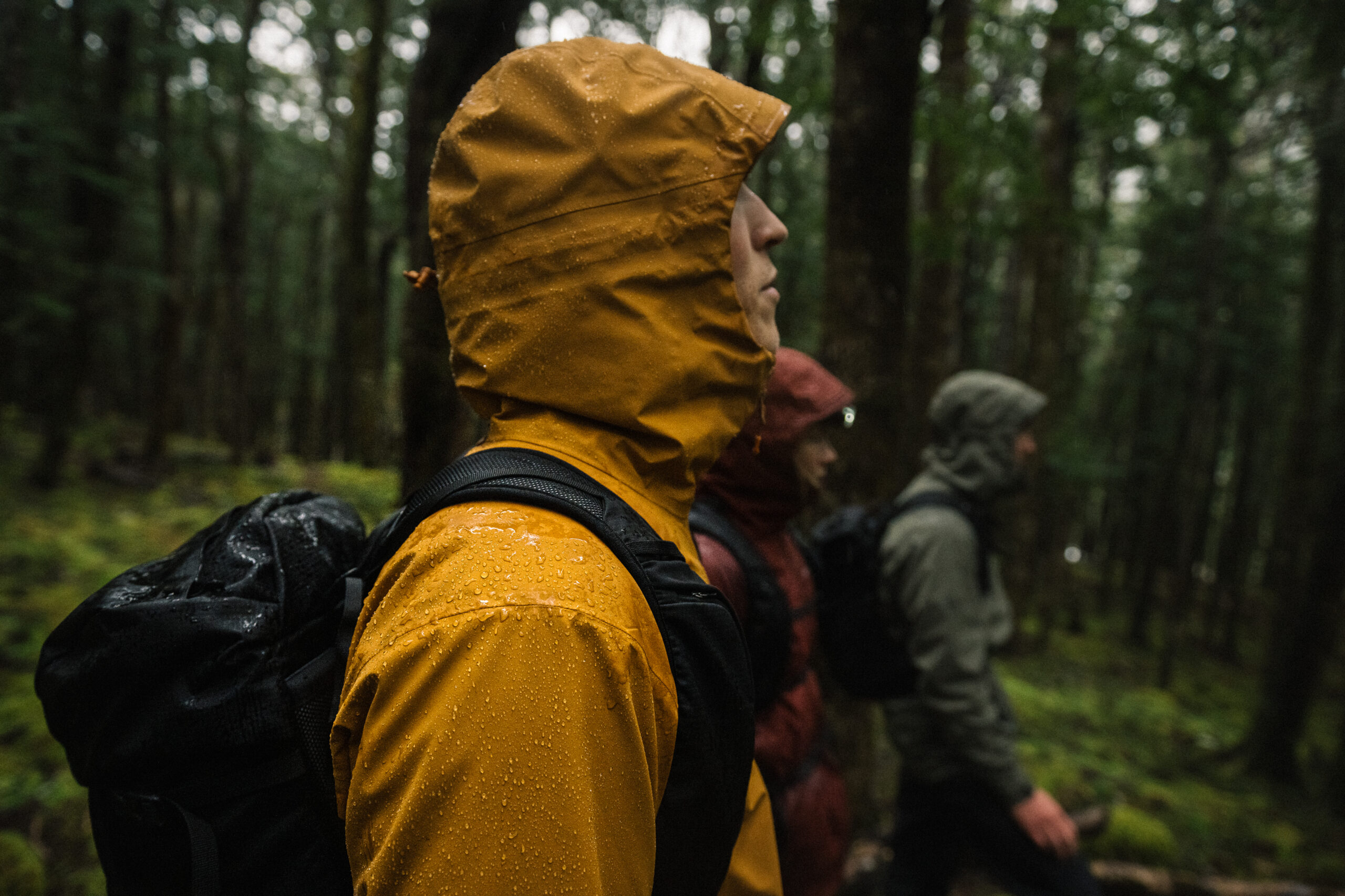
No matter how promising the forecast looks, we’d always recommend packing a lightweight waterproof jacket for a summer hike in the UK. Modern waterproof shells pack down surprisingly small, weigh very little and can quickly become the most valuable item in your rucksack when a passing shower or a chilly summit breeze appears.
Best for Fast and Light Hiking
If you like to move quickly or simply want an emergency shell that takes up very little space, look for an ultralight waterproof such as the Montane Phase Lite or Montane Minimus Lite. Both are designed to disappear into your pack until the weather changes, making them ideal for summer day hikes, fast hiking and hillwalking.
Best All-Round Waterproof
For most hikers, an all-round waterproof offers the best balance of protection, comfort and packability. Jackets such as the Rab Downpour Mountain Jacket or Montane Torren Jacket are comfortable enough to wear throughout a wet day while remaining light enough to carry on every summer adventure.
Best for Mountain Walking
If you’re regularly heading into higher mountains where the weather can change rapidly, a more protective shell is a worthwhile investment. Jackets like the Fjällräven Bergtagen GTX Lite and Montane Phase Lite provide dependable waterproof performance while remaining light enough for three-season use in the UK’s mountains.
Whichever jacket you choose, look for one that’s lightweight enough to carry on every hike rather than leaving it at home. A waterproof only helps if it’s in your rucksack when the weather turns.
Should You Wear Shorts or Hiking Trousers?
Both hiking shorts and hiking trousers have their place, and the right choice depends on where you’re walking, the conditions and your personal preference. While many hikers automatically reach for shorts on warm days, lightweight hiking trousers can be just as comfortable and offer a little extra protection when the terrain becomes more challenging.
Hiking Shorts
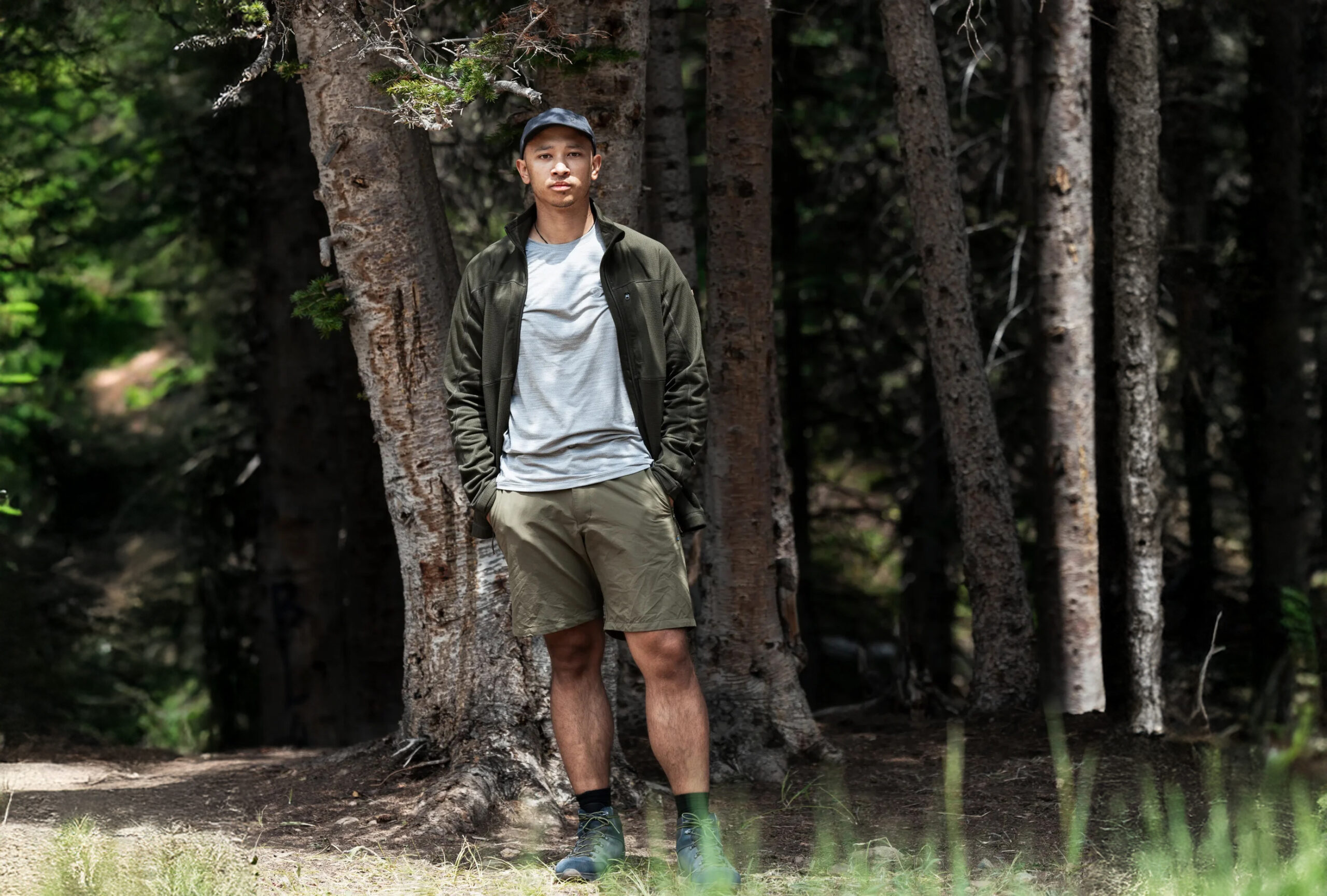
Shorts are a great choice for warm, dry days when you’re sticking to well-maintained paths and lower-level trails. They maximise airflow, allow complete freedom of movement and are ideal for everything from countryside walks to easy hill days.
Best for:
- Warm summer weather
- Countryside walks
- Woodland trails
- Easy day hikes
- Fast hiking
Lightweight Hiking Trousers
Modern hiking trousers are far lighter and more breathable than many people expect. They offer extra protection from scratchy vegetation, insects and rough rock while remaining comfortable throughout the day. They’re particularly useful if your route includes heather, brambles or sections where you’ll be scrambling over rocks.
Lightweight trousers are also a popular choice for mountain walking, where conditions can change quickly, and temperatures are often cooler on higher ground.
Best for:
- Mountain walking
- Scrambling
- Overgrown trails
- Walking through bracken or heather
- Areas with biting insects
What About Zip-Off Trousers?
Convertible zip-off trousers offer the flexibility of both shorts and trousers in one garment. You can remove the lower legs when the weather is warm, then zip them back on if temperatures drop or you need extra protection from vegetation and insects.
While they aren’t as popular as they once were, they’re still a practical option for long-distance walks, travelling and multi-day adventures where versatility is more important than having separate clothing.
Ultimately, there’s no right or wrong answer. Many experienced hikers own both shorts and lightweight trousers, choosing the one that best suits the route ahead. If you’re expecting rough terrain, mountain conditions or overgrown paths, trousers are often the more practical choice. For relaxed summer walks on well-maintained trails, a comfortable pair of hiking shorts is hard to beat.
The Best Hats for Summer Hiking
A good hat can make a noticeable difference on warm-weather hikes. It helps keep the sun off your face, improves comfort on exposed trails and offers welcome protection during long days outdoors.
Running & Hiking Caps
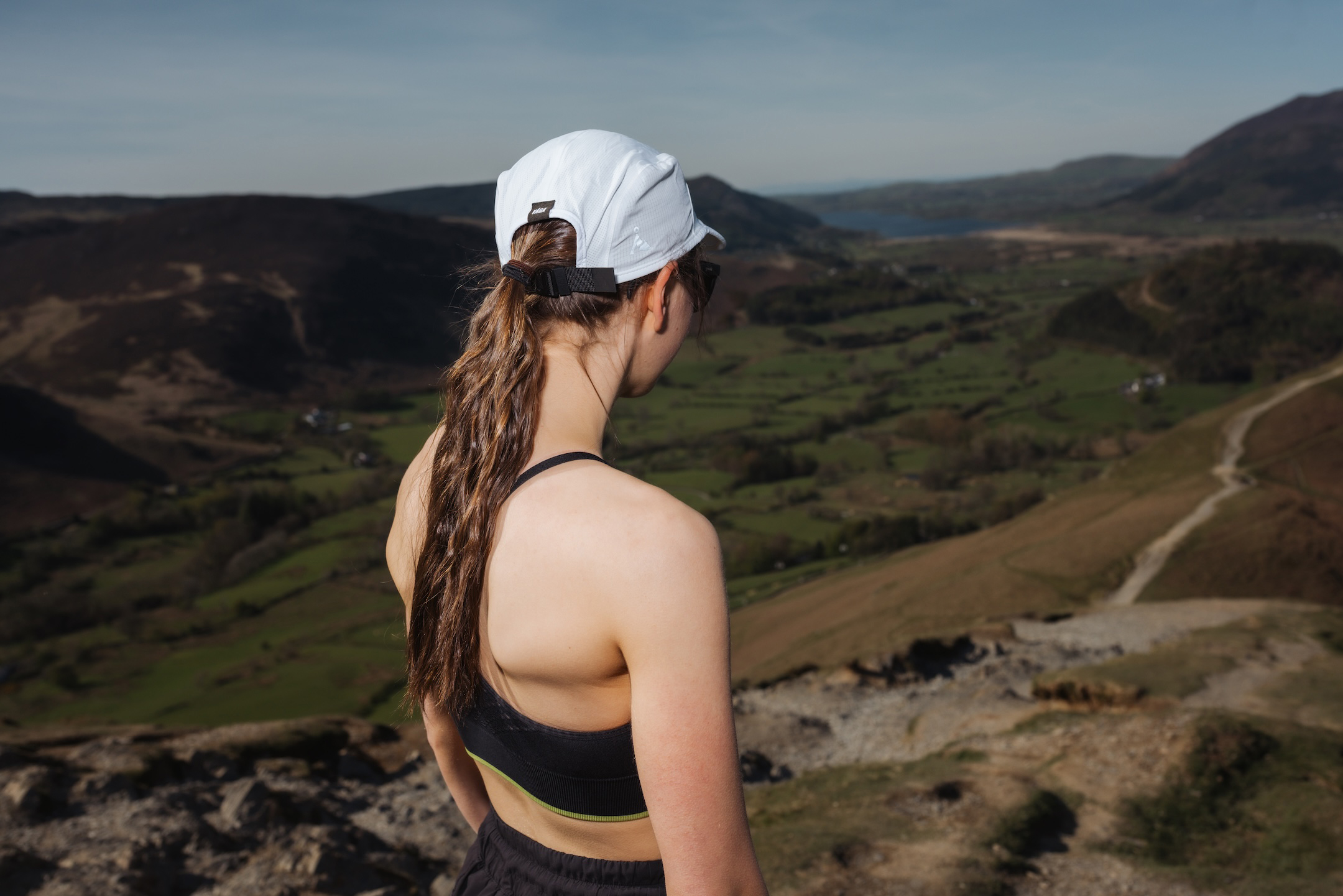
Lightweight running and hiking caps are the most popular choice for UK summer walking. They’re breathable, comfortable to wear all day and easy to pack away when you’re not using them. For most day hikes, hill walks and faster-paced adventures, a technical cap is all you’ll need.
Wide Brim & Legionnaire Hats
If you’re planning long walks on exposed mountains, coastal paths or travelling in hotter climates, extra coverage can be worthwhile. Wide-brimmed hats help shade your face, ears and neck, while legionnaire hats add a lightweight neck flap to protect the back of your neck from strong sunshine.
Which Hat Should You Choose?
For most UK summer hikes, a lightweight technical cap offers the best balance of comfort, breathability and sun protection. If you’ll be spending long periods in direct sunlight with little natural shade, a wide-brimmed or legionnaire hat provides additional coverage and can help you stay comfortable throughout the day.
Choosing the Right Sunglasses for Summer Hiking
A good pair of sunglasses does much more than make bright days more comfortable. They help protect your eyes from harmful UV rays, reduce glare and make it easier to spot uneven ground, especially on open hillsides, rocky trails and coastal paths.
When choosing hiking sunglasses, look for:
- UV400 protection to block harmful UVA and UVB rays.
- A secure fit that stays in place when you’re climbing, scrambling or working up a sweat.
- Lightweight frames that remain comfortable during long days outdoors.
- Durable lenses that can cope with life on the trail.
Goodr: Great Value for Everyday Hiking
If you’re looking for an affordable pair of hiking sunglasses, Goodr is hard to beat. Originally designed for runners, they’re lightweight, polarised and feature a no-slip, no-bounce fit that works just as well for hiking. They’re ideal for day hikes, fast hiking and travel, especially if you want dependable performance without spending a fortune.
Best for:
- Day hikes
- Fast hiking
- Trail walking
- Travel
- Great value

Julbo: Built for Mountain Adventures
For regular hillwalkers and mountain hikers, Julbo has earned an outstanding reputation. Many models feature wraparound designs for extra coverage, while Julbo’s Spectron and REACTIV lenses provide excellent clarity in changing mountain conditions. Whether you’re hiking in the Lake District, scrambling in Snowdonia or heading into the Alps, there’s a Julbo model designed for the job.
Best for:
- Mountain walking
- Hillwalking
- Scrambling
- Alpine adventures
- Long days above the tree line
Whichever brand you choose, a comfortable pair of sunglasses is one of the simplest upgrades you can make to your summer hiking kit. Once you’ve experienced a bright day on the trail without constantly squinting into the sun, you’ll wonder how you ever hiked without them.
Choosing the Right Footwear
The right footwear can make just as much difference to your comfort as the clothing you wear. The best choice depends on the terrain, the distance you’re covering and how much support you need. While heavy leather boots still have their place, many summer hikers now prefer lighter, more breathable options that feel comfortable from the first mile to the last.
Day Hikes: Breathable Hiking Shoes
For woodland trails, countryside walks and lower-level hill days, lightweight hiking shoes are often the ideal choice. They’re comfortable straight out of the box, allow your feet to move naturally and are typically more breathable than traditional boots, making them well-suited to warm summer conditions.
Best for:
- Day hikes
- National parks
- Woodland trails
- Countryside walks
- Dry summer paths
Mountain Walking: Lightweight Hiking Boots
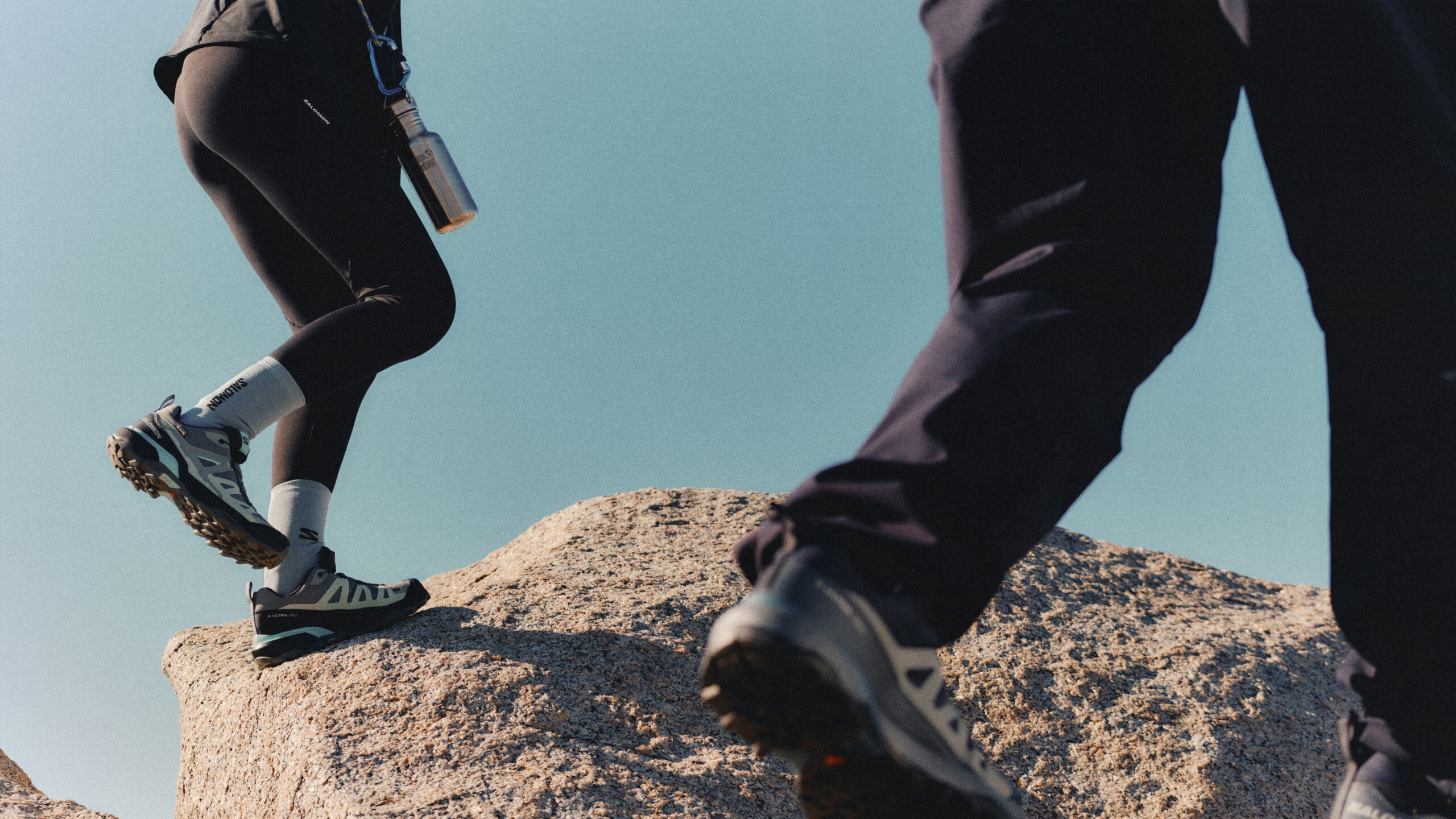
When your route involves rough terrain, steep climbs, or carrying a heavier rucksack, lightweight hiking boots offer extra ankle support while remaining far less bulky than traditional mountain boots. They’re a great option for summer hillwalking, especially when the weather is changeable or the ground is rocky and uneven.
Best for:
- Mountain walking
- Hillwalking
- Rocky terrain
- Longer days with a heavier pack
Fast Hiking: Trail Running Shoes
Trail running shoes aren’t just for runners. Many hikers now choose them for fast-paced walks thanks to their low weight, excellent grip and flexible feel. They’re particularly popular on well-maintained trails where speed and comfort take priority over maximum support.
Best for:
- Fast hiking
- Long-distance trails
- Summer adventures
- Experienced hikers travelling light
Multi-Day Walks: Finding the Right Balance
For backpacking trips and multi-day hikes, it’s all about balancing support with weight. A lighter shoe can help reduce fatigue over long distances, while a more supportive boot may feel reassuring when carrying camping gear or tackling technical terrain. There’s no one-size-fits-all answer, so think about your route, pack weight and personal preference before choosing your footwear.
If you’re looking for your next pair, explore our full range of Hiking Shoes, Trail Running Shoes and Sandals If you’re still deciding which style is best for warmer conditions, our Best Lightweight Hiking Shoes for Summer guide compares some of our favourite models and explains which are best suited to different types of hiking.
Are Hiking Sandals a Good Choice?
Hiking sandals have become increasingly popular in recent years, and for good reason. On the right route, they can be incredibly comfortable, keeping your feet cool while providing more support and grip than a standard pair of summer sandals.
Models from brands like Teva are designed specifically for outdoor use, with secure straps, cushioned footbeds and durable outsoles that perform well on dry trails and uneven ground.
Hiking sandals are ideal for:
- Easy countryside walks
- Coastal paths
- Travel and sightseeing
- Campsites
- Warm, dry summer days
- Walks involving river crossings
They’re less suitable for technical mountain routes, scrambling or long days on loose, rocky terrain where extra foot protection and stability are more important. In those situations, lightweight hiking shoes or boots remain the better choice.
If you’re looking for a comfortable option for relaxed summer adventures, hiking sandals can be an excellent addition to your outdoor wardrobe, especially if you value breathability and all-day comfort.
Choosing the Right Socks for Summer Hiking
Socks might not be the first thing you think about when planning a summer hike, but the right pair can make a big difference to your comfort. Good hiking socks help manage moisture, reduce friction and cushion your feet, making it easier to enjoy long days on the trail.
Merino Wool Socks
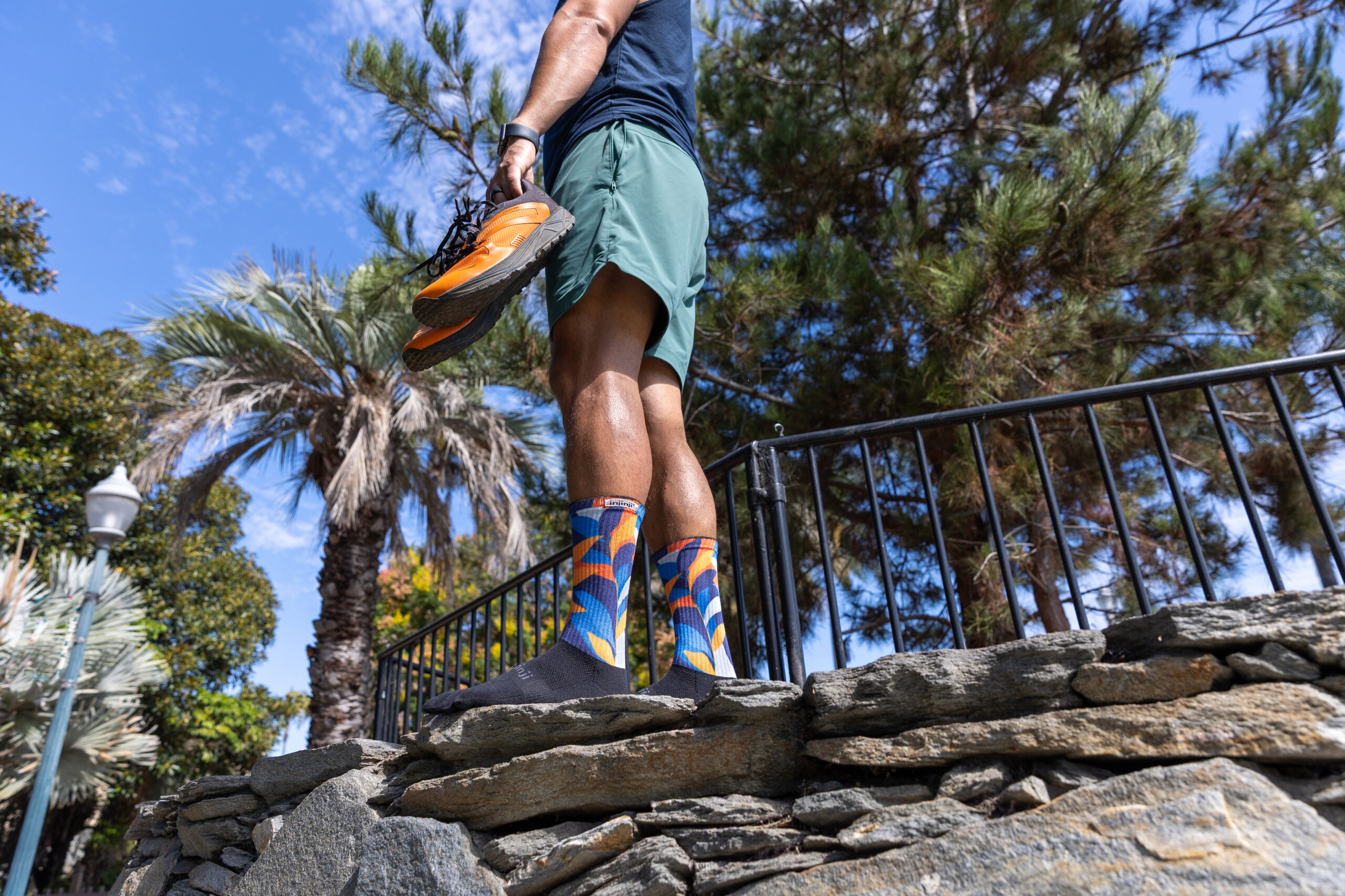
Merino wool isn’t just for winter. Lightweight merino hiking socks are an excellent choice for summer because they’re naturally breathable, comfortable and resist odours, even after several days of wear. They’re particularly popular for backpacking trips and multi-day adventures where you may be wearing the same pair for longer.
Best for:
- Day hikes
- Multi-day backpacking
- Mountain walking
- Travel
Lightweight Technical Socks
If you’re hiking at a faster pace or tackling warm-weather trails, lightweight synthetic hiking socks are another excellent option. They dry quickly, feel light on your feet and pair perfectly with breathable hiking shoes or trail running shoes.
Best for:
- Fast hiking
- Trail walking
- Hot summer conditions
- Trail running
What Sock Height Should You Choose?
The right sock height depends largely on your footwear.
- Crew socks are the most versatile choice and work well with both hiking shoes and boots.
- Quarter socks are popular with trail running shoes and low-cut hiking shoes, offering a little ankle protection without feeling bulky.
- No-show socks are generally best avoided for hiking, as they provide less protection from rubbing, dirt and debris.
If you’re not sure which pair to choose, take a look at our Best Hiking Socks guide, where we compare our favourite merino and technical socks for everything from easy summer walks to demanding mountain days.
Women’s Summer Hiking Clothing
The best summer hiking clothing for women follows the same principles as any great outdoor outfit: keep it lightweight, breathable and easy to adapt as the conditions change. The biggest difference comes down to finding clothing that fits well, feels comfortable over long distances and gives you the freedom to move confidently on every type of trail.
Choose the Right Fit
Well-fitting clothing is more comfortable, performs better and provides great freedom of movement throughout your hike. Many women’s hiking tops, jackets and trousers are designed with a tailored cut that works with your body rather than against it, helping reduce excess fabric without feeling restrictive.
Build a Simple Layering System
A lightweight baselayer, a packable fleece and a waterproof jacket are all most hikers need for summer adventures in the UK. This simple combination is easy to adjust throughout the day, whether you’re setting off on a cool morning, climbing to a breezy summit or finishing your walk as the temperature begins to drop.
Don’t Overlook a Good Sports Bra
One of the most important pieces of hiking clothing is often the one people talk about the least. A supportive, moisture-wicking sports bra can make a huge difference on longer walks, helping you stay comfortable while reducing rubbing and irritation. Look for breathable fabrics and a level of support that suits both your activity and pack weight.
Outdoor Dresses and Skorts
For relaxed countryside walks, travel, and easier summer adventures, outdoor dresses and hiking skorts are becoming increasingly popular. Made from lightweight, technical fabrics, they combine everyday comfort with the quick-drying performance you’d expect from hiking clothing. While they aren’t the first choice for scrambling or technical mountain routes, they’re an excellent option for gentle trails, campsite evenings and warm-weather holidays.
The most important thing isn’t following a particular outfit formula, but choosing clothing that fits well, feels comfortable and matches the type of adventure you have planned. When your clothing works with you instead of against you, you can simply enjoy the walk.
Choosing a Summer Rucksack
A comfortable rucksack makes every hike more enjoyable. For most UK summer walks, a 20 to 30-litre daypack provides plenty of space for water, food, a waterproof jacket and a few extra layers without feeling bulky.
Prioritise Comfort
Look for a hiking pack with a ventilated back system to improve airflow on warm days. While it won’t stop you sweating, it can make carrying a pack much more comfortable over long distances.
Pack for Changing Weather
Even in summer, UK conditions can change quickly. Leave enough room for a lightweight fleece and a waterproof jacket, so you’re prepared if the temperature drops or showers move in.
Stay Organised
External pockets and separate compartments make it easier to keep essentials like snacks, sunglasses, sunscreen and water within easy reach, so you can spend less time searching through your pack.
If you’re not sure which capacity is right for your adventures, our What Size Backpack Do You Need for Hiking? The guide explains the different sizes and helps you choose the best rucksack for day hikes, mountain walks and multi-day trips.
What to Wear for Different Types of Summer Hikes
There’s no single outfit that works for every summer adventure. The clothing you choose for a gentle woodland walk will be very different from what you’d pack for a mountain hike or a multi-day backpacking trip. Here are some outfit ideas to help you build the right clothing system for different types of hikes.
Easy Countryside Walk
For relaxed walks on well-maintained paths and lower-level trails, comfort is the priority. Lightweight, breathable clothing is usually all you need, with a waterproof jacket just in case the weather changes.
Recommended outfit:
- Lightweight technical T-shirt
- Hiking shorts or lightweight hiking trousers
- Merino or technical hiking socks
- Breathable hiking shoes
- Lightweight hiking cap
- 20-litre daypack
- Packable waterproof jacket
Mountain Day
Higher ground often brings cooler temperatures, stronger winds and more unpredictable weather, even in the middle of summer. Layering becomes more important, so it’s worth carrying an extra warm layer alongside your waterproof.
Recommended outfit:
- Lightweight merino or technical baselayer
- Lightweight fleece
- Lightweight hiking trousers
- Lightweight hiking boots or supportive hiking shoes
- Hiking cap or sun hoodie
- 25 to 30-litre rucksack
- Lightweight waterproof jacket
Hot Weather Hike
When temperatures climb, the focus shifts to lightweight, breathable clothing that stays comfortable for extended periods in the sun. Many hikers prefer clothing that provides extra coverage without adding unnecessary warmth.
Recommended outfit:
- Lightweight sun hoodie or technical T-shirt
- Hiking shorts or lightweight trousers
- Lightweight technical socks
- Breathable hiking shoes or trail running shoes
- Lightweight running cap or wide-brimmed hat
- Sunglasses
- 20-litre ventilated daypack
Multi-Day Backpacking Trip
Long-distance adventures call for clothing that remains comfortable over several days while keeping pack weight under control. Choosing versatile layers that work in a range of conditions is often better than packing multiple alternatives.
Recommended outfit:
- Lightweight merino baselayer
- Lightweight fleece
- Lightweight waterproof jacket
- Durable hiking trousers
- Comfortable hiking boots or supportive hiking shoes
- Merino hiking socks
- 35-litre or larger backpack, depending on your equipment
Fast Hiking
Fast hiking is all about moving efficiently with a lighter pack. Clothing should allow complete freedom of movement while remaining comfortable during more demanding days on the trail.
Recommended outfit:
- Lightweight technical T-shirt
- Stretch hiking shorts
- Technical socks
- Trail running shoes
- Lightweight running cap
- Lightweight waterproof jacket
- Lightweight daypack or hiking vest
These outfit ideas are a great starting point, but they’re exactly that: starting points. Adjust your clothing to suit the forecast, the terrain and your own preferences, and you’ll be comfortable on almost any summer adventure the UK has to offer.
Final Thoughts
There isn’t one perfect summer hiking outfit. The right clothing depends on where you’re walking, how far you’re going and what the forecast has in store. A gentle stroll through the countryside calls for a very different setup than a full day in the mountains or a multi-day backpacking trip.
The good news is that you don’t need a wardrobe full of specialist kit to enjoy summer hiking. A lightweight baselayer, comfortable footwear, a packable fleece and a reliable waterproof jacket will cover the vast majority of adventures in the UK. From there, you can build a clothing system that suits your favourite routes, the season and the way you like to hike.
Visit Trekitt or Speak to Our Team
If you’re still deciding between merino and synthetic, wondering whether hiking shoes or trail running shoes are the better option, or looking for a rucksack that’s right for your next adventure, we’re always happy to help. Get in touch with the Trekitt team for personalised advice, or visit our Hereford shop where you can try on different clothing, compare footwear and packs, and chat to outdoor specialists who use this gear on the trails themselves.
FAQ
For most UK summer hikes, a lightweight technical or merino baselayer, hiking shorts or lightweight trousers, breathable hiking shoes, technical socks and a cap make a comfortable starting point. It’s also worth packing a lightweight fleece and a waterproof jacket, as British weather can change quickly, particularly in the hills and mountains. 
Choose lightweight, breathable clothing made from technical synthetic fabrics or lightweight merino wool. These materials are designed for active outdoor use and remain comfortable throughout long days on the trail. Complete your outfit with breathable footwear, a lightweight hat and sunglasses, then adjust your layers to suit the conditions.
Yes, for many hikers, they are. A lightweight sun hoodie provides extra coverage for your arms, neck and head without feeling bulky, making it a popular choice for mountain walking, backpacking and long days on exposed trails. They’re particularly useful if you prefer to rely less on sunscreen or spend hours in direct sunshine.
Women’s summer hiking clothing should be lightweight, breathable and comfortable enough for all-day wear. A technical or merino baselayer, supportive sports bra, hiking shorts or lightweight trousers and comfortable hiking footwear will suit most adventures. Add a lightweight fleece and waterproof jacket to your rucksack so you’re prepared if the weather changes.
The best hat depends on the type of hike. Lightweight running caps are ideal for fast-paced walks, technical hiking caps are great all-rounders, while wide-brim and legionnaire hats provide additional protection on exposed routes or during long days in the sun. The most important thing is choosing a hat that’s comfortable enough to wear all day.
Leave a Reply